Dwarf botia
Ambastaia sidthimunki
Also known as Dwarf Chain Loach
FreshwaterFish
Care at a glance
- Temperature
- 68–86°F
- 20–30°C
- pH
- 6.0–7.5
- Adult size
- 2.4 in
- 6 cm
- Minimum tank
- 20 gal
- 75 L
- Temperament
- Peaceful
- Social behavior
- Shoaling
- Swim level
- Bottom
- Difficulty
- Medium
- Breeding
- No record
- Rarity
- Rare
- Family
- Botiidae
- Origin
- Thailand
Overview
The dwarf botia, also sold as the dwarf chain loach, is one of the smallest and most peaceful loaches, and it is a true schooling fish that should be kept in a group of six or more. In a proper shoal it is active and outgoing through the day, working the lower levels of the tank in a loose, restless pack rather than hiding away. It mixes well with small, calm community fish and will pick at tiny snails. Feed small sinking foods such as frozen daphnia and cyclops, crushed pellets, and the occasional algae wafer. A group is comfortable in a well-planted tank of around 75 liters or larger.
In the wild
Ambastaia sidthimunki comes from the Mae Klong and Khwae basins of western Thailand, living in flowing streams and quieter connected pools over sand, stone, and leaf litter. It tolerates a wide temperature band, from about 20 to 30 C, with a pH of roughly 6 to 7.5. A good tank gives it a soft floor, gentle to moderate flow, driftwood and rock for cover, and open lanes for the group to patrol. Plants and a scatter of leaves soften the light and mimic the sheltered margins where this little loach naturally gathers.
Good to know
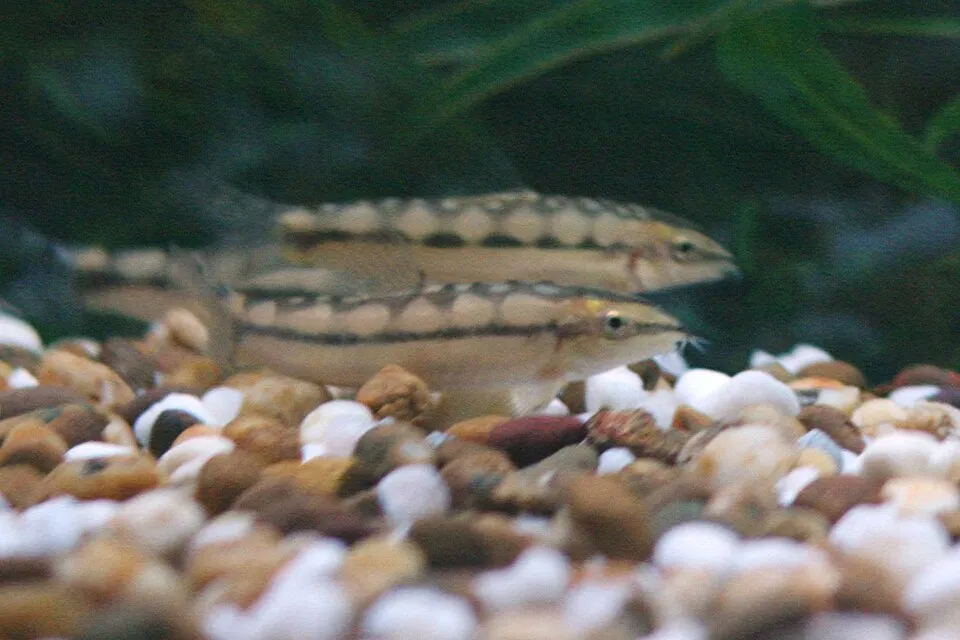
Ambastaia sidthimunki is a botiid loach, once placed in Botia and later Yasuhikotakia before being moved to the genus Ambastaia in 2012. It is a dwarf of the family at about 6 cm, marked with a chain-like ladder of dark blotches along a pale gold body. Like its relatives it has an erectile spine below the eye. Wild breeding is tied to seasonal migration and it is not bred in home aquaria, so farmed fish are produced commercially in the Far East, thought to involve hormone treatment.
Did you know
The dwarf chain loach was once collected so heavily that wild stocks crashed, and it is now considered endangered across its small Thai range. Nearly every one sold today is farm bred, which has taken the pressure off the remaining wild populations.
Weekly picks
Tank mates
Dwarf botia is a peaceful, shoaling species that keeps to the bottom. These picks share a community profile with it, are safe together in both directions, and overlap on water type, temperature and pH.
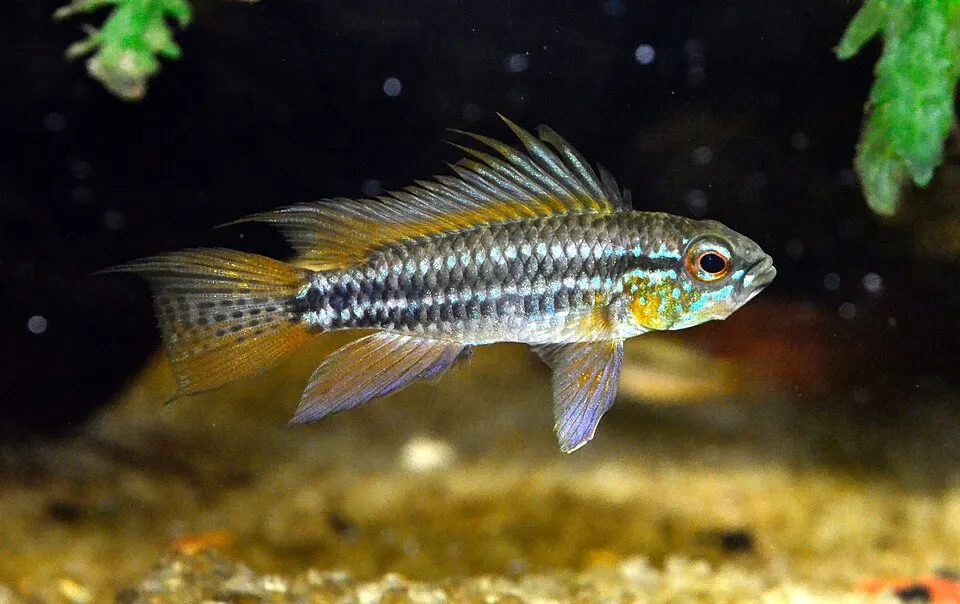
Two-stripe dwarf cichlid
Apistogramma bitaeniata
Freshwater3 in (7.5 cm) · 20 gal (75 L)72–84°F (22–29°C)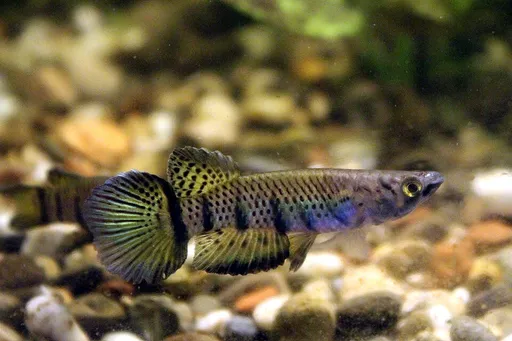
Six-barred panchax
Epiplatys sexfasciatus
Freshwater3.9 in (10 cm) · 20 gal (75 L)72–81°F (22–27°C)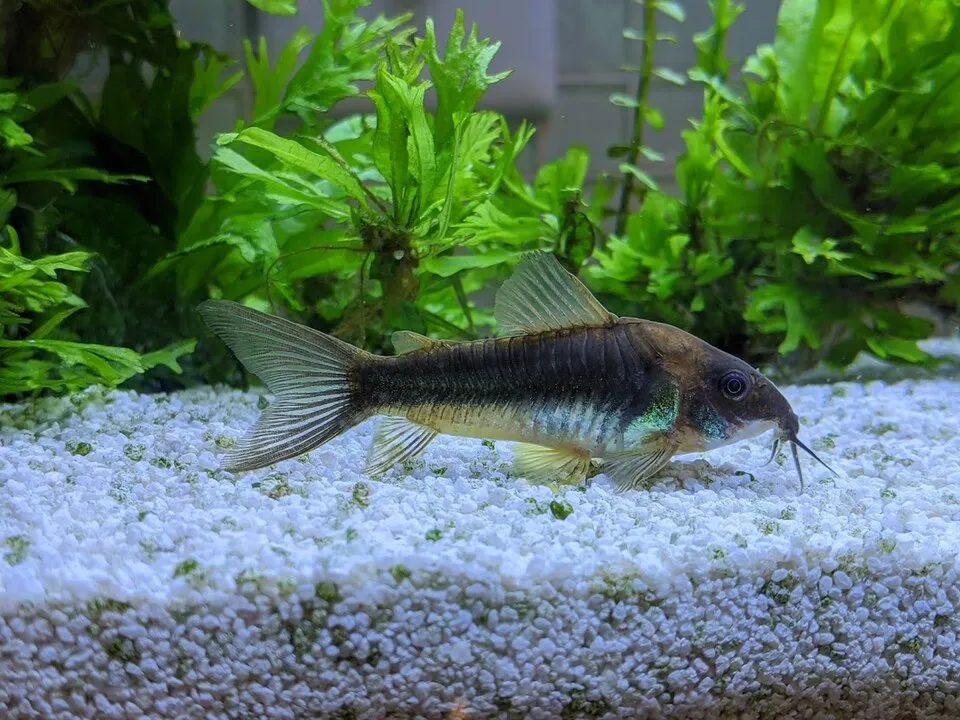
Bronze cory
Osteogaster aenea
Freshwater3 in (7.5 cm) · 20 gal (75 L)70–81°F (21–27°C)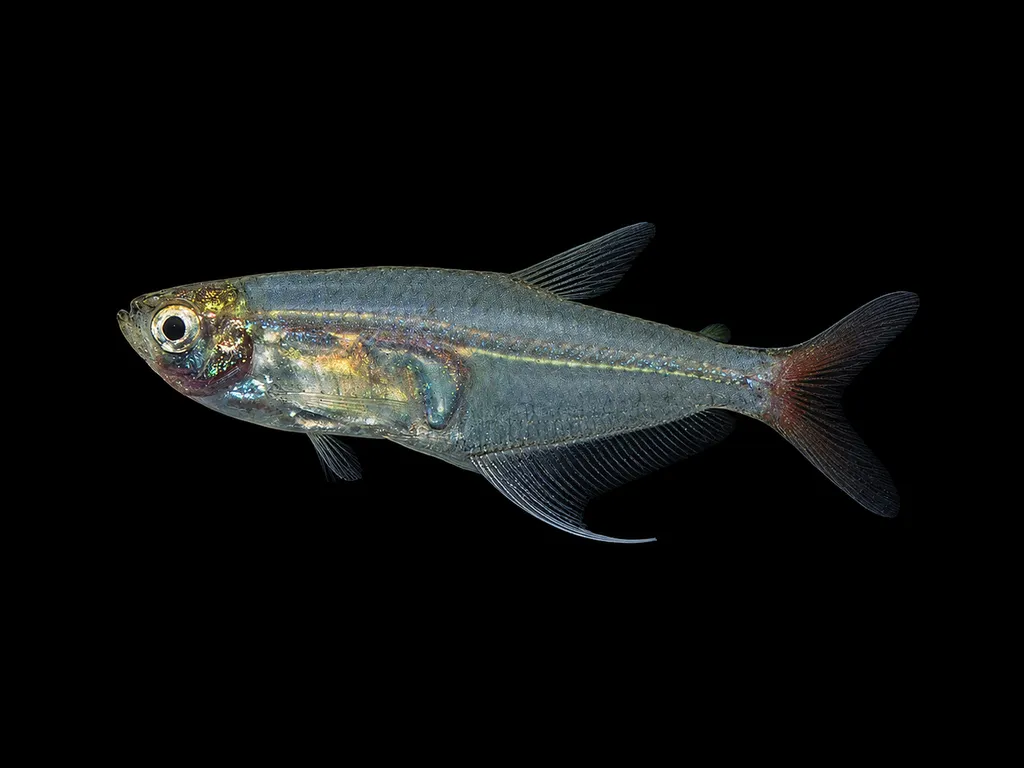
Paraguay glass tetra
Prionobrama paraguayensis
Freshwater2.4 in (6 cm) · 20 gal (75 L)68–81°F (20–27°C)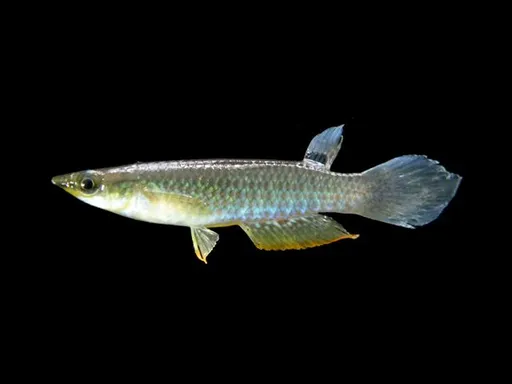
Blue panchax
Aplocheilus panchax
Freshwater3.5 in (9 cm) · 20 gal (75 L)72–82°F (22–28°C)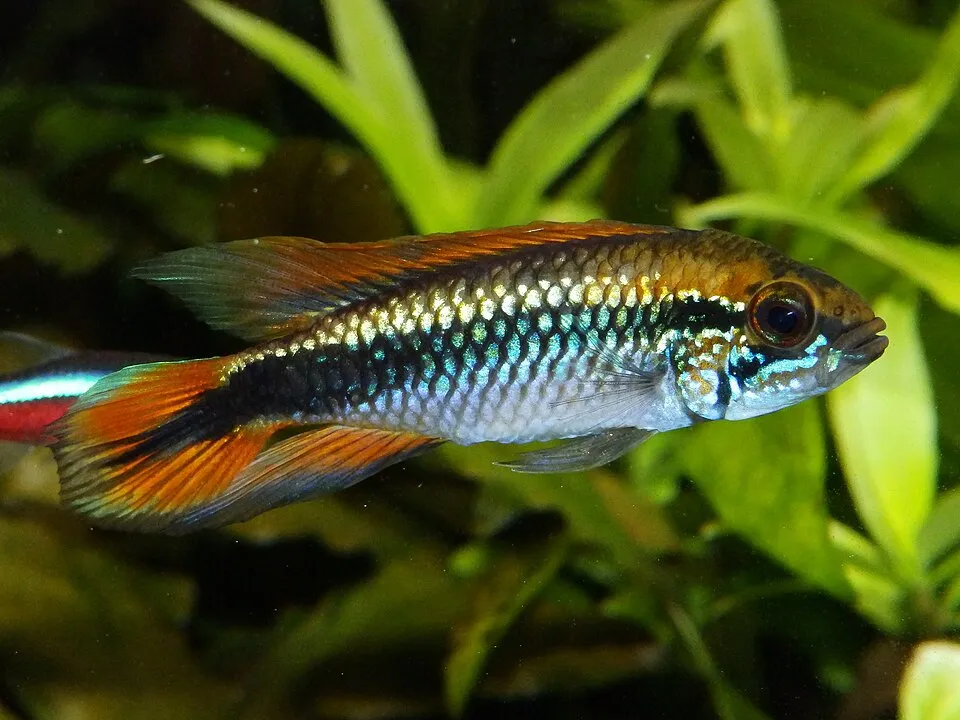
Agassiz's dwarf cichlid
Apistogramma agassizii
Freshwater3.5 in (9 cm) · 20 gal (75 L)72–84°F (22–29°C)
Common questions
What size tank does a Dwarf botia need?
A Dwarf botia needs at least 20 gal (75 L). It spends most of its time in the bottom.
What temperature and pH does a Dwarf botia need?
A Dwarf botia is comfortable at 68–86°F (20–30°C) with a pH of 6.0–7.5.
How big does a Dwarf botia get?
An adult Dwarf botia reaches about 2.4 in (6 cm).
Does a Dwarf botia need a group?
Yes. A Dwarf botia is a shoaling species and should be kept in a group, not singly.
Related species
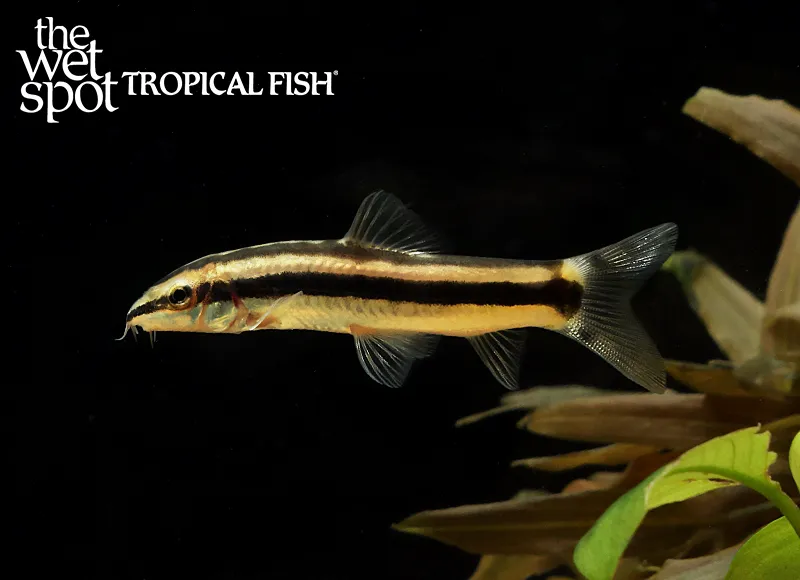 3.1 in (8 cm)24 gal (90 L)72–81°F (22–27°C)
Black-lined loach
Ambastaia nigrolineata
3.1 in (8 cm) · 24 gal (90 L)
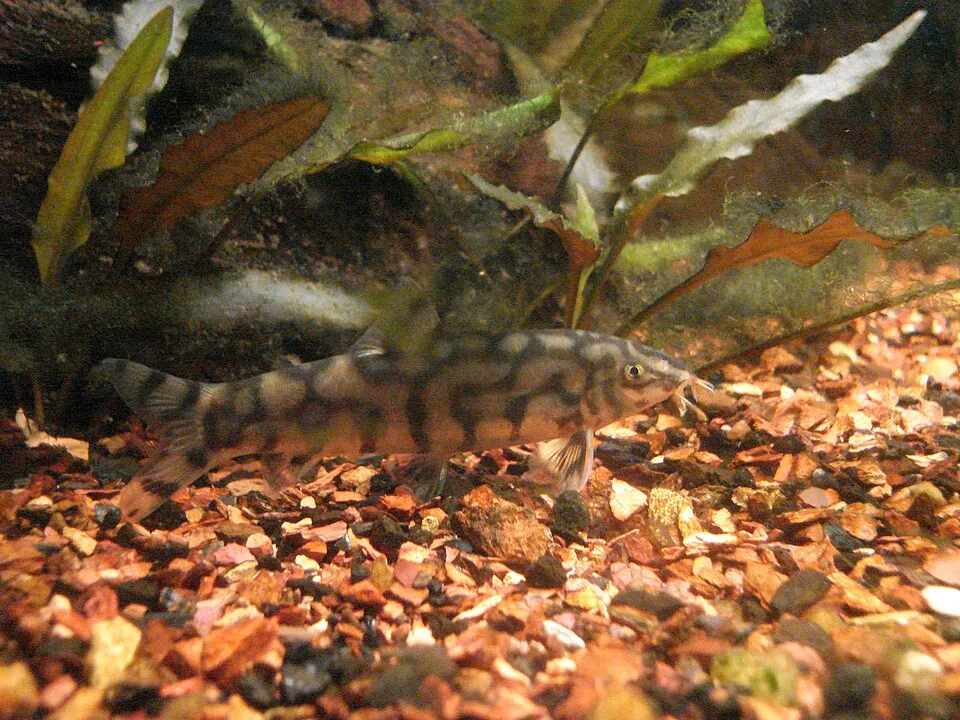 6.3 in (16 cm)42 gal (160 L)66–81°F (19–27°C)
Yoyo loach
Botia almorhae
6.3 in (16 cm) · 42 gal (160 L)
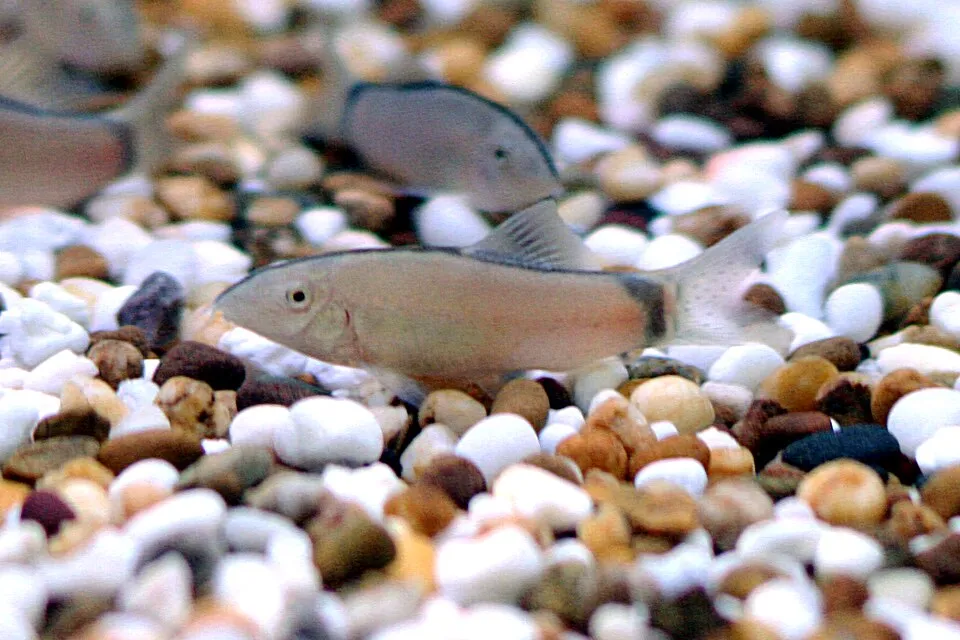 3.3 in (8.5 cm)37 gal (140 L)73–82°F (23–28°C)
Skunk loach
Yasuhikotakia morleti
3.3 in (8.5 cm) · 37 gal (140 L)
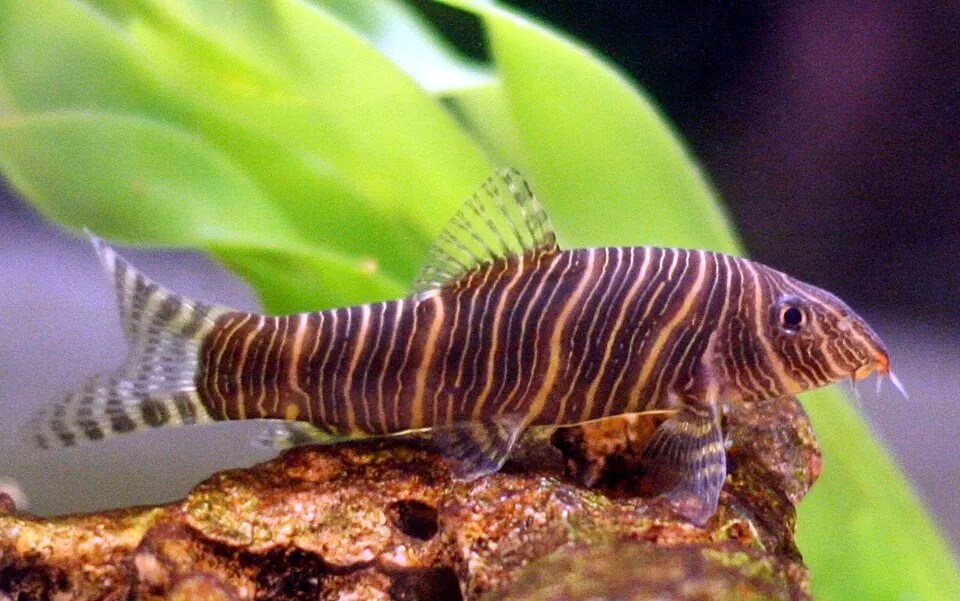 3.5 in (9 cm)37 gal (140 L)70–79°F (21–26°C)
Zebra loach
Botia striata
3.5 in (9 cm) · 37 gal (140 L)
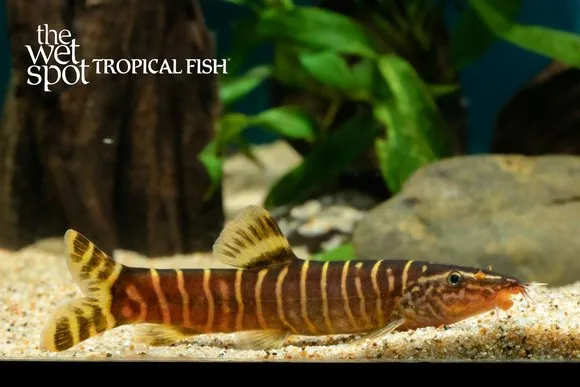 3.9 in (10 cm)37 gal (140 L)64–77°F (18–25°C)
Chinese golden zebra loach
Sinibotia pulchra
3.9 in (10 cm) · 37 gal (140 L)
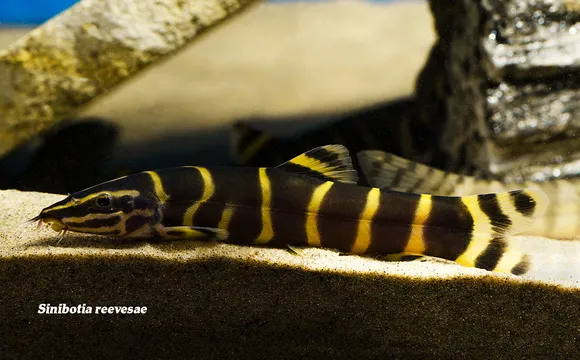 4.3 in (11 cm)37 gal (140 L)64–77°F (18–25°C)
Sichuan golden loach
Sinibotia reevesae
4.3 in (11 cm) · 37 gal (140 L)