One species · 4 varieties
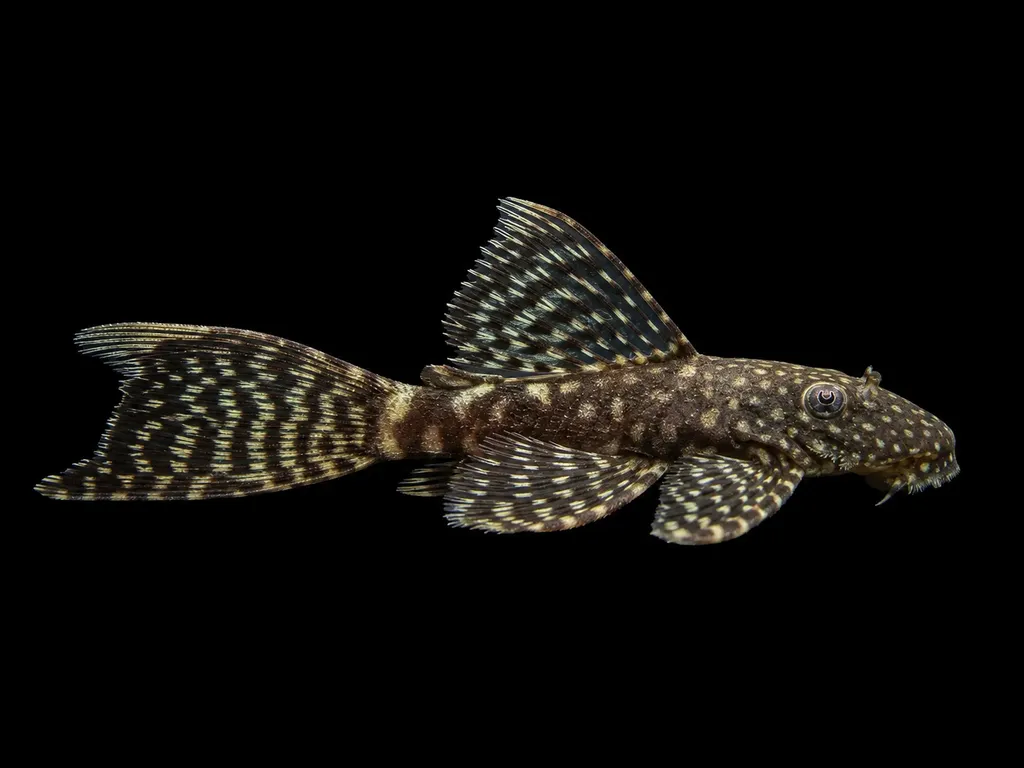
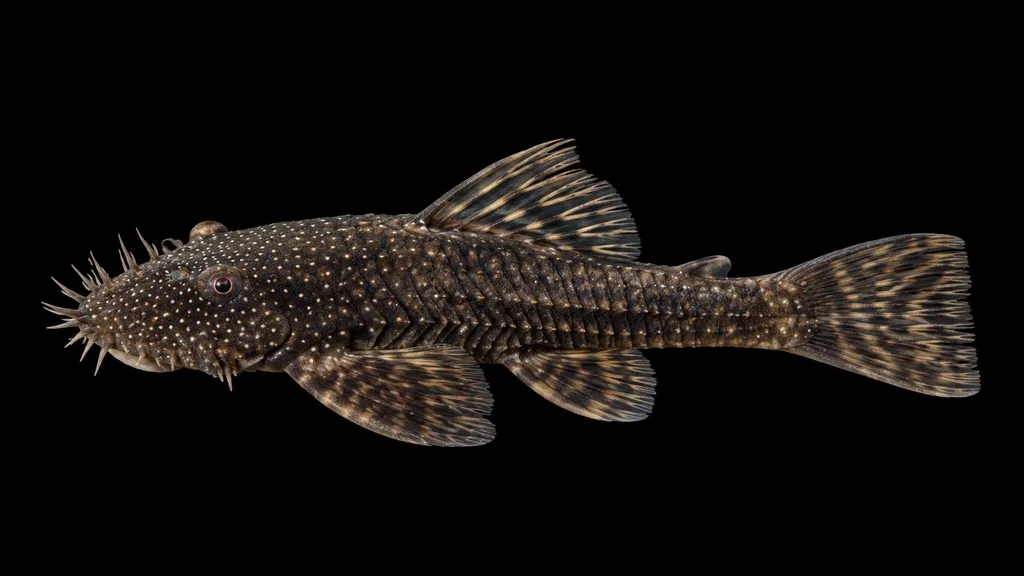
Bristlenose pleco
Ancistrus sp.
Also known as bushynose pleco
FreshwaterFish
Care at a glance
- Temperature
- 70–79°F
- 21–26°C
- pH
- 6.5–7.5
- Adult size
- 4.9 in
- 12.5 cm
- Minimum tank
- 20 gal
- 75 L
- Temperament
- Peaceful
- Social behavior
- Solitary
- Swim level
- Bottom
- Difficulty
- Medium
- Breeding
- Medium
- Rarity
- Very common
- Family
- Loricariidae
- Origin
- Argentina
Pick a variety
One setup covers every line on this page: care is the species' care.
Overview
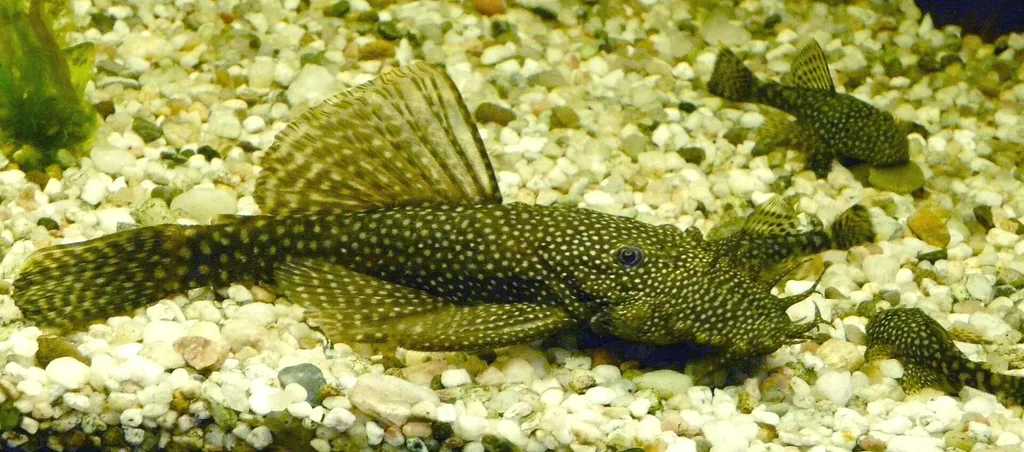
One bristlenose is happy on its own; they don't need a group. They're peaceful bottom dwellers that do fine in a 75 liter tank or larger. Driftwood is important because they rasp on it and need the fiber. Feed algae wafers and blanched vegetables like zucchini, with the occasional sinking protein food. Keep pH from 6.5 to 7.5. They're good algae eaters but produce a lot of waste, so keep up with filtration and water changes.
In the wild
Bristlenose plecos come from rivers and streams in South America, including parts of the Amazon and rivers further south into Argentina. They cling to wood, rock, and roots in flowing, oxygen-rich water. Give them driftwood to rasp on, some hiding spots, and good water movement. They suit temperatures from the low to mid 20s C.
Good to know
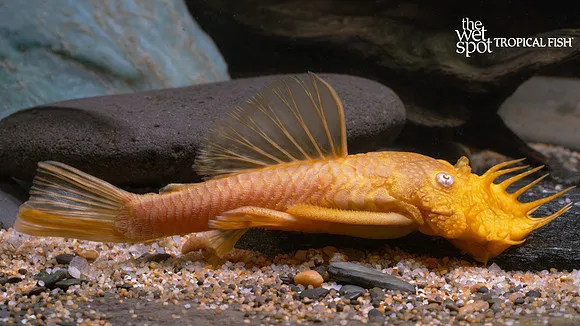
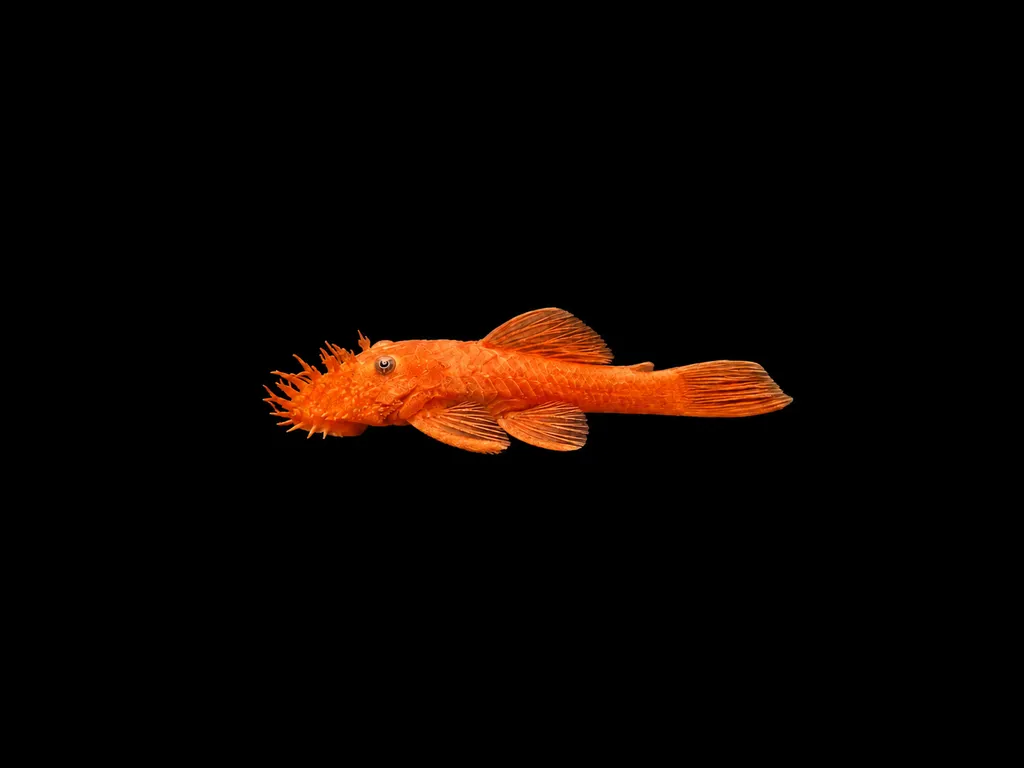
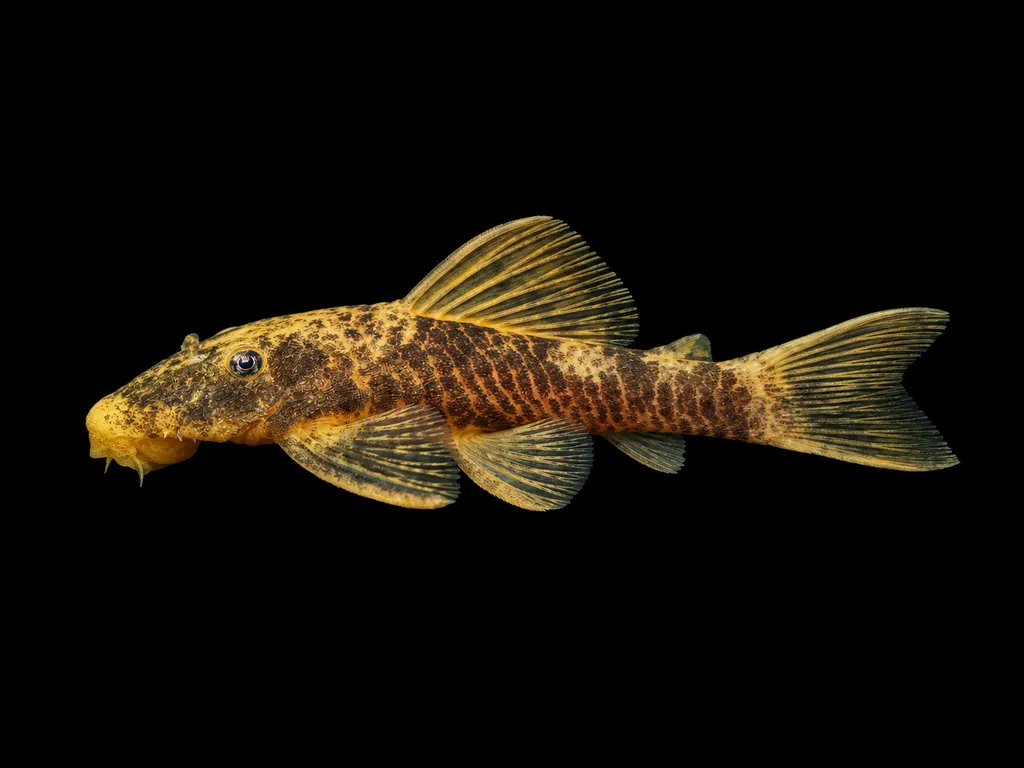
Ancistrus is a genus of armored suckermouth catfish in the family Loricariidae, and "sp." means the common aquarium fish is a mix of species and line-bred forms. They reach about 12 to 13 cm, smaller than common plecos. Mature males grow branching, bristle-like tentacles on the snout, which is where the name comes from. They're cave spawners, and the male guards the eggs.
Did you know
Bristlenose plecos are often said to eat wood, but they don't actually digest it. They're algae and aufwuchs grazers that rasp on driftwood mainly for fiber and roughage, and studies show loricariids like these don't break the wood down. A piece of driftwood is still worth keeping for them to graze on.
Weekly picks
Tank mates
Every variety on this page wants the same water, so one set of picks fits them all. These picks match on water type, temperature, pH, size and temperament.
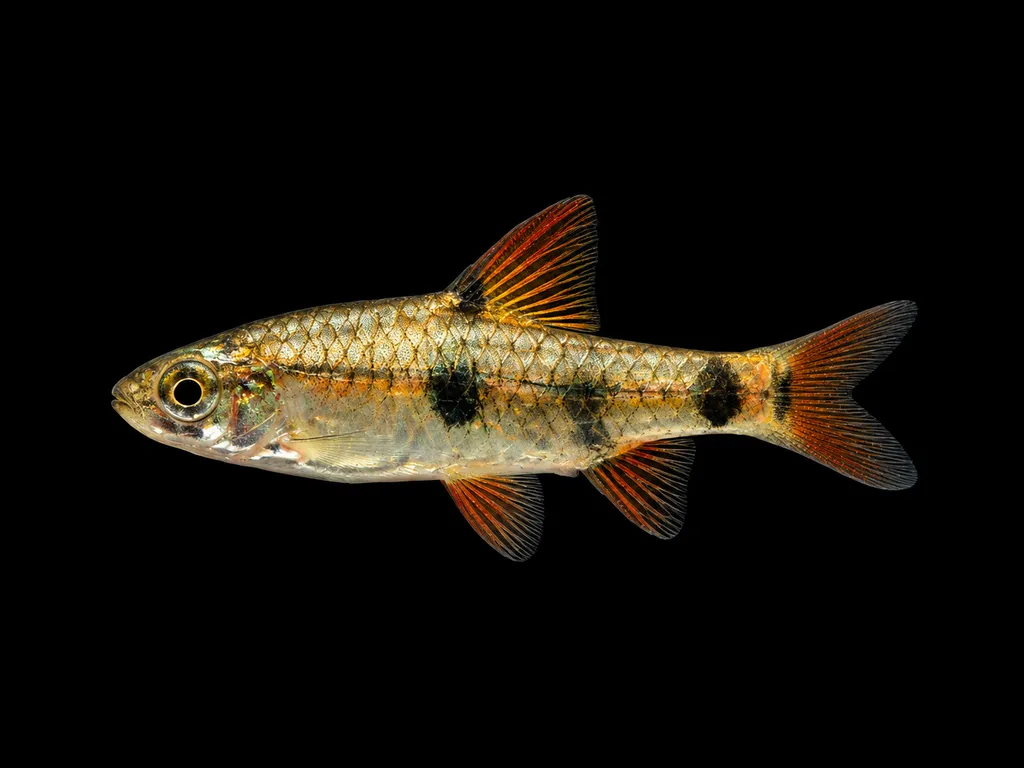
Canius barb
Pethia canius
Freshwater1.6 in (4 cm) · 20 gal (75 L)68–79°F (20–26°C)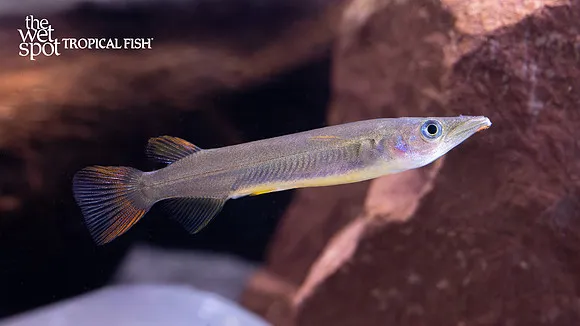
Rex halfbeak
Nomorhamphus rex
Freshwater2.2 in (5.5 cm) · 20 gal (75 L)72–79°F (22–26°C)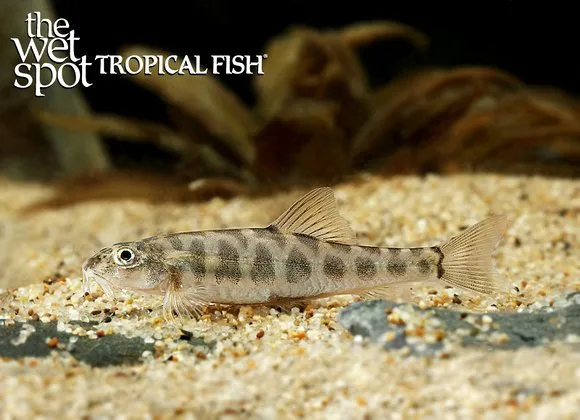
Corica loach
Nemacheilus corica
Freshwater2 in (5 cm) · 20 gal (75 L)68–79°F (20–26°C)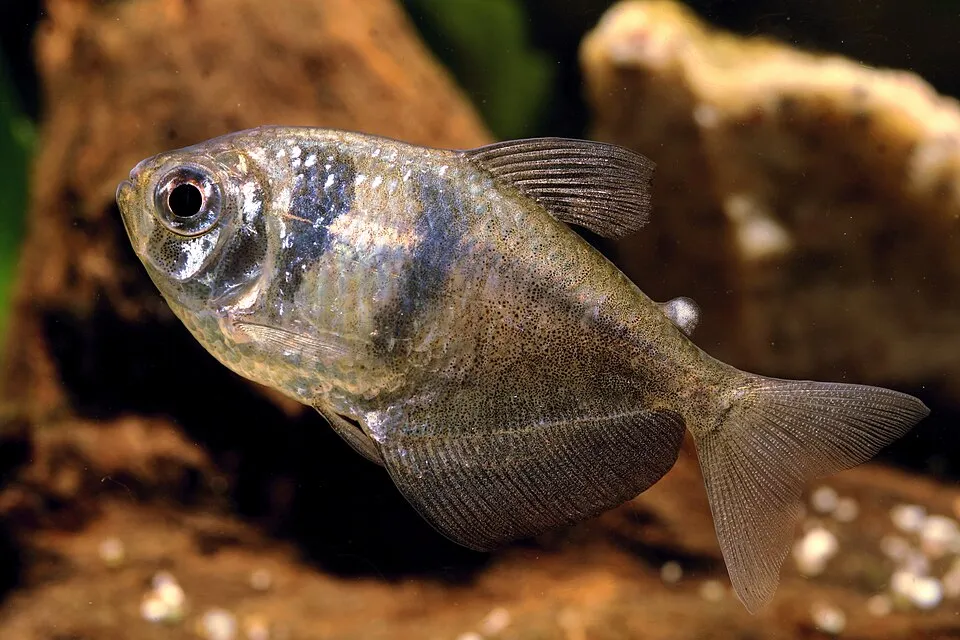
Black widow tetra
Gymnocorymbus ternetzi
Freshwater2.4 in (6 cm) · 20 gal (75 L)68–79°F (20–26°C)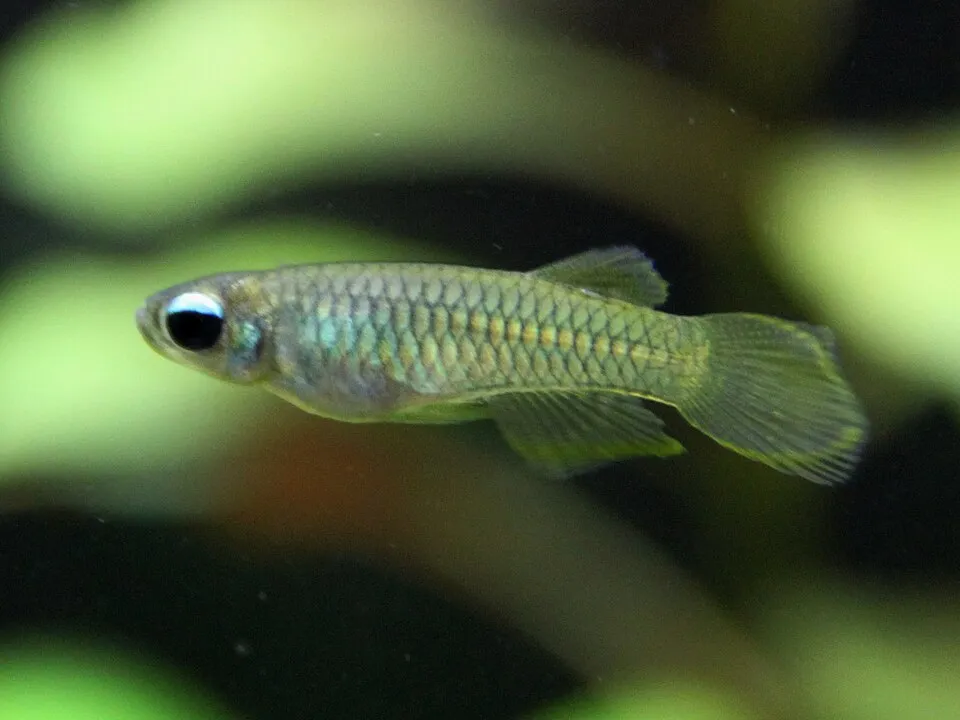
Norman's lampeye
Poropanchax normani
Freshwater1.6 in (4 cm) · 20 gal (75 L)72–79°F (22–26°C)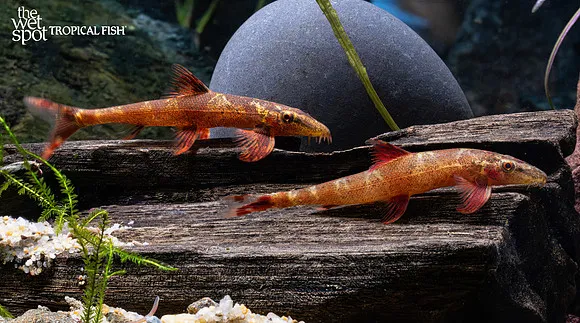
Ogilvie's lizard loach
Homaloptera ogilviei
Freshwater2.4 in (6 cm) · 20 gal (75 L)70–79°F (21–26°C)
Common questions
What size tank does a Bristlenose pleco need?
A Bristlenose pleco needs at least 20 gal (75 L). It spends most of its time in the bottom.
What temperature and pH does a Bristlenose pleco need?
A Bristlenose pleco is comfortable at 70–79°F (21–26°C) with a pH of 6.5–7.5.
How big does a Bristlenose pleco get?
An adult Bristlenose pleco reaches about 4.9 in (12.5 cm).
Related species
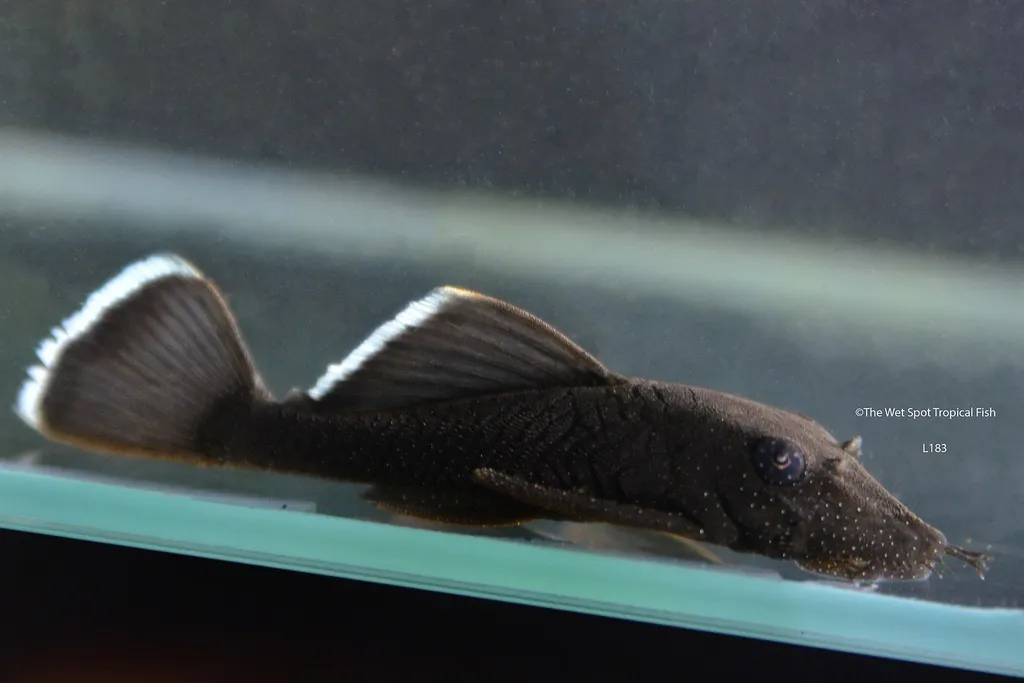 5.5 in (14 cm)30 gal (115 L)79–84°F (26–29°C)
Starlight bristlenose pleco (L183)
Ancistrus dolichopterus
5.5 in (14 cm) · 30 gal (115 L)
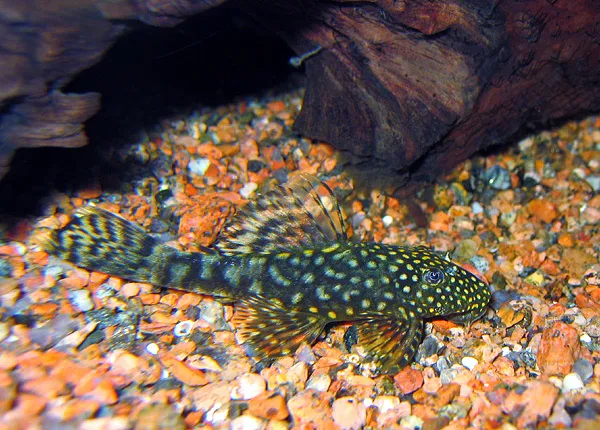 4.3 in (11 cm)29 gal (110 L)77–84°F (25–29°C)
Colombian bristlenose pleco
Ancistrus triradiatus
4.3 in (11 cm) · 29 gal (110 L)
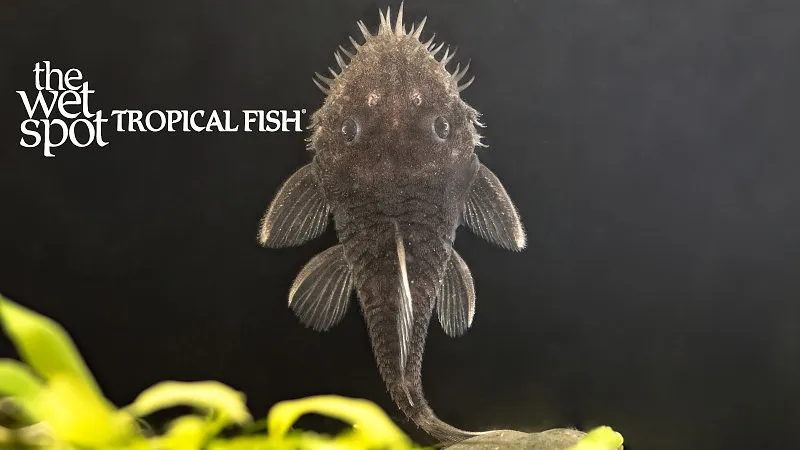 5.9 in (15 cm)40 gal (150 L)79–86°F (26–30°C)
Medusa pleco (L034)
Ancistrus ranunculus
5.9 in (15 cm) · 40 gal (150 L)
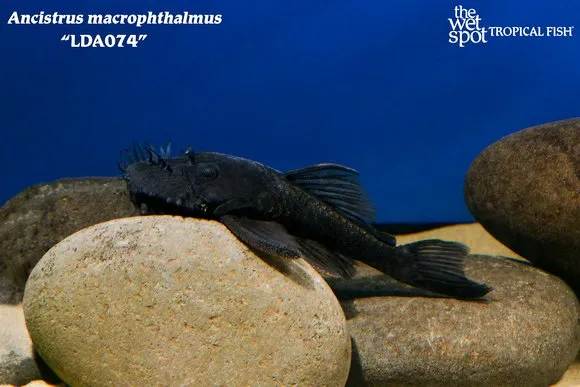 3.5 in (9 cm)29 gal (110 L)77–84°F (25–29°C)
Blue medusa pleco
Ancistrus macrophthalmus
3.5 in (9 cm) · 29 gal (110 L)
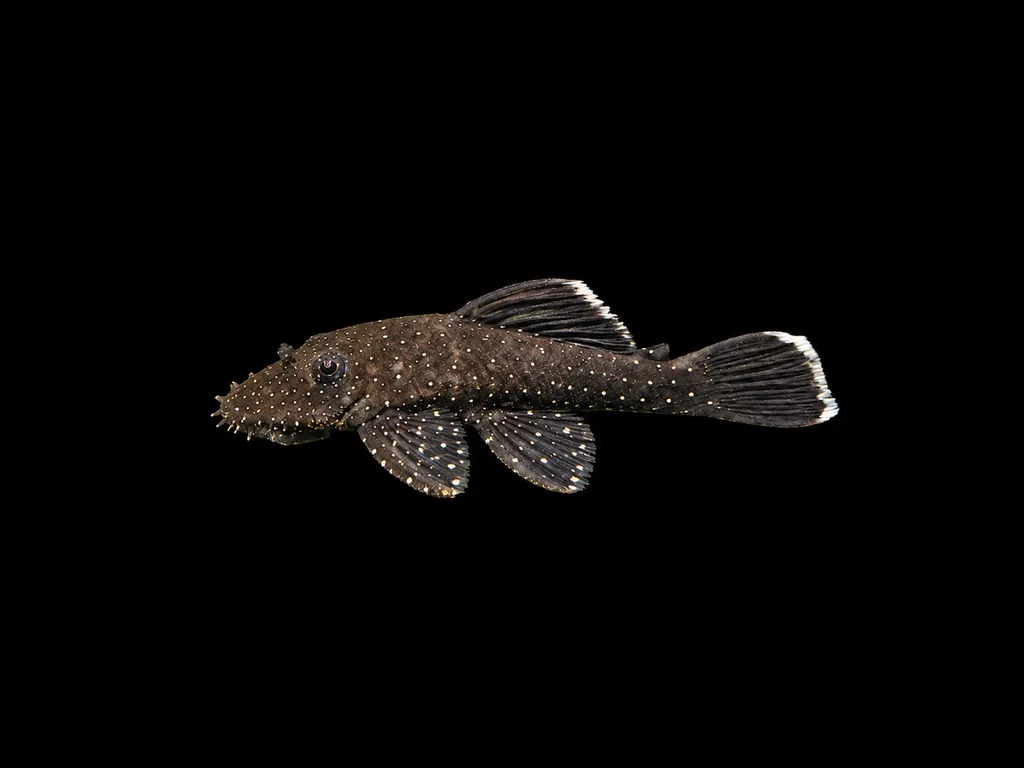 7.1 in (18 cm)42 gal (160 L)77–84°F (25–29°C)
Starry night bristlenose pleco
Ancistrus hoplogenys
7.1 in (18 cm) · 42 gal (160 L)
 3.1 in (8 cm)29 gal (110 L)77–84°F (25–29°C)
Aguaboa bristlenose pleco
Ancistrus aguaboensis
3.1 in (8 cm) · 29 gal (110 L)