Medusa pleco (L034)
Ancistrus ranunculus
Also known as L034, Medusa Plec, Medusa Bushynose Pleco
FreshwaterFish
Care at a glance
- Temperature
- 79–86°F
- 26–30°C
- pH
- 6.0–7.5
- Adult size
- 5.9 in
- 15 cm
- Minimum tank
- 18 gal
- 70 L
- Temperament
- Peaceful
- Social behavior
- Solitary
- Swim level
- Bottom
- Diet
- Omnivore
- Difficulty
- Medium
- Breeding
- Hard
- Rarity
- Rare
- Family
- Loricariidae
- Origin
- Rio Xingu and Rio Tocantins in Para, Brazil.
Overview
The medusa pleco (L034) is a distinctive flat pleco for a fast-flowing tank. It is best with a little experience.
Did you know
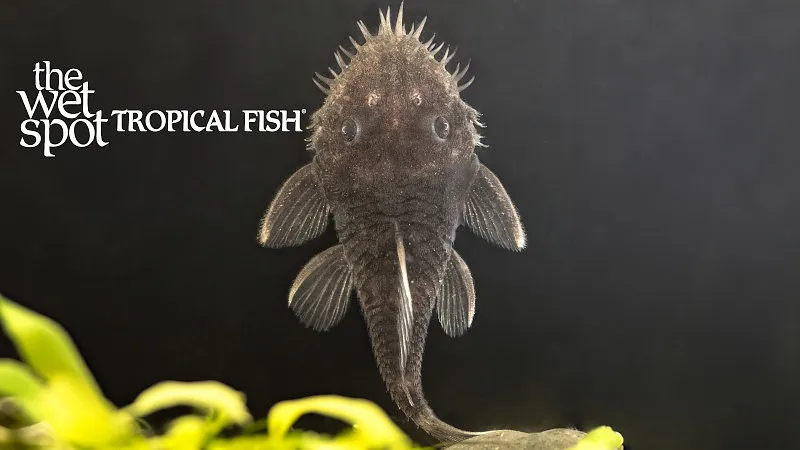
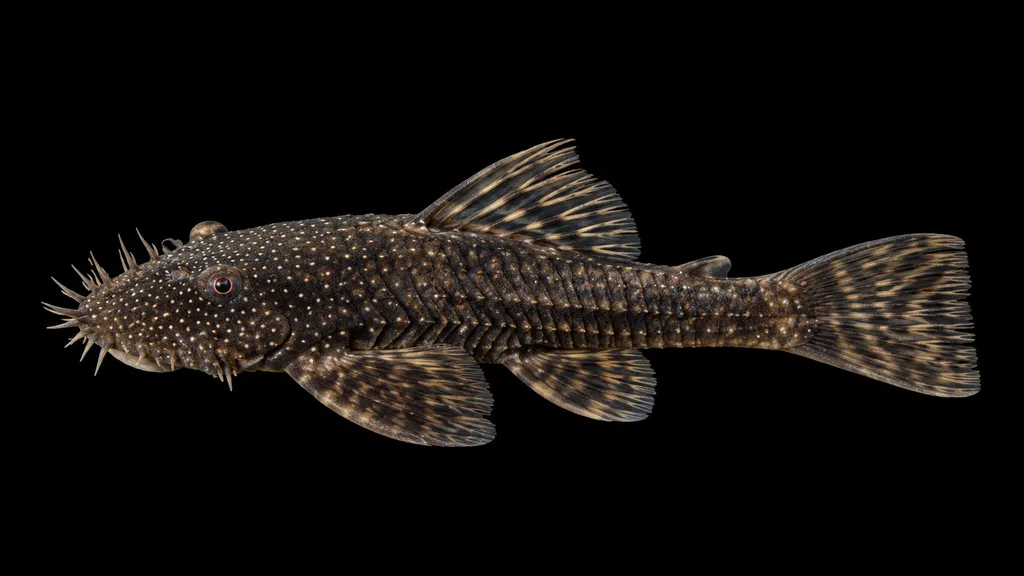
The dense fringe of soft, tentacle-like bristles over the medusa pleco's flat face gives it its name. Its head can be wider than its body is long.
Caring for the medusa pleco (L034)
Give a medusa pleco (L034) a tank of at least 18 gal (70 L), with flat rocks and caves to cling to. Keep the water at 79 to 86°F (26 to 30°C) and a pH of 6.0 to 7.5. It wants strong current and high oxygen.
It is an omnivore, but it leans meatier than most Ancistrus. Unlike the algae-focused common bristlenose, it wants more protein. Feed sinking carnivore pellets, frozen bloodworms and brine shrimp, alongside some algae wafers and vegetables.
The medusa pleco is solitary, peaceful and safe in a community, though males get territorial over prime rocks. Breeding it is hard.
Good to know
Ancistrus ranunculus has an extremely flattened, triangular head. Its low, squashed profile is an adaptation to fast water, where a flat body resists the current. It is a bristlenose relative, but it looks and behaves quite differently from the common bristlenose.
In the wild
The medusa pleco (L034) lives in shallow, fast, rocky rapids of the Rio Xingu and Rio Tocantins in Para, Brazil. It presses flat against stones in strong current. In the wild it takes small invertebrates along with some biofilm and algae.
Weekly picks
Tank mates
The medusa pleco (L034) is a peaceful, solitary species that keeps to the bottom. These picks share a community profile with it, are safe together in both directions, and overlap on water type, temperature and pH.
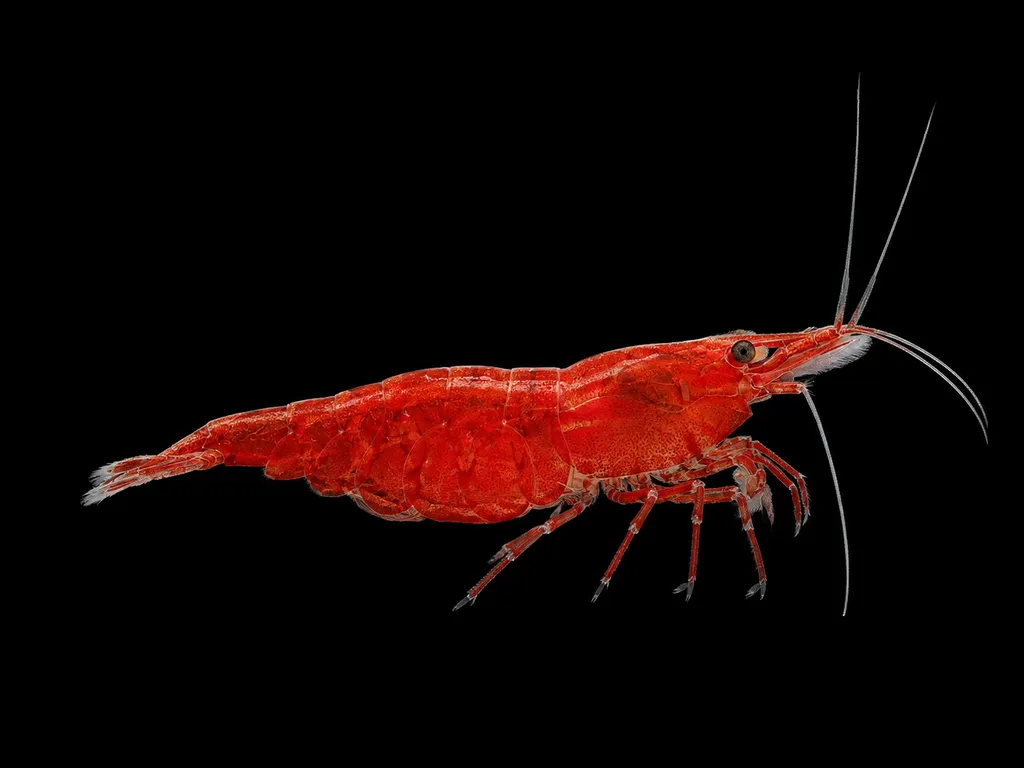
Neocaridina shrimp
Neocaridina davidi
Freshwater1.6 in (4 cm) · 5 gal (19 L)59–84°F (15–29°C)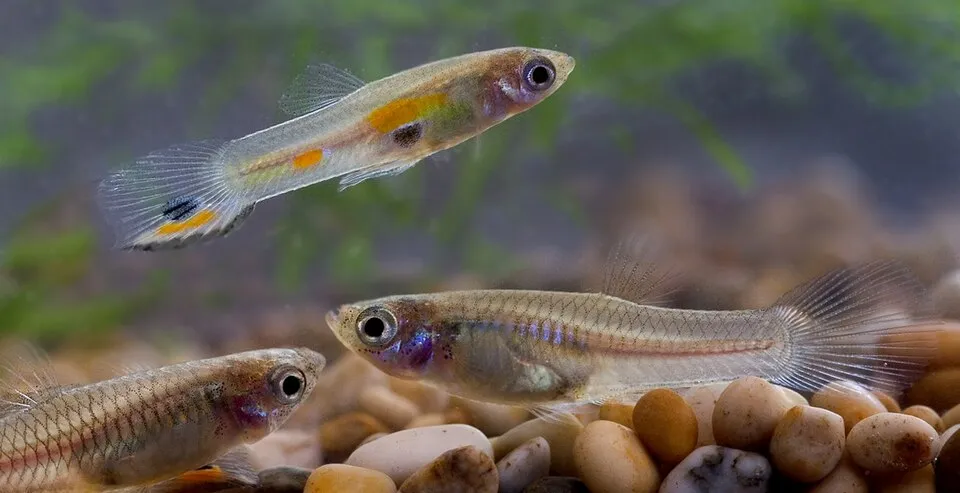
Guppy
Poecilia reticulata
FreshwaterBrackish2.4 in (6 cm) · 10 gal (38 L)64–82°F (18–28°C)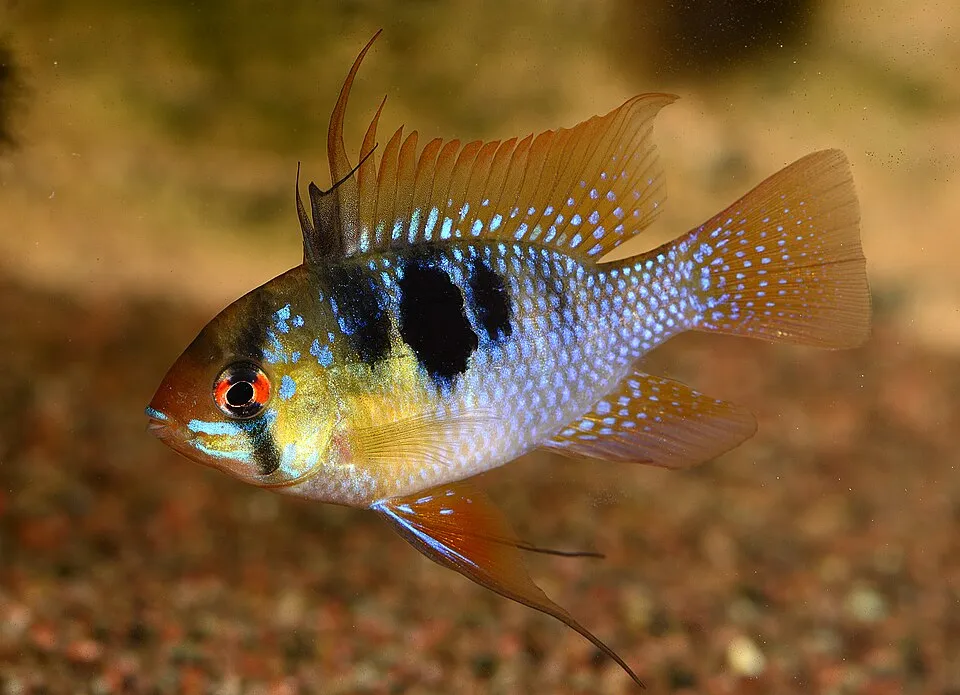
Blue ram
Mikrogeophagus ramirezi
Freshwater2.4 in (6 cm) · 18 gal (70 L)81–86°F (27–30°C)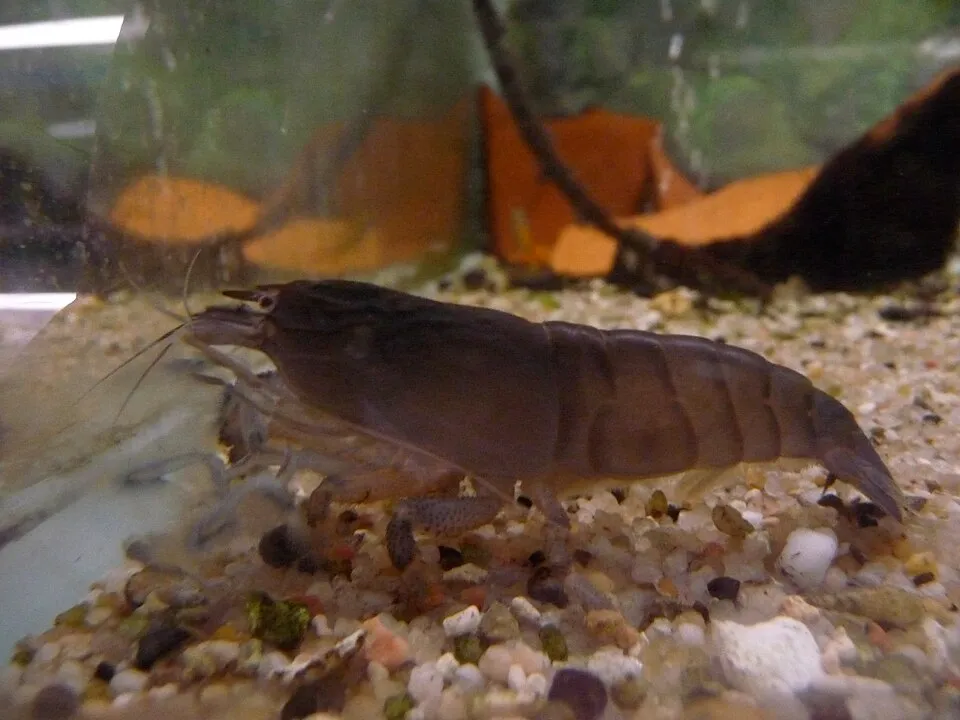
Vampire shrimp
Atya gabonensis
Freshwater5.1 in (13 cm) · 20 gal (75 L)75–82°F (24–28°C)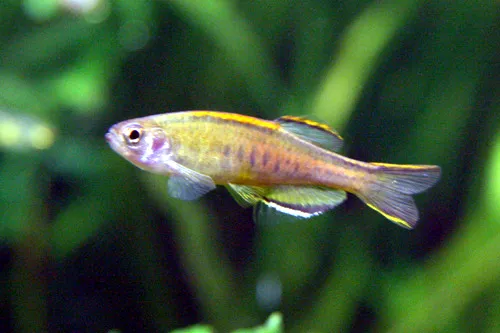
Glowlight danio
Danio choprae
Freshwater1.2 in (3 cm) · 20 gal (75 L)72–79°F (22–26°C)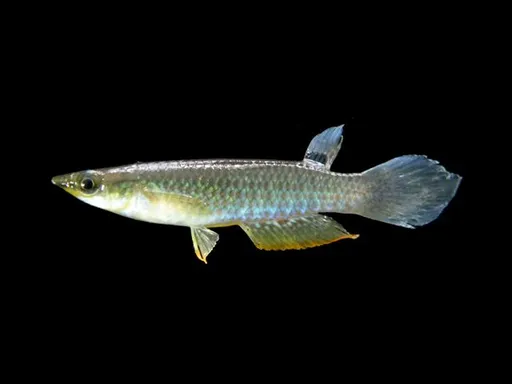
Blue panchax
Aplocheilus panchax
Freshwater3.5 in (9 cm) · 20 gal (75 L)72–82°F (22–28°C)
Common questions
What size tank does a medusa pleco (L034) need?
A medusa pleco (L034) needs at least 18 gal (70 L). It spends most of its time in the bottom.
What temperature and pH does a medusa pleco (L034) need?
A medusa pleco (L034) is comfortable at 79–86°F (26–30°C) with a pH of 6.0–7.5.
What does a medusa pleco (L034) eat?
A medusa pleco (L034) is an omnivore that wants more protein than the common bristlenose. Feed it sinking carnivore pellets, frozen bloodworms and brine shrimp, with some algae wafers and vegetables.
How big does a medusa pleco (L034) get?
An adult medusa pleco (L034) reaches about 5.9 in (15 cm).
Related species
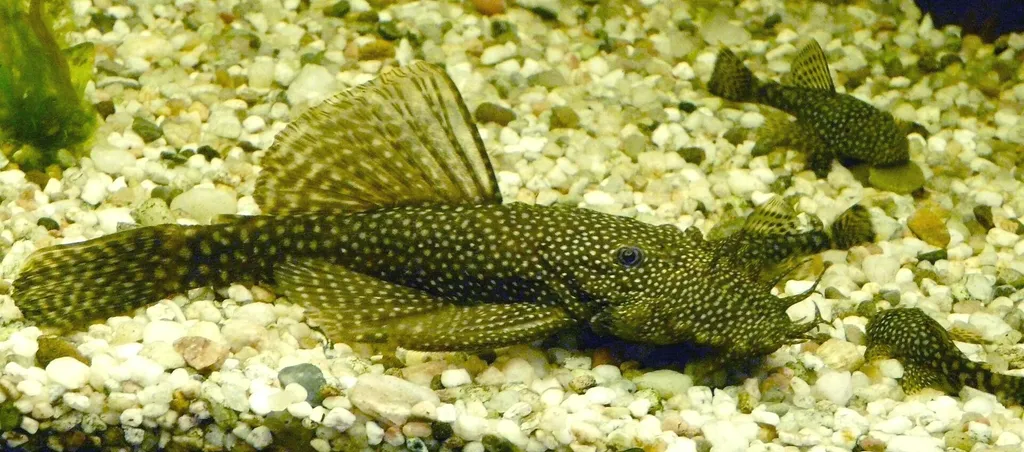
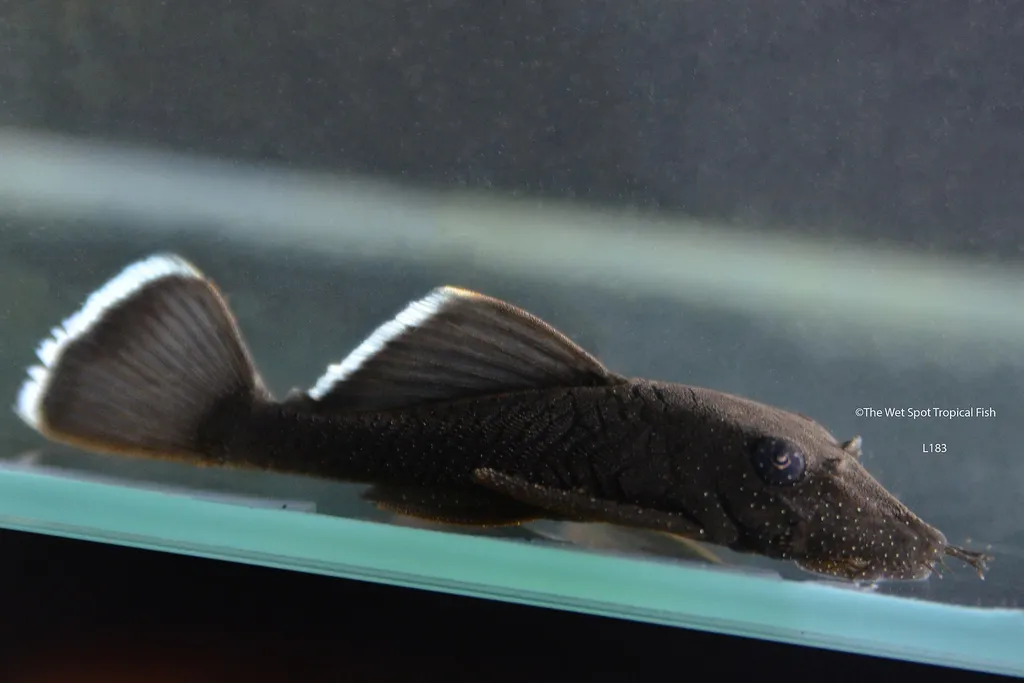 5.5 in (14 cm)63 gal (240 L)79–84°F (26–29°C)
Starlight bristlenose pleco (L183)
Ancistrus dolichopterus
5.5 in (14 cm) · 63 gal (240 L)
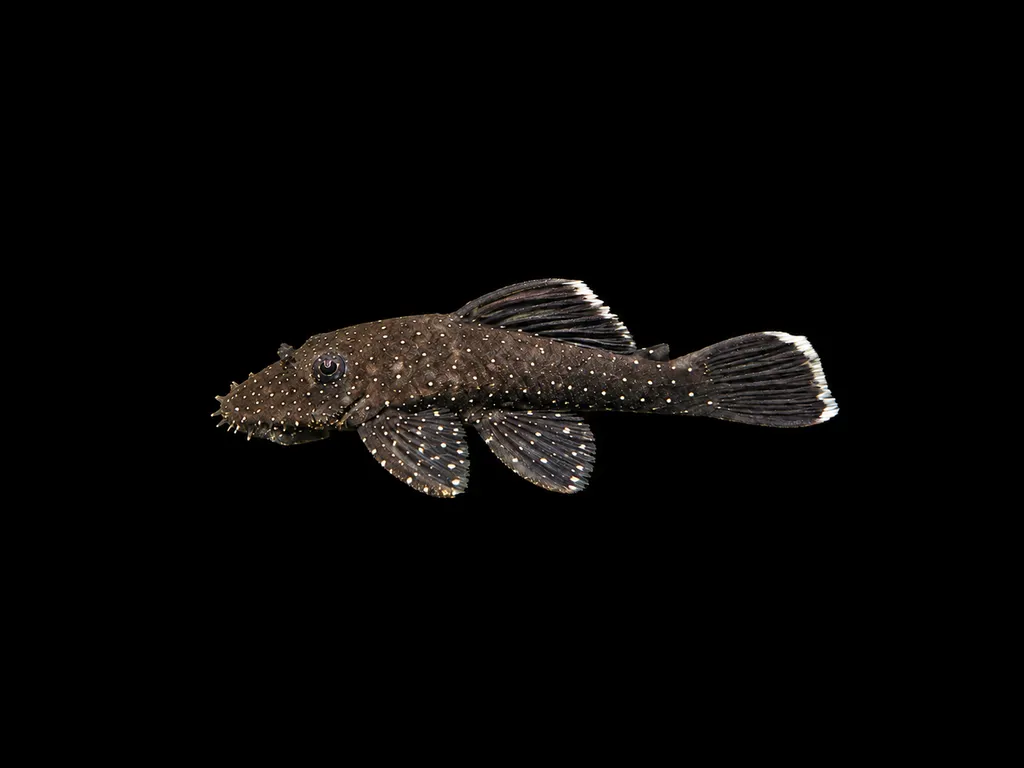
 4.9 in (12.5 cm)20 gal (75 L)70–79°F (21–26°C)
Bristlenose pleco
Ancistrus sp.
4.9 in (12.5 cm) · 20 gal (75 L)
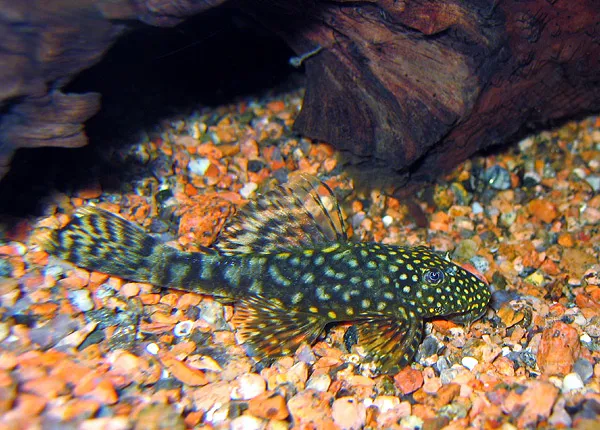
 7.1 in (18 cm)42 gal (160 L)77–84°F (25–29°C)
Starry night bristlenose pleco
Ancistrus hoplogenys
7.1 in (18 cm) · 42 gal (160 L)
 4.3 in (11 cm)18 gal (70 L)77–84°F (25–29°C)
Colombian bristlenose pleco
Ancistrus triradiatus
4.3 in (11 cm) · 18 gal (70 L)
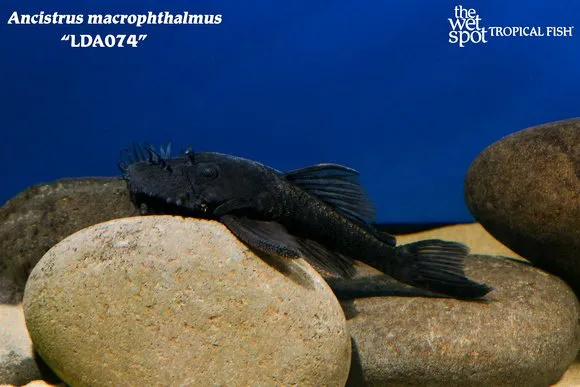 3.5 in (9 cm)29 gal (110 L)77–84°F (25–29°C)
Blue medusa pleco
Ancistrus macrophthalmus
3.5 in (9 cm) · 29 gal (110 L)
 3.1 in (8 cm)29 gal (110 L)77–84°F (25–29°C)
Aguaboa bristlenose pleco
Ancistrus aguaboensis
3.1 in (8 cm) · 29 gal (110 L)