Blue medusa pleco
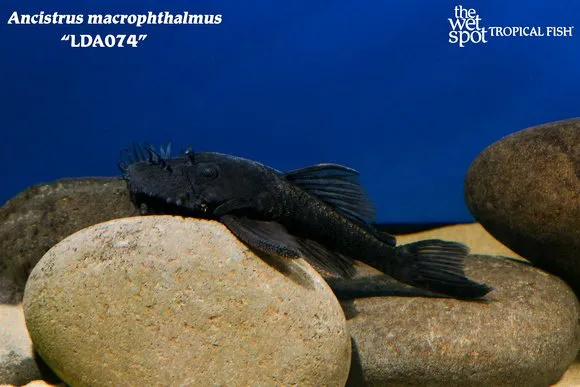
Ancistrus macrophthalmus
Also known as LDA74, Bigeye bristlenose
FreshwaterFish
Care at a glance
- Temperature
- 77–84°F
- 25–29°C
- pH
- 5.5–7.0
- Adult size
- 3.5 in
- 9 cm
- Minimum tank
- 29 gal
- 110 L
- Temperament
- Peaceful
- Social behavior
- Solitary
- Swim level
- Bottom
- Diet
- Omnivore
- Difficulty
- Medium
- Breeding
- Cave spawner · Medium
- Rarity
- Rare
- Family
- Loricariidae
- Origin
- Orinoco basin
Overview
The blue medusa pleco is a peaceful bristlenose that grazes along the bottom of the tank. It suits a keeper with some experience.
Caring for the blue medusa pleco
Give a blue medusa pleco a mature tank of at least 29 gal (110 L), enough room and territory for a pair. Furnish it with plenty of wood, caves and shade over a sand floor, with steady oxygen. It is shy at first and appreciates dim lighting and cover while it settles in.
Keep the water soft and acidic to neutral, at 77 to 84°F (25 to 29°C) and a pH of 5.5 to 7.0. Feed algae wafers and vegetables along with a little sinking protein.
Keep one, or a pair, since males claim and guard a cave and will spar with rival males. It is peaceful with other species and fits a calm community or a soft-water South American tank. It is a cave spawner of moderate difficulty, and the male tends the eggs as in other Ancistrus.
Good to know
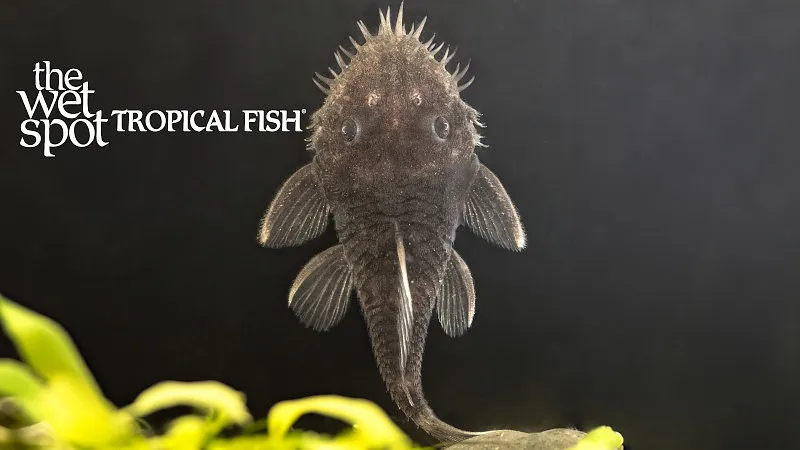
Ancistrus macrophthalmus is a stocky bristlenose in the family Loricariidae, slate to blue-gray and sometimes flecked with white. The name macrophthalmus means large eye. It is also sold as LDA74 or the bigeye bristlenose.
In the wild
The blue medusa pleco comes from the Orinoco basin. It shelters among driftwood and root tangles in warm, soft, flowing water.
Weekly picks
Tank mates
The blue medusa pleco is a peaceful, solitary species that keeps to the bottom. These picks share a community profile with it, are safe together in both directions, and overlap on water type, temperature and pH.
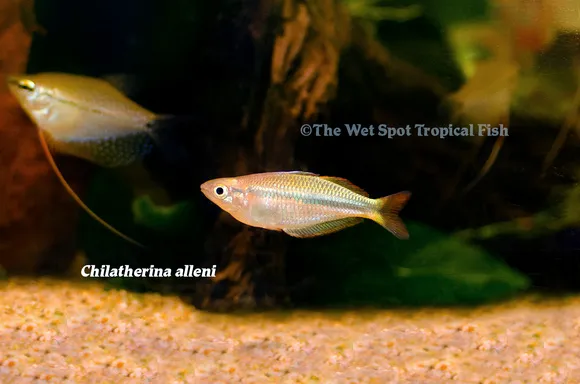
Allen's rainbowfish
Chilatherina alleni
Freshwater3 in (7.6 cm) · 29 gal (110 L)75–84°F (24–29°C)
Redfin halfbeak
Nomorhamphus ebrardtii
Freshwater3.5 in (9 cm) · 29 gal (110 L)75–81°F (24–27°C)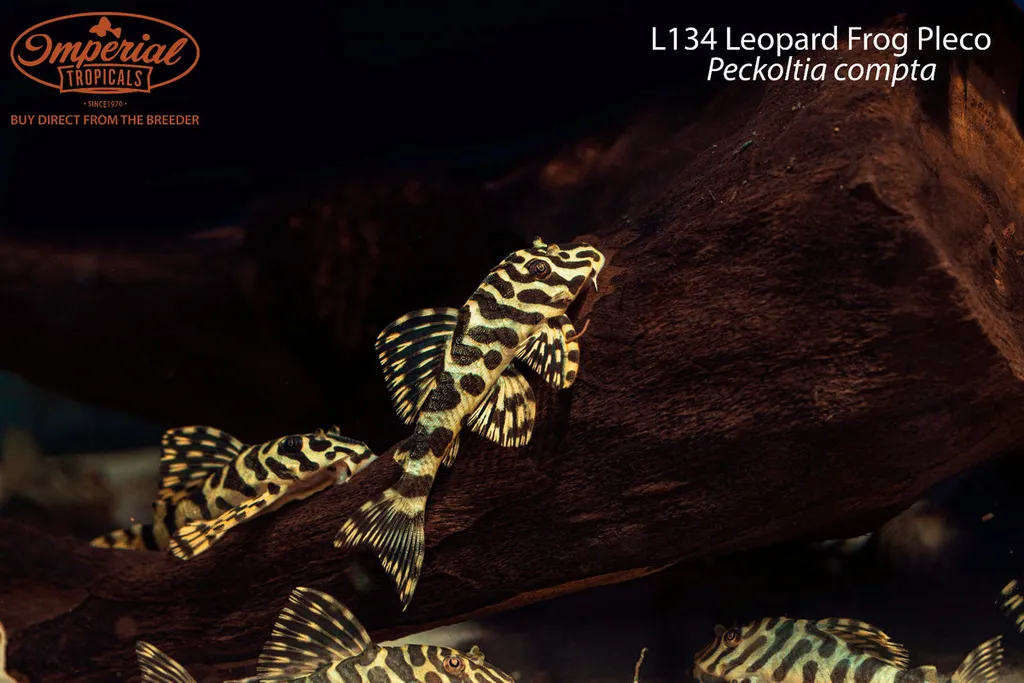
Clown peckoltia (L134)
Peckoltia compta
Freshwater4.7 in (12 cm) · 29 gal (110 L)77–84°F (25–29°C)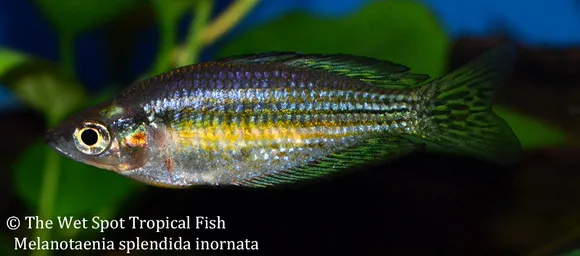
Checkered rainbowfish
Melanotaenia splendida inornata
Freshwater4.7 in (12 cm) · 29 gal (110 L)72–86°F (22–30°C)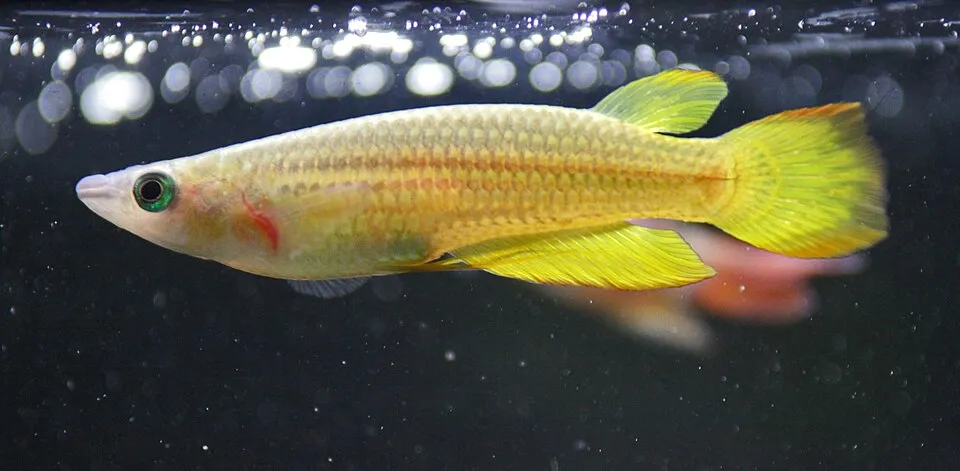
Striped panchax
Aplocheilus lineatus
Freshwater4.3 in (11 cm) · 30 gal (115 L)72–77°F (22–25°C)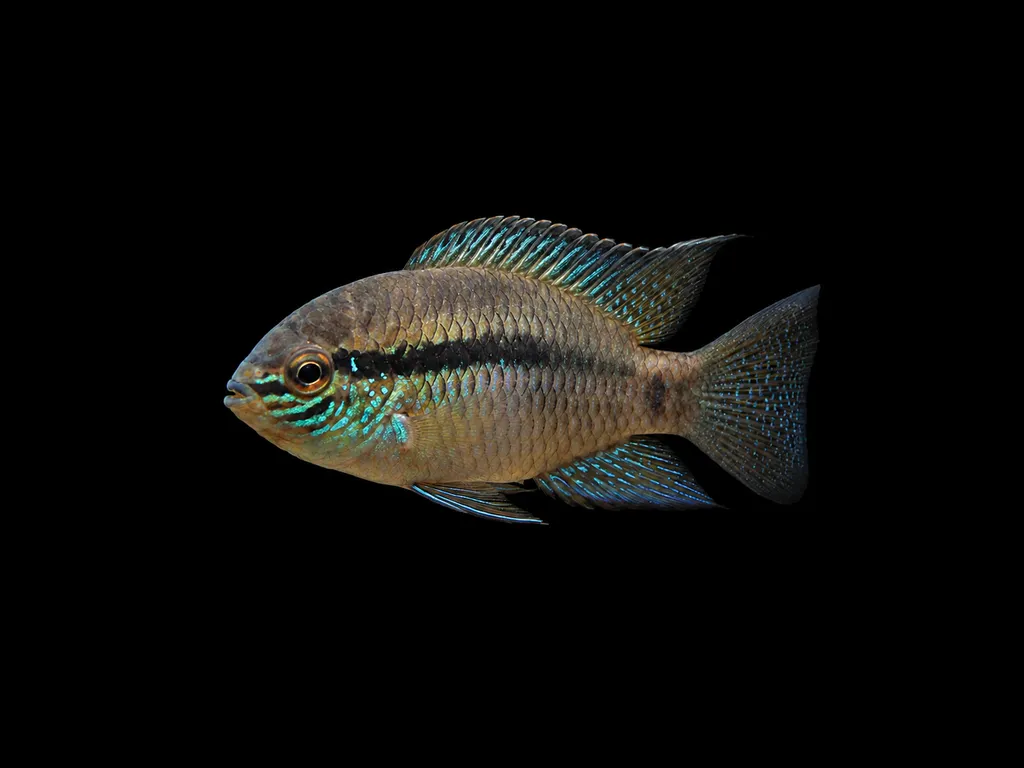
Thayer's dwarf acara
Laetacara thayeri
Freshwater4.7 in (12 cm) · 29 gal (110 L)75–82°F (24–28°C)
Common questions
What size tank does a blue medusa pleco need?
A blue medusa pleco needs at least 29 gal (110 L). It spends most of its time in the bottom.
What temperature and pH does a blue medusa pleco need?
A blue medusa pleco is comfortable at 77–84°F (25–29°C) with a pH of 5.5–7.0.
What does a blue medusa pleco eat?
A blue medusa pleco eats algae wafers and vegetables, along with a little sinking protein.
How big does a blue medusa pleco get?
An adult blue medusa pleco reaches about 3.5 in (9 cm).
How does a blue medusa pleco breed?
Blue medusa plecos spawn in caves, and the male tends the eggs. Breeding them is moderately difficult.
Related species
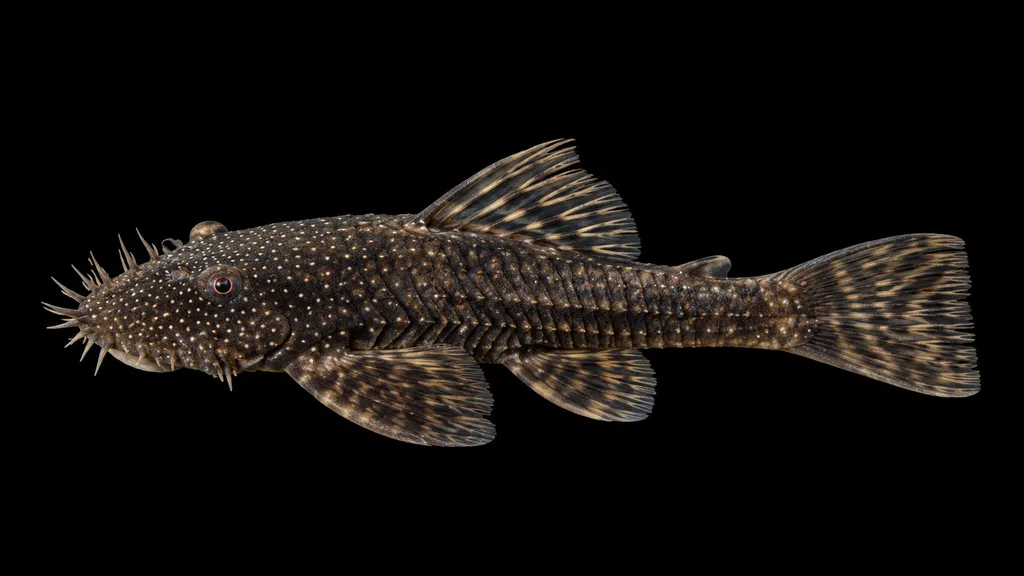 3.1 in (8 cm)29 gal (110 L)77–84°F (25–29°C)
Aguaboa bristlenose pleco
Ancistrus aguaboensis
3.1 in (8 cm) · 29 gal (110 L)
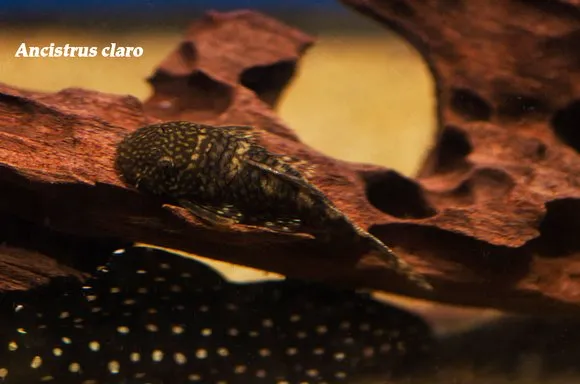 3.1 in (8 cm)20 gal (75 L)77–84°F (25–29°C)
Gold marble bristlenose pleco
Ancistrus claro
3.1 in (8 cm) · 20 gal (75 L)
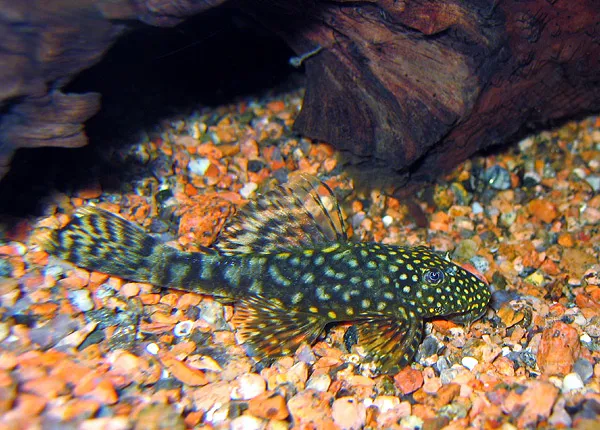 4.3 in (11 cm)18 gal (70 L)77–84°F (25–29°C)
Colombian bristlenose pleco
Ancistrus triradiatus
4.3 in (11 cm) · 18 gal (70 L)
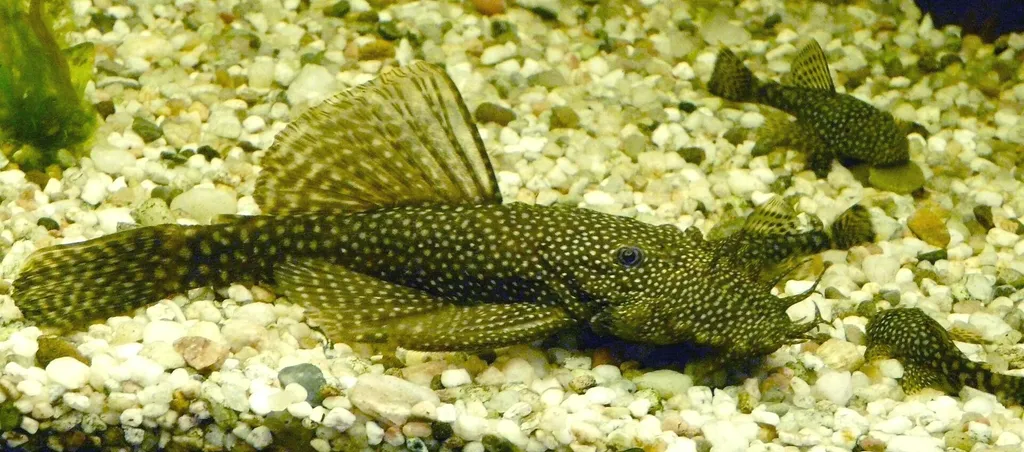 4.9 in (12.5 cm)20 gal (75 L)70–79°F (21–26°C)
Bristlenose pleco
Ancistrus sp.
4.9 in (12.5 cm) · 20 gal (75 L)
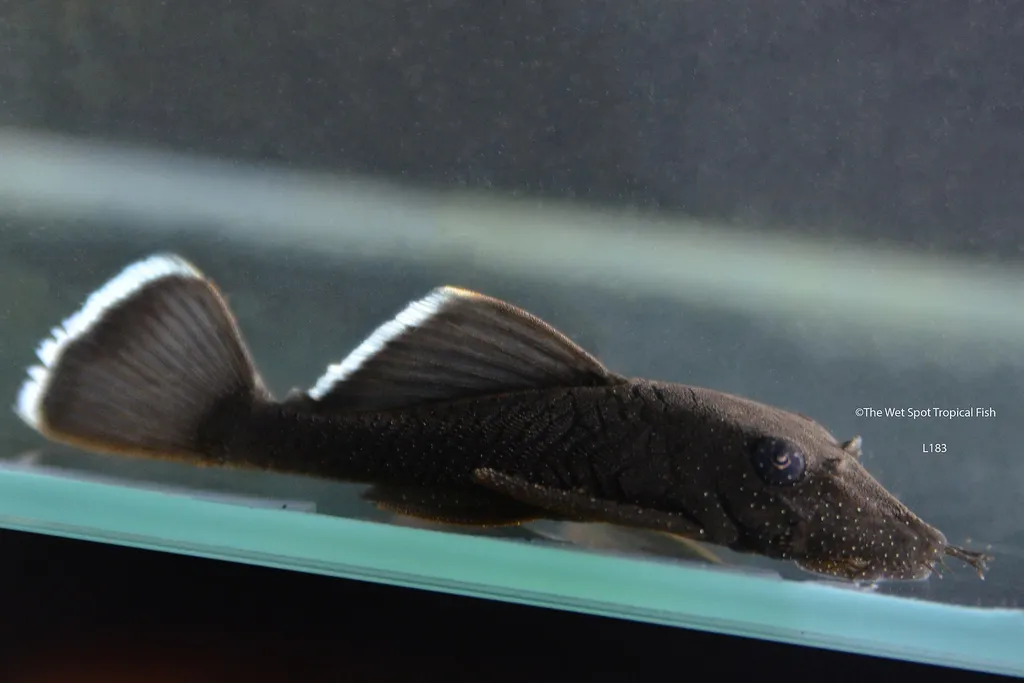 5.5 in (14 cm)63 gal (240 L)79–84°F (26–29°C)
Starlight bristlenose pleco (L183)
Ancistrus dolichopterus
5.5 in (14 cm) · 63 gal (240 L)
 5.9 in (15 cm)18 gal (70 L)79–86°F (26–30°C)
Medusa pleco (L034)
Ancistrus ranunculus
5.9 in (15 cm) · 18 gal (70 L)