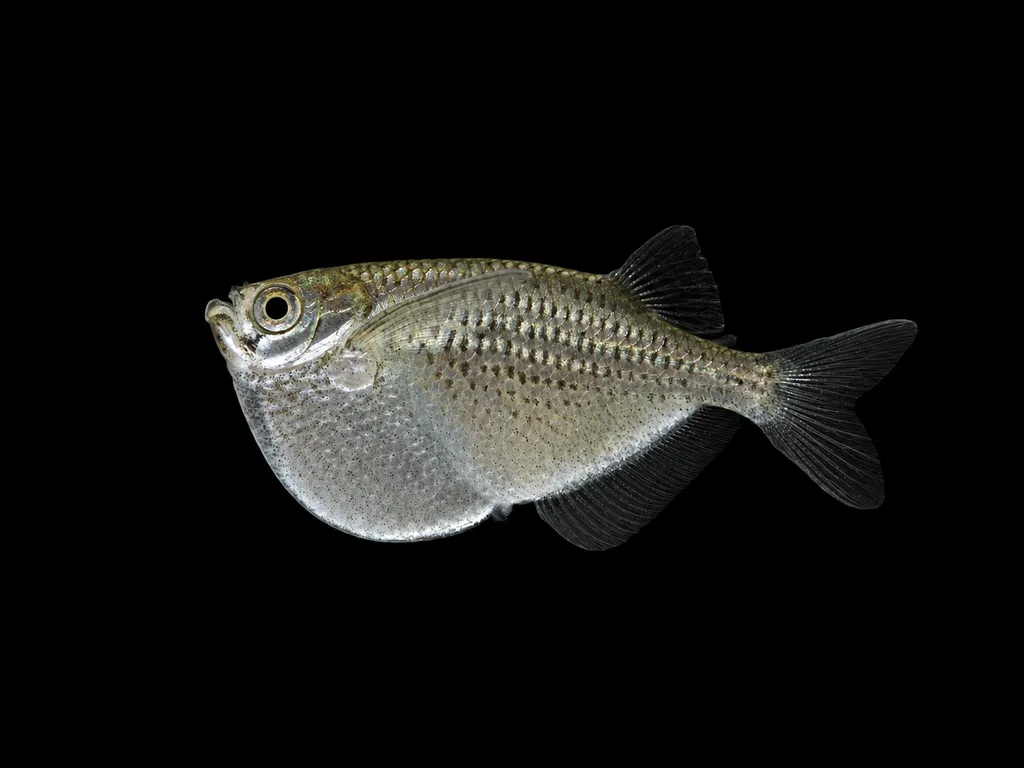
Silver hatchetfish
Gasteropelecus levis
Also known as Clear hatchetfish, Gastropelecus leavis, Smooth hatchetfish
FreshwaterFish
Care at a glance
- Temperature
- 73–82°F
- 23–28°C
- pH
- 5.5–7.2
- Adult size
- 1.4 in
- 3.5 cm
- Minimum tank
- 30 gal
- 112 L
- Temperament
- Peaceful
- Social behavior
- Schooling
- Swim level
- Top
- Difficulty
- Medium
- Breeding
- No record
- Rarity
- Rare
- Family
- Gasteropelecidae
- Origin
- Lower Amazon basin, Brazil
Overview
The silver hatchetfish, Gasteropelecus levis, is a small, peaceful surface fish that lives in schools; most shops sell the common hatchetfish (Gasteropelecus sternicla) under the same name, and the care is the same. It lives in schools, so keep at least six and preferably more, since lone fish are nervous and fade quickly. It hangs just under the surface almost all the time, so a wide tank of around 112 liters with plenty of open water at the top suits it, and a tight lid is essential because a startled school will leap clean out of the water. It is completely harmless to tankmates and mixes well with other calm fish such as small tetras, rasboras, and corydoras. Feed floating and surface foods, including small flakes, tiny frozen items, and insects like fruit flies, since it feeds almost entirely from the film.
In the wild
This hatchetfish comes from the lower Amazon basin in Brazil, living in quiet backwaters, creeks, and flooded margins where the surface is shaded and still. The water there is soft and slightly acidic. Recreate it with warm water from 23 to 28 C and a soft, gently acidic to neutral pH between about 5.5 and 7.2. Floating plants, overhanging roots, and a dark substrate make it feel secure and encourage it to stay out in the open, while calm water and a snug cover keep a jumpy surface fish where it belongs.
Good to know
Gasteropelecus levis is a freshwater hatchetfish in the family Gasteropelecidae, one of the smaller silver species at around 3.5 centimeters standard length. Its deep, keeled chest houses the enlarged muscles that power its pectoral fins, and it has a plain, glassy silver body. The name levis means smooth. It is not known to have been bred in the aquarium, and the species is rarely offered for sale, often mixed in with the more common silver hatchetfish.
Did you know
Hatchetfish are strong surface jumpers. Powered by the big muscles in their keeled chest, they beat their wing-like pectoral fins to skitter across the water and launch into short leaps when something startles them.
Weekly picks
Tank mates
Silver hatchetfish is a peaceful, schooling species that keeps to the top. These picks share a community profile with it, are safe together in both directions, and overlap on water type, temperature and pH.
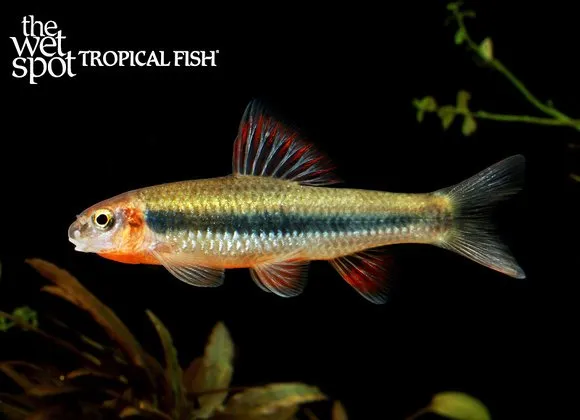
Neon golden-stripe shark
Sarcocheilichthys parvus
Freshwater3.5 in (9 cm) · 30 gal (112 L)61–75°F (16–24°C)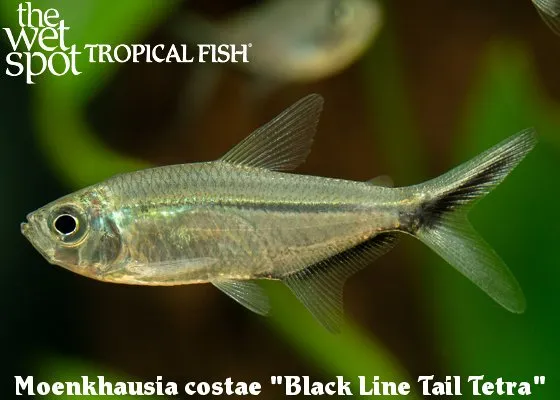
Costae tetra
Moenkhausia costae
Freshwater2.8 in (7 cm) · 29 gal (110 L)72–82°F (22–28°C)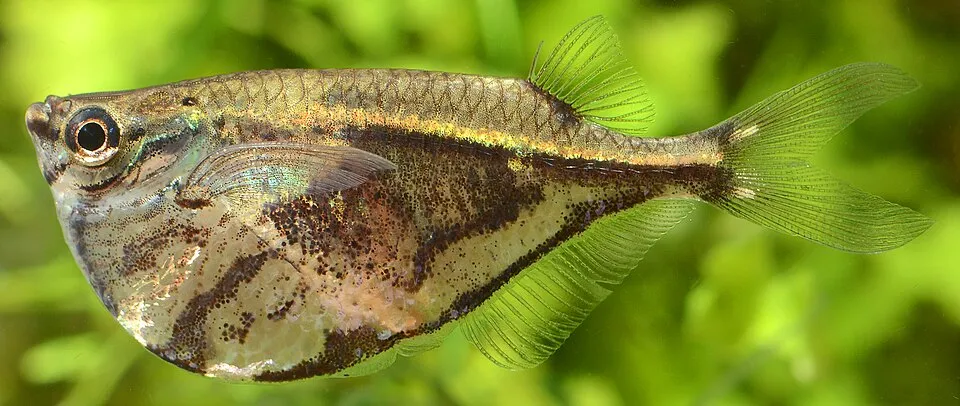
Marbled hatchetfish
Carnegiella strigata
Freshwater1.6 in (4 cm) · 32 gal (120 L)68–82°F (20–28°C)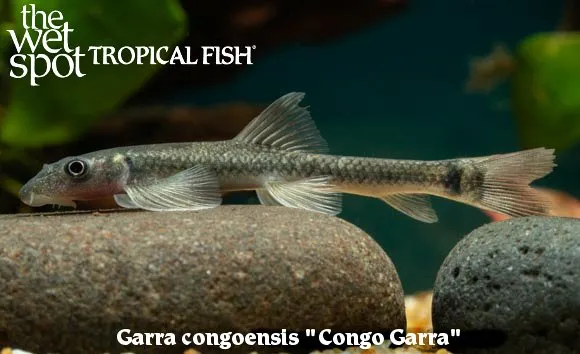
Congo garra
Garra congoensis
Freshwater3.9 in (10 cm) · 29 gal (110 L)72–81°F (22–27°C)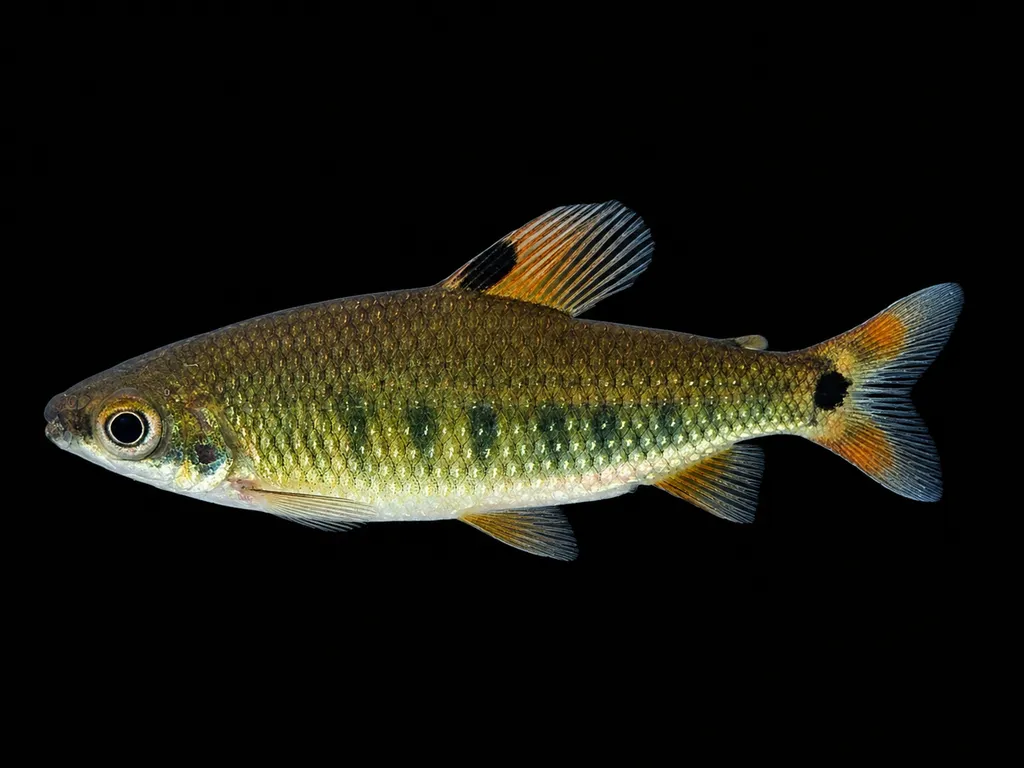
Dwarf distichodus
Distichodus decemmaculatus
Freshwater3 in (7.5 cm) · 30 gal (112 L)73–81°F (23–27°C)
Redfin halfbeak
Nomorhamphus ebrardtii
Freshwater3.5 in (9 cm) · 29 gal (110 L)75–81°F (24–27°C)
Common questions
What size tank does a Silver hatchetfish need?
A Silver hatchetfish needs at least 30 gal (112 L). It spends most of its time in the top.
What temperature and pH does a Silver hatchetfish need?
A Silver hatchetfish is comfortable at 73–82°F (23–28°C) with a pH of 5.5–7.2.
How big does a Silver hatchetfish get?
An adult Silver hatchetfish reaches about 1.4 in (3.5 cm).
Does a Silver hatchetfish need a group?
Yes. A Silver hatchetfish is a schooling species and should be kept in a group, not singly.
Related species
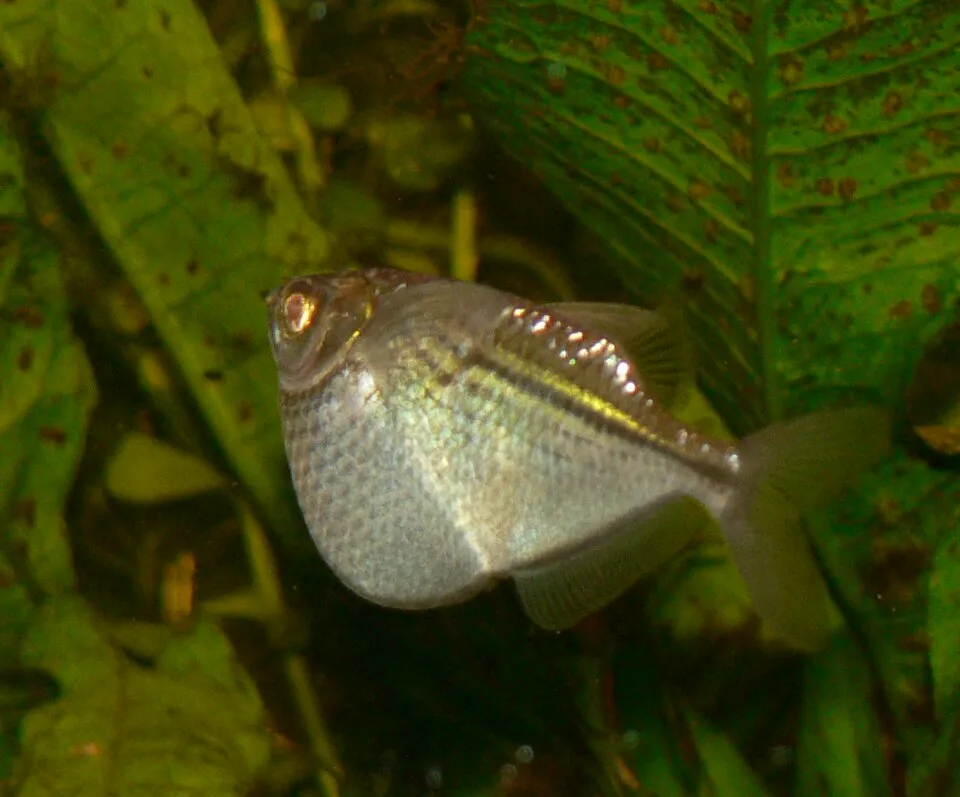 1.6 in (4 cm)33 gal (125 L)68–82°F (20–28°C)
Common hatchetfish
Gasteropelecus sternicla
1.6 in (4 cm) · 33 gal (125 L)
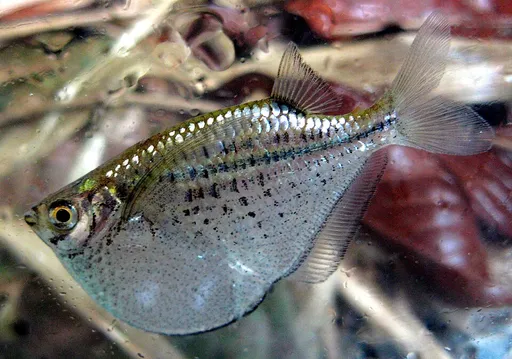 3.5 in (9 cm)26 gal (100 L)73–82°F (23–28°C)
Spotted hatchetfish
Gasteropelecus maculatus
3.5 in (9 cm) · 26 gal (100 L)
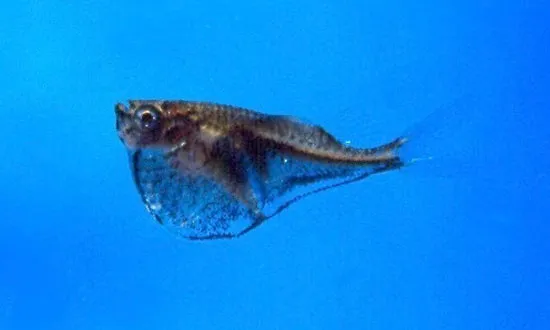 1.4 in (3.5 cm)30 gal (115 L)68–82°F (20–28°C)
Blackwing hatchetfish
Carnegiella marthae
1.4 in (3.5 cm) · 30 gal (115 L)
- 1.6 in (4 cm)32 gal (120 L)68–82°F (20–28°C)
Marbled hatchetfish
Carnegiella strigata
1.6 in (4 cm) · 32 gal (120 L)
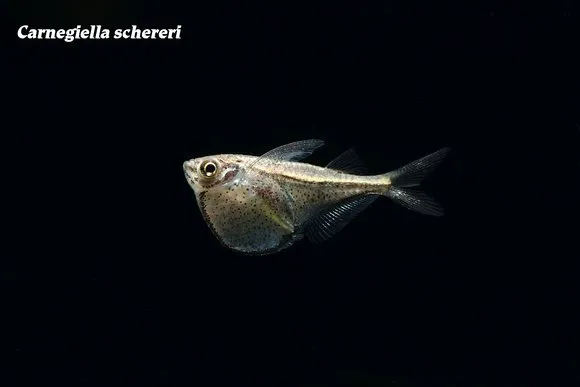 1 in (2.6 cm)14 gal (54 L)73–82°F (23–28°C)
Scherer's hatchetfish
Carnegiella schereri
1 in (2.6 cm) · 14 gal (54 L)
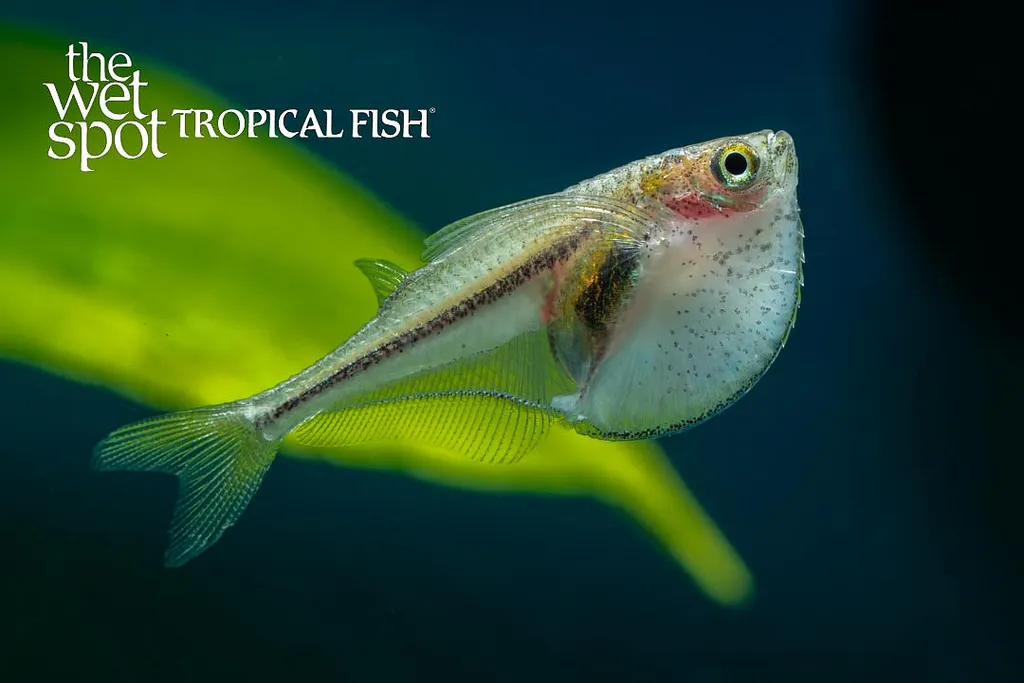 1 in (2.5 cm)26 gal (100 L)73–79°F (23–26°C)
Pygmy hatchetfish
Carnegiella myersi
1 in (2.5 cm) · 26 gal (100 L)