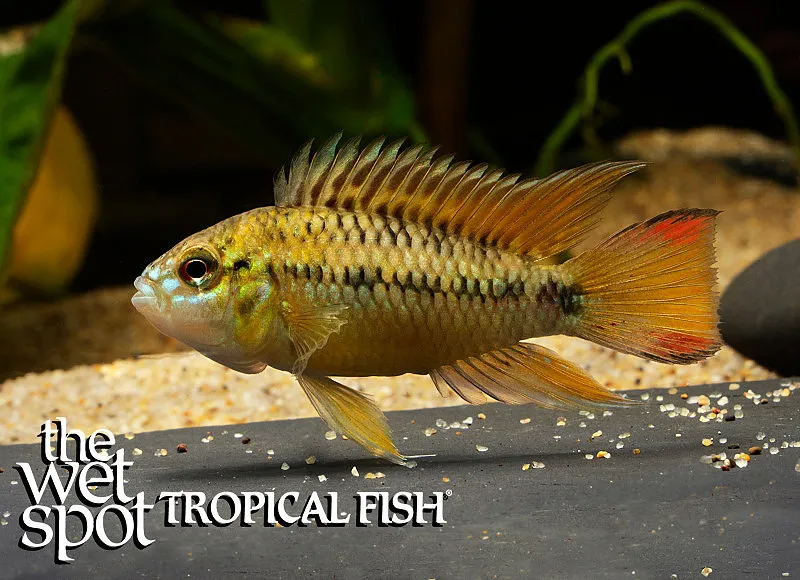
Kullander's dwarf cichlid
Apistogramma kullanderi
Also known as Giant apisto, Titanic apisto
FreshwaterFish
Care at a glance
- Temperature
- 72–81°F
- 22–27°C
- pH
- 5.5–7.0
- Adult size
- 3.9 in
- 10 cm
- Minimum tank
- 29 gal
- 110 L
- Temperament
- Mostly peaceful
- Social behavior
- Social
- Swim level
- Bottom
- Difficulty
- Medium
- Breeding
- Cave spawner · Hard
- Rarity
- Rare
- Family
- Cichlidae
- Origin
- Upper Rio Curua on the Serra do Cachimbo plateau, Para, Brazil
Overview
Kullander's dwarf cichlid is a big apisto that needs a roomier tank than its relatives. It is a fair choice once you have kept a few easier fish.
Did you know
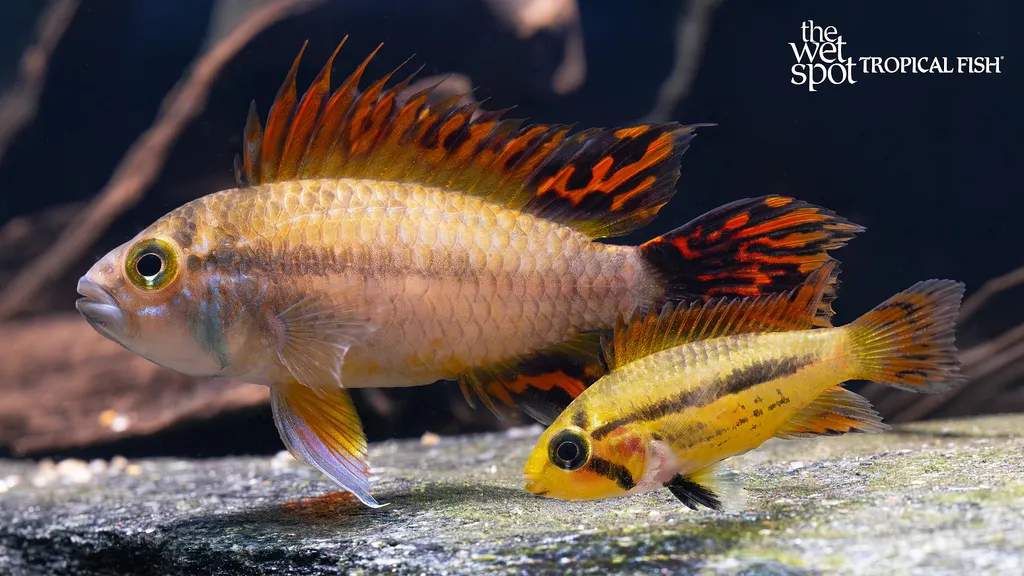
A full-grown male Kullander's dwarf cichlid is nearly the size of three cockatoo apistos, nose to tail.
Caring for the Kullander's dwarf cichlid
Scale everything up for Kullander's dwarf cichlid. A pair wants 29 gal (110 L) or more, with rockwork territories and caves. Add smooth stones, sand and scattered cover.
It prefers cooler water than most Amazon apistos, at 72 to 81°F (22 to 27°C) and a pH of 5.5 to 7.0. Give it a strongish flow.
It eats heartily, from granules to frozen and live foods, and a well-fed pair is less quarrelsome. Tank mates should be sturdy but peaceful.
Spawning follows the cave pattern, and the female still runs the classic apisto brood care. Pairs are pickier about partners than smaller apistos, and breeding is hard. Imports are so scarce that captive-bred fish are the only realistic source.
Good to know
Varella and Sabaj Perez described Kullander's dwarf cichlid in 2014. They named it to honor Sven Kullander, who described much of the genus. It is the largest known Apistogramma. It evolved that size in its isolated plateau home, where it fills a role that bigger cichlids play elsewhere.
In the wild
Kullander's dwarf cichlid lives in the upper Rio Curua on the Serra do Cachimbo plateau in Brazil. It is isolated there above waterfalls, in cool, clear, acidic water over rock and sand.
Weekly picks
Tank mates
The Kullander's dwarf cichlid is a mostly peaceful, social species that keeps to the bottom. These picks share a community profile with it, are safe together in both directions, and overlap on water type, temperature and pH.
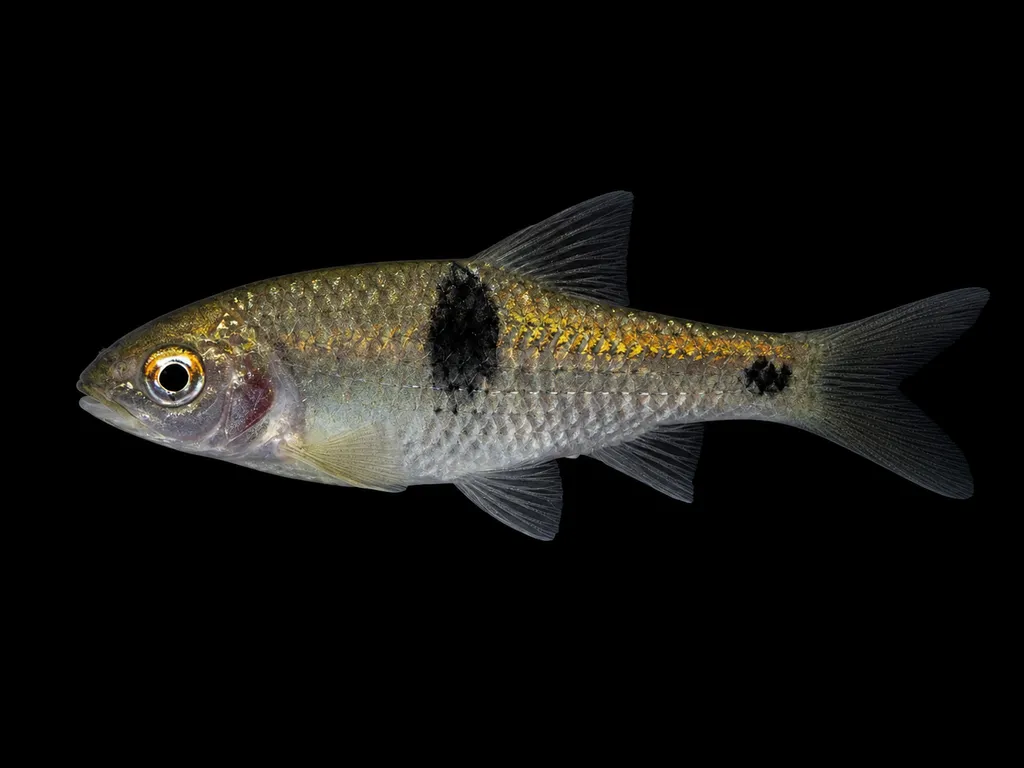
Binduchitra barb
Systomus binduchitra
Freshwater3.9 in (10 cm) · 29 gal (110 L)72–81°F (22–27°C)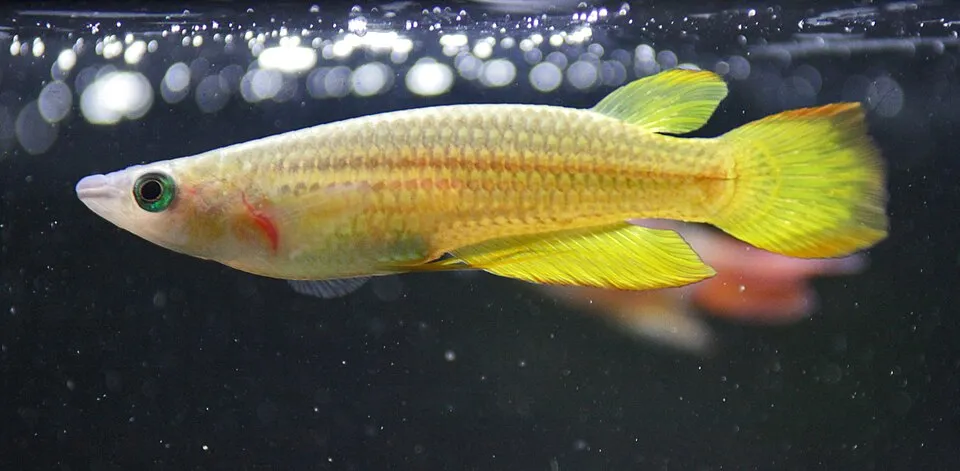
Striped panchax
Aplocheilus lineatus
Freshwater4.3 in (11 cm) · 30 gal (115 L)72–77°F (22–25°C)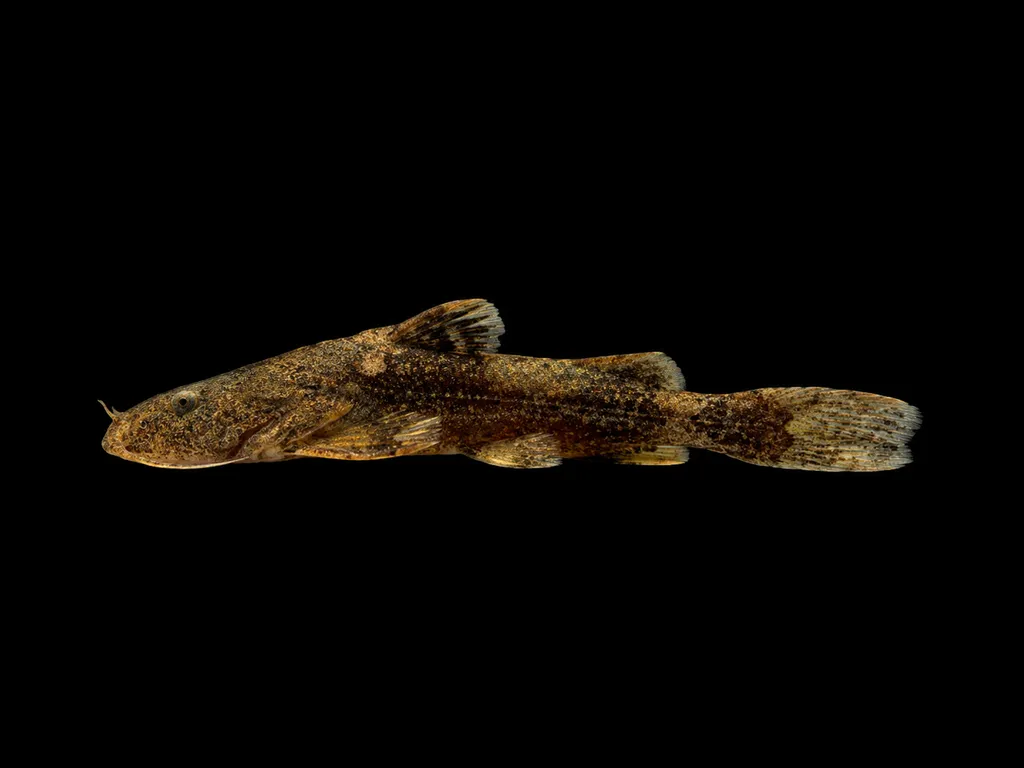
Hillstream torrent catfish
Glyptothorax lampris
Freshwater4.7 in (12 cm) · 29 gal (110 L)68–79°F (20–26°C)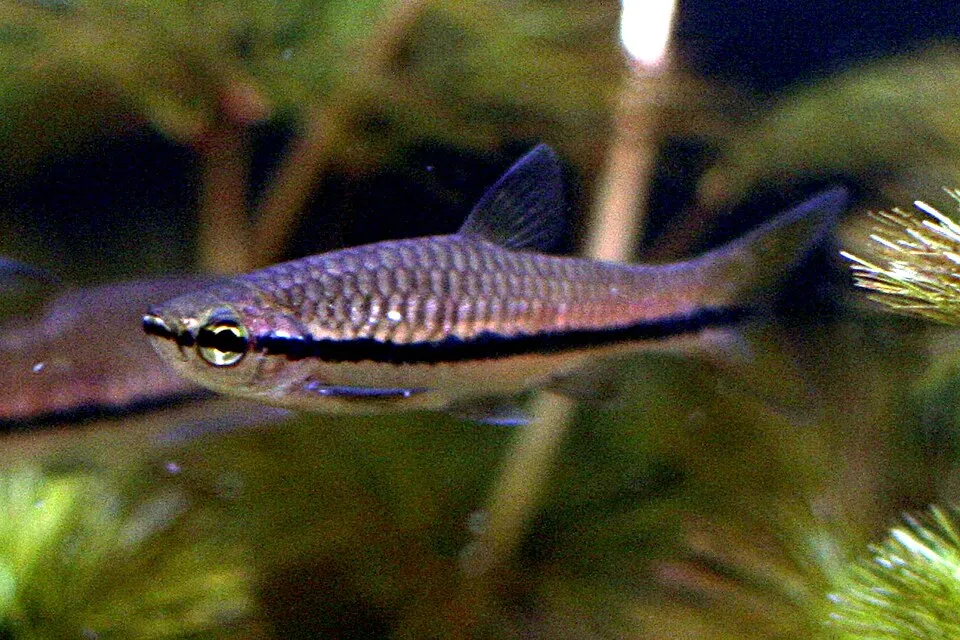
Brilliant rasbora
Rasbora einthovenii
Freshwater3.5 in (9 cm) · 29 gal (110 L)72–82°F (22–28°C)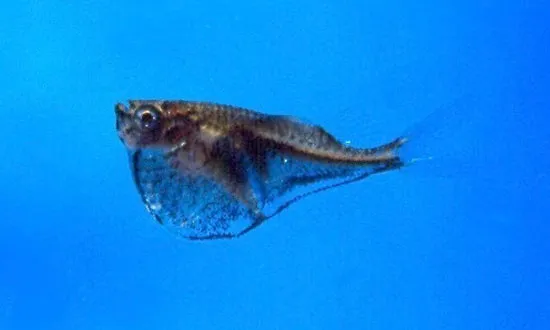
Blackwing hatchetfish
Carnegiella marthae
Freshwater1.4 in (3.5 cm) · 30 gal (115 L)68–82°F (20–28°C)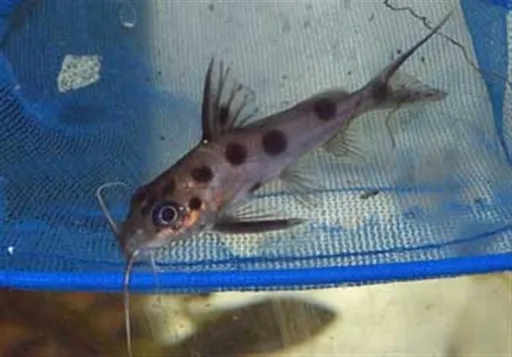
One-spot synodontis
Synodontis notatus
Freshwater9.8 in (25 cm) · 29 gal (110 L)72–81°F (22–27°C)
Common questions
What size tank does a Kullander's dwarf cichlid need?
A Kullander's dwarf cichlid needs at least 29 gal (110 L). It spends most of its time in the bottom.
What temperature and pH does a Kullander's dwarf cichlid need?
A Kullander's dwarf cichlid is comfortable at 72–81°F (22–27°C) with a pH of 5.5–7.0.
What does a Kullander's dwarf cichlid eat?
A Kullander's dwarf cichlid eats heartily, from granules to frozen and live foods. A well-fed pair is less quarrelsome.
How big does a Kullander's dwarf cichlid get?
An adult Kullander's dwarf cichlid reaches about 3.9 in (10 cm).
How does a Kullander's dwarf cichlid breed?
A Kullander's dwarf cichlid spawns in a cave, and the female runs the classic apisto brood care. Pairs are pickier about partners than smaller apistos, and breeding is hard.
Related species
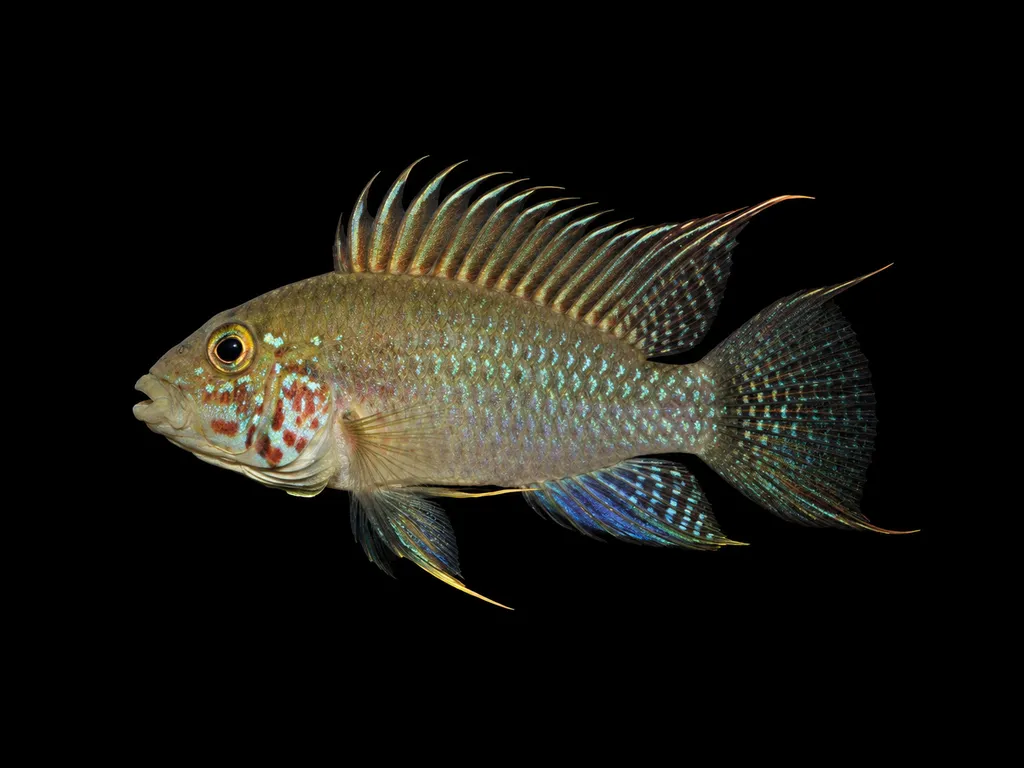 3.7 in (9.5 cm)26 gal (100 L)75–82°F (24–28°C)
Bigmouth dwarf cichlid
Apistogramma megastoma
3.7 in (9.5 cm) · 26 gal (100 L)
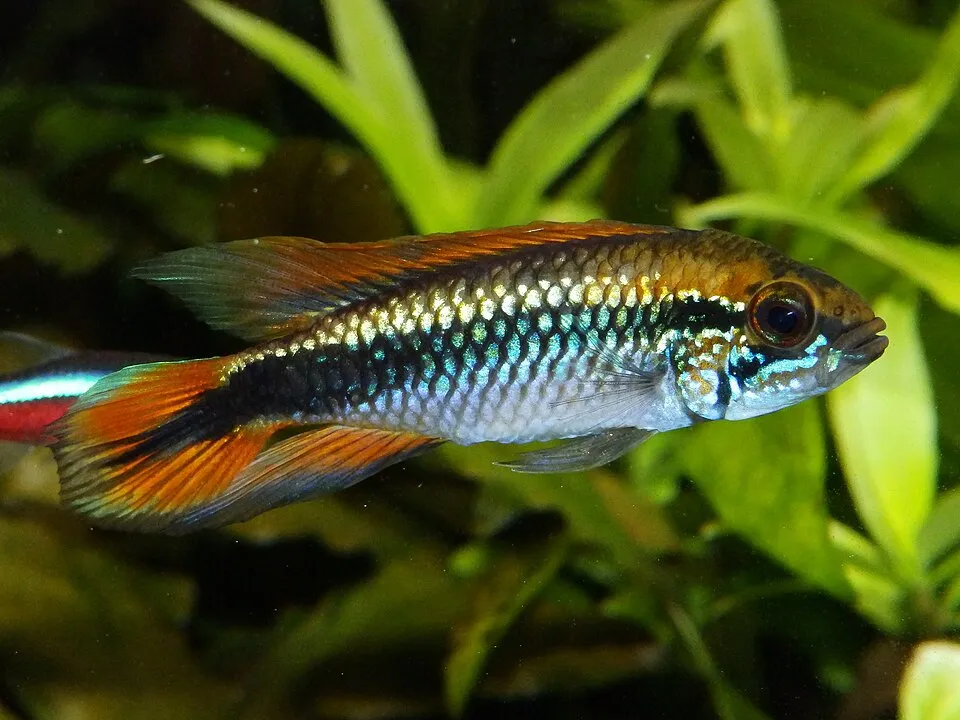 3.5 in (9 cm)20 gal (75 L)72–84°F (22–29°C)
Agassiz's dwarf cichlid
Apistogramma agassizii
3.5 in (9 cm) · 20 gal (75 L)
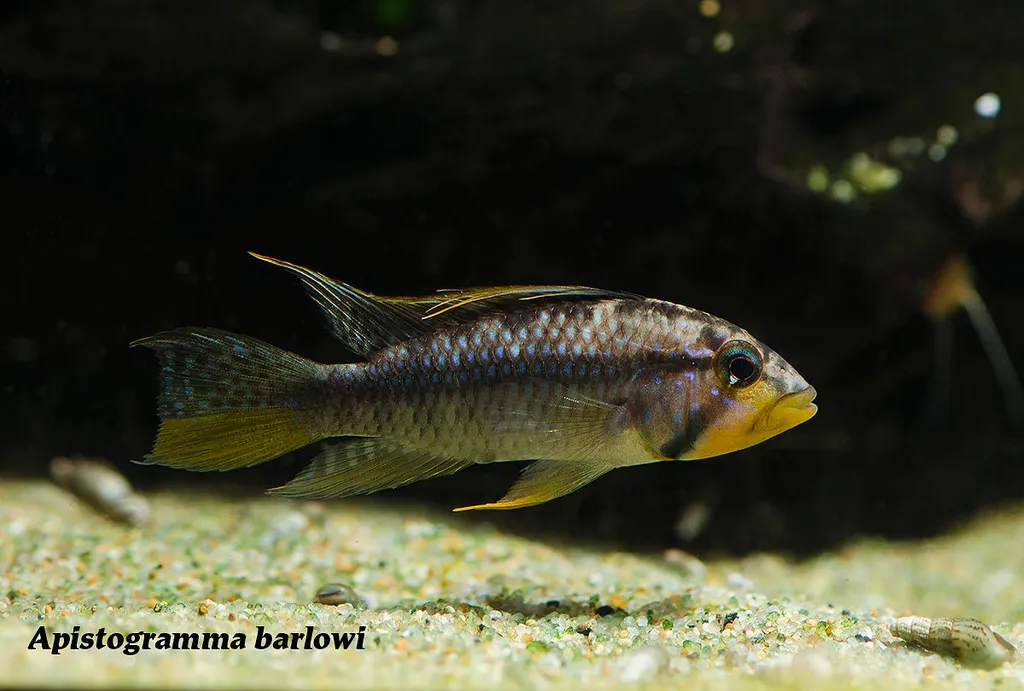 3.1 in (8 cm)20 gal (75 L)73–82°F (23–28°C)
Barlow's dwarf cichlid
Apistogramma barlowi
3.1 in (8 cm) · 20 gal (75 L)
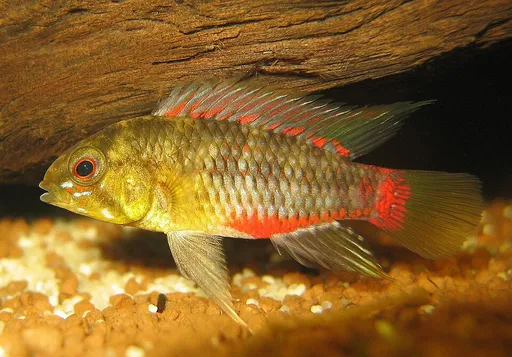 3.1 in (8 cm)20 gal (75 L)73–84°F (23–29°C)
Hongsloi dwarf cichlid
Apistogramma hongsloi
3.1 in (8 cm) · 20 gal (75 L)
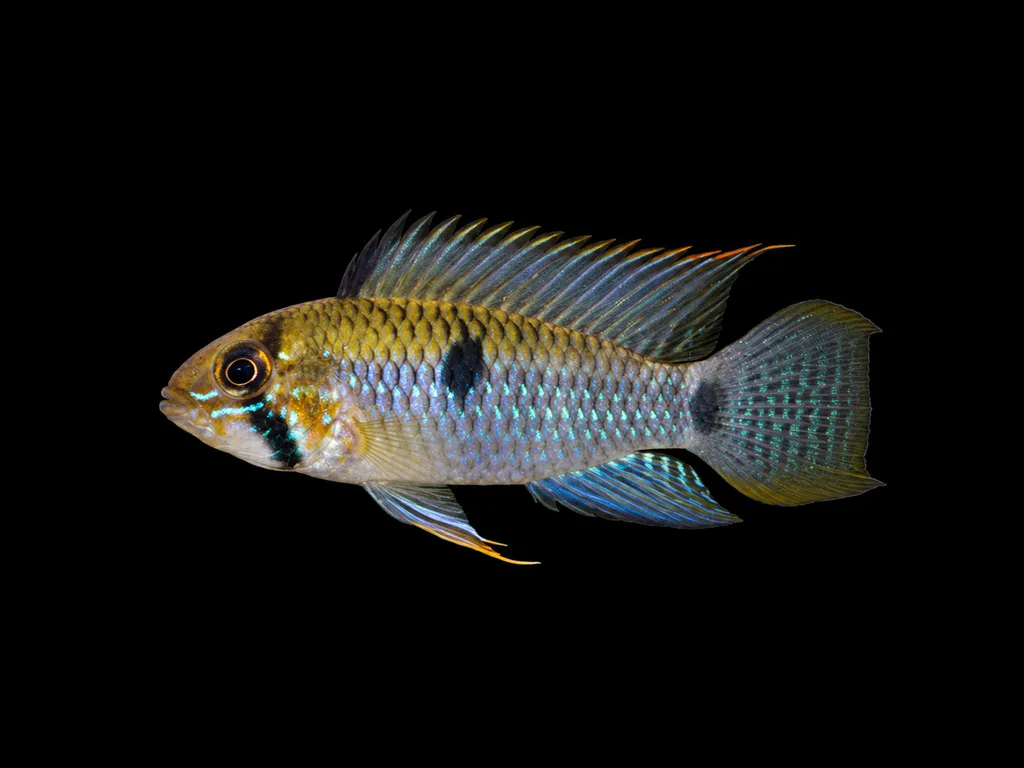 3.1 in (8 cm)20 gal (75 L)73–82°F (23–28°C)
Steindachner's dwarf cichlid
Apistogramma steindachneri
3.1 in (8 cm) · 20 gal (75 L)
 3 in (7.5 cm)20 gal (75 L)75–84°F (24–29°C)
Hoigne's dwarf cichlid
Apistogramma hoignei
3 in (7.5 cm) · 20 gal (75 L)