One-spot synodontis
Synodontis notatus
Also known as One-spot squeaker, Domino synodontis, Spotback catfish
FreshwaterFish
Care at a glance
- Temperature
- 72–81°F
- 22–27°C
- pH
- 6.5–7.5
- Adult size
- 9.8 in
- 25 cm
- Minimum tank
- 29 gal
- 110 L
- Temperament
- Mostly peaceful
- Social behavior
- Social
- Swim level
- Bottom
- Difficulty
- Medium
- Breeding
- No record
- Rarity
- Rare
- Family
- Mochokidae
- Origin
- Native to the Congo River basin in Central Africa.
Overview
The one-spot synodontis is an attractive catfish for the bottom of a roomy community tank. It is an intermediate fish to keep.
Did you know
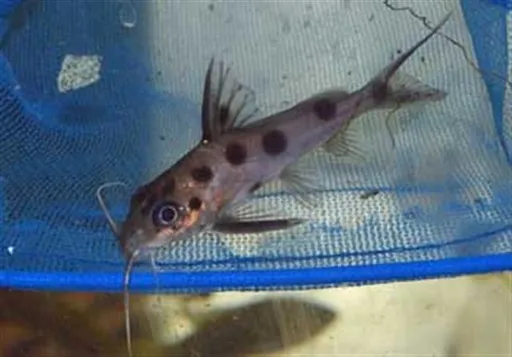
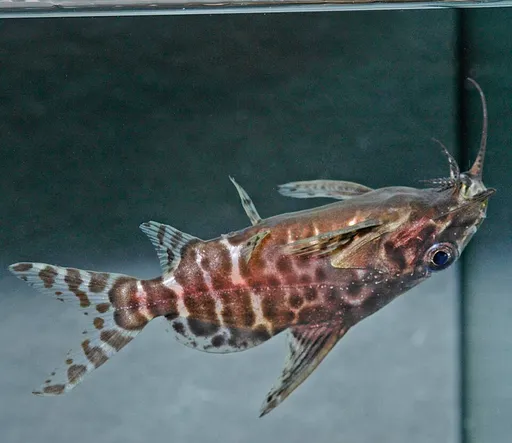
The one-spot synodontis is named for a single round black spot on each silvery flank. The number of spots varies a lot between individuals, and some carry two, three or more. A tank of them can show anything from a single dot to a scatter of them.
Caring for the one-spot synodontis
Give a one-spot synodontis a tank of at least 29 gal (110 L), with a soft sandy floor to protect its barbels. Add driftwood and rock caves, and leave open swimming space.
Keep the water at 72 to 81°F (22 to 27°C), with a pH of 6.5 to 7.5. Feed sinking pellets, frozen foods and vegetable matter.
It is mostly peaceful but grows to a fair size, so it suits a larger community with robust tank mates rather than a nano tank. It does well in a small group and forages actively once settled. There is no home breeding record for it.
Good to know
The one-spot synodontis has long barbels, sharp locking spines and the bony head shield of the family Mochokidae. It is also sold as the domino synodontis or the spotback catfish.
In the wild
The one-spot synodontis lives in the Congo basin, foraging over sand and among submerged wood in warm, moderately flowing water. It is active mainly at night and hides in cover during the day.
Weekly picks
Tank mates
The one-spot synodontis is a mostly peaceful, social species that keeps to the bottom. These picks share a community profile with it, are safe together in both directions, and overlap on water type, temperature and pH.
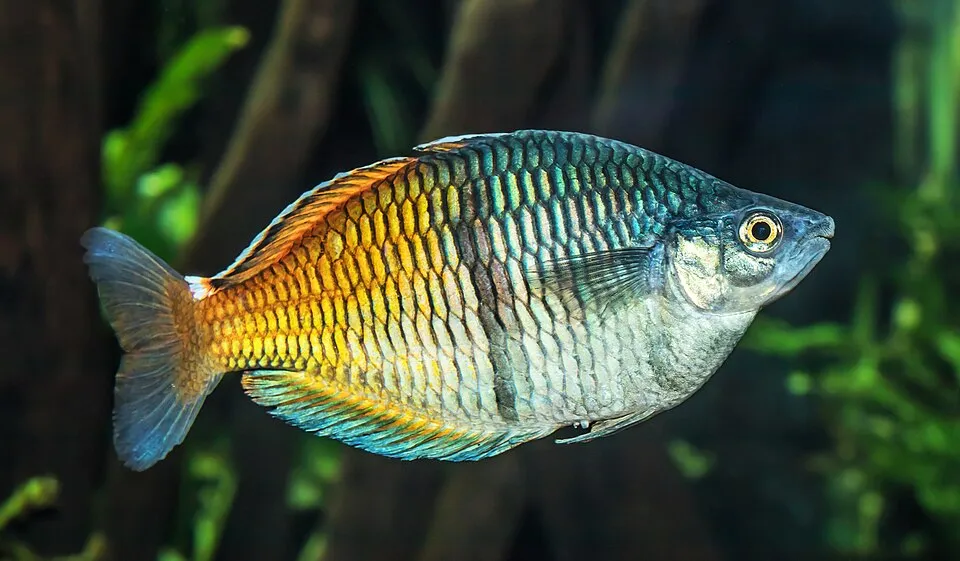
Boeseman's rainbowfish
Melanotaenia boesemani
Freshwater4.3 in (11 cm) · 29 gal (108 L)81–86°F (27–30°C)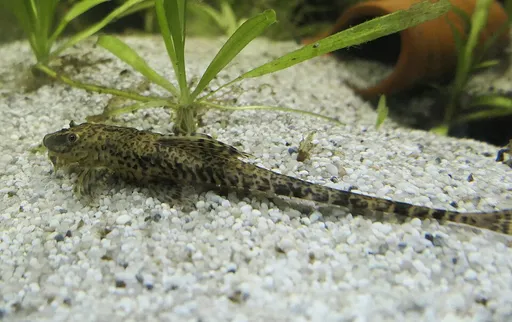
Red lizard whiptail
Rineloricaria lanceolata
Freshwater3.9 in (10 cm) · 24 gal (90 L)77–82°F (25–28°C)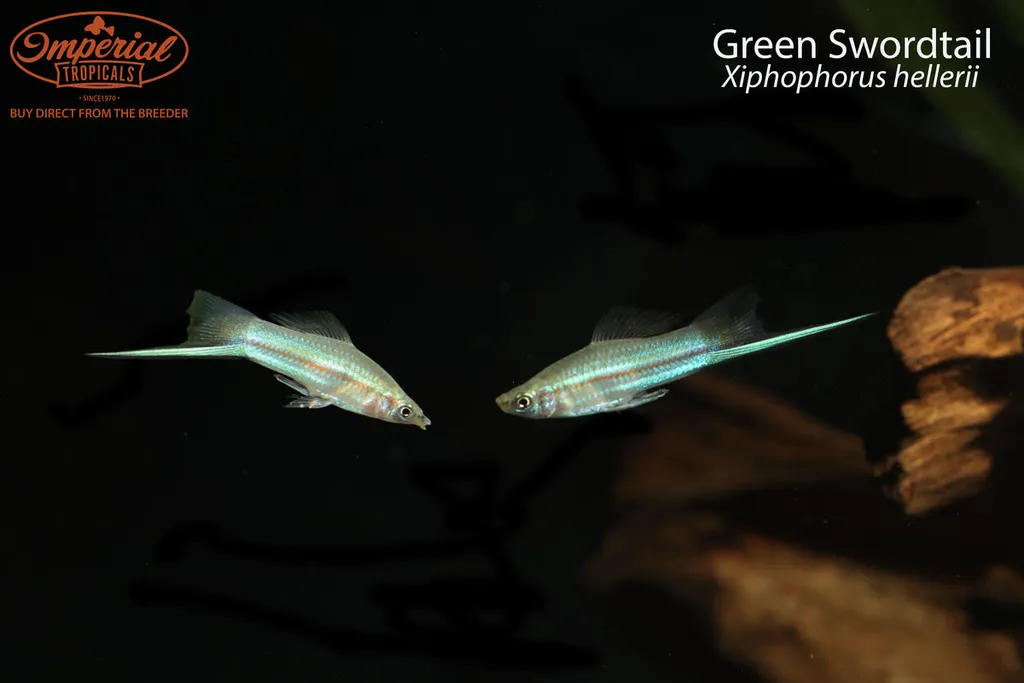
Green swordtail
Xiphophorus hellerii
Freshwater5.9 in (15 cm) · 20 gal (76 L)68–82°F (20–28°C)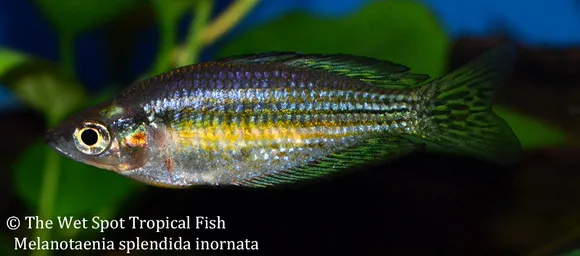
Checkered rainbowfish
Melanotaenia splendida inornata
Freshwater4.7 in (12 cm) · 29 gal (110 L)72–86°F (22–30°C)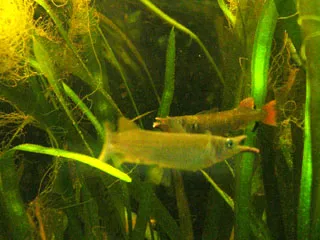
Redfin halfbeak
Nomorhamphus ebrardtii
Freshwater3.5 in (9 cm) · 29 gal (110 L)75–81°F (24–27°C)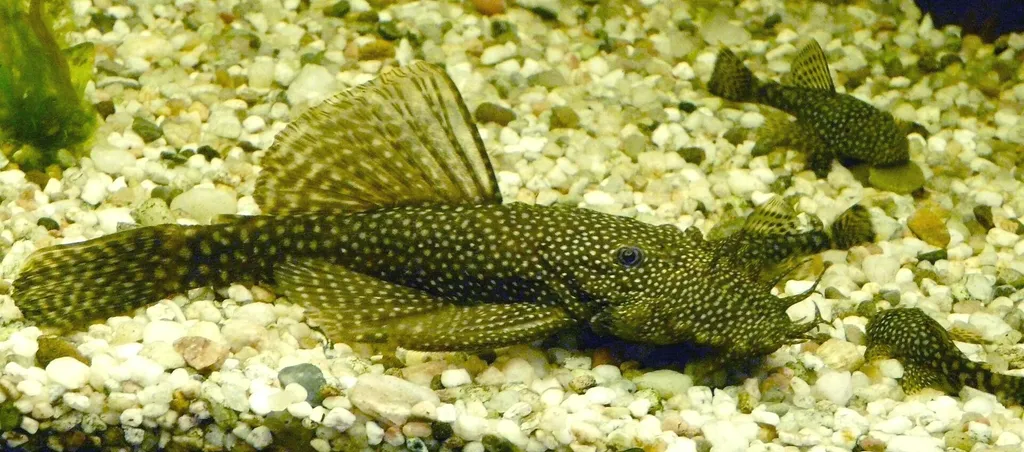
Bristlenose pleco
Ancistrus sp.
Freshwater4.9 in (12.5 cm) · 20 gal (75 L)70–79°F (21–26°C)
Common questions
What size tank does a one-spot synodontis need?
A one-spot synodontis needs at least 29 gal (110 L). It spends most of its time in the bottom.
What temperature and pH does a one-spot synodontis need?
A one-spot synodontis is comfortable at 72–81°F (22–27°C) with a pH of 6.5–7.5.
What does a one-spot synodontis eat?
A one-spot synodontis eats sinking pellets, frozen foods and vegetable matter.
How big does a one-spot synodontis get?
An adult one-spot synodontis reaches about 9.8 in (25 cm).
Related species
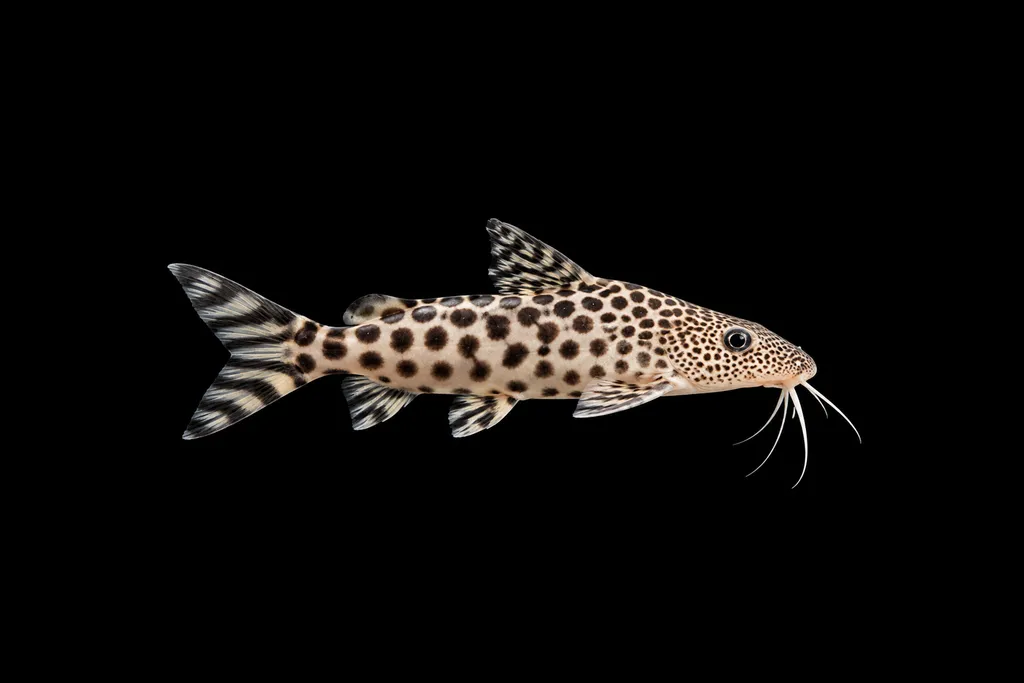 9.3 in (23.5 cm)79 gal (300 L)73–81°F (23–27°C)
Pardalis squeaker
Synodontis pardalis
9.3 in (23.5 cm) · 79 gal (300 L)
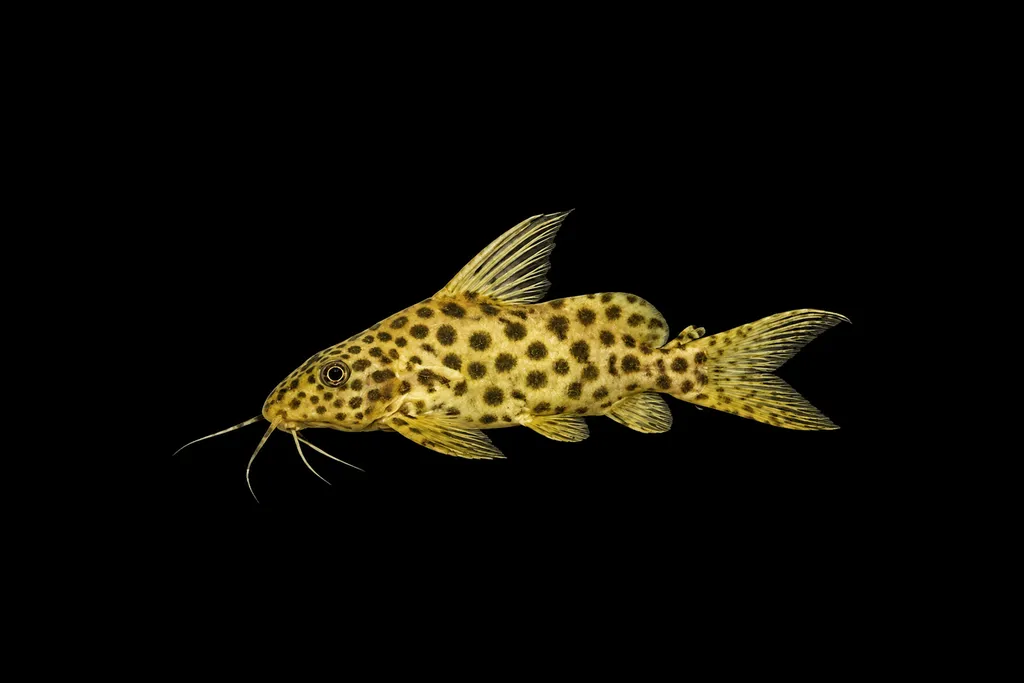 8.7 in (22 cm)79 gal (300 L)73–81°F (23–27°C)
Velifer squeaker
Synodontis velifer
8.7 in (22 cm) · 79 gal (300 L)
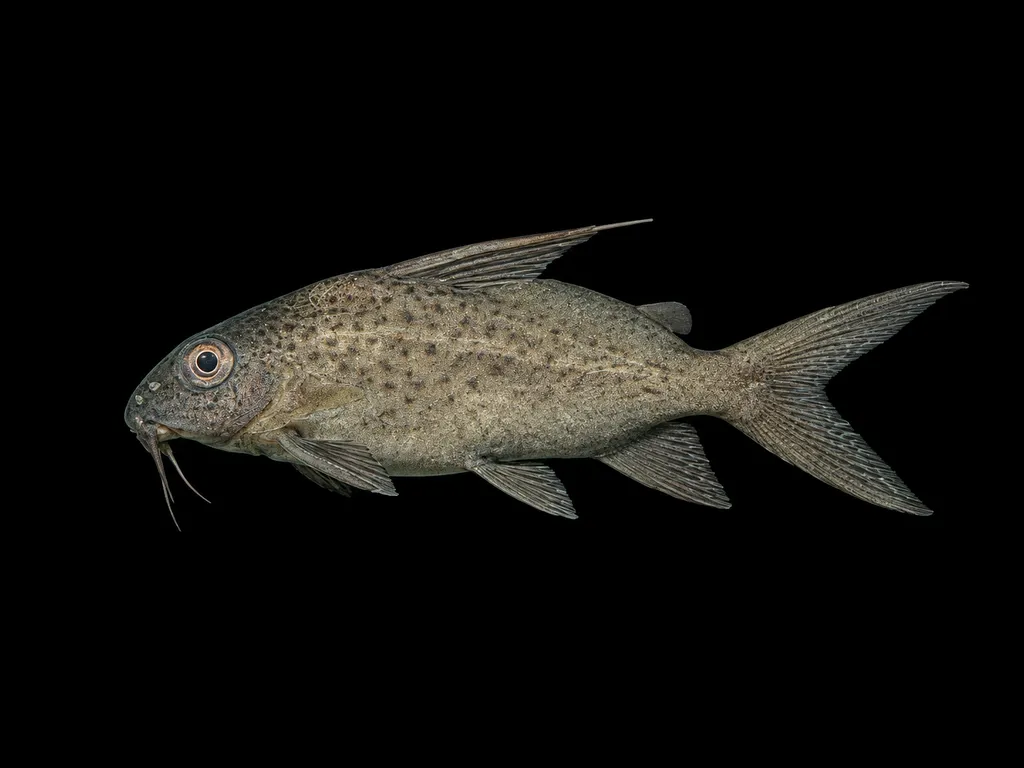 11.8 in (30 cm)106 gal (400 L)73–81°F (23–27°C)
Bigeye upside-down squeaker
Synodontis resupinatus
11.8 in (30 cm) · 106 gal (400 L)
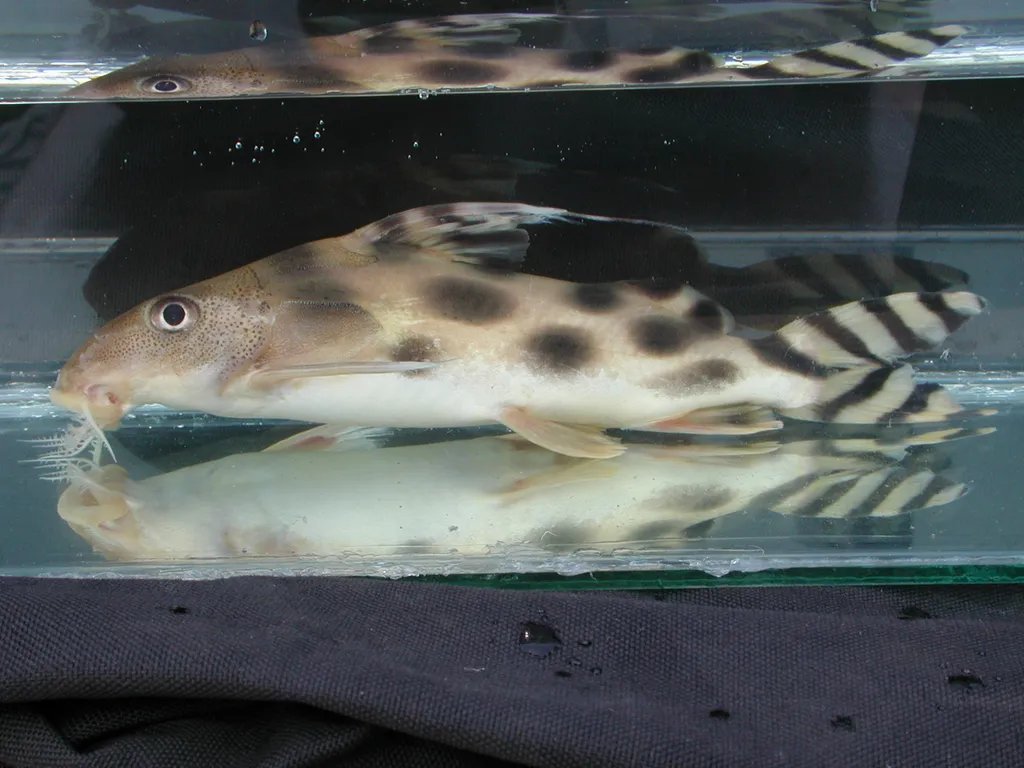 11.8 in (30 cm)53 gal (200 L)72–81°F (22–27°C)
Decorated squeaker
Synodontis decorus
11.8 in (30 cm) · 53 gal (200 L)
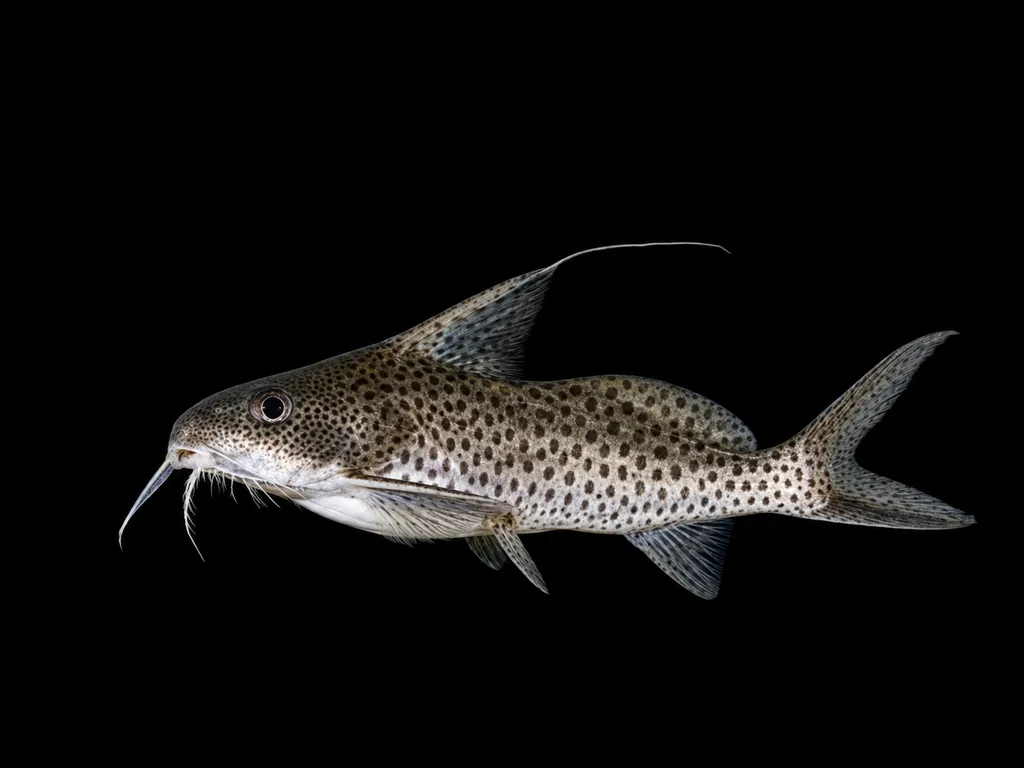 11.8 in (30 cm)106 gal (400 L)73–81°F (23–27°C)
Filament squeaker
Synodontis filamentosus
11.8 in (30 cm) · 106 gal (400 L)
 11.8 in (30 cm)79 gal (300 L)72–81°F (22–27°C)
Giant upside-down catfish
Synodontis batensoda
11.8 in (30 cm) · 79 gal (300 L)