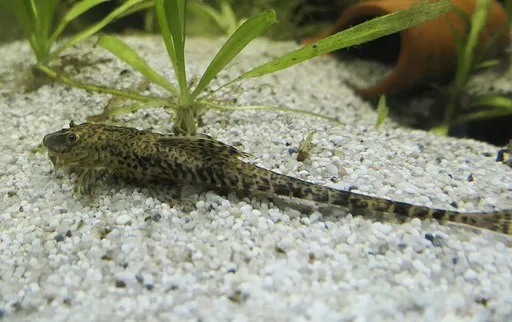
Red lizard whiptail
Rineloricaria lanceolata
Also known as Red whiptail catfish, High Dorsal Whiptail Cat
FreshwaterFish
Care at a glance
- Temperature
- 77–82°F
- 25–28°C
- pH
- 6.0–8.0
- Adult size
- 3.9 in
- 10 cm
- Minimum tank
- 24 gal
- 90 L
- Temperament
- Peaceful
- Social behavior
- Social
- Swim level
- Bottom
- Difficulty
- Medium
- Breeding
- Medium
- Rarity
- Common
- Family
- Loricariidae
- Origin
- Upper Amazon basin, Peru and Brazil
Overview
Keep them in a group of six or more in a tank of 90 liters or larger, since they are social bottom-dwellers and do better with their own kind around. They are very peaceful and spend their time grazing along the substrate and wood, most active once the lights dim. Hold the water at 25 to 28 C with a pH from 6 to 8, and keep the current gentle rather than blasting them with a strong powerhead. Feed algae wafers, sinking foods, and blanched vegetables, with the odd meaty or frozen item mixed in. Good tankmates include small characins, Apistogramma, Corydoras, and other quiet loricariids.
In the wild
Red lizard whiptails come from the upper Amazon basin in Peru and Brazil, where they sit on the bottom of slow, shaded waterways among wood, roots, and fallen leaves. Give them a mature tank of at least 90 liters with sandy substrate, driftwood, slate caves, and a few lengths of PVC pipe for shelter. They are largely nocturnal, so keep the lighting dim and the flow low to moderate. Water runs warm at 25 to 28 C, with a pH anywhere from 6 to 8 and on the soft, slightly acidic side if you can manage it.
Good to know
This is a slender whiptail catfish in the family Loricariidae, reaching about 10 cm as an adult. It is a cave spawner, and the male guards the clutch on his own while the female takes no further part. Note that the trade name Red Lizard Whiptail, sometimes sold as L010a, is often an undescribed red Rineloricaria distinct from the wild-type R. lanceolata, though care is the same either way.
Did you know
They breed readily in PVC caves, and the male does all the parenting. Once the female lays inside, he stays with the eggs, fanning fresh water over them and chasing off intruders until the fry hatch. Raising those fry is the fiddly part, which is why breeding sits at a medium difficulty rather than easy.
Weekly picks
Tank mates
Red lizard whiptail is a peaceful, social species that keeps to the bottom. These picks share a community profile with it, are safe together in both directions, and overlap on water type, temperature and pH.
Siamese flying barb
Laubuka siamensis
Freshwater2.6 in (6.5 cm) · 24 gal (90 L)72–81°F (22–27°C)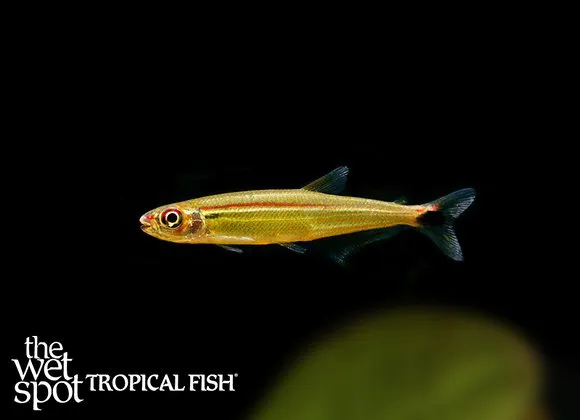
Adujai lizard tetra
Iguanodectes adujai
Freshwater2.8 in (7 cm) · 24 gal (90 L)75–82°F (24–28°C)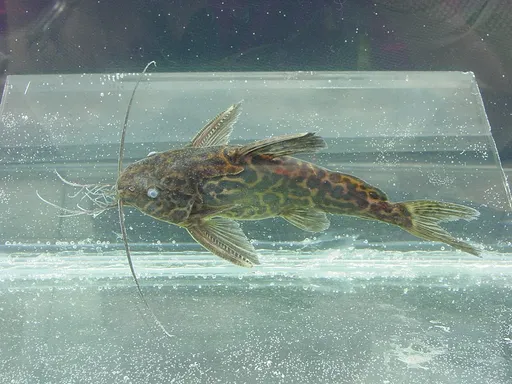
Vermiculated squeaker
Synodontis schoutedeni
Freshwater5.9 in (15 cm) · 24 gal (90 L)72–81°F (22–27°C)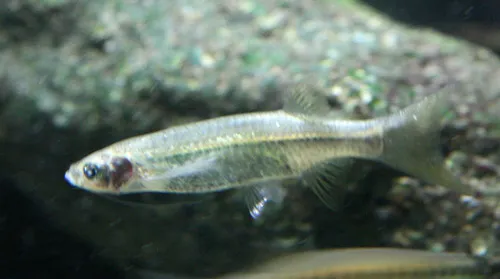
Striped flying barb
Esomus metallicus
Freshwater3 in (7.5 cm) · 24 gal (90 L)72–79°F (22–26°C)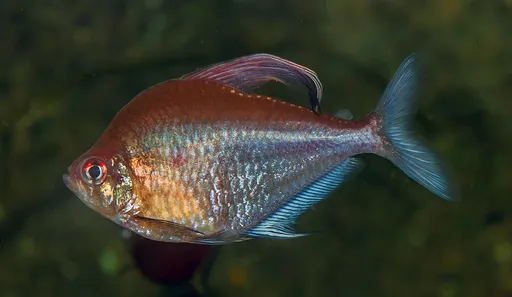
Lesser bleeding heart tetra
Hyphessobrycon socolofi
Freshwater2.2 in (5.6 cm) · 24 gal (90 L)73–82°F (23–28°C)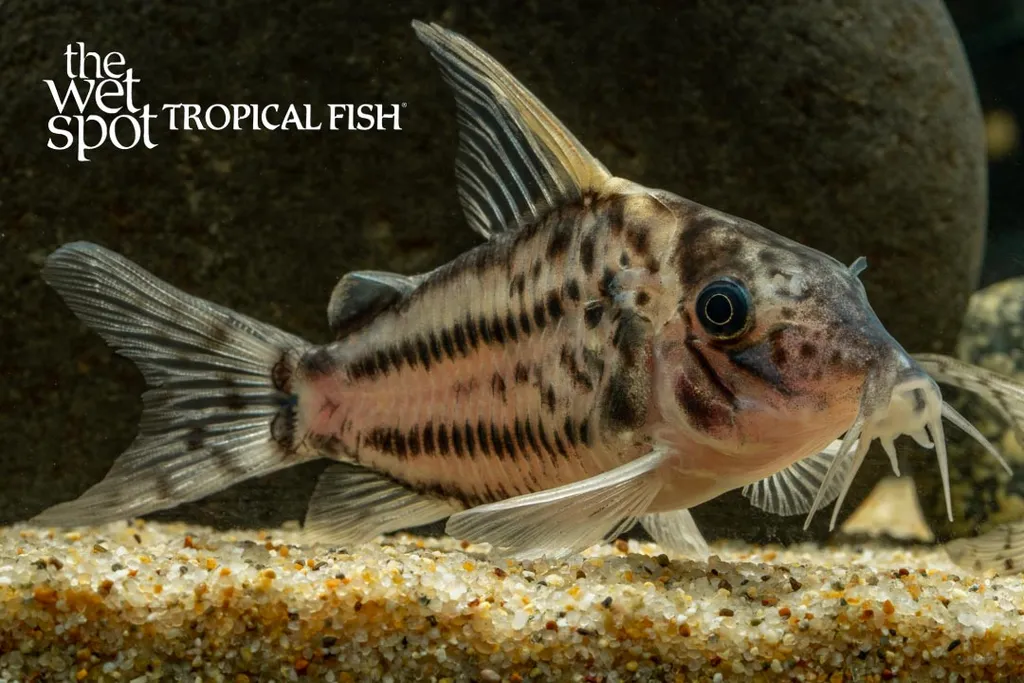
Pretty cory
Brochis pulchra
Freshwater2.6 in (6.5 cm) · 24 gal (90 L)75–82°F (24–28°C)
Common questions
What size tank does a Red lizard whiptail need?
A Red lizard whiptail needs at least 24 gal (90 L). It spends most of its time in the bottom.
What temperature and pH does a Red lizard whiptail need?
A Red lizard whiptail is comfortable at 77–82°F (25–28°C) with a pH of 6.0–8.0.
How big does a Red lizard whiptail get?
An adult Red lizard whiptail reaches about 3.9 in (10 cm).
Related species
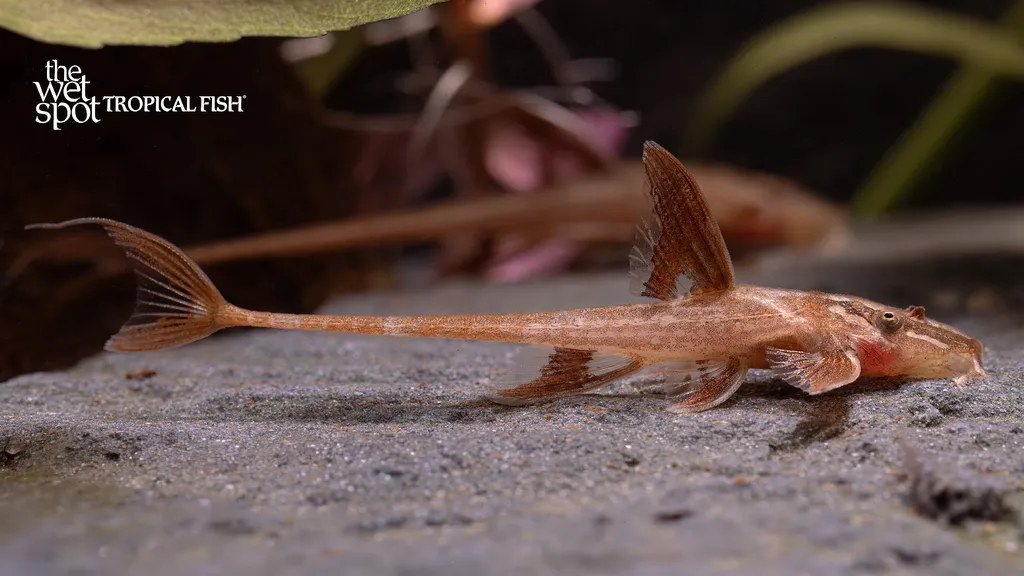 4.3 in (11 cm)20 gal (75 L)75–84°F (24–29°C)
Whiptail catfish
Rineloricaria sp.
4.3 in (11 cm) · 20 gal (75 L)
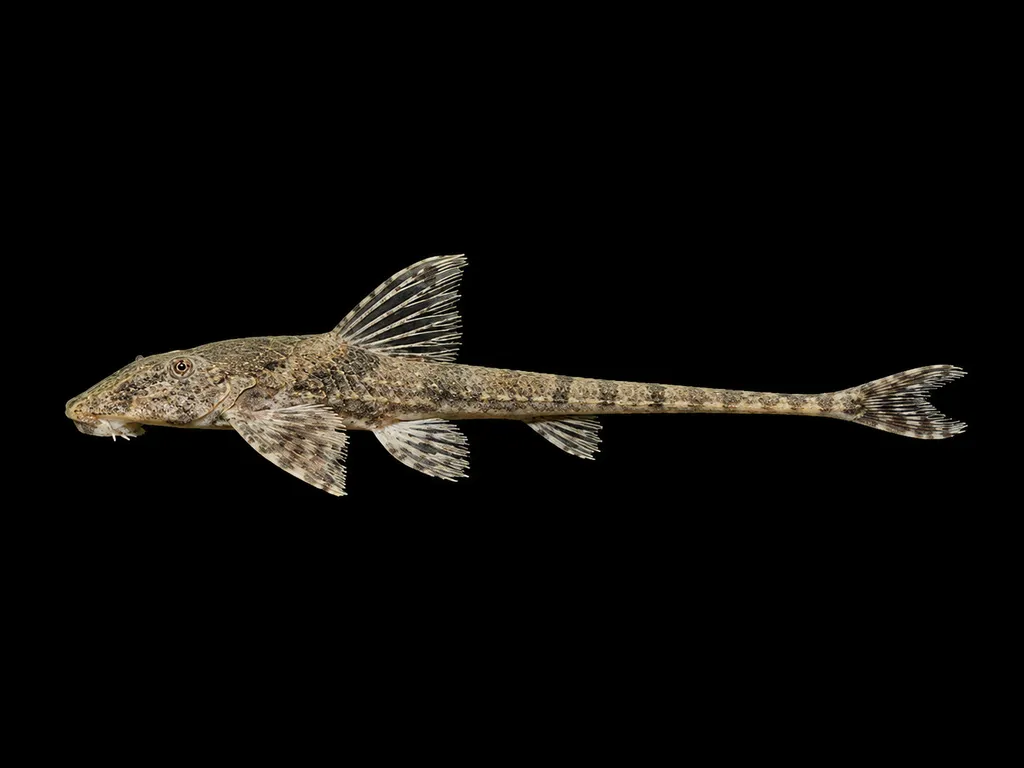 4.7 in (12 cm)20 gal (75 L)68–79°F (20–26°C)
Common whiptail
Rineloricaria parva
4.7 in (12 cm) · 20 gal (75 L)
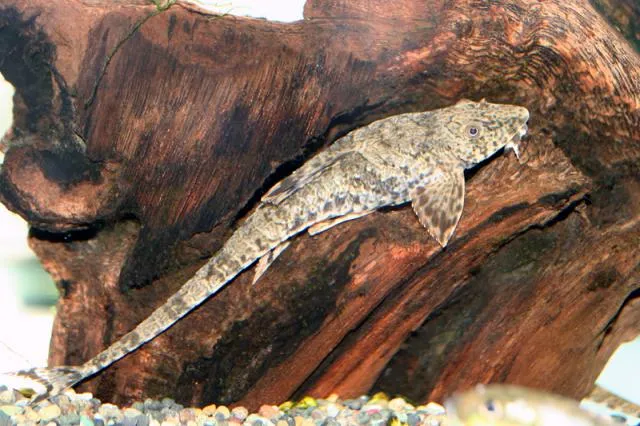 4.7 in (12 cm)29 gal (110 L)75–82°F (24–28°C)
Eigenmann's whiptail
Rineloricaria eigenmanni
4.7 in (12 cm) · 29 gal (110 L)
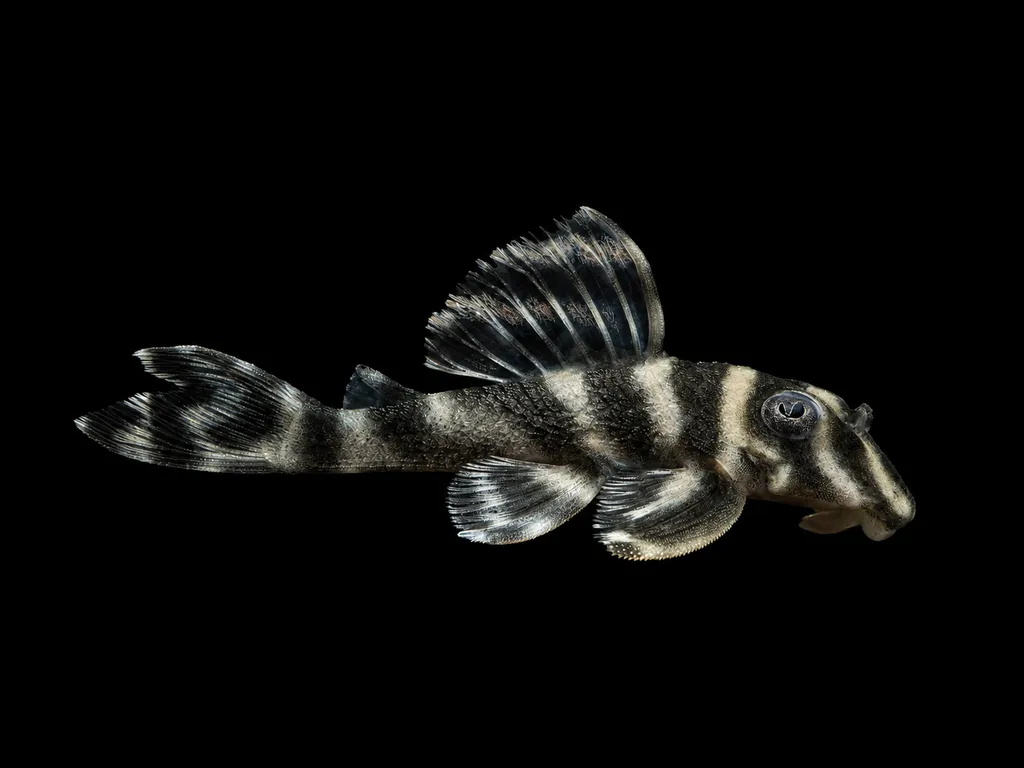 3.9 in (10 cm)42 gal (160 L)79–86°F (26–30°C)
Bandit pleco
Hypancistrus furunculus
3.9 in (10 cm) · 42 gal (160 L)
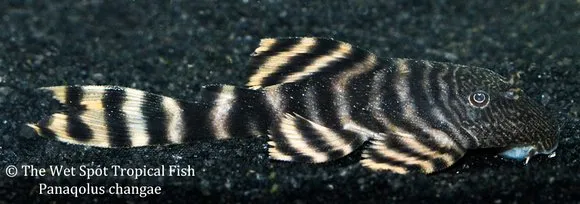 3.9 in (10 cm)42 gal (160 L)77–84°F (25–29°C)
Iquitos tiger pleco
Panaqolus changae
3.9 in (10 cm) · 42 gal (160 L)
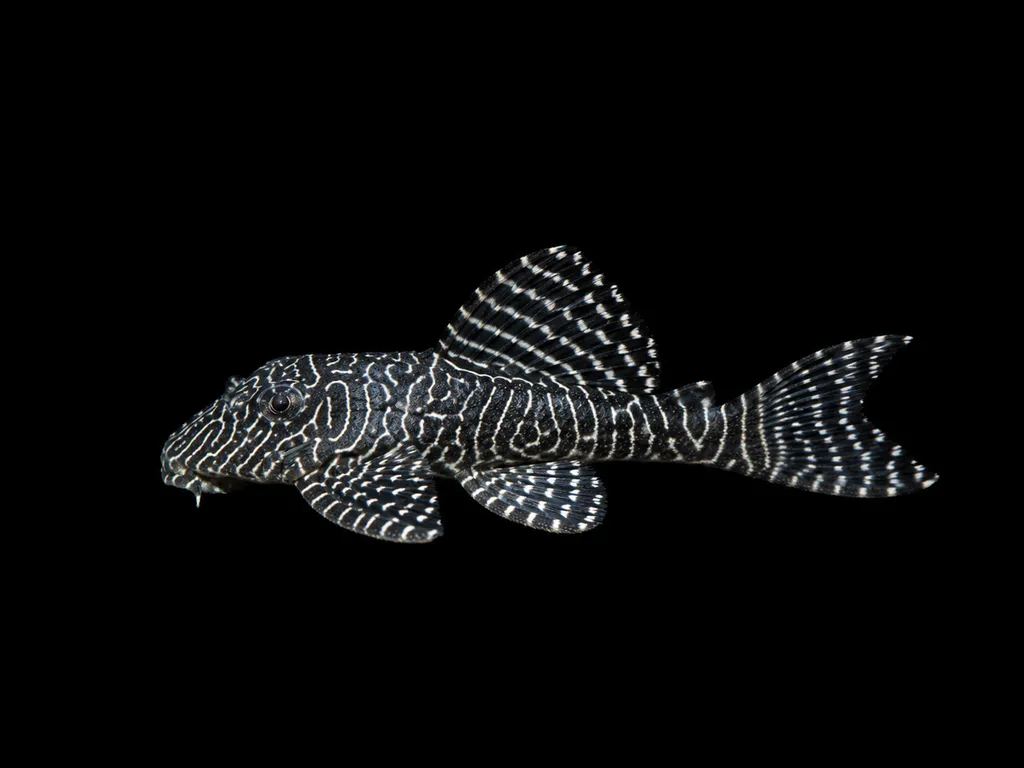 3.9 in (10 cm)20 gal (75 L)79–86°F (26–30°C)
Queen arabesque pleco (L260)
Hypancistrus sp. L260
3.9 in (10 cm) · 20 gal (75 L)