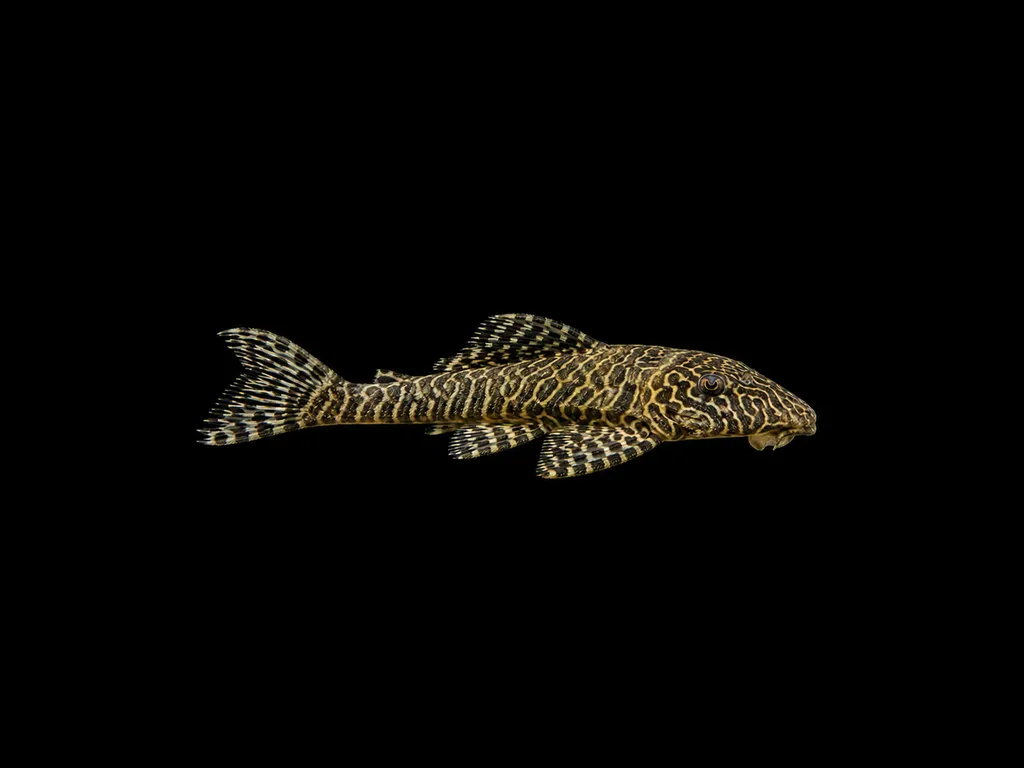
Whiptail catfish
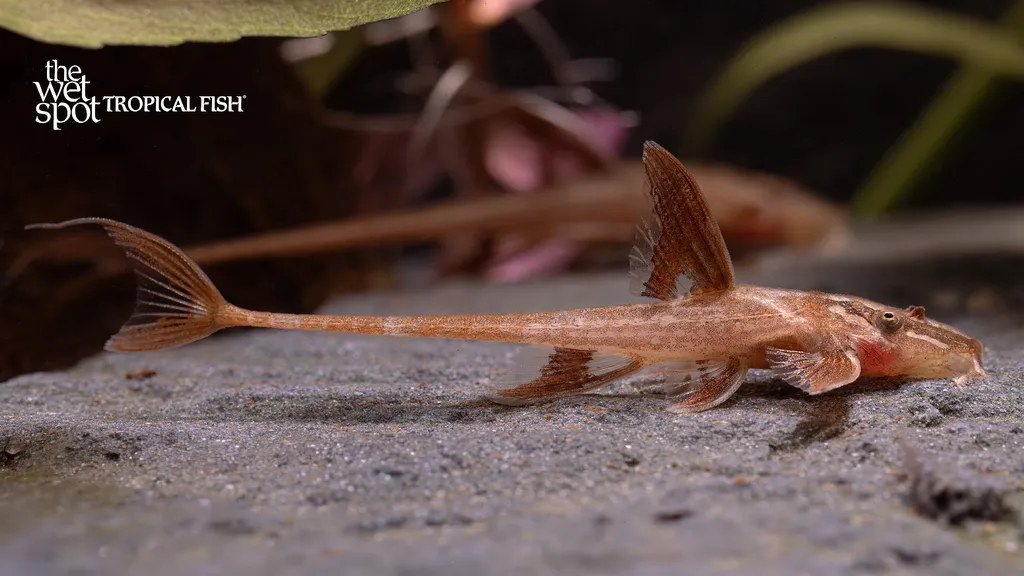
Rineloricaria sp.
Also known as Red Lizard Catfish, Red Lizard Whiptail Cat
FreshwaterFish
Care at a glance
- Temperature
- 75–84°F
- 24–29°C
- pH
- 6.0–7.5
- Adult size
- 4.3 in
- 11 cm
- Minimum tank
- 20 gal
- 75 L
- Temperament
- Peaceful
- Social behavior
- Social
- Swim level
- Bottom
- Difficulty
- Medium
- Breeding
- Hard
- Rarity
- Rare
- Family
- Loricariidae
- Origin
- no natural occurrence
Overview
They are peaceful bottom dwellers that do well in small groups. Most of the day they rest on wood or the substrate and graze for algae, biofilm, and bits of food. Feed algae wafers, sinking pellets, and blanched vegetables like zucchini, with occasional protein. Give them around 75 liters with lots of wood and hiding spots, and keep the water clean and well oxygenated.
In the wild
Whiptails in this group come from South American rivers and streams with sandy or muddy bottoms, submerged wood, and slow to moderate flow. The fish in the trade are often tank-bred lines rather than fish with a clear single origin. Set up sand or fine gravel, plenty of driftwood, and soft, slightly acidic to neutral water in the mid to high 20s C.
Good to know
These belong to Loricariidae, the suckermouth catfish family, and they have the long, slender bodies and trailing tail filaments the name suggests. They reach around 11 cm. They are egg layers, and the male guards and tends the eggs until they hatch, but spawning them is hard. Their armored plates and underslung mouth are typical loricariid traits.
Did you know
During breeding the male takes charge of the eggs, often guarding a clutch laid inside a tube or crevice and fanning them with his fins to keep fresh water moving over them. He keeps this up until they hatch, which is part of why getting a pair to spawn and raise young is tricky.
Weekly picks
Tank mates
Whiptail catfish is a peaceful, social species that keeps to the bottom. These picks share a community profile with it, are safe together in both directions, and overlap on water type, temperature and pH.
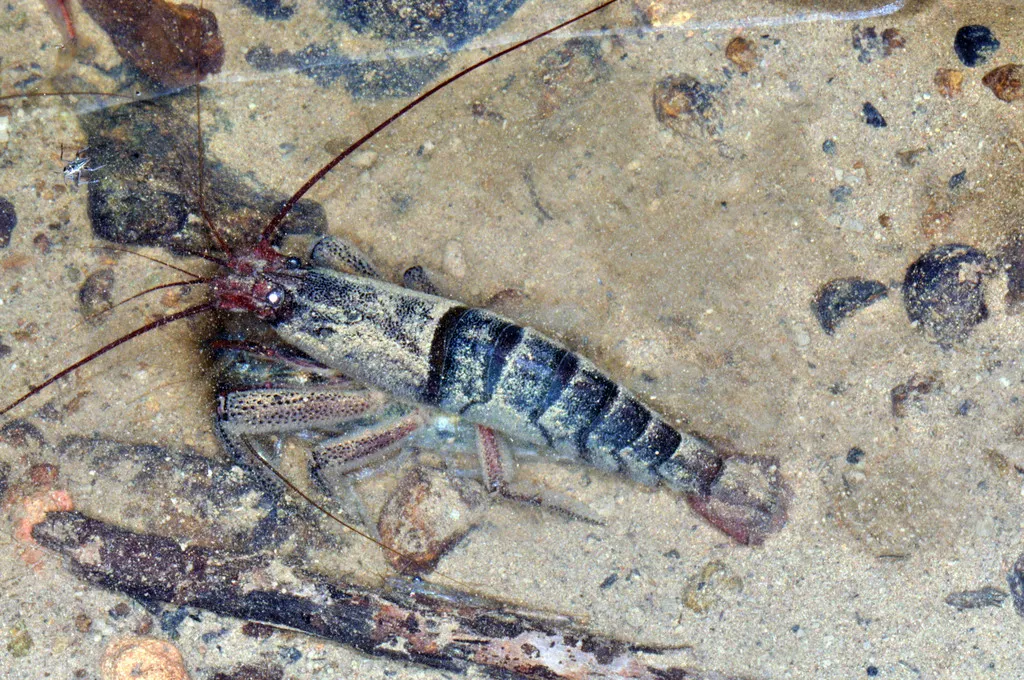
Marble wood shrimp
Atya scabra
Freshwater3.9 in (10 cm) · 20 gal (75 L)73–82°F (23–28°C)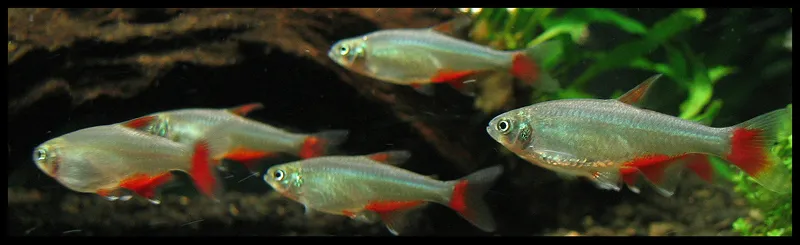
Bloodfin tetra
Aphyocharax anisitsi
Freshwater2.2 in (5.5 cm) · 20 gal (75 L)72–82°F (22–28°C)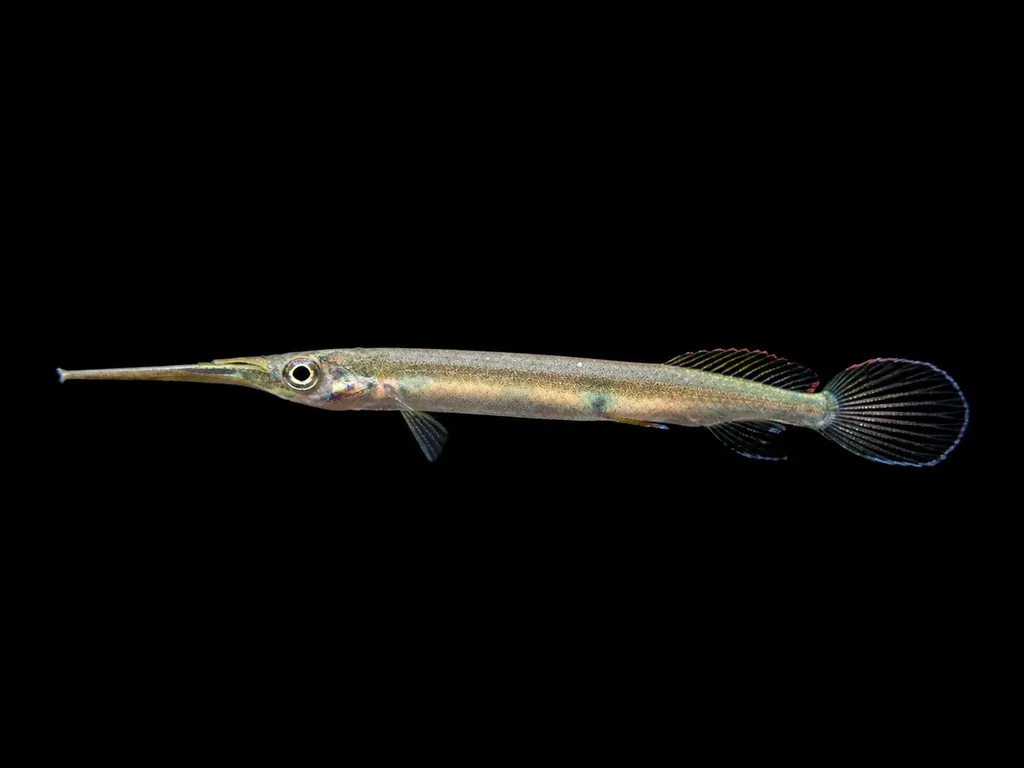
Kuekenthal's halfbeak
Hemirhamphodon kuekenthali
Freshwater3.3 in (8.5 cm) · 20 gal (75 L)73–81°F (23–27°C)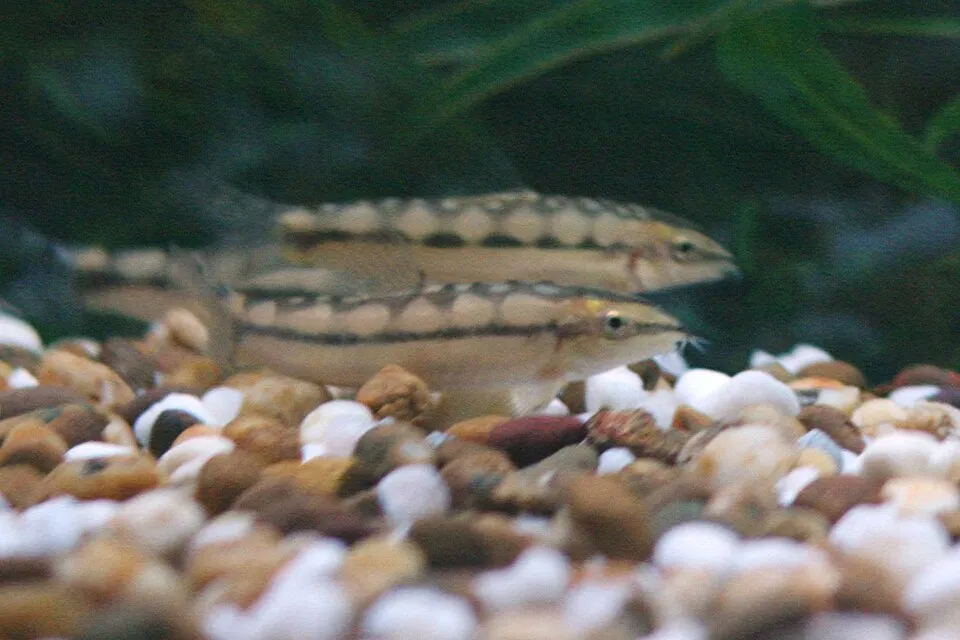
Dwarf botia
Ambastaia sidthimunki
Freshwater2.4 in (6 cm) · 20 gal (75 L)68–86°F (20–30°C)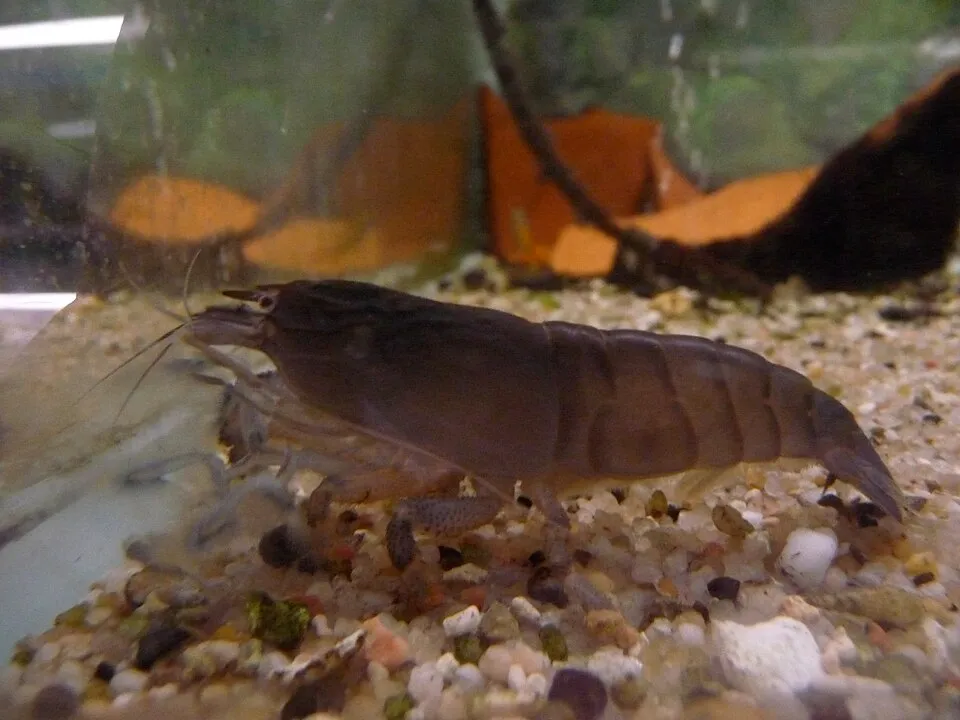
Vampire shrimp
Atya gabonensis
Freshwater5.1 in (13 cm) · 20 gal (75 L)75–82°F (24–28°C)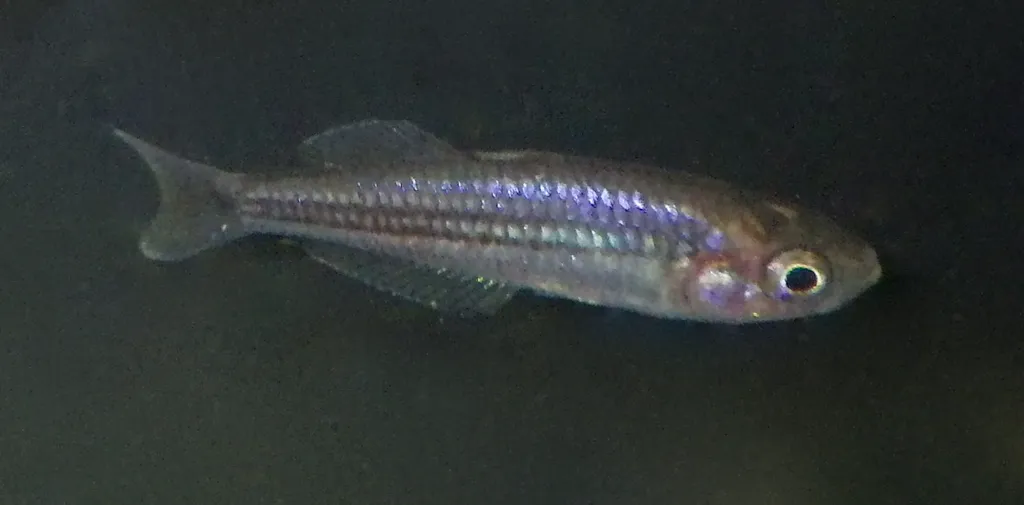
Pygmy rainbowfish
Melanotaenia pygmaea
Freshwater2.4 in (6 cm) · 20 gal (75 L)73–84°F (23–29°C)
Common questions
What size tank does a Whiptail catfish need?
A Whiptail catfish needs at least 20 gal (75 L). It spends most of its time in the bottom.
What temperature and pH does a Whiptail catfish need?
A Whiptail catfish is comfortable at 75–84°F (24–29°C) with a pH of 6.0–7.5.
How big does a Whiptail catfish get?
An adult Whiptail catfish reaches about 4.3 in (11 cm).
Related species
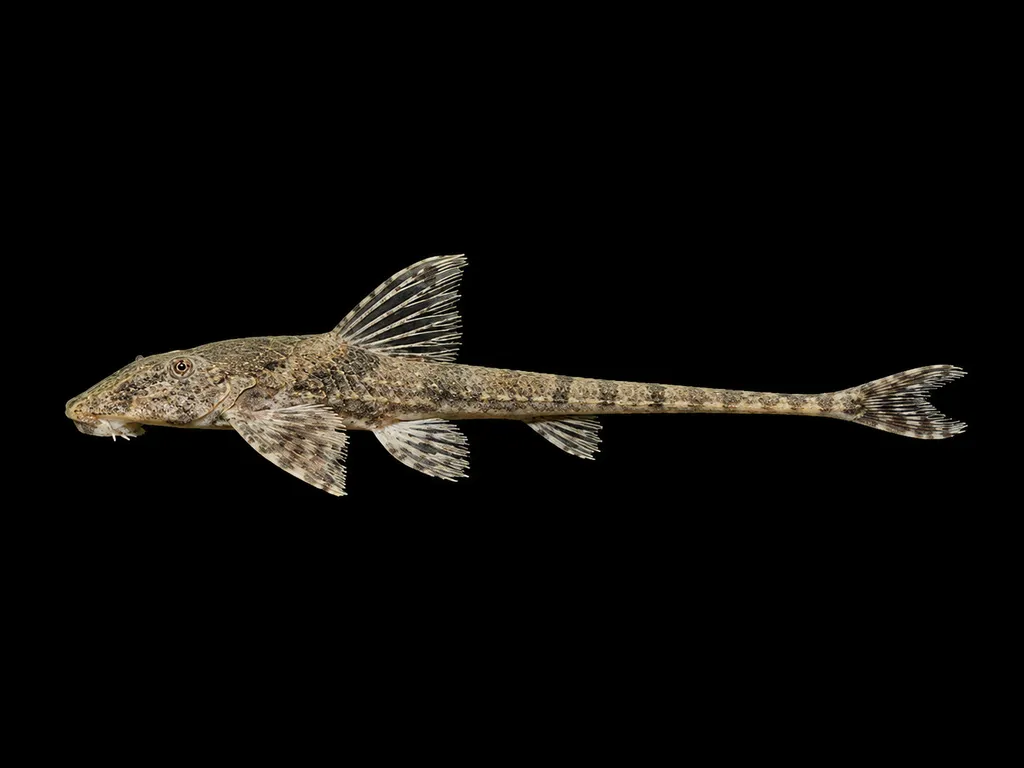 4.7 in (12 cm)20 gal (75 L)68–79°F (20–26°C)
Common whiptail
Rineloricaria parva
4.7 in (12 cm) · 20 gal (75 L)
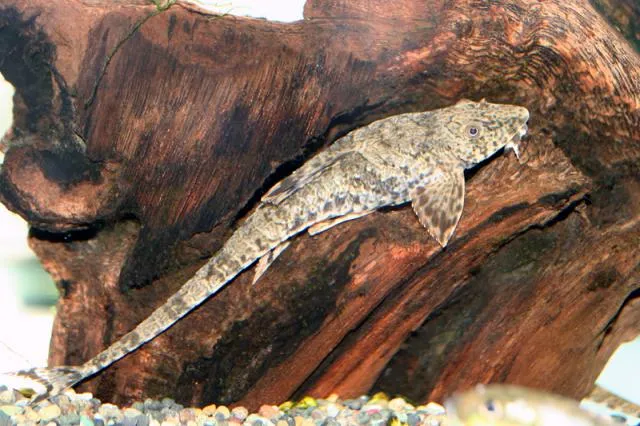 4.7 in (12 cm)29 gal (110 L)75–82°F (24–28°C)
Eigenmann's whiptail
Rineloricaria eigenmanni
4.7 in (12 cm) · 29 gal (110 L)
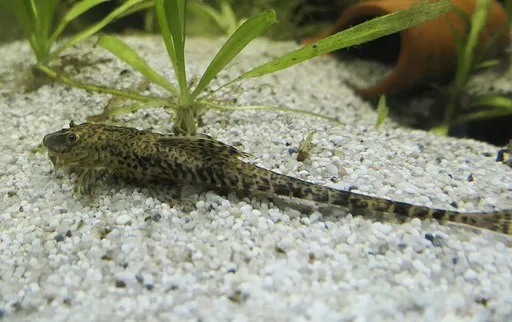 3.9 in (10 cm)24 gal (90 L)77–82°F (25–28°C)
Red lizard whiptail
Rineloricaria lanceolata
3.9 in (10 cm) · 24 gal (90 L)
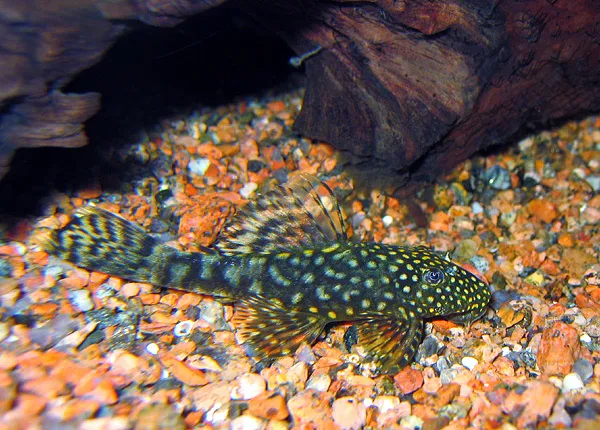 4.3 in (11 cm)29 gal (110 L)77–84°F (25–29°C)
Colombian bristlenose pleco
Ancistrus triradiatus
4.3 in (11 cm) · 29 gal (110 L)
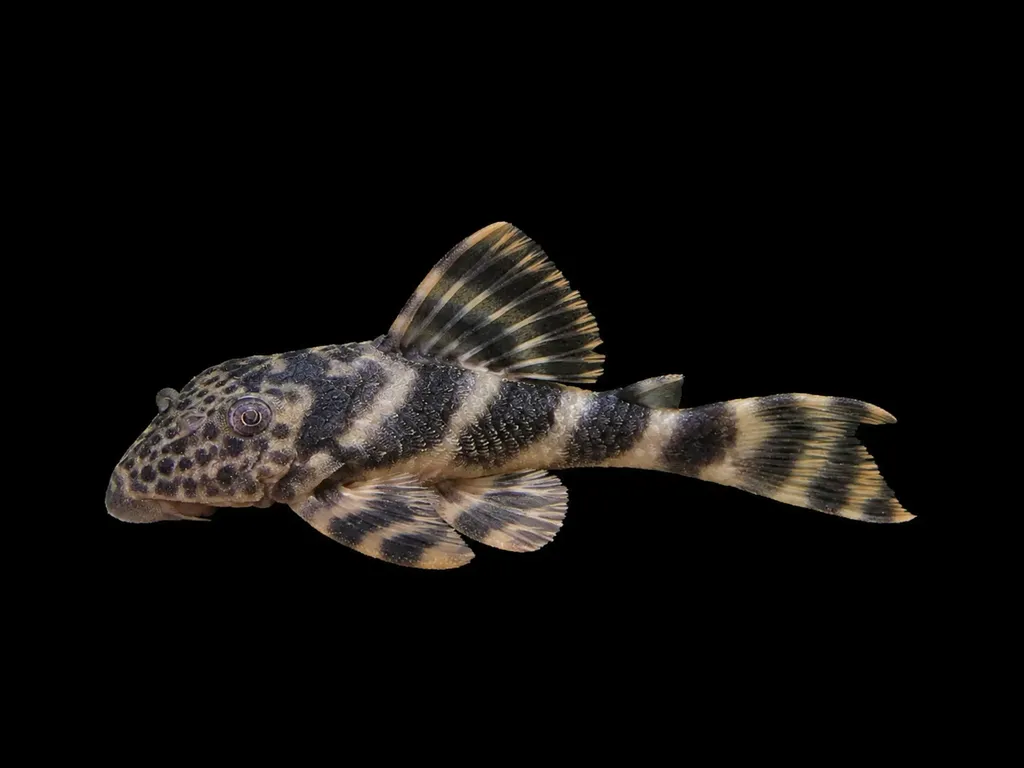 4.3 in (11 cm)29 gal (110 L)77–84°F (25–29°C)
Orinoco dwarf pleco
Peckoltia lineola
4.3 in (11 cm) · 29 gal (110 L)
 4.3 in (11 cm)53 gal (200 L)79–86°F (26–30°C)
Tigris pleco
Pseudolithoxus tigris
4.3 in (11 cm) · 53 gal (200 L)