Vampire shrimp
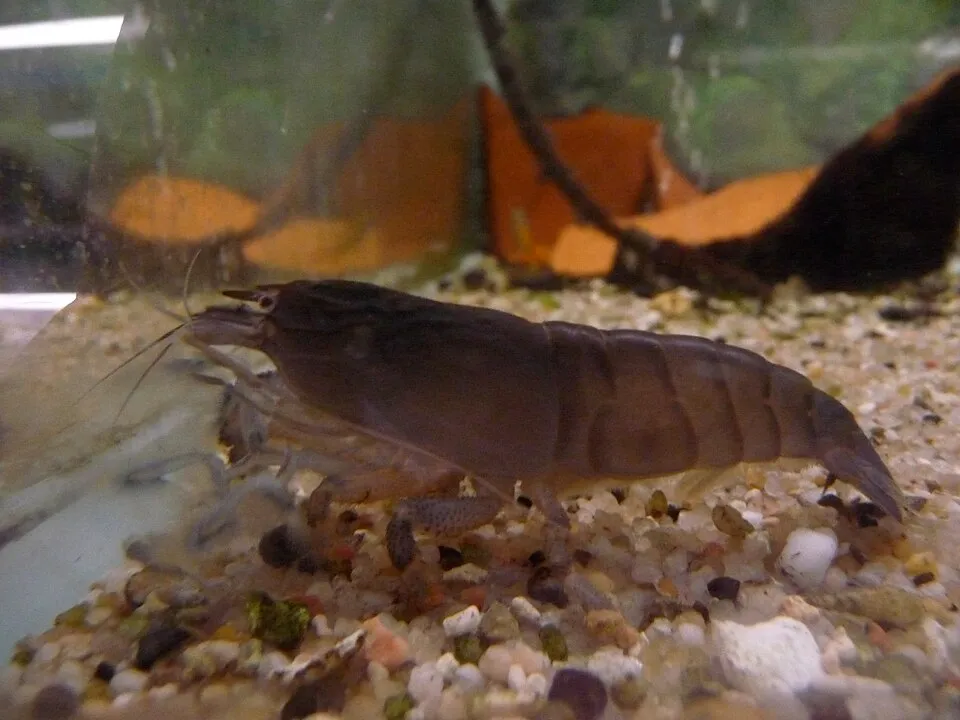
Atya gabonensis
Also known as Giant Blue Wood Shrimp
FreshwaterShrimp
Care at a glance
- Temperature
- 75–82°F
- 24–28°C
- pH
- 6.5–7.5
- Adult size
- 5.1 in
- 13 cm
- Minimum tank
- 20 gal
- 75 L
- Temperament
- Peaceful
- Social behavior
- Social
- Swim level
- Bottom
- Difficulty
- Medium
- Breeding
- Hard
- Rarity
- Rare
- Family
- Atyidae
- Origin
- West Africa
Overview
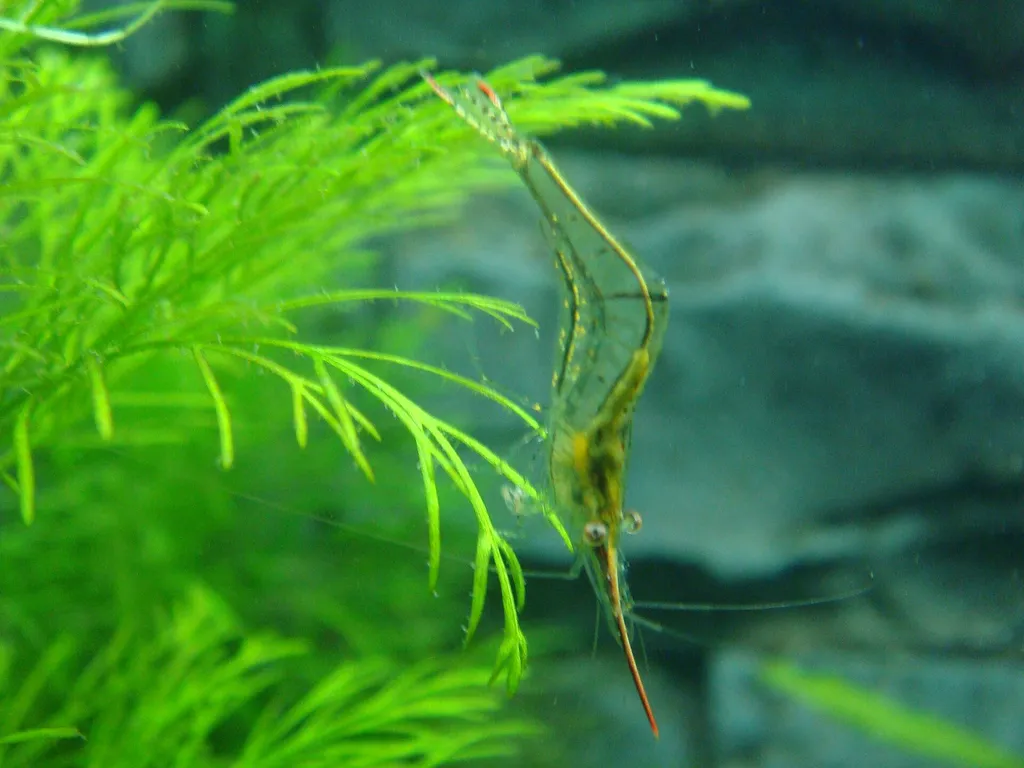
Vampire shrimp are large, peaceful filter feeders that fan the current with feathery front limbs to catch drifting food. They are shy and mostly nocturnal, spending the day tucked under wood or rock and coming out to feed in the flow, and they hide away completely while molting. They bother no one and can share a tank with calm fish or be kept in a small group. Provide steady flow and, in a clean tank, feed powdered or crushed foods into the current so the fans have something to strain. Keep copper out, as it kills shrimp. A tank of 75 liters or more suits their size.
In the wild
Atya gabonensis comes from fast, well-oxygenated rivers and streams in West Africa, where it wedges among rocks in the current with its fans spread to feed. A home tank should give it that flow, with a strong filter or powerhead, smooth stones and driftwood to grip and hide under, and open water it can face into. Keep it warm, from about 24 to 28 c, with a pH from 6.5 to 7.5 and clean, stable, oxygen-rich water. Good current and hiding spots matter far more to this shrimp than plants or bright light.
Good to know
Atya gabonensis is one of the largest filter shrimp in the family Atyidae, reaching around 13 cm and sometimes more, with bulky, tan to steel-blue bodies. It grows by molting and will eat its own shed shell to recover the minerals. Breeding in the home is rated hard: the female releases free-swimming larvae that need brackish or salt water to develop before returning to fresh water as juveniles, a cycle almost impossible to complete in a tank, so stock is wild-caught.
Did you know
A vampire shrimp can shift color from pale tan to a deep blue-grey after a molt, which fools some buyers into thinking they are different species. Despite the name it has no interest in blood and feeds only by straining tiny particles from the water.
Weekly picks
Tank mates
Vampire shrimp is a peaceful, social species that keeps to the bottom. These picks share a community profile with it, are safe together in both directions, and overlap on water type, temperature and pH.
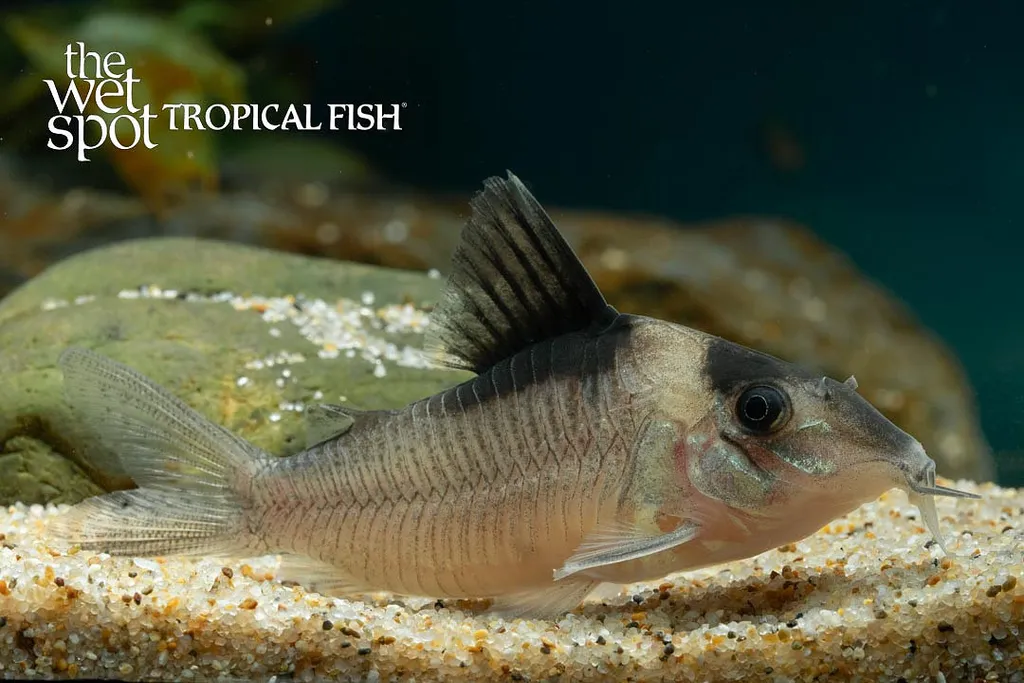
Amanda Jane's cory
Brochis amandajanea
Freshwater2.6 in (6.5 cm) · 20 gal (75 L)75–82°F (24–28°C)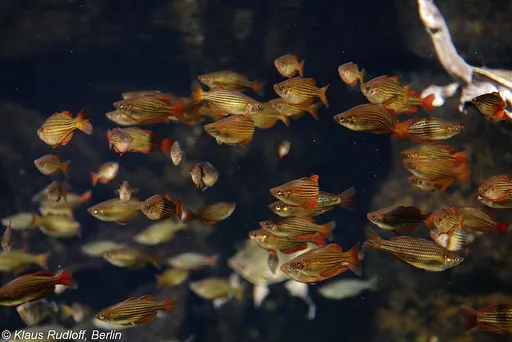
Dwarf rainbowfish
Melanotaenia maccullochi
Freshwater2.8 in (7 cm) · 20 gal (75 L)72–82°F (22–28°C)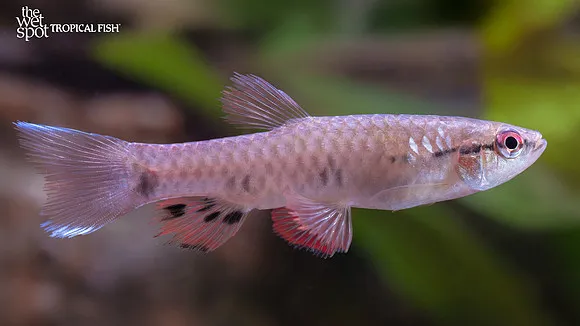
Spotted pyrrhulina
Pyrrhulina spilota
Freshwater2.8 in (7 cm) · 20 gal (75 L)73–81°F (23–27°C)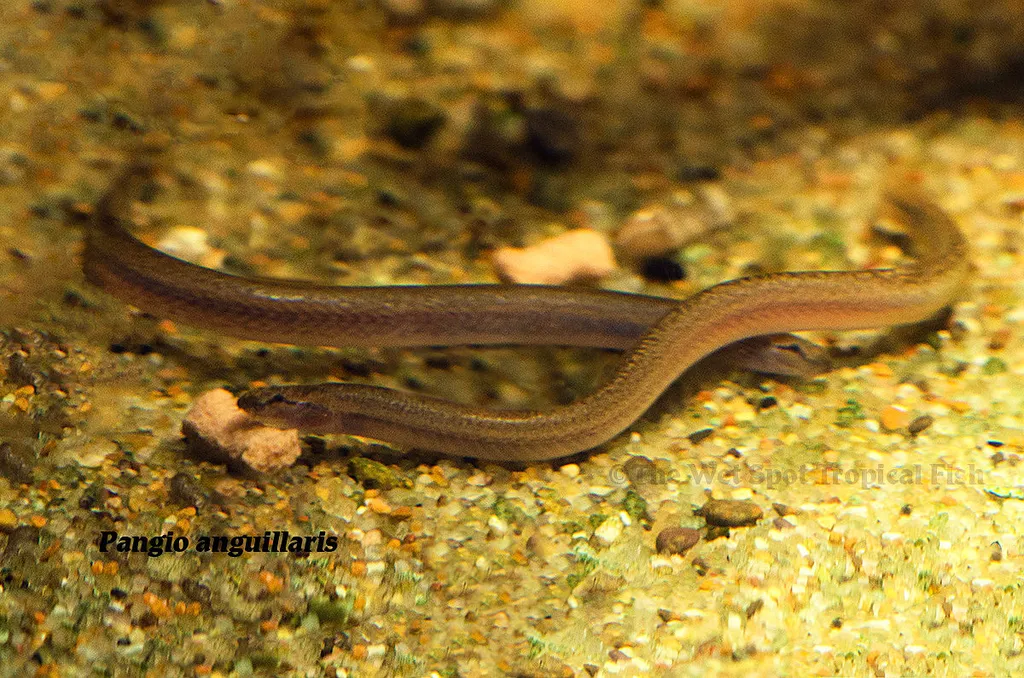
Eel kuhli loach
Pangio anguillaris
Freshwater4.7 in (12 cm) · 20 gal (75 L)72–82°F (22–28°C)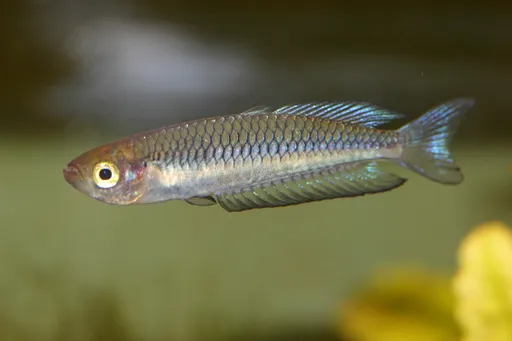
Ornate rainbowfish
Rhadinocentrus ornatus
Freshwater2.4 in (6 cm) · 20 gal (75 L)64–82°F (18–28°C)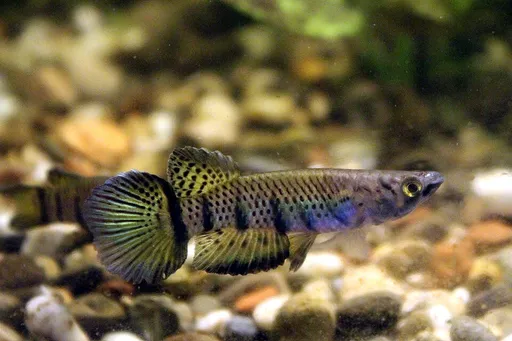
Six-barred panchax
Epiplatys sexfasciatus
Freshwater3.9 in (10 cm) · 20 gal (75 L)72–81°F (22–27°C)
Common questions
What size tank does a Vampire shrimp need?
A Vampire shrimp needs at least 20 gal (75 L). It spends most of its time in the bottom.
What temperature and pH does a Vampire shrimp need?
A Vampire shrimp is comfortable at 75–82°F (24–28°C) with a pH of 6.5–7.5.
How big does a Vampire shrimp get?
An adult Vampire shrimp reaches about 5.1 in (13 cm).
Related species
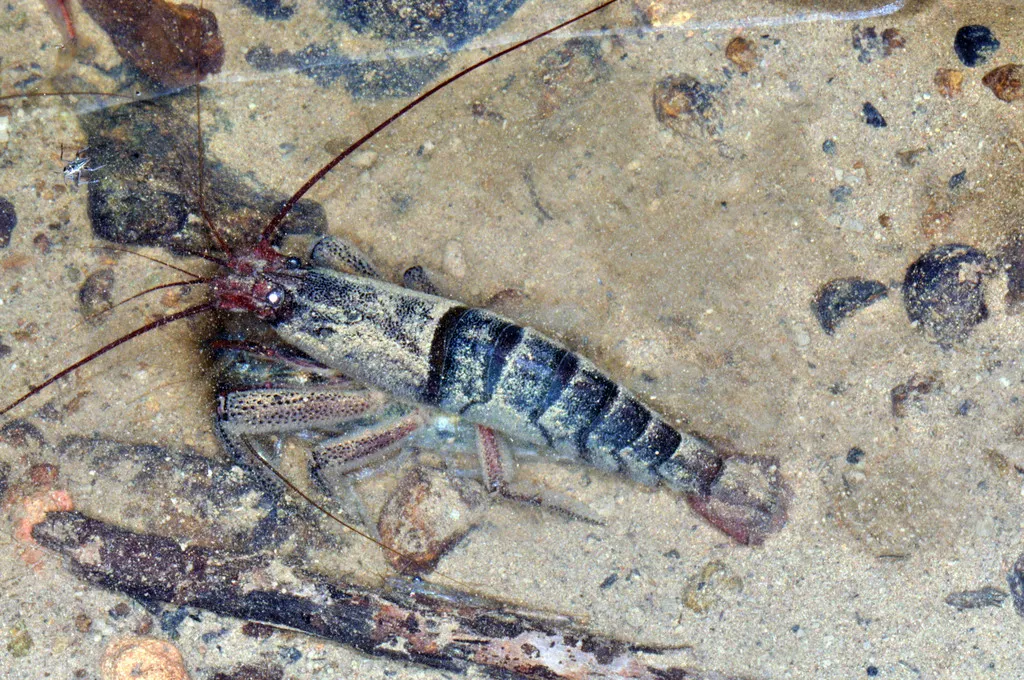 3.9 in (10 cm)20 gal (75 L)73–82°F (23–28°C)
Marble wood shrimp
Atya scabra
3.9 in (10 cm) · 20 gal (75 L)
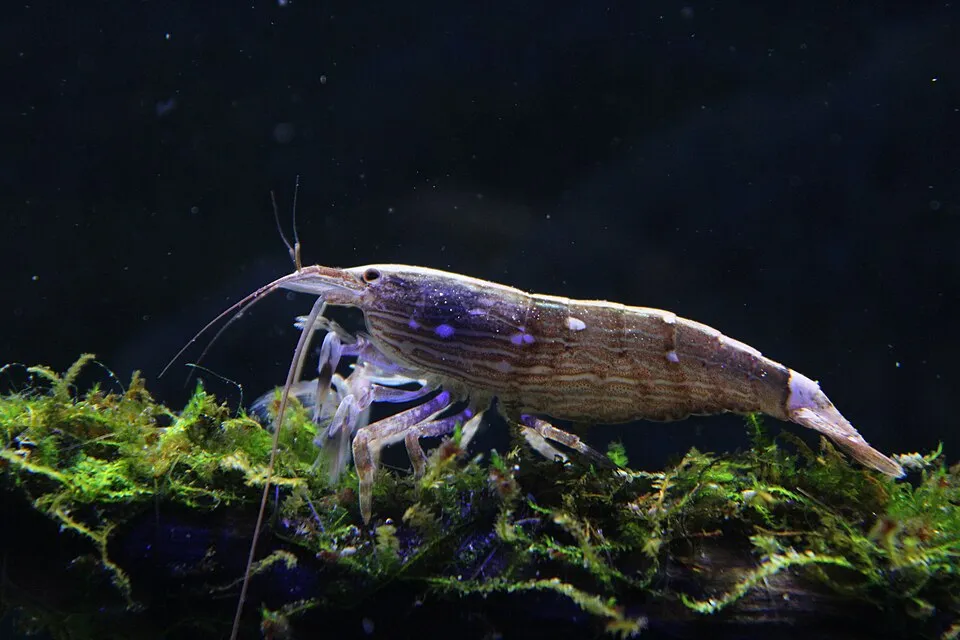 3.9 in (10 cm)13 gal (50 L)72–84°F (22–29°C)
Bamboo shrimp
Atyopsis moluccensis
3.9 in (10 cm) · 13 gal (50 L)
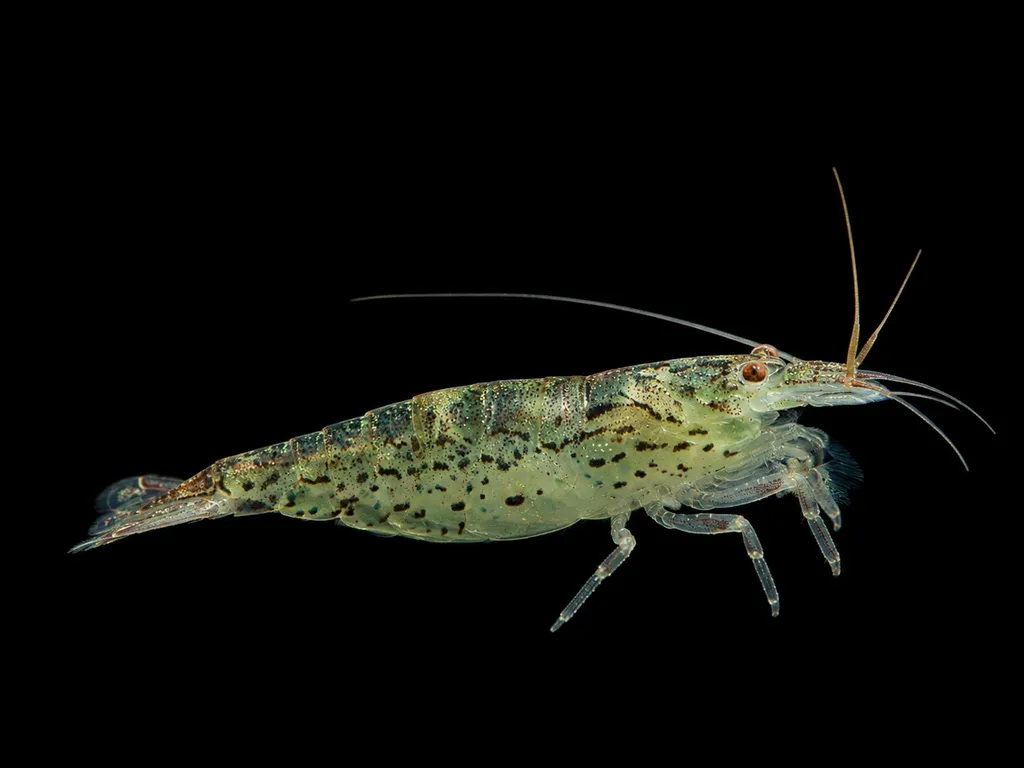 2.8 in (7 cm)14 gal (54 L)73–82°F (23–28°C)
Green lace shrimp
Atyoida pilipes
2.8 in (7 cm) · 14 gal (54 L)
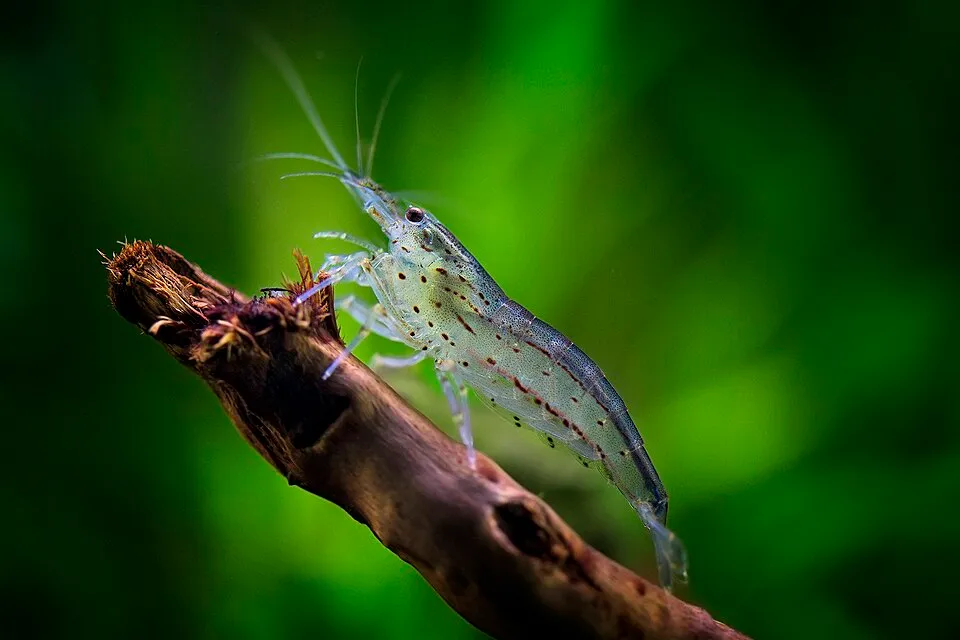 2 in (5 cm)8 gal (30 L)59–81°F (15–27°C)
Amano shrimp
Caridina multidentata
2 in (5 cm) · 8 gal (30 L)
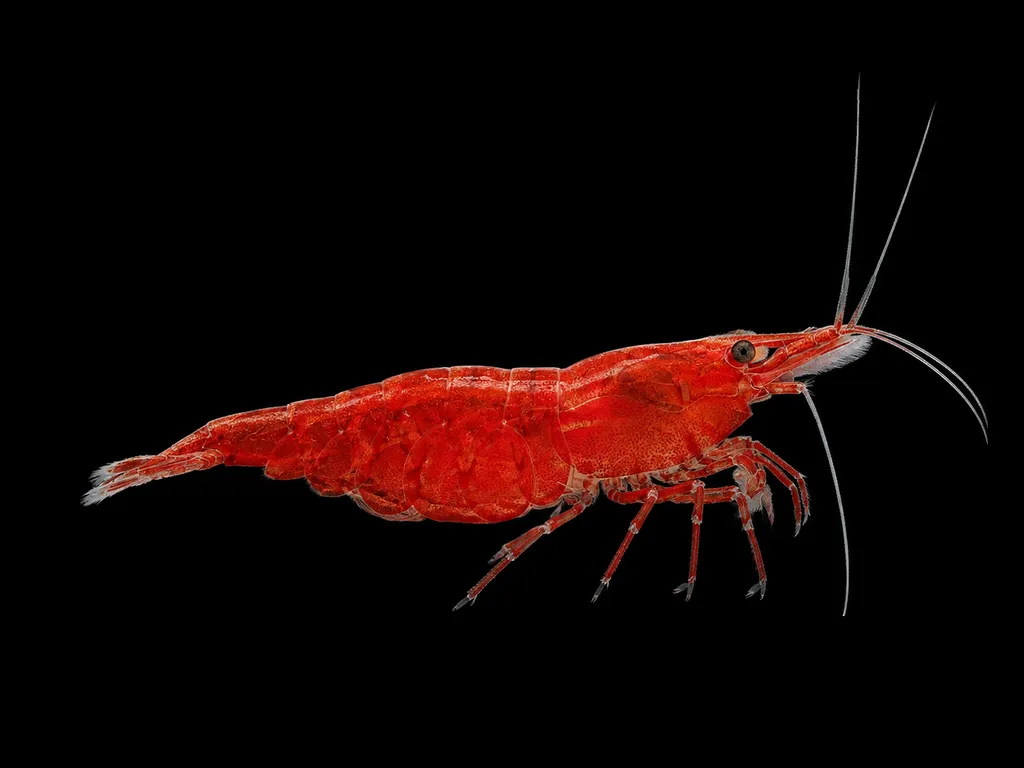 1.6 in (4 cm)5 gal (20 L)59–84°F (15–29°C)
Neocaridina shrimp
Neocaridina davidi
1.6 in (4 cm) · 5 gal (20 L)
 1.6 in (4 cm)5 gal (20 L)73–82°F (23–28°C)
Red skunk shrimp
Caridina gracilirostris
1.6 in (4 cm) · 5 gal (20 L)