Betta fish
Betta fish are labyrinth breathers that hold territory and often cannot be housed together, so tankmates and tank size matter as much as water. The pet-store show betta is one species, Betta splendens, bred into dozens of fin and color forms, while the wild Betta species range from peaceful mouthbrooders to fish that need soft, acidic water. Each profile lists tank size, temperament and the conditions a betta needs.
At a glance
- Tank size
- 7–29 gal
- 7 gal (25 L) to 29 gal (110 L); half the list needs 16 gal (60 L) or more
- Temperature
- 72–81°F
- 22–27°C, most of the list
- pH
- 5.0–6.9
- Most of the list
- Difficulty
- 6 easy
- 51 medium · 21 difficult
- Temperament
- 16 peaceful
- 58 mostly peaceful · 4 aggressive
78 species and 8 varieties
Start here
The betta in the shop
The betta on the shop shelf is one species, Betta splendens, bred into the fin and color forms picked out below, and every form wants the same care. It is marked beginner in the catalog. It eats anything, tolerates a range of water and does not need a big tank, but it is not a community fish. Give a single betta a heated tank of 7 gallons (25 liters) or more at 72–86°F (22–30°C) and a pH of 6.0 to 7.5, with a gentle filter, floating plants and a lid. Two males will fight, and a male and female meet only to spawn. The long fins are the other problem. They slow the fish down and invite nipping, so a show betta shares a tank with calm bottom dwellers and snails, not with barbs or tetras.
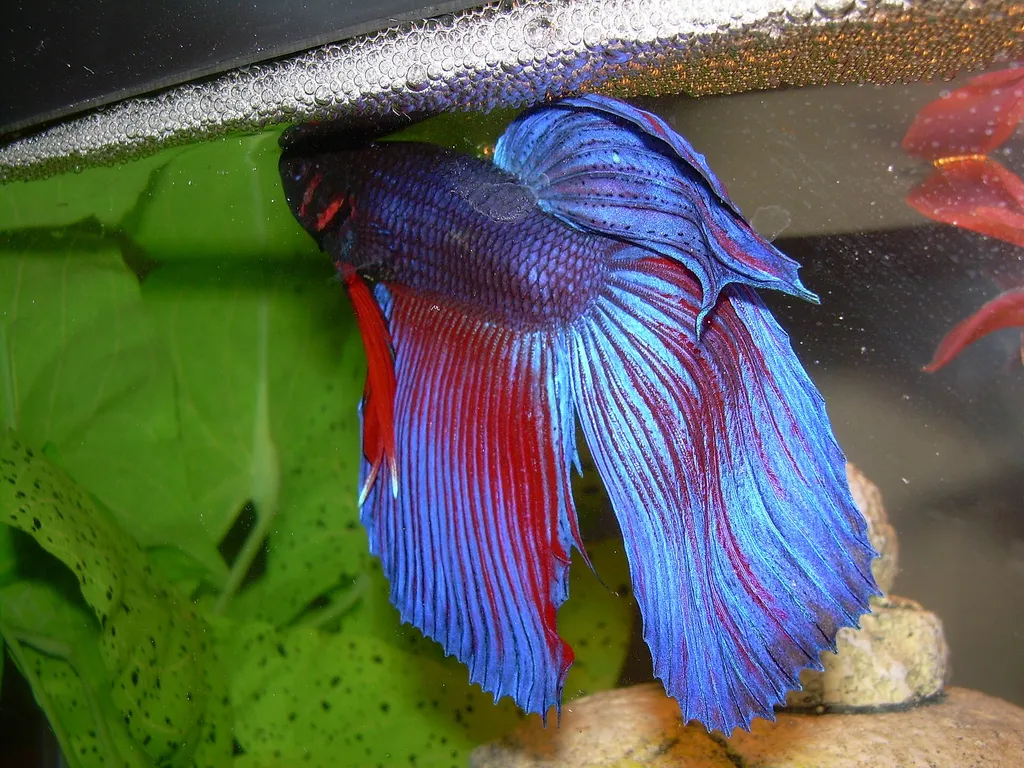
Betta
Betta splendens
Freshwater- Size
- 3 in (7.5 cm)
- Tank
- 7 gal (25 L)
- Water
- 72–86°F (22–30°C)
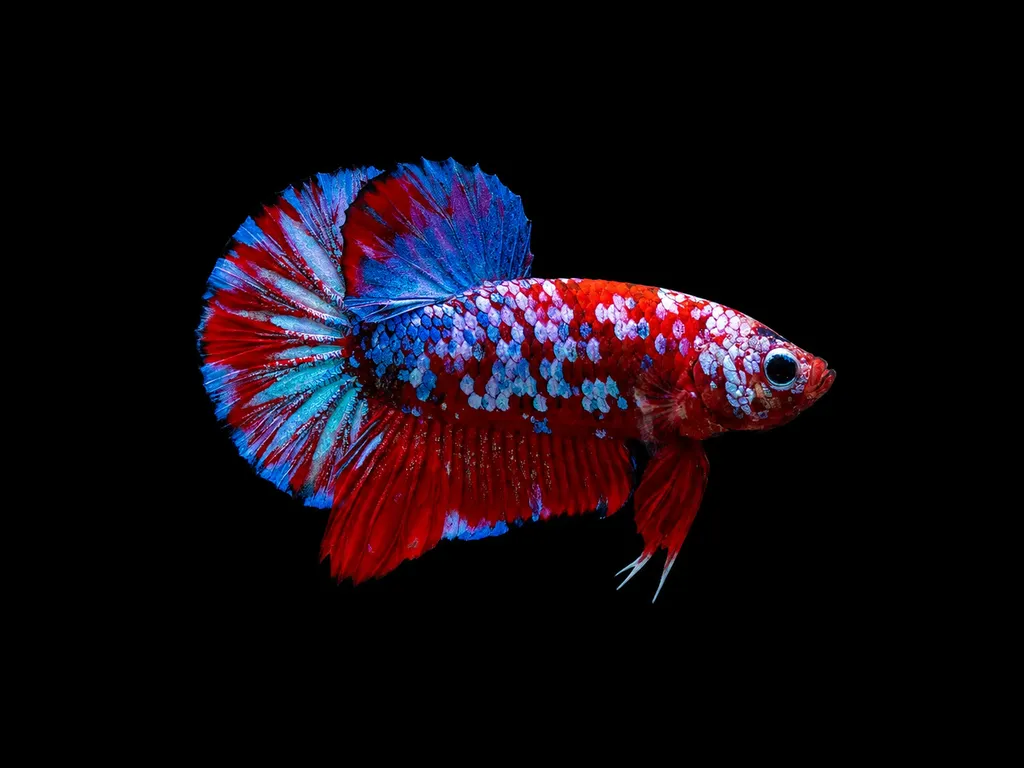
Plakat betta
Betta splendens
Freshwater- Size
- 3 in (7.5 cm)
- Tank
- 7 gal (25 L)
- Water
- 72–86°F (22–30°C)
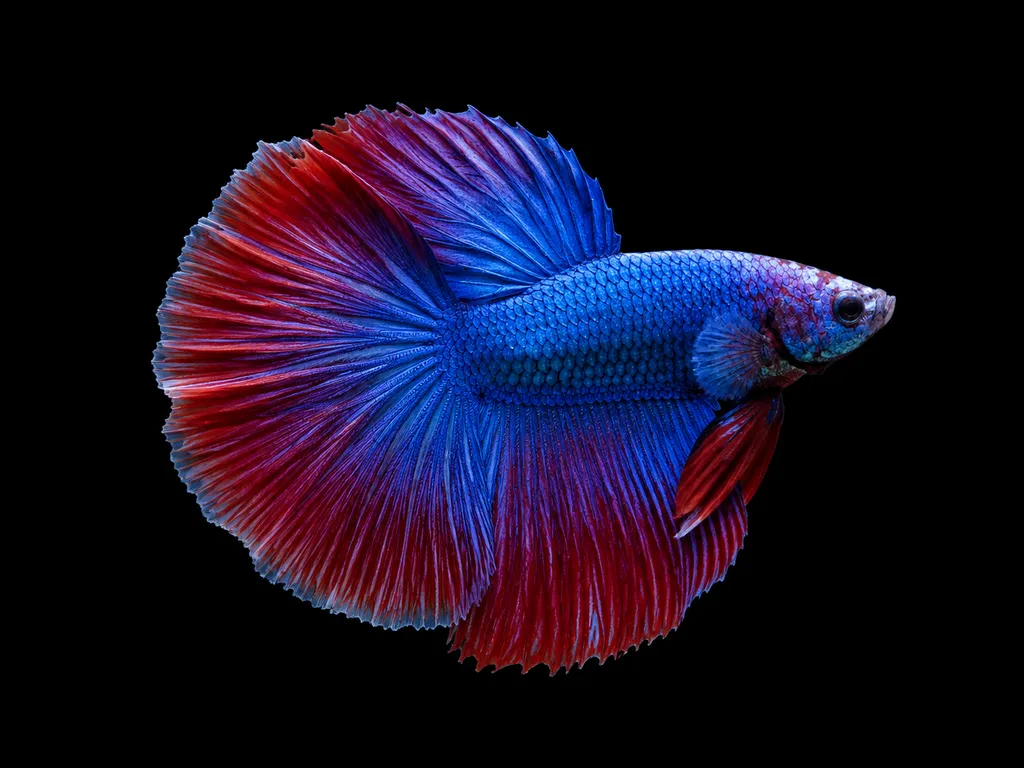
Halfmoon betta
Betta splendens
Freshwater- Size
- 3 in (7.5 cm)
- Tank
- 7 gal (25 L)
- Water
- 72–86°F (22–30°C)
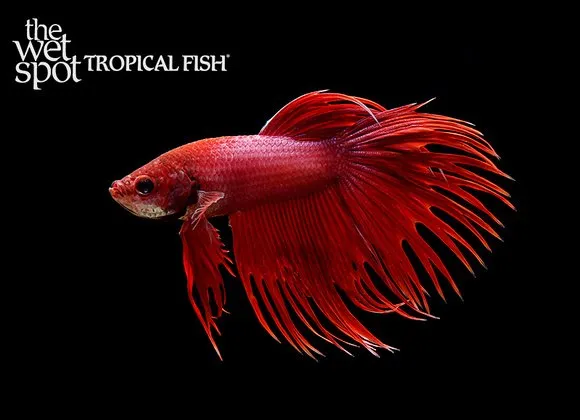
Crowntail betta
Betta splendens
Freshwater- Size
- 3 in (7.5 cm)
- Tank
- 7 gal (25 L)
- Water
- 72–86°F (22–30°C)
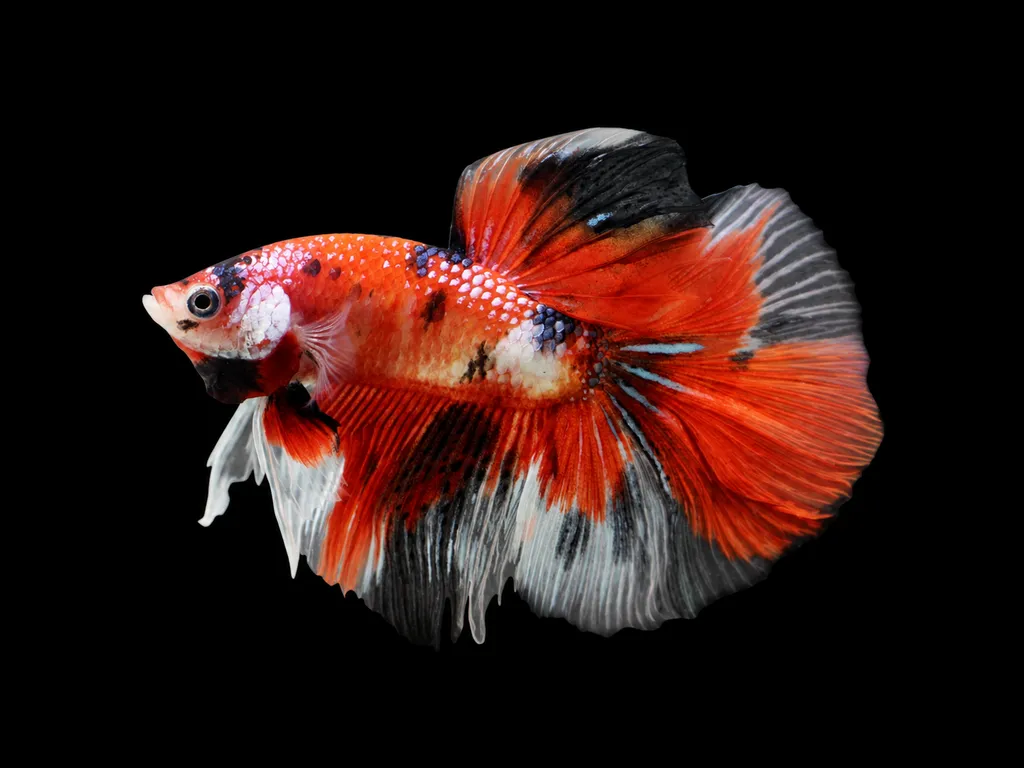
Koi betta
Betta splendens
Freshwater- Size
- 3 in (7.5 cm)
- Tank
- 7 gal (25 L)
- Water
- 72–86°F (22–30°C)
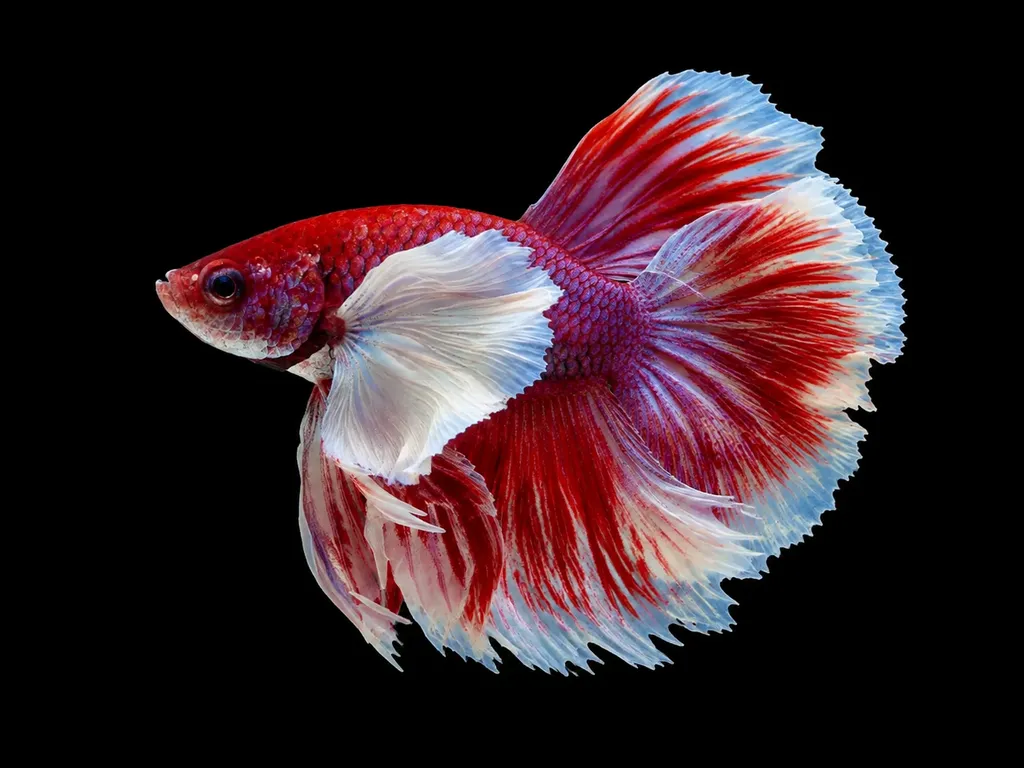
Dumbo betta
Betta splendens
Freshwater- Size
- 3 in (7.5 cm)
- Tank
- 7 gal (25 L)
- Water
- 72–86°F (22–30°C)
The rule
One male, and company that leaves fins alone
Keep one male per tank, because a male show betta holds a territory and will not share it, and the profile lists it as one male only. Choose tank mates that ignore fins, which rules out tiger barbs, serpae tetras and anything else that nips, and rules in corys, kuhli loaches and snails. Fit a lid, because any betta can jump and some do, and a labyrinth fish also needs a layer of warm, humid air above the water to breathe from. And keep the water warm and still, with a heater set around 80°F (27°C) and a filter turned down so the surface barely moves, since a betta comes from swamps and paddies where nothing flows.
- 01
One male per tank
Two males fight, a pair meets only to spawn
- 02
No fin nippers
Corys, kuhlis and snails, not barbs or tetras
- 03
A lid
Any betta can jump, and it breathes warm air above the water
- 04
Warm, still water
A heater, and a filter turned down low
Wild types
Wild bettas are a different hobby
Most of the bettas in this list are wild species, and most of those are mouthbrooders. The male carries the eggs in his mouth for a week or two instead of building a bubble nest. They are calmer fish, usually kept as a pair or as a small group with one male, in a quiet species tank with leaf litter, dim light and a tight lid. Nearly all of them want soft, acidic water, which is why the pH band above sits below 7, and they take frozen and live food more readily than flake. Start with one of the small, forgiving mouthbrooders. The spotted betta, the prima betta and Edith's betta are marked easy, and the whiteseam and channoides bettas are small enough for an 11 gallon (40 liter) pair tank. The Krabi mouthbrooder is the odd one out, a limestone stream fish that wants neutral to alkaline water at a pH of 7.0 to 8.0.
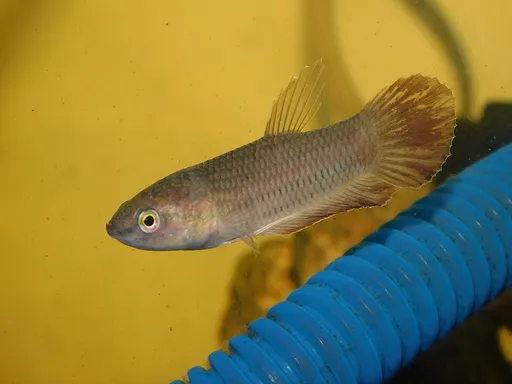
Spotted betta
Betta picta
Freshwater2 in (5 cm) · 16 gal (60 L)72–81°F (22–27°C)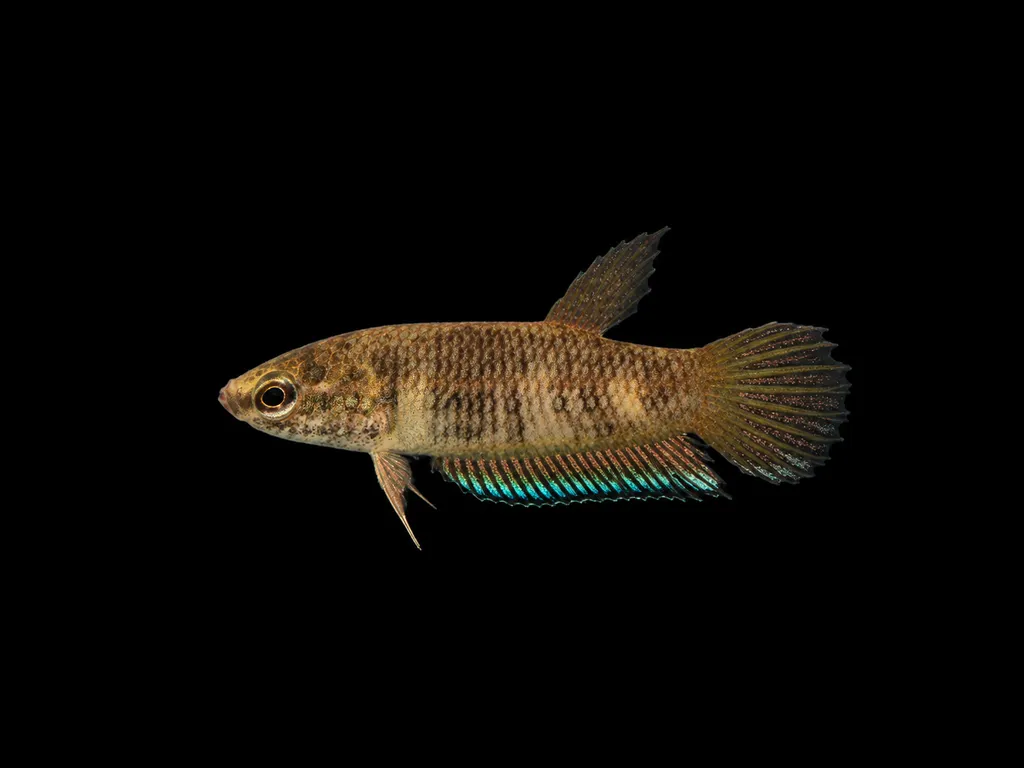
Prima betta
Betta prima
Freshwater2 in (5 cm) · 16 gal (60 L)73–81°F (23–27°C)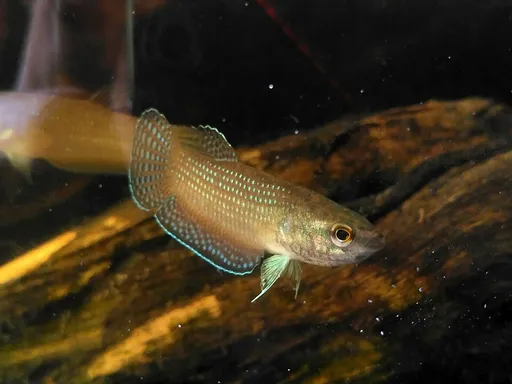
Edith's betta
Betta edithae
Freshwater2.4 in (6 cm) · 20 gal (75 L)72–81°F (22–27°C)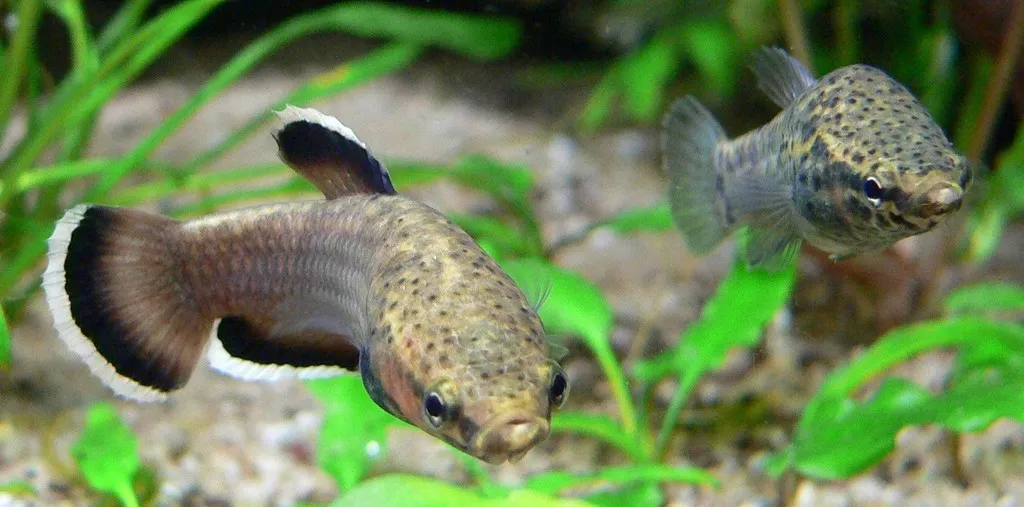
Whiteseam betta
Betta albimarginata
Freshwater1.2 in (3 cm) · 11 gal (40 L)73–82°F (23–28°C)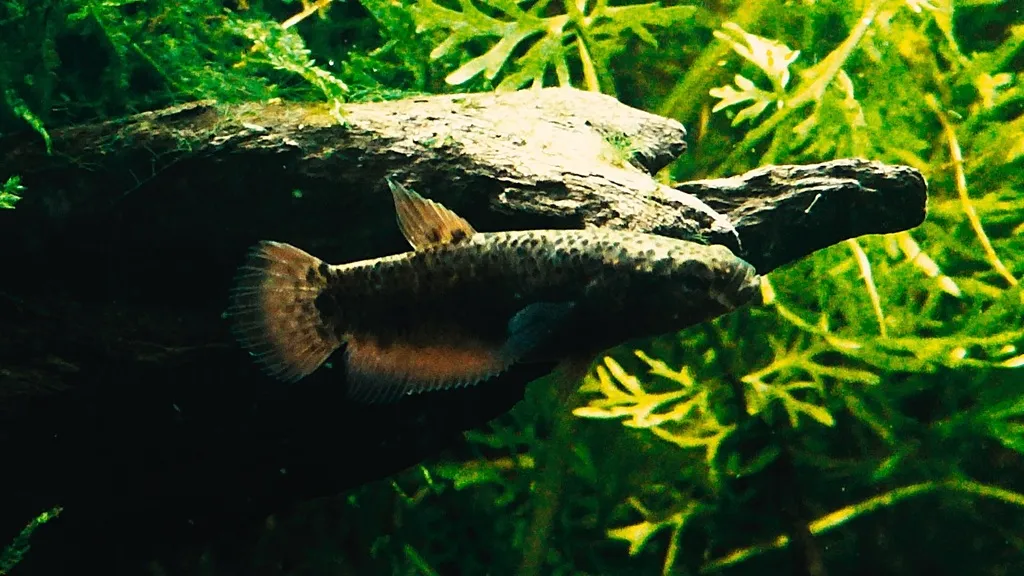
Channoides betta
Betta channoides
Freshwater1.6 in (4 cm) · 11 gal (40 L)73–82°F (23–28°C)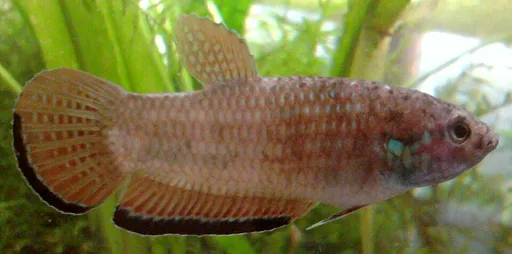
Krabi mouthbrooder
Betta simplex
Freshwater2.4 in (6 cm) · 16 gal (60 L)73–82°F (23–28°C)
Big mouthbrooders
The large ones want a long tank and a tight lid
The biggest wild bettas are long-bodied mouthbrooders, most of them from Borneo, that reach 3.5 to 4.5 inches (9 to 11.5 cm), and their profiles ask for 24 to 29 gallons (90 to 110 liters) with a long base rather than a tall one. The one-spot betta is the largest fish on this page at 4.5 inches (11.5 cm), and it and the patoti betta list 29 gallons (110 liters) for a pair. The one-spot, antuta and Brunei beauty profiles all call for a tight lid because the fish jump, so the lid matters more than anything else in the setup. Several of them also run cooler than the swamp species, with the one-spot and eyespot bettas listed from 70°F (21°C). The Brunei beauty betta does not share the group's calm temper. It is marked difficult and aggressive, one male per tank, and an expert fish even by wild betta standards.
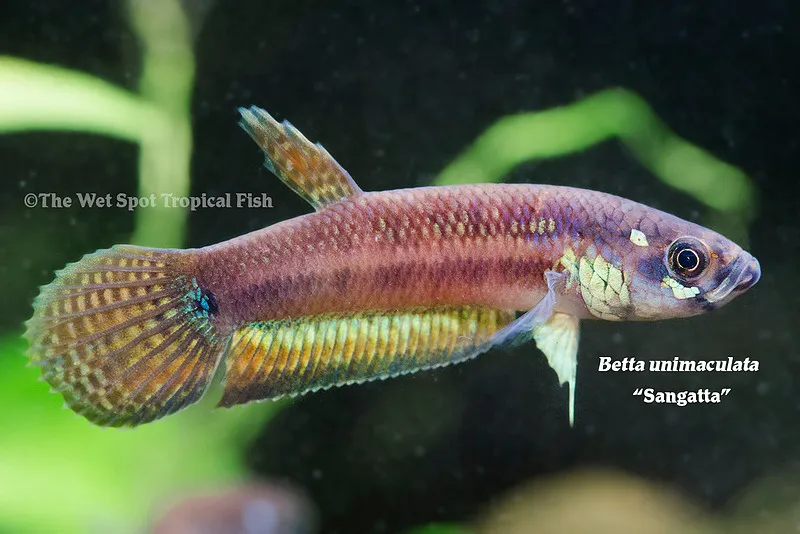
One-spot betta
Betta unimaculata
Freshwater4.5 in (11.5 cm) · 29 gal (110 L)70–79°F (21–26°C)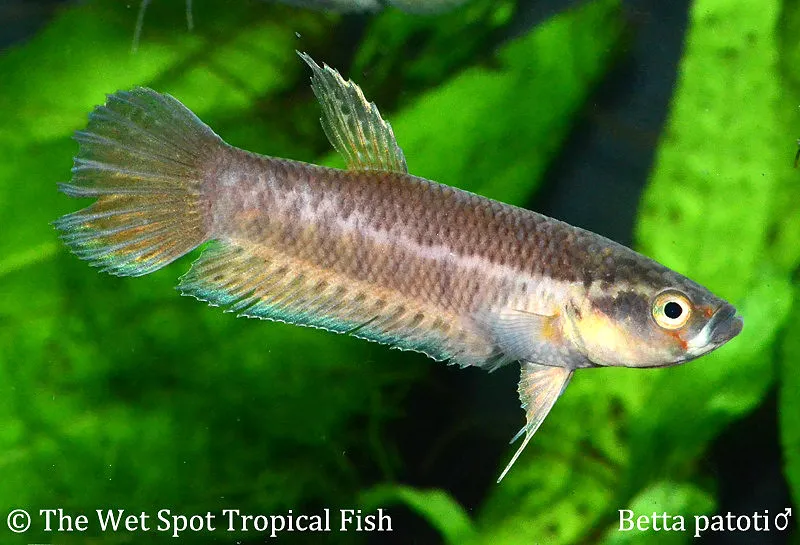
Patoti betta
Betta patoti
Freshwater3.9 in (10 cm) · 29 gal (110 L)72–81°F (22–27°C)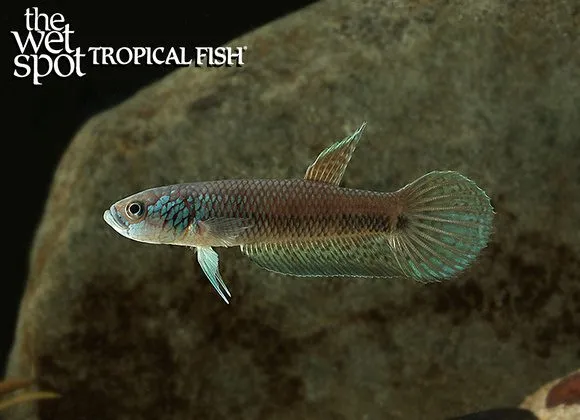
Antuta betta
Betta sp. 'Antuta'
Freshwater3.9 in (10 cm) · 26 gal (100 L)70–81°F (21–27°C)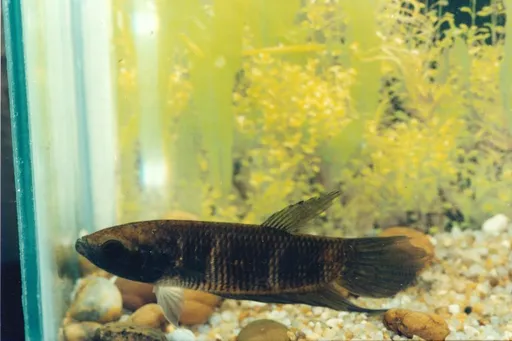
Pi betta
Betta pi
Freshwater3.5 in (9 cm) · 26 gal (100 L)73–81°F (23–27°C)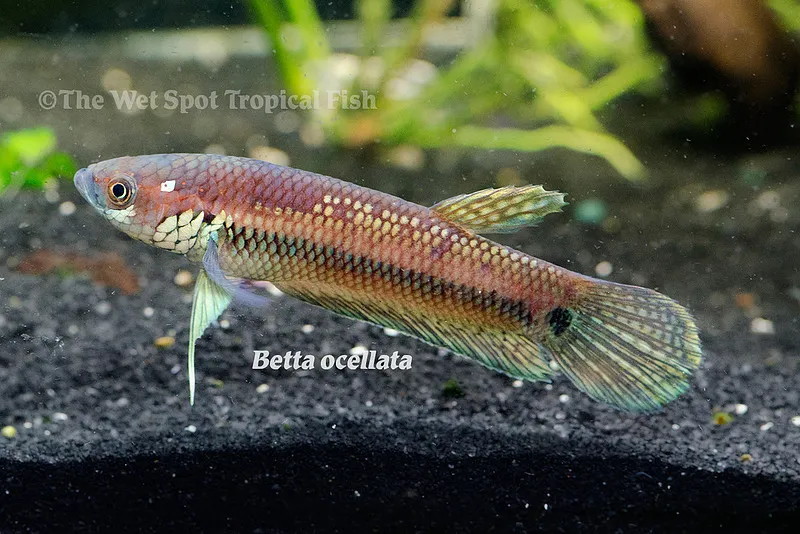
Eyespot betta
Betta ocellata
Freshwater3.5 in (9 cm) · 24 gal (90 L)70–77°F (21–25°C)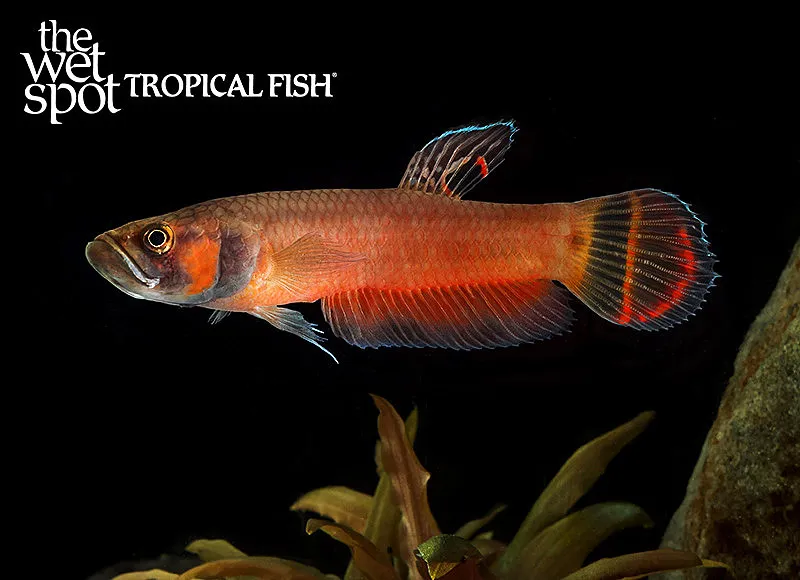
Brunei beauty betta
Betta macrostoma
Freshwater3.9 in (10 cm) · 20 gal (75 L)72–79°F (22–26°C)
Blackwater dwarfs
The coccina group needs acid water
The smallest bettas here are the coccina group, a set of red and wine-colored dwarfs from peat swamps that stay between 0.9 and 1.8 inches (2.4 and 4.5 cm) and are marked difficult almost across the board. A pair lives in 8 to 11 gallons (30 to 40 liters) of very soft, acidic water, a pH between 4.0 and 6.0 for most of them, under floating plants and over leaf litter, with live or frozen food and no boisterous company. They are bubble nesters like the show betta, but shy ones that need shade and still water to settle. The scarlet betta is the place to start, marked medium and happy at a pH of 6.0 to 7.0, while the jade betta, the smallest fish on this page at 0.9 inches (2.4 cm), wants the full blackwater treatment.
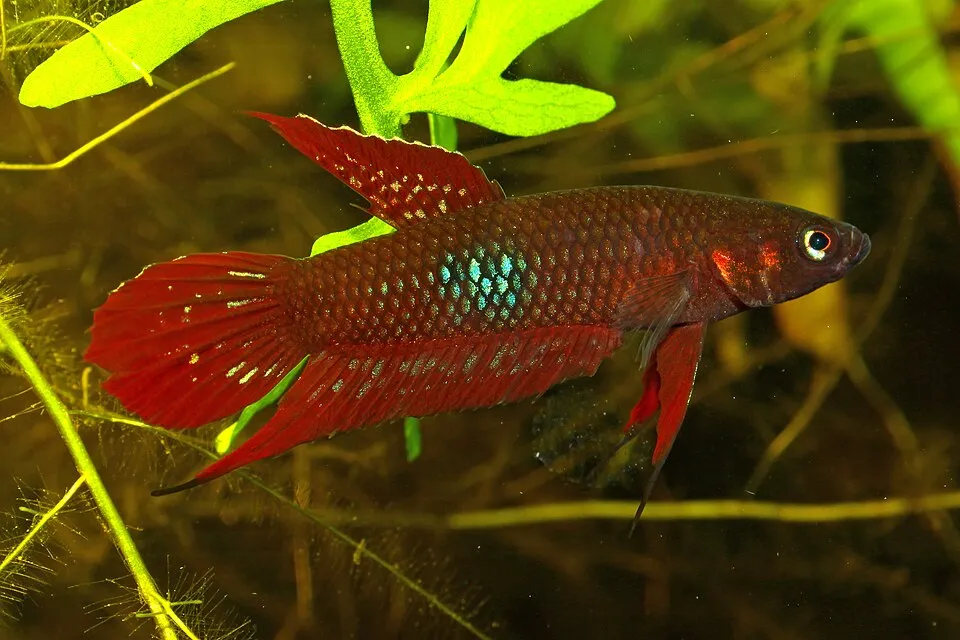
Scarlet betta
Betta coccina
Freshwater1.6 in (4 cm) · 11 gal (40 L)72–86°F (22–30°C)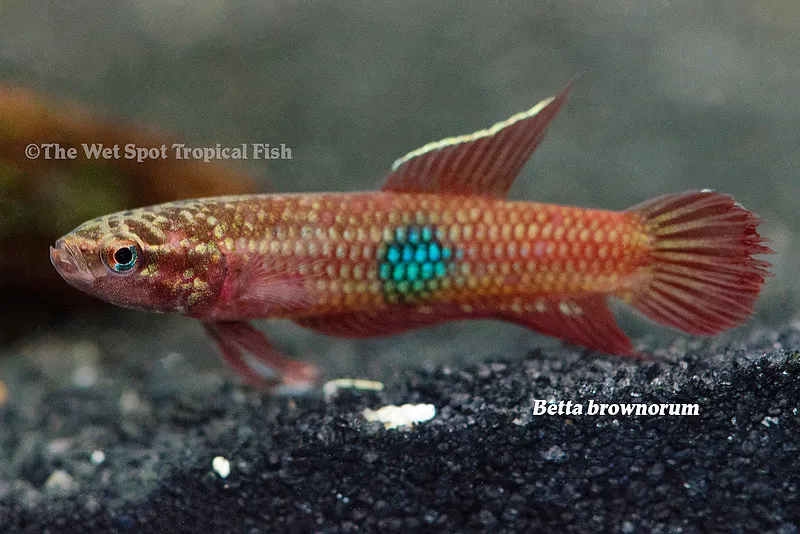
Brown's betta
Betta brownorum
Freshwater1.2 in (3 cm) · 11 gal (40 L)75–82°F (24–28°C)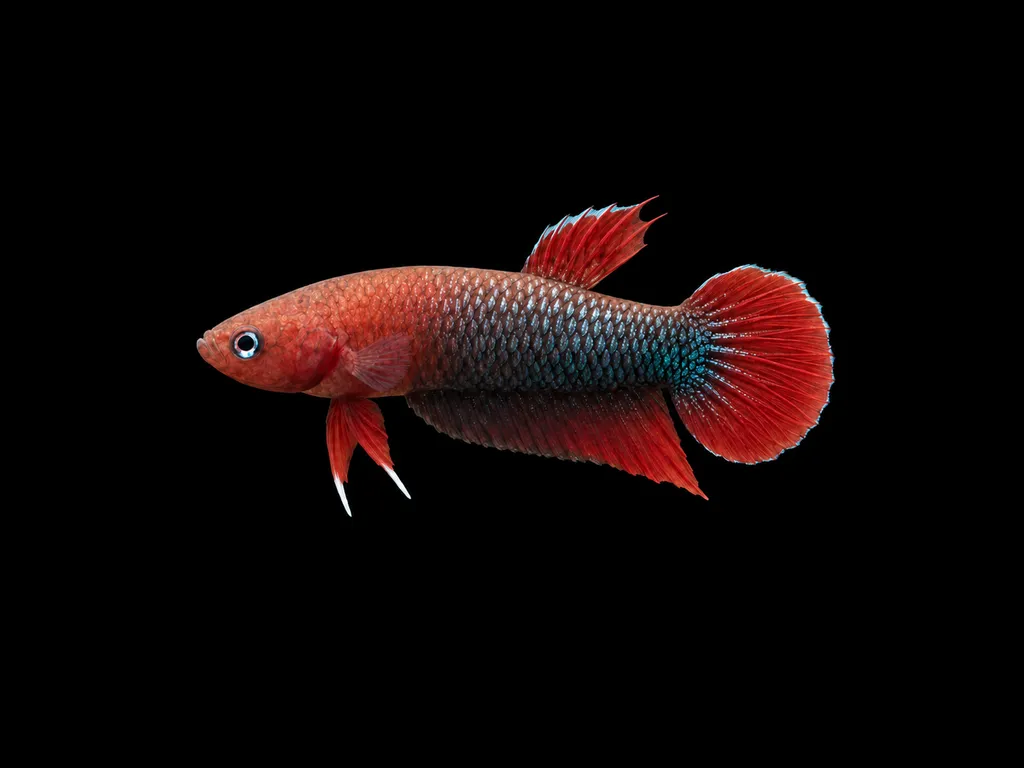
Jade betta
Betta iaspis
Freshwater0.9 in (2.4 cm) · 8 gal (30 L)75–86°F (24–30°C)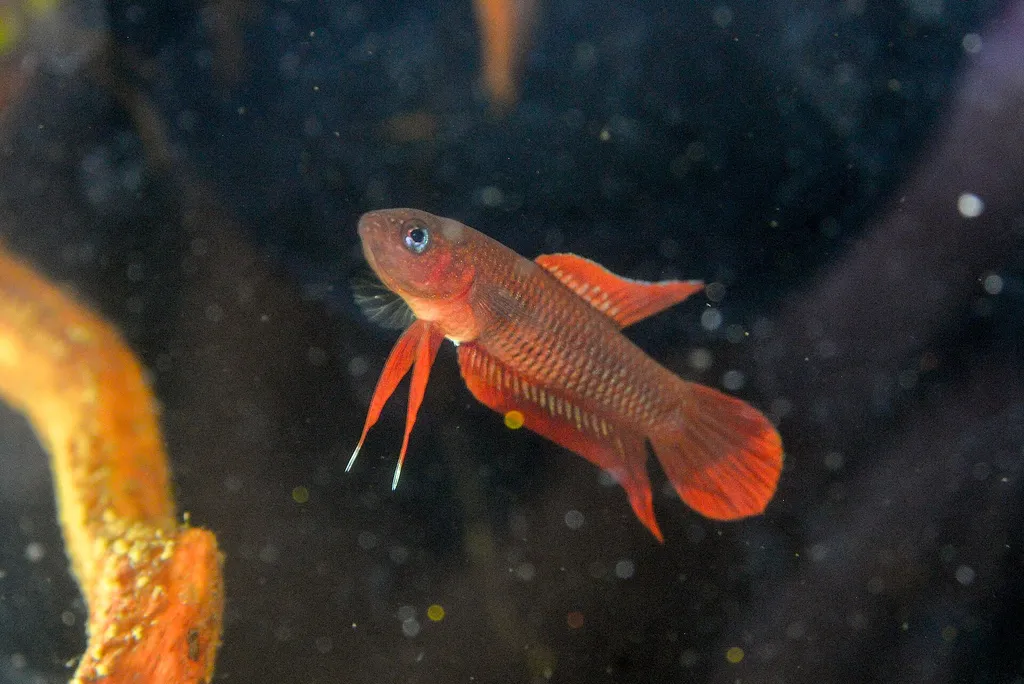
Wine-red betta
Betta burdigala
Freshwater1.4 in (3.5 cm) · 11 gal (40 L)72–81°F (22–27°C)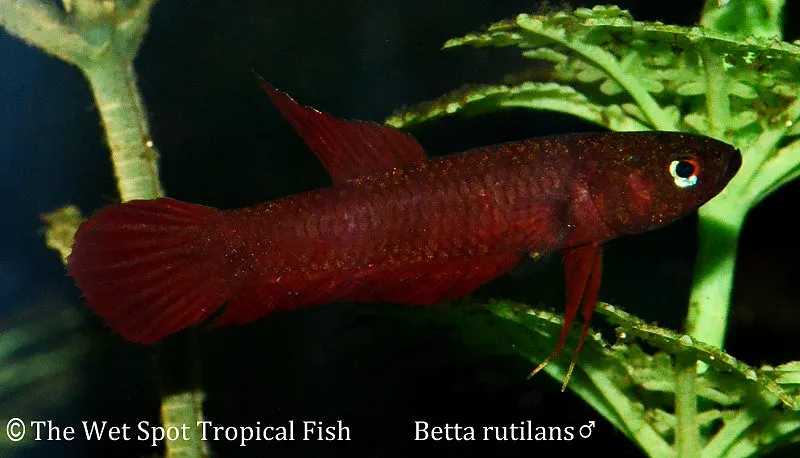
Redcheek betta
Betta rutilans
Freshwater1.4 in (3.5 cm) · 11 gal (40 L)73–81°F (23–27°C)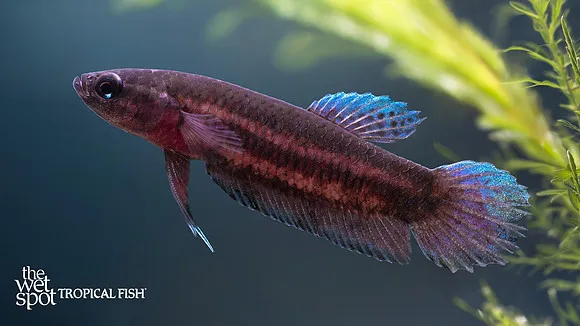
Miniopinna betta
Betta miniopinna
Freshwater1.1 in (2.8 cm) · 11 gal (40 L)72–81°F (22–27°C)
Watch out
Not every wild betta is calm
The wild species are generally gentler than the show betta. The gladiator betta is the most aggressive fish in the genus, by the account of the people who described it, and it is marked difficult and kept one to a tank. The Brunei beauty betta is marked aggressive as well. The emerald betta is marked easy, one of the few wild species that is, but it is a close relative of the show betta and treats its own kind the same way. The dusky betta is big and rough enough to bully small fish. Two more want water unlike everything else on this page. The Krabi mouthbrooder and the Mahachai betta come from limestone streams and coastal swamps and list a pH of 7.0 or above, so they belong in a hard-water tank, not a blackwater one.
By the numbers
Smallest
Largest
Easiest to keep
Most peaceful
FAQ
Common questions
How big a tank does a betta need?
The show betta's profile lists 7 gallons (25 liters) as the minimum, heated to 72–86°F (22–30°C), and a 10 gallon (38 liter) tank gives it room to patrol without any extra work. The wild species vary. A pair of coccina-group dwarfs fits 8 to 11 gallons (30 to 40 liters), while the big mouthbrooders list up to 29 gallons (110 liters).
Can two bettas live together?
Two male show bettas cannot, and a male and female meet only to spawn. The wild mouthbrooders are different. The whiteseam, channoides and spotted bettas are kept as a pair or a small group with one male, and several of the larger species live in groups in a big tank with cover.
What fish can live with a betta?
Calm fish that stay out of its way and leave its fins alone, such as corydoras, kuhli loaches, otocinclus and snails. Skip anything that nips, tiger barbs and serpae tetras included, and skip other labyrinth fish, since a gourami reads as a rival. The show betta is marked aggressive in the catalog, which is why its profile shows no tank mate picks.
Do bettas need a heater?
Yes. The show betta lists 72–86°F (22–30°C) and most wild species sit around 72–81°F (22–27°C), the band the strip above shows. A few of the big mouthbrooders run cooler, with the one-spot and eyespot bettas listed from 70°F (21°C), but none of them is a coldwater fish.
What is the difference between a wild betta and a pet-store betta?
The pet-store fish is one species, Betta splendens, bred for fins and color and kept as a bubble-nesting loner. The wild bettas are mostly mouthbrooders from peat swamps and forest streams, calmer, less showy at first glance, kept in pairs, and particular about soft, acidic water and live food. Keep them in a species tank, not a community.
Which betta is easiest to keep?
The show betta is the only one marked beginner. Among the wild species, the spotted betta, the prima betta, Edith's betta and the balunga betta are marked easy and are all calm mouthbrooders. The emerald betta is marked easy too, but it shares the show betta's temper.
Index
All betta fish
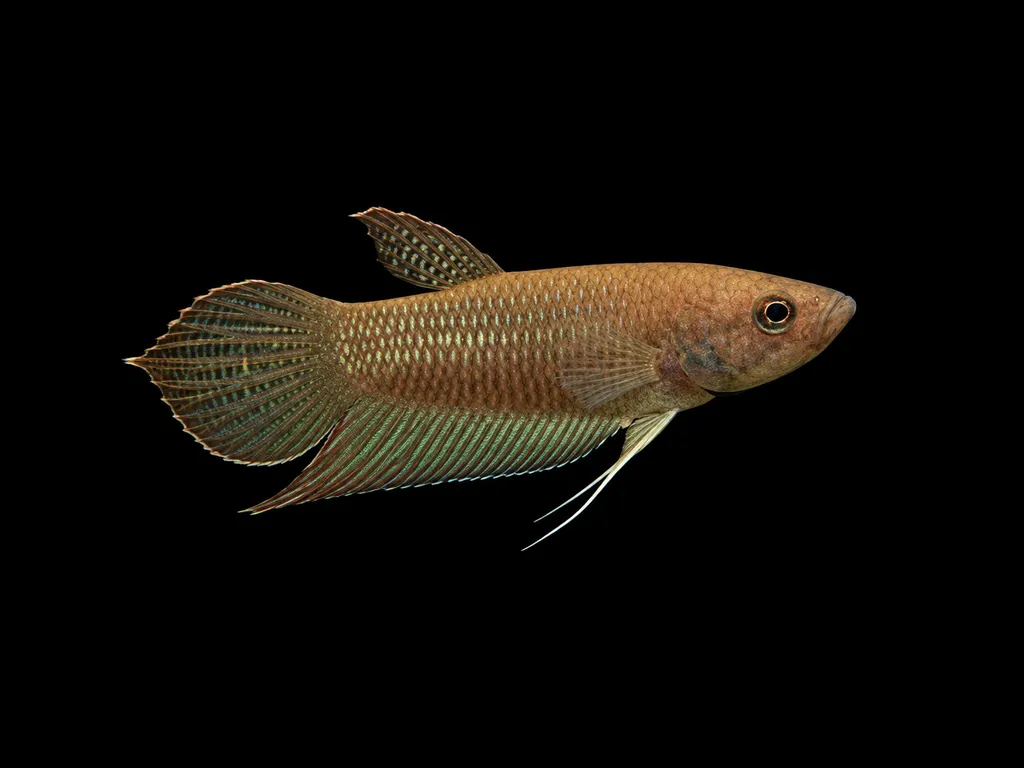
Akar betta
Betta akarensis
Freshwater3.1 in (8 cm) · 20 gal (75 L)70–81°F (21–27°C)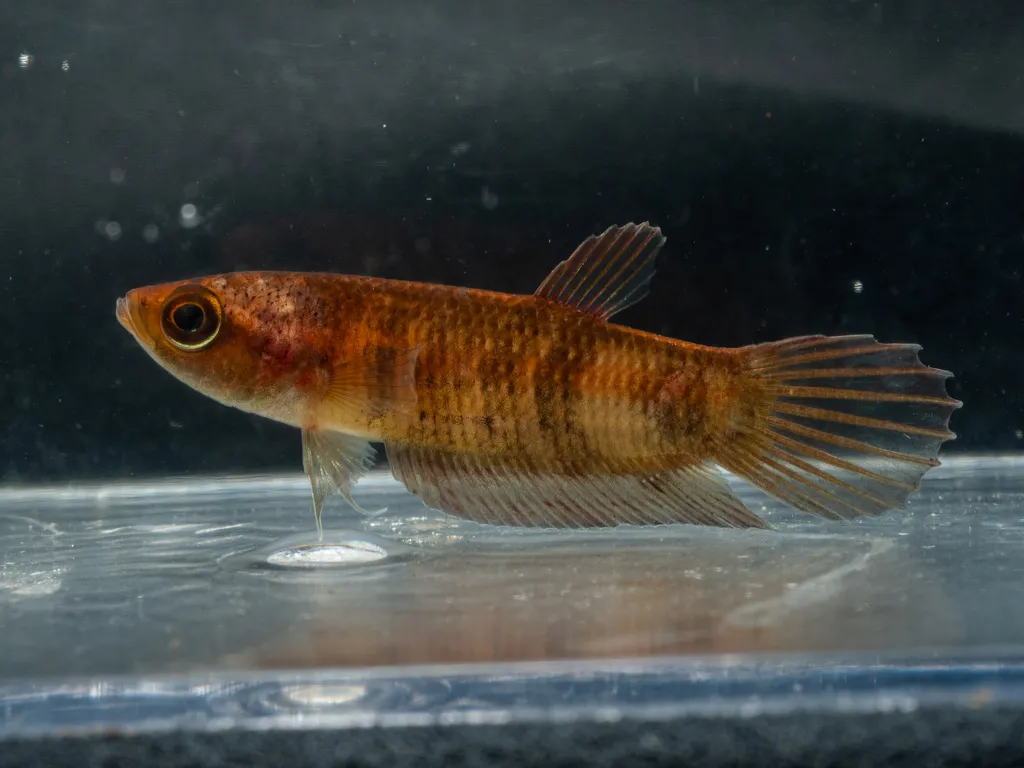
Anabatoides betta
Betta anabatoides
Freshwater3.2 in (8.2 cm) · 26 gal (100 L)79–84°F (26–29°C)Andrei betta
Betta andrei
Freshwater2 in (5.1 cm) · 24 gal (90 L)73–81°F (23–27°C)Antoni betta
Betta antoni
Freshwater2 in (5 cm) · 16 gal (60 L)72–81°F (22–27°C)Antuta betta
Betta sp. 'Antuta'
Freshwater3.9 in (10 cm) · 26 gal (100 L)70–81°F (21–27°C)Api api betta
Betta mulyadii
Freshwater1.1 in (2.8 cm) · 8 gal (30 L)75–84°F (24–29°C)
Apollon betta
Betta apollon
Freshwater2.2 in (5.5 cm) · 16 gal (60 L)73–81°F (23–27°C)Aurigans betta
Betta aurigans
Freshwater2.9 in (7.3 cm) · 16 gal (60 L)72–81°F (22–27°C)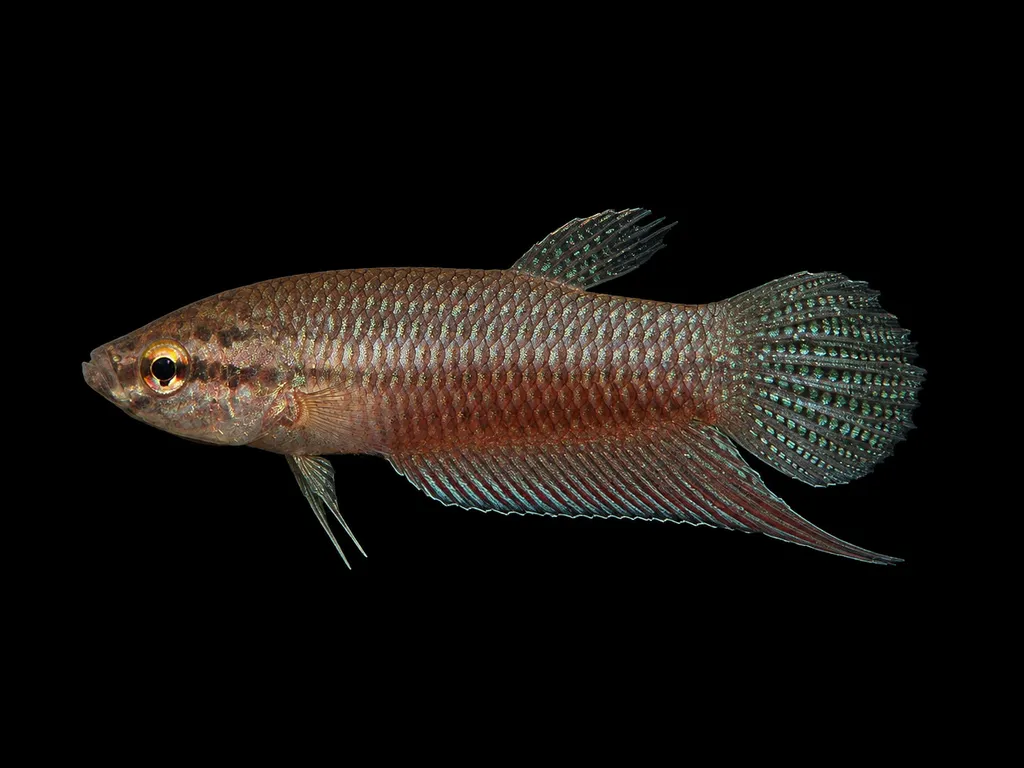
Balunga betta
Betta balunga
Freshwater2 in (5 cm) · 16 gal (60 L)72–81°F (22–27°C)Banded betta
Betta taeniata
Freshwater2.2 in (5.5 cm) · 16 gal (60 L)72–81°F (22–27°C)Betta
Betta splendens
Freshwater3 in (7.5 cm) · 7 gal (25 L)72–86°F (22–30°C)8 varietiesBreviobesa betta
Betta breviobesa
Freshwater2.6 in (6.5 cm) · 16 gal (60 L)73–82°F (23–28°C)Brown's betta
Betta brownorum
Freshwater1.2 in (3 cm) · 11 gal (40 L)75–82°F (24–28°C)Brunei beauty betta
Betta macrostoma
Freshwater3.9 in (10 cm) · 20 gal (75 L)72–79°F (22–26°C)Channoides betta
Betta channoides
Freshwater1.6 in (4 cm) · 11 gal (40 L)73–82°F (23–28°C)Chini betta
Betta chini
Freshwater2.1 in (5.4 cm) · 16 gal (60 L)72–81°F (22–27°C)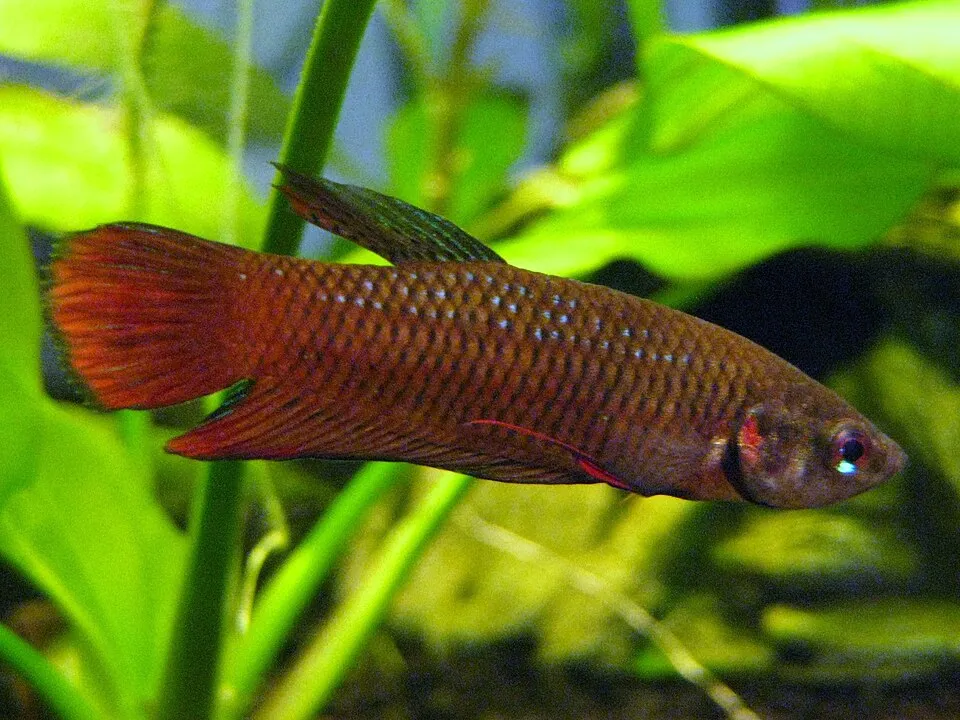
Chukai betta
Betta tussyae
Freshwater1.6 in (4 cm) · 11 gal (40 L)73–82°F (23–28°C)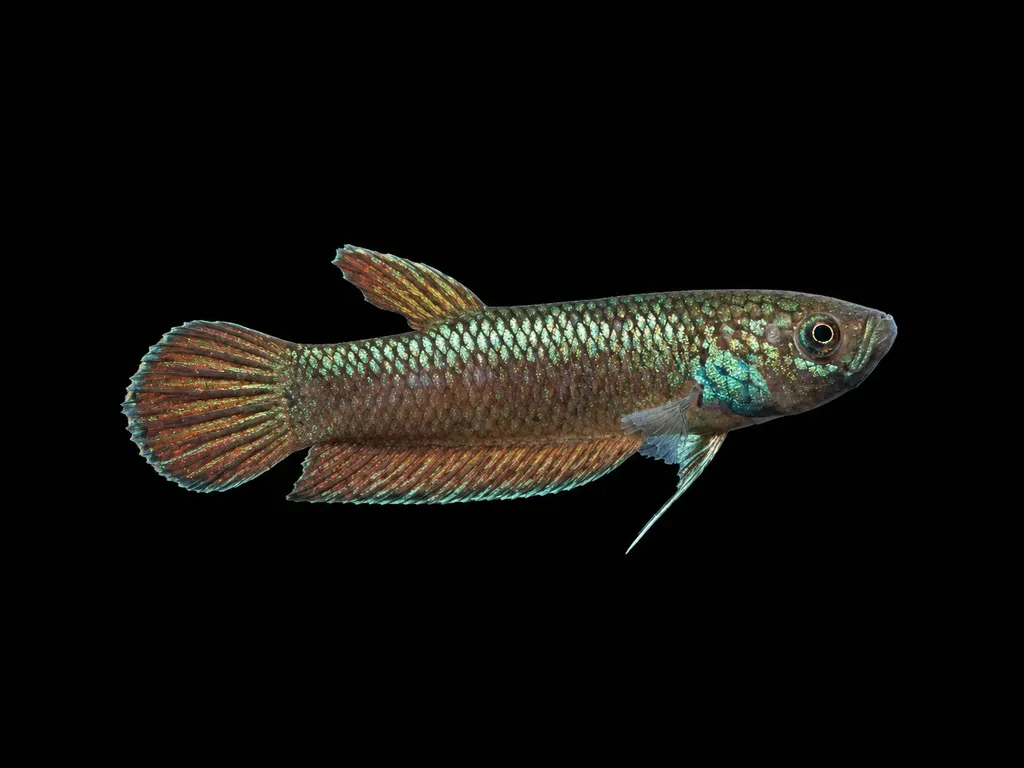
Compuncta betta
Betta compuncta
Freshwater3 in (7.5 cm) · 20 gal (75 L)72–81°F (22–27°C)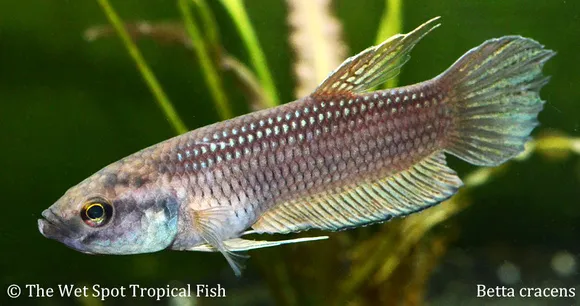
Cracens betta
Betta cracens
Freshwater2.8 in (7 cm) · 20 gal (75 L)73–81°F (23–27°C)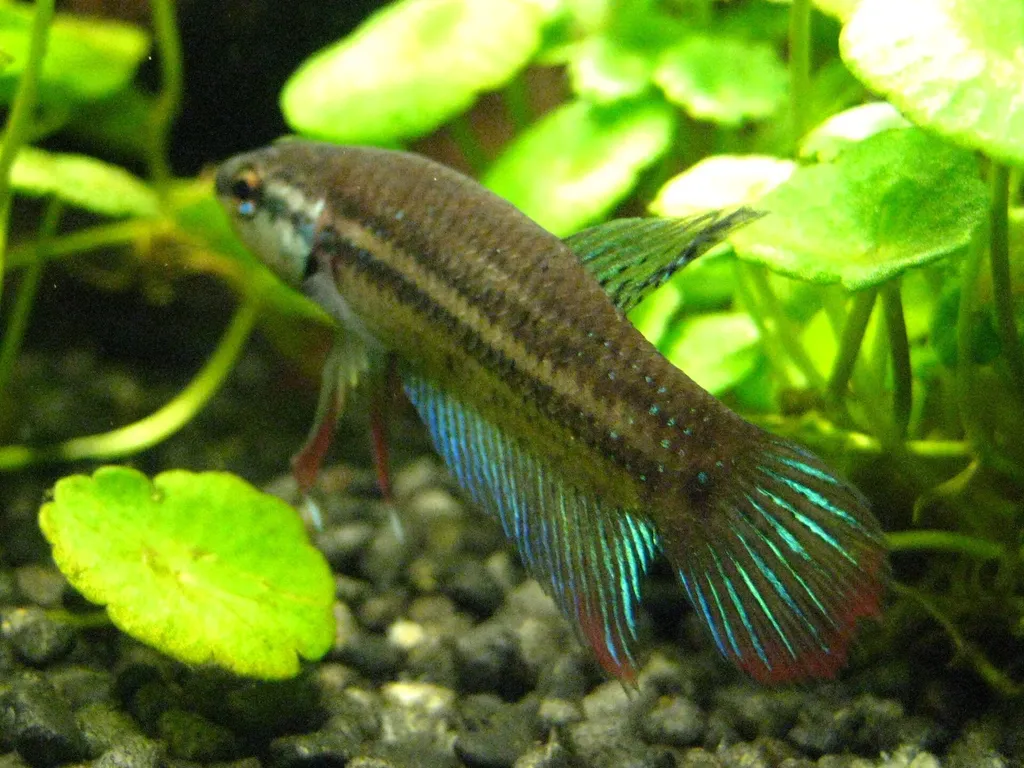
Crescent betta
Betta imbellis
Freshwater2.4 in (6 cm) · 12 gal (45 L)68–82°F (20–28°C)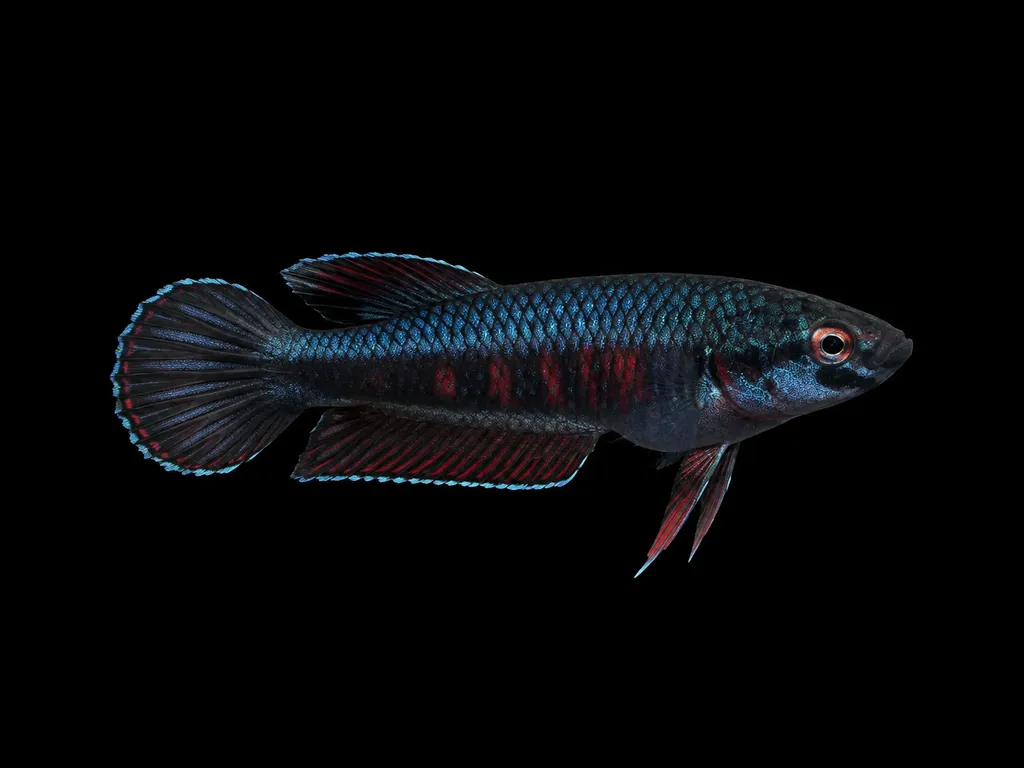
Dennis Yong's betta
Betta dennisyongi
Freshwater1.8 in (4.5 cm) · 11 gal (40 L)73–82°F (23–28°C)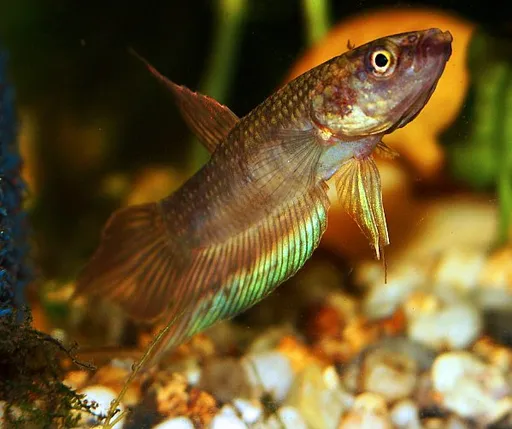
Dimidiata betta
Betta dimidiata
Freshwater1.6 in (4 cm) · 12 gal (45 L)72–81°F (22–27°C)Dusky betta
Betta fusca
Freshwater2.8 in (7 cm) · 21 gal (80 L)72–79°F (22–26°C)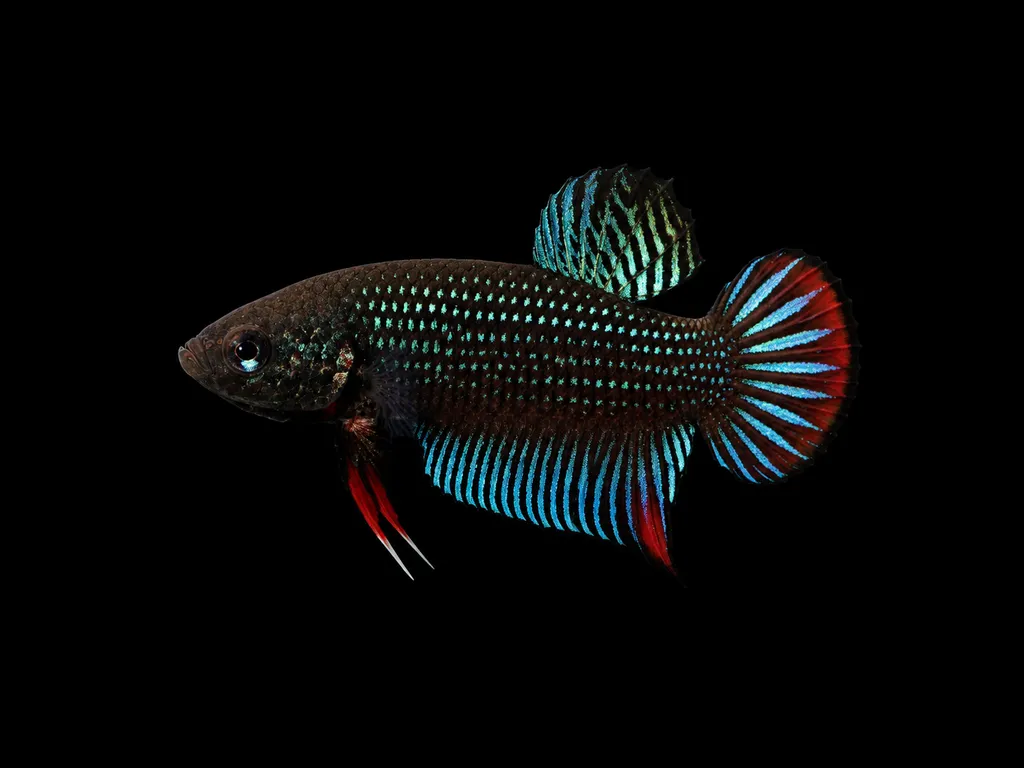
Eastern siam betta
Betta siamorientalis
Freshwater1.8 in (4.5 cm) · 11 gal (40 L)72–82°F (22–28°C)Edith's betta
Betta edithae
Freshwater2.4 in (6 cm) · 20 gal (75 L)72–81°F (22–27°C)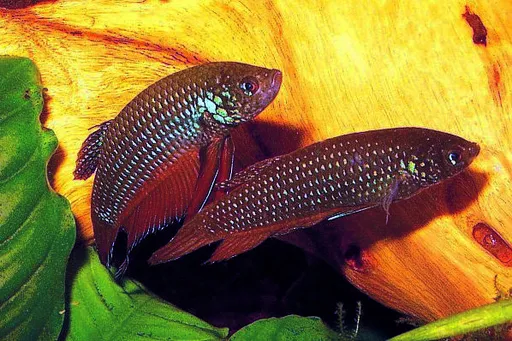
Emerald betta
Betta smaragdina
Freshwater2.4 in (6 cm) · 11 gal (40 L)72–82°F (22–28°C)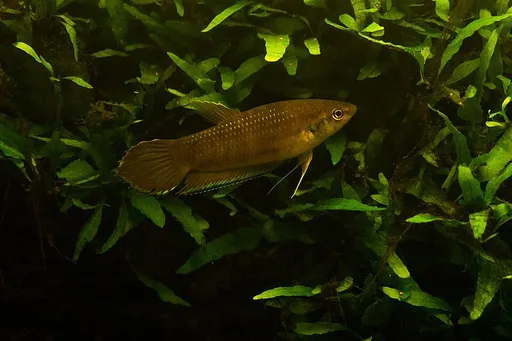
Enisae betta
Betta enisae
Freshwater2.4 in (6 cm) · 16 gal (60 L)70–77°F (21–25°C)Eyespot betta
Betta ocellata
Freshwater3.5 in (9 cm) · 24 gal (90 L)70–77°F (21–25°C)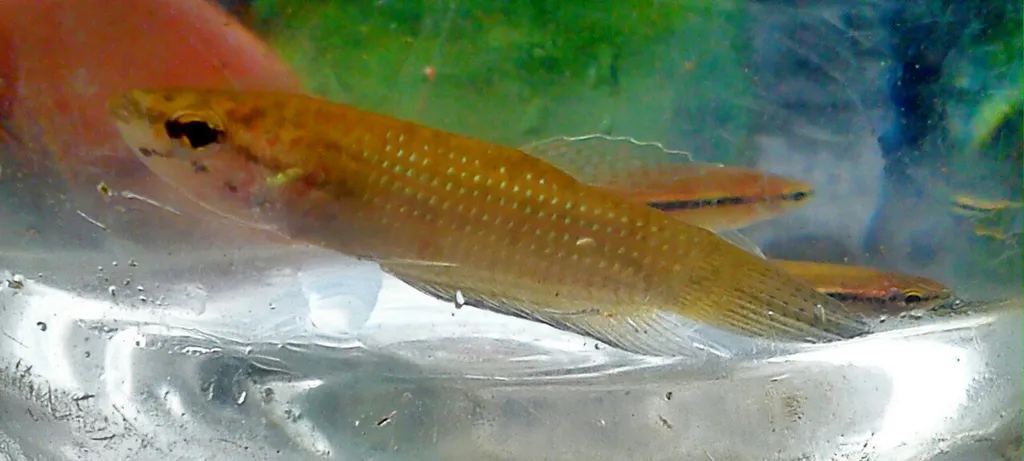
Falx betta
Betta falx
Freshwater2 in (5 cm) · 16 gal (60 L)73–81°F (23–27°C)Ferox betta
Betta ferox
Freshwater2.5 in (6.3 cm) · 21 gal (80 L)73–79°F (23–26°C)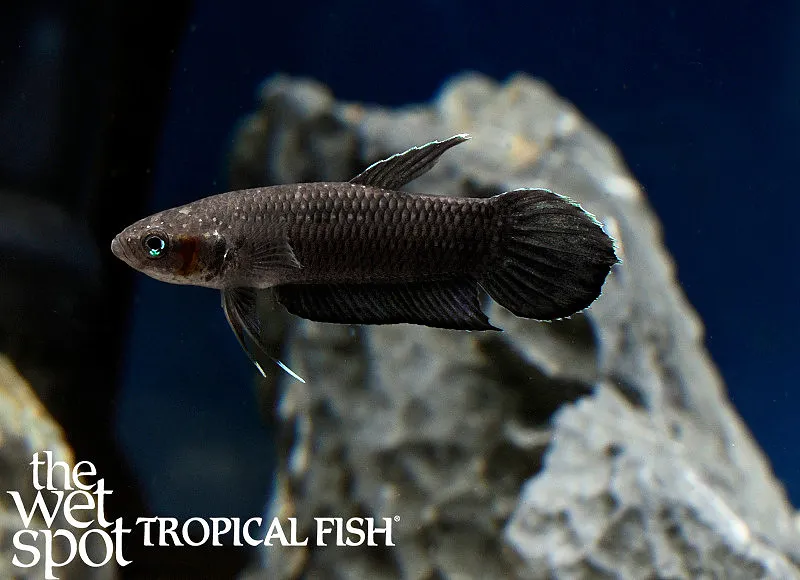
Foersch's betta
Betta foerschi
Freshwater2 in (5 cm) · 16 gal (60 L)73–81°F (23–27°C)Gladiator betta
Betta gladiator
Freshwater2.2 in (5.6 cm) · 26 gal (100 L)72–81°F (22–27°C)Green throat mouthbrooder
Betta chloropharynx
Freshwater2.3 in (5.9 cm) · 21 gal (80 L)75–82°F (24–28°C)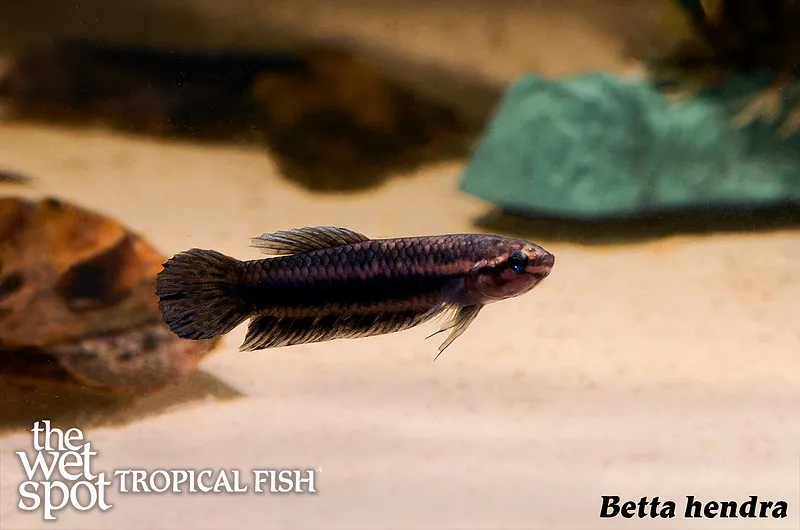
Hendra betta
Betta hendra
Freshwater1.8 in (4.5 cm) · 11 gal (40 L)73–81°F (23–27°C)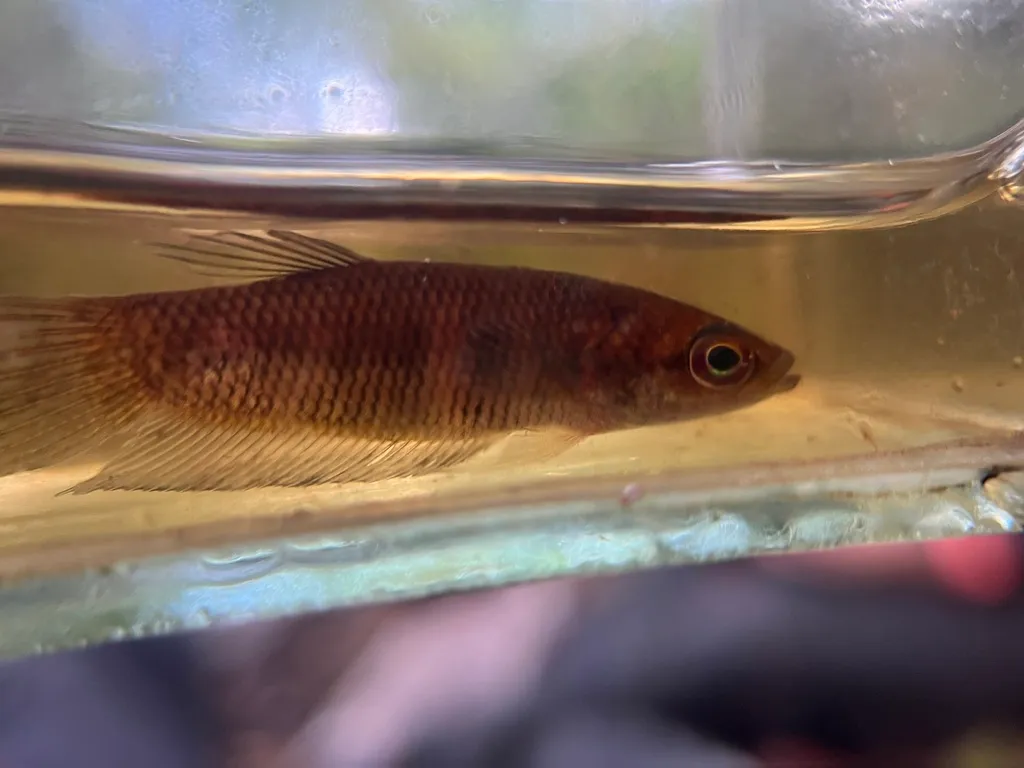
Horseshoe betta
Betta hipposideros
Freshwater3.1 in (8 cm) · 24 gal (90 L)73–81°F (23–27°C)Ibanorum betta
Betta ibanorum
Freshwater3.2 in (8.1 cm) · 21 gal (80 L)75–82°F (24–28°C)Ideii betta
Betta ideii
Freshwater3.3 in (8.3 cm) · 21 gal (80 L)68–79°F (20–26°C)Jade betta
Betta iaspis
Freshwater0.9 in (2.4 cm) · 8 gal (30 L)75–86°F (24–30°C)Krabi mouthbrooder
Betta simplex
Freshwater2.4 in (6 cm) · 16 gal (60 L)73–82°F (23–28°C)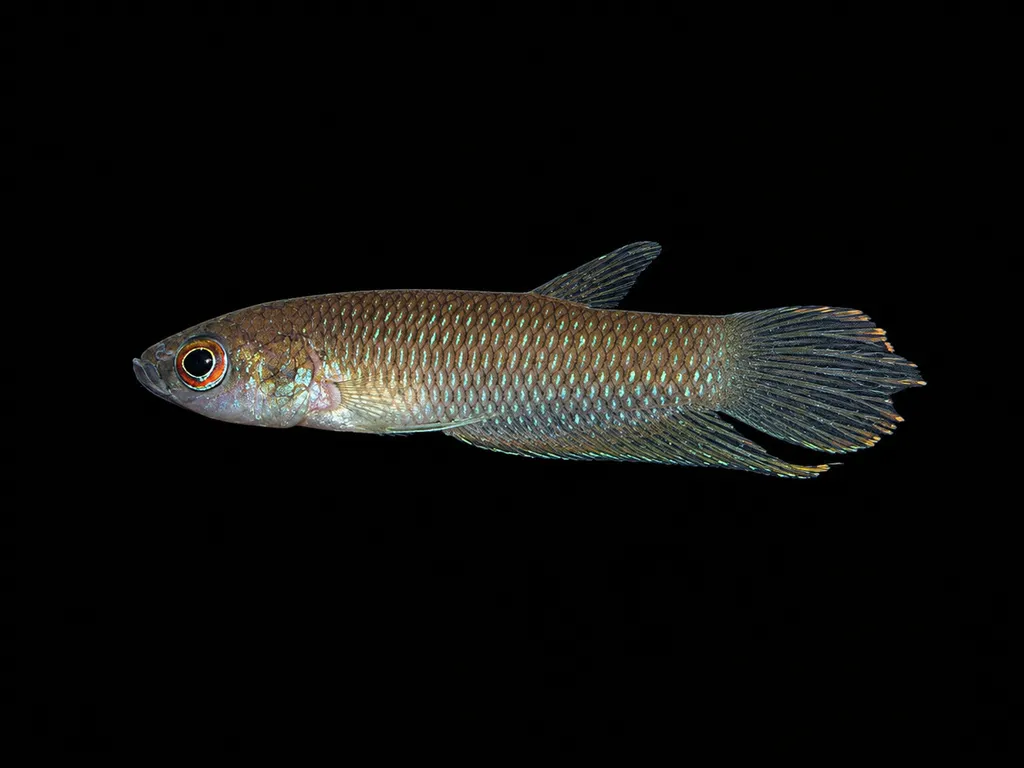
Krataios betta
Betta krataios
Freshwater2.2 in (5.5 cm) · 14 gal (54 L)73–82°F (23–28°C)Kuehnei betta
Betta kuehnei
Freshwater2.4 in (6 cm) · 16 gal (60 L)70–77°F (21–25°C)Lehi betta
Betta lehi
Freshwater2.4 in (6.1 cm) · 16 gal (60 L)72–81°F (22–27°C)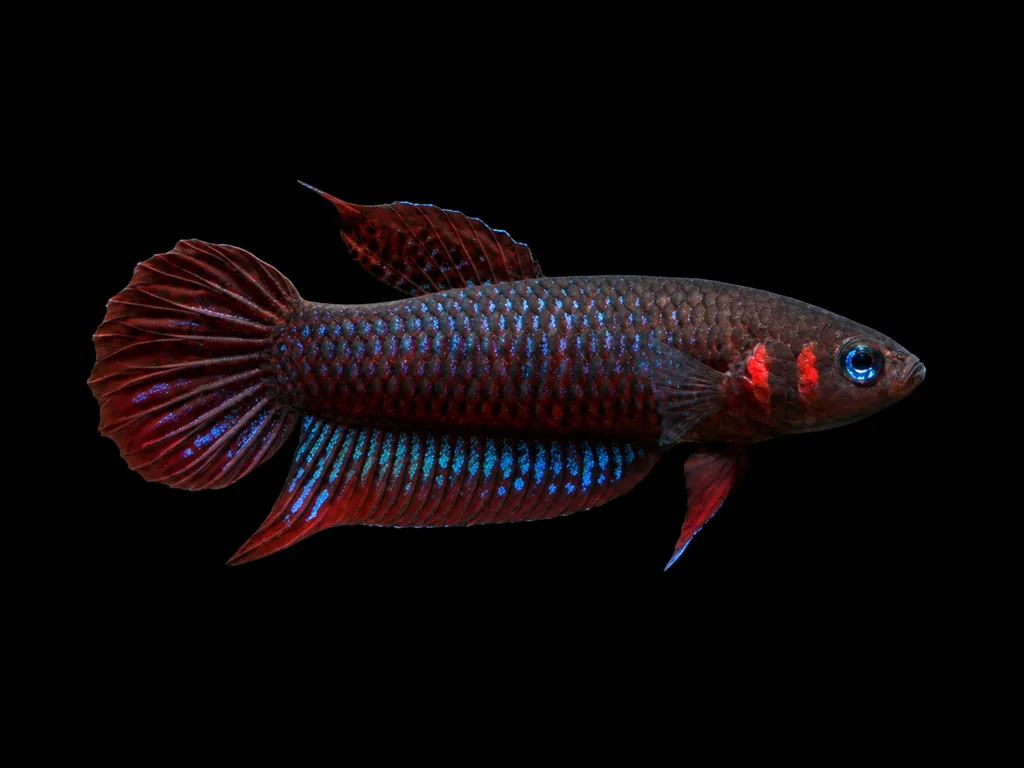
Livid betta
Betta livida
Freshwater1.4 in (3.6 cm) · 11 gal (40 L)73–81°F (23–27°C)
Mahachai betta
Betta mahachaiensis
Freshwater2.4 in (6 cm) · 10 gal (38 L)72–82°F (22–28°C)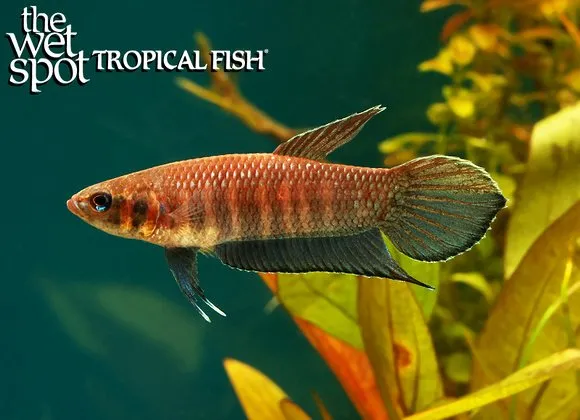
Mandor betta
Betta mandor
Freshwater2.6 in (6.5 cm) · 14 gal (54 L)72–81°F (22–27°C)Midas betta
Betta midas
Freshwater2.6 in (6.6 cm) · 20 gal (75 L)72–82°F (22–28°C)Miniopinna betta
Betta miniopinna
Freshwater1.1 in (2.8 cm) · 11 gal (40 L)72–81°F (22–27°C)Nuluhon betta
Betta nuluhon
Freshwater2.5 in (6.3 cm) · 16 gal (60 L)72–79°F (22–26°C)Obscura betta
Betta obscura
Freshwater2.7 in (6.9 cm) · 20 gal (75 L)72–81°F (22–27°C)Omega betta
Betta omega
Freshwater3.2 in (8.1 cm) · 24 gal (90 L)73–81°F (23–27°C)One-spot betta
Betta unimaculata
Freshwater4.5 in (11.5 cm) · 29 gal (110 L)70–79°F (21–26°C)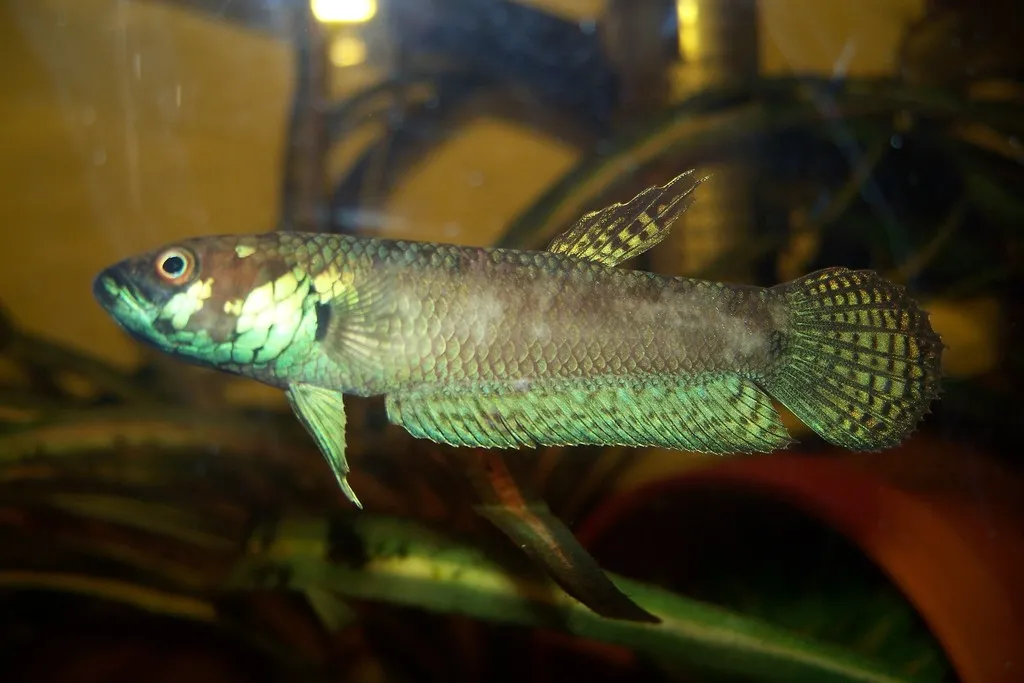
Pallifina betta
Betta pallifina
Freshwater3.1 in (8 cm) · 20 gal (75 L)72–79°F (22–26°C)Pardalotos betta
Betta pardalotos
Freshwater2.8 in (7.2 cm) · 21 gal (80 L)72–81°F (22–27°C)Patoti betta
Betta patoti
Freshwater3.9 in (10 cm) · 29 gal (110 L)72–81°F (22–27°C)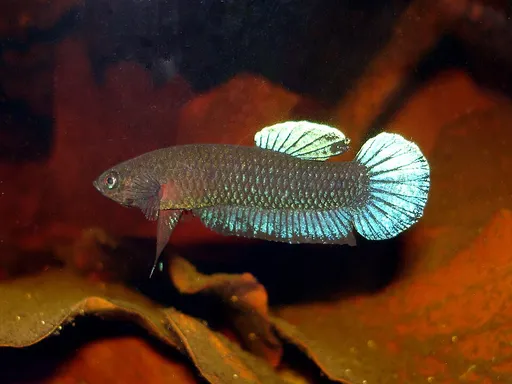
Persephone betta
Betta persephone
Freshwater1.4 in (3.5 cm) · 11 gal (40 L)73–81°F (23–27°C)Pi betta
Betta pi
Freshwater3.5 in (9 cm) · 26 gal (100 L)73–81°F (23–27°C)Pinguis betta
Betta pinguis
Freshwater3.1 in (7.9 cm) · 21 gal (80 L)72–81°F (22–27°C)Prima betta
Betta prima
Freshwater2 in (5 cm) · 16 gal (60 L)73–81°F (23–27°C)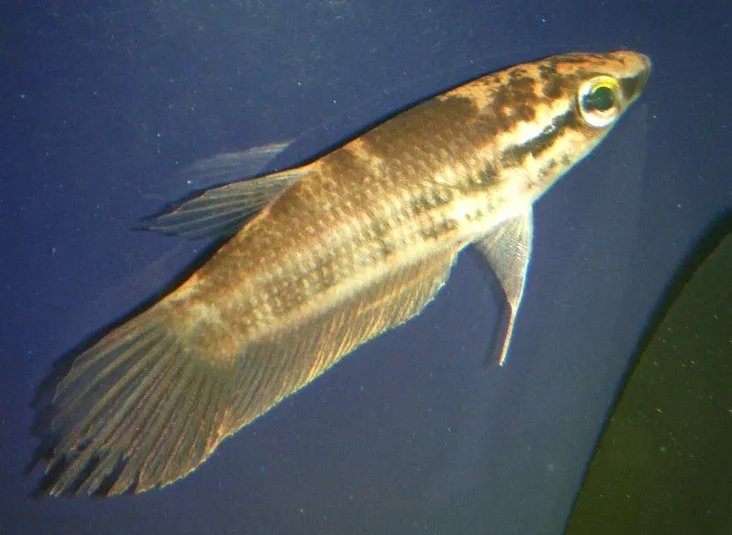
Pugnax betta
Betta pugnax
Freshwater2.8 in (7 cm) · 16 gal (60 L)72–82°F (22–28°C)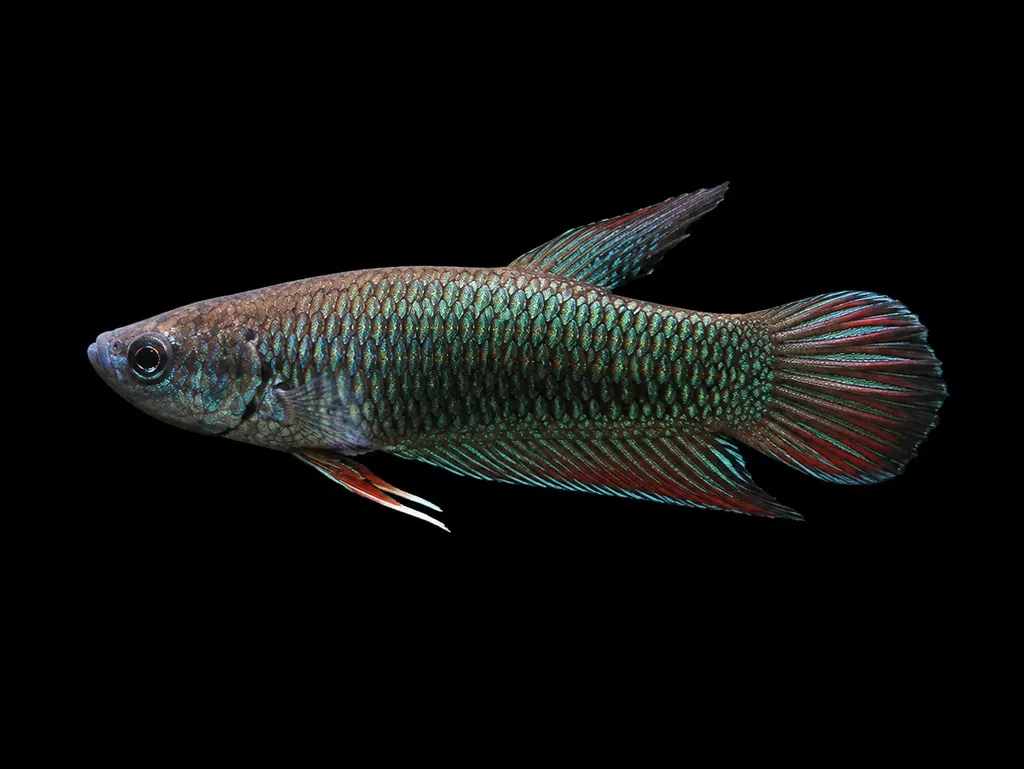
Pulchra betta
Betta pulchra
Freshwater2.4 in (6 cm) · 20 gal (75 L)73–81°F (23–27°C)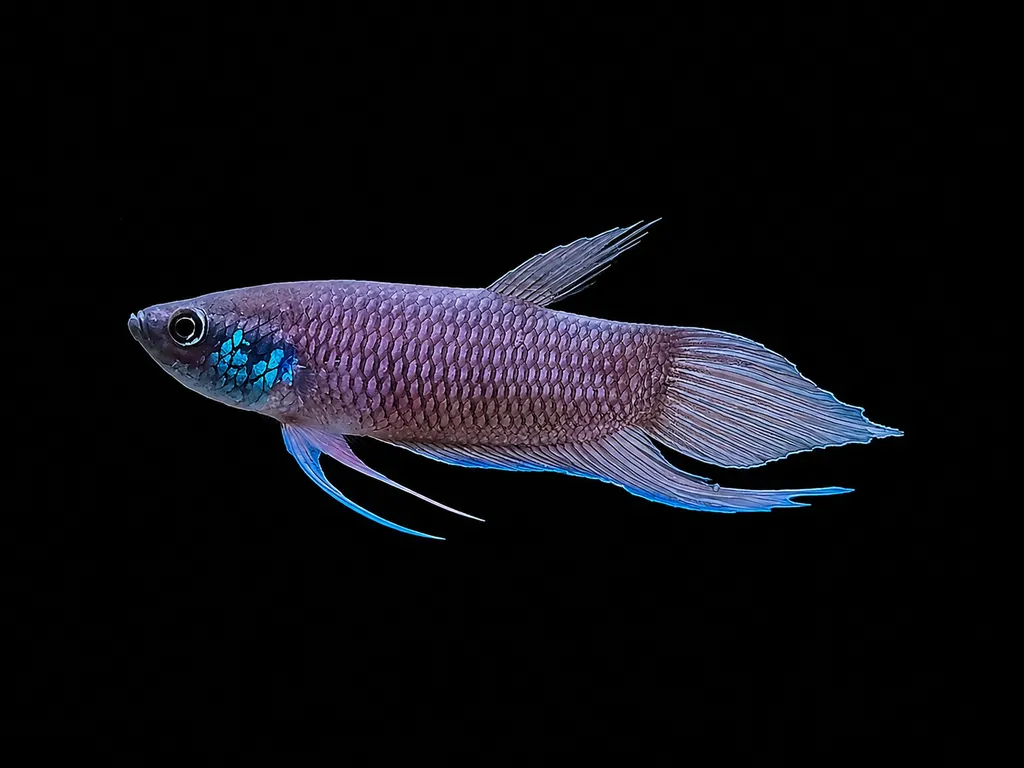
Raja betta
Betta raja
Freshwater2.8 in (7 cm) · 26 gal (100 L)72–81°F (22–27°C)Redcheek betta
Betta rutilans
Freshwater1.4 in (3.5 cm) · 11 gal (40 L)73–81°F (23–27°C)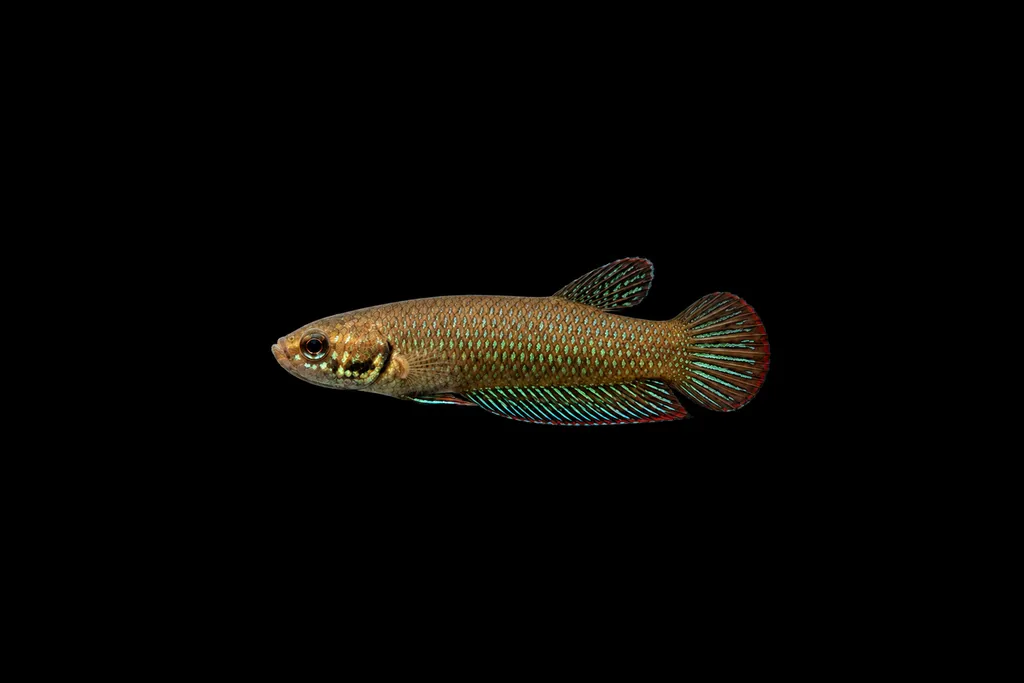
Renata betta
Betta renata
Freshwater3.7 in (9.5 cm) · 20 gal (75 L)73–81°F (23–27°C)Scarlet betta
Betta coccina
Freshwater1.6 in (4 cm) · 11 gal (40 L)72–86°F (22–30°C)Schalleri betta
Betta schalleri
Freshwater1.8 in (4.5 cm) · 16 gal (60 L)75–84°F (24–29°C)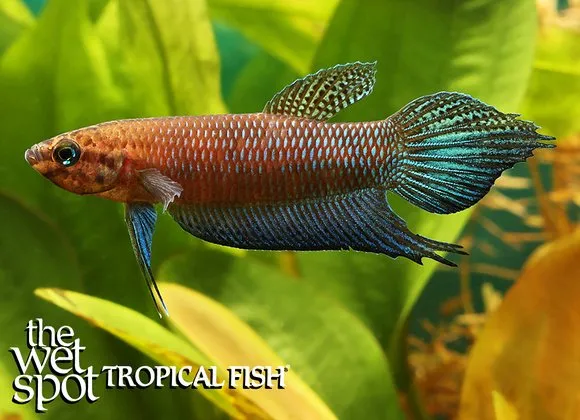
Sims' betta
Betta simorum
Freshwater3.5 in (9 cm) · 20 gal (75 L)73–81°F (23–27°C)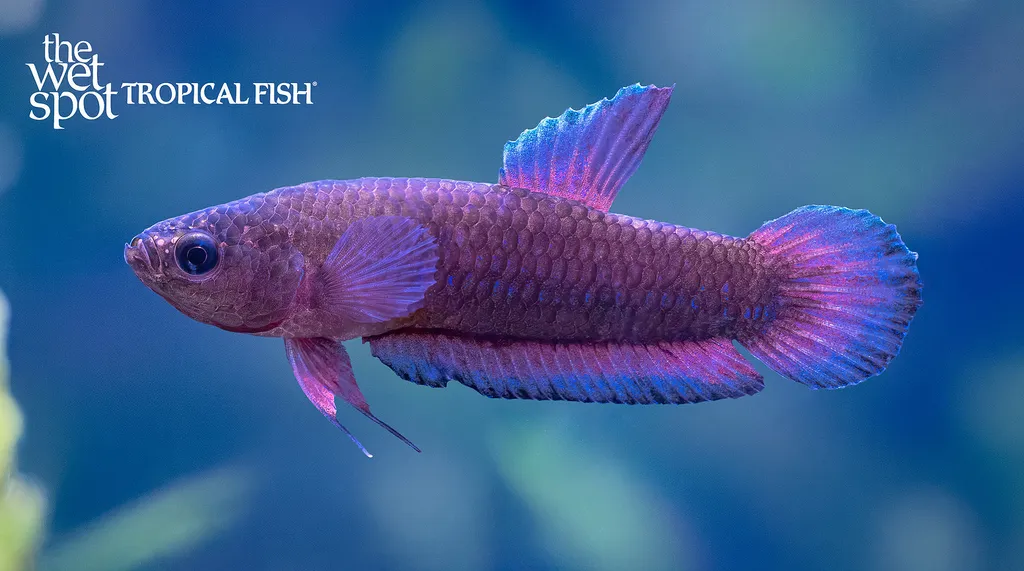
Slender betta
Betta bellica
Freshwater3.5 in (9 cm) · 20 gal (75 L)77–86°F (25–30°C)Spilotogena betta
Betta spilotogena
Freshwater2.8 in (7 cm) · 20 gal (75 L)72–81°F (22–27°C)Spotted betta
Betta picta
Freshwater2 in (5 cm) · 16 gal (60 L)72–81°F (22–27°C)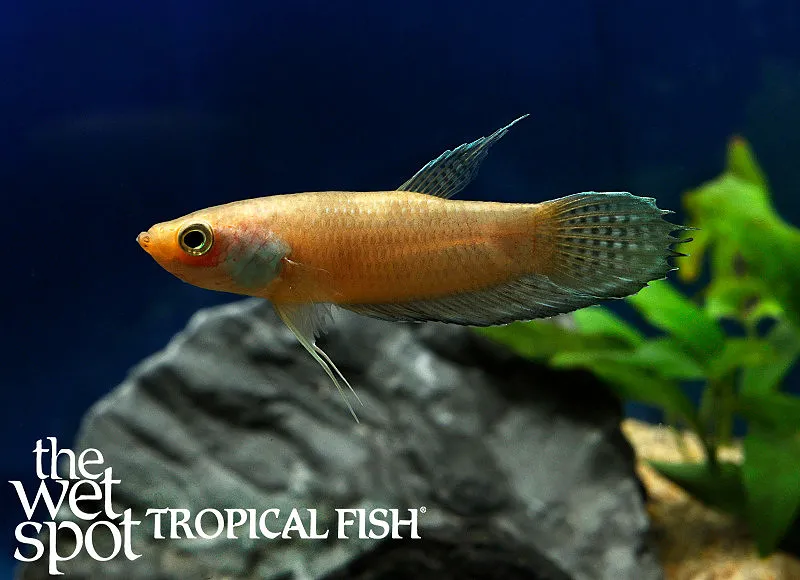
Stigmosa betta
Betta stigmosa
Freshwater2 in (5 cm) · 16 gal (60 L)73–81°F (23–27°C)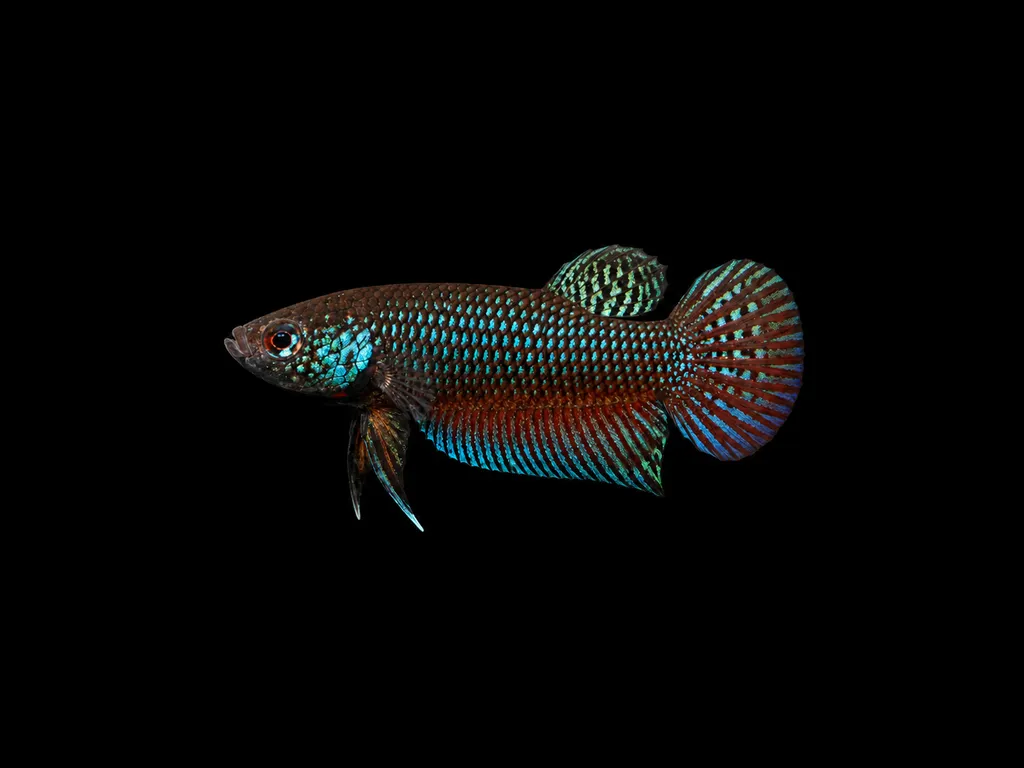
Stiktos betta
Betta stiktos
Freshwater2 in (5 cm) · 11 gal (40 L)73–81°F (23–27°C)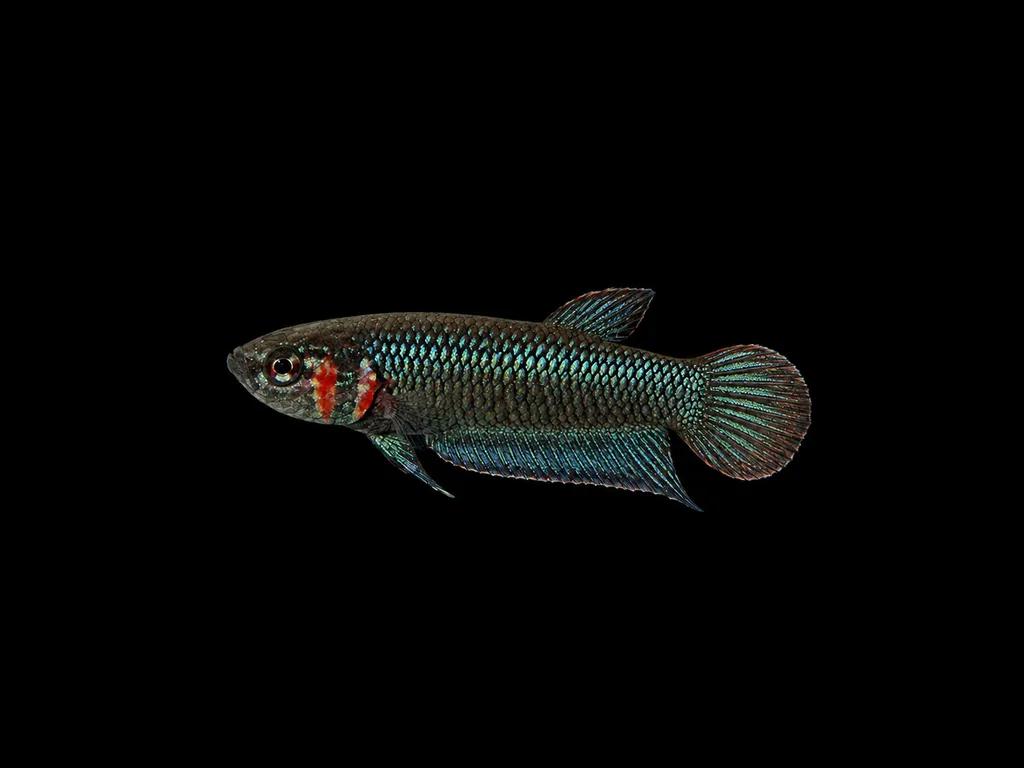
Stroh's betta
Betta strohi
Freshwater2.8 in (7 cm) · 14 gal (54 L)72–81°F (22–27°C)
Toba betta
Betta rubra
Freshwater1.6 in (4 cm) · 11 gal (40 L)72–81°F (22–27°C)Tomi betta
Betta tomi
Freshwater2.8 in (7 cm) · 20 gal (75 L)72–81°F (22–27°C)
Uberis betta
Betta uberis
Freshwater1.4 in (3.6 cm) · 11 gal (40 L)73–81°F (23–27°C)Waseri betta
Betta waseri
Freshwater3.6 in (9.1 cm) · 26 gal (100 L)72–81°F (22–27°C)Whiteseam betta
Betta albimarginata
Freshwater1.2 in (3 cm) · 11 gal (40 L)73–82°F (23–28°C)Wine-red betta
Betta burdigala
Freshwater1.4 in (3.5 cm) · 11 gal (40 L)72–81°F (22–27°C)
Planning a tank?
TankBud checks stocking and water fit as you build a tank, then tracks water tests, reminders and photos once it is running.
Track your tanksMaintain tanks for clients? See TankBud Pro