Gladiator betta
Betta gladiator
FreshwaterFish
Care at a glance
- Temperature
- 72–81°F
- 22–27°C
- pH
- 4.0–6.0
- Adult size
- 2.2 in
- 5.6 cm
- Minimum tank
- 26 gal
- 100 L
- Temperament
- Aggressive
- Social behavior
- Solitary
- Own kind
- One male per tank
- Tankmates
- With caution
- Swim level
- Middle
- Difficulty
- Difficult
- Breeding
- Hard
- Rarity
- Very rare
- Family
- Osphronemidae
- Origin
- Maliau Basin, Sabah, Borneo
Overview
This is one of the most aggressive wild bettas. The describers found single adults spaced about a metre apart in the wild, and specimens kept together in captivity fought until they had to be separated or they would have killed each other. Keep one fish, or a proven pair with plenty of cover, in a quiet tank with no tank mates or only very calm ones. Water should be soft and acidic, pH 4 to 6, at 22 to 27 C. Feed live and frozen foods such as bloodworm, daphnia and brine shrimp.
In the wild
The Gladiator betta is known only from the Maliau Basin in the interior of Sabah, Malaysian Borneo, a near circular plateau ringed by high ground that is now a protected conservation area. The type series came from heath forest streams with acidic water of pH 4.2 to 4.8, where the only other fishes were a small barb and a catfish. Set up a tank of 100 liters or more with very soft acidic water, dim light, leaf litter and lots of broken sight lines from wood and plants. A tight lid is essential.
Good to know
Betta gladiator is a paternal mouthbrooder of the Betta unimaculata group in the family Osphronemidae, described by Tan and Ng in 2005 and named from the Latin for a fighter because of its temper. The largest specimen in the description measured 55.5 mm standard length, so the 9 cm figure quoted by some aquarium sources is not backed by the type series. It is closest to B. ocellata of the Sabah lowlands, and the isolation of the basin probably drove it to become a separate species. The IUCN lists it as Least Concern because the basin is protected, but it is almost never exported.
Did you know
Three of the 150 specimens collected for the description had no dorsal fin at all, which the authors suggested could be a sign of inbreeding in a population cut off inside the basin. Earlier surveys of the Maliau Basin had recorded the same fish as Betta unimaculata before it was recognised as a species of its own.
Common questions
What size tank does a Gladiator betta need?
A Gladiator betta needs at least 26 gal (100 L). It spends most of its time in the middle.
What temperature and pH does a Gladiator betta need?
A Gladiator betta is comfortable at 72–81°F (22–27°C) with a pH of 4.0–6.0.
How big does a Gladiator betta get?
An adult Gladiator betta reaches about 2.2 in (5.6 cm).
Related species
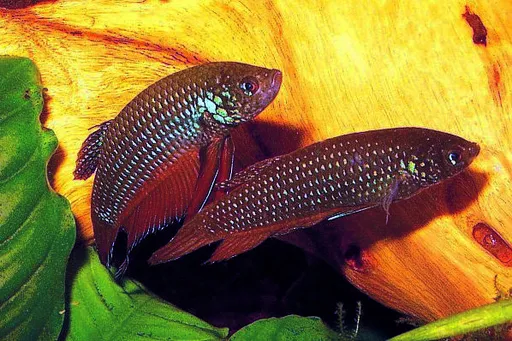 2.4 in (6 cm)11 gal (40 L)72–82°F (22–28°C)
Emerald betta
Betta smaragdina
2.4 in (6 cm) · 11 gal (40 L)
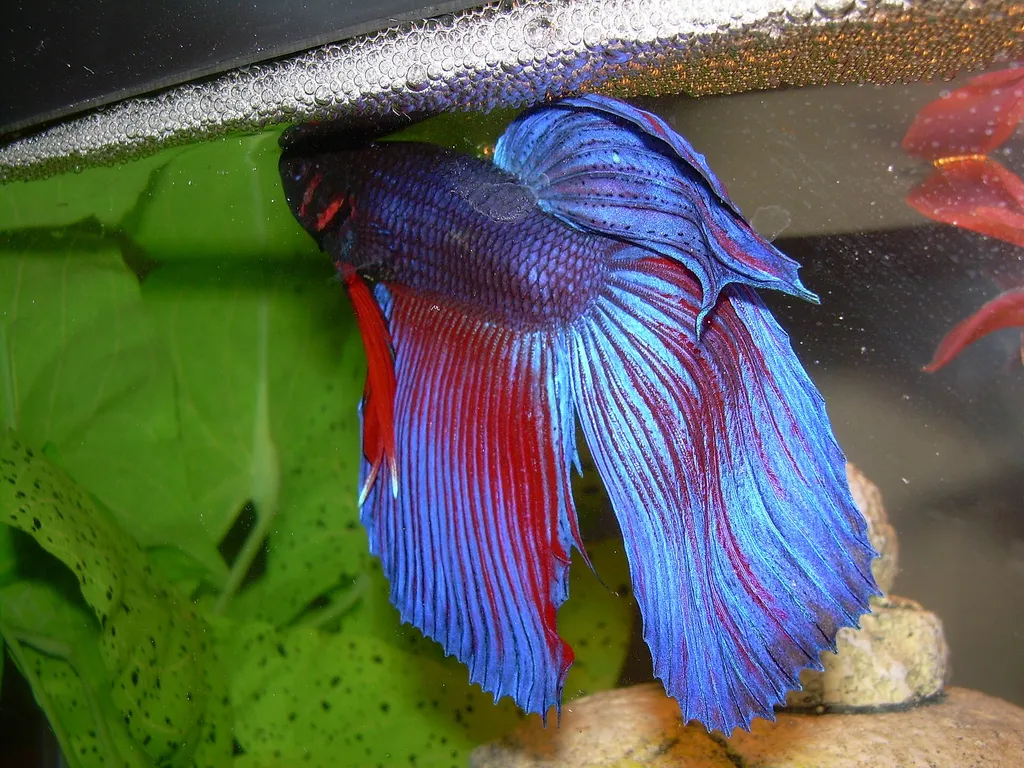 3 in (7.5 cm)7 gal (25 L)72–86°F (22–30°C)
Betta
Betta splendens
3 in (7.5 cm) · 7 gal (25 L)
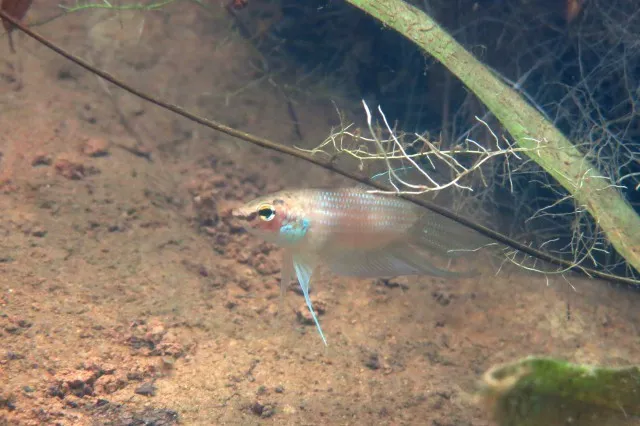 2.2 in (5.5 cm)16 gal (60 L)73–81°F (23–27°C)
Apollon betta
Betta apollon
2.2 in (5.5 cm) · 16 gal (60 L)
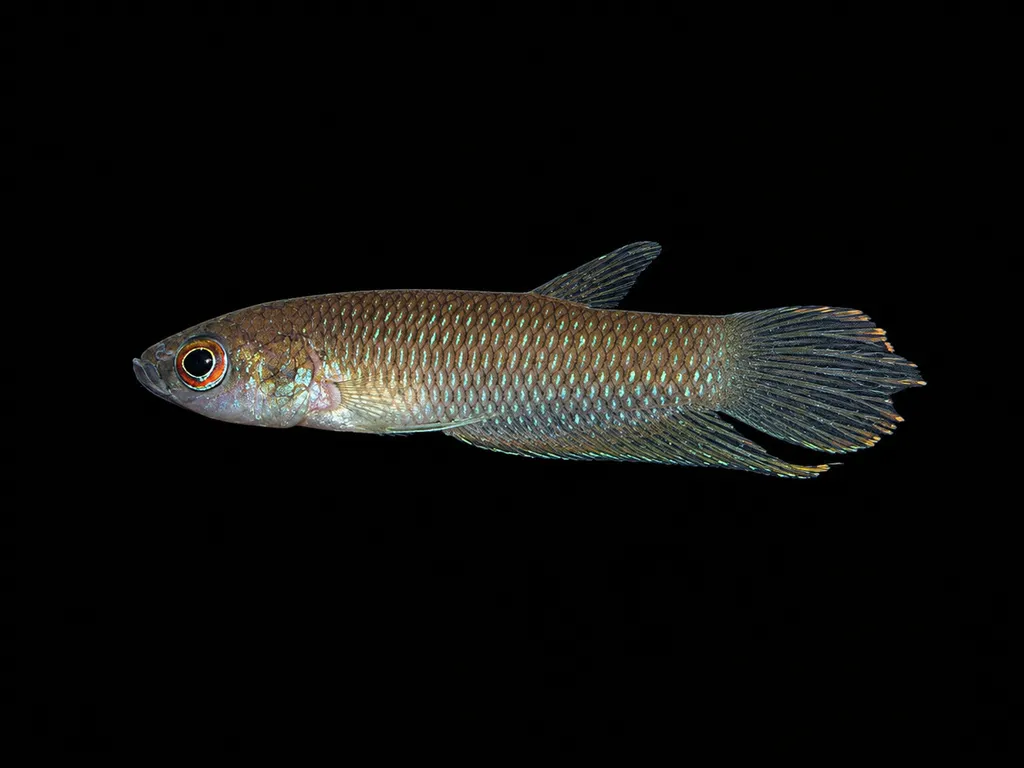 2.2 in (5.5 cm)14 gal (54 L)73–82°F (23–28°C)
Krataios betta
Betta krataios
2.2 in (5.5 cm) · 14 gal (54 L)
- 2.2 in (5.5 cm)16 gal (60 L)72–81°F (22–27°C)
Banded betta
Betta taeniata
2.2 in (5.5 cm) · 16 gal (60 L)
- 2.1 in (5.4 cm)16 gal (60 L)72–81°F (22–27°C)
Chini betta
Betta chini
2.1 in (5.4 cm) · 16 gal (60 L)