Foreground aquarium plants
Foreground plants stay short enough to sit at the front of the tank without blocking the view. Each profile lists the light and CO2 a plant wants and how quickly it fills in.
At a glance
- Height
- 1.2–11.8 in
- 1.2 in (3 cm) to 11.8 in (30 cm); half the list stays at 3.1 in (8 cm) or under
- Temperature
- 64–82°F
- 18–28°C, most of the list
- Light
- 5 low light
- 22 medium light · 19 high light
- CO₂
- 3 no CO₂ needed
- 30 CO₂ beneficial · 13 CO₂ required
- Growth
- 23 slow growing
- 20 medium growth · 3 fast growing
- Difficulty
- 16 easy
- 17 medium · 13 difficult
45 plants and 1 variety
Start here
The plants for the front of the tank
The dwarf sagittaria is marked beginner for low light, a grass at 11.8 inches (30 cm) that spreads by runners and stays short under good light. The Monte Carlo is a round-leaved carpet marked easy at 2 inches (5 cm) for medium light. The Staurogyne repens is a low, bushy plant marked easy at 3.9 inches (10 cm). The dwarf hairgrass carpets at 3.9 inches (10 cm) and spreads faster with CO2. The cryptocoryne willisii is the crypt for the front, marked easy for low light at 5.9 inches (15 cm). The Marsilea hirsuta is a four-leaf clover carpet marked easy at 3.9 inches (10 cm).
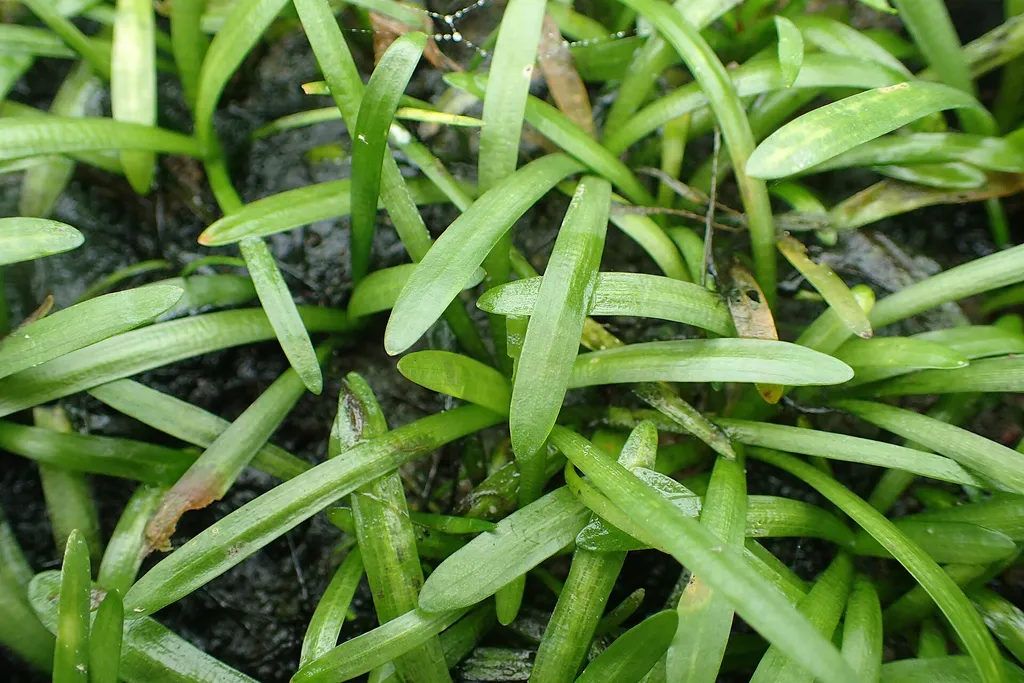
Dwarf sagittaria
Sagittaria subulata
FreshwaterBrackish- Light
- Low light
- Placement
- Foreground
- Height
- 11.8 in (30 cm)
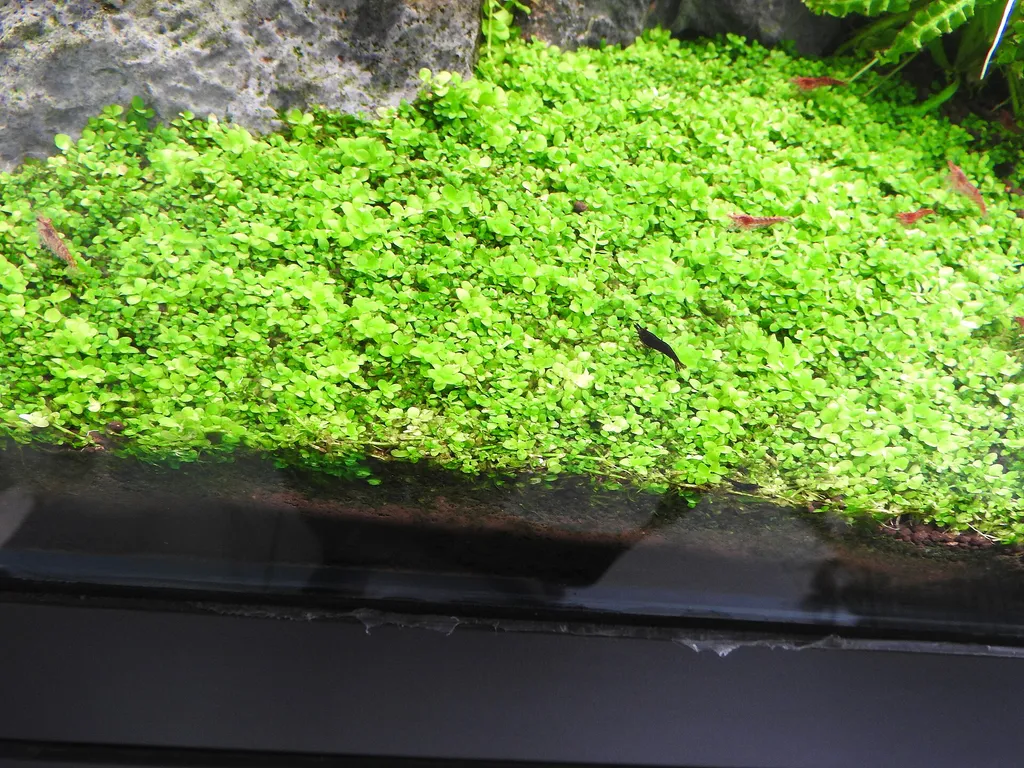
Monte Carlo
Micranthemum tweediei
Freshwater- Light
- Medium light
- Placement
- Foreground
- Height
- 2 in (5 cm)
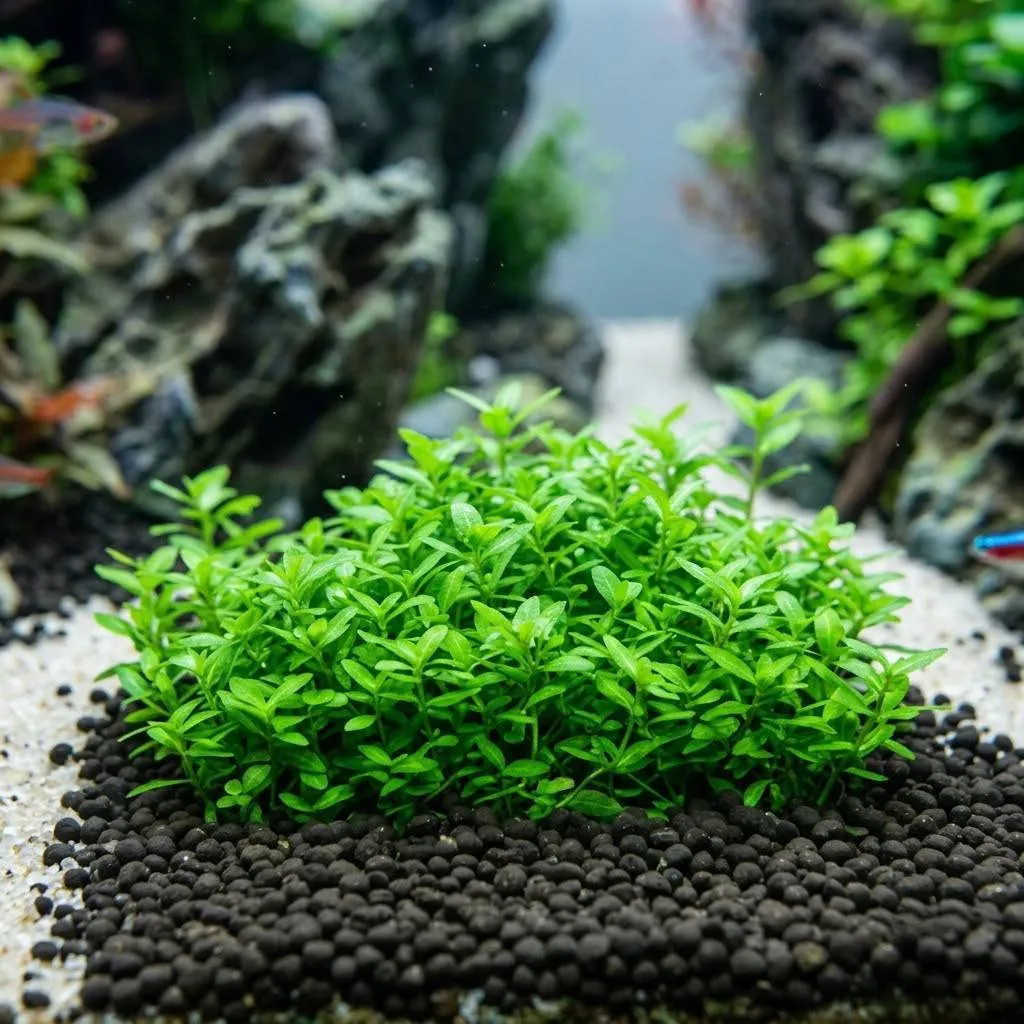
Staurogyne repens
Freshwater- Light
- Medium light
- Placement
- Foreground
- Height
- 3.9 in (10 cm)
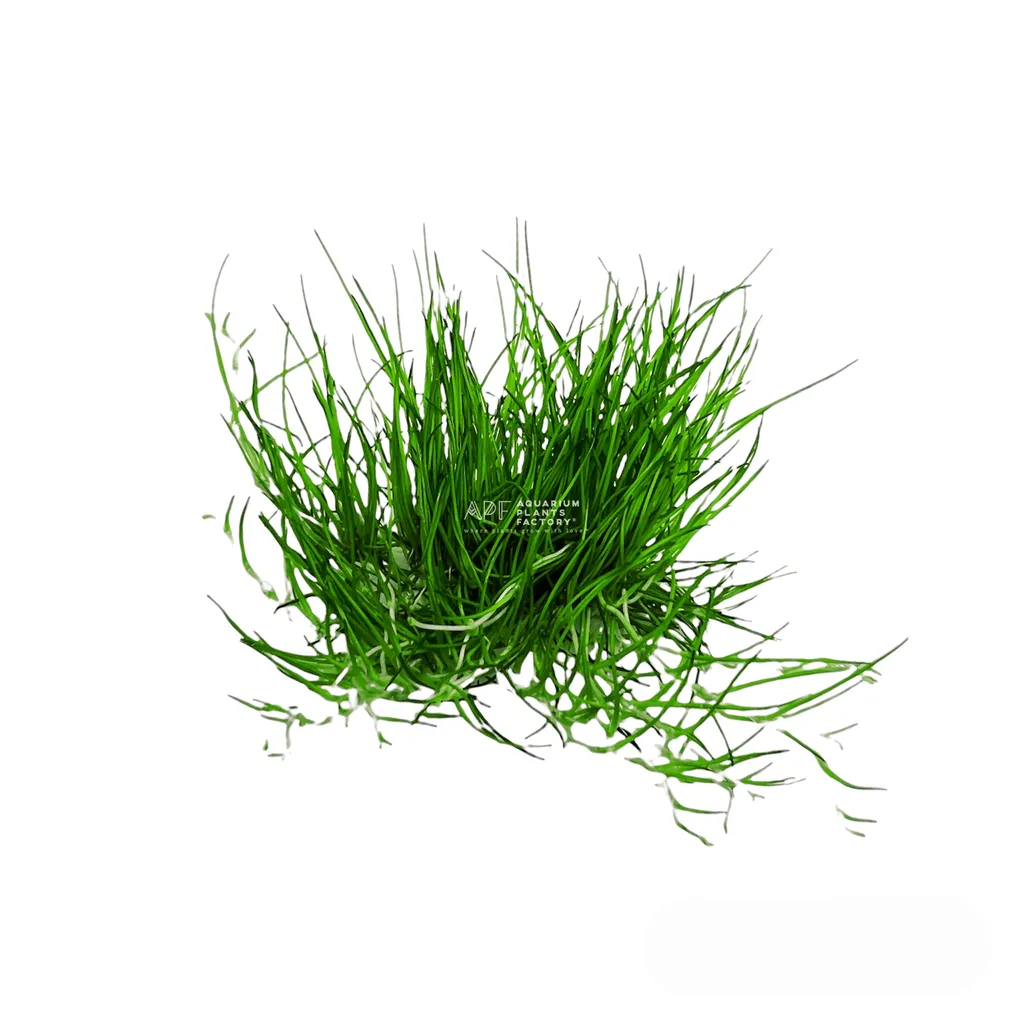
Dwarf hairgrass
Eleocharis parvula
Freshwater- Light
- Medium light
- Placement
- Foreground
- Height
- 3.9 in (10 cm)
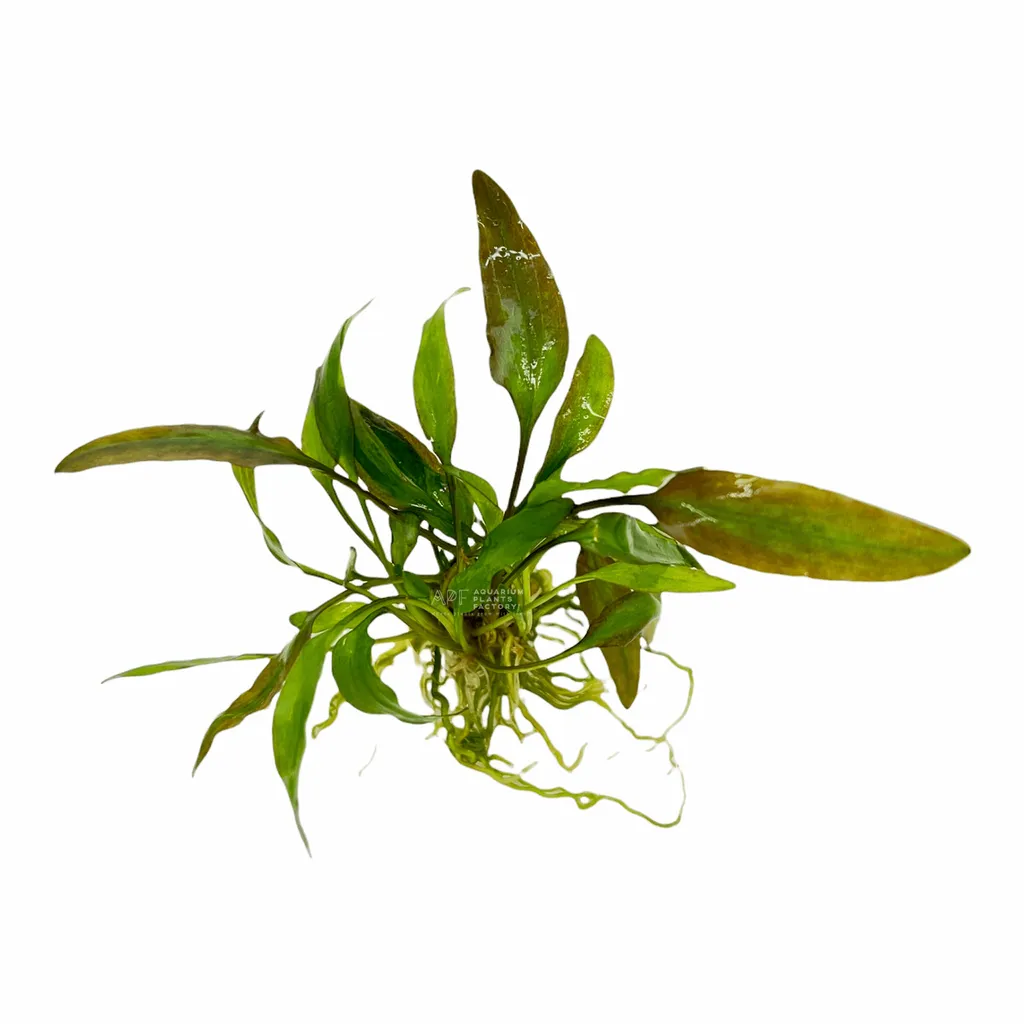
Cryptocoryne willisii
Cryptocoryne × willisii
Freshwater- Light
- Low light
- Placement
- Foreground
- Height
- 5.9 in (15 cm)
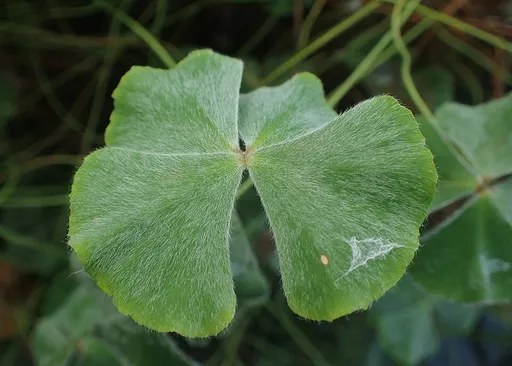
Marsilea hirsuta
Freshwater- Light
- Medium light
- Placement
- Foreground
- Height
- 3.9 in (10 cm)
The rule
What a foreground plant needs
A foreground plant stays under about 6 inches (15 cm) and most stay under 4 inches (10 cm), so the light has to reach the substrate through everything planted behind it. Carpets spread by runners and need a substrate they can root through, planted in small plugs a finger apart. Most of them list medium light and CO2 as beneficial, and the demanding ones list high light and CO2 as required. And a carpet needs trimming like a lawn, or it lifts off the substrate as a mat.
- 01
Under 6 inches
Most profiles here list 4 inches (10 cm) or less
- 02
Light reaches the floor
Nothing tall in front of it
- 03
Plugs a finger apart
Runners fill the gaps within weeks
- 04
Trim like a lawn
A carpet left alone lifts off as a mat
Carpets
Carpets that spread on their own
The Hydrocotyle Japan is marked easy, a fast carpet of round leaves at 2 inches (5 cm) that roots as it creeps. The pygmy chain sword spreads by runners at 3.9 inches (10 cm), marked easy. The micro sword is a fine grass marked medium at 2.4 inches (6 cm) that fills slowly. The dwarf water clover is marked easy for low light with no CO2, the carpet for a tank without either. The common nardoo is a Marsilea marked easy at 4.7 inches (12 cm). The Hygrophila serpyllum is a low, small-leaved creeper marked medium at 5.9 inches (15 cm).
Hydrocotyle Japan
Hydrocotyle tripartita
FreshwaterMedium light · Foreground2 in (5 cm)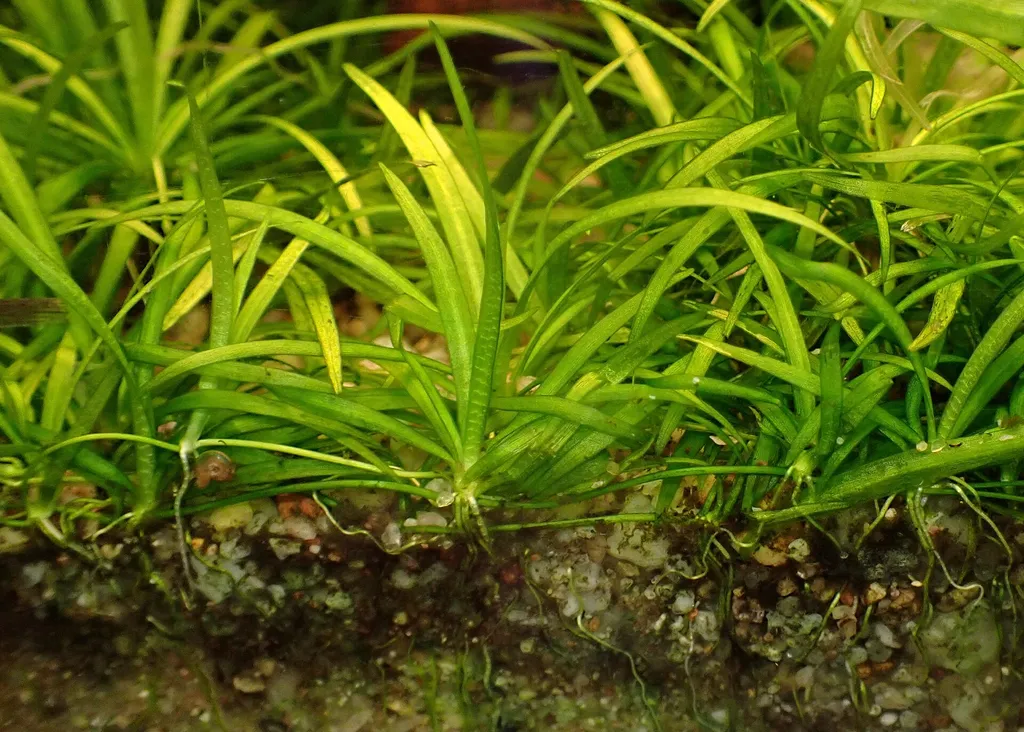
Pygmy chain sword
Helanthium tenellum
FreshwaterMedium light · Foreground3.9 in (10 cm)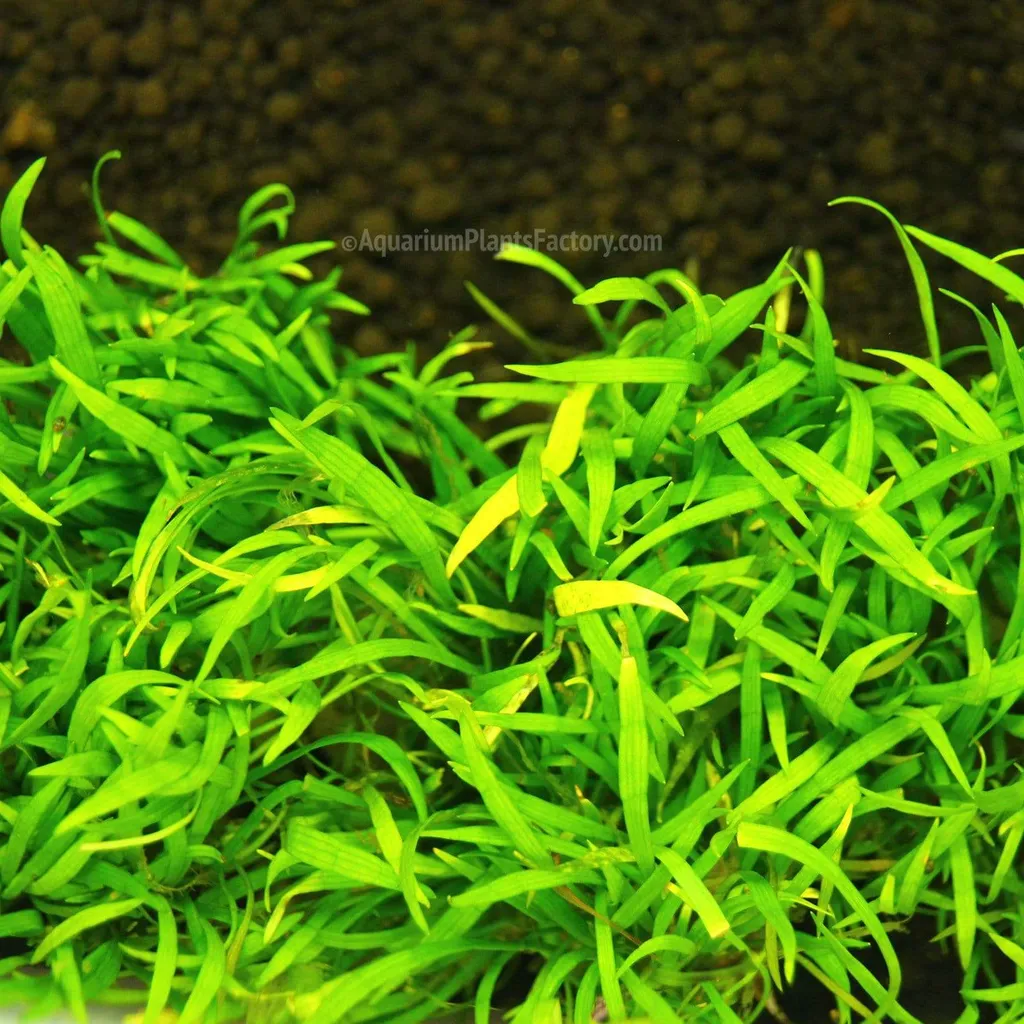
Micro sword
Lilaeopsis brasiliensis
FreshwaterBrackishMedium light · Foreground2.4 in (6 cm)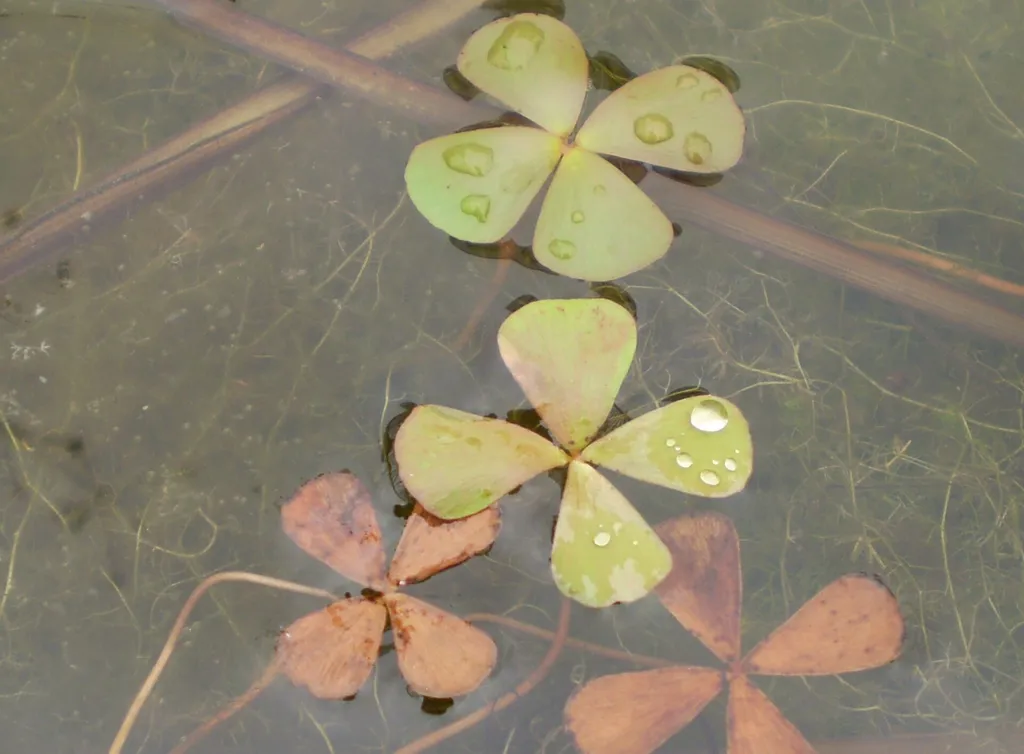
Dwarf water clover
Marsilea crenata
FreshwaterLow light · Foreground3.1 in (8 cm)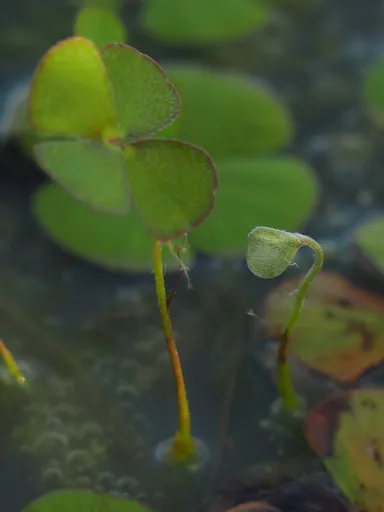
Common nardoo
Marsilea drummondii
FreshwaterMedium light · Foreground4.7 in (12 cm)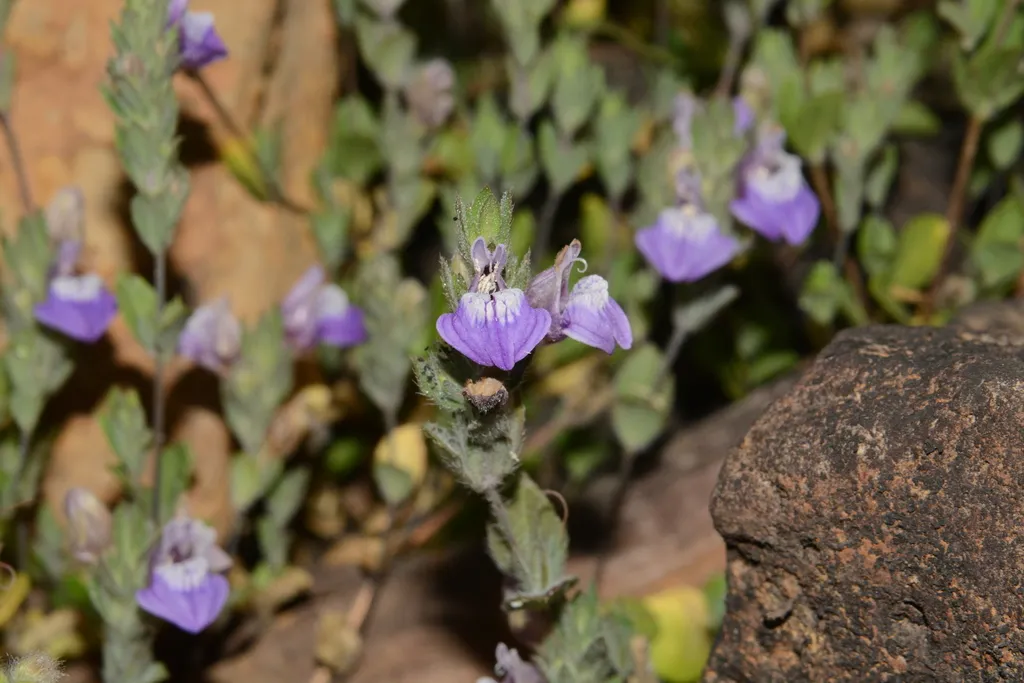
Hygrophila serpyllum
FreshwaterMedium light · Foreground5.9 in (15 cm)
Clumps
Small plants that stay put
The banana plant is a bulb marked easy with no CO2 that sits on the substrate on its tubers at 5.9 inches (15 cm). The marimo moss ball is a ball of algae marked beginner that rolls where the flow takes it. The Pogostemon helferi grows crinkled rosettes at 3.1 inches (8 cm), marked medium for high light. The Alternanthera reineckii mini is the red plant for the front at 3.9 inches (10 cm), marked medium. The Ranunculus grows lobed leaves on a creeping rhizome at 5.9 inches (15 cm). The Microcarpaea minima is a tiny stem marked medium that forms a low, bright cushion.
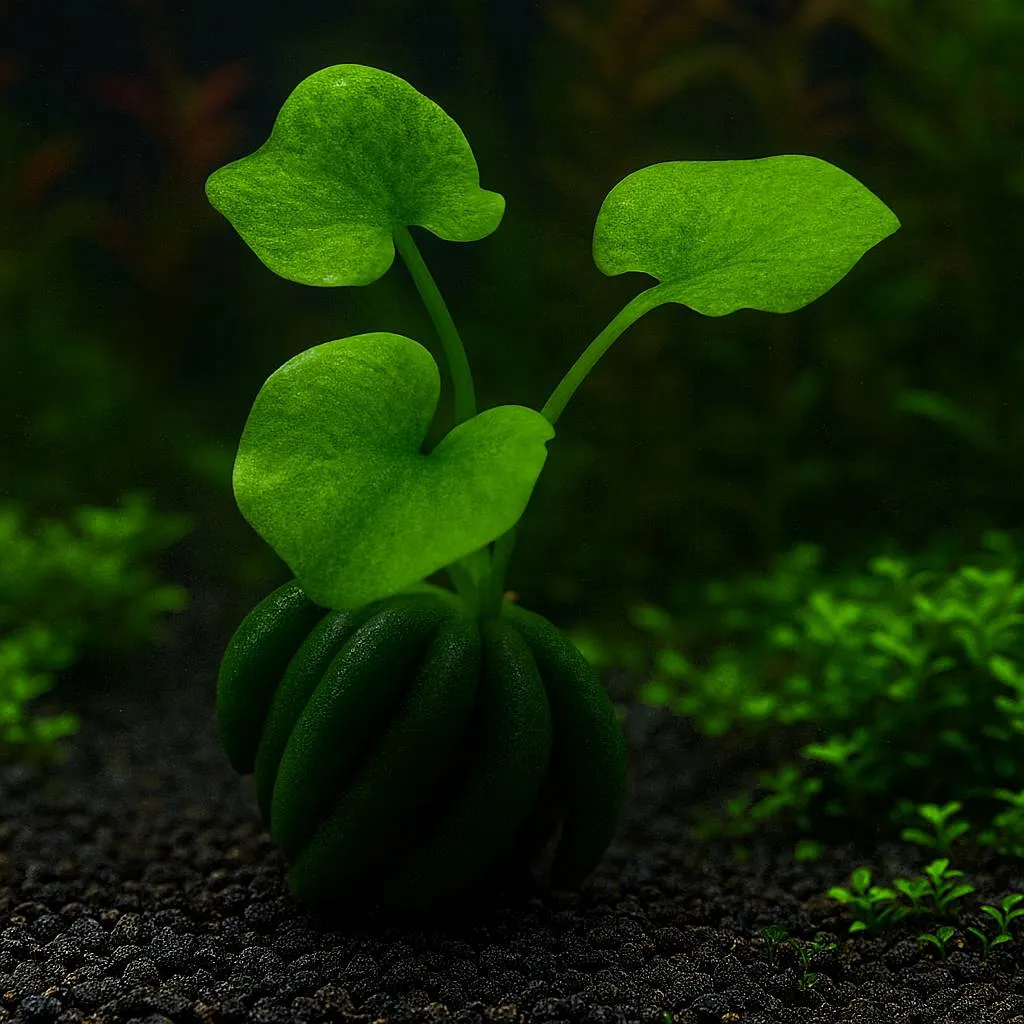
Banana plant
Nymphoides aquatica
FreshwaterMedium light · Foreground5.9 in (15 cm)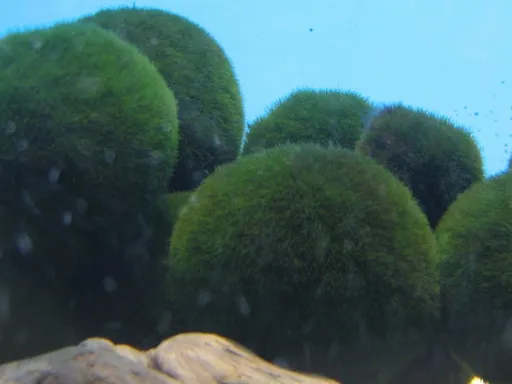
Marimo moss ball
Aegagropila linnaei
FreshwaterBrackishLow light · Foreground3.9 in (10 cm)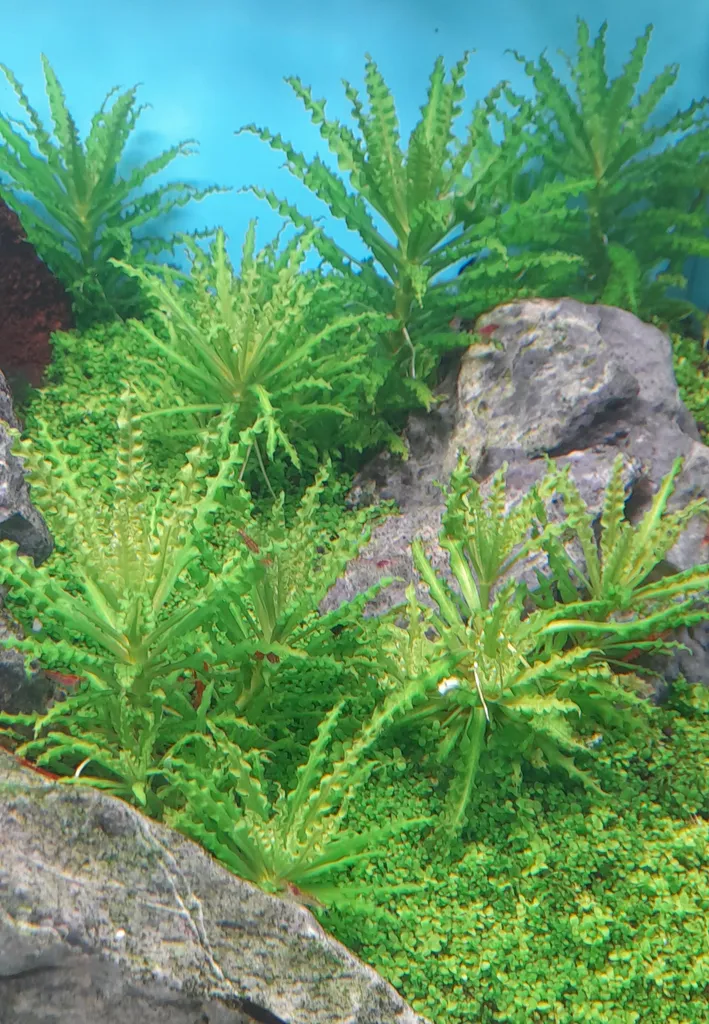
Pogostemon helferi
FreshwaterHigh light · Foreground3.1 in (8 cm)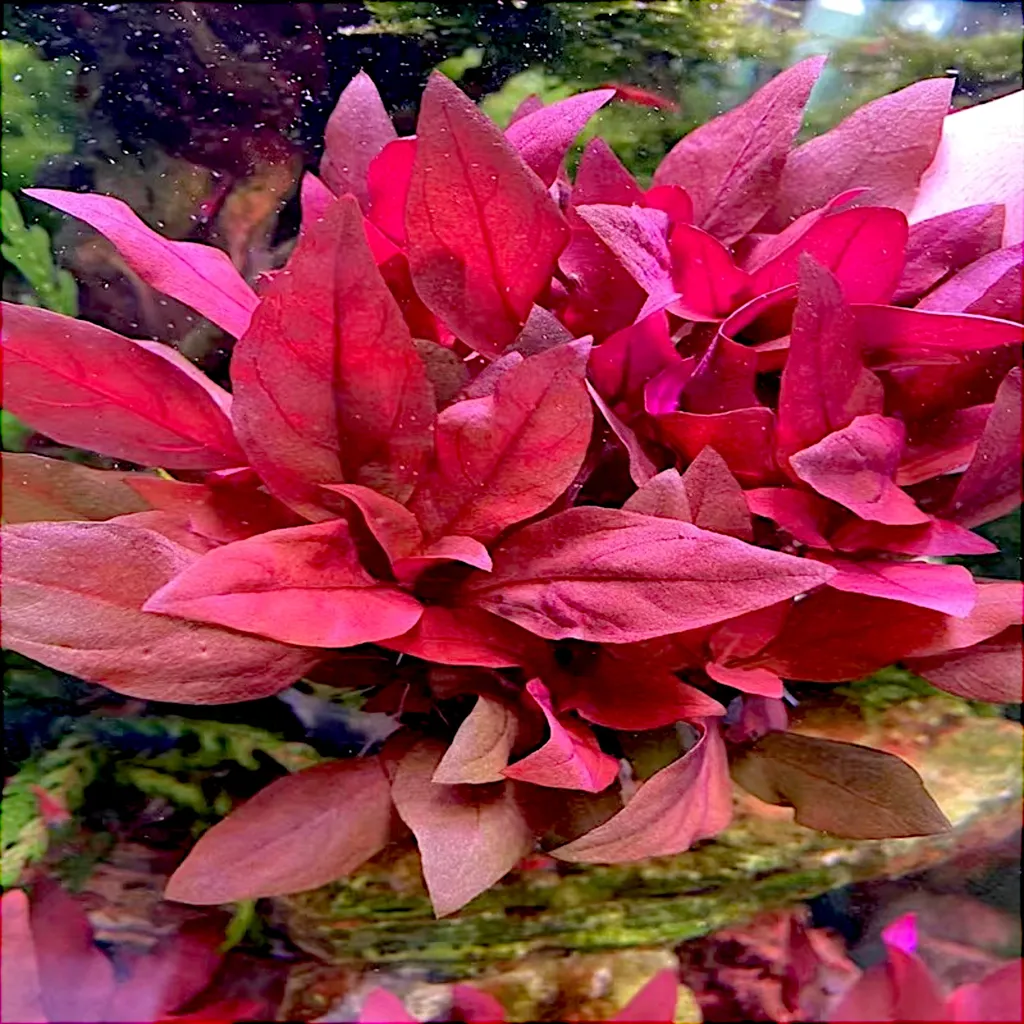
Alternanthera reineckii mini
Alternanthera reineckii 'Mini'
FreshwaterMedium light · Foreground3.9 in (10 cm)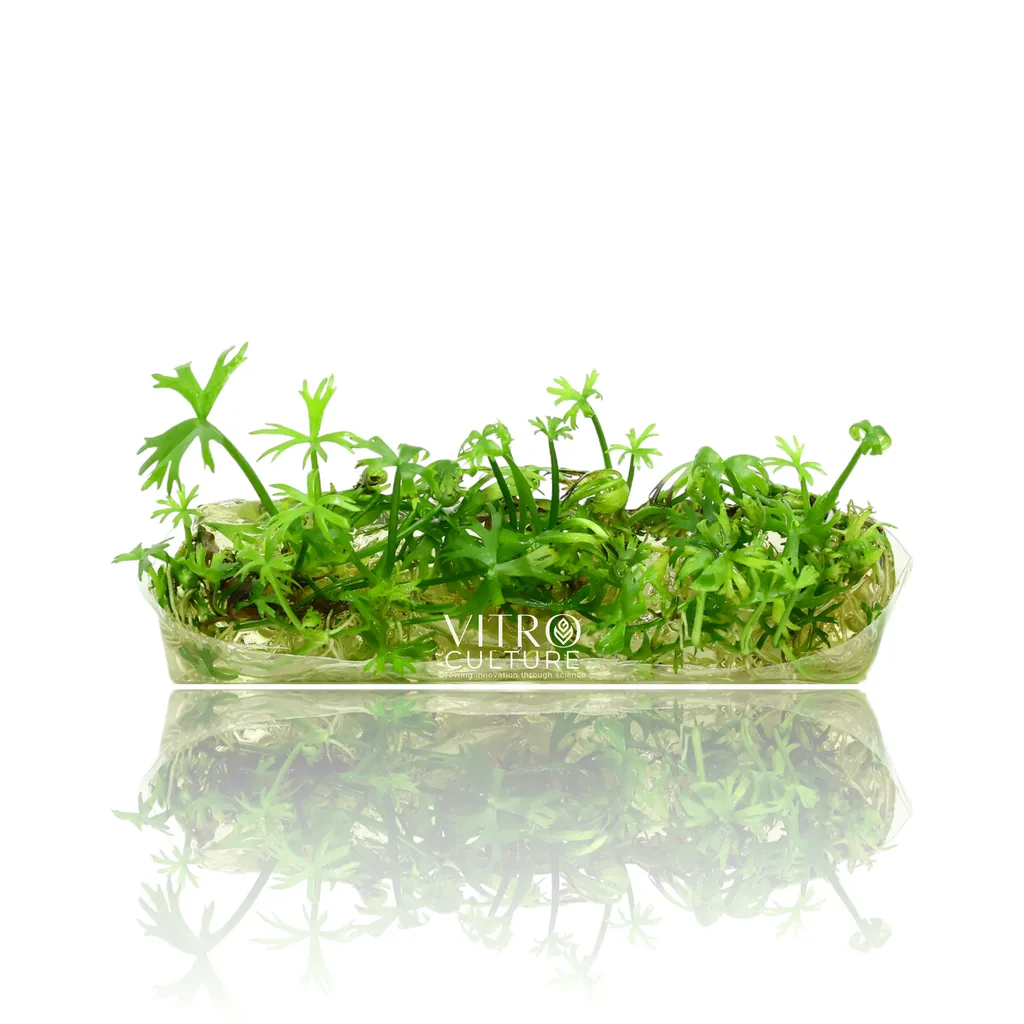
Ranunculus
Ranunculus inundatus
FreshwaterHigh light · Foreground5.9 in (15 cm)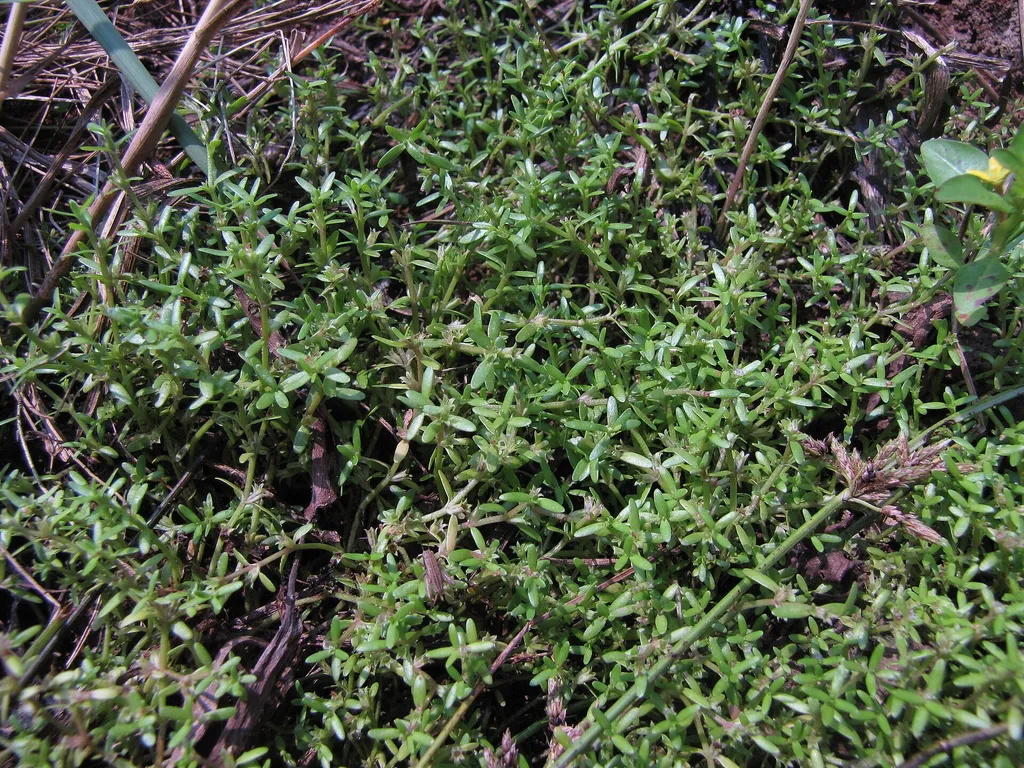
Microcarpaea minima
FreshwaterHigh light · Foreground3.9 in (10 cm)
Experts
The demanding foreground
The dwarf baby tears is the carpet that lists high light and CO2 as required, 2 inches (5 cm) tall and marked difficult. The glosso is the same at 1.6 inches (4 cm) and grows upward the moment the light drops. The UG is a carnivorous bladderwort carpet at 1.6 inches (4 cm) for soft water. The Eriocaulon cinereum is a 3.1 inch (8 cm) rosette that feeds through its roots in a deep aquasoil. The Littorella uniflora is a slow, no-trim lawn at 2 inches (5 cm). The Hydrocotyle mini is marked medium, a fast carpet of tiny leaves that lists CO2 as required.
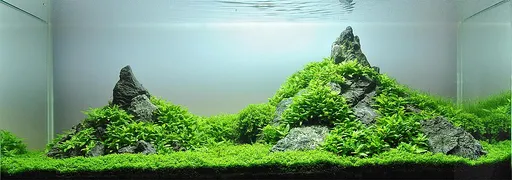
Dwarf baby tears
Hemianthus callitrichoides 'Cuba'
FreshwaterHigh light · Foreground2 in (5 cm)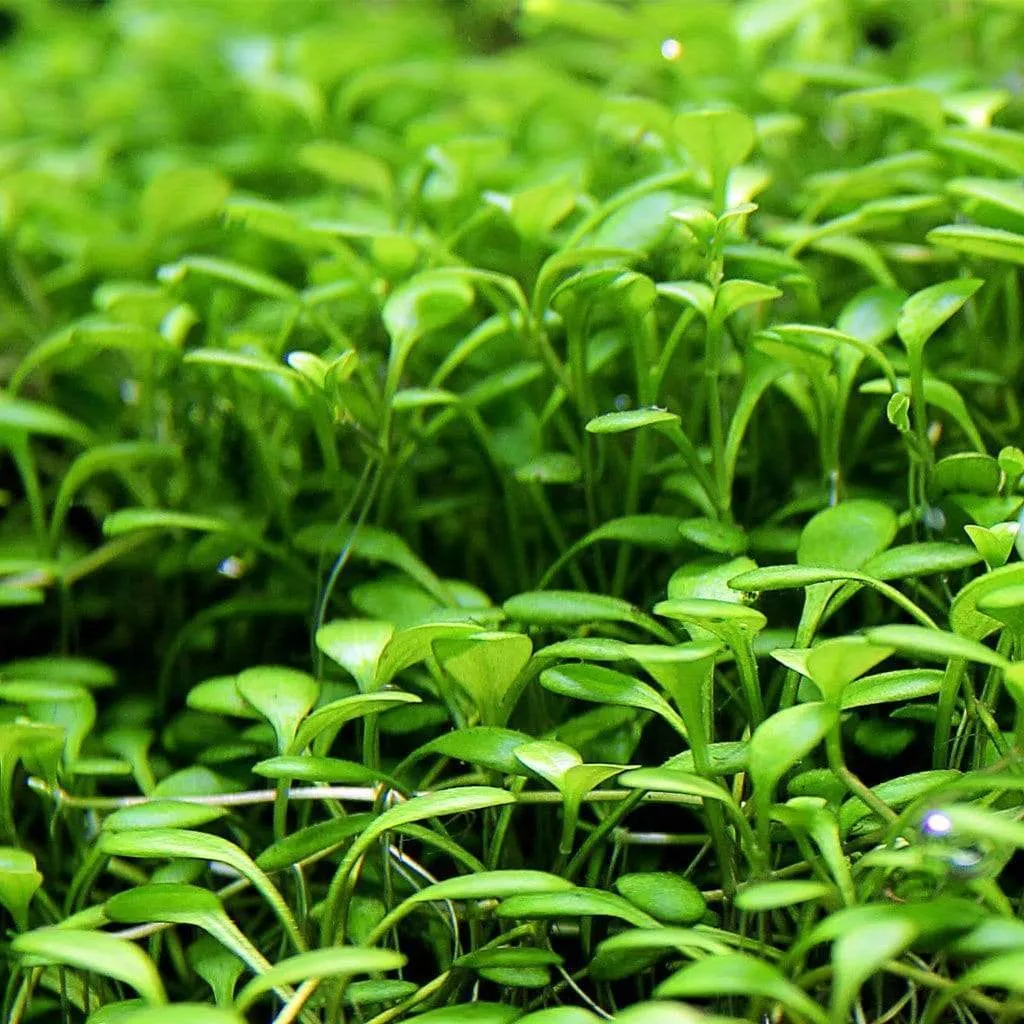
Glosso
Glossostigma elatinoides
FreshwaterHigh light · Foreground1.6 in (4 cm)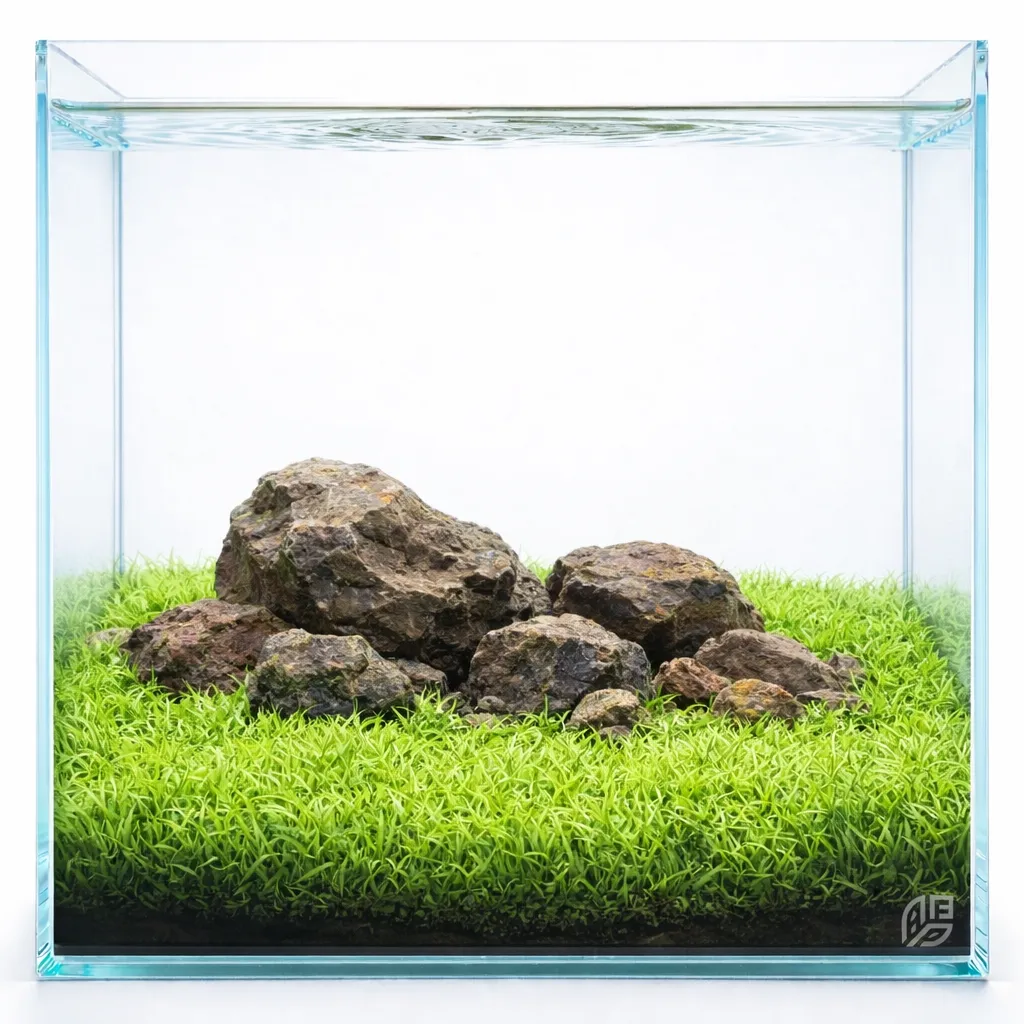
UG
Utricularia graminifolia
FreshwaterHigh light · Foreground1.6 in (4 cm)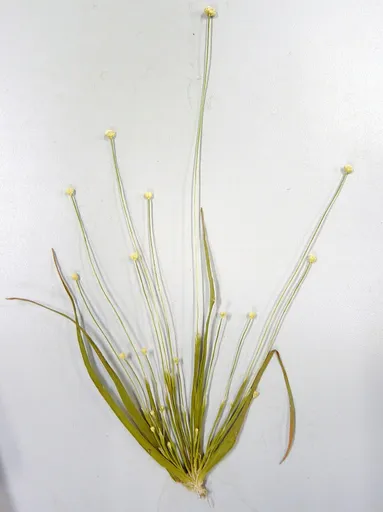
Eriocaulon cinereum
FreshwaterHigh light · Foreground3.1 in (8 cm)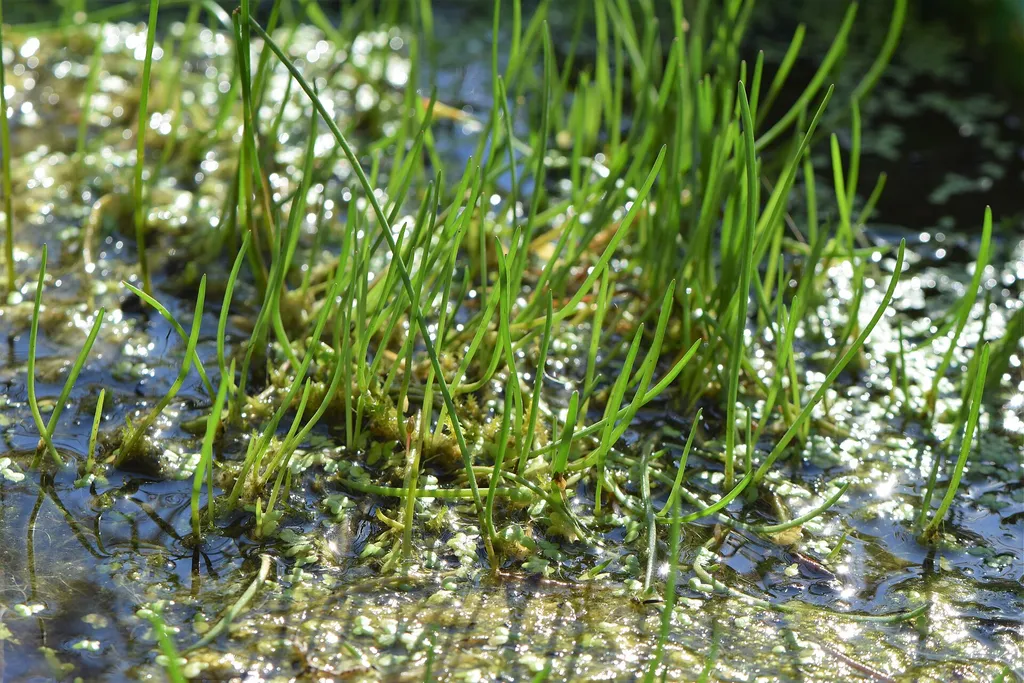
Littorella uniflora
FreshwaterHigh light · Foreground2 in (5 cm)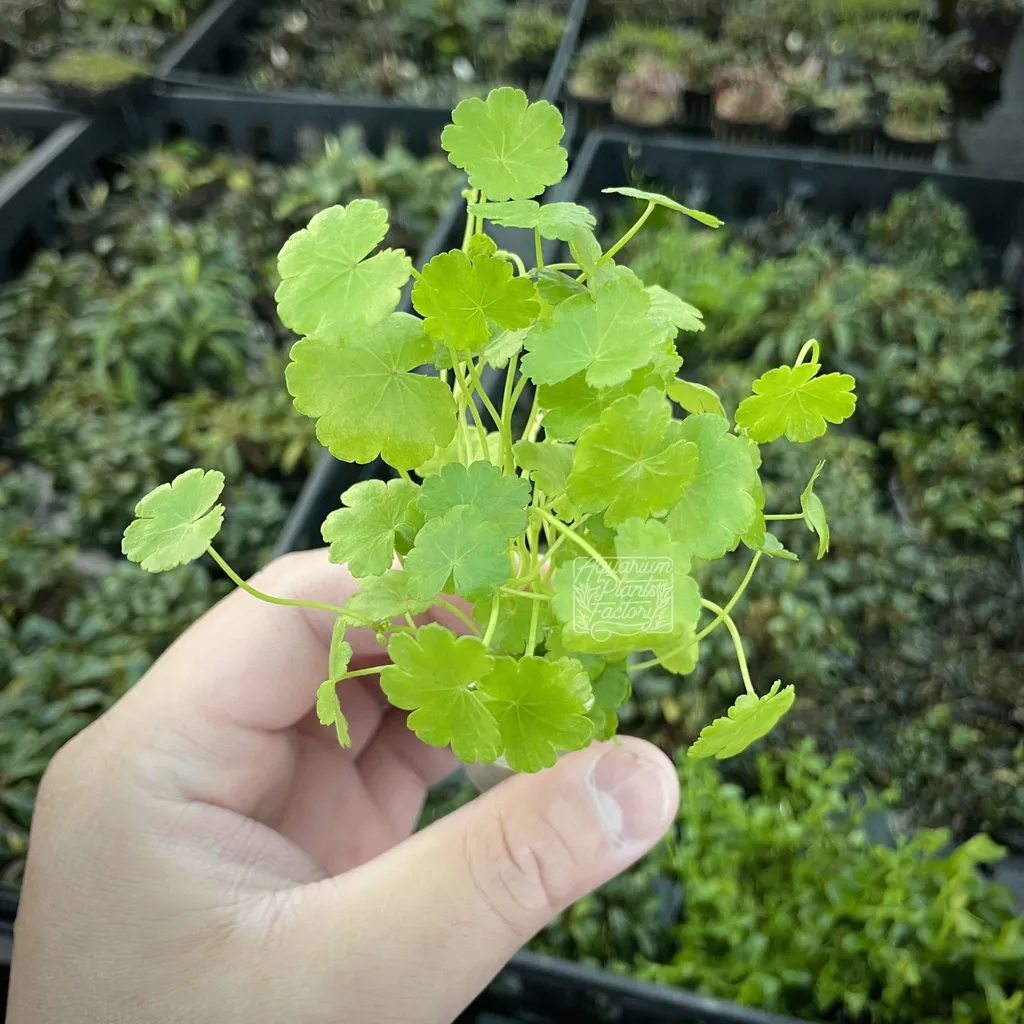
Hydrocotyle mini
Hydrocotyle sibthorpioides
FreshwaterHigh light · Foreground2 in (5 cm)
By the numbers
Smallest
Tallest
Easiest to grow
FAQ
Common questions
What is the easiest foreground plant?
The dwarf sagittaria, marked beginner for low light, and the Monte Carlo and Staurogyne repens, marked easy for medium light. The dwarf water clover is the one for low light without CO2.
Do foreground plants need CO2?
Most list it as beneficial and spread faster with it. The dwarf baby tears, glosso, UG, waterwort, Hydrocotyle mini and the Eriocaulon rosettes list it as required.
How do I plant a carpet?
Split the pot into plugs the size of a fingertip and plant them a finger apart, pushed into the substrate with tweezers. Runners fill the gaps within weeks under enough light.
Why does my carpet float up?
It was never trimmed. A carpet grows on top of itself, the lower layer dies in shadow, and the mat lifts. Trim it short every few weeks and vacuum the clippings.
Which foreground plants take low light?
The dwarf sagittaria, the cryptocoryne willisii, the dwarf water clover and the marimo moss ball. The carpets list medium light at least.
Do I need aquasoil for a carpet?
For the rooted carpets and the Eriocaulon rosettes, yes, or a root tab under sand. The Hydrocotyle Japan and the Monte Carlo take their food from the water and root in anything.
Index
All foreground plants
Alternanthera reineckii mini
Alternanthera reineckii 'Mini'
FreshwaterMedium light · Foreground3.9 in (10 cm)Banana plant
Nymphoides aquatica
FreshwaterMedium light · Foreground5.9 in (15 cm)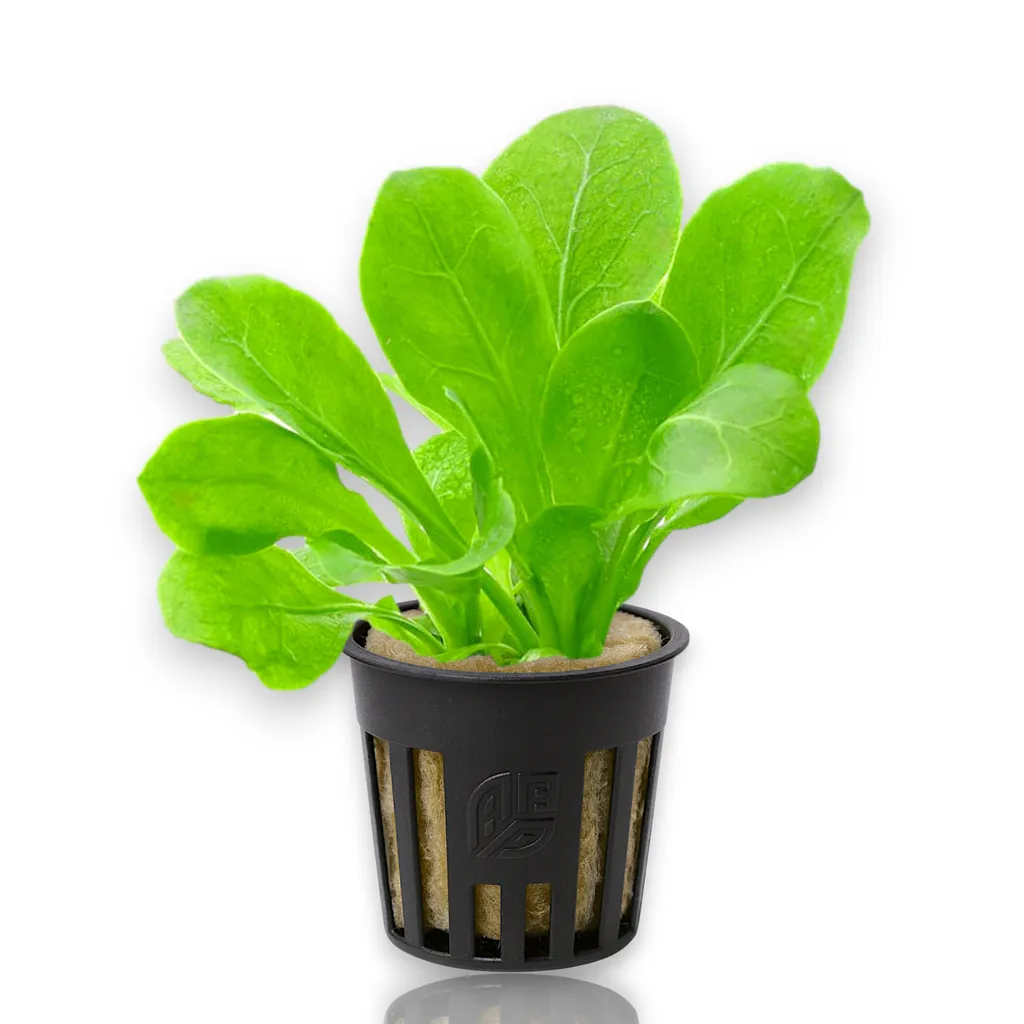
Brookweed
Samolus valerandi
FreshwaterBrackishHigh light · Foreground5.9 in (15 cm)Centrolepis Blood Vomit
Centrolepis drummondiana 'Blood Vomit'
FreshwaterHigh light · Foreground1.6 in (4 cm)Common nardoo
Marsilea drummondii
FreshwaterMedium light · Foreground4.7 in (12 cm)Cryptocoryne albida Red
Cryptocoryne albida 'Red'
FreshwaterMedium light · Foreground5.1 in (13 cm)Cryptocoryne parva
FreshwaterMedium light · Foreground3.9 in (10 cm)Cryptocoryne willisii
Cryptocoryne × willisii
FreshwaterLow light · Foreground5.9 in (15 cm)Dwarf baby tears
Hemianthus callitrichoides 'Cuba'
FreshwaterHigh light · Foreground2 in (5 cm)Dwarf hairgrass
Eleocharis parvula
FreshwaterMedium light · Foreground3.9 in (10 cm)Dwarf hairgrass Mini
Eleocharis parvula 'Mini'
FreshwaterMedium light · Foreground2.4 in (6 cm)Dwarf sagittaria
Sagittaria subulata
FreshwaterBrackishLow light · Foreground11.8 in (30 cm)Dwarf water clover
Marsilea crenata
FreshwaterLow light · Foreground3.1 in (8 cm)Eleocharis Belem
Eleocharis sp. 'Belem'
FreshwaterMedium light · Foreground2.8 in (7 cm)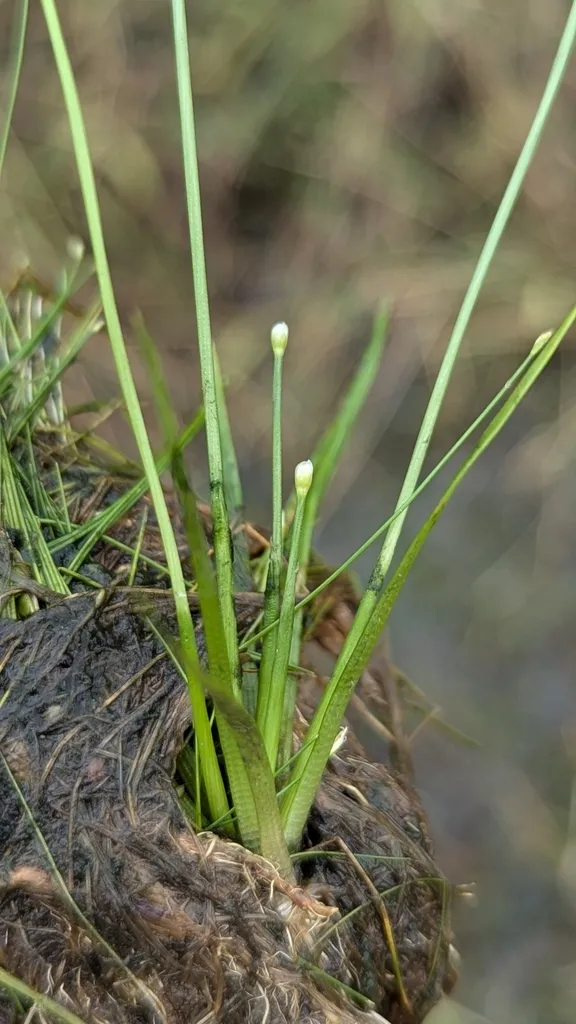
Eriocaulon buergerianum
FreshwaterHigh light · Foreground3.1 in (8 cm)Eriocaulon cinereum
FreshwaterHigh light · Foreground3.1 in (8 cm)Eriocaulon Sulawesi
Eriocaulon sp. 'Sulawesi'
FreshwaterHigh light · Foreground1.2 in (3 cm)Glosso
Glossostigma elatinoides
FreshwaterHigh light · Foreground1.6 in (4 cm)Hydrocotyle Japan
Hydrocotyle tripartita
FreshwaterMedium light · Foreground2 in (5 cm)Hydrocotyle mini
Hydrocotyle sibthorpioides
FreshwaterHigh light · Foreground2 in (5 cm)Hydrocotyle Variegated
Hydrocotyle tripartita 'Variegated'
FreshwaterHigh light · Foreground2 in (5 cm)Hygrophila Chai
Hygrophila lancea 'Chai'
FreshwaterHigh light · Foreground3.9 in (10 cm)Hygrophila serpyllum
FreshwaterMedium light · Foreground5.9 in (15 cm)Littorella uniflora
FreshwaterHigh light · Foreground2 in (5 cm)Lobelia cardinalis Mini
Lobelia cardinalis 'Mini'
FreshwaterMedium light · Foreground5.9 in (15 cm)Marimo moss ball
Aegagropila linnaei
FreshwaterBrackishLow light · Foreground3.9 in (10 cm)Marsilea hirsuta
FreshwaterMedium light · Foreground3.9 in (10 cm)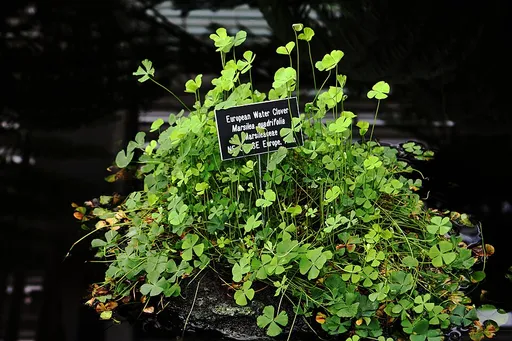
Marsilea quadrifolia
FreshwaterMedium light · Foreground4.7 in (12 cm)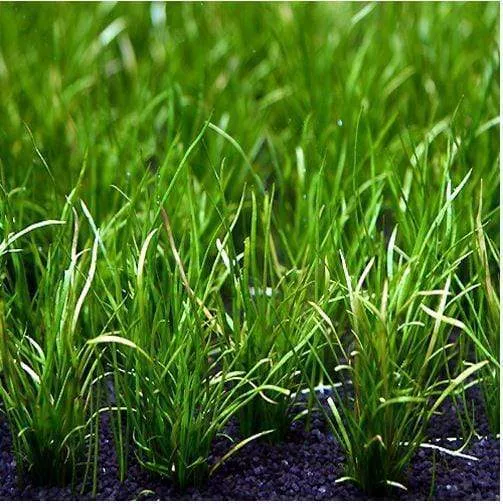
Mauritius micro sword
Lilaeopsis mauritiana
FreshwaterMedium light · Foreground2.8 in (7 cm)Micro sword
Lilaeopsis brasiliensis
FreshwaterBrackishMedium light · Foreground2.4 in (6 cm)Microcarpaea minima
FreshwaterHigh light · Foreground3.9 in (10 cm)Monte Carlo
Micranthemum tweediei
FreshwaterMedium light · Foreground2 in (5 cm)Monte Carlo White
Micranthemum tweediei 'White'
FreshwaterMedium light · Foreground2 in (5 cm)Narrow leaf water clover
Marsilea angustifolia
FreshwaterMedium light · Foreground3.1 in (8 cm)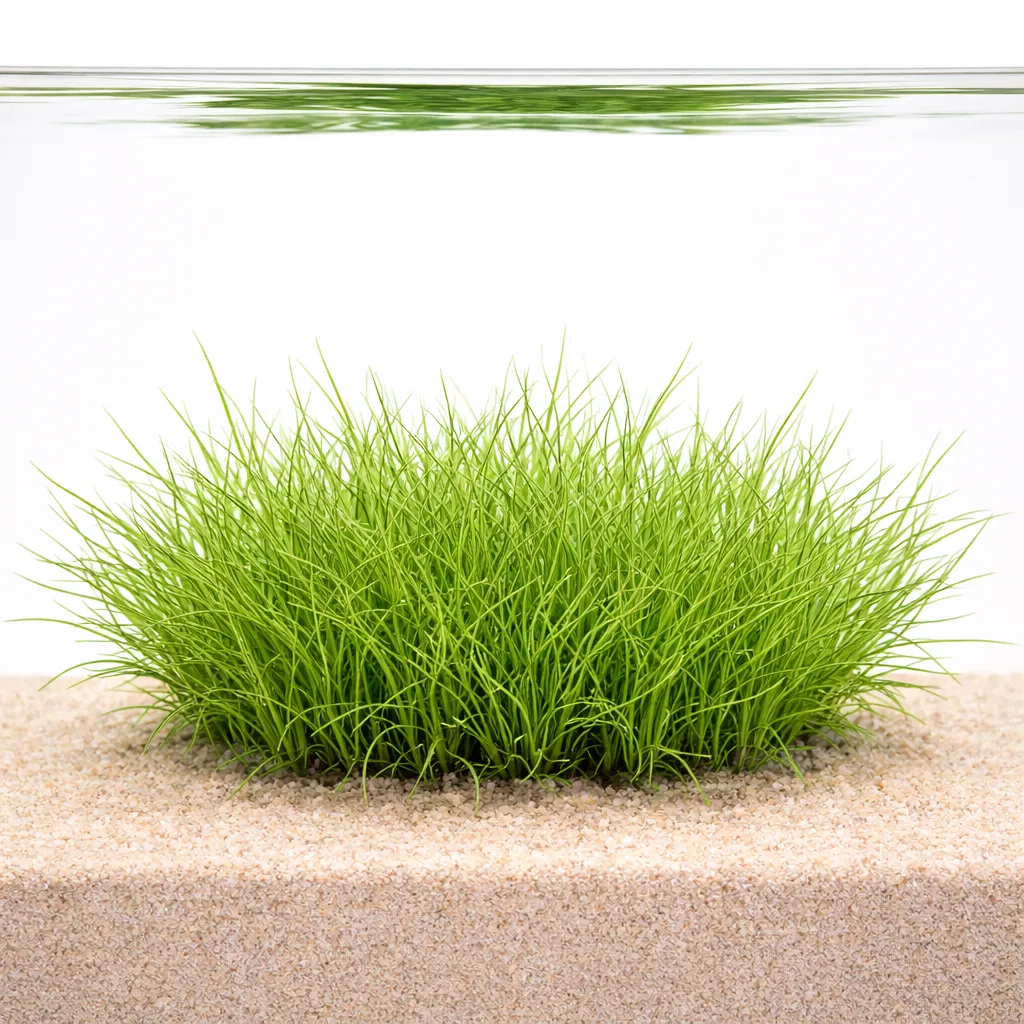
Needle hairgrass
Eleocharis acicularis
FreshwaterMedium light · Foreground7.9 in (20 cm)Platinum glosso
Glossostigma elatinoides 'Platinum'
FreshwaterHigh light · Foreground1.6 in (4 cm)Pogostemon helferi
FreshwaterHigh light · Foreground3.1 in (8 cm)Pygmy chain sword
Helanthium tenellum
FreshwaterMedium light · Foreground3.9 in (10 cm)Ranalisma rostratum
FreshwaterMedium light · Foreground3.1 in (8 cm)Ranunculus
Ranunculus inundatus
FreshwaterHigh light · Foreground5.9 in (15 cm)Schismatoglottis prietoi
FreshwaterLow light · Foreground3.1 in (8 cm)Staurogyne Porto Velho
Staurogyne sp. 'Porto Velho'
FreshwaterHigh light · Foreground3.1 in (8 cm)Staurogyne repens
FreshwaterMedium light · Foreground3.9 in (10 cm)UG
Utricularia graminifolia
FreshwaterHigh light · Foreground1.6 in (4 cm)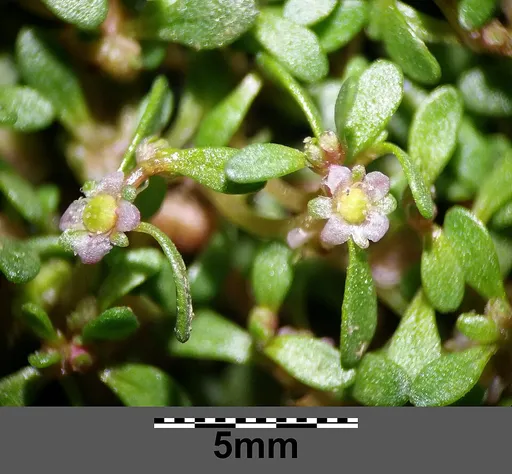
Waterwort
Elatine hydropiper
FreshwaterHigh light · Foreground2 in (5 cm)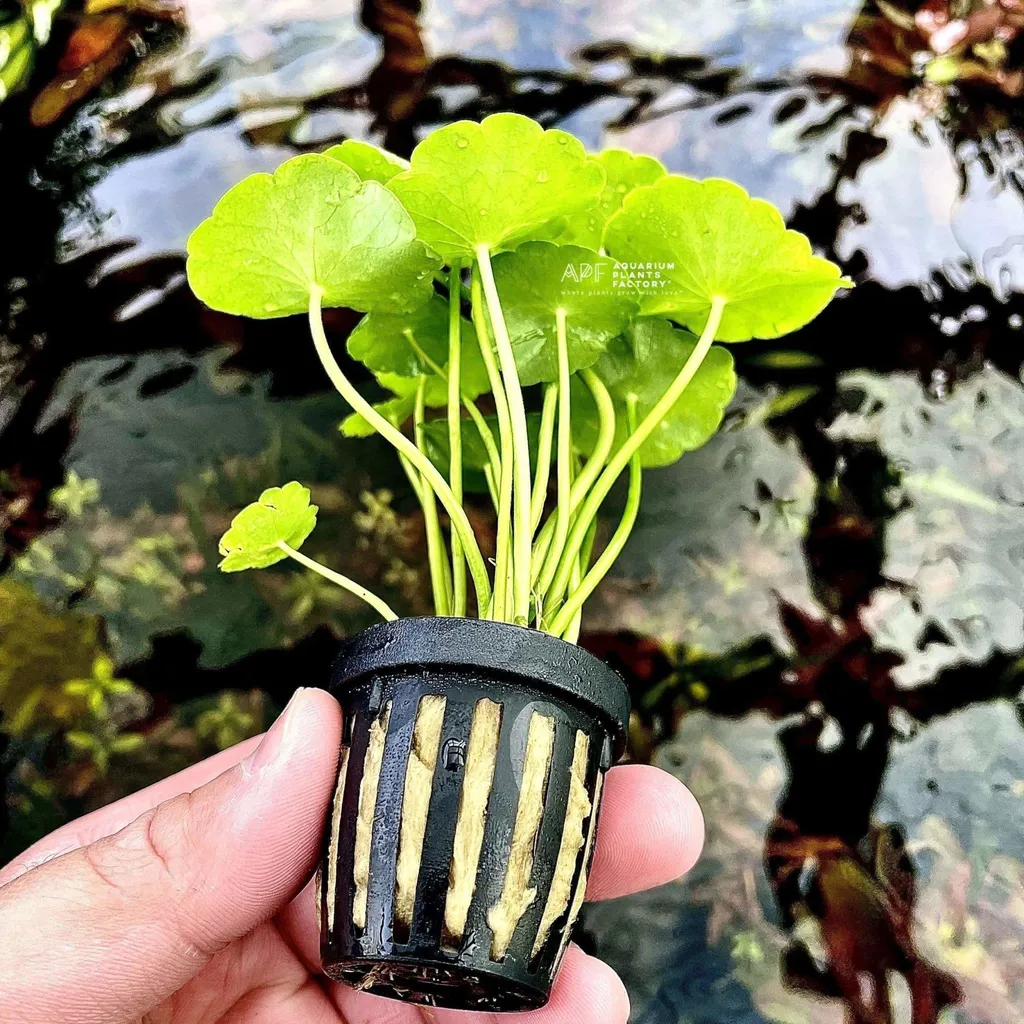
Whorled pennywort
Hydrocotyle verticillata
FreshwaterHigh light · Foreground3.9 in (10 cm)
Planning a tank?
TankBud checks stocking and water fit as you build a tank, then tracks water tests, reminders and photos once it is running.
Track your tanksMaintain tanks for clients? See TankBud Pro