Littorella uniflora
Also known as Shoreweed, Plantago uniflora
FreshwaterRosetteRunners
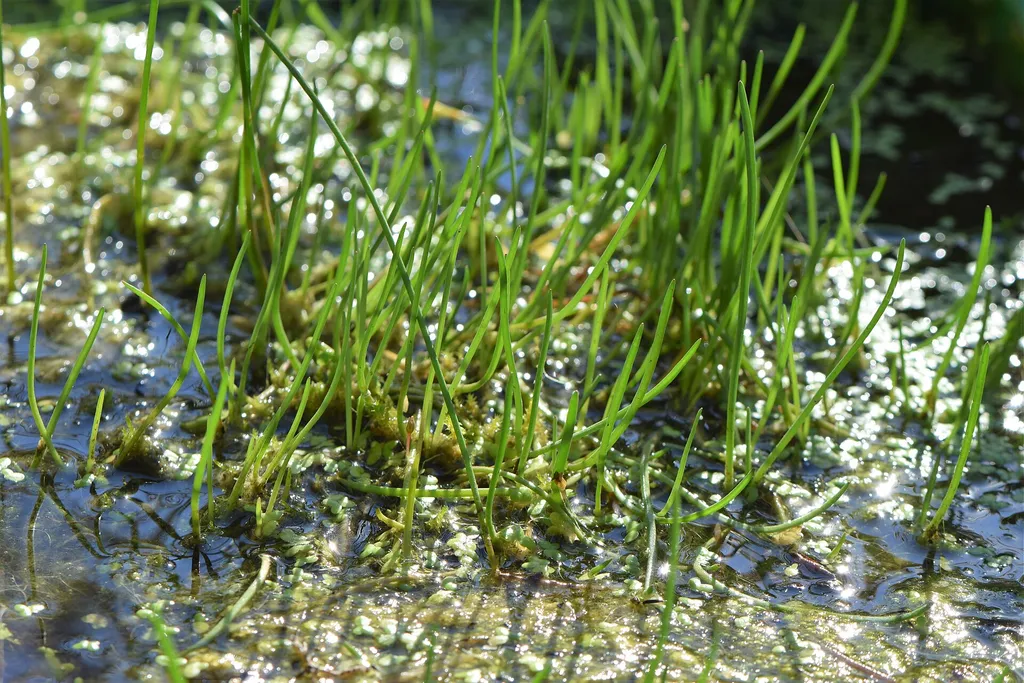
Care at a glance
- Light
- High light
- CO2
- CO₂ beneficial
- Temperature
- 64–79°F
- 18–26°C
- Max height
- 2 in
- 5 cm
- Growth rate
- Slow
- Placement
- Foreground
- Type
- Rosette
- pH
- 5.0–8.0
- Hardness
- 0–30 dGH
- Spread
- 2 in (5 cm)
- Nutrient uptake
- Root feeder
- Growth region
- Submersed or emersed
- Difficulty
- Difficult
- Family
- Plantaginaceae
- Origin
- Europe
Overview
Littorella uniflora is one of the harder foreground plants. It makes a slow, no-trim lawn for a clean, bright tank.
Did you know
Littorella uniflora can photosynthesize using CO2 pulled up through its roots from the lake sediment, like its relatives among the isoetids. In the wild it marks clean, nutrient-poor lakes and declines quickly when they are enriched.
Caring for Littorella uniflora
Plant Littorella uniflora in a sandy or fine granular substrate, burying the roots and leaving the crown just above it. It spreads by short runners into a grass-like turf of single rosettes.
It needs strong light. CO2 is not required, but it speeds the runners. Feed it at the roots with root tabs or a nutrient-rich soil. Growth is slow even when everything is right, so keep algae pressure low and be patient.
The leaves are brittle, so handle it gently during maintenance. It also does well in cool, unheated tanks and garden ponds, and it does best when the tank does not run warm.
Good to know
Littorella uniflora is a close relative of the plantains in the family Plantaginaceae. Linnaeus once named it Plantago uniflora, and the epithet means one-flowered. It is a classic isoetid, a low rosette of stiff, fleshy, quill-like leaves over a large root system.
In the wild
Littorella uniflora grows on the shores and in the shallow littoral zone of clear, nutrient-poor, calcium-poor lakes and ponds across Europe. It roots in sandy ground. It is amphibious, standing exposed on the shore when water levels drop and living fully submersed when they rise. It flowers only on land.
Common questions
Does Littorella uniflora need to be planted in the substrate?
Yes. Bury the roots and leave the crown, where the leaves join, just above the substrate.
Does Littorella uniflora need CO2?
No, but it helps. Littorella uniflora can grow without injected CO2, and added CO2 makes it grow faster.
How much light does Littorella uniflora need?
Littorella uniflora needs high light from a strong planted-tank LED.
Does Littorella uniflora need root tabs?
Yes. Littorella uniflora draws much of its food through its roots. Push root tabs in near it, or grow it in a nutrient-rich soil.
How do you propagate Littorella uniflora?
Littorella uniflora propagates by runners. New plants grow along its runners. Cut one free once it has roots and plant it.
How tall does Littorella uniflora grow?
Littorella uniflora grows to about 2 in (5 cm) tall. It grows slowly and rarely needs trimming.
Related plants
 Medium lightMidground5.9 in (15 cm)
Gratiola
Gratiola viscidula
Medium light · Midground
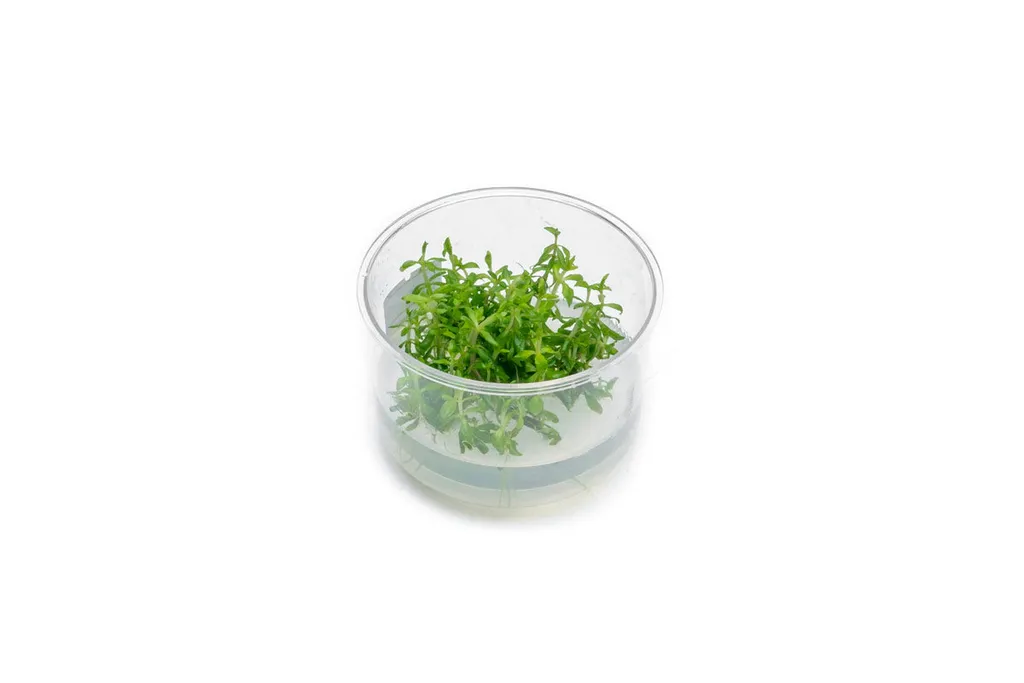 High lightMidground9.8 in (25 cm)
Limnophila Vietnam
Limnophila sp. 'Vietnam'
High light · Midground
 High lightBackground11.8 in (30 cm)
Bacopa lanigera
High light · Background
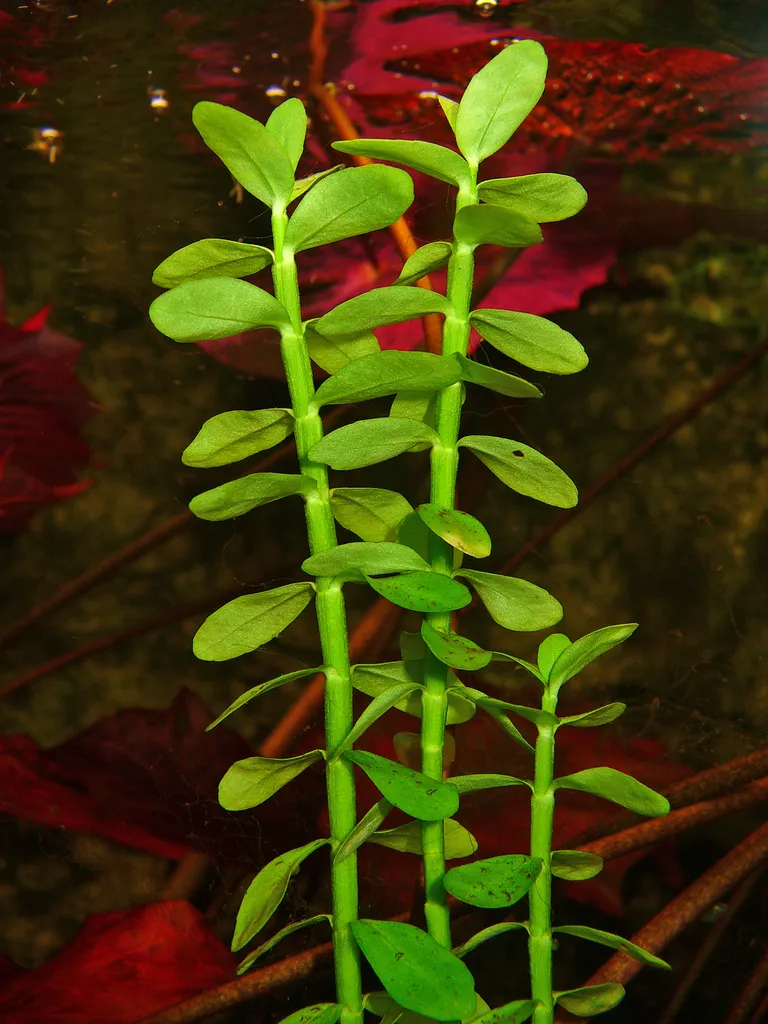 High lightMidground11.8 in (30 cm)
Bacopa madagascariensis
High light · Midground
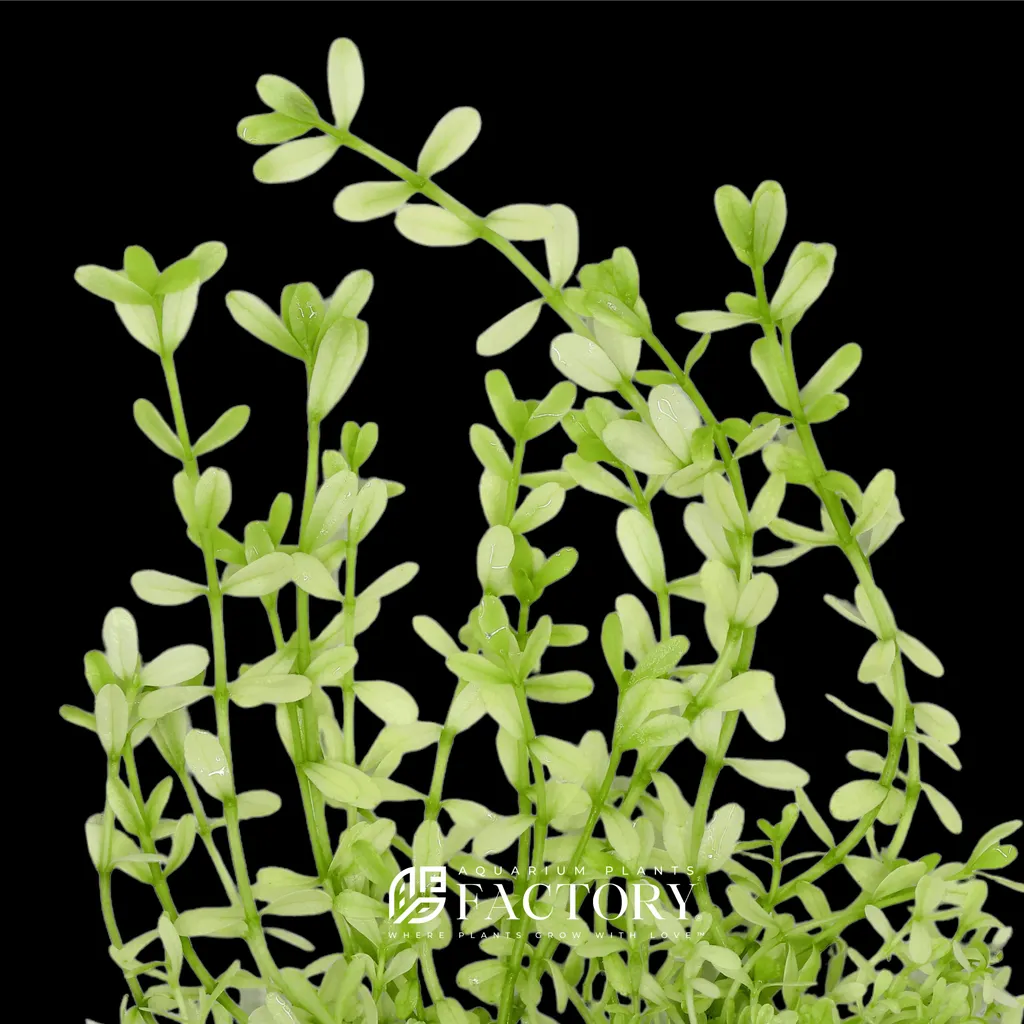 High lightBackground11.8 in (30 cm)
Bacopa Platinum
Bacopa monnieri 'Platinum'
High light · Background
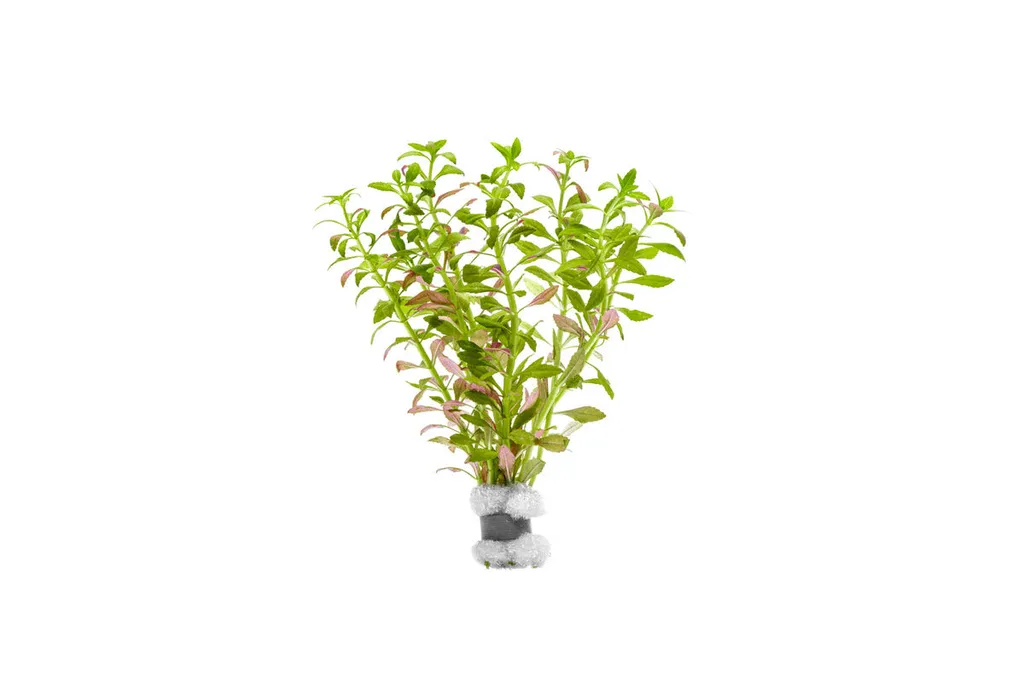 High lightMidground11.8 in (30 cm)
Limnophila aromatica Mini
Limnophila aromatica 'Mini'
High light · Midground