Freshwater sharks
Freshwater sharks are not related to true sharks; the name comes from the tall dorsal fin and torpedo shape of these cyprinids and catfish. Some, like the rainbow and red-tailed black shark, are territorial but tank-sized, while bala and iridescent sharks grow far too large for most tanks. The Colombian shark catfish is the odd one out: it is sold from freshwater tanks but is a brackish fish that needs more salt as it grows, so check the water type on its profile. Each profile lists adult size, tank size and temperament so you can tell them apart.
At a glance
- Tank size
- 30–2,113 gal
- 30 gal (115 L) to 2,113 gal (8,000 L); half the list needs 100 gal (380 L) or more
- Temperature
- 70–79°F
- 21–26°C, most of the list
- pH
- 6.5–7.5
- Most of the list
- Difficulty
- 1 easy
- 5 medium · 4 difficult
- Temperament
- 7 mostly peaceful
- 3 aggressive
10 species and 1 variety
The tank-sized sharks
The rainbow shark and red-tailed black shark reach about 5 to 6 inches (12 to 15 cm) and list 30 gallon (115 to 120 liter) tanks. They are marked mostly peaceful, which holds for tank mates of a different shape. Toward each other, and toward anything else with a shark outline, they are territorial, so keep one per tank unless the tank is very large. The flying fox is the same size and calmer.
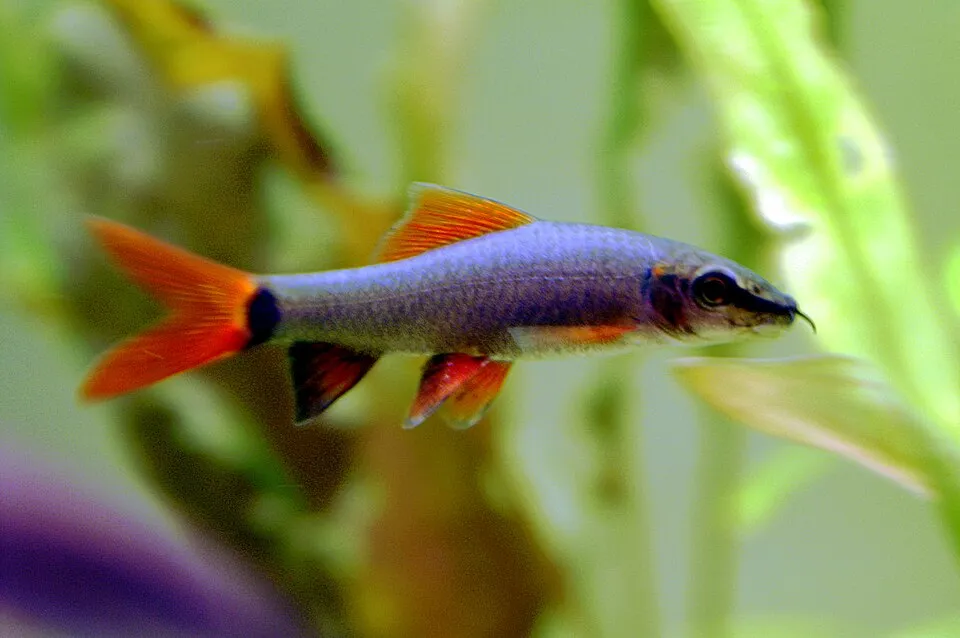
Rainbow shark
Epalzeorhynchos frenatum
Freshwater- Size
- 5.9 in (15 cm)
- Tank
- 32 gal (120 L)
- Water
- 68–79°F (20–26°C)
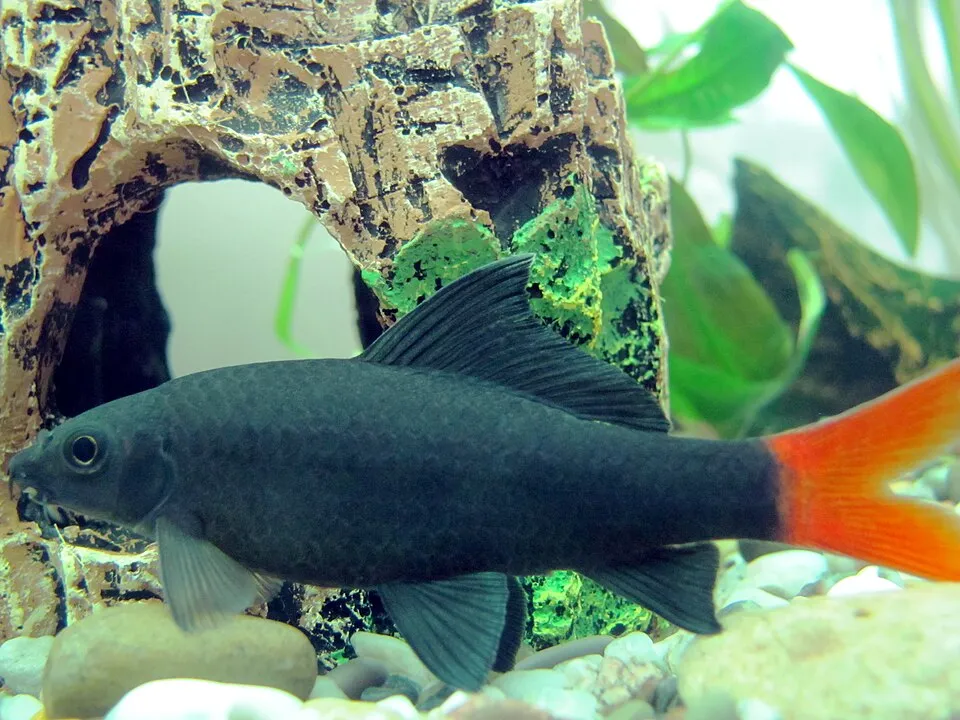
Red-tailed black shark
Epalzeorhynchos bicolor
Freshwater- Size
- 4.7 in (12 cm)
- Tank
- 30 gal (115 L)
- Water
- 68–79°F (20–26°C)
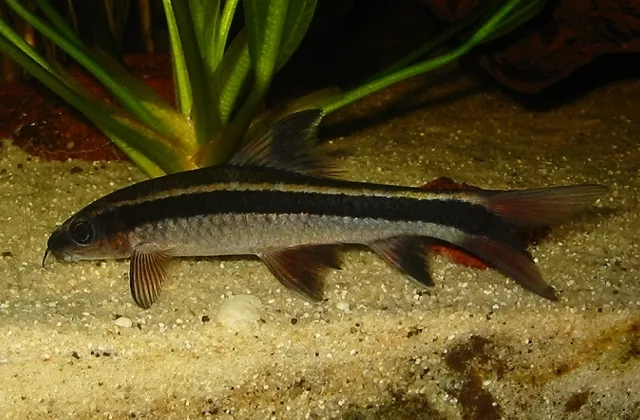
Flying fox
Epalzeorhynchos kalopterum
Freshwater- Size
- 6.3 in (16 cm)
- Tank
- 37 gal (140 L)
- Water
- 68–79°F (20–26°C)
Bala sharks need a school and a long tank
The silver shark, sold as the bala shark, is the one row here rated easy. It is also a 16 inch (40 cm) fish that lists a 95 gallon (360 liter) tank and wants a group of its own kind, because a lone bala is a nervous, jumpy fish. It is sold at 2 inches (5 cm). Buy it for the tank you will have in three years or not at all.
The catfish sold as sharks
The iridescent shark grows to 39 inches (100 cm) and lists 528 gallons (2,000 liters). The paroon shark reaches 10 feet (300 cm). The Colombian shark catfish is a brackish fish that moves toward marine as it grows and lists 225 gallons (850 liters). All three are sold as silver juveniles a few inches long, and none of them belongs in a home aquarium as an adult.
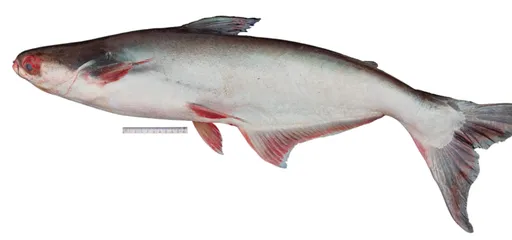
Iridescent shark
Pangasianodon hypophthalmus
Freshwater39.4 in (100 cm) · 528 gal (2,000 L)72–79°F (22–26°C)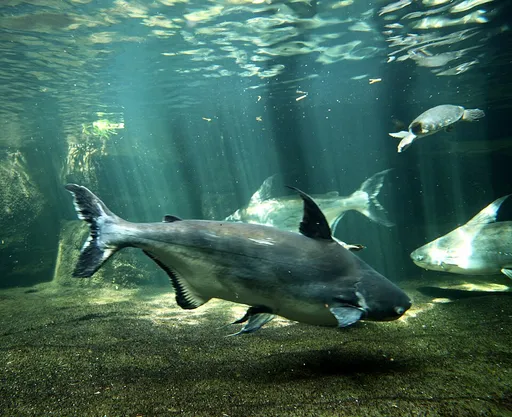
Paroon shark
Pangasius sanitwongsei
Freshwater118.1 in (300 cm) · 2,113 gal (8,000 L)72–79°F (22–26°C)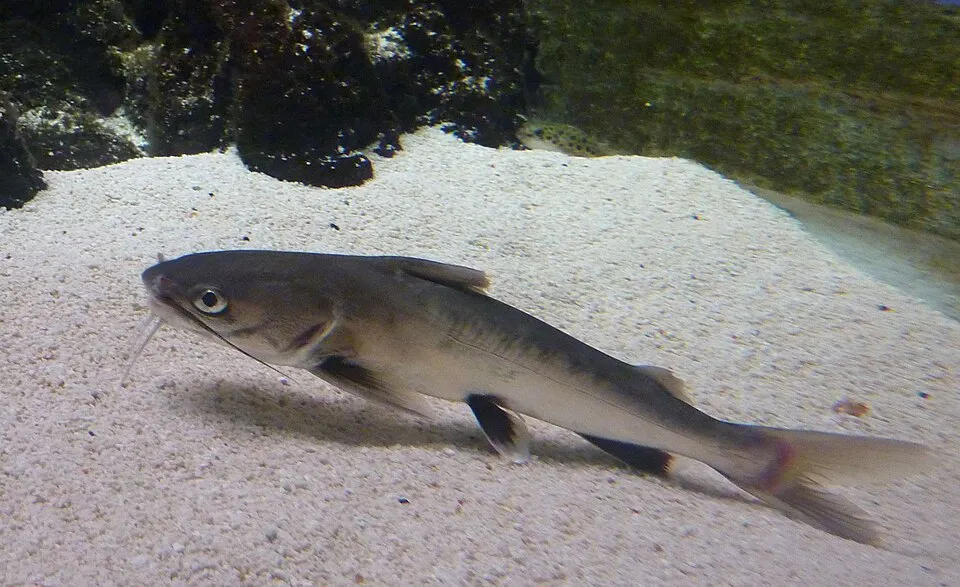
Colombian shark catfish
Ariopsis seemanni
BrackishSaltwater13.8 in (35 cm) · 225 gal (850 L)72–79°F (22–26°C)
The labeos
The black shark is a 24 inch (60 cm) cyprinid marked aggressive, with a 660 gallon (2,500 liter) minimum. The harlequin labeo stays at 6 inches (16 cm) but shares the temperament. The boga labeo is the gentle one, a 12 inch (30 cm) fish marked social that wants a 105 gallon (400 liter) tank and company.
By the numbers
Smallest
Largest
FAQ
Common questions
Are freshwater sharks real sharks?
No. They are carp relatives and catfish with a tall dorsal fin and a torpedo shape. None is related to a sea shark.
Can you keep two rainbow sharks together?
Not in a normal tank. They are territorial toward their own kind and toward red-tailed black sharks, so keep one, or a group of five or more in a tank long enough for each to hold a patch.
How big does a bala shark get?
16 inches (40 cm). The profile lists a 95 gallon (360 liter) minimum, and it wants a group.
How big do iridescent sharks get?
39 inches (100 cm), with a 528 gallon (2,000 liter) minimum. It is a pond fish sold at 3 inches.
Is the Colombian shark catfish a freshwater fish?
It is sold from freshwater tanks and lives in brackish water, moving toward full marine salinity as it grows. The profile lists 225 gallons (850 liters).
Are freshwater sharks aggressive?
The rainbow and red-tailed black sharks defend a territory against fish of their own shape and are fine with others. The black shark and harlequin labeo are marked aggressive. The bala shark is peaceful and skittish.
Index
Freshwater freshwater sharks
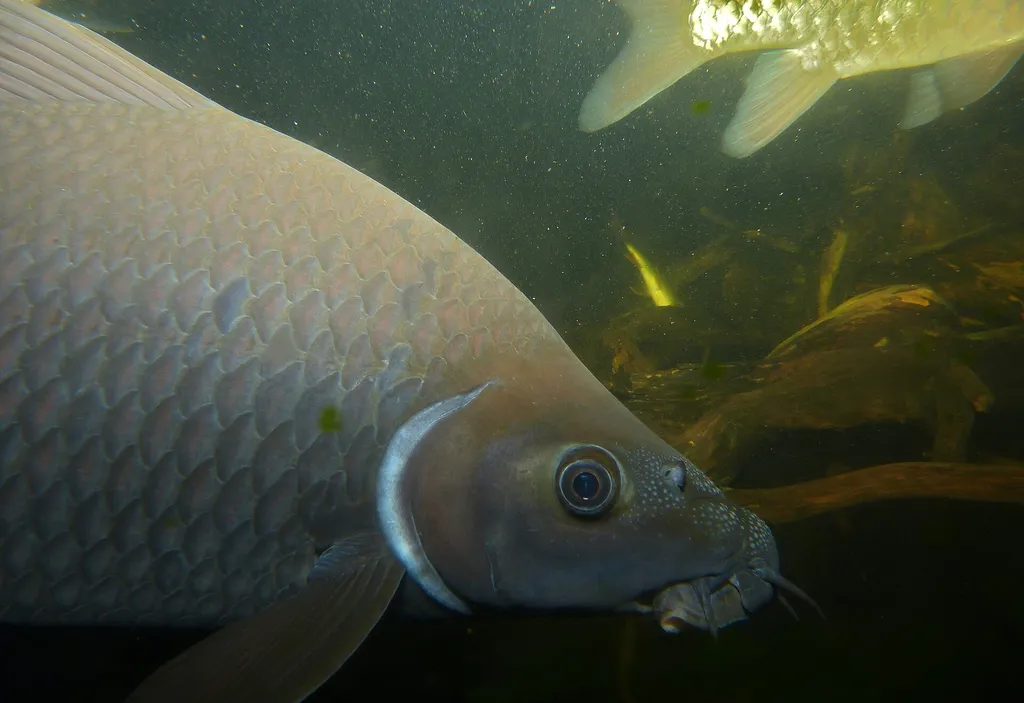
Black shark
Labeo chrysophekadion
Freshwater23.6 in (60 cm) · 660 gal (2,500 L)68–79°F (20–26°C)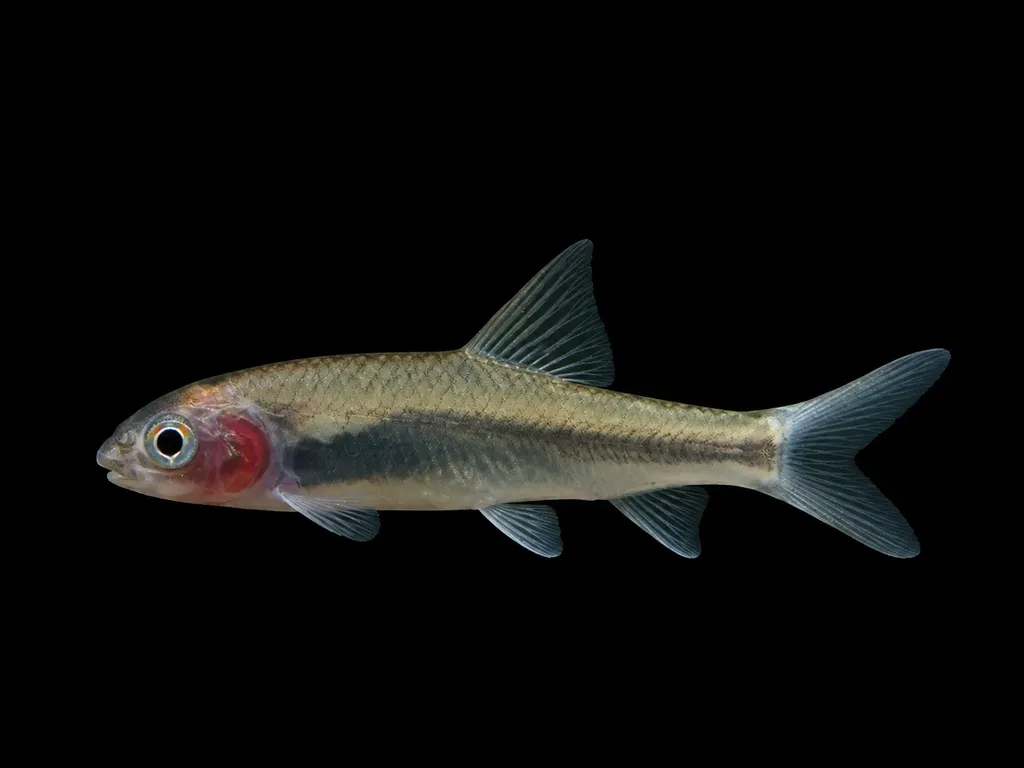
Boga labeo
Labeo boga
Freshwater11.8 in (30 cm) · 106 gal (400 L)68–81°F (20–27°C)Flying fox
Epalzeorhynchos kalopterum
Freshwater6.3 in (16 cm) · 37 gal (140 L)68–79°F (20–26°C)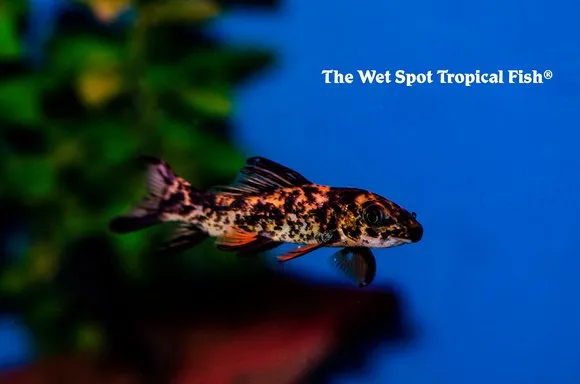
Harlequin sharkminnow
Labeo cyclorhynchus
Freshwater6.3 in (16 cm) · 66 gal (250 L)73–81°F (23–27°C)Iridescent shark
Pangasianodon hypophthalmus
Freshwater39.4 in (100 cm) · 528 gal (2,000 L)72–79°F (22–26°C)Paroon shark
Pangasius sanitwongsei
Freshwater118.1 in (300 cm) · 2,113 gal (8,000 L)72–79°F (22–26°C)Rainbow shark
Epalzeorhynchos frenatum
Freshwater5.9 in (15 cm) · 32 gal (120 L)68–79°F (20–26°C)1 varietyRed-tailed black shark
Epalzeorhynchos bicolor
Freshwater4.7 in (12 cm) · 30 gal (115 L)68–79°F (20–26°C)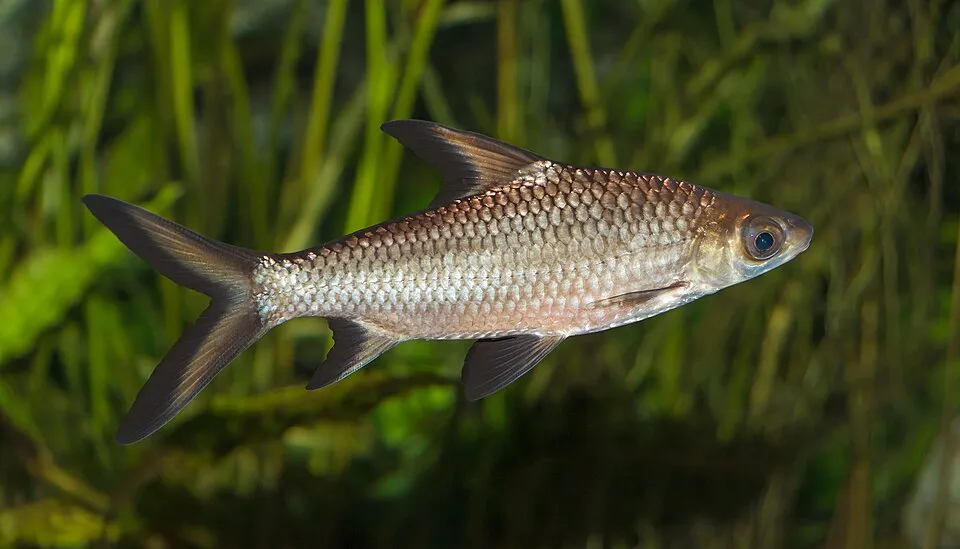
Silver shark
Balantiocheilos melanopterus
Freshwater15.7 in (40 cm) · 95 gal (360 L)72–82°F (22–28°C)
Saltwater freshwater sharks
Planning a tank?
TankBud checks stocking and water fit as you build a tank, then tracks water tests, reminders and photos once it is running.
Track your tanksMaintain tanks for clients? See TankBud Pro