Paroon shark
Pangasius sanitwongsei
Also known as Giant pangasius, Chao Phraya giant catfish, Paroon shark catfish, Dog-eating catfish
FreshwaterFish
Care at a glance
- Temperature
- 72–79°F
- 22–26°C
- pH
- 6.5–7.5
- Adult size
- 118.1 in
- 300 cm
- Minimum tank
- 2,113 gal
- 8,000 L
- Temperament
- Aggressive
- Social behavior
- Solitary
- Tankmates
- With caution
- Swim level
- Bottom
- Difficulty
- Difficult
- Breeding
- No record
- Rarity
- Rare
- Family
- Pangasiidae
- Origin
- Native to the Chao Phraya and Mekong river basins of Southeast Asia.
Overview
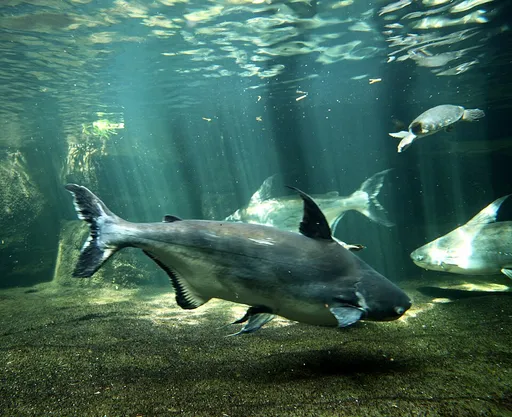
Like its cousin the iridescent shark but far bigger, this fish is sold as a striking little juvenile and grows into a three-meter monster that no home tank can hold, so plan on many thousands of liters, really a public aquarium job. It is an active, nervous, powerful swimmer that can hurt itself against the glass and will eat any tankmate it can swallow, so it is best kept alone. It is a decades-long commitment to an animal the size of a person. Feed meaty foods and large sinking items, and think very hard before buying the cute juvenile.
In the wild
The paroon shark is a giant river catfish of the Chao Phraya and Mekong, roaming deep open channels as a fast, active predator. It has a shark-like profile, tall pointed fins, and elongated first fin rays in juveniles. It needs the volume, current, and swimming room of a big river, kept warm and clean at 22 to 26 degrees C, so it is not a fish for any normal aquarium.
Good to know
Pangasius sanitwongsei reaches about 300 cm and up to 300 kg, and is now critically endangered in the wild, hit hard by dams and overfishing. It is a strong, migratory open-water predator. Small juveniles with dramatic trailing fin filaments are exported for the aquarium trade despite the adult size.
Did you know
Juveniles trail long thread-like extensions from their fins, which is where the giant pangasius gets some of its drama, but those same fish grow into one of the largest and most endangered catfish in Asia.
Common questions
What size tank does a Paroon shark need?
A Paroon shark needs at least 2,113 gal (8,000 L). It spends most of its time in the bottom.
What temperature and pH does a Paroon shark need?
A Paroon shark is comfortable at 72–79°F (22–26°C) with a pH of 6.5–7.5.
How big does a Paroon shark get?
An adult Paroon shark reaches about 118.1 in (300 cm).
Related species
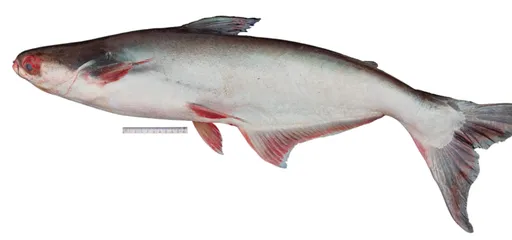 39.4 in (100 cm)528 gal (2,000 L)72–79°F (22–26°C)
Iridescent shark
Pangasianodon hypophthalmus
39.4 in (100 cm) · 528 gal (2,000 L)
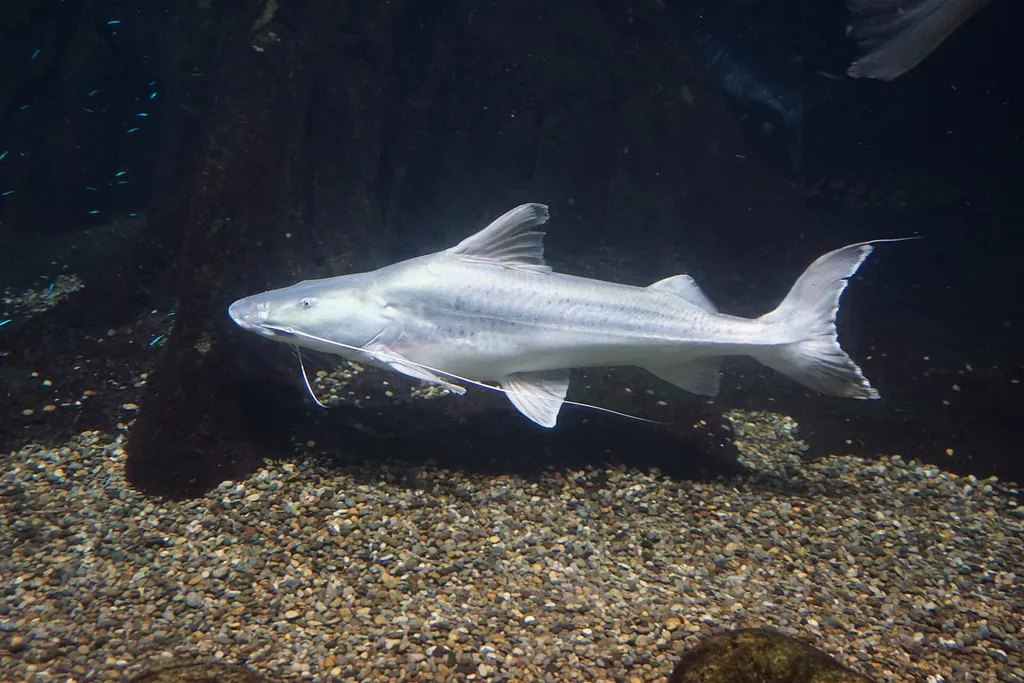 118.1 in (300 cm)2,642 gal (10,000 L)72–82°F (22–28°C)
Piraiba
Brachyplatystoma filamentosum
118.1 in (300 cm) · 2,642 gal (10,000 L)
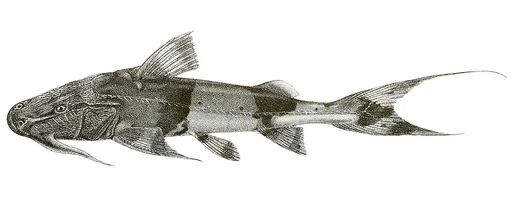 78.7 in (200 cm)1,057 gal (4,000 L)64–75°F (18–24°C)
Yarrell's goonch
Bagarius yarrelli
78.7 in (200 cm) · 1,057 gal (4,000 L)
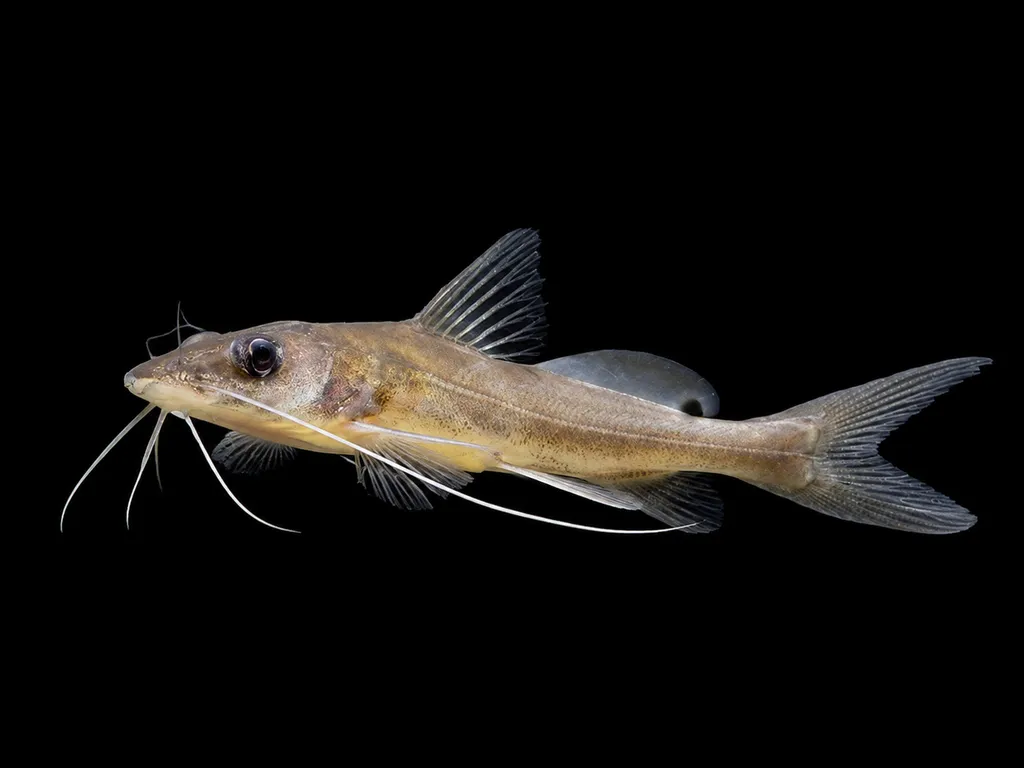 70.9 in (180 cm)1,057 gal (4,000 L)73–82°F (23–28°C)
Irrawaddy shovelnose bagrid
Sperata acicularis
70.9 in (180 cm) · 1,057 gal (4,000 L)
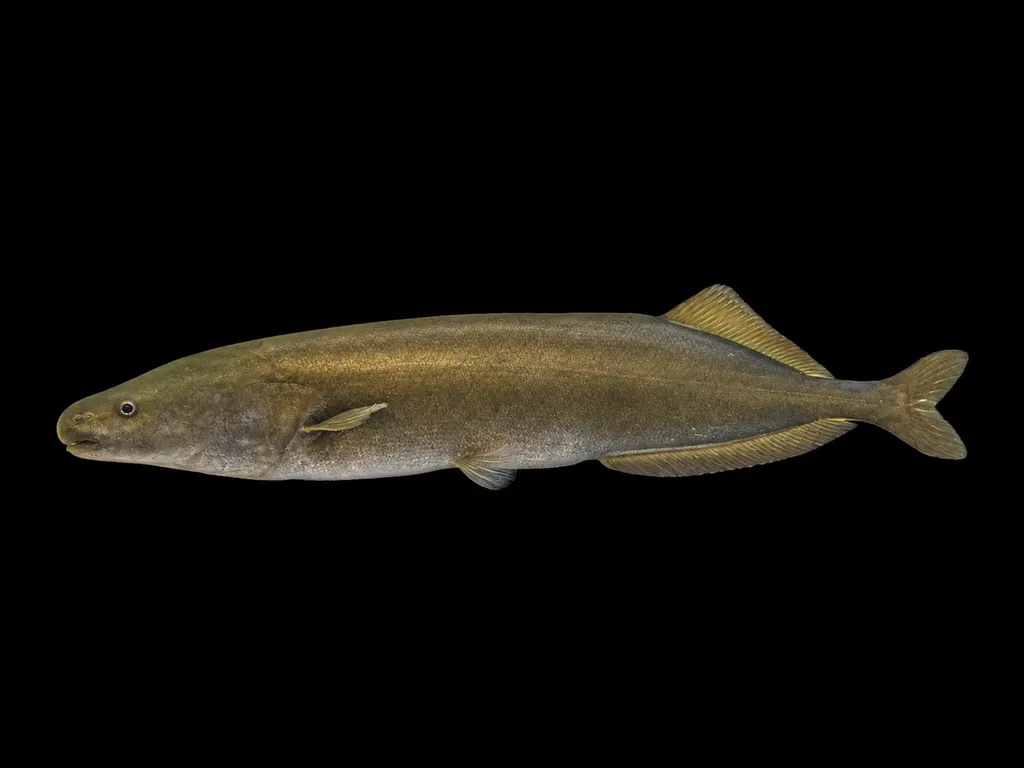 59.1 in (150 cm)1,057 gal (4,000 L)73–82°F (23–28°C)
Cornish jack
Mormyrops anguilloides
59.1 in (150 cm) · 1,057 gal (4,000 L)
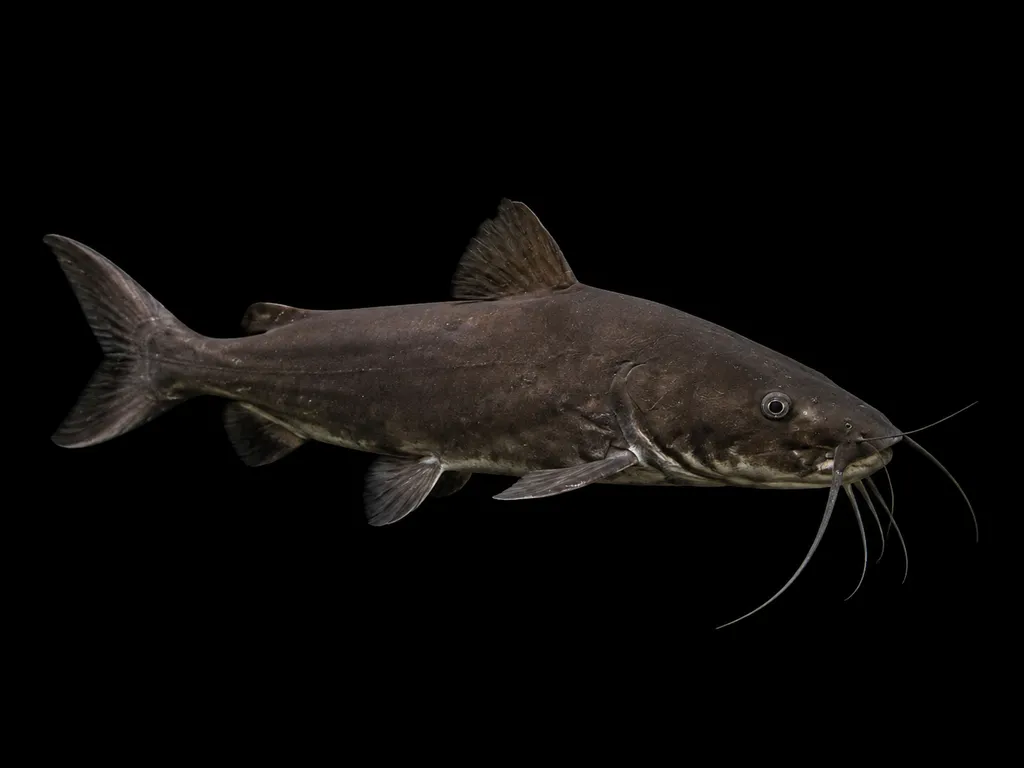 59.1 in (150 cm)1,057 gal (4,000 L)73–82°F (23–28°C)
Kampango
Bagrus meridionalis
59.1 in (150 cm) · 1,057 gal (4,000 L)