Piraiba
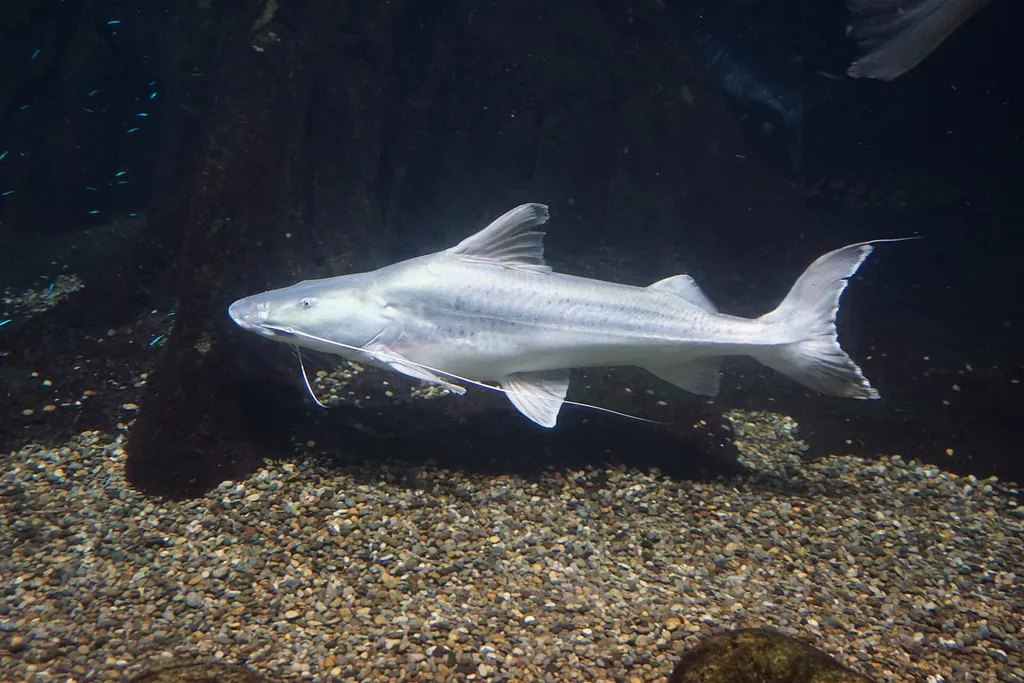
Brachyplatystoma filamentosum
Also known as Piraiba catfish, Kumakuma, Lau-lau, Goliath catfish
FreshwaterFish
Care at a glance
- Temperature
- 72–82°F
- 22–28°C
- pH
- 6.0–7.5
- Adult size
- 118.1 in
- 300 cm
- Minimum tank
- 2,642 gal
- 10,000 L
- Temperament
- Aggressive
- Social behavior
- Solitary
- Tankmates
- With caution
- Swim level
- Bottom
- Difficulty
- Difficult
- Breeding
- No record
- Rarity
- Very rare
- Family
- Pimelodidae
- Origin
- Native to the Amazon and Orinoco river basins of South America.
Overview
This is one of the ultimate tank busters, a fish that reaches the size of a person and keeps growing, so it is genuinely unsuitable for private keeping and belongs only in the largest public aquariums, needing volumes measured in many thousands of liters. It is a fast, aggressive open-water predator that will eat almost any companion, so it is housed alone. Juveniles are sometimes sold cheaply and cute, which is a serious trap given the adult size. Do not take one on without an aquarium the size of a swimming pool.
In the wild
The piraiba is one of the largest fish in the Amazon and Orinoco, patrolling the deep channels of big rivers and undertaking long migrations to spawn. It is a silvery, powerful open-water predator that hunts other fish across huge distances. Nothing about a home aquarium suits it: it needs the volume, current, and swimming room of a river, kept warm and clean at 22 to 28 degrees C.
Good to know
Brachyplatystoma filamentosum can reach around 300 cm and, by some accounts, up to 360 cm and over 200 kg, placing it among the biggest freshwater fish on Earth. It makes some of the longest known freshwater fish migrations, spawning far upriver and drifting downstream as young. It is a major commercial catch across the Amazon.
Did you know
This is one of the fish behind Amazon legends of catfish big enough to swallow a person, and at three meters and 200 kg the largest specimens really are longer than a tall man.
Common questions
What size tank does a Piraiba need?
A Piraiba needs at least 2,642 gal (10,000 L). It spends most of its time in the bottom.
What temperature and pH does a Piraiba need?
A Piraiba is comfortable at 72–82°F (22–28°C) with a pH of 6.0–7.5.
How big does a Piraiba get?
An adult Piraiba reaches about 118.1 in (300 cm).
Related species
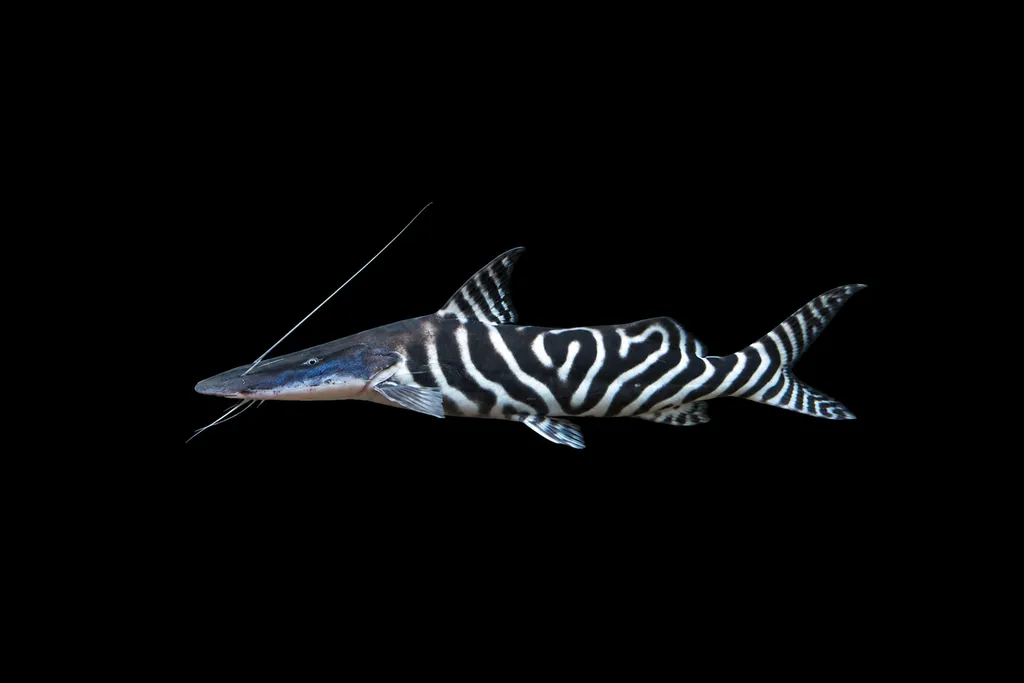 23.6 in (60 cm)151 gal (570 L)72–90°F (22–32°C)
Zebra shovelnose
Brachyplatystoma tigrinum
23.6 in (60 cm) · 151 gal (570 L)
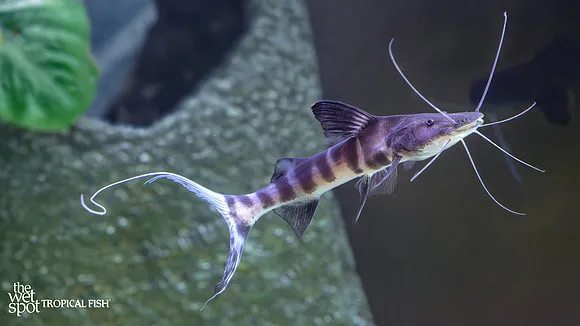 23.6 in (60 cm)396 gal (1,500 L)73–82°F (23–28°C)
Zebra shovelnose catfish
Brachyplatystoma juruense
23.6 in (60 cm) · 396 gal (1,500 L)
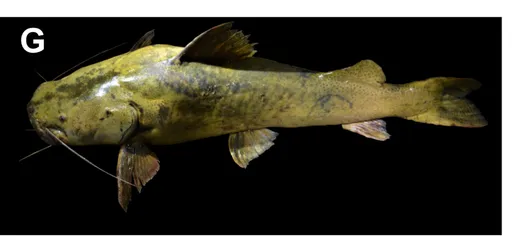 55.1 in (140 cm)793 gal (3,000 L)72–82°F (22–28°C)
Jau catfish
Zungaro zungaro
55.1 in (140 cm) · 793 gal (3,000 L)
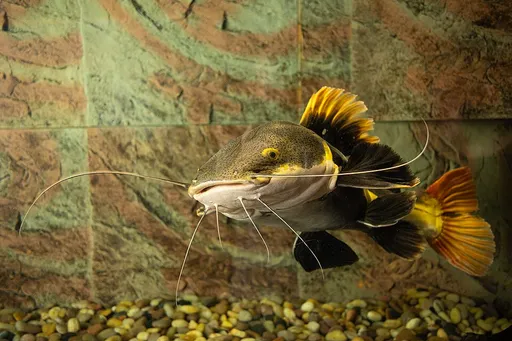 39.4 in (100 cm)1,506 gal (5,700 L)68–79°F (20–26°C)
Redtail catfish
Phractocephalus hemioliopterus
39.4 in (100 cm) · 1,506 gal (5,700 L)
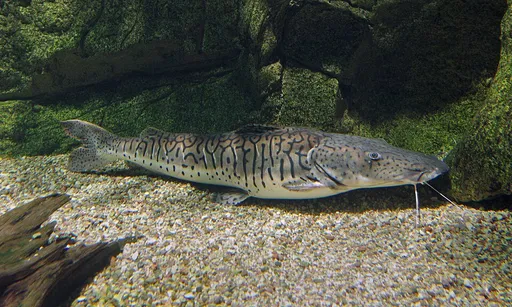 35.4 in (90 cm)300 gal (1,135 L)75–82°F (24–28°C)
Tiger shovelnose catfish
Pseudoplatystoma fasciatum
35.4 in (90 cm) · 300 gal (1,135 L)
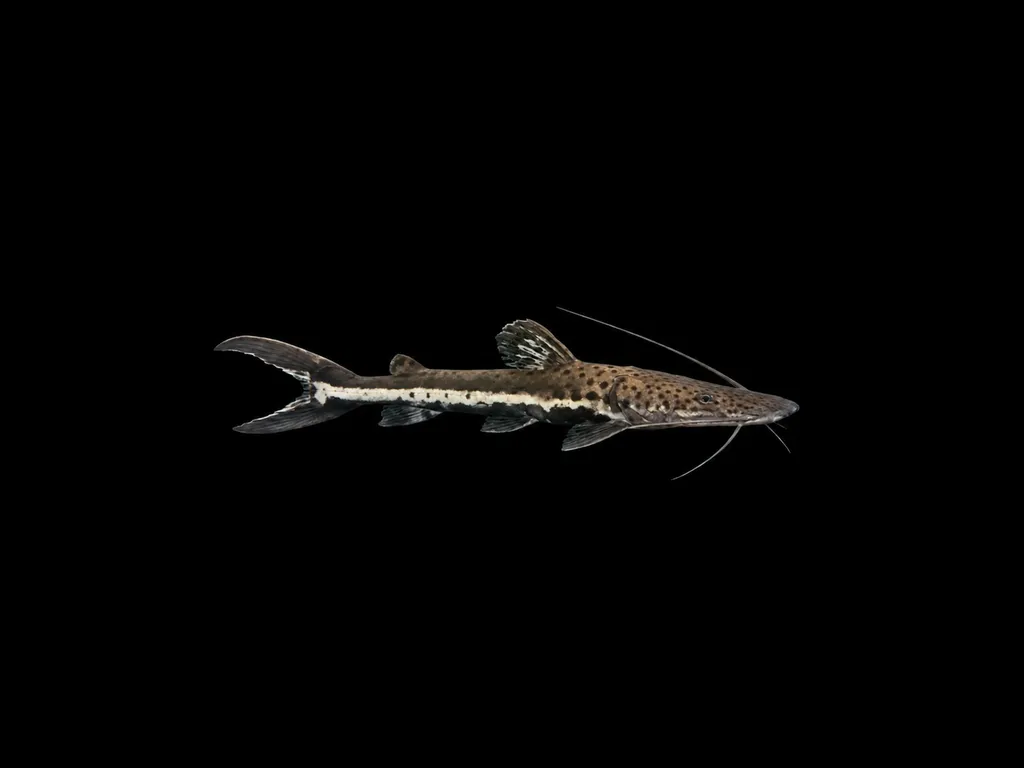 59.1 in (150 cm)793 gal (3,000 L)72–82°F (22–28°C)
Firewood catfish
Sorubimichthys planiceps
59.1 in (150 cm) · 793 gal (3,000 L)