Zebra shovelnose catfish
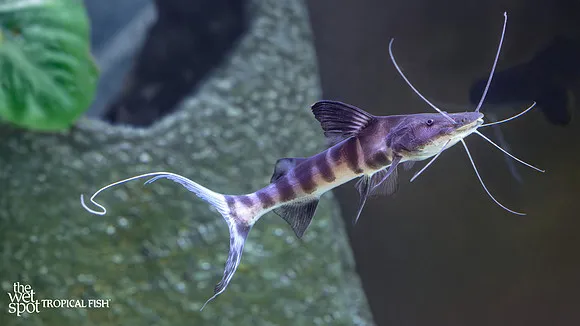
Brachyplatystoma juruense
Also known as Juruense catfish, Zebra cat
FreshwaterFish
Care at a glance
- Temperature
- 73–82°F
- 23–28°C
- pH
- 6.0–7.5
- Adult size
- 23.6 in
- 60 cm
- Minimum tank
- 396 gal
- 1,500 L
- Temperament
- Aggressive
- Social behavior
- Solitary
- Tankmates
- With caution
- Swim level
- Bottom
- Diet
- Carnivore
- Difficulty
- Difficult
- Breeding
- No record
- Rarity
- Rare
- Family
- Pimelodidae
- Origin
- Deep river channels of the Amazon basin
Overview
The zebra shovelnose catfish is a large, strong-swimming predator and a serious commitment. It is really a job for public aquariums or a handful of dedicated keepers.
Did you know
The zebra shovelnose catfish's close relatives make the longest known freshwater fish migrations on earth. They swim thousands of kilometers from Amazon estuary nurseries up to headwater spawning grounds near the Andes.
Caring for the zebra shovelnose catfish
A zebra shovelnose catfish needs a huge tank of at least 396 gal (1,500 L), with a heavy lid. Give it a smooth sand floor, open length to swim and subdued light.
Keep the water warm and soft to neutral, at 73 to 82°F (23 to 28°C) and a pH of 6.0 to 7.5. It needs strong flow, heavy oxygenation and pristine, well-filtered water, since it is large and very active.
Feed meaty foods such as whole fish substitutes, prawn, mussel and large sinking pellets. Never feed it mammal meat.
Keep a single fish, since it is aggressive toward its own kind and toward rivals on the bottom. It will eat any tank mate it can engulf. Any companions must be large, fast and non-nippy, chosen with great care. There is no aquarium breeding record, and these fish are far too large to spawn in tanks.
Good to know
Brachyplatystoma juruense is a goliath catfish of the family Pimelodidae, banded in gold and charcoal. It sometimes grows past 60 centimeters. Its species name refers to the Jurua River. Its genus holds some of the largest and most migratory catfishes in South America.
In the wild
Brachyplatystoma juruense patrols the deep channels and whitewater stretches of the Amazon and Orinoco basins. This is strong-current habitat, far from still water.
Common questions
What size tank does a zebra shovelnose catfish need?
A zebra shovelnose catfish needs at least 396 gal (1,500 L). It spends most of its time in the bottom.
What temperature and pH does a zebra shovelnose catfish need?
A zebra shovelnose catfish is comfortable at 73–82°F (23–28°C) with a pH of 6.0–7.5.
What does a zebra shovelnose catfish eat?
A zebra shovelnose catfish eats meaty foods, such as whole fish substitutes, prawn, mussel and large sinking pellets. It should never be fed mammal meat.
How big does a zebra shovelnose catfish get?
An adult zebra shovelnose catfish reaches about 23.6 in (60 cm).
Related species
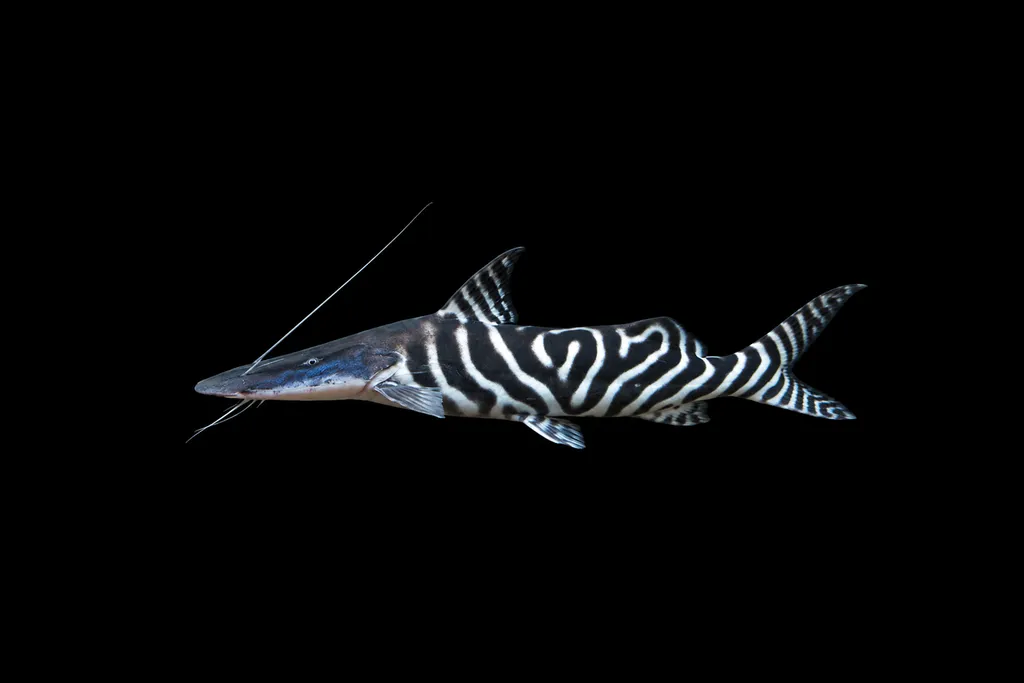 23.6 in (60 cm)151 gal (570 L)72–90°F (22–32°C)
Zebra shovelnose
Brachyplatystoma tigrinum
23.6 in (60 cm) · 151 gal (570 L)
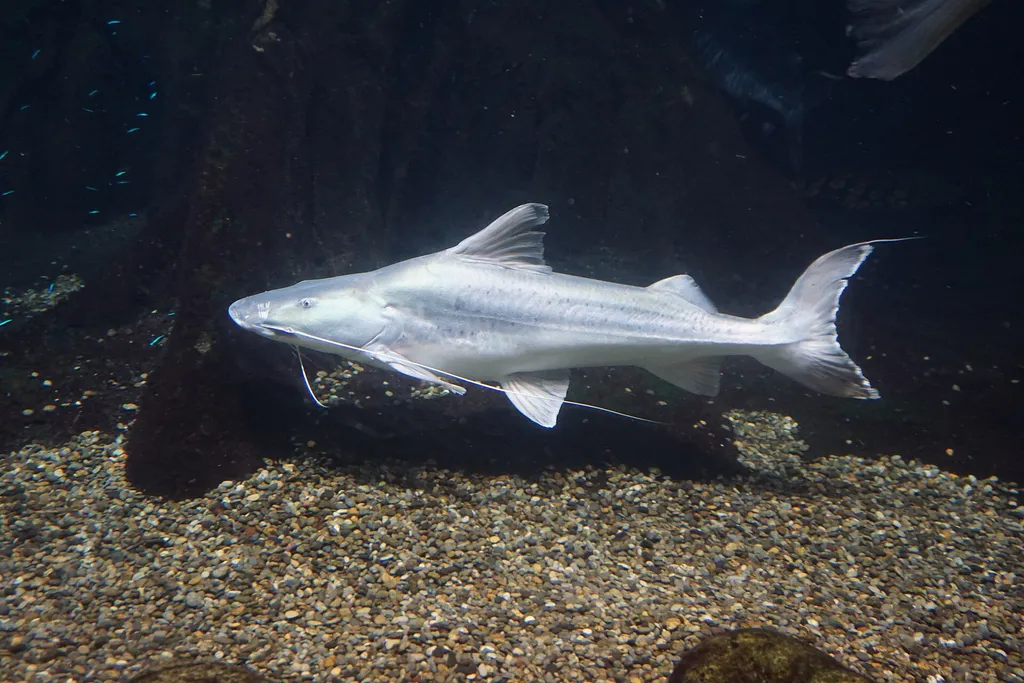 118.1 in (300 cm)2,642 gal (10,000 L)72–82°F (22–28°C)
Piraiba
Brachyplatystoma filamentosum
118.1 in (300 cm) · 2,642 gal (10,000 L)
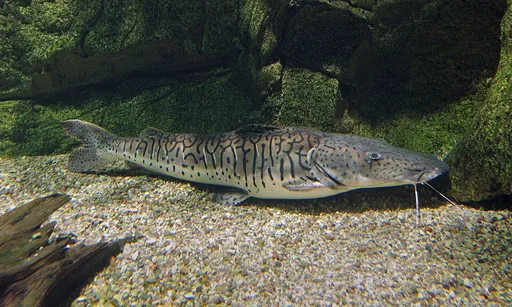 35.4 in (90 cm)300 gal (1,135 L)75–82°F (24–28°C)
Tiger shovelnose catfish
Pseudoplatystoma fasciatum
35.4 in (90 cm) · 300 gal (1,135 L)
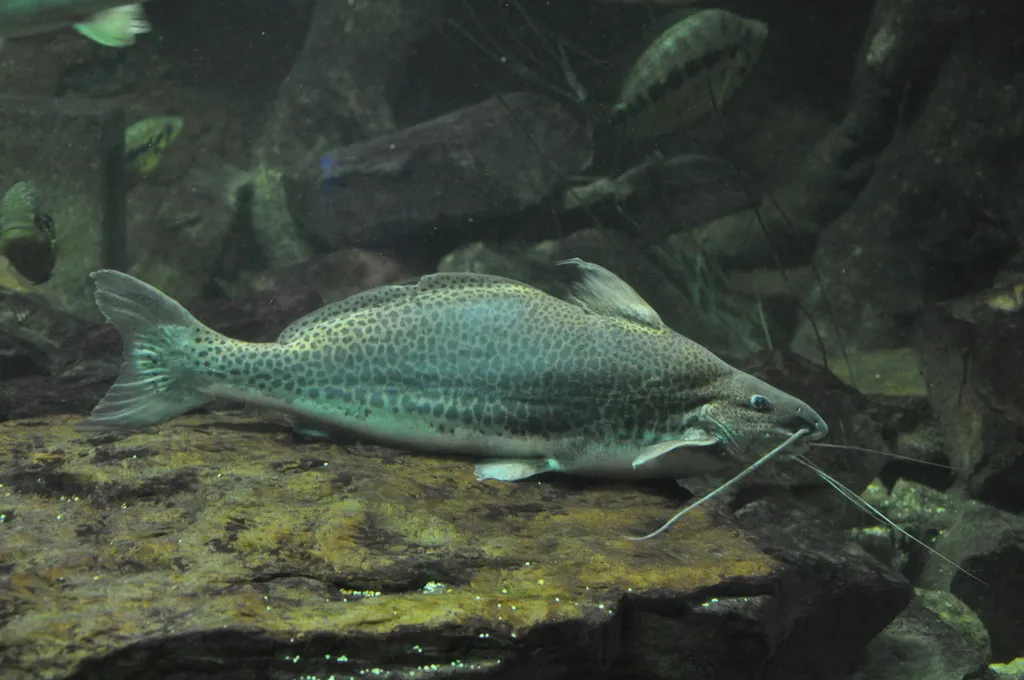 15.7 in (40 cm)120 gal (455 L)75–84°F (24–29°C)
Vulture catfish
Calophysus macropterus
15.7 in (40 cm) · 120 gal (455 L)
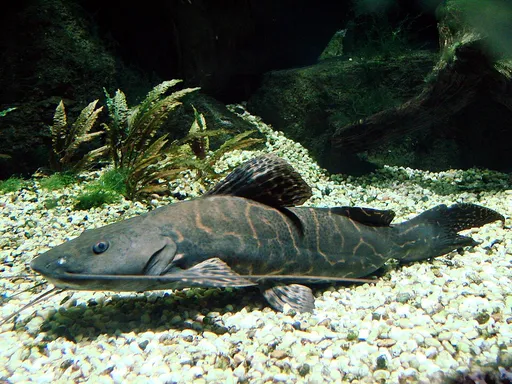 23.6 in (60 cm)185 gal (700 L)72–79°F (22–26°C)
Reticulated catfish
Perrunichthys perruno
23.6 in (60 cm) · 185 gal (700 L)
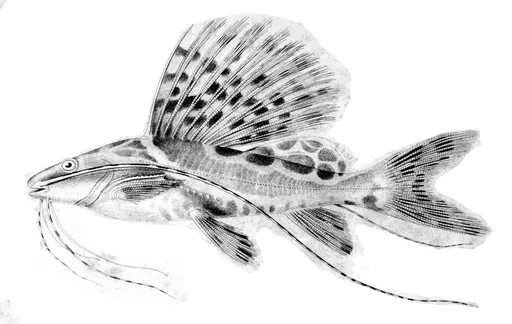 23.6 in (60 cm)396 gal (1,500 L)72–79°F (22–26°C)
Sailfin pim
Leiarius pictus
23.6 in (60 cm) · 396 gal (1,500 L)