Advanced freshwater fish
These species are rated difficult in our catalog, fish that need pristine water, a specific diet or a tank built around them. They reward keepers with a few stable tanks already behind them. Each profile lists exactly what a species demands. The marine list is separate, since the hard saltwater fish fail for different reasons.
At a glance
- Tank size
- 5–10,567 gal
- 5 gal (20 L) to 10,567 gal (40,000 L); half the list needs 53 gal (200 L) or more
- Temperature
- 73–82°F
- 23–28°C, most of the list
- pH
- 6.0–7.5
- Most of the list
- Temperament
- 134 peaceful
- 172 mostly peaceful · 85 aggressive
389 species and 7 varieties
Start here
Difficult for four different reasons
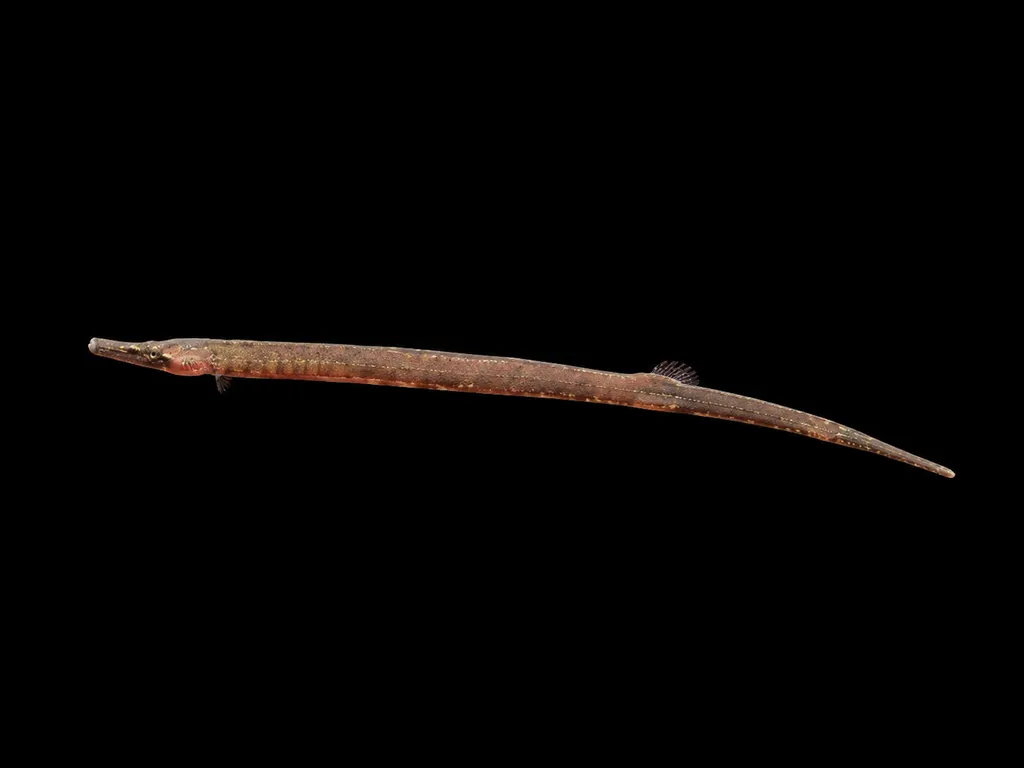
The discus is marked difficult for its water: 79–90°F (26–32°C), soft and spotless, in a 65 gallon (245 liter) tank for a group of six. Peter's elephantnose is difficult for its food and its senses, an 8.9 inch (22.5 cm) fish for 66 gallons (250 liters) that hunts worms in the sand by electric field and starves on flake. The freshwater pipefish eats only live food at 5.9 inches (15 cm) for 32 gallons (120 liters). The altum angelfish wants blackwater at 79–90°F (26–32°C) and a pH from 5.5 to 6.5. The licorice gourami is 1.5 inches (3.8 cm) of blackwater specialist at a pH from 3.5 to 6. The green Borneo sucker is difficult for its river: 4.7 inches (12 cm) that need strong flow, oxygen and cool water.
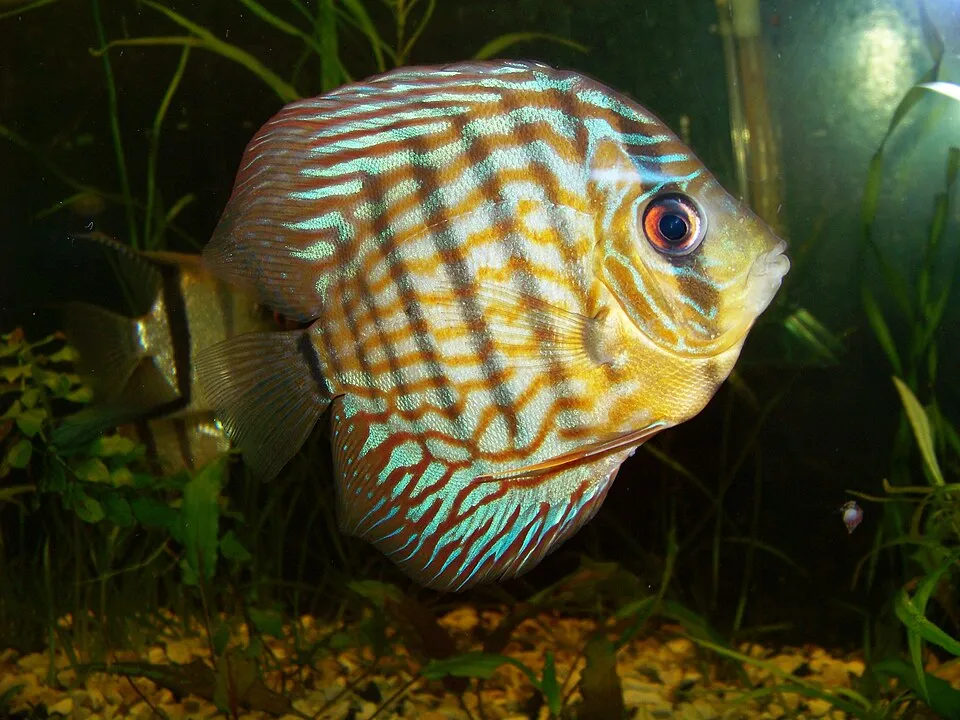
Discus
Symphysodon aequifasciatus
Freshwater- Size
- 7.9 in (20 cm)
- Tank
- 65 gal (245 L)
- Water
- 79–90°F (26–32°C)
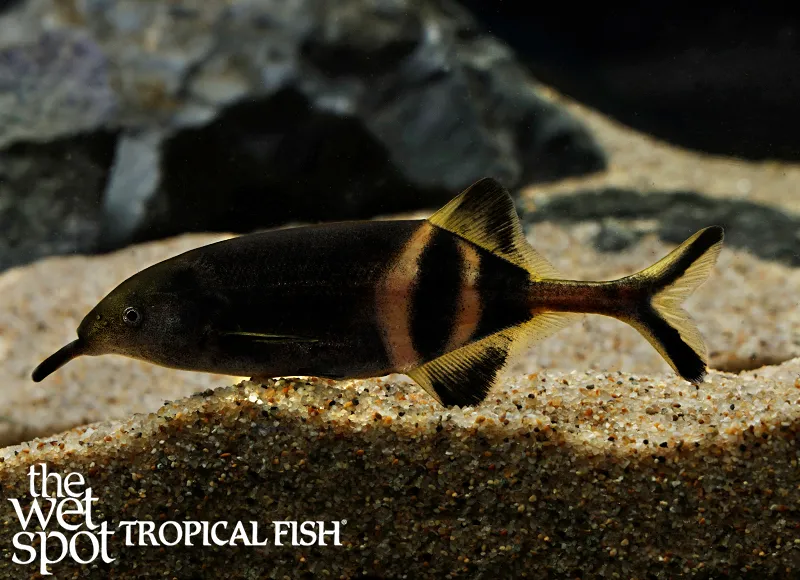
Peter's elephantnose
Gnathonemus petersii
Freshwater- Size
- 8.9 in (22.5 cm)
- Tank
- 66 gal (250 L)
- Water
- 73–82°F (23–28°C)
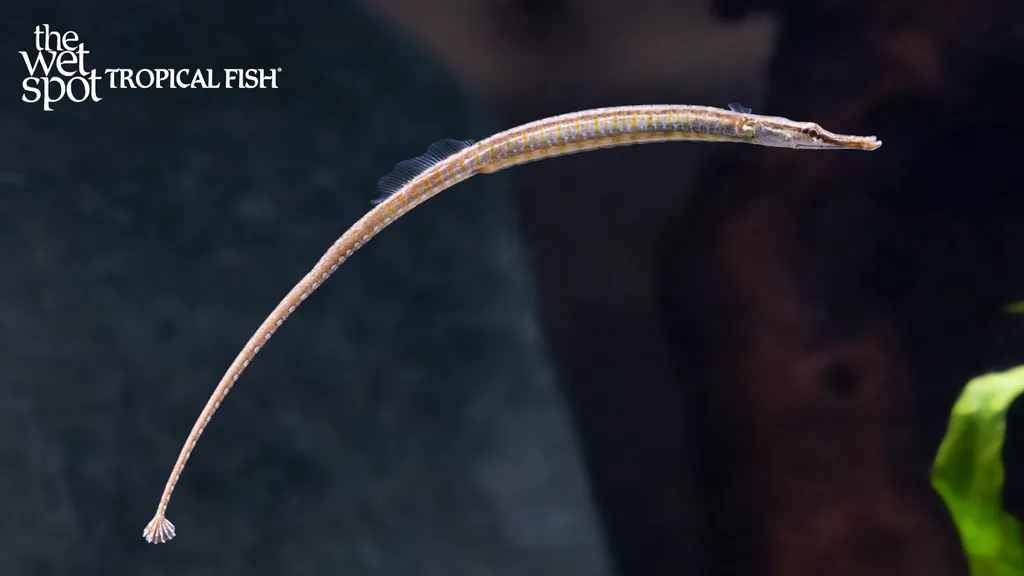
Freshwater pipefish
Doryichthys martensii
Freshwater- Size
- 5.9 in (15 cm)
- Tank
- 32 gal (120 L)
- Water
- 75–82°F (24–28°C)
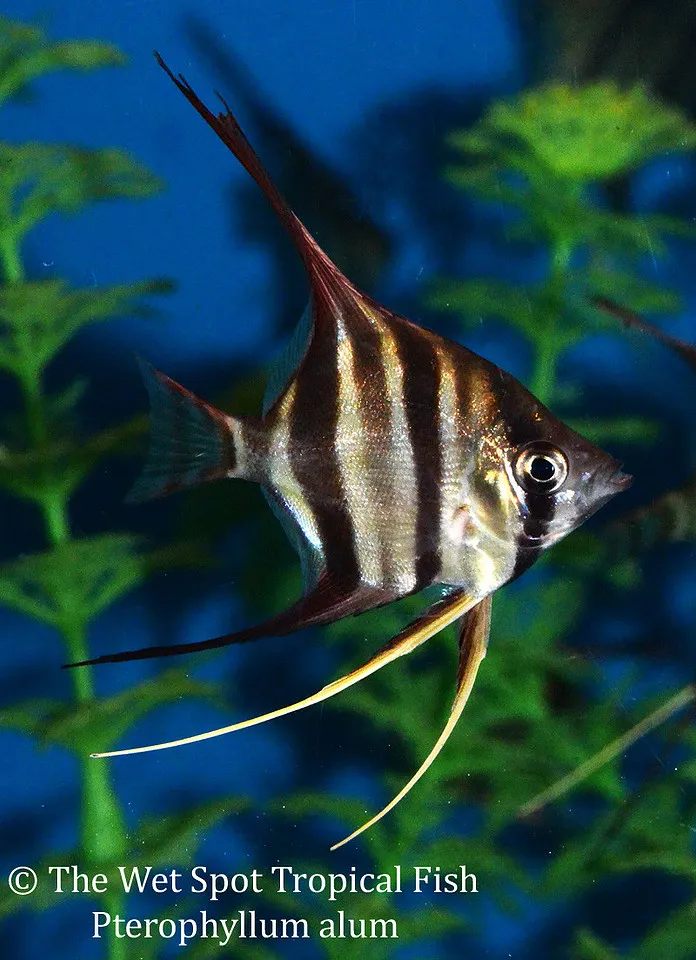
Altum angelfish
Pterophyllum altum
Freshwater- Size
- 7.1 in (18 cm)
- Tank
- 45 gal (170 L)
- Water
- 79–90°F (26–32°C)
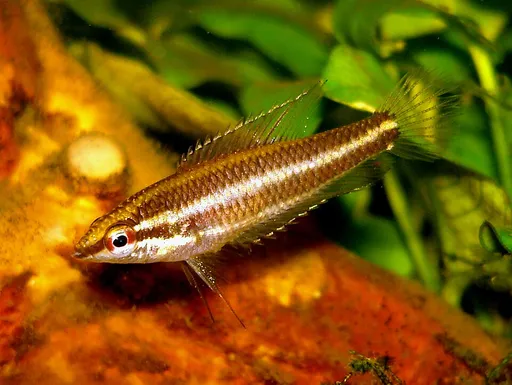
Licorice gourami
Parosphromenus deissneri
Freshwater- Size
- 1.5 in (3.8 cm)
- Tank
- 11 gal (40 L)
- Water
- 72–82°F (22–28°C)
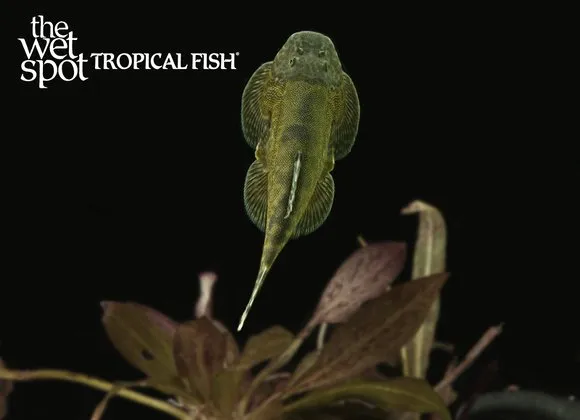
Green Borneo sucker
Gastromyzon lepidogaster
Freshwater- Size
- 4.7 in (12 cm)
- Tank
- 29 gal (110 L)
- Water
- 68–77°F (20–25°C)
The rule
What difficult means in freshwater
Every fish here is marked difficult, and the reason is on its profile. Some need water most tap cannot provide: soft, acidic blackwater at a pH of 4 to 6 for the wild bettas and licorice gouramis, or cool, fast, oxygen-rich water for the hillstream loaches. Some refuse dry food: the pipefish, elephantnoses and pencilfish eat live or frozen food or nothing. Some need a tank built around them, a river tank, a blackwater tank or a sand bed. And all of them punish the swings of a new tank, which is why the list suits keepers with a few stable tanks behind them.
- 01
Water first
Soft and acidic, or cool and fast, and always stable
- 02
Live food
Pipefish, elephantnoses and pencilfish refuse flake
- 03
A tank built around them
River, blackwater or sand
- 04
Stable tanks first
They punish the swings a new tank goes through
Blackwater
Blackwater dwarfs
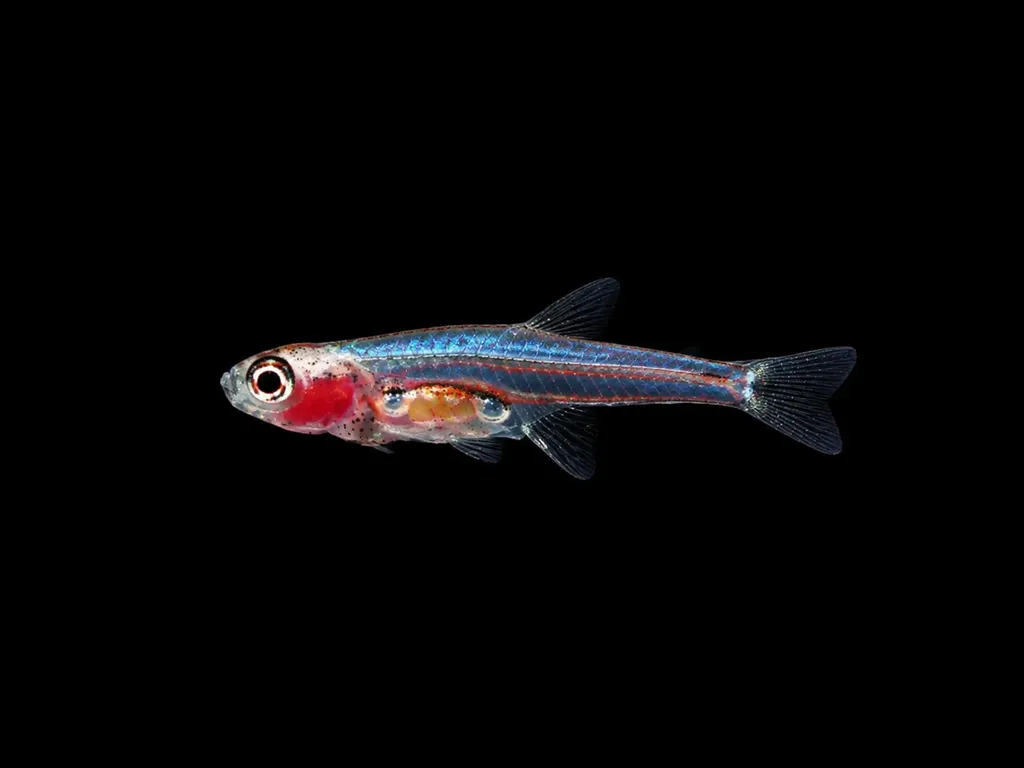
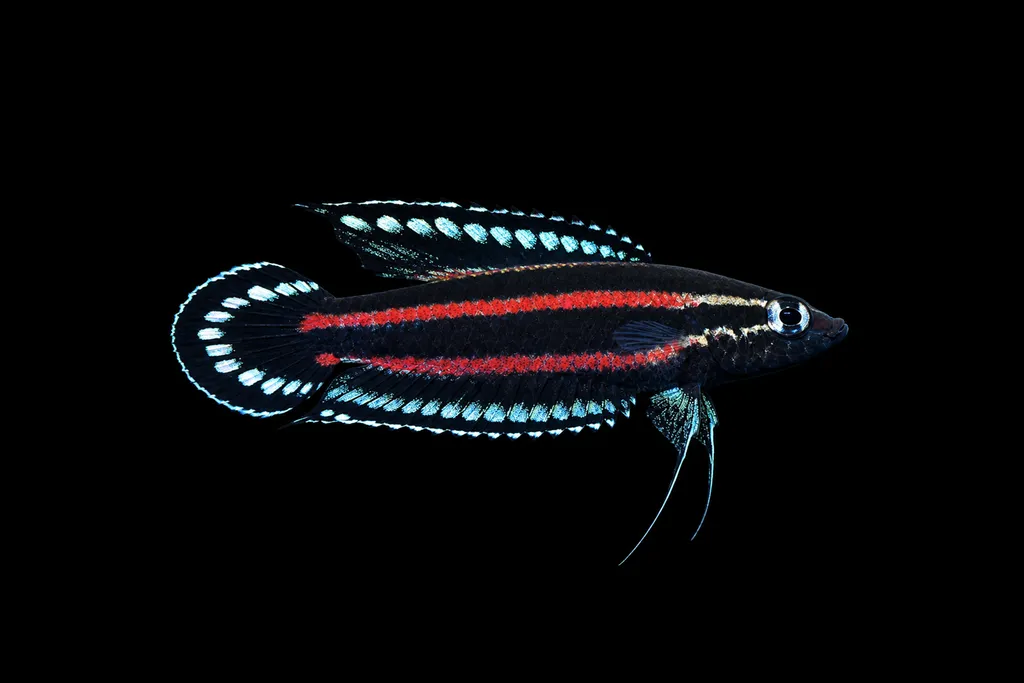
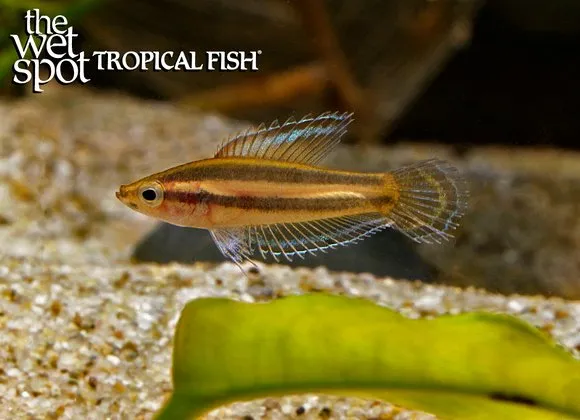
The wine-red betta is a 1.4 inch (3.5 cm) wild betta for 11 gallons (40 liters) at a pH from 4 to 6, and Brown's betta is its cousin at 1.2 inches (3 cm) for the same water. The crossband chocolate gourami is 1.8 inches (4.5 cm) for 16 gallons (60 liters) at 79–86°F (26–30°C), a mouthbrooder that needs a group of six. The sharpnose chocolate gourami is the larger one at 2.8 inches (7 cm) for 24 gallons (90 liters). Elizabeth's dwarf cichlid is an Apistogramma for a pH from 4 to 6, 2 inches (5 cm) for 20 gallons (75 liters). The tucano tetra is 0.8 inches (2 cm) of blackwater schooler at a pH from 4.5 to 6. All of them want reverse osmosis water and leaf litter.
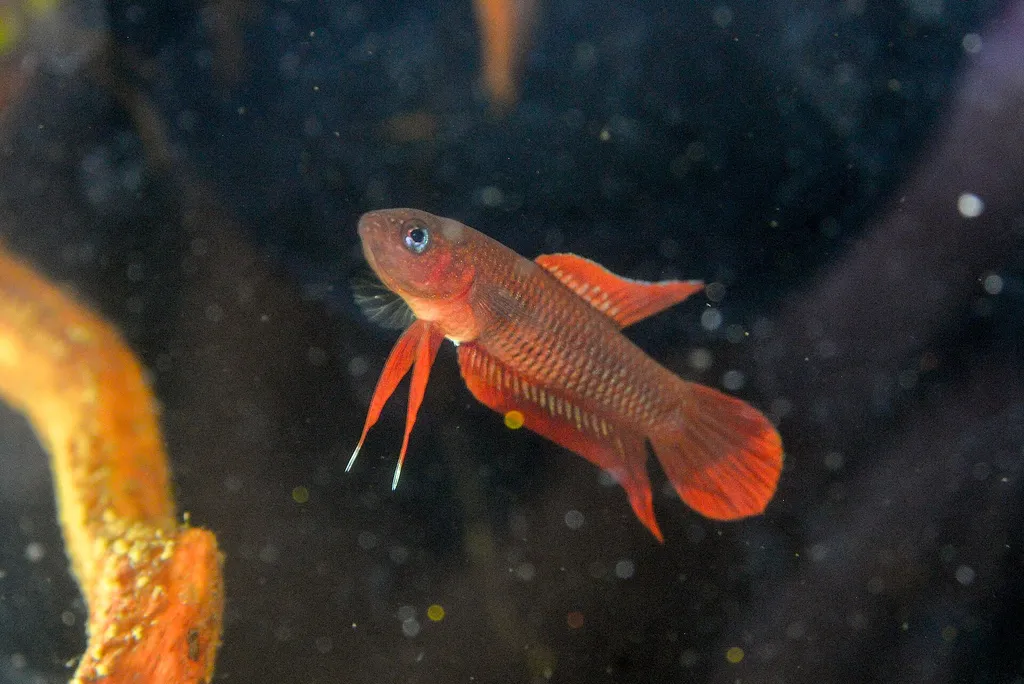
Wine-red betta
Betta burdigala
Freshwater1.4 in (3.5 cm) · 11 gal (40 L)72–81°F (22–27°C)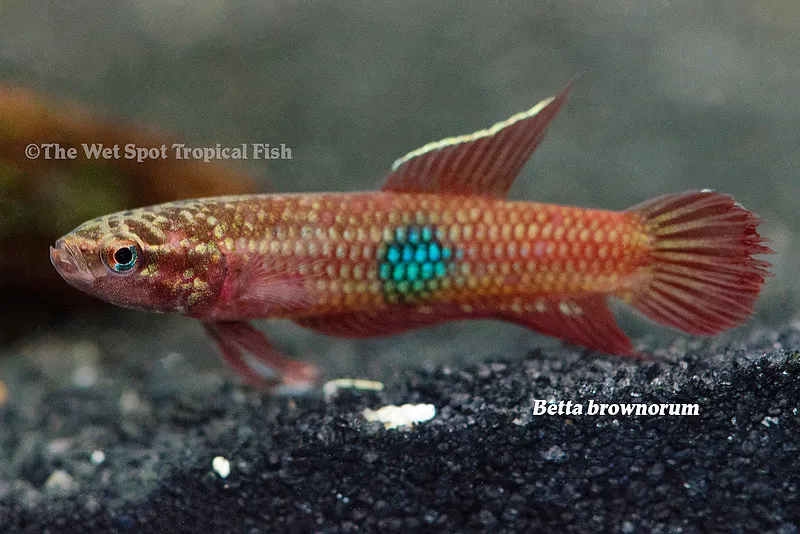
Brown's betta
Betta brownorum
Freshwater1.2 in (3 cm) · 11 gal (40 L)75–82°F (24–28°C)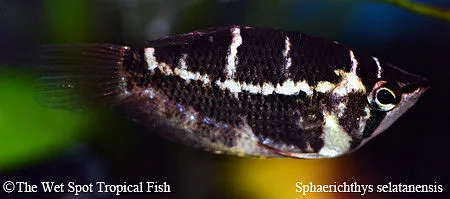
Crossband chocolate gourami
Sphaerichthys selatanensis
Freshwater1.8 in (4.5 cm) · 16 gal (60 L)79–86°F (26–30°C)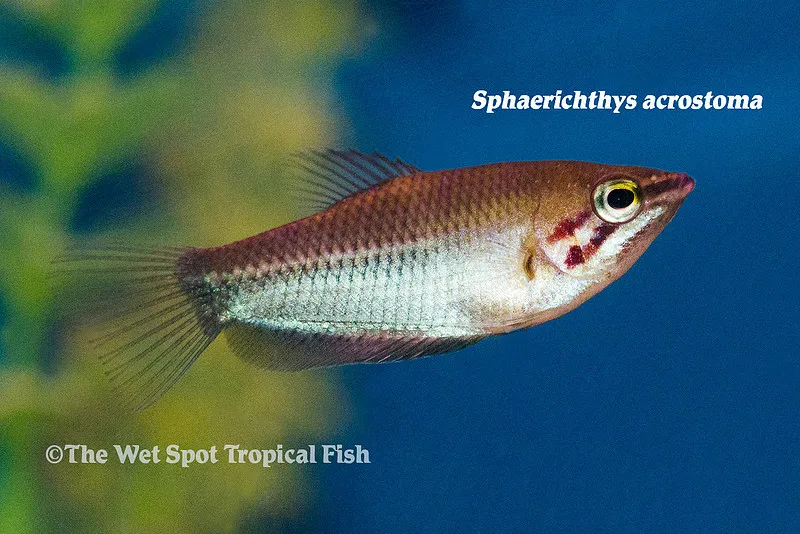
Sharpnose chocolate gourami
Sphaerichthys acrostoma
Freshwater2.8 in (7 cm) · 24 gal (90 L)72–79°F (22–26°C)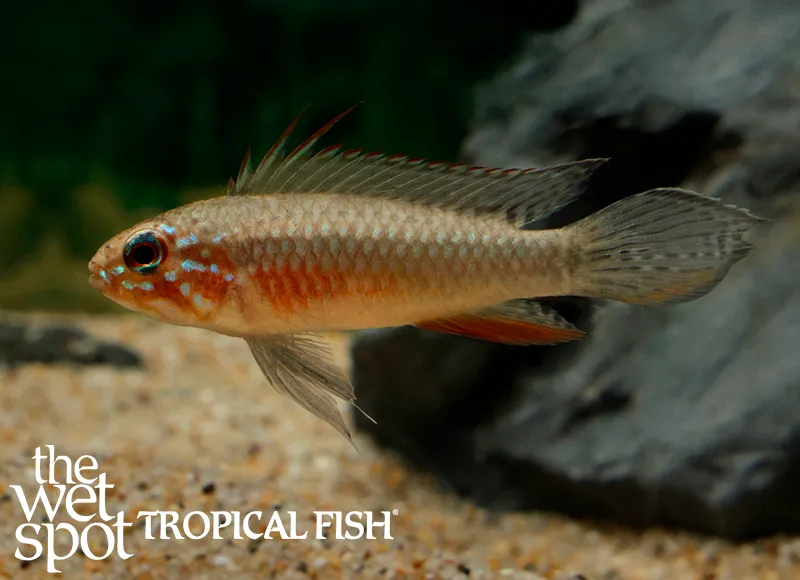
Elizabeth's dwarf cichlid
Apistogramma elizabethae
Freshwater2 in (5 cm) · 20 gal (75 L)75–84°F (24–29°C)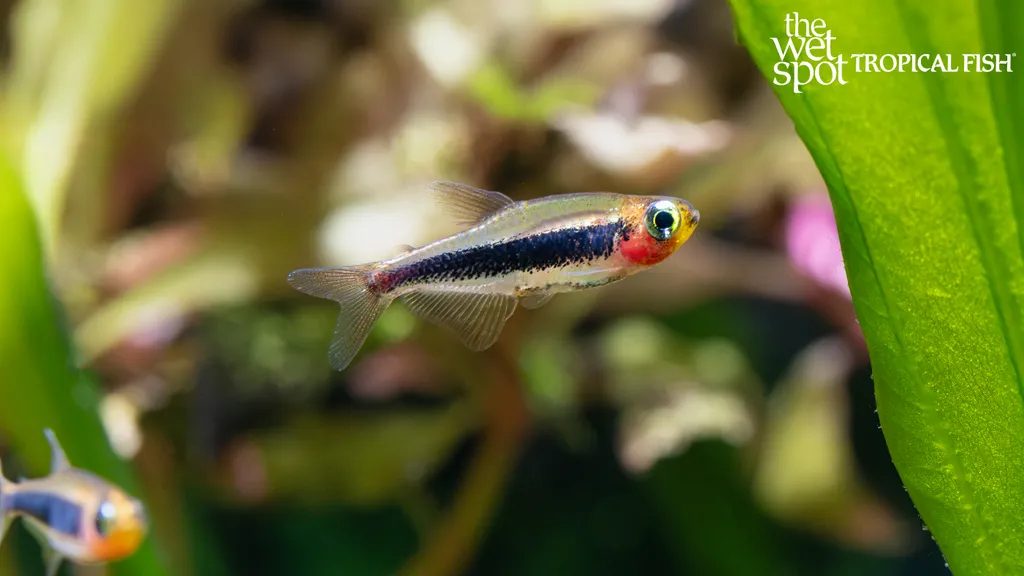
Tucano tetra
Tucanoichthys tucano
Freshwater0.8 in (2 cm) · 12 gal (45 L)75–82°F (24–28°C)
Rivers
Hillstream and stream tanks
The ornate-tail Borneo sucker is 3.3 inches (8.4 cm) for 24 gallons (90 liters) at 68–77°F (20–25°C), a flat fish that grips stone in a current. The showy hillstream loach is a Sewellia at 2.6 inches (6.5 cm) for 68–75°F (20–24°C). The Stiphodon gobies graze biofilm off rock: the elegant algae goby is 2 inches (5 cm) for 14 gallons (54 liters), the orange fin goby 2.2 inches (5.5 cm) and the easiest of them to feed. The panda loach is 2.8 inches (7 cm) for 20 gallons (75 liters) at 64–75°F (18–24°C). The banded darter is a North American native at 3.1 inches (7.8 cm) for 59–70°F (15–21°C), cool enough to need a chiller in summer. All of them want a powerhead, oxygen and a mature tank with algae on the stone.
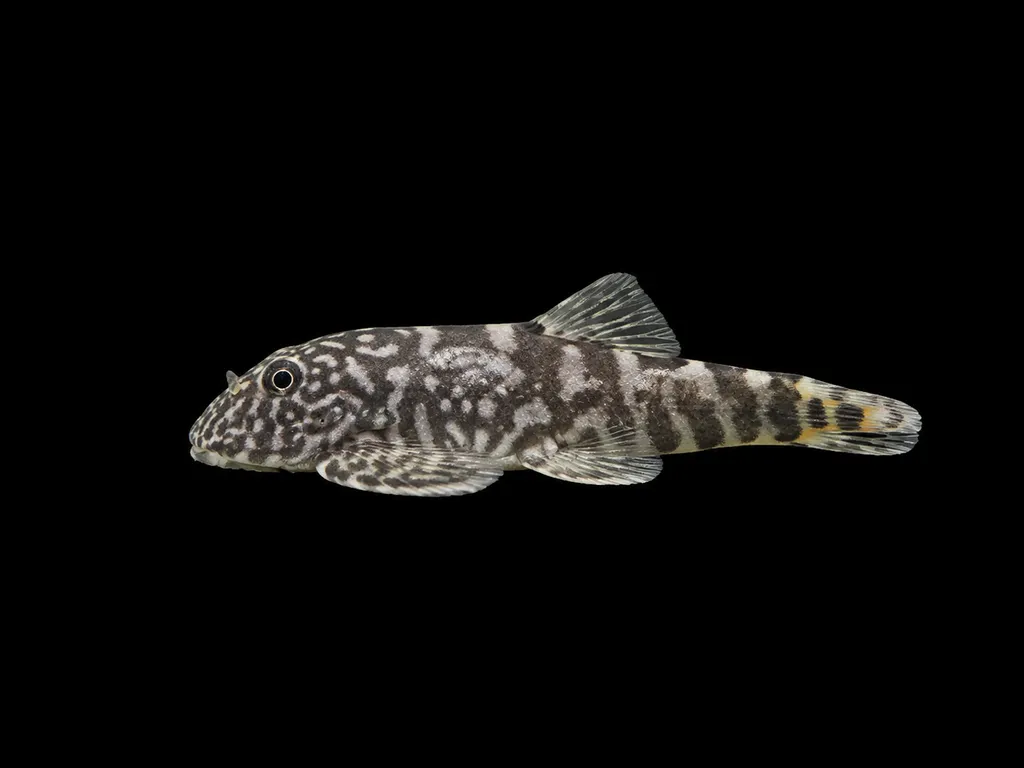
Ornate-tail Borneo sucker
Gastromyzon ornaticauda
Freshwater3.3 in (8.4 cm) · 24 gal (90 L)68–77°F (20–25°C)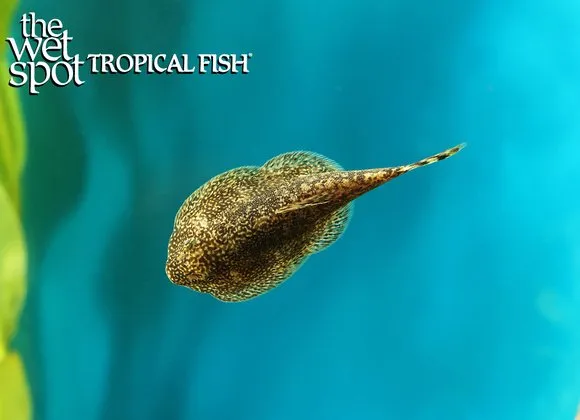
Showy hillstream loach
Sewellia speciosa
Freshwater2.6 in (6.5 cm) · 24 gal (90 L)68–75°F (20–24°C)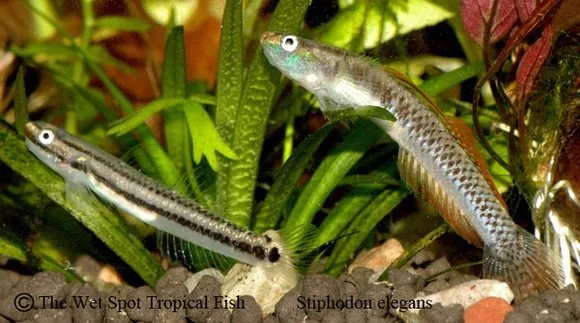
Elegant algae goby
Stiphodon elegans
Freshwater2 in (5 cm) · 14 gal (54 L)73–81°F (23–27°C)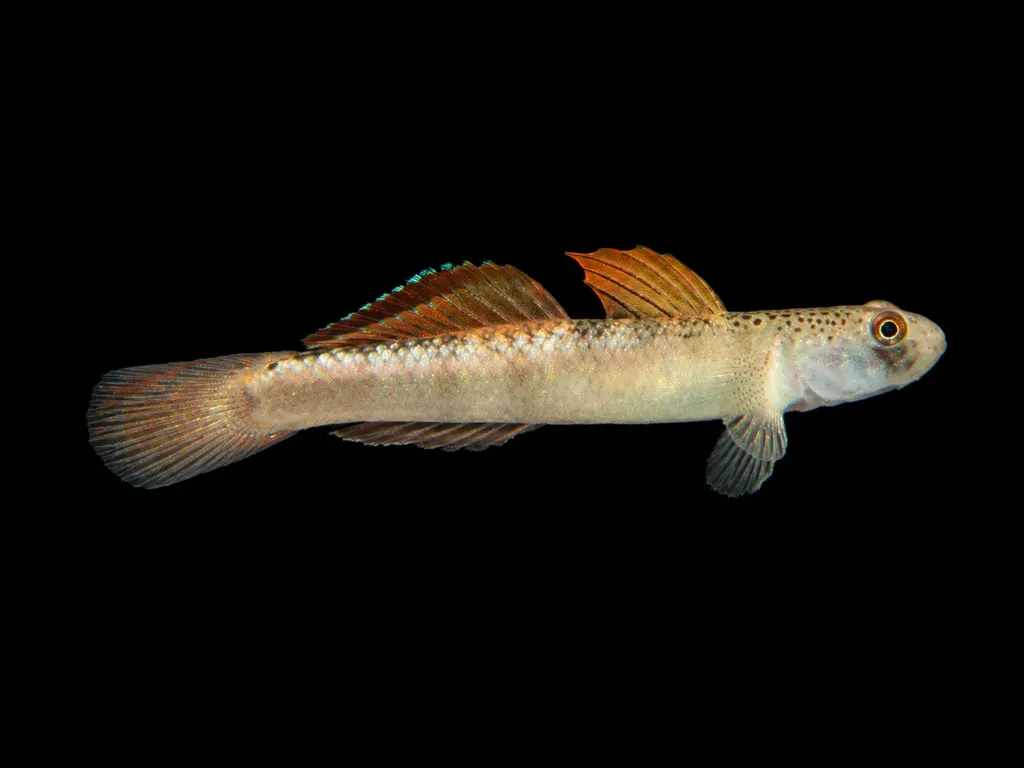
Orange fin goby
Stiphodon maculidorsalis
Freshwater2.2 in (5.5 cm) · 14 gal (54 L)73–81°F (23–27°C)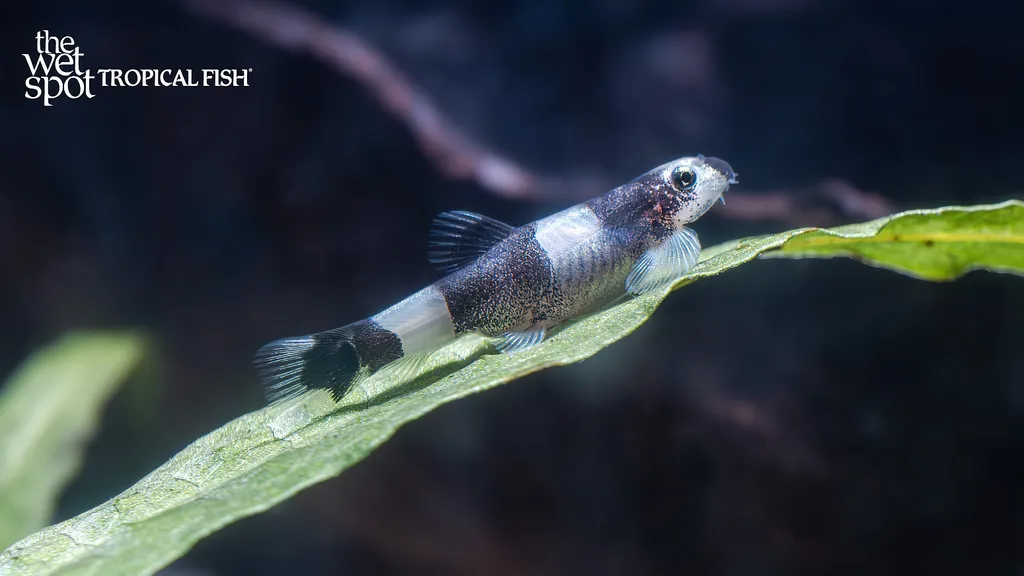
Panda loach
Yaoshania pachychilus
Freshwater2.8 in (7 cm) · 20 gal (75 L)64–75°F (18–24°C)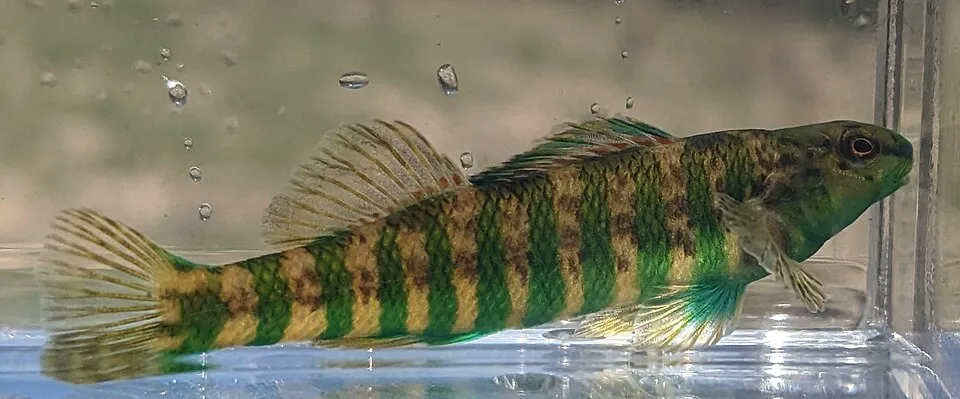
Banded darter
Etheostoma zonale
Freshwater3.1 in (7.8 cm) · 26 gal (100 L)59–70°F (15–21°C)
Feeders
The ones that only eat live food
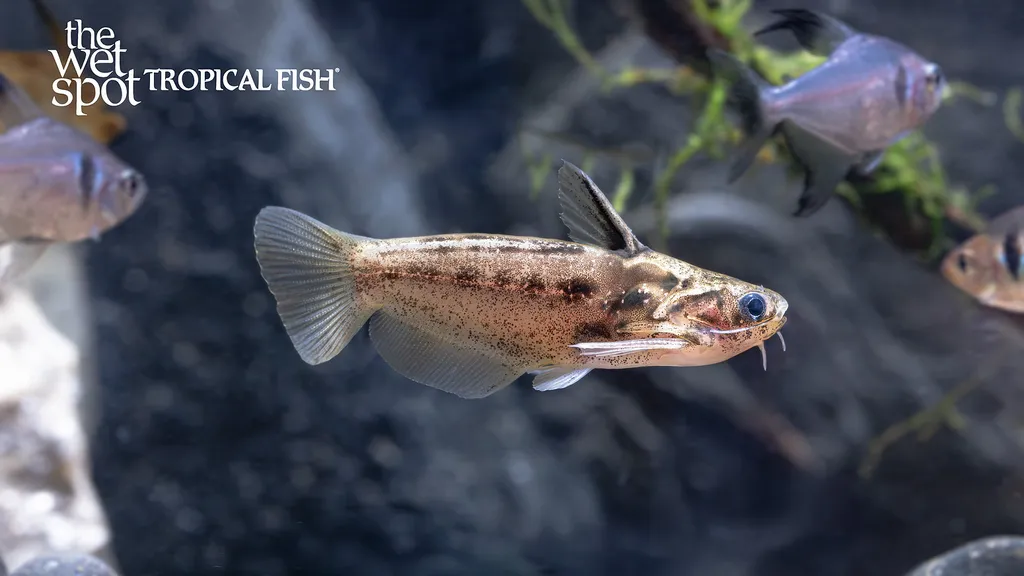
Dora's pipefish is 7.1 inches (18 cm) for 30 gallons (112 liters) and hunts tiny live prey in a calm, mature tank. The elephant baby whale is a 3.9 inch (10 cm) mormyrid for 29 gallons (110 liters) that eats worms at night. The red-tail dwarf puffer is 1.8 inches (4.5 cm) for 17 gallons (65 liters), marked peaceful, and eats snails and frozen food. The Amazon puffer is the puffer that lives in a group, 4.7 inches (12 cm) for 26 gallons (100 liters), with teeth that need hard food. The twig catfish is 5.9 inches (15 cm) for 30 gallons (115 liters), marked peaceful, and grazes biofilm that a new tank does not have. The green farlowella is its smaller relative at 2.8 inches (7 cm).
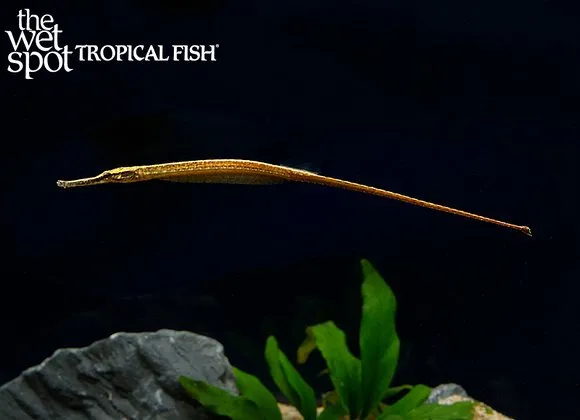
Dora's pipefish
Microphis deokhatoides
Freshwater7.1 in (18 cm) · 30 gal (112 L)73–82°F (23–28°C)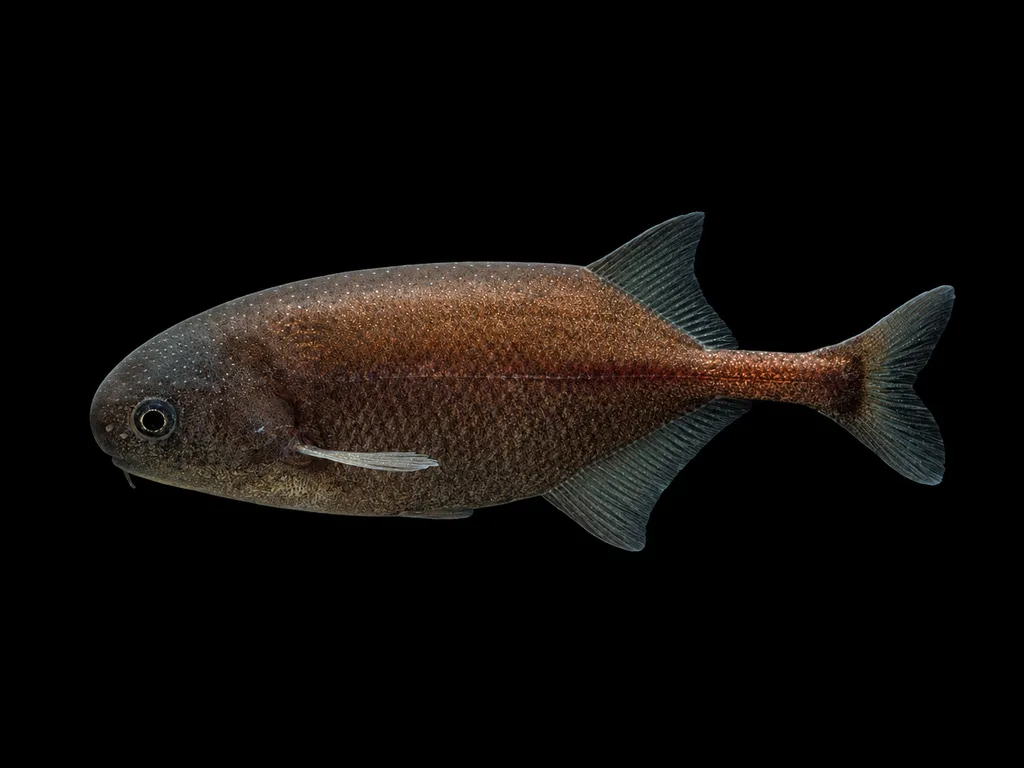
Elephant baby whale
Pollimyrus isidori
Freshwater3.9 in (10 cm) · 29 gal (110 L)75–82°F (24–28°C)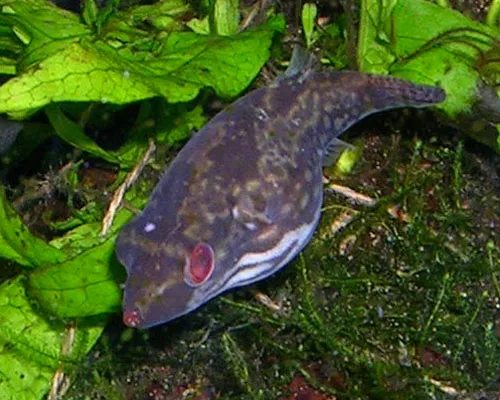
Red-tail dwarf puffer
Carinotetraodon irrubesco
Freshwater1.8 in (4.5 cm) · 17 gal (65 L)72–82°F (22–28°C)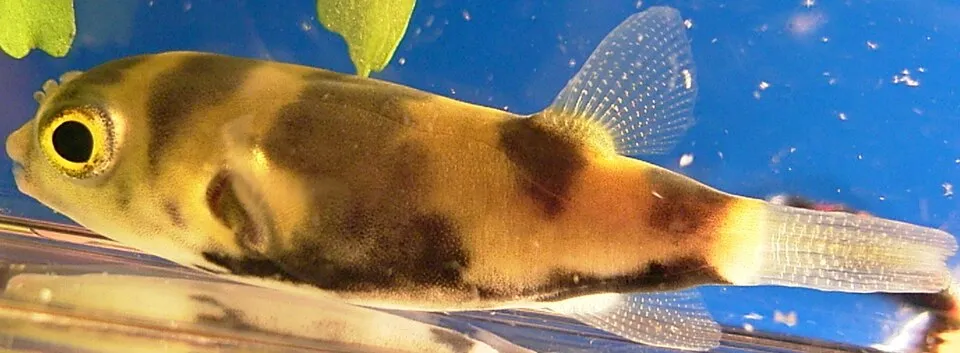
Amazon puffer
Colomesus asellus
Freshwater4.7 in (12 cm) · 26 gal (100 L)72–82°F (22–28°C)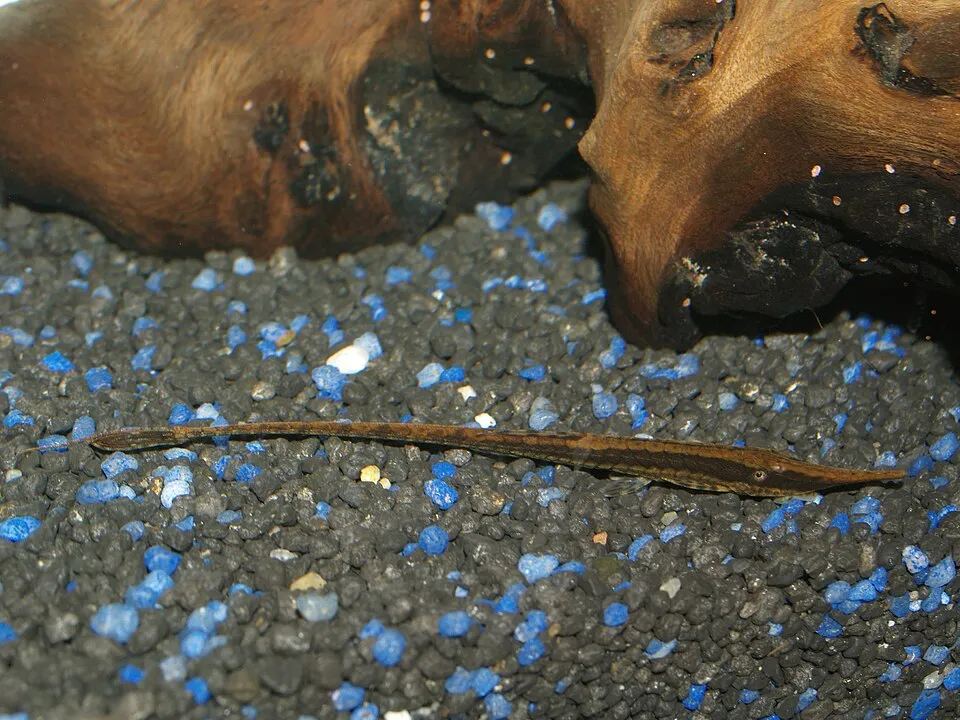
Twig catfish
Farlowella vittata
Freshwater5.9 in (15 cm) · 30 gal (115 L)75–81°F (24–27°C)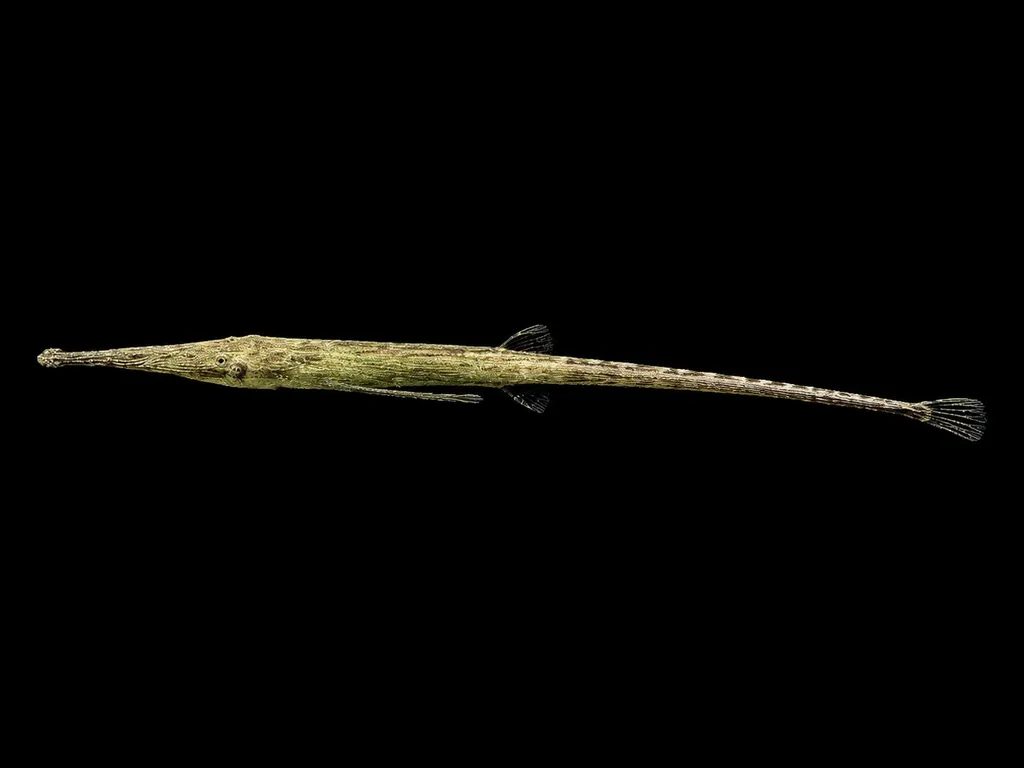
Green farlowella
Acestridium dichromum
Freshwater2.8 in (7 cm) · 20 gal (75 L)75–82°F (24–28°C)
Cichlids
Sand sifters, eartheaters and the big cichlids
The yellow sand cichlid is a Tanganyikan Xenotilapia at 3.5 inches (9 cm) for 53 gallons (200 liters) at a pH from 7.8 to 9, kept in a group of six on sand. The cupid cichlid is a peaceful eartheater at 4.7 inches (12 cm) for 53 gallons (200 liters). The threespot eartheater reaches 9.8 inches (25 cm), lists 119 gallons (450 liters) and wants 79–86°F (26–30°C) at a pH from 4.5 to 6.5. The uaru is marked peaceful at 11.8 inches (30 cm) for 65 gallons (245 liters), kept in a group. The Heckel discus is the hardest discus at 82–88°F (28–31°C) and a pH from 5 to 6.5. The frontosa is a colony fish at 12.6 inches (32 cm) for 227 gallons (860 liters).
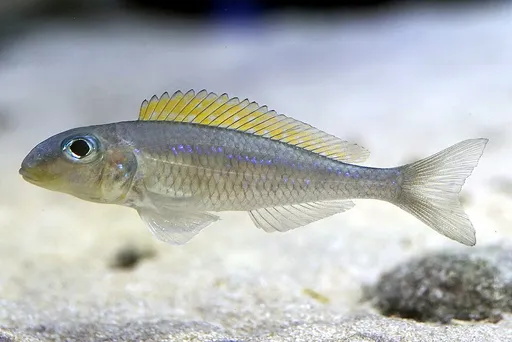
Yellow sand cichlid
Xenotilapia flavipinnis
Freshwater3.5 in (9 cm) · 53 gal (200 L)75–81°F (24–27°C)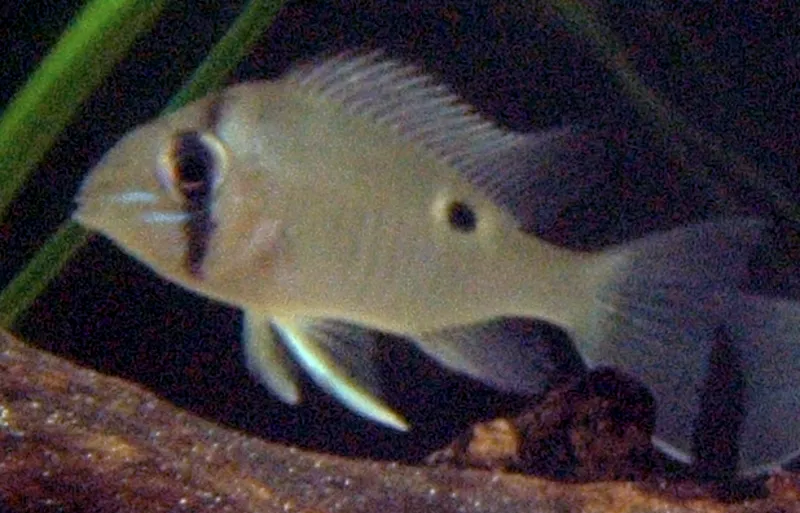
Cupid cichlid
Biotodoma cupido
Freshwater4.7 in (12 cm) · 53 gal (200 L)68–86°F (20–30°C)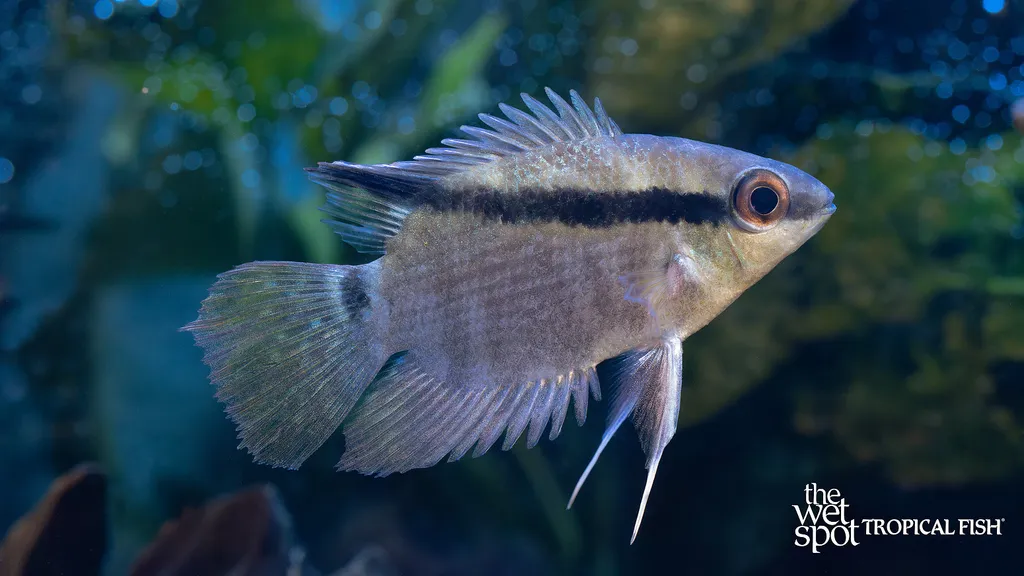
Threespot eartheater
Satanoperca daemon
Freshwater9.8 in (25 cm) · 119 gal (450 L)79–86°F (26–30°C)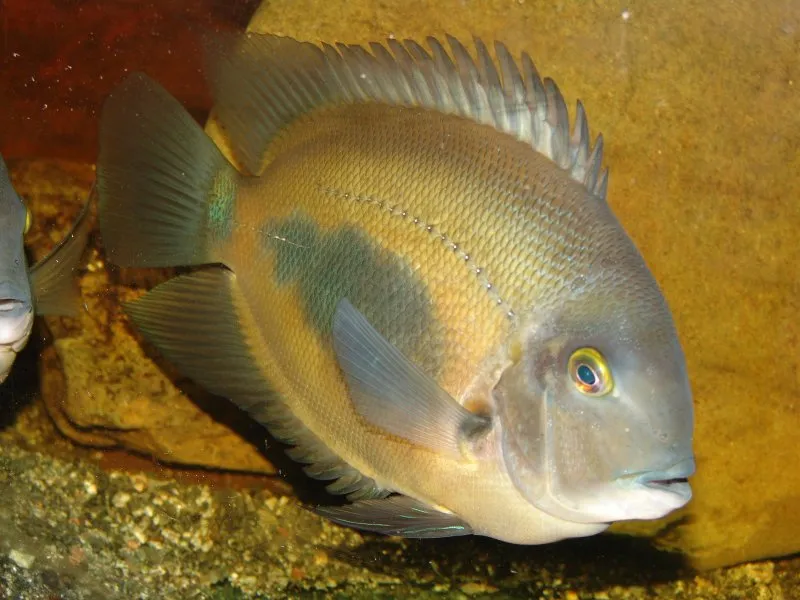
Uaru cichlid
Uaru amphiacanthoides
Freshwater11.8 in (30 cm) · 65 gal (245 L)81–86°F (27–30°C)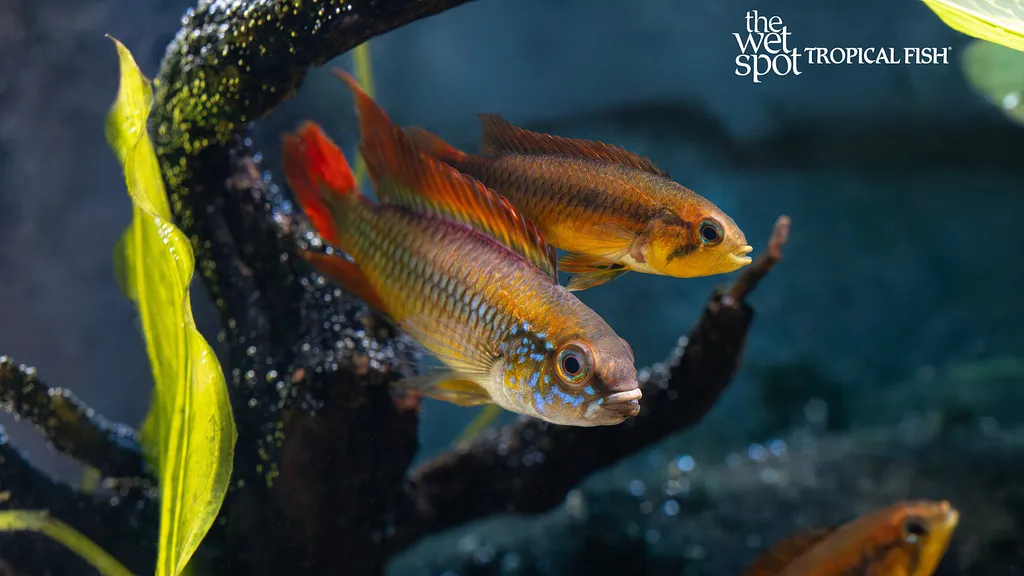
Heckel discus
Symphysodon discus
Freshwater7.1 in (18 cm) · 75 gal (284 L)82–88°F (28–31°C)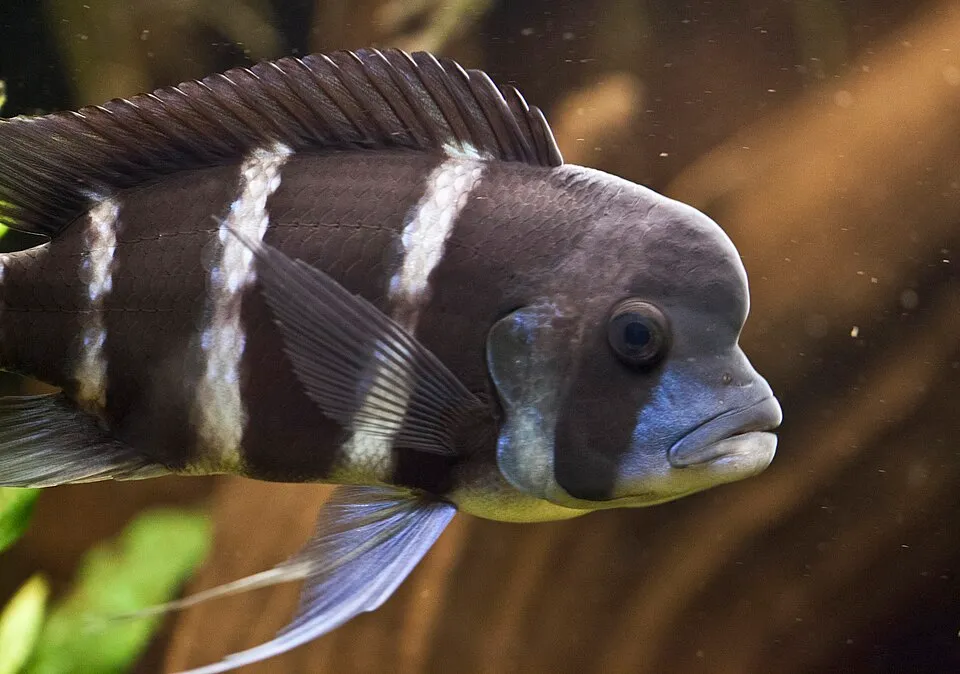
Frontosa cichlid
Cyphotilapia frontosa
Freshwater12.6 in (32 cm) · 227 gal (860 L)73–81°F (23–27°C)
By the numbers
Smallest
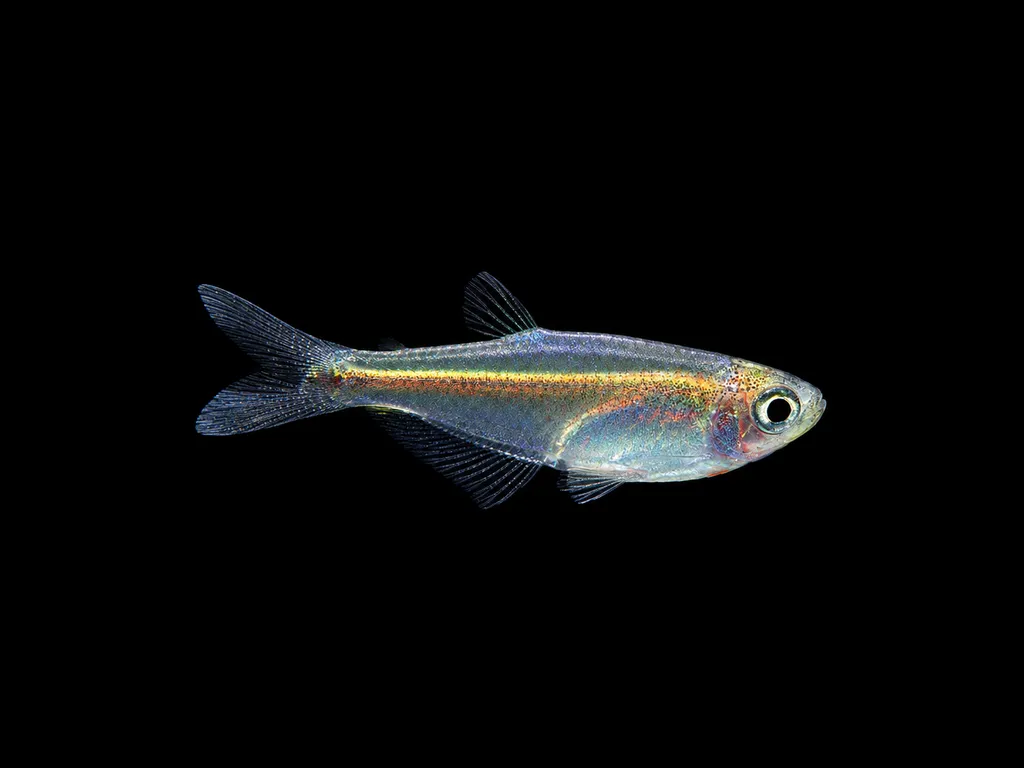
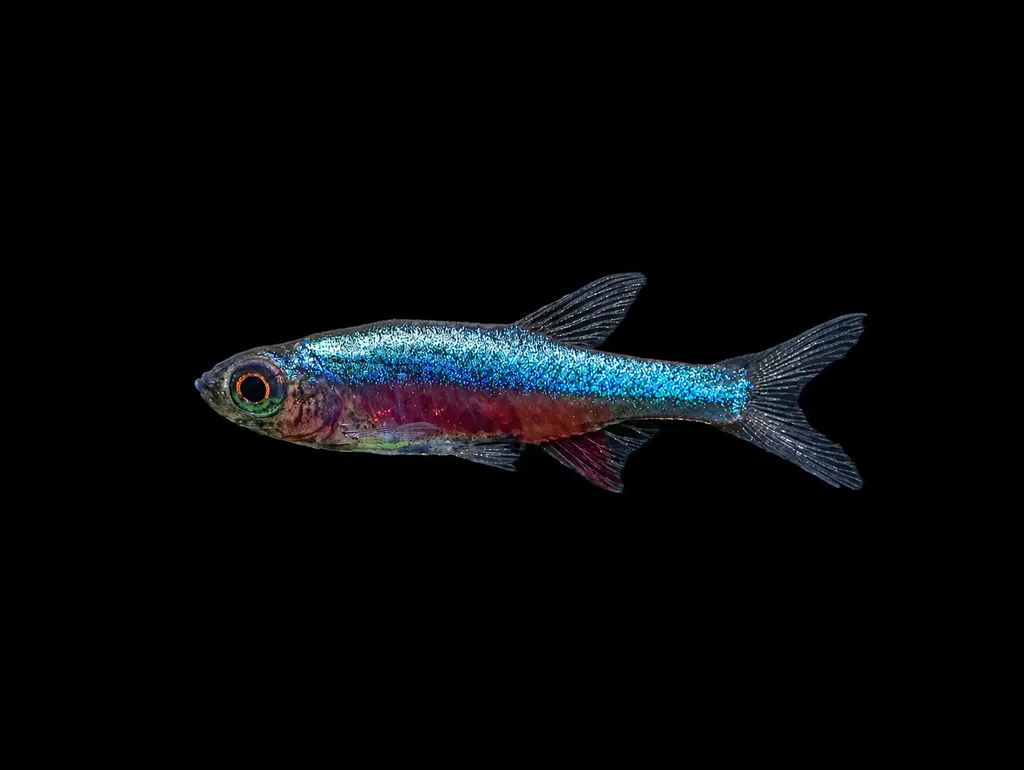
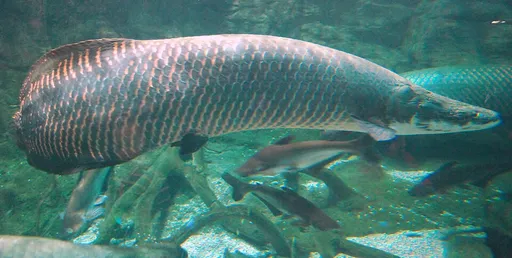
Largest
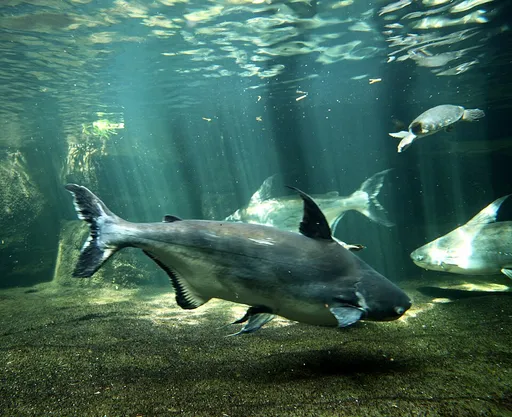
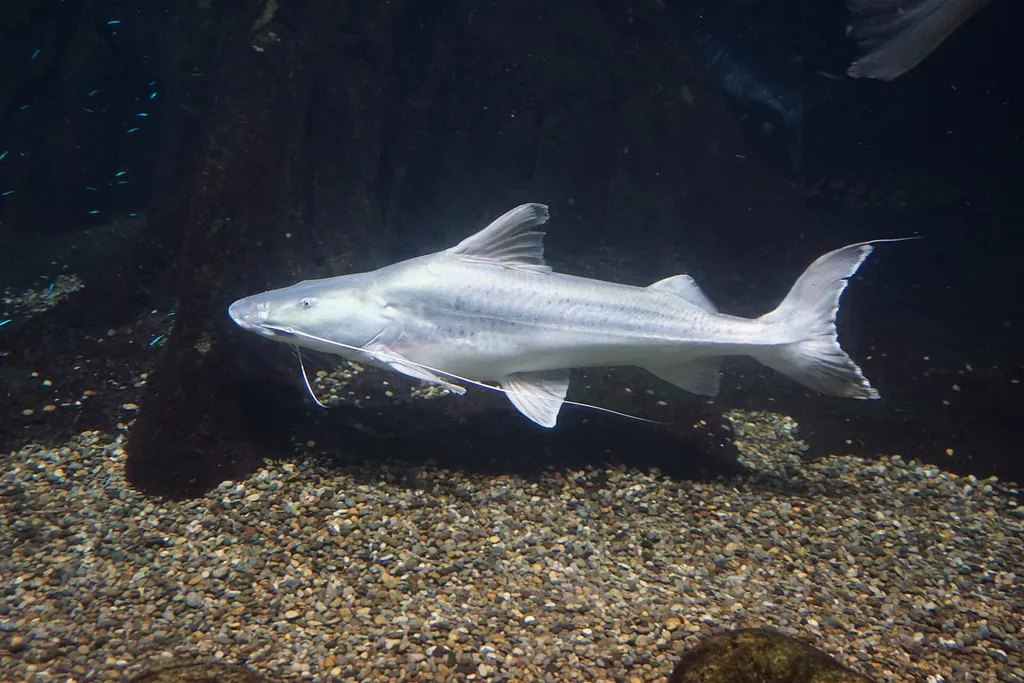
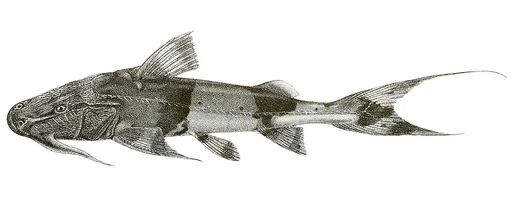
Most peaceful
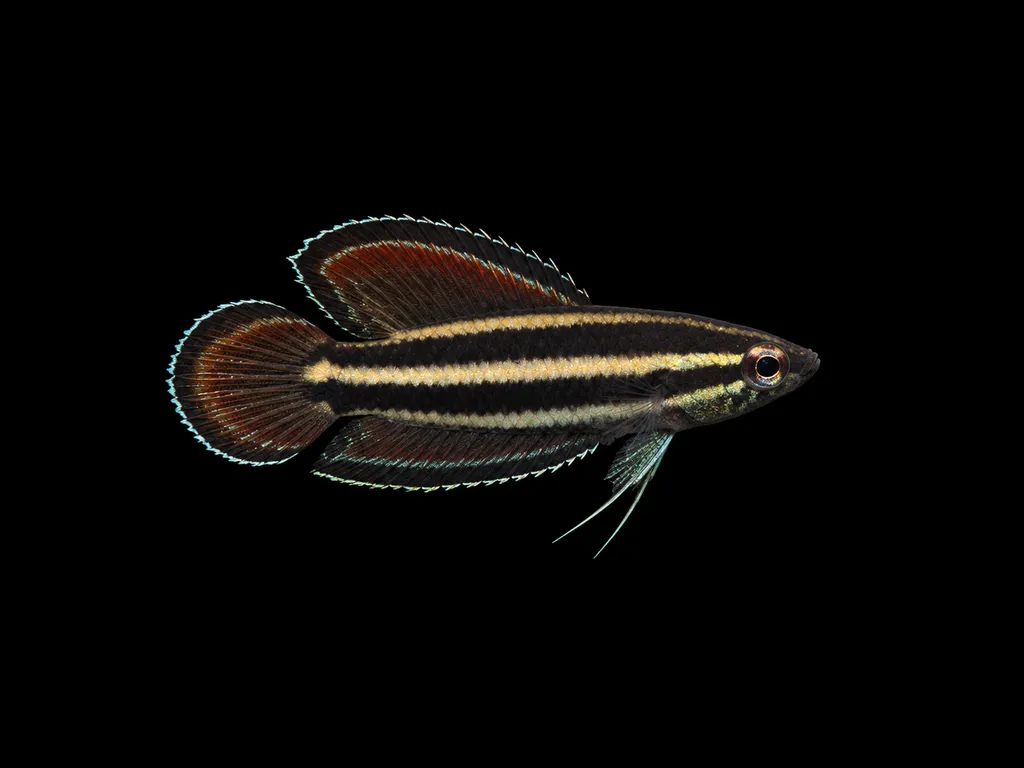
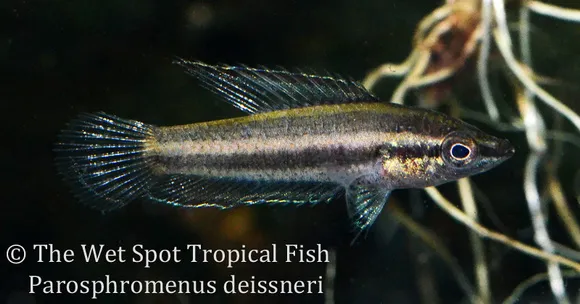
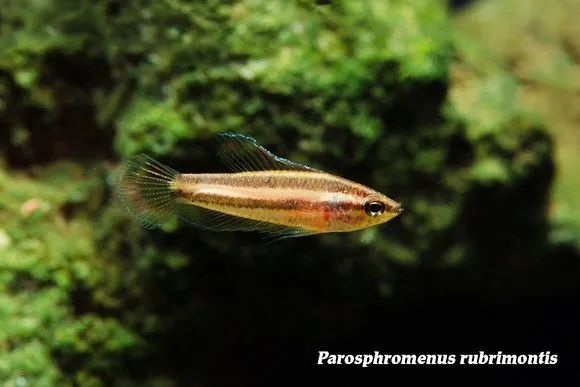
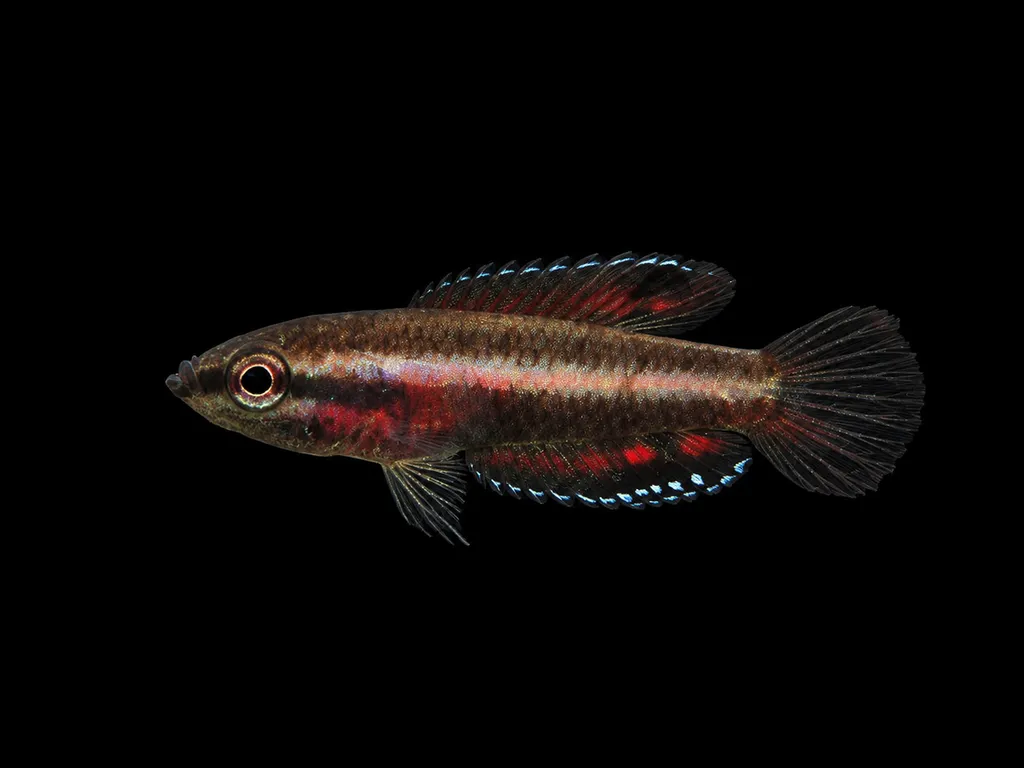
Fits a 20 gallon tank
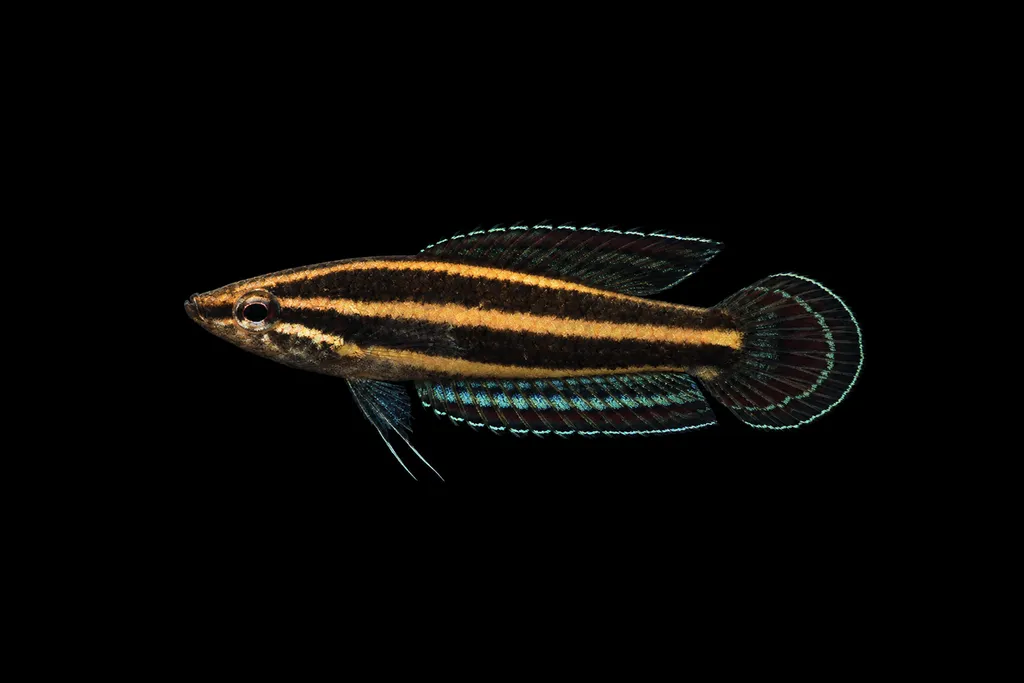
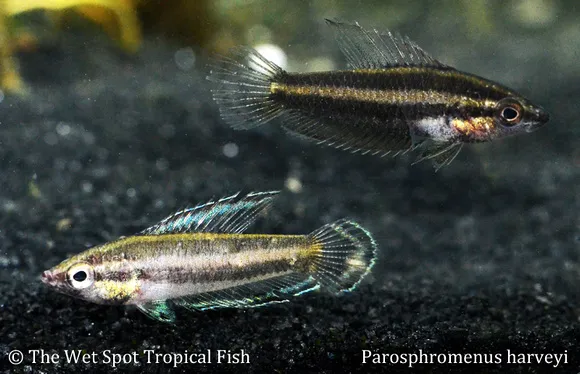
Fits a 30 gallon tank
FAQ
Common questions
What makes a freshwater fish difficult?
Water, food or the tank. The blackwater fish need a pH of 4 to 6, the hillstream fish need cool fast water, the pipefish and elephantnoses need live food, and the big cichlids need a tank built for them. The profile says which.
Is a discus a beginner fish?
No. It is marked difficult and peaceful: 79–90°F (26–32°C), soft clean water, a group of six in 65 gallons (245 liters) and water changes that never slip.
What is a blackwater tank?
Soft, acidic water stained by leaves and wood, at a pH from 4 to 6, usually made from reverse osmosis water. It is the home of the licorice gouramis, the wild bettas, the chocolate gouramis and the small Apistogramma.
What is a hillstream tank?
A river tank: strong flow from a powerhead or manifold, high oxygen, smooth stone with algae on it and water at 64–77°F (18–25°C). The Borneo suckers, hillstream loaches and Stiphodon gobies need one.
Which difficult fish stay small?
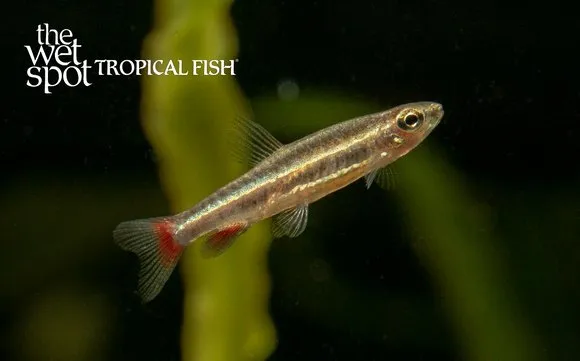
The licorice gouramis at 1.1 to 1.5 inches (2.7 to 3.8 cm), the wild bettas at 1.2 to 1.4 inches (3 to 3.5 cm), the tucano tetra at 0.8 inches (2 cm) and the red-tail dwarf puffer at 1.8 inches (4.5 cm).
Are there difficult fish that are peaceful?
Most of them. The discus, the uaru, the cupid cichlid, the twig catfish and the chocolate gouramis are all marked peaceful. They are hard for their water and their food, not their temper.
Index
All advanced freshwater fish
Planning a tank?
TankBud checks stocking and water fit as you build a tank, then tracks water tests, reminders and photos once it is running.
Track your tanksMaintain tanks for clients? See TankBud Pro