Uaru cichlid
Uaru amphiacanthoides
Also known as Triangle Cichlid
FreshwaterFish
Care at a glance
- Temperature
- 81–86°F
- 27–30°C
- pH
- 6.0–7.5
- Adult size
- 11.8 in
- 30 cm
- Minimum tank
- 65 gal
- 245 L
- Temperament
- Peaceful
- Social behavior
- Social
- Swim level
- Middle
- Difficulty
- Difficult
- Breeding
- Hard
- Rarity
- Very rare
- Family
- Cichlidae
- Origin
- Brazil, Guyana
Overview
The uaru is a large, peaceful cichlid that lives in groups and is happiest kept in a shoal of five or more of its own kind rather than singly or as a lone pair. It is gentle for its size and mixes well with other calm, larger fish such as severums, discus and peaceful catfish, though small fish may be eaten simply because of its size. It is a shy fish that settles better in a group, with tall driftwood and roots to hide among and shaded, quiet surroundings. It is largely herbivorous, so feed a vegetable-rich diet of quality pellets, blanched greens and some frozen foods, and be prepared for it to nibble soft plants. Provide clean, warm, soft water and a tank of at least 245 liters, with much more room for a full group of adults.
In the wild
The uaru comes from the Amazon and Rio Negro drainages of Brazil and Guyana, living among submerged wood and roots in warm, soft, acidic blackwater. It needs real warmth, so keep the tank at 27 to 30 C with a pH of 6.0 to 7.5 in soft water stained by tannins. Recreate its home with tall driftwood, tangled roots and leaf litter, subdued lighting and a tea-colored tint. Because it grazes on soft plants, choose tough species or floating cover, and keep the water clean and well filtered, since this sensitive fish reacts badly to poor conditions.
Good to know
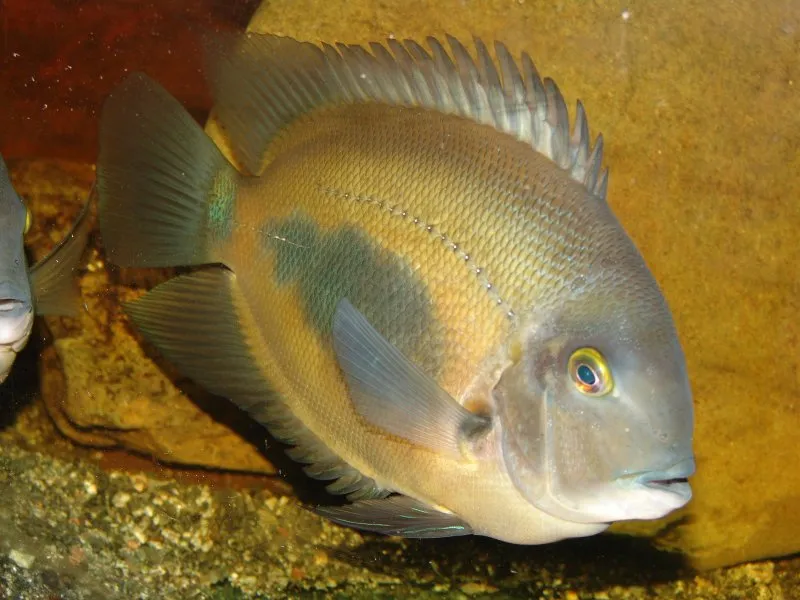
Uaru amphiacanthoides is a member of the cichlid family, Cichlidae, and grows to around 30 cm, with a tall, disc-shaped body and a large dark triangular patch on the flank that gives it the alternative name triangle cichlid. It is a substrate spawner that lays its eggs on wood or rock and guards them as a pair. In a striking parallel with discus, the newly hatched fry feed on a mucus secreted over the parents' skin during their first days. Breeding is difficult, needing soft, warm, clean water and a settled pair.
Did you know
Like discus, uaru parents feed their young on their own bodies. For the first days after hatching, the fry graze on a nutritious mucus secreted over the skin of both parents before they are able to take other food.
Weekly picks
Tank mates
Uaru cichlid is a peaceful, social species that keeps to the middle. These picks share a community profile with it, are safe together in both directions, and overlap on water type, temperature and pH.
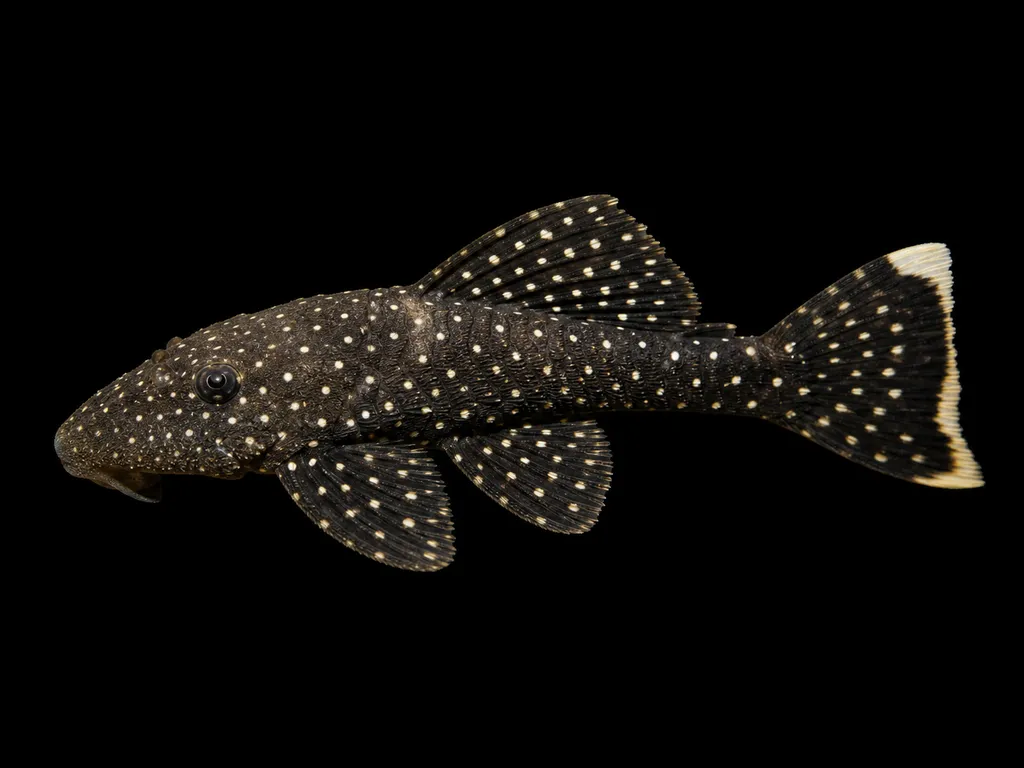
Wolverine pleco
Hopliancistrus wolverine
Freshwater7.9 in (20 cm) · 66 gal (250 L)81–88°F (27–31°C)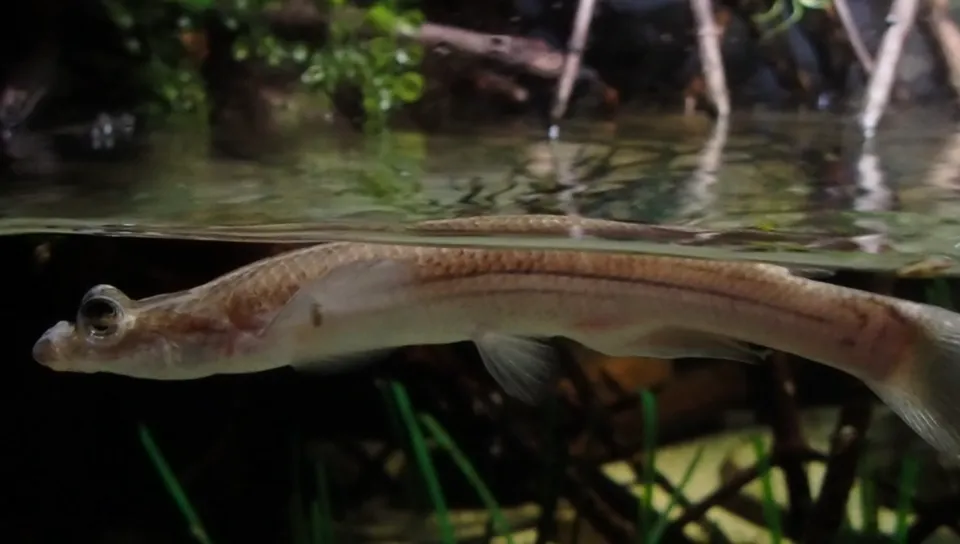
Largescale four-eyed fish
Anableps anableps
FreshwaterBrackish11.8 in (30 cm) · 70 gal (265 L)77–88°F (25–31°C)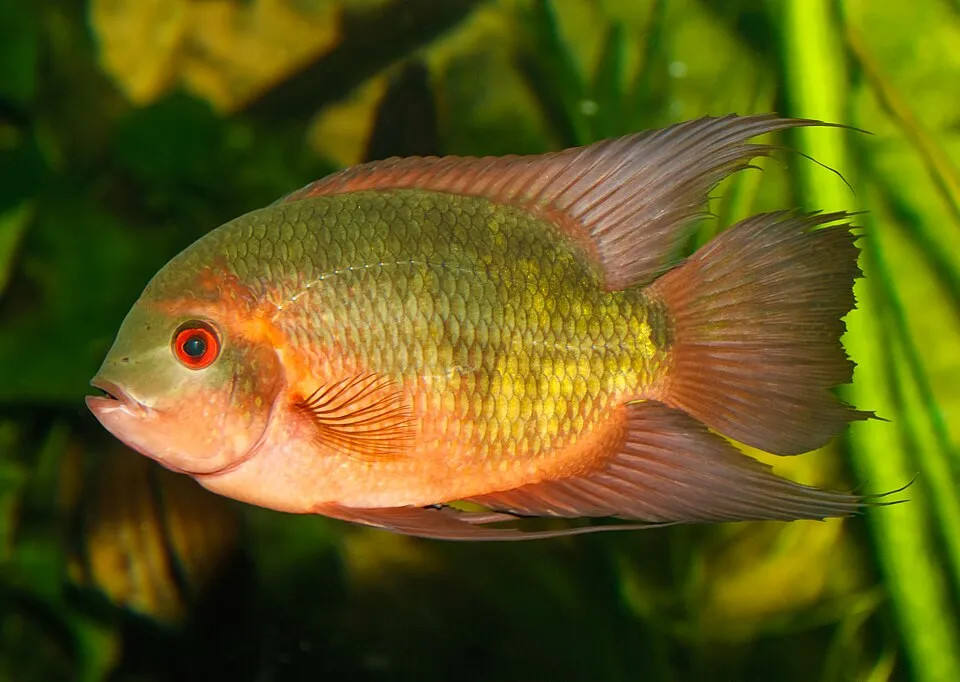
Chocolate cichlid
Hypselecara temporalis
Freshwater11.8 in (30 cm) · 65 gal (245 L)77–86°F (25–30°C)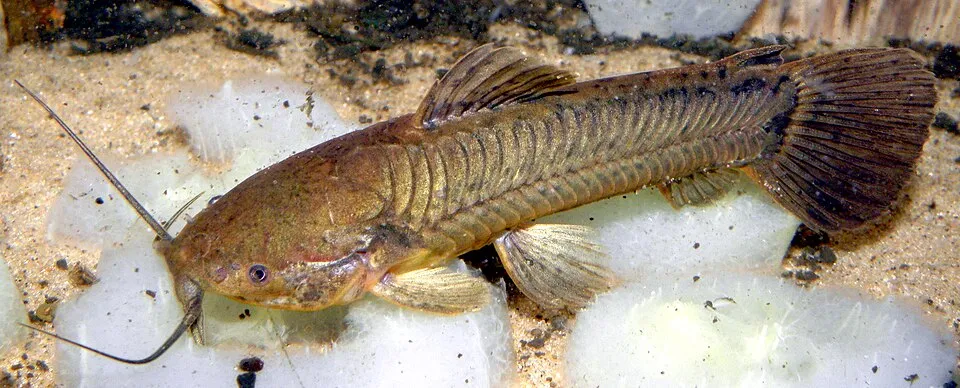
Cascarudo
Callichthys callichthys
Freshwater7.9 in (20 cm) · 63 gal (240 L)66–81°F (19–27°C)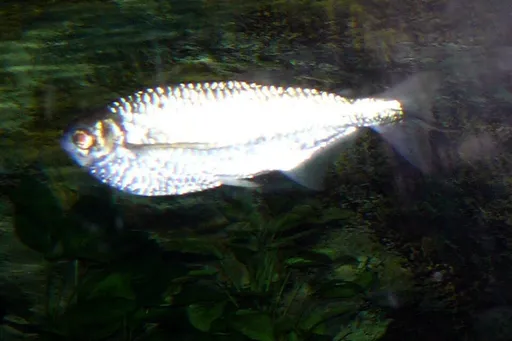
Narrow hatchetfish
Triportheus angulatus
Freshwater9.8 in (25 cm) · 79 gal (300 L)73–82°F (23–28°C)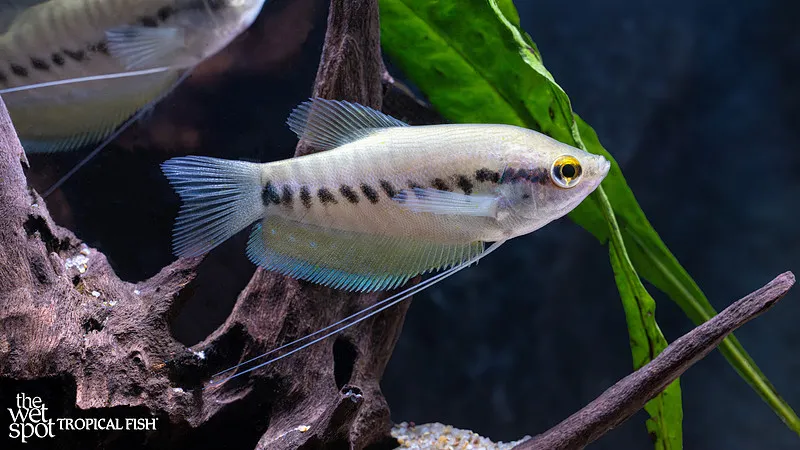
Snakeskin gourami
Trichopodus pectoralis
Freshwater9.8 in (25 cm) · 61 gal (230 L)72–86°F (22–30°C)
Common questions
What size tank does an Uaru cichlid need?
An Uaru cichlid needs at least 65 gal (245 L). It spends most of its time in the middle.
What temperature and pH does an Uaru cichlid need?
An Uaru cichlid is comfortable at 81–86°F (27–30°C) with a pH of 6.0–7.5.
How big does an Uaru cichlid get?
An adult Uaru cichlid reaches about 11.8 in (30 cm).
Related species
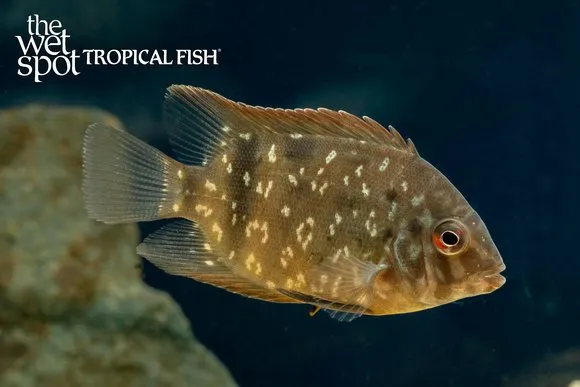 9.1 in (23 cm)159 gal (600 L)75–82°F (24–28°C)
Panda uaru
Uaru fernandezyepezi
9.1 in (23 cm) · 159 gal (600 L)
- 11.8 in (30 cm)65 gal (245 L)77–86°F (25–30°C)
Chocolate cichlid
Hypselecara temporalis
11.8 in (30 cm) · 65 gal (245 L)
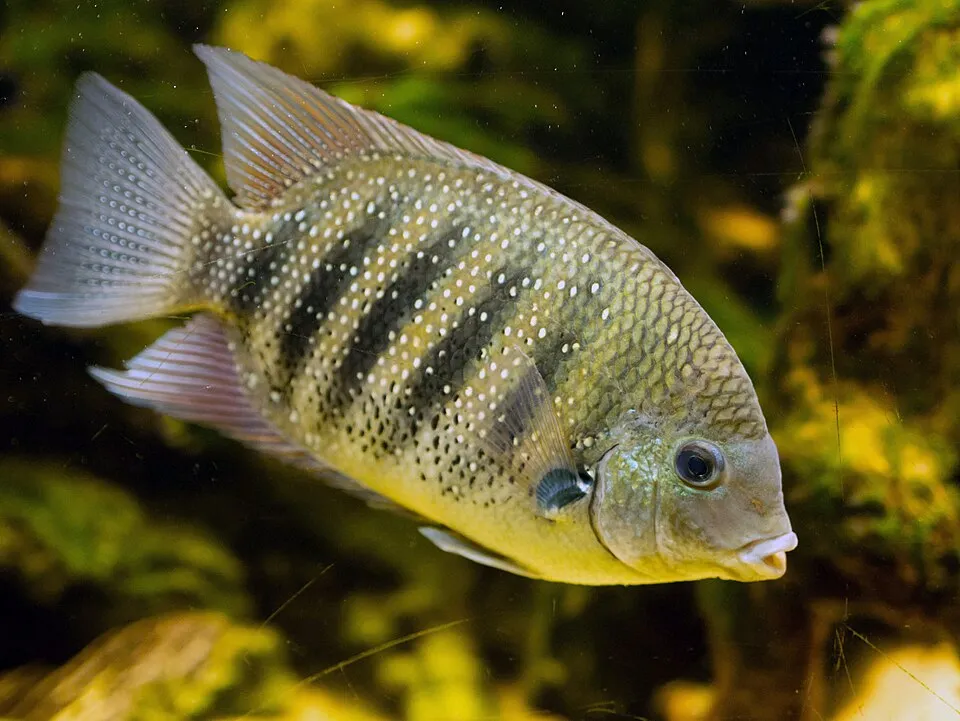 11.8 in (30 cm)145 gal (550 L)68–86°F (20–30°C)
Green chromide
Etroplus suratensis
11.8 in (30 cm) · 145 gal (550 L)
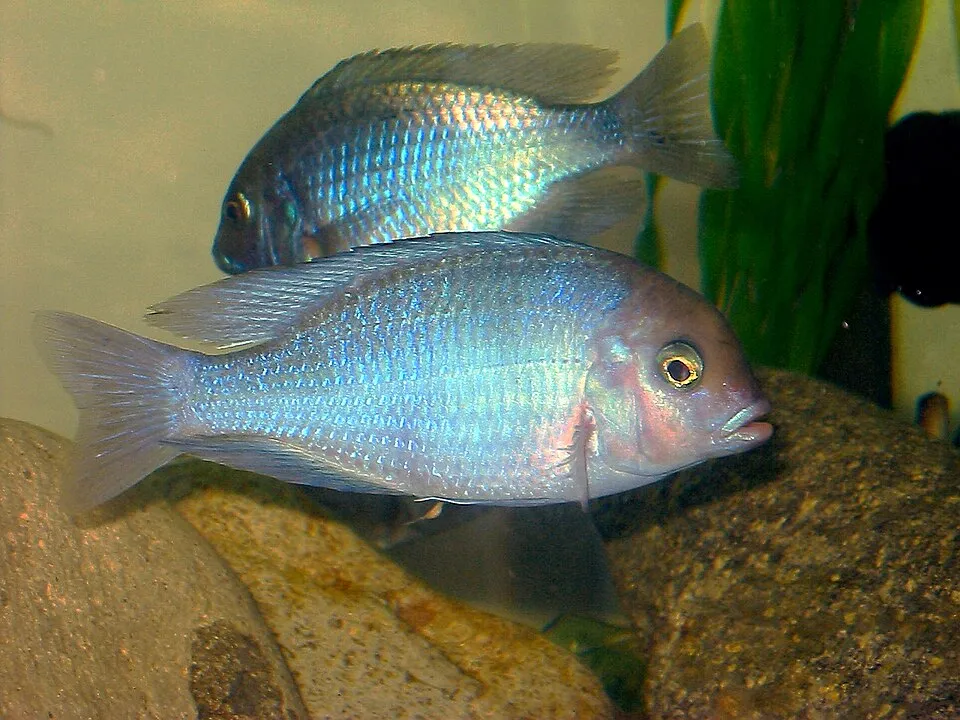 9.8 in (25 cm)66 gal (250 L)77–84°F (25–29°C)
Blue dolphin cichlid
Cyrtocara moorii
9.8 in (25 cm) · 66 gal (250 L)
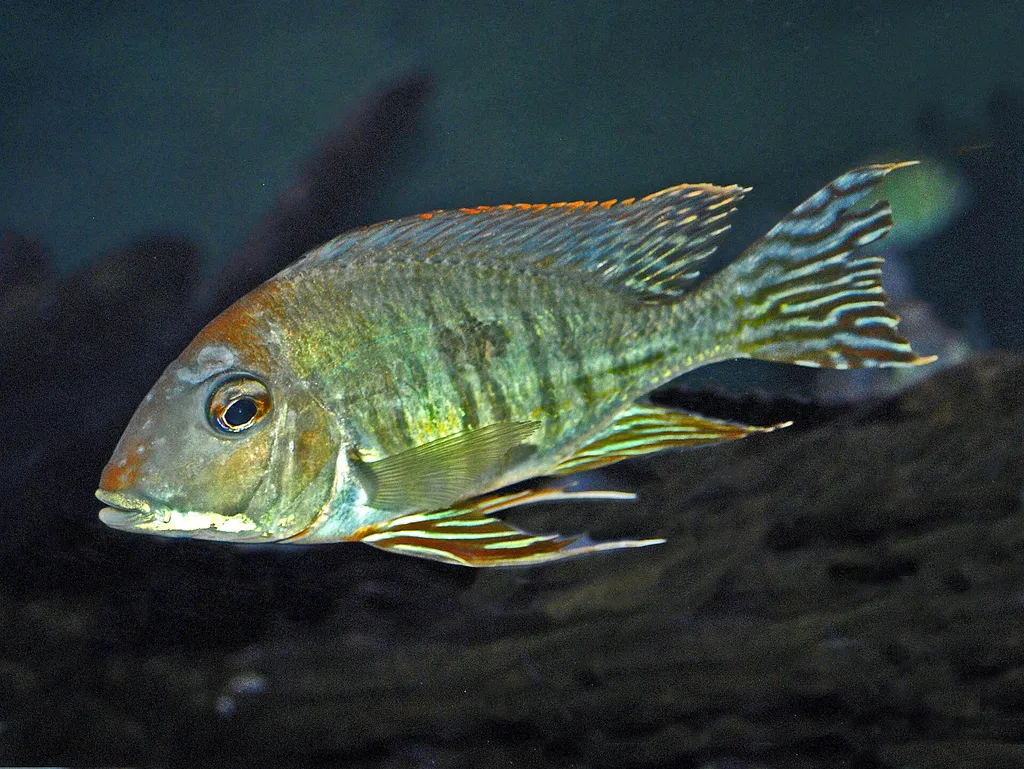 9.8 in (25 cm)115 gal (435 L)79–90°F (26–32°C)
Eartheater cichlid
Geophagus altifrons
9.8 in (25 cm) · 115 gal (435 L)
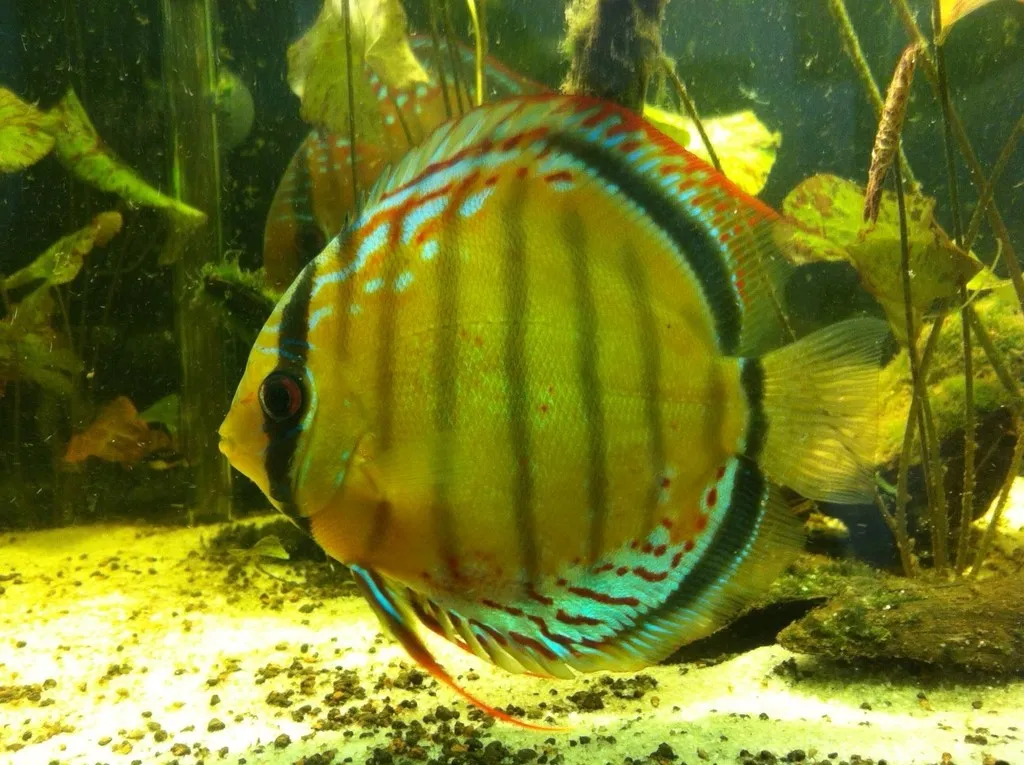 7.9 in (20 cm)65 gal (245 L)81–88°F (27–31°C)
Blue diamond discus
Symphysodon tarzoo
7.9 in (20 cm) · 65 gal (245 L)