Chocolate cichlid
Hypselecara temporalis
FreshwaterFish
Care at a glance
- Temperature
- 77–86°F
- 25–30°C
- pH
- 6.0–7.5
- Adult size
- 11.8 in
- 30 cm
- Minimum tank
- 65 gal
- 245 L
- Temperament
- Peaceful
- Social behavior
- Social
- Swim level
- Middle
- Diet
- Omnivore
- Difficulty
- Medium
- Breeding
- Substrate spawner · Medium
- Rarity
- Rare
- Family
- Cichlidae
- Origin
- Peru, Colombia, Venezuela, Brazil
Overview
The chocolate cichlid is a large cichlid that is generally peaceful and calm for its size. It suits a roomy tank of even-tempered fish and is best with a little experience.
Did you know
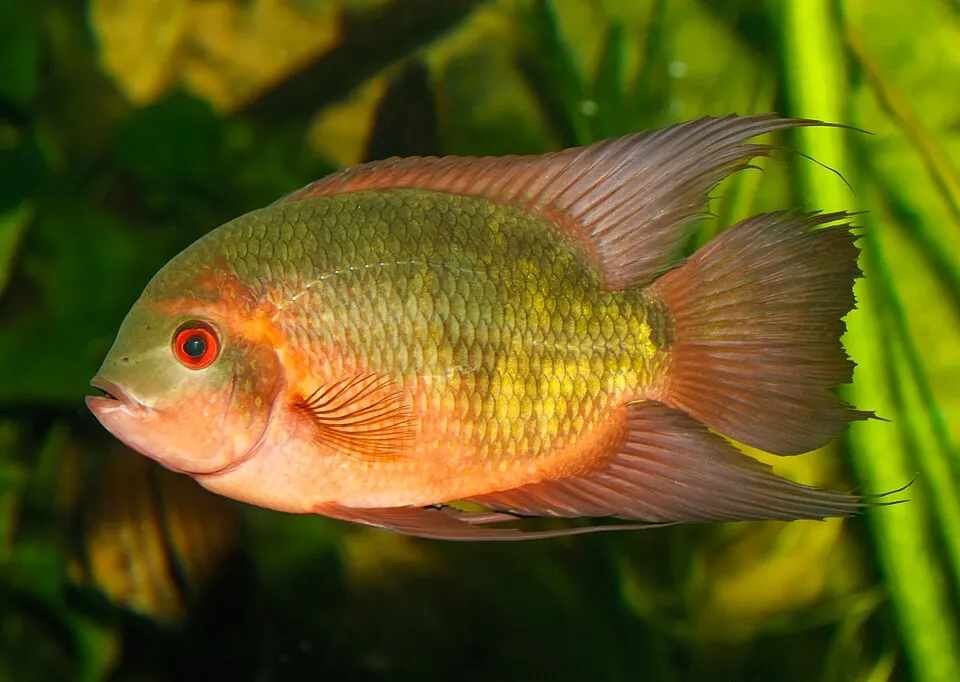
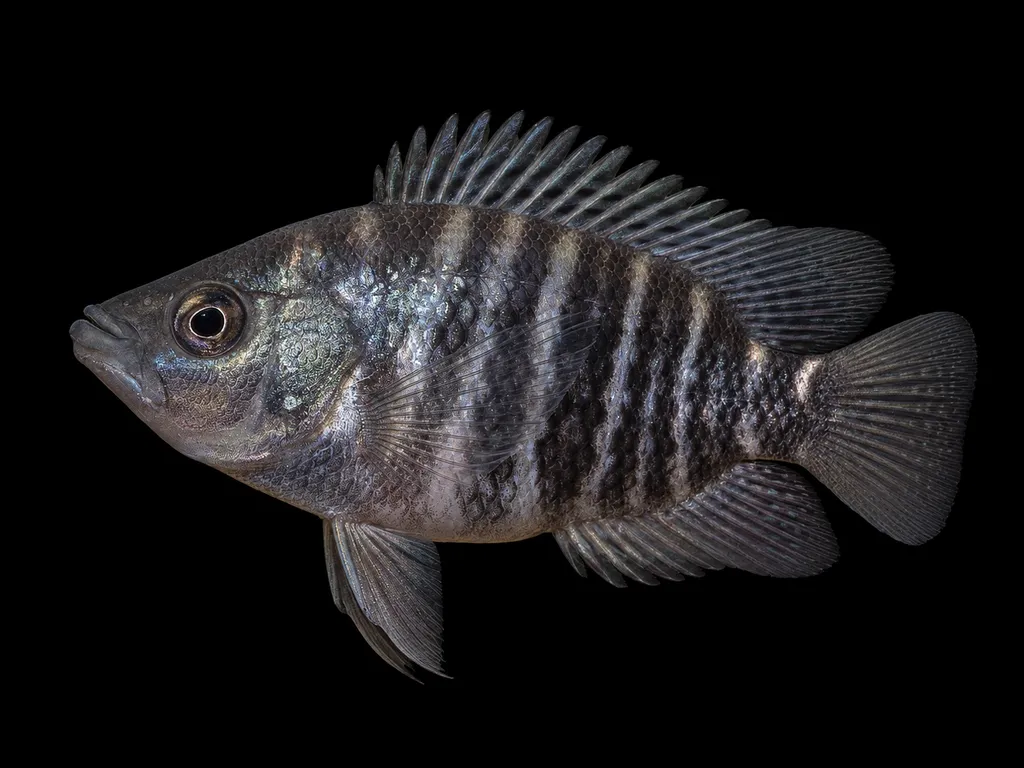
The chocolate cichlid can shift its color quickly with mood. It deepens from a plain brown into a warm reddish tone, with a bright green face and a dark mask through the eye. It shows these colors when it is displaying or defending a nest.
Caring for the chocolate cichlid
Plan for a tank of at least 65 gal (245 L) for a chocolate cichlid, and more for a group of adults. It stays in the middle of the tank, so give it open swimming space with sturdy wood and rock for cover. A scape of driftwood, roots and a sandy floor scattered with leaves suits it. Add gentle water movement and some shade from floating plants or tall background plants.
Keep the water soft to moderately soft, at 77 to 86°F (25 to 30°C) and a pH of 6.0 to 7.5. Feed a varied omnivore diet of good quality pellets, plus frozen and live foods such as bloodworm, prawn and earthworm.
The chocolate cichlid can live as a pair or in a group with other medium to large, even-tempered fish. Severums, larger peaceful catfish and other easygoing cichlids of similar size make suitable tank mates. It turns territorial and more defensive when a pair forms and spawns, so leave room for weaker fish to keep their distance.
It is a substrate spawner that lays its eggs on a cleaned vertical or sloping surface, such as wood or rock. Both parents guard the clutch and the fry, and they can be protective and boisterous while guarding. Breeding is of moderate difficulty once a settled pair has enough space and good water quality.
Good to know
The chocolate cichlid, Hypselecara temporalis, is a member of the family Cichlidae. It has a tall, disc-shaped body that turns a rich reddish-brown to chocolate color, with a green sheen in mature and breeding fish.
In the wild
The chocolate cichlid is widespread across the western Amazon, ranging through Peru, Colombia, Venezuela and Brazil. It lives in slow rivers, flooded forest and quiet backwaters, among submerged branches and leaf litter. The water there is warm, soft and slightly acidic, in sheltered habitats stained with tannins.
Weekly picks
Tank mates
The chocolate cichlid is a peaceful, social species that keeps to the middle. These picks share a community profile with it, are safe together in both directions, and overlap on water type, temperature and pH.
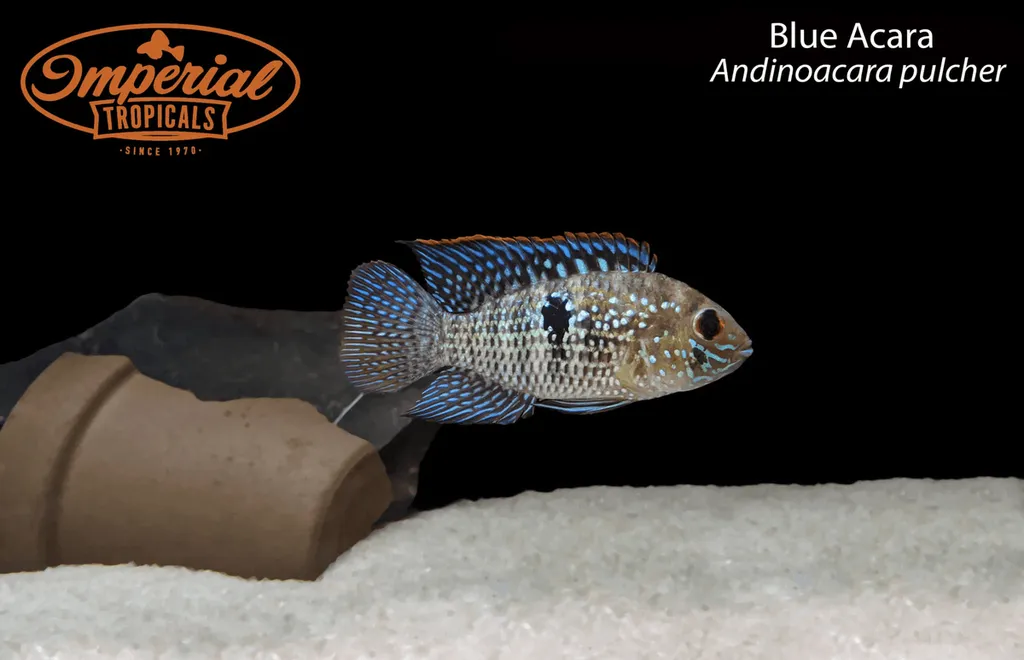
Blue acara
Andinoacara pulcher
Freshwater5.9 in (15 cm) · 42 gal (160 L)72–82°F (22–28°C)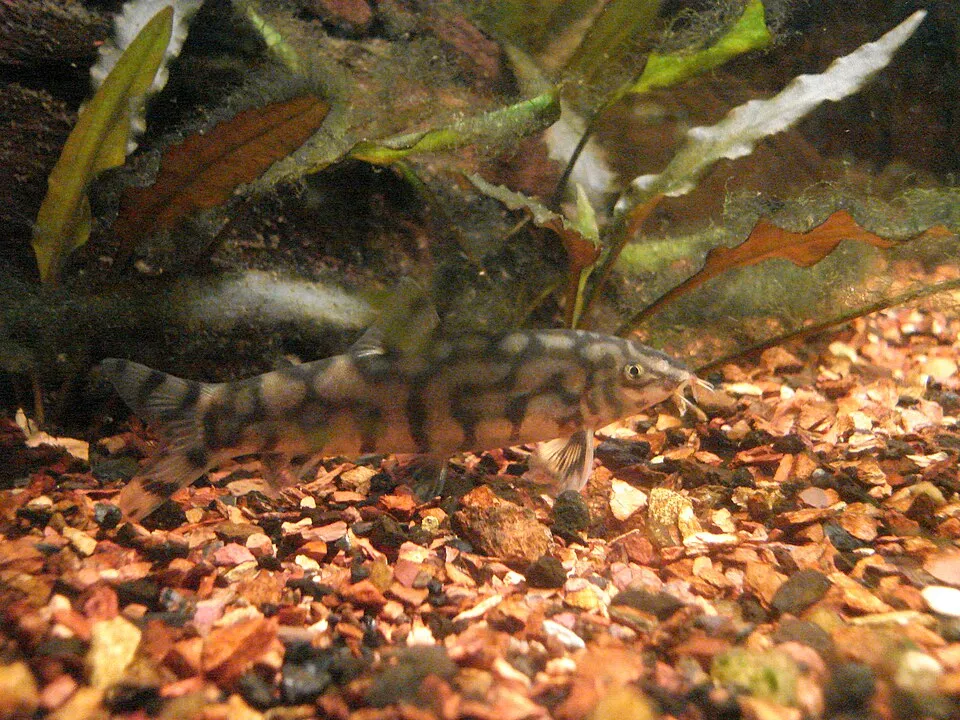
Yoyo loach
Botia almorhae
Freshwater6.3 in (16 cm) · 42 gal (160 L)66–81°F (19–27°C)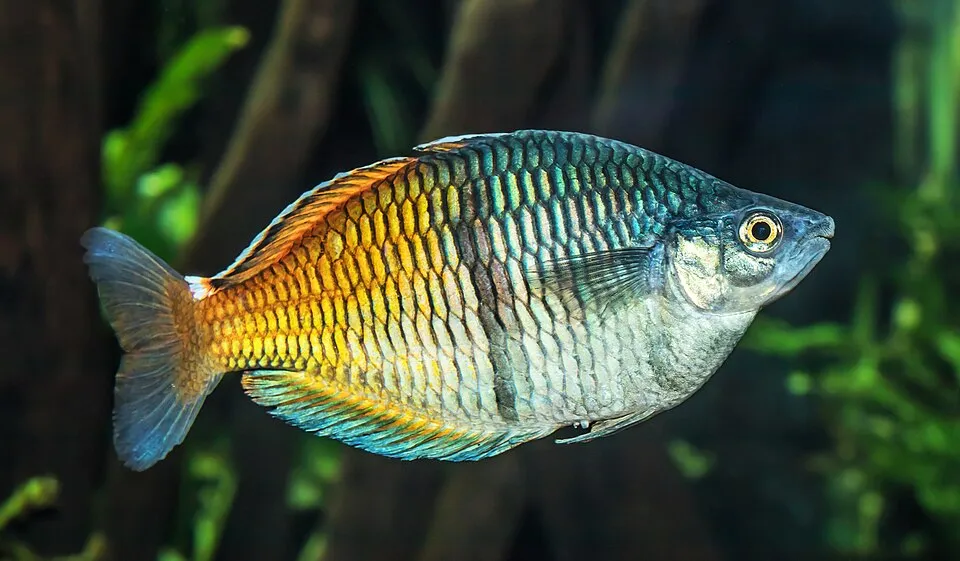
Boeseman's rainbowfish
Melanotaenia boesemani
Freshwater4.3 in (11 cm) · 29 gal (108 L)81–86°F (27–30°C)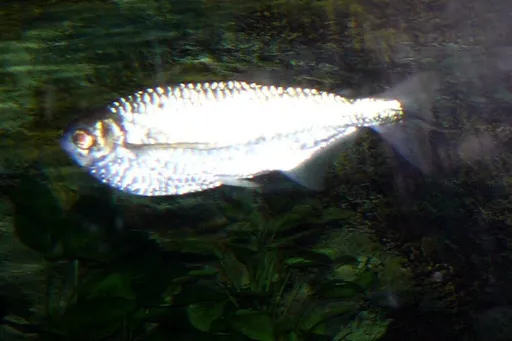
Narrow hatchetfish
Triportheus angulatus
Freshwater9.8 in (25 cm) · 79 gal (300 L)73–82°F (23–28°C)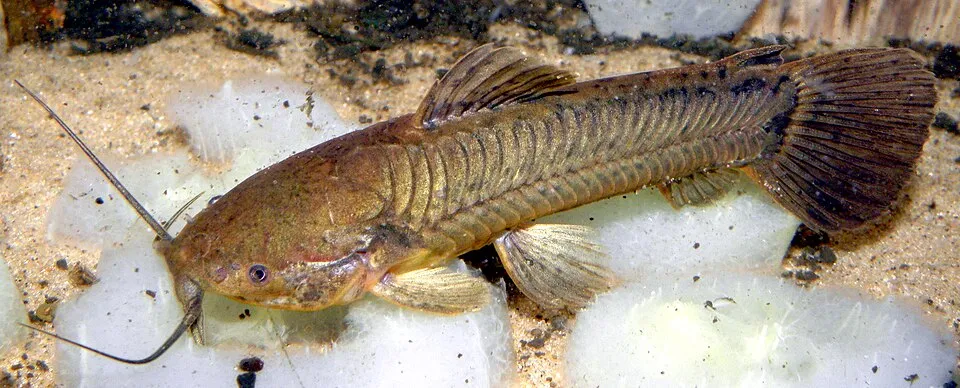
Cascarudo
Callichthys callichthys
Freshwater7.9 in (20 cm) · 63 gal (240 L)66–81°F (19–27°C)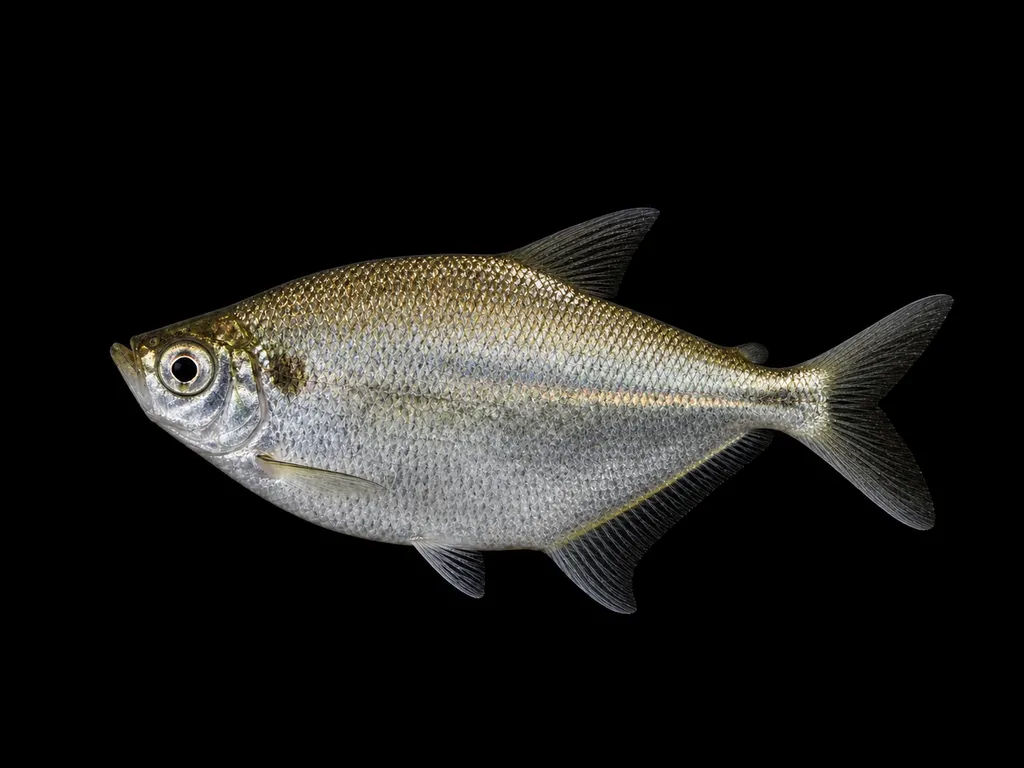
Giant river hatchetfish
Triportheus rotundatus
Freshwater9.8 in (25 cm) · 79 gal (300 L)73–82°F (23–28°C)
Common questions
What size tank does a chocolate cichlid need?
A chocolate cichlid needs at least 65 gal (245 L). It spends most of its time in the middle.
What temperature and pH does a chocolate cichlid need?
A chocolate cichlid is comfortable at 77–86°F (25–30°C) with a pH of 6.0–7.5.
What does a chocolate cichlid eat?
A chocolate cichlid eats a varied omnivore diet of good quality pellets. Add frozen and live foods such as bloodworm, prawn and earthworm.
How big does a chocolate cichlid get?
An adult chocolate cichlid reaches about 11.8 in (30 cm).
How does a chocolate cichlid breed?
A chocolate cichlid lays its eggs on a cleaned vertical or sloping surface, such as wood or rock. Both parents guard the eggs and fry. Breeding is moderately difficult once a settled pair has enough space and good water quality.
Related species
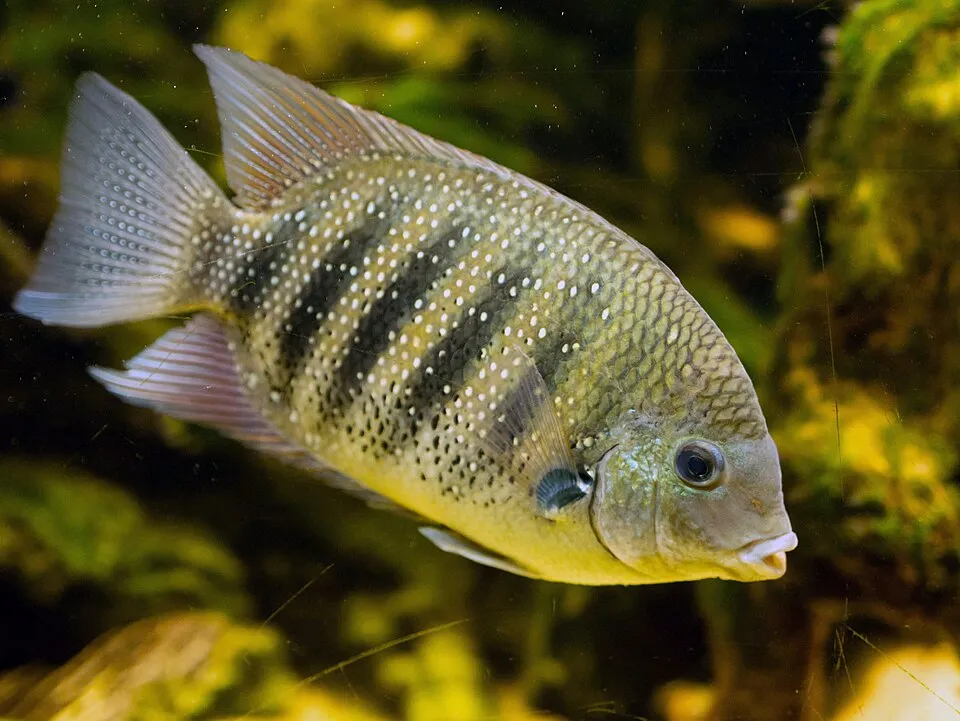
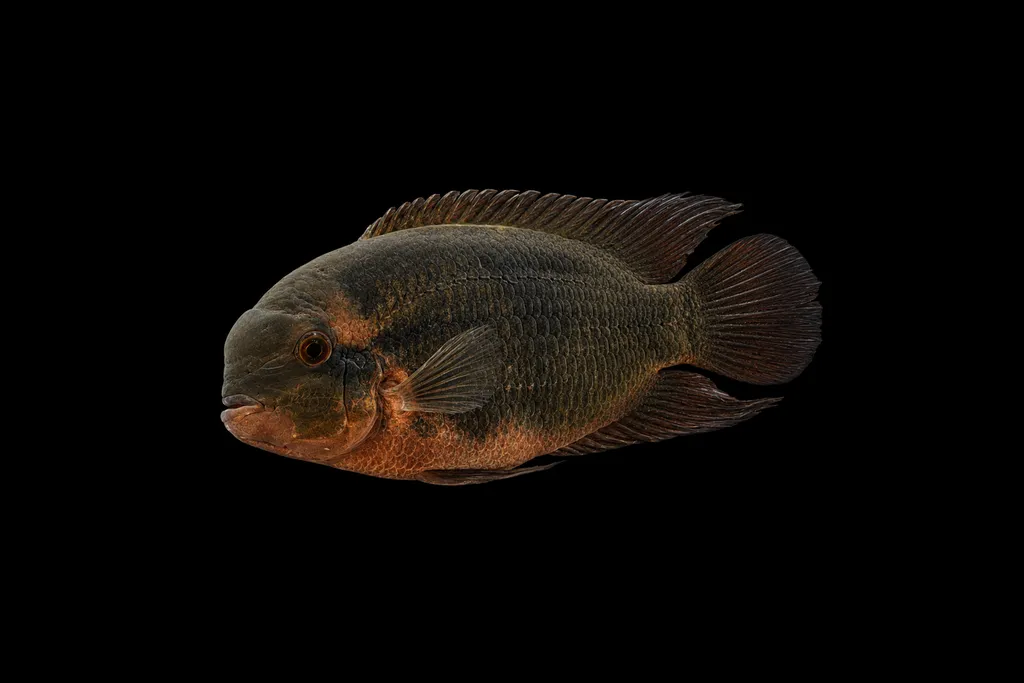 7.9 in (20 cm)63 gal (240 L)75–82°F (24–28°C)
Rio Negro chocolate cichlid
Hypselecara coryphaenoides
7.9 in (20 cm) · 63 gal (240 L)
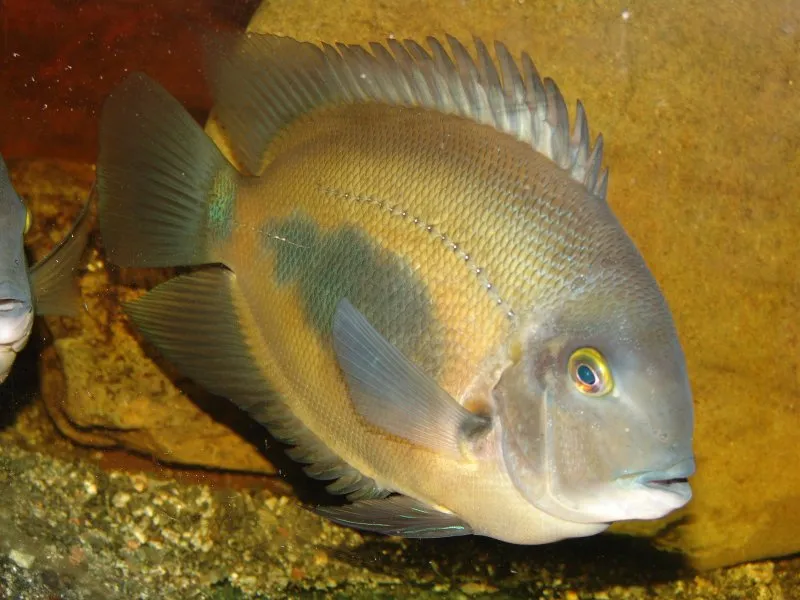
 11.8 in (30 cm)145 gal (550 L)68–86°F (20–30°C)
Green chromide
Etroplus suratensis
11.8 in (30 cm) · 145 gal (550 L)
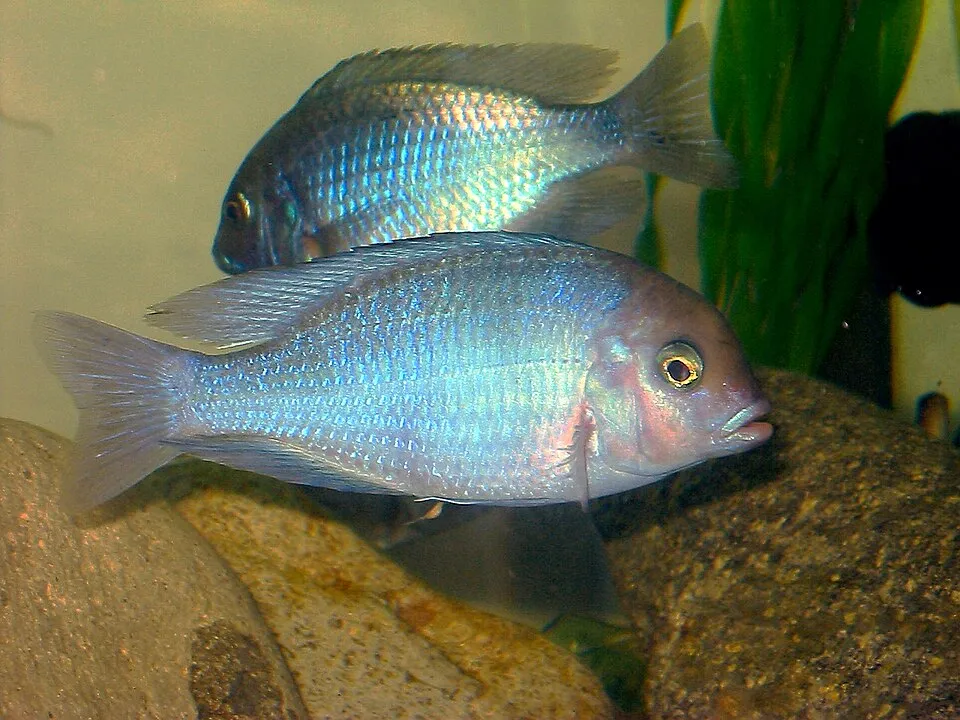
 11.8 in (30 cm)65 gal (245 L)81–86°F (27–30°C)
Uaru cichlid
Uaru amphiacanthoides
11.8 in (30 cm) · 65 gal (245 L)
 9.8 in (25 cm)66 gal (250 L)77–84°F (25–29°C)
Blue dolphin cichlid
Cyrtocara moorii
9.8 in (25 cm) · 66 gal (250 L)
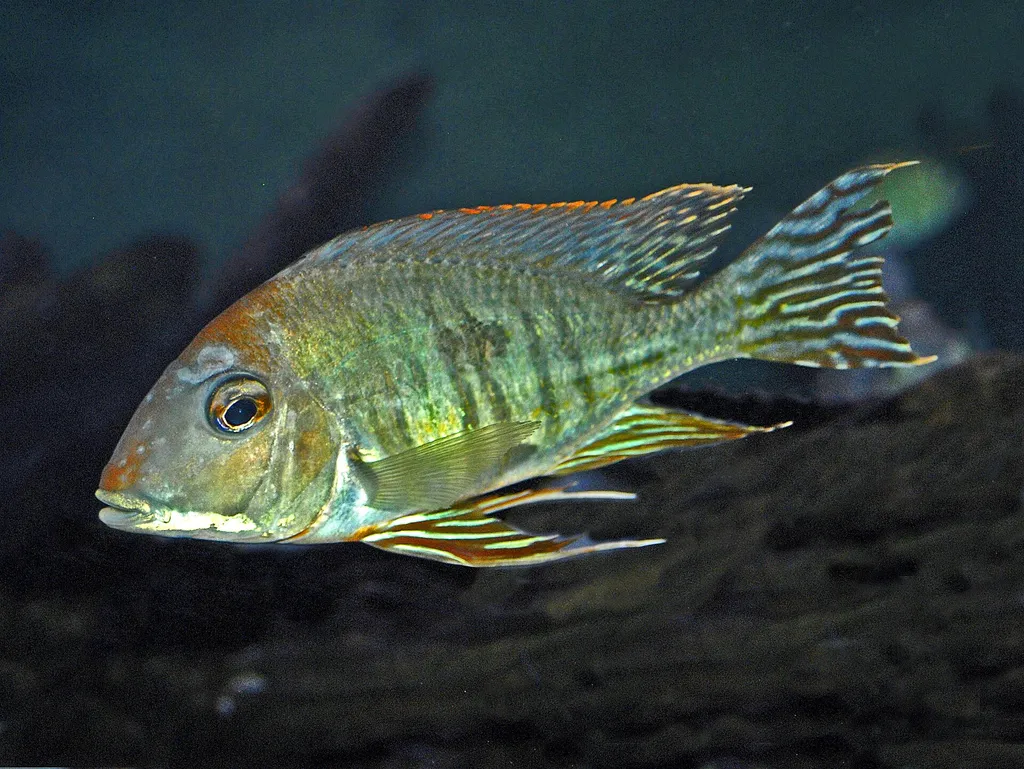 9.8 in (25 cm)172 gal (650 L)79–90°F (26–32°C)
Eartheater cichlid
Geophagus altifrons
9.8 in (25 cm) · 172 gal (650 L)
 11.8 in (30 cm)79 gal (300 L)79–86°F (26–30°C)
Basketmouth cichlid
Caquetaia kraussii
11.8 in (30 cm) · 79 gal (300 L)