Boeseman's rainbowfish
Melanotaenia boesemani
Also known as Boesemani rainbowfish
FreshwaterFish
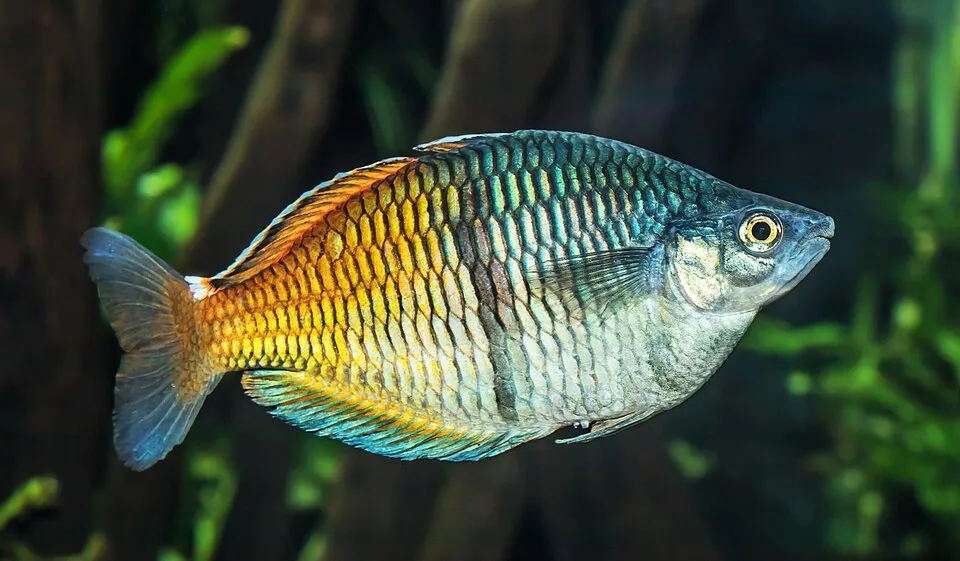
Care at a glance
- Temperature
- 81–86°F
- 27–30°C
- pH
- 7.0–8.0
- Adult size
- 4.3 in
- 11 cm
- Minimum tank
- 30 gal
- 115 L
- Temperament
- Peaceful
- Social behavior
- Schooling
- Swim level
- Middle
- Difficulty
- Medium
- Breeding
- Hard
- Rarity
- Rare
- Family
- Melanotaeniidae
- Origin
- New Guinea
Overview
Boeseman's rainbowfish look their best in a group of six or more, ideally with several males so they show off the two-tone blue and orange that mature males develop. They are peaceful midwater swimmers that mix well with other calm fish that enjoy warm, harder water. Good color comes with age, quality food, and bright light, so be patient with young stock that arrives fairly plain. Feed a mix of flake or small pellet, frozen bloodworms, daphnia, and brine shrimp. Plant the edges heavily and keep open swimming space through the middle. Aim for a tank around 115 liters or larger.
In the wild
This species is native to the Ajamaru Lakes and connected streams on the Vogelkop Peninsula of western New Guinea. The lakes are warm, clear, and hard with alkaline water, which is why it wants a pH of about 7 to 8 and a temperature between 27 and 30 degrees Celsius, warmer than many rainbowfish. Recreate that with fine substrate, rock and wood, plenty of plants around the sides, and steady warmth with clean, well-oxygenated water.
Good to know
Melanotaenia boesemani belongs to Melanotaeniidae and grows to around 11 centimeters. Males carry the deep body and split coloring the species is known for, while females stay slimmer and more silvery. It is an egg-scattering spawner that lays a few eggs a day across a long period, attaching them to fine plants or mops with short threads, and offers no parental care. Steady conditions and separating eggs from adults help, but consistent results are difficult, so breeding is rated hard.
Did you know
The fish is named after Marinus Boeseman, the Dutch scientist who described it, and it comes from just a handful of lakes. Heavy collection for the aquarium trade has pressured wild stocks, so most fish sold today are farm bred.
Weekly picks
Tank mates
Boeseman's rainbowfish is a peaceful, schooling species that keeps to the middle. These picks share a community profile with it, are safe together in both directions, and overlap on water type, temperature and pH.
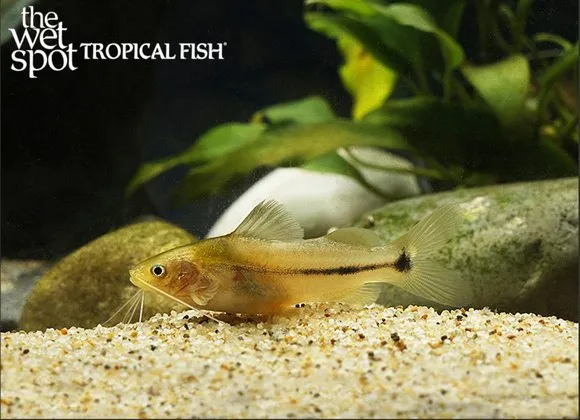
Mees' antenna catfish
Brachyrhamdia meesi
Freshwater2.4 in (6 cm) · 30 gal (112 L)73–82°F (23–28°C)
Redfin halfbeak
Nomorhamphus ebrardtii
Freshwater3.5 in (9 cm) · 29 gal (110 L)75–81°F (24–27°C)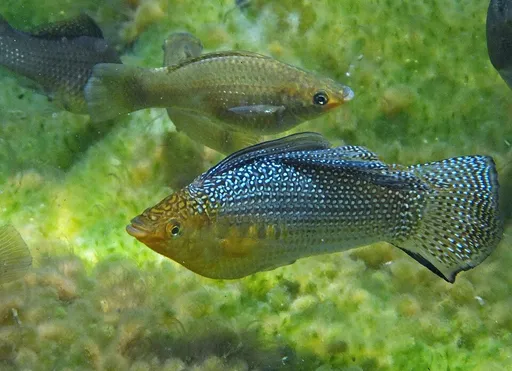
Giant sailfin molly
Poecilia velifera
FreshwaterBrackish5.9 in (15 cm) · 30 gal (113 L)75–82°F (24–28°C)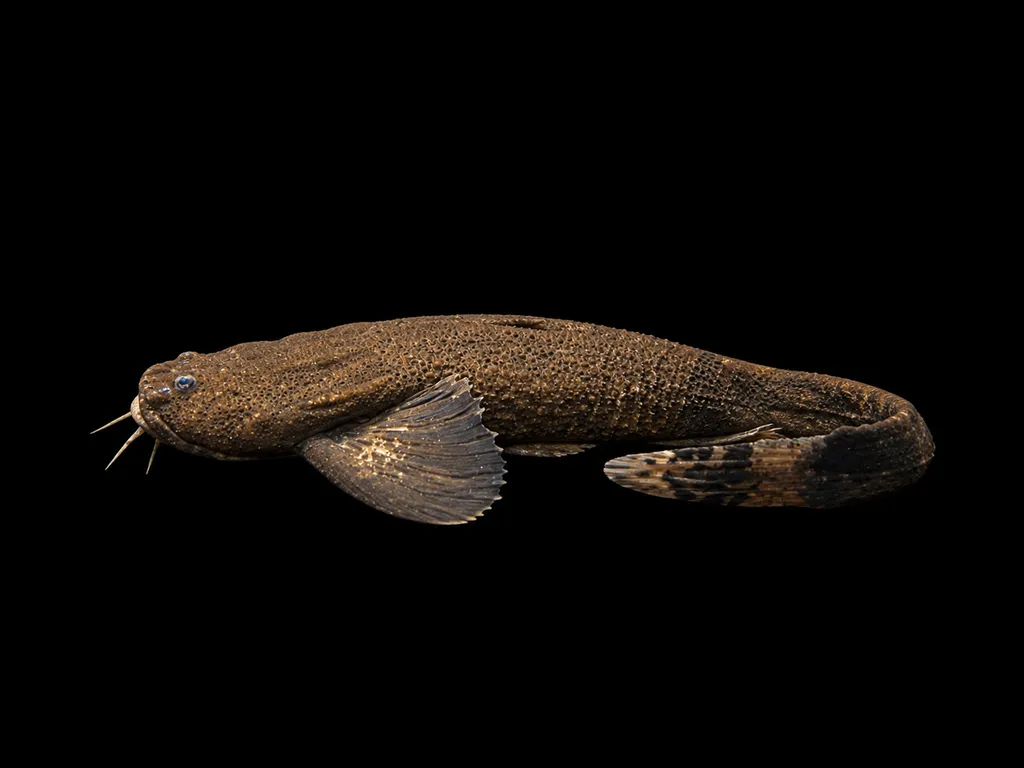
Two-ray banjo catfish
Amaralia hypsiura
Freshwater5.1 in (13 cm) · 30 gal (112 L)73–82°F (23–28°C)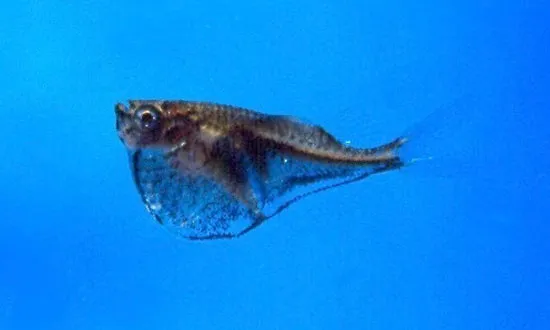
Blackwing hatchetfish
Carnegiella marthae
Freshwater1.4 in (3.5 cm) · 30 gal (115 L)68–82°F (20–28°C)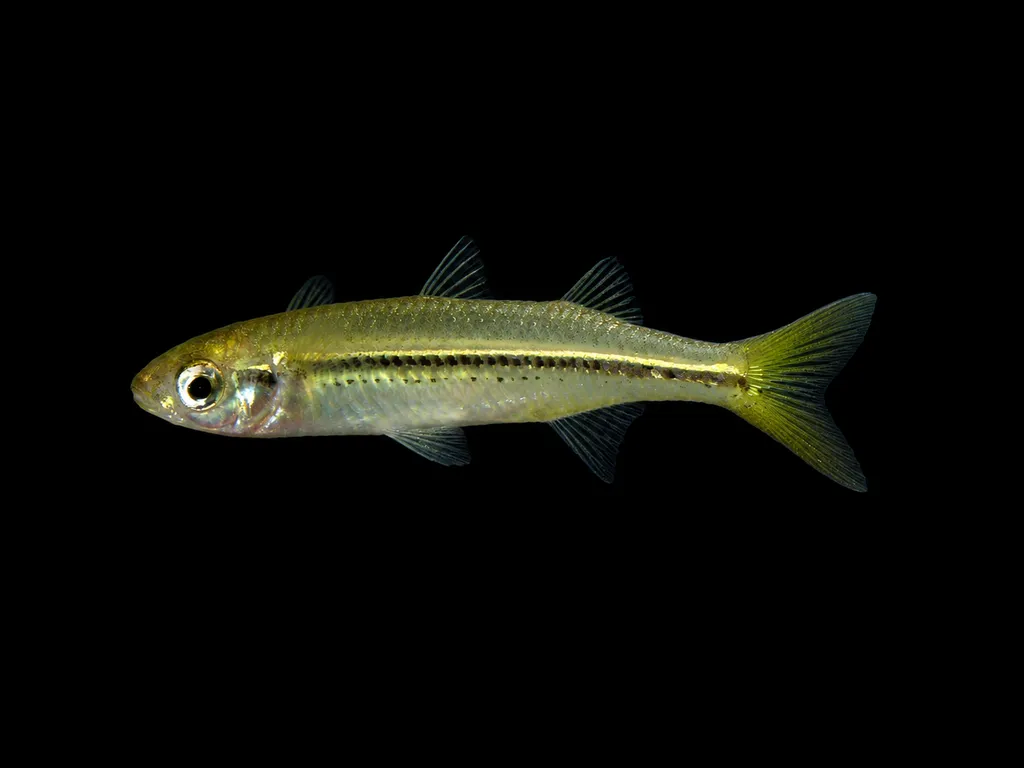
Kubuna hardyhead
Craterocephalus randi
Freshwater3.1 in (8 cm) · 30 gal (112 L)72–82°F (22–28°C)
Common questions
What size tank does a Boeseman's rainbowfish need?
A Boeseman's rainbowfish needs at least 30 gal (115 L). It spends most of its time in the middle.
What temperature and pH does a Boeseman's rainbowfish need?
A Boeseman's rainbowfish is comfortable at 81–86°F (27–30°C) with a pH of 7.0–8.0.
How big does a Boeseman's rainbowfish get?
An adult Boeseman's rainbowfish reaches about 4.3 in (11 cm).
Does a Boeseman's rainbowfish need a group?
Yes. A Boeseman's rainbowfish is a schooling species and should be kept in a group, not singly.
Related species
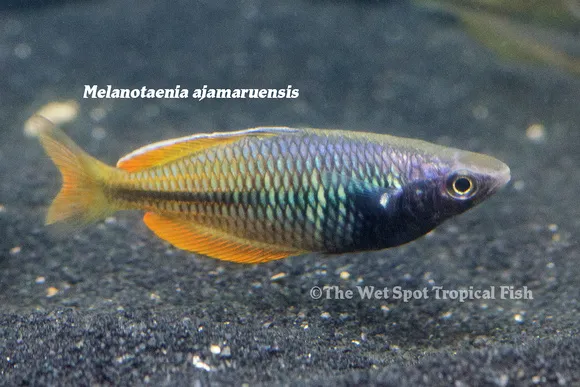 4.3 in (11 cm)42 gal (160 L)75–84°F (24–29°C)
Ajamaru Lakes rainbowfish
Melanotaenia ajamaruensis
4.3 in (11 cm) · 42 gal (160 L)
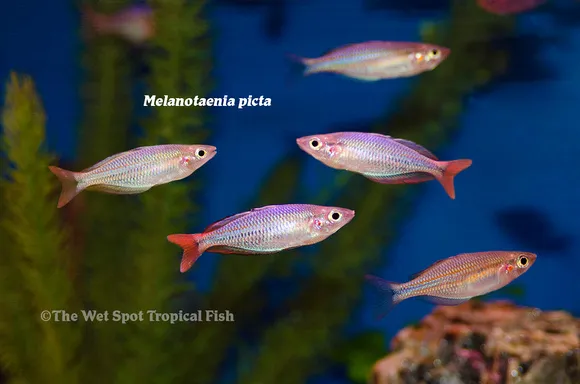 4.2 in (10.7 cm)29 gal (110 L)77–86°F (25–30°C)
Painted rainbowfish
Melanotaenia picta
4.2 in (10.7 cm) · 29 gal (110 L)
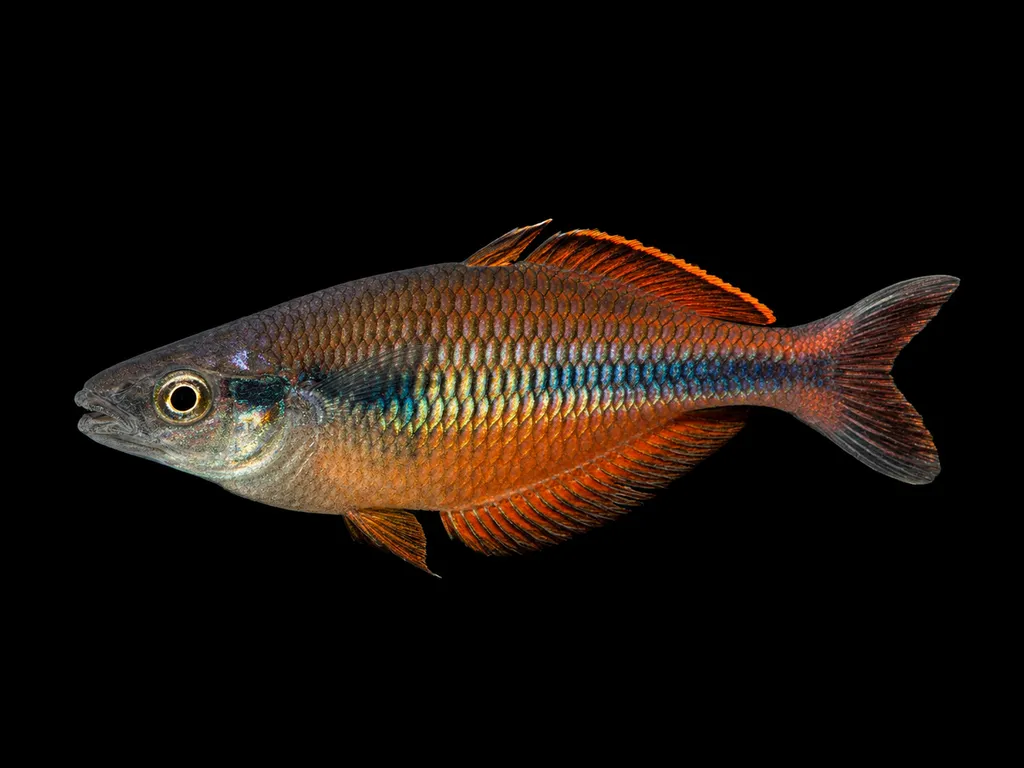 4.2 in (10.6 cm)42 gal (160 L)75–84°F (24–29°C)
Klasio rainbowfish
Melanotaenia klasioensis
4.2 in (10.6 cm) · 42 gal (160 L)
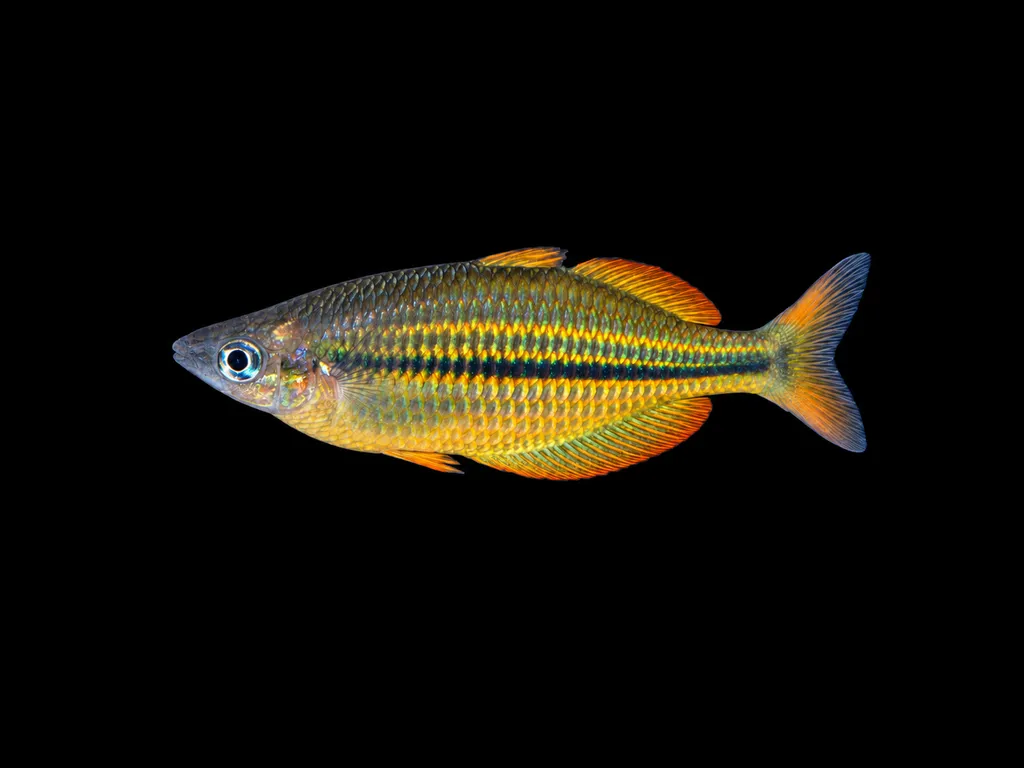 4.6 in (11.7 cm)42 gal (160 L)77–86°F (25–30°C)
Ammer rainbowfish
Melanotaenia ammeri
4.6 in (11.7 cm) · 42 gal (160 L)
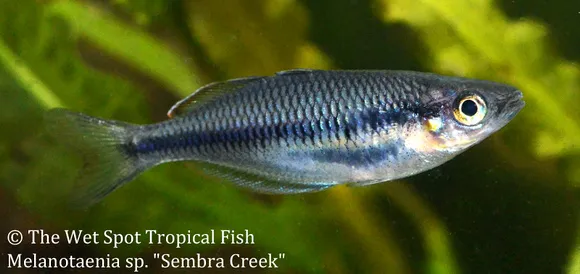 4.6 in (11.7 cm)42 gal (160 L)75–84°F (24–29°C)
Sembra rainbowfish
Melanotaenia sembrae
4.6 in (11.7 cm) · 42 gal (160 L)
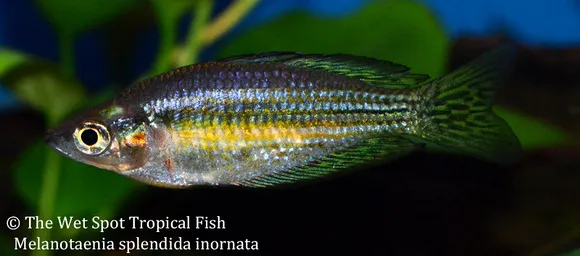 4.7 in (12 cm)53 gal (200 L)72–86°F (22–30°C)
Checkered rainbowfish
Melanotaenia splendida inornata
4.7 in (12 cm) · 53 gal (200 L)