Congo garra
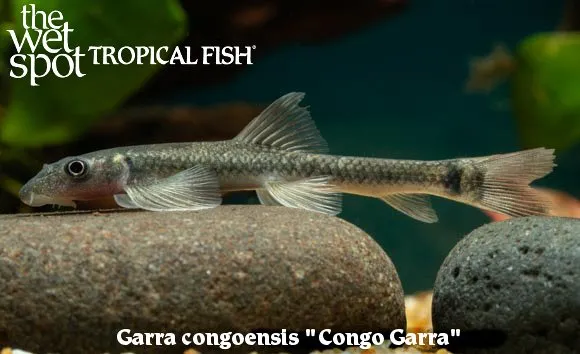
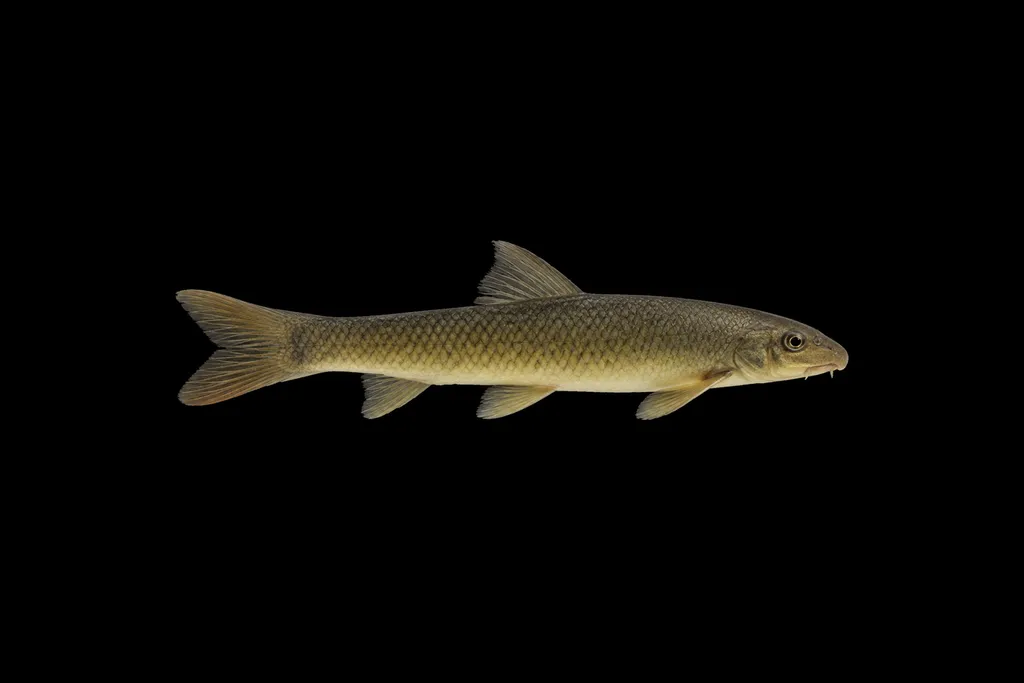
Garra congoensis
Also known as Congo log sucker
FreshwaterFish
Care at a glance
- Temperature
- 72–81°F
- 22–27°C
- pH
- 6.0–7.5
- Adult size
- 3.9 in
- 10 cm
- Minimum tank
- 29 gal
- 110 L
- Temperament
- Mostly peaceful
- Social behavior
- Social
- Swim level
- Bottom
- Diet
- Omnivore
- Difficulty
- Medium
- Breeding
- No record
- Rarity
- Rare
- Family
- Cyprinidae
- Origin
- Rapids of the Congo basin
Overview
The Congo garra is an African cyprinid that grazes on the bottom of a tank with strong current. It is mostly peaceful and best with a little experience.
Did you know
The Congo garra belongs to a genus centered in Asia, and it is one of relatively few African members. It carries the garra body plan into the lower Congo, home to some of the fiercest freshwater rapids on the planet.
Caring for the Congo garra
Give the Congo garra a tank of at least 29 gal (110 L) with strong flow, high oxygen and plenty of surface movement. Add water-worn boulders, cobbles, smooth stones and driftwood, and leave open surfaces for grazing. It spends its time on the bottom, grazing hard surfaces and clinging to stone in the current.
Keep the water pristine and well filtered, at 72 to 81°F (22 to 27°C) and a pH of 6.0 to 7.5. The garra feeds on biofilm and algae, so supplement its grazing with algae wafers and spirulina. Some meaty frozen foods help keep it in condition.
The Congo garra is social and mostly peaceful, and a small group suits it. Choose sturdy, active midwater tank mates that also like moving water. Pick neighbors gentle enough that the garra can feed in peace. Breeding in home tanks is undocumented.
Good to know
The Congo garra, Garra congoensis, is a cyprinid of the family Cyprinidae, also known as the Congo log sucker. Like its Asian cousins, it has a fleshy, sucker-like structure on the underside of the mouth. That structure grips stone in fast water while the fish grazes.
In the wild
The Congo garra clings to rock in the rapids and fast runs of the lower Congo River. The species was described from the Kinsuka rapids near Kinshasa.
Weekly picks
Tank mates
The Congo garra is a mostly peaceful, social species that keeps to the bottom. These picks share a community profile with it, are safe together in both directions, and overlap on water type, temperature and pH.
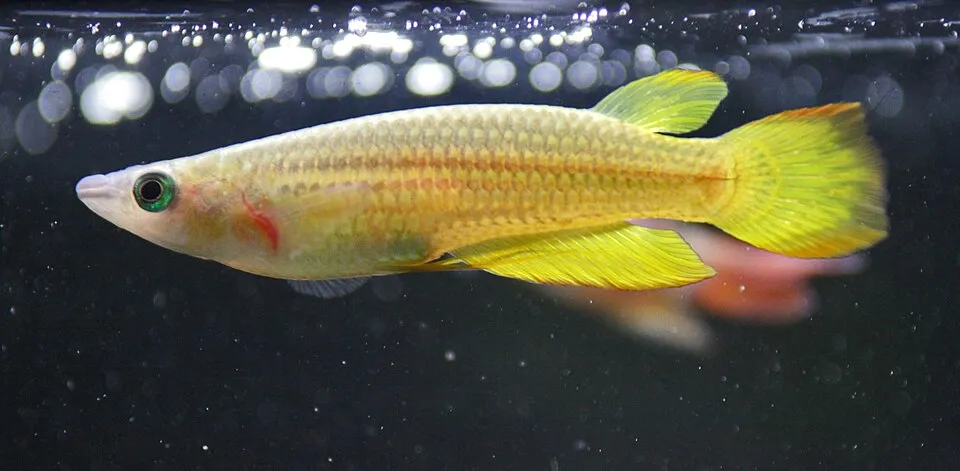
Striped panchax
Aplocheilus lineatus
Freshwater4.3 in (11 cm) · 30 gal (115 L)72–77°F (22–25°C)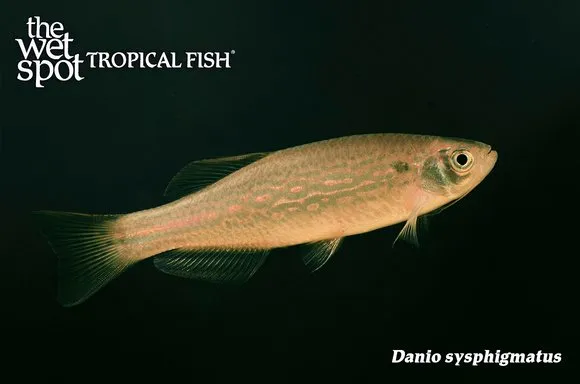
Sittaung danio
Danio sysphigmatus
Freshwater3.3 in (8.5 cm) · 29 gal (110 L)72–81°F (22–27°C)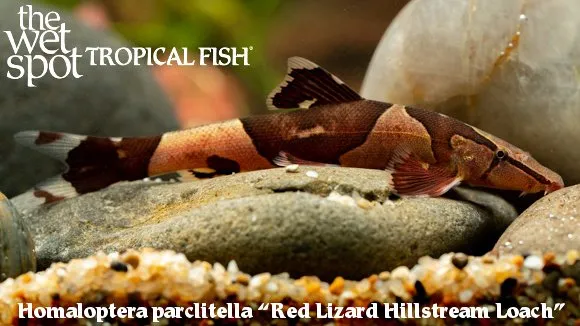
Malayan lizard loach
Homaloptera parclitella
Freshwater3.9 in (10 cm) · 29 gal (110 L)70–79°F (21–26°C)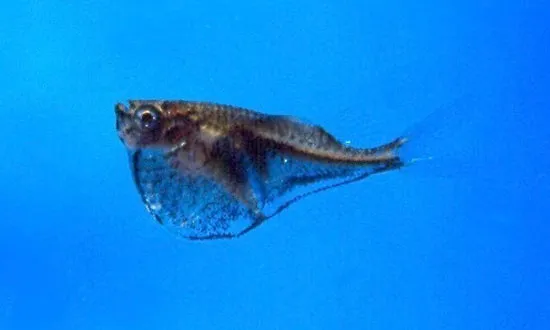
Blackwing hatchetfish
Carnegiella marthae
Freshwater1.4 in (3.5 cm) · 30 gal (115 L)68–82°F (20–28°C)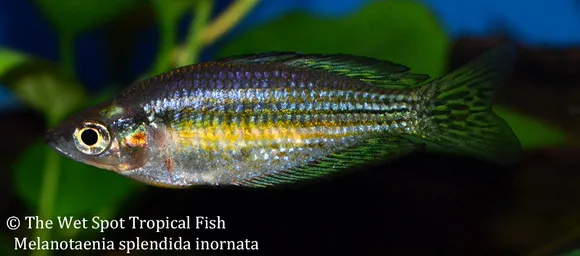
Checkered rainbowfish
Melanotaenia splendida inornata
Freshwater4.7 in (12 cm) · 29 gal (110 L)72–86°F (22–30°C)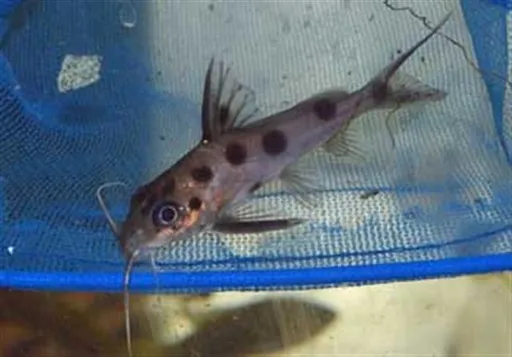
One-spot synodontis
Synodontis notatus
Freshwater9.8 in (25 cm) · 29 gal (110 L)72–81°F (22–27°C)
Common questions
What size tank does a Congo garra need?
A Congo garra needs at least 29 gal (110 L). It spends most of its time in the bottom.
What temperature and pH does a Congo garra need?
A Congo garra is comfortable at 72–81°F (22–27°C) with a pH of 6.0–7.5.
What does a Congo garra eat?
A Congo garra grazes biofilm and algae. Give it algae wafers and spirulina on top of its grazing, with some meaty frozen foods to keep it in condition.
How big does a Congo garra get?
An adult Congo garra reaches about 3.9 in (10 cm).
Related species
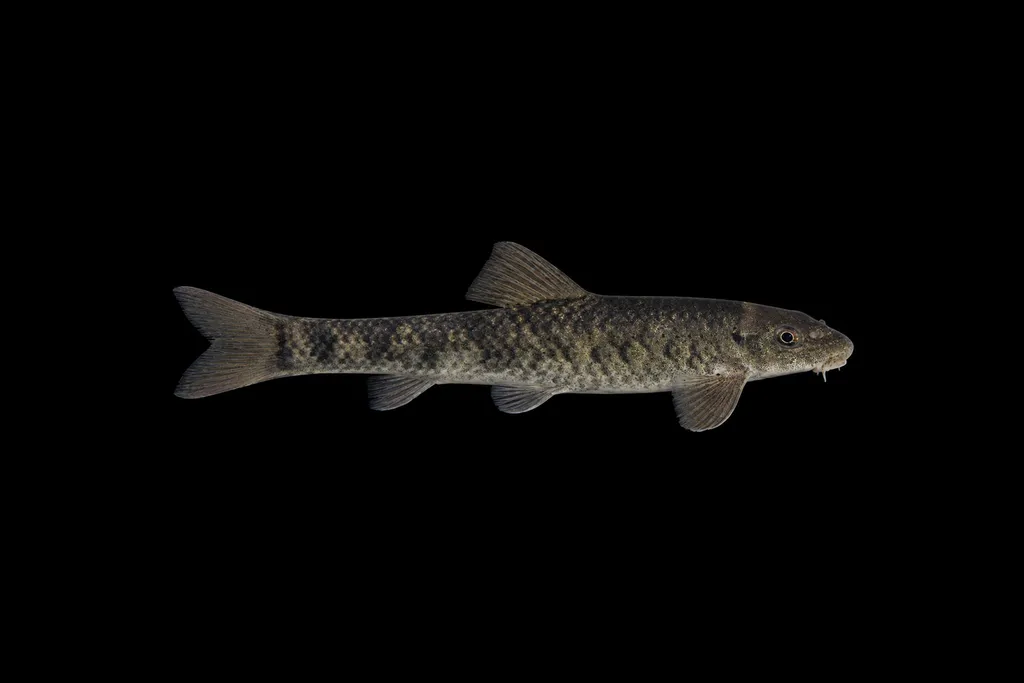 3.9 in (10 cm)29 gal (110 L)72–81°F (22–27°C)
Kwai garra
Garra fluviatilis
3.9 in (10 cm) · 29 gal (110 L)
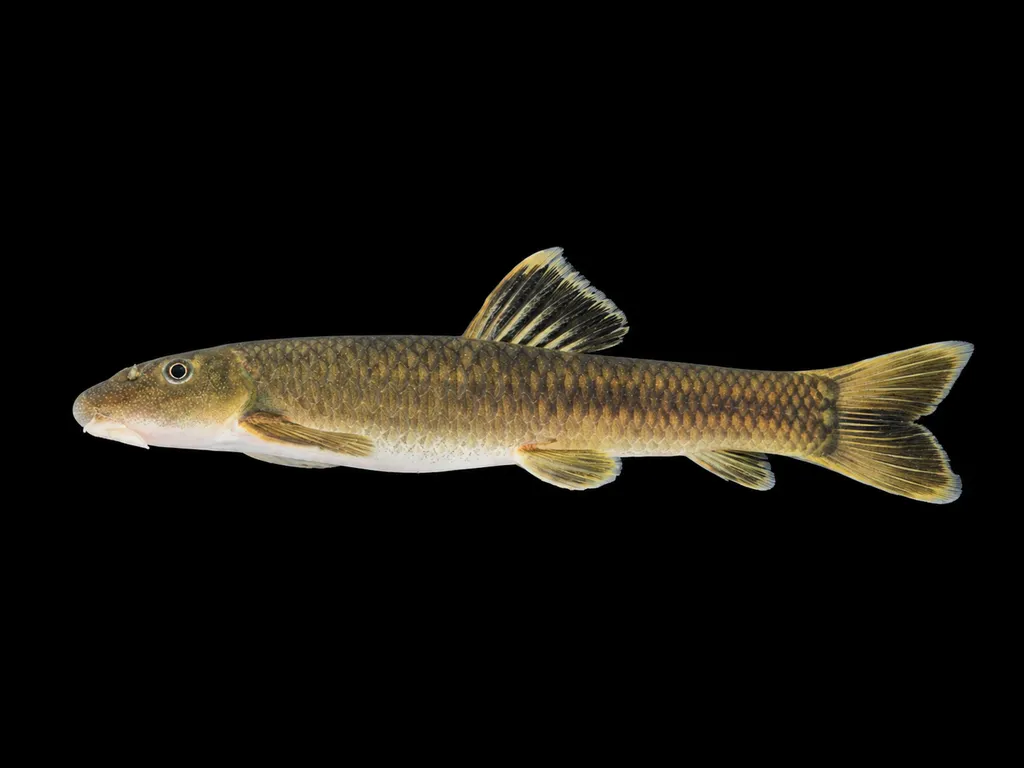 4.3 in (11 cm)29 gal (110 L)72–81°F (22–27°C)
Ornate garra
Garra ornata
4.3 in (11 cm) · 29 gal (110 L)
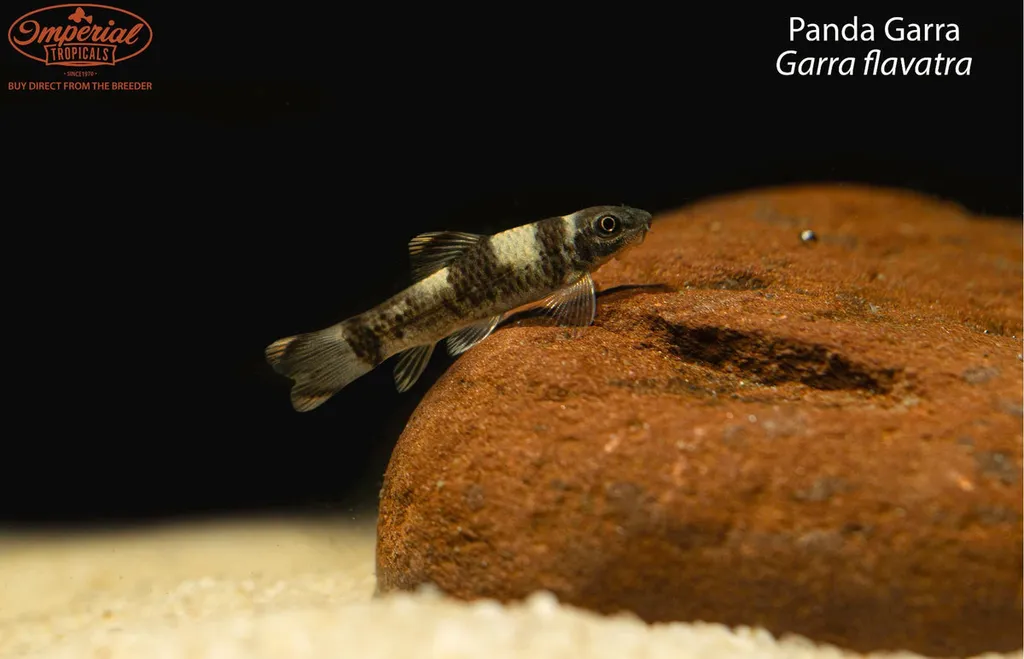 3.5 in (9 cm)26 gal (100 L)72–81°F (22–27°C)
Panda garra
Garra flavatra
3.5 in (9 cm) · 26 gal (100 L)
 3.5 in (9 cm)29 gal (110 L)68–79°F (20–26°C)
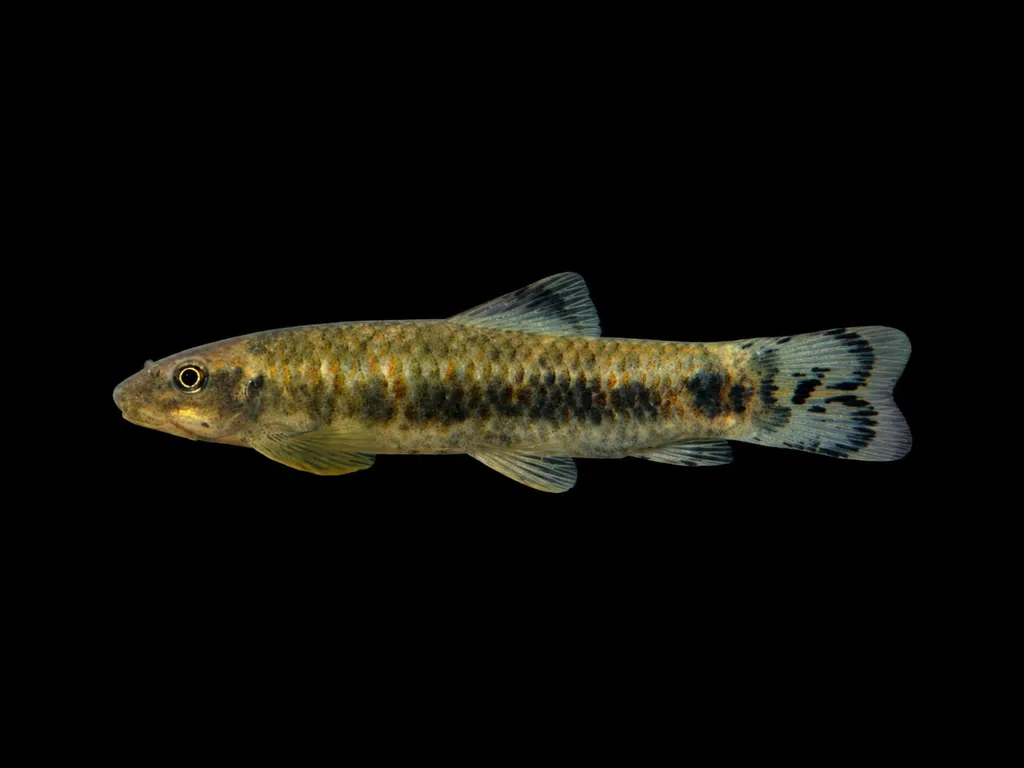
Peacock-tail garra
Garra poecilura
3.5 in (9 cm) · 29 gal (110 L)
 3.5 in (9 cm)29 gal (110 L)68–79°F (20–26°C)
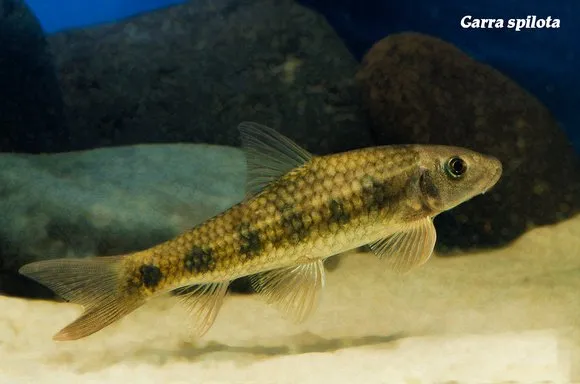
Spotted garra
Garra spilota
3.5 in (9 cm) · 29 gal (110 L)
 4.7 in (12 cm)29 gal (110 L)64–77°F (18–25°C)
Lamta garra
Garra lamta
4.7 in (12 cm) · 29 gal (110 L)