Panda garra
Garra flavatra
FreshwaterFish
Care at a glance
- Temperature
- 72–81°F
- 22–27°C
- pH
- 6.0–7.5
- Adult size
- 3.5 in
- 9 cm
- Minimum tank
- 26 gal
- 100 L
- Temperament
- Mostly peaceful
- Social behavior
- Shoaling
- Swim level
- Bottom
- Difficulty
- Easy
- Breeding
- Hard
- Rarity
- Rare
- Family
- Cyprinidae
- Origin
- Myanmar
Overview
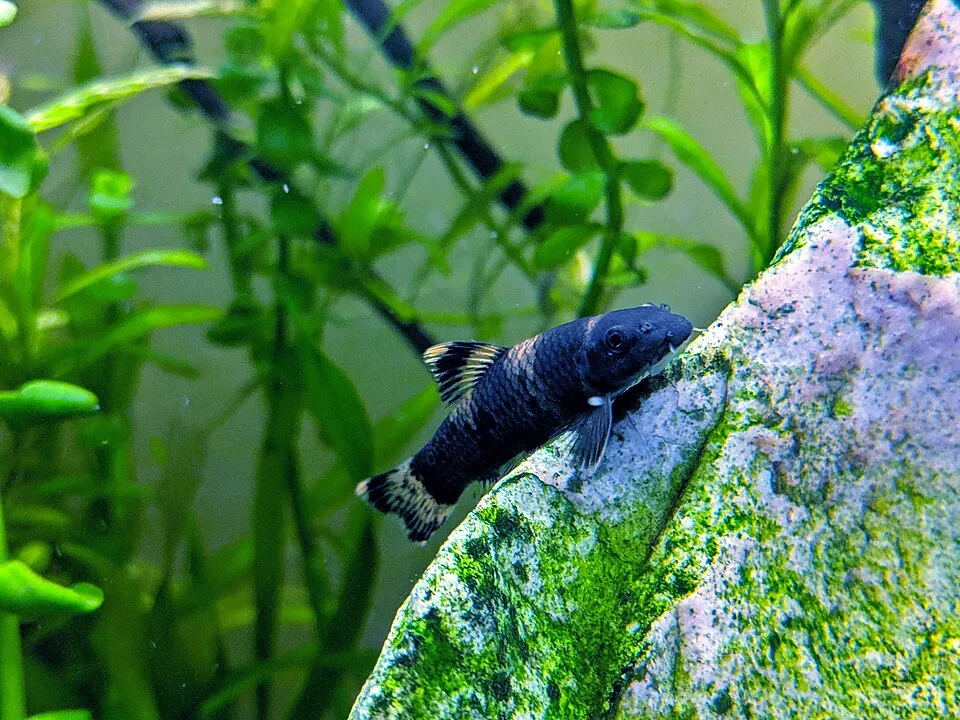
Panda garras are busy, mostly peaceful bottom dwellers that do best in a group of five or more, where they forage together over rock and wood and any squabbling is spread out rather than aimed at one fish. Much of their day is spent grazing biofilm and algae from stone and driftwood along the bottom. They suit a community of other calm, current loving fish and rarely trouble tankmates, though they can be a little territorial with each other. Offer algae wafers, spirulina, blanched vegetables, and sinking foods, plus some frozen items. A tank around 100 liters or larger gives the group enough floor and grazing space.
In the wild
The panda garra comes from clear, fast flowing hill streams in the Rakhine region of western Myanmar, where it clings to rock in cool, oxygen rich, current swept water. It does well at about 22–27 C and a pH of 6.0–7.5. Recreate that with strong flow, a substrate of sand, gravel, and smooth stones, and plenty of water worn rock and driftwood to graze over and shelter beneath. High oxygen levels and clean, clear water matter more to this fish than dense planting, which the current would fight anyway.
Good to know
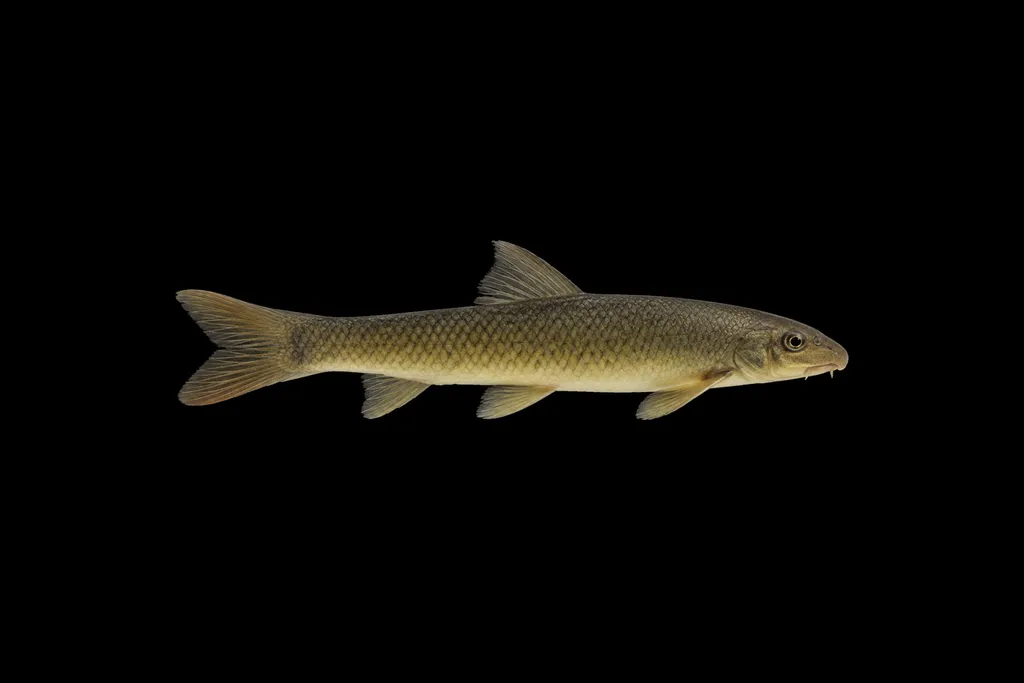
Garra flavatra is a member of the family Cyprinidae that reaches around 9 cm. Like other members of the genus it has a flattened belly and a sucker like mouth adapted for gripping rock and grazing in fast, tumbling water. Unusually for a Garra it is boldly patterned, with dark bands over a pale, yellowish body. It was described by science only in the mid 2000s, and there is little established success breeding it in home aquaria, so it is regarded as difficult to spawn.
Did you know
The panda garra gets its name from the bold black and cream banding along its body, a striking look that is unusual among the plainer members of its genus. That eye catching pattern, on a hardy algae grazer, is a big part of why this Myanmar stream fish became popular so quickly after it reached the hobby.
Weekly picks
Tank mates
Panda garra is a mostly peaceful, shoaling species that keeps to the bottom. These picks share a community profile with it, are safe together in both directions, and overlap on water type, temperature and pH.
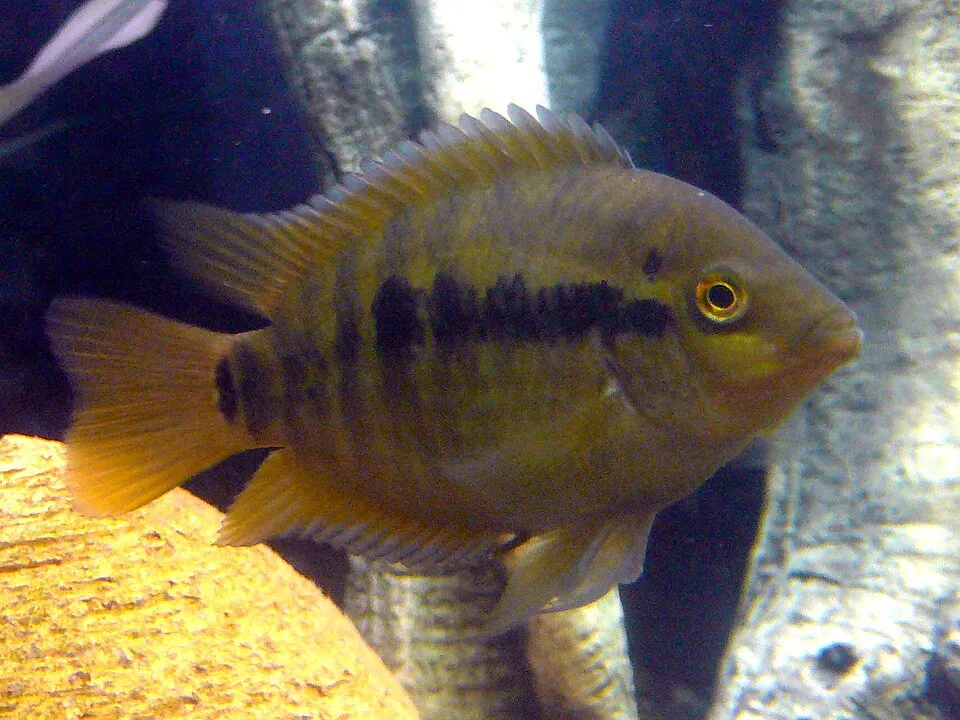
Rainbow cichlid
Herotilapia multispinosa
Freshwater6.3 in (16 cm) · 26 gal (100 L)72–82°F (22–28°C)
Spotfin hatchetfish
Thoracocharax stellatus
Freshwater3.5 in (9 cm) · 26 gal (100 L)73–82°F (23–28°C)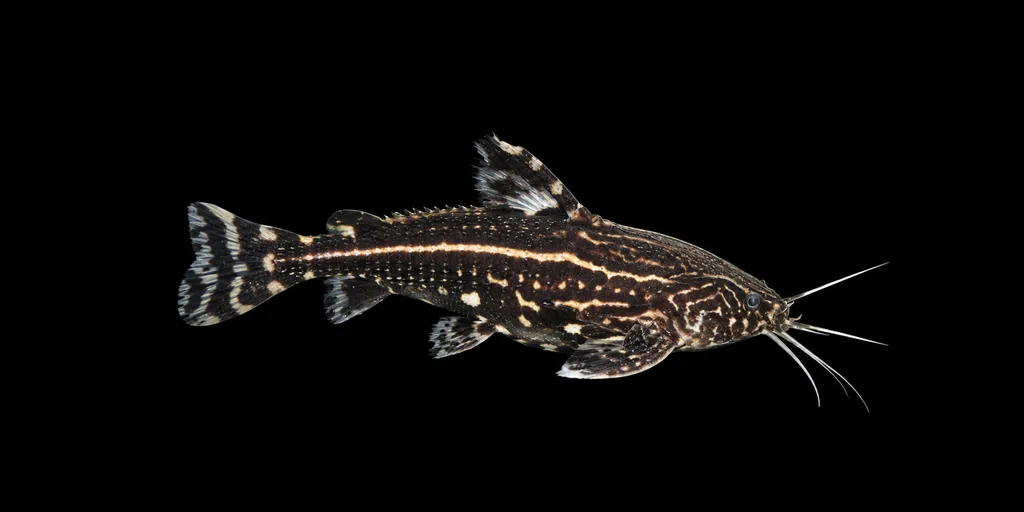
Talking catfish
Acanthodoras spinosissimus
Freshwater5.9 in (15 cm) · 26 gal (100 L)72–82°F (22–28°C)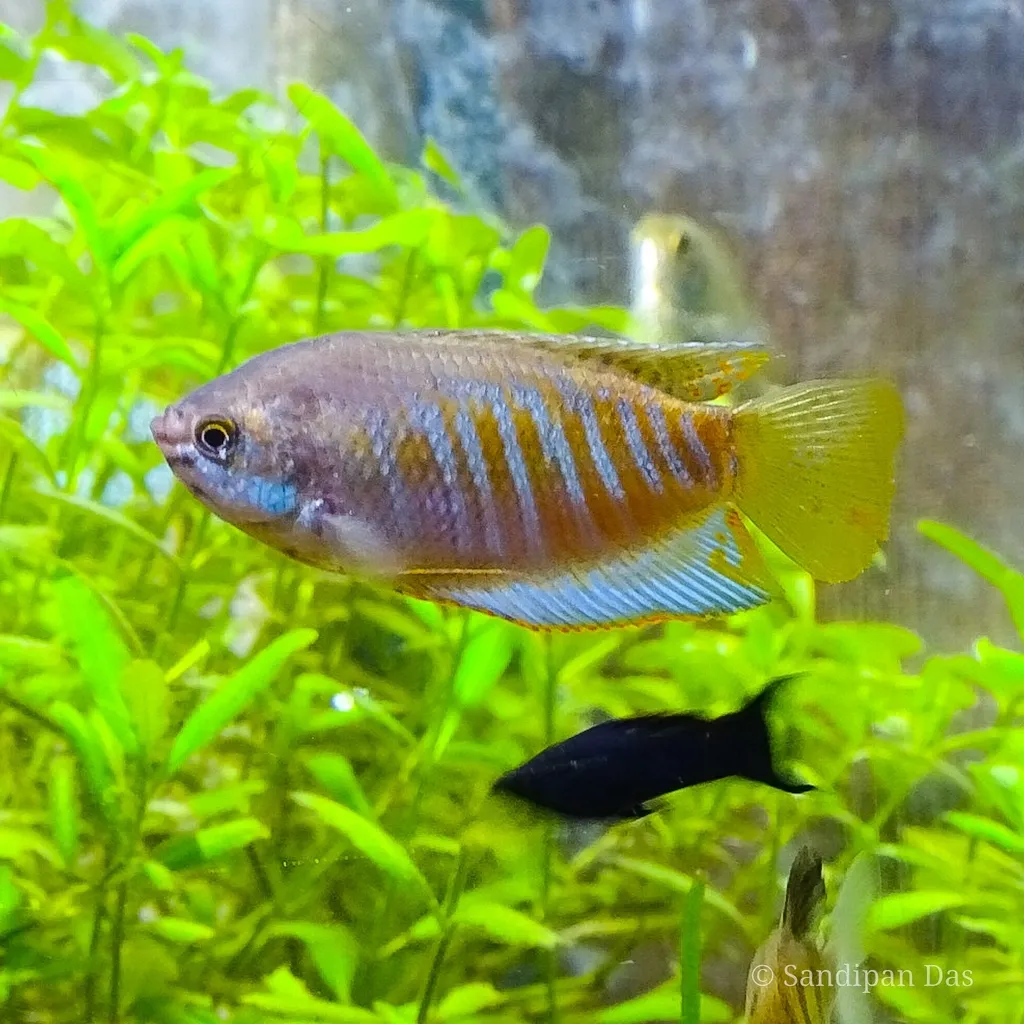
Banded gourami
Trichogaster fasciata
Freshwater3.5 in (9 cm) · 26 gal (100 L)70–82°F (21–28°C)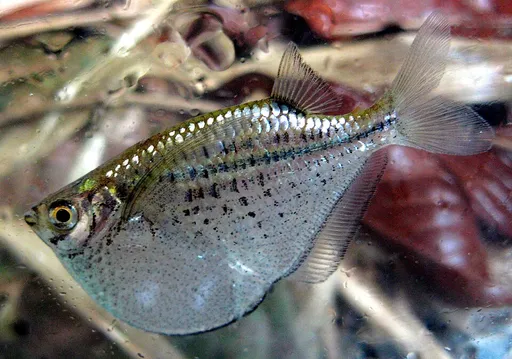
Spotted hatchetfish
Gasteropelecus maculatus
Freshwater3.5 in (9 cm) · 26 gal (100 L)73–82°F (23–28°C)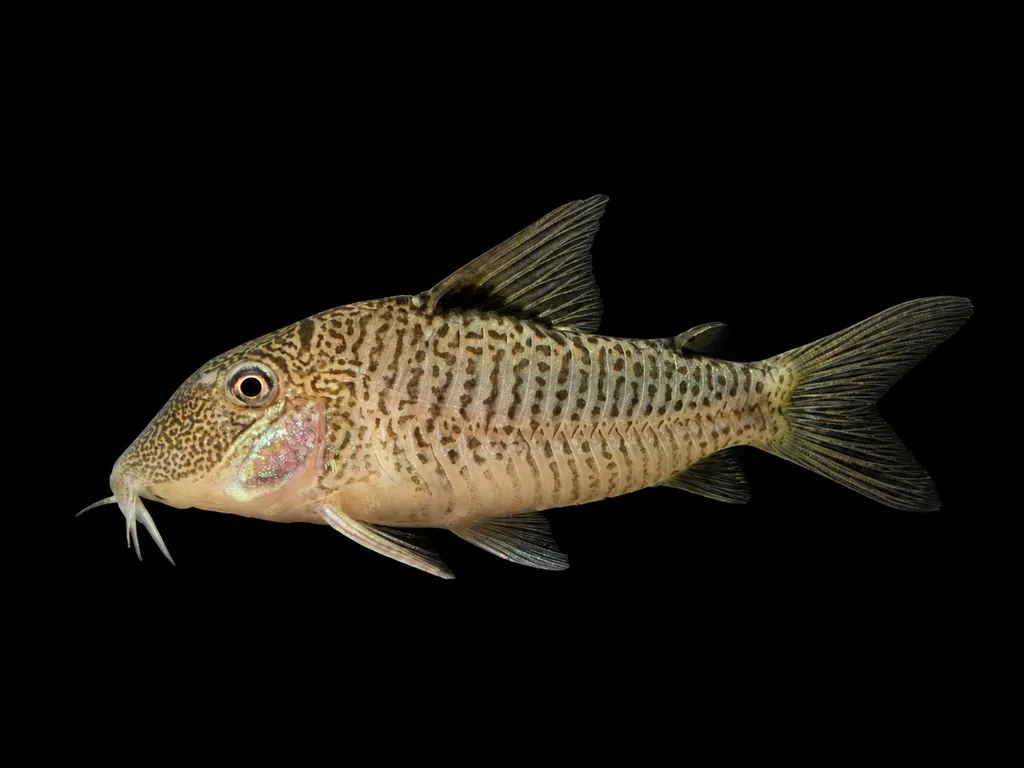
Geoffroy's cory
Corydoras geoffroy
Freshwater3 in (7.5 cm) · 26 gal (100 L)73–81°F (23–27°C)
Common questions
What size tank does a Panda garra need?
A Panda garra needs at least 26 gal (100 L). It spends most of its time in the bottom.
What temperature and pH does a Panda garra need?
A Panda garra is comfortable at 72–81°F (22–27°C) with a pH of 6.0–7.5.
How big does a Panda garra get?
An adult Panda garra reaches about 3.5 in (9 cm).
Does a Panda garra need a group?
Yes. A Panda garra is a shoaling species and should be kept in a group, not singly.
Related species
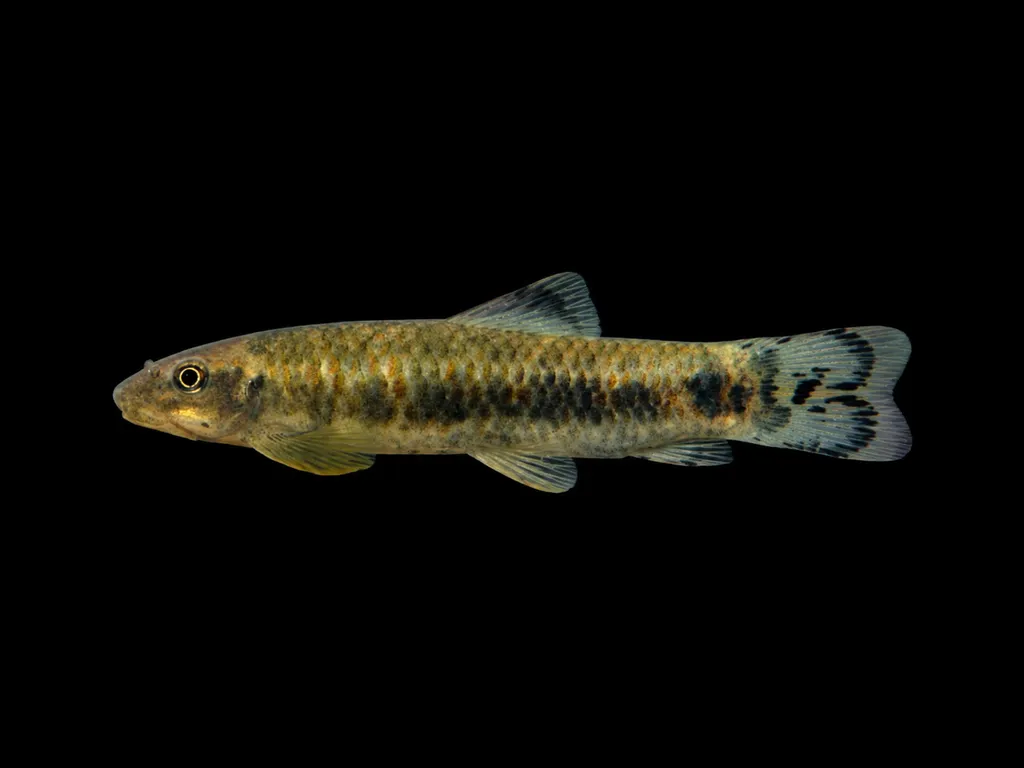 3.5 in (9 cm)29 gal (110 L)68–79°F (20–26°C)
Peacock-tail garra
Garra poecilura
3.5 in (9 cm) · 29 gal (110 L)
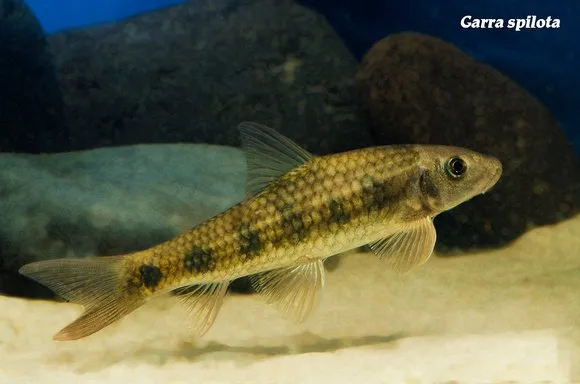 3.5 in (9 cm)29 gal (110 L)68–79°F (20–26°C)
Spotted garra
Garra spilota
3.5 in (9 cm) · 29 gal (110 L)
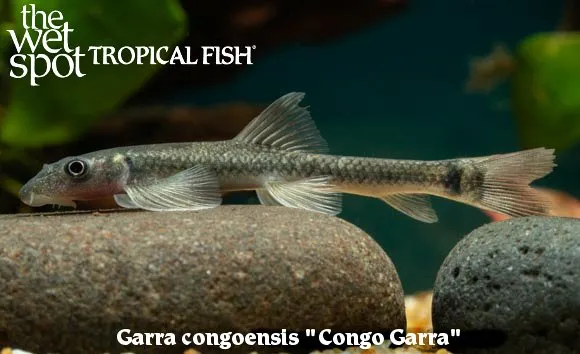 3.9 in (10 cm)29 gal (110 L)72–81°F (22–27°C)
Congo garra
Garra congoensis
3.9 in (10 cm) · 29 gal (110 L)
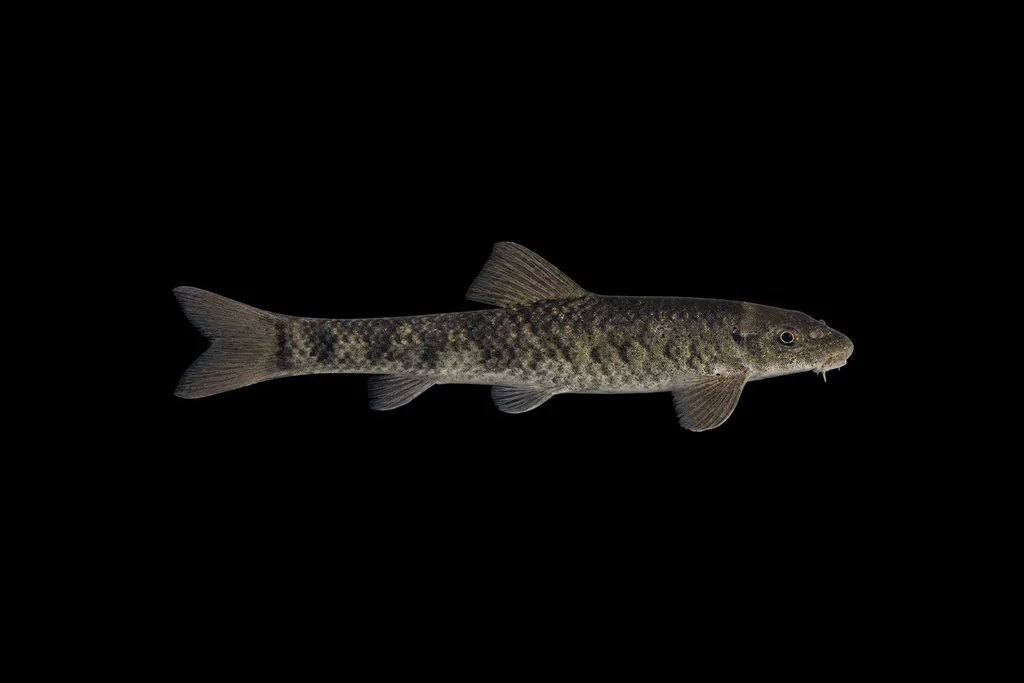 3.9 in (10 cm)29 gal (110 L)72–81°F (22–27°C)
Kwai garra
Garra fluviatilis
3.9 in (10 cm) · 29 gal (110 L)
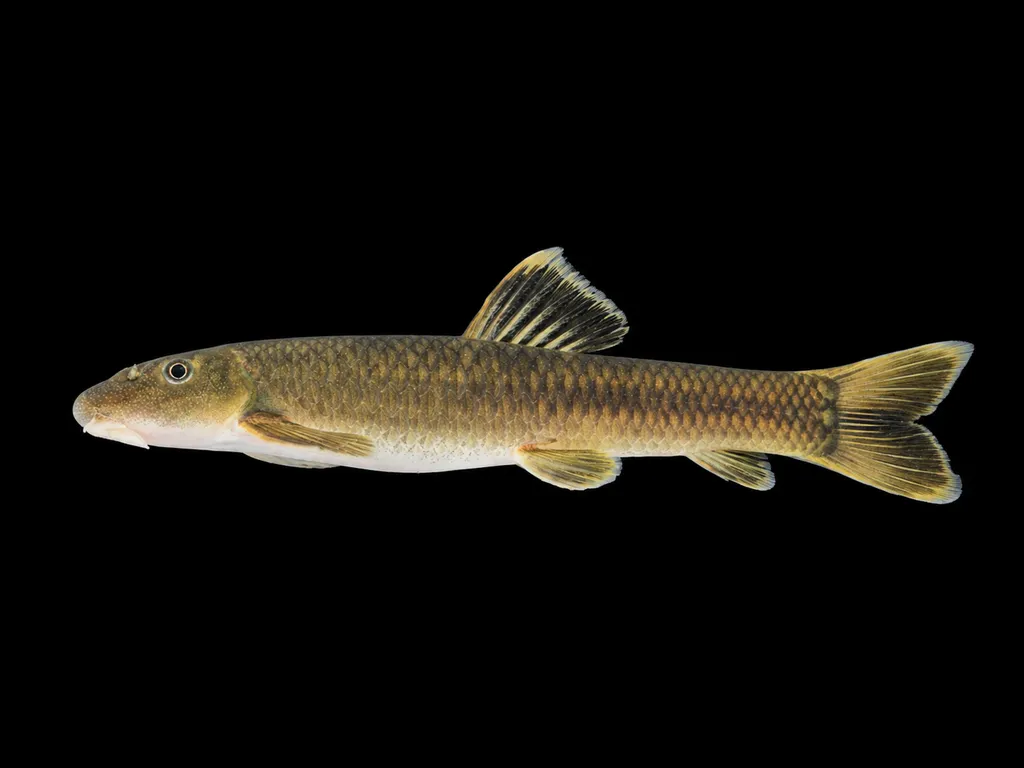 4.3 in (11 cm)29 gal (110 L)72–81°F (22–27°C)
Ornate garra
Garra ornata
4.3 in (11 cm) · 29 gal (110 L)
 4.7 in (12 cm)29 gal (110 L)64–77°F (18–25°C)
Lamta garra
Garra lamta
4.7 in (12 cm) · 29 gal (110 L)