Gill's molly
Poecilia gillii
FreshwaterBrackishFish
Care at a glance
- Temperature
- 72–86°F
- 22–30°C
- pH
- 7.0–8.5
- Adult size
- 3.9 in
- 10 cm
- Minimum tank
- 26 gal
- 100 L
- Temperament
- Peaceful
- Social behavior
- Social
- Swim level
- Middle
- Difficulty
- Easy
- Breeding
- Easy
- Rarity
- Very rare
- Family
- Poeciliidae
- Origin
- Costa Rica, Panama
Overview
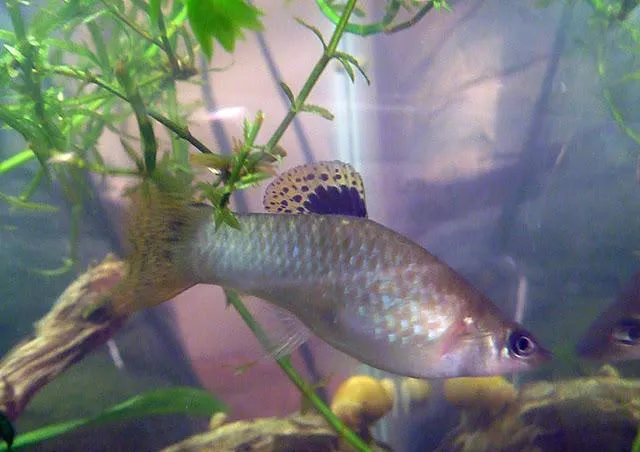
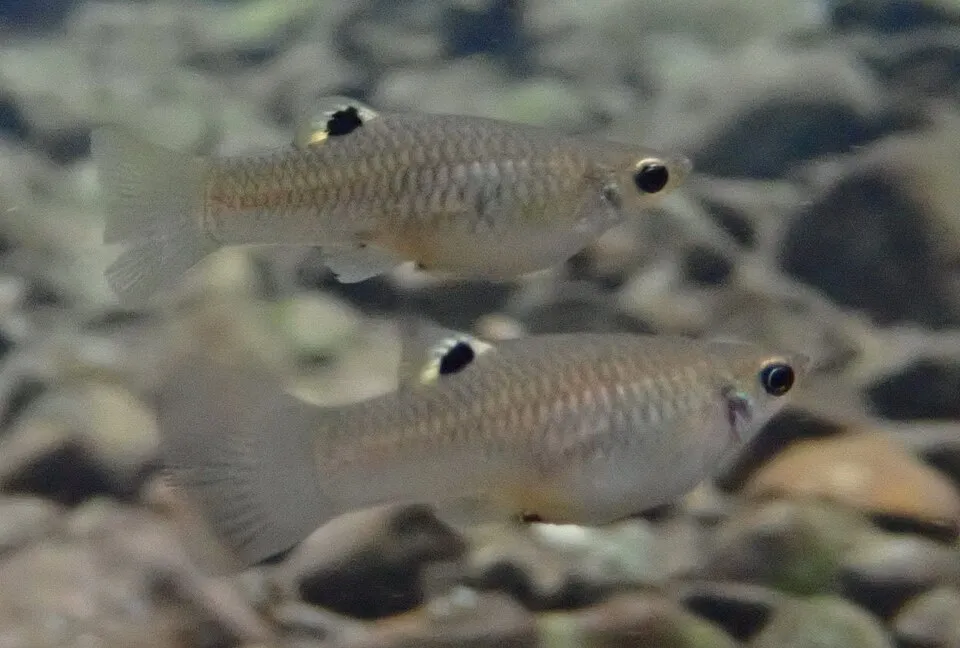
Gill's molly is a sturdy, peaceful molly best kept in a group with more females than males. It swims mostly in the middle of the tank and gets along with other calm fish that share its taste for hard water. Like other mollies it grazes algae and aufwuchs all day, so base its diet on a vegetable-rich flake or pellet and add occasional frozen foods. It is happy in hard, alkaline fresh water and readily accepts a little marine salt, reflecting the brackish coastal creeks it lives in. Because it grows to a good size and stays active, give a group a tank of 100 liters or larger.
In the wild
Poecilia gillii is widespread on the Atlantic and Pacific slopes of Costa Rica and Panama, living in warm lowland streams, ditches and coastal lagoons from fresh into brackish water. It is used to hard, mineral-rich conditions, so keep a temperature between 22 and 30 C and a pH from about 7 to 8.5. A roomy tank with plants, open water and steady flow suits it, and a small amount of salt does no harm. Good light to grow algae gives it natural grazing.
Good to know
Gill's molly is a livebearer in the family Poeciliidae and reaches about 10 cm, making it one of the larger wild mollies. Males are slimmer and fertilize females internally with a gonopodium, the modified anal fin shared across the family, while females carry the embryos and give birth to live fry. It breeds easily in hard water and can produce large broods, so a group will steadily increase if the fry are given cover.
Did you know
Gill's molly is so adaptable that wild populations live everywhere from clear inland streams to salty coastal lagoons, and the same fish can move between fresh and brackish water without trouble.
Weekly picks
Tank mates
Gill's molly is a peaceful, social species that keeps to the middle. These picks share a community profile with it, are safe together in both directions, and overlap on water type, temperature and pH.
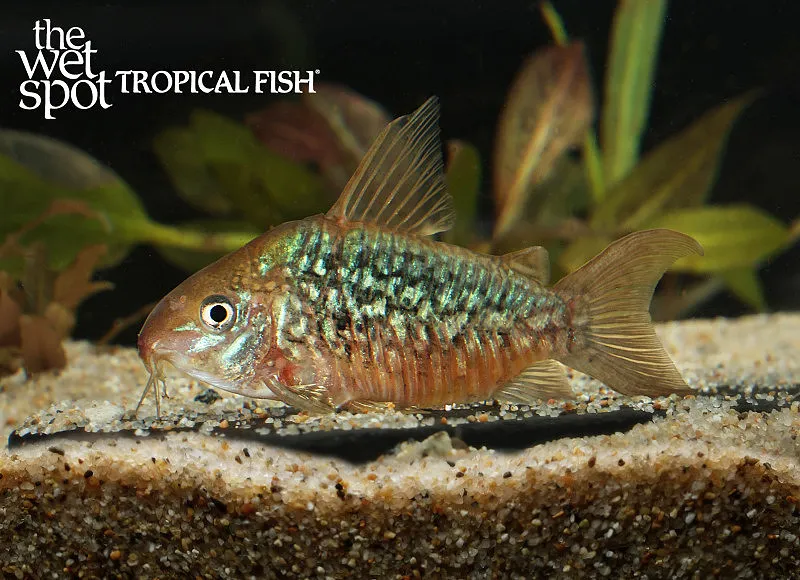
Pantanal cory
Brochis pantanalensis
Freshwater3 in (7.5 cm) · 26 gal (100 L)72–82°F (22–28°C)
Spotfin hatchetfish
Thoracocharax stellatus
Freshwater3.5 in (9 cm) · 26 gal (100 L)73–82°F (23–28°C)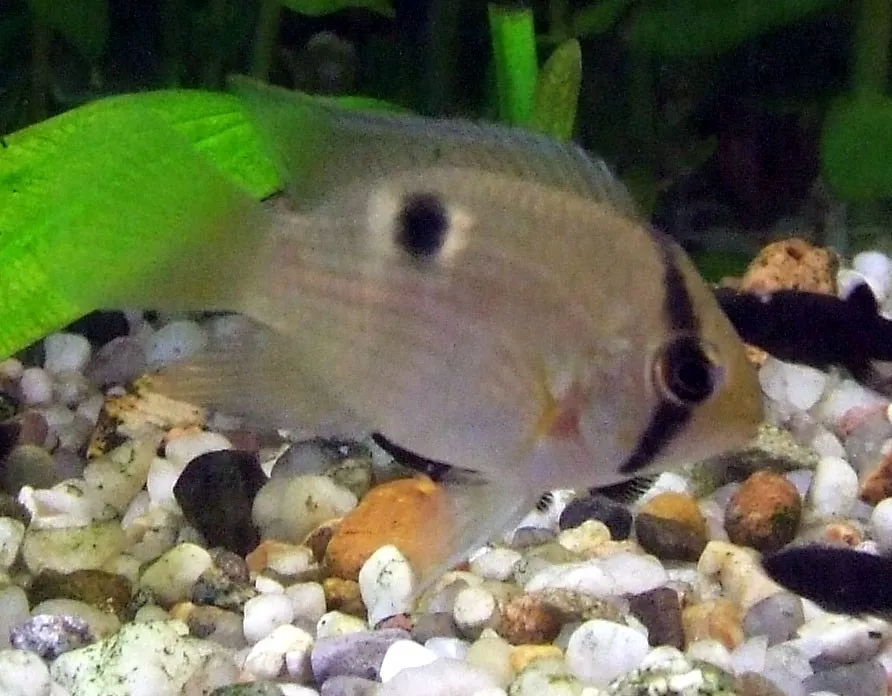
Keyhole cichlid
Cleithracara maronii
Freshwater4.3 in (11 cm) · 25 gal (95 L)70–82°F (21–28°C)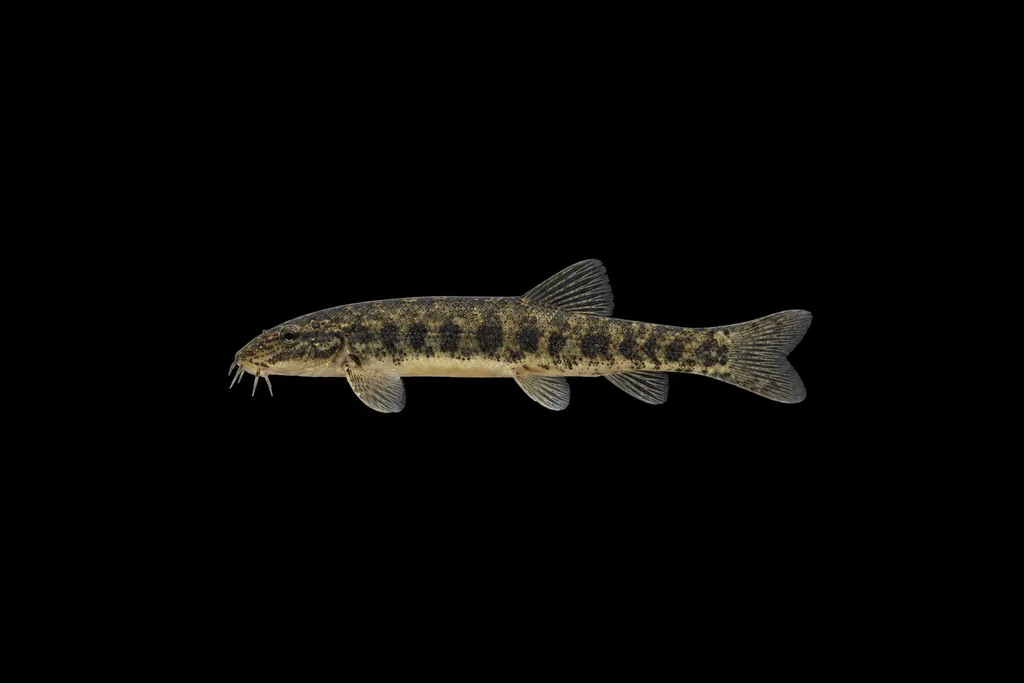
Torrent loach
Psilorhynchus robustus
Freshwater2.8 in (7 cm) · 26 gal (100 L)64–75°F (18–24°C)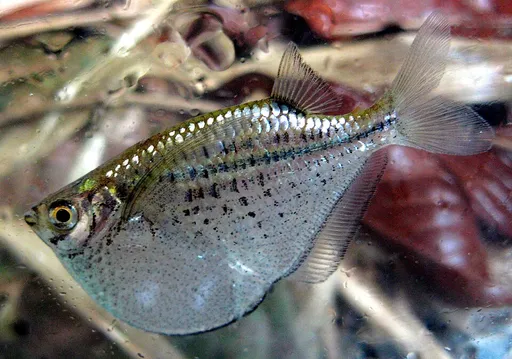
Spotted hatchetfish
Gasteropelecus maculatus
Freshwater3.5 in (9 cm) · 26 gal (100 L)73–82°F (23–28°C)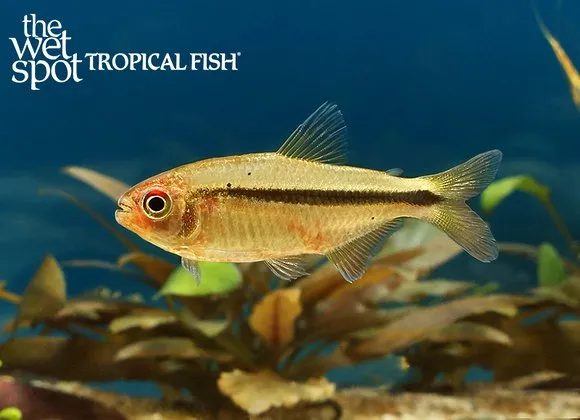
Cachimbo tetra
Hyphessobrycon cachimbensis
Freshwater2.7 in (6.8 cm) · 26 gal (100 L)72–81°F (22–27°C)
Common questions
What size tank does a Gill's molly need?
A Gill's molly needs at least 26 gal (100 L). It spends most of its time in the middle.
What temperature and pH does a Gill's molly need?
A Gill's molly is comfortable at 72–86°F (22–30°C) with a pH of 7.0–8.5.
How big does a Gill's molly get?
An adult Gill's molly reaches about 3.9 in (10 cm).
Related species
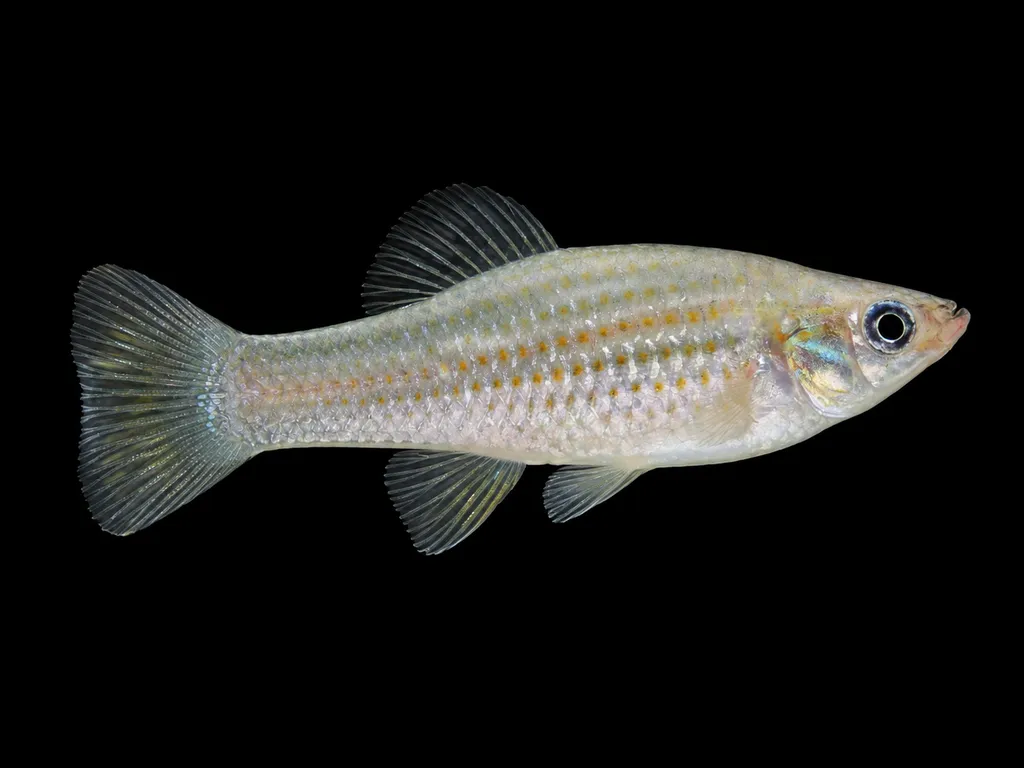
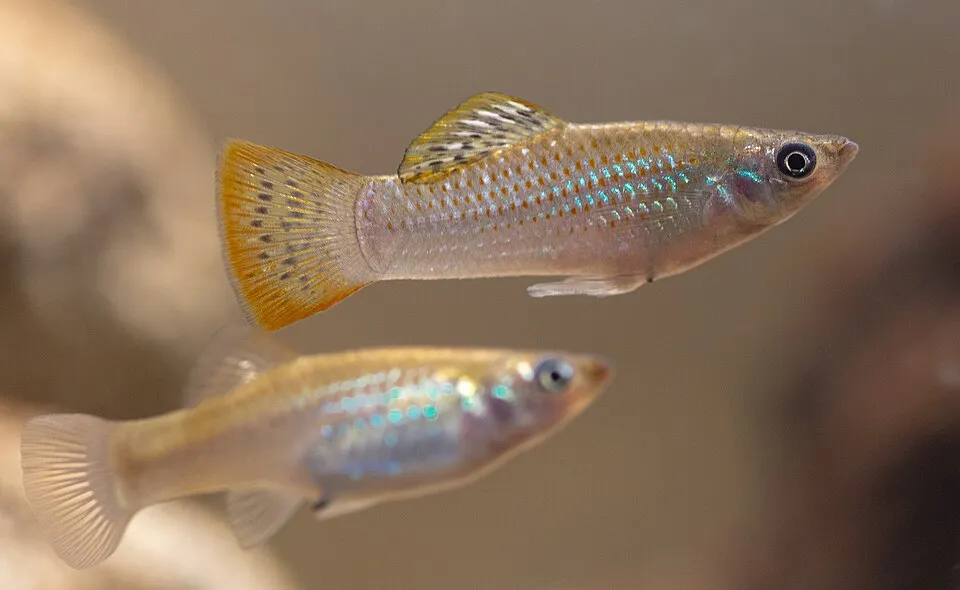 4.3 in (11 cm)32 gal (120 L)72–82°F (22–28°C)
Shortfin molly
Poecilia mexicana
4.3 in (11 cm) · 32 gal (120 L)
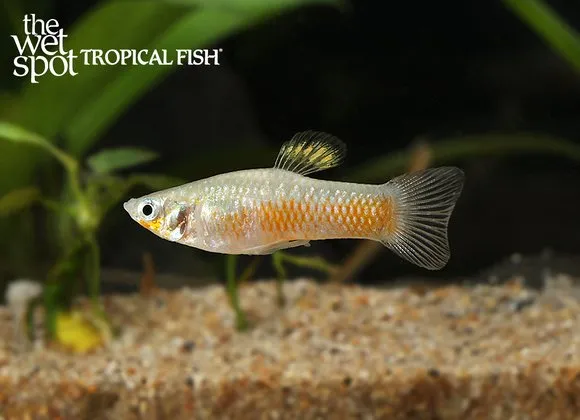
 3.5 in (9 cm)20 gal (75 L)68–82°F (20–28°C)
Amazon molly
Poecilia formosa
3.5 in (9 cm) · 20 gal (75 L)
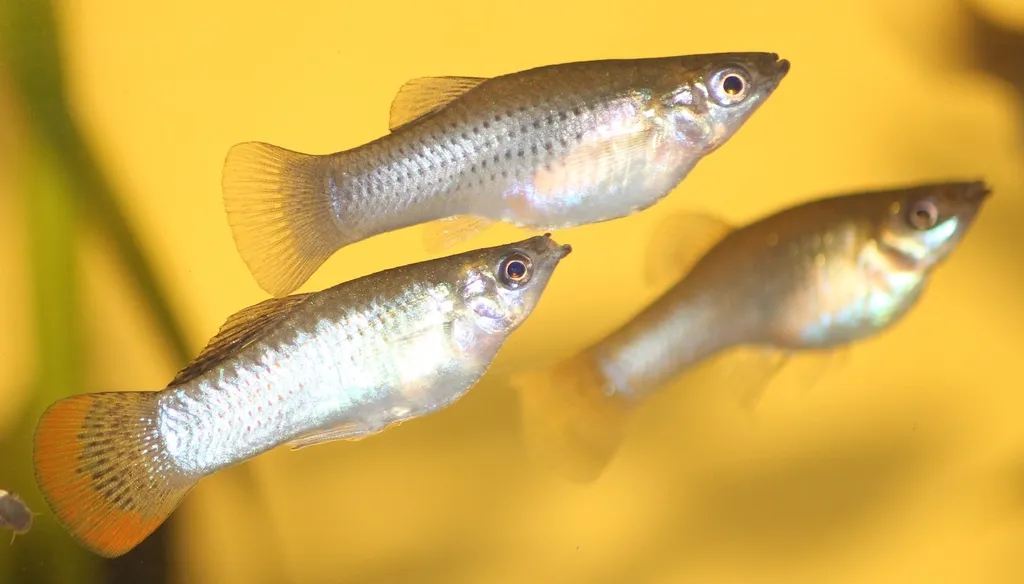
 3.1 in (8 cm)20 gal (75 L)72–81°F (22–27°C)
Southern molly
Poecilia vivipara
3.1 in (8 cm) · 20 gal (75 L)
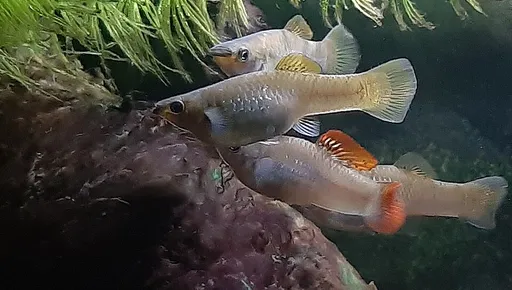
 2.8 in (7 cm)29 gal (110 L)72–81°F (22–27°C)
Pacific molly
Poecilia butleri
2.8 in (7 cm) · 29 gal (110 L)
 3.9 in (10 cm)24 gal (90 L)72–82°F (22–28°C)
Liberty molly
Poecilia salvatoris
3.9 in (10 cm) · 24 gal (90 L)
 2.4 in (6 cm)16 gal (60 L)77–86°F (25–30°C)
Cauca molly
Poecilia caucana
2.4 in (6 cm) · 16 gal (60 L)