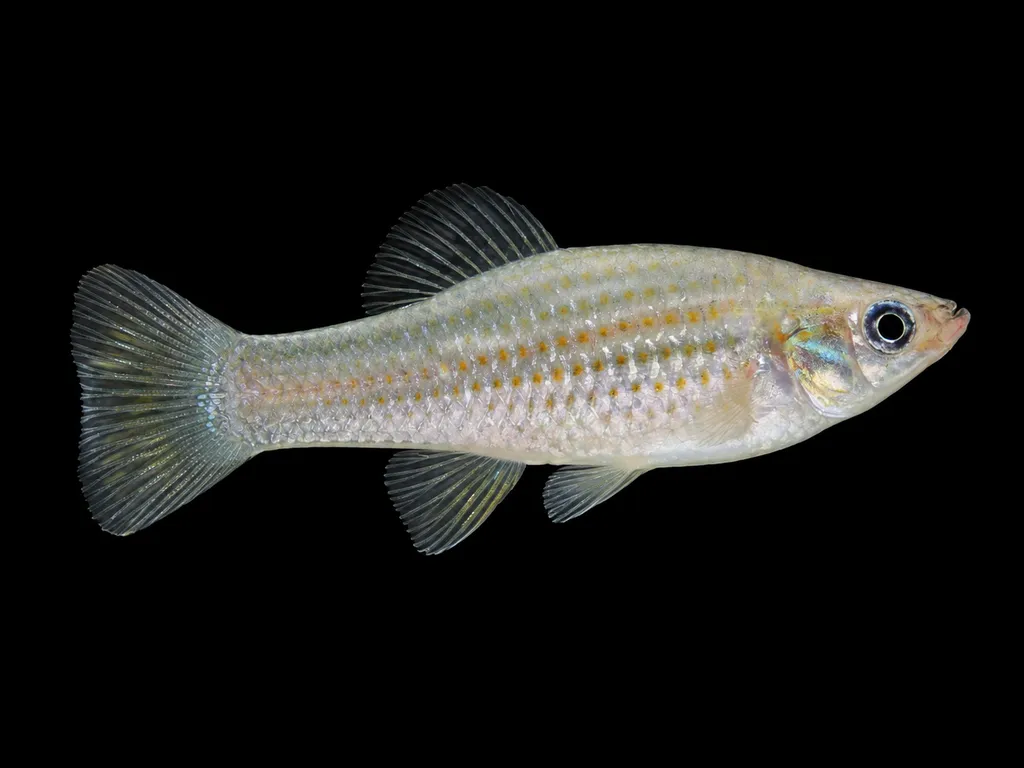
Liberty molly
Poecilia salvatoris
Also known as Salvador molly, El Salvador molly
FreshwaterBrackishFish
Care at a glance
- Temperature
- 72–82°F
- 22–28°C
- pH
- 7.5–8.5
- Adult size
- 3.9 in
- 10 cm
- Minimum tank
- 24 gal
- 90 L
- Temperament
- Mostly peaceful
- Social behavior
- Social
- Swim level
- Middle
- Difficulty
- Medium
- Breeding
- Easy
- Rarity
- Rare
- Family
- Poeciliidae
- Origin
- Native to Pacific slope coastal streams and lagoons of El Salvador and Guatemala, in fresh to slightly brackish water.
Overview
The liberty molly is a hard-water molly for keepers who want wild color rather than fancy strains. It is best with a little experience.
Did you know
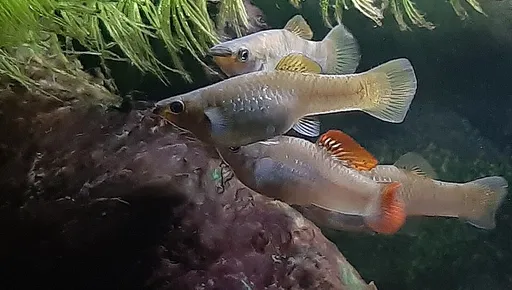
The liberty molly's patriotic-sounding name comes from the red, white and blue in a displaying male's fins.
Caring for the liberty molly
Keep a group of liberty mollies in a tank of 24 gal (90 L) or larger, with plants, algae and open swimming space. They spend most of their time in the middle of the tank.
Liberty mollies need hard water at 72 to 82°F (22 to 28°C) and a pH of 7.5 to 8.5. They tolerate a little marine salt, but it is not required. Warm, hard, clean water brings out their best color.
Feed a vegetable-heavy diet of spirulina flake, algae and blanched greens, with some frozen foods. Like other mollies, they graze heavily on algae.
Liberty mollies are mostly peaceful, but males are aggressive to each other and spar for status. Keep one male with several females, or use a big tank with room for a few males and many females. They are easy to breed.
Good to know
The liberty molly, Poecilia salvatoris, is a short-finned true molly, closely related to the shortfin molly.
In the wild
The liberty molly comes from warm coastal streams and lagoons on the Pacific slope of El Salvador and Guatemala. The water there runs from fresh to slightly brackish.
Weekly picks
Tank mates
The liberty molly is a mostly peaceful, social species that keeps to the middle. These picks share a community profile with it, are safe together in both directions, and overlap on water type, temperature and pH.
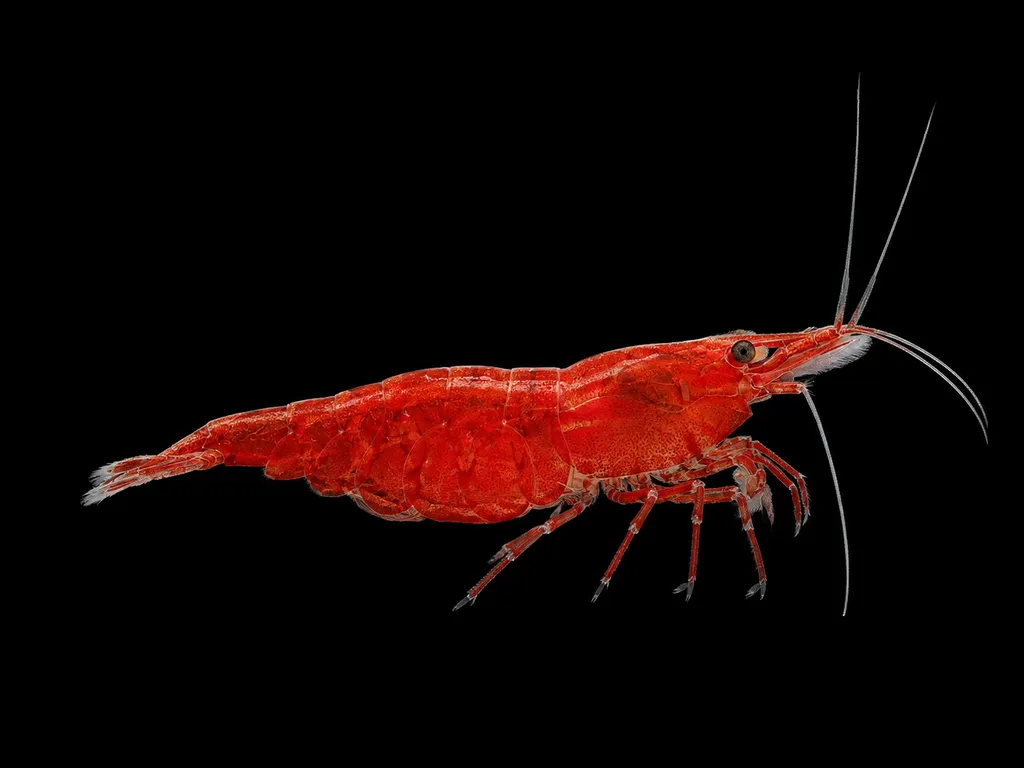
Neocaridina shrimp
Neocaridina davidi
Freshwater1.6 in (4 cm) · 5 gal (19 L)59–84°F (15–29°C)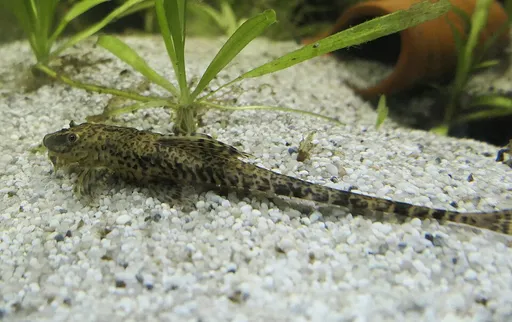
Red lizard whiptail
Rineloricaria lanceolata
Freshwater3.9 in (10 cm) · 24 gal (90 L)77–82°F (25–28°C)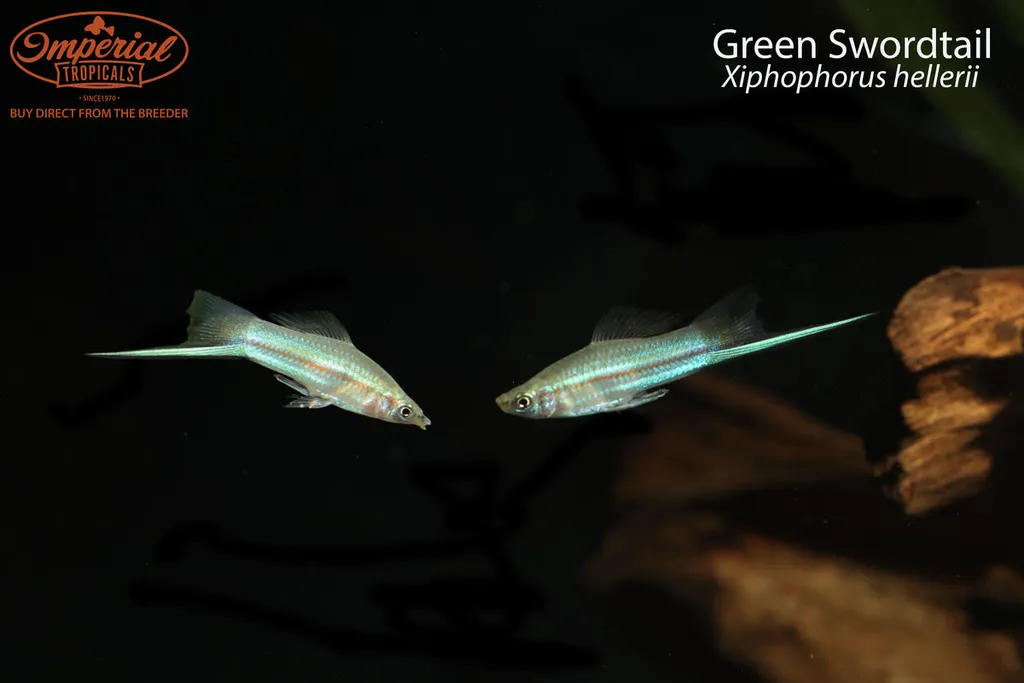
Green swordtail
Xiphophorus hellerii
Freshwater5.9 in (15 cm) · 20 gal (76 L)68–82°F (20–28°C)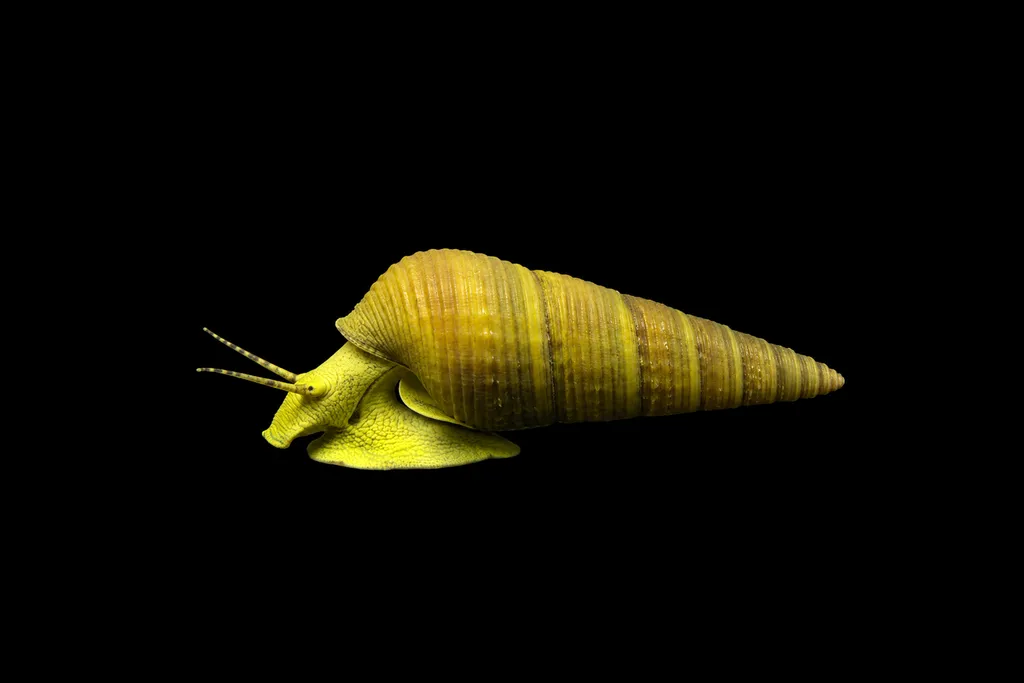
Yellow giant rabbit snail
Tylomelania sarasinorum
Freshwater4.7 in (12 cm) · 20 gal (75 L)79–86°F (26–30°C)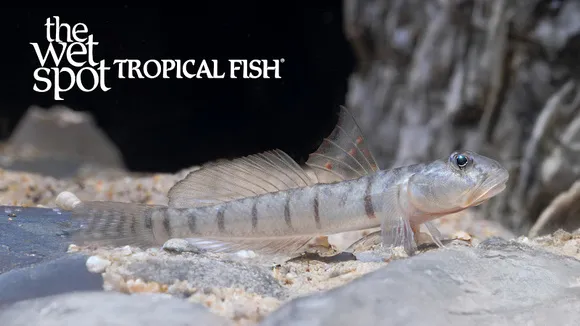
Candy stripe goby
Awaous flavus
Freshwater3.9 in (10 cm) · 29 gal (110 L)75–82°F (24–28°C)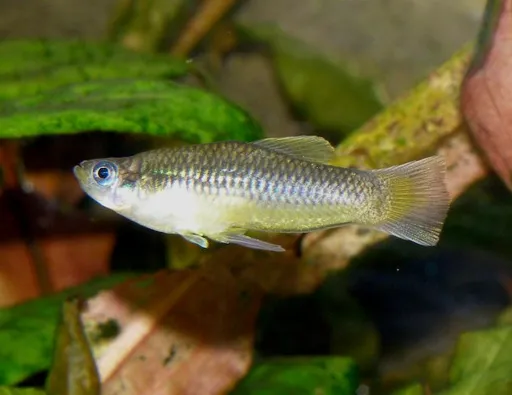
Blue-eyed livebearer
Priapella intermedia
Freshwater2.8 in (7 cm) · 24 gal (90 L)72–82°F (22–28°C)
Common questions
What size tank does a liberty molly need?
A liberty molly needs at least 24 gal (90 L). It spends most of its time in the middle.
What temperature and pH does a liberty molly need?
A liberty molly is comfortable at 72–82°F (22–28°C) with a pH of 7.5–8.5.
What does a liberty molly eat?
A liberty molly eats a vegetable-heavy diet of spirulina flake, algae and blanched greens, with some frozen foods. Like other mollies, it grazes heavily on algae.
How big does a liberty molly get?
An adult liberty molly reaches about 3.9 in (10 cm).
Related species
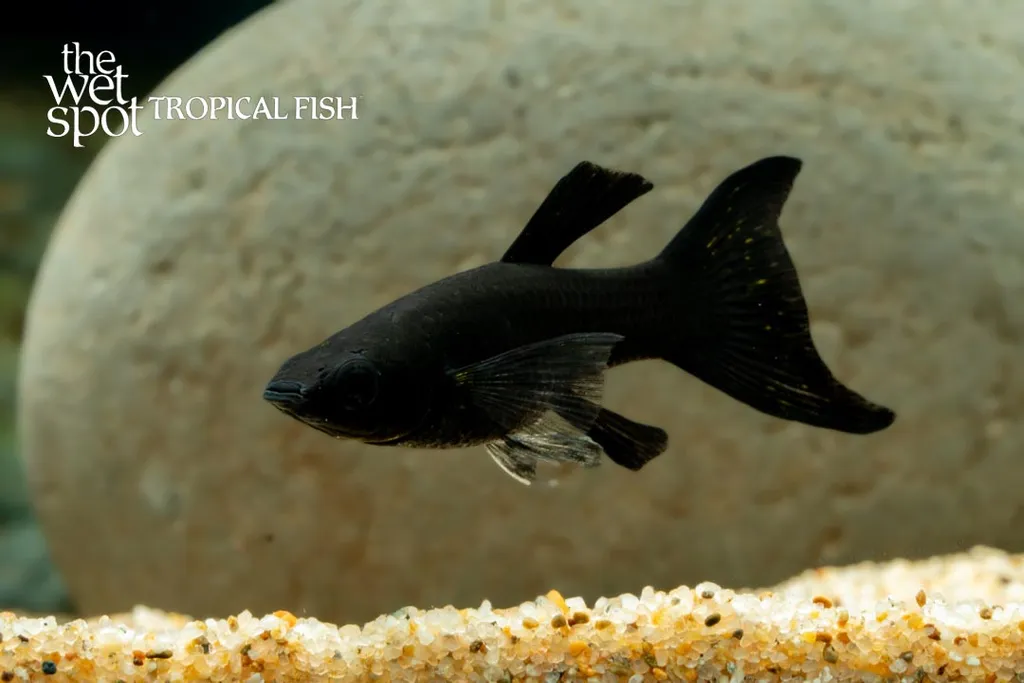 4.7 in (12 cm)24 gal (90 L)70–82°F (21–28°C)
Black molly
Poecilia sphenops
4.7 in (12 cm) · 24 gal (90 L)
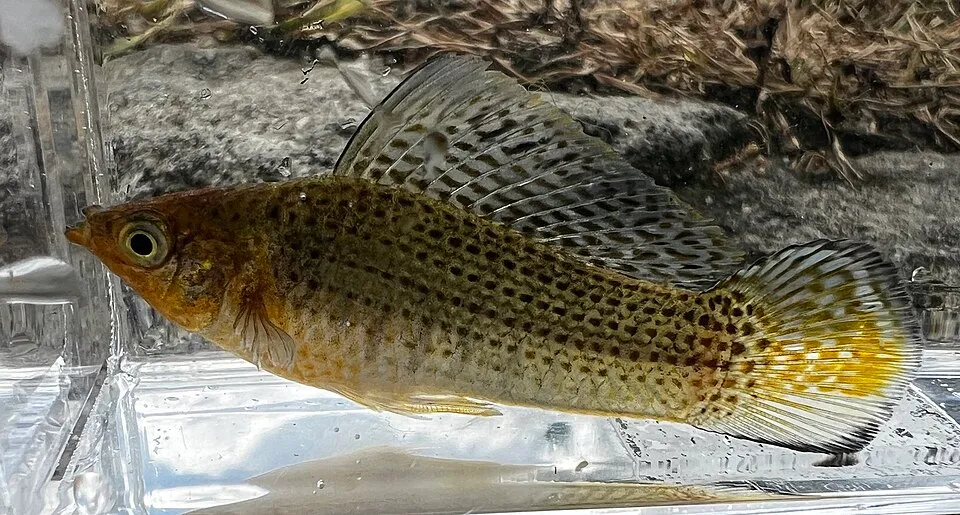 4.7 in (12 cm)24 gal (90 L)70–79°F (21–26°C)
Sailfin molly
Poecilia latipinna
4.7 in (12 cm) · 24 gal (90 L)
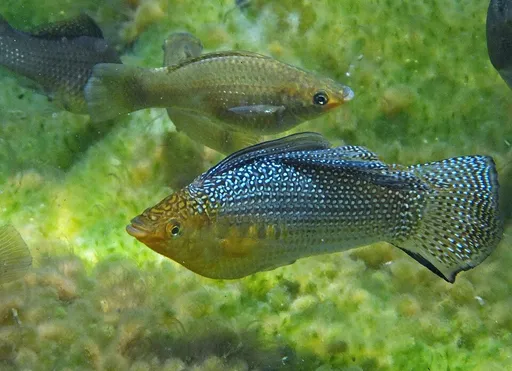 5.9 in (15 cm)30 gal (113 L)75–82°F (24–28°C)
Giant sailfin molly
Poecilia velifera
5.9 in (15 cm) · 30 gal (113 L)
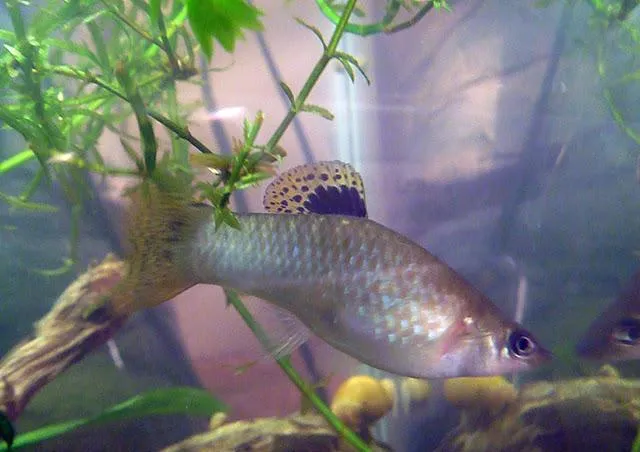 3.9 in (10 cm)26 gal (100 L)72–86°F (22–30°C)
Gill's molly
Poecilia gillii
3.9 in (10 cm) · 26 gal (100 L)
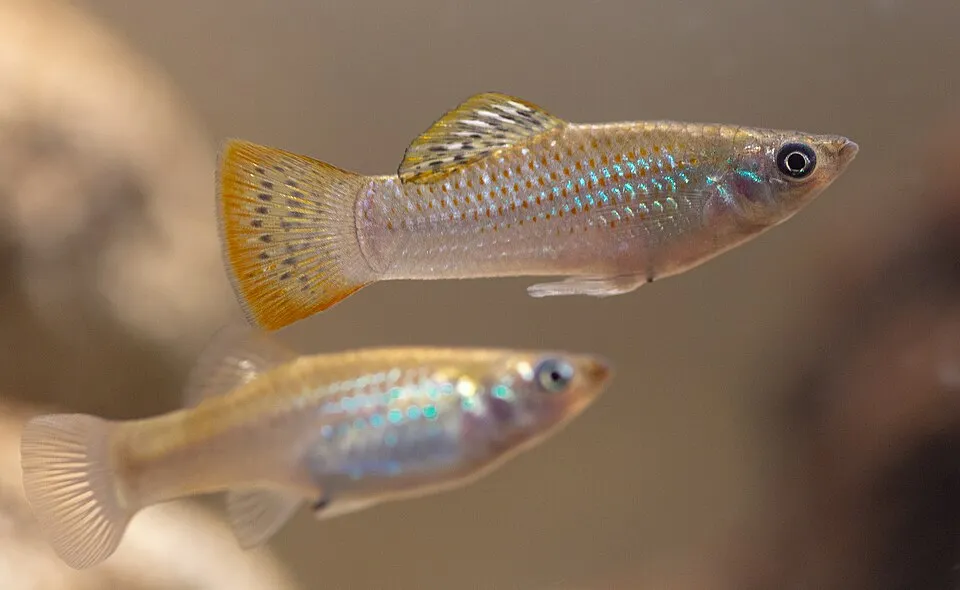 4.3 in (11 cm)32 gal (120 L)72–82°F (22–28°C)
Shortfin molly
Poecilia mexicana
4.3 in (11 cm) · 32 gal (120 L)
 3.5 in (9 cm)20 gal (75 L)68–82°F (20–28°C)
Amazon molly
Poecilia formosa
3.5 in (9 cm) · 20 gal (75 L)