One species · 4 varieties
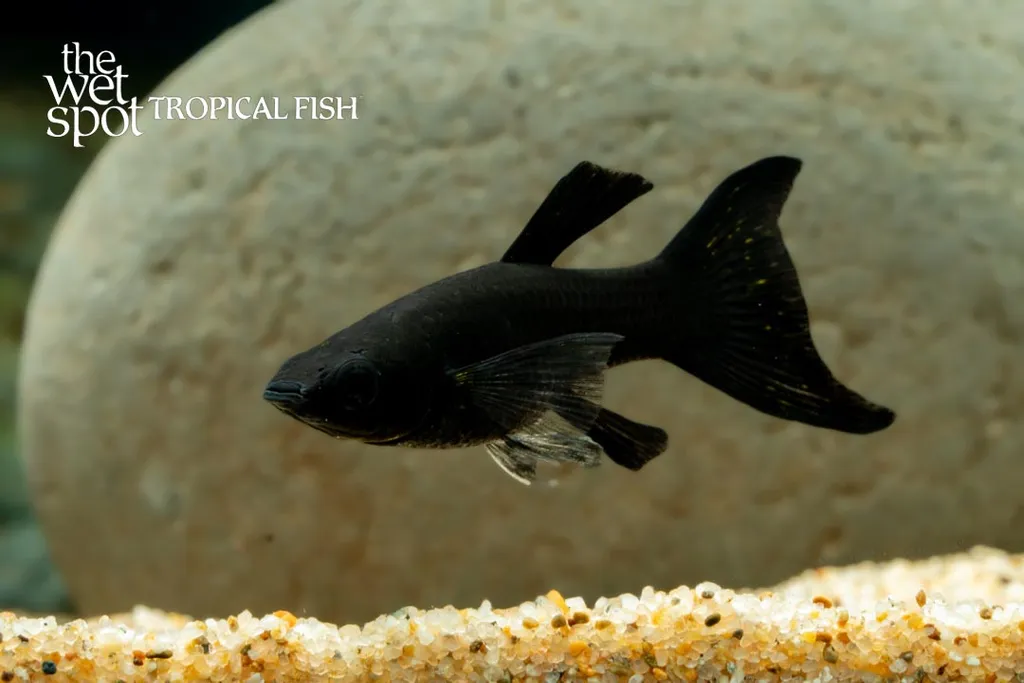
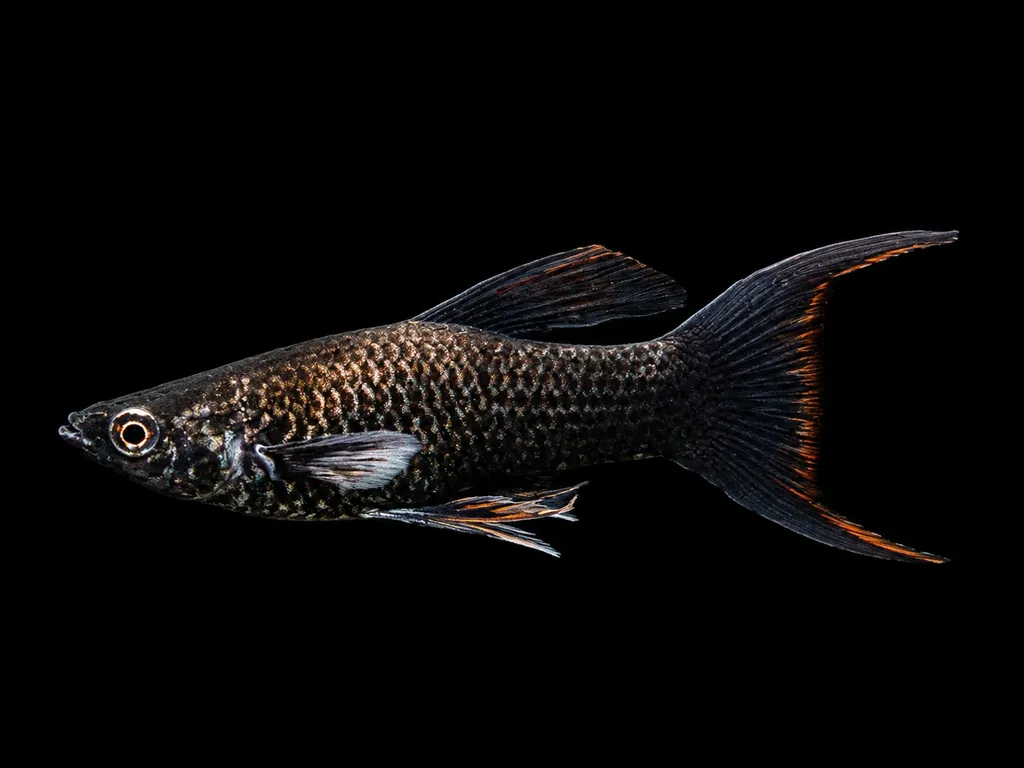
Black molly
Poecilia sphenops
FreshwaterBrackishFish
Care at a glance
- Temperature
- 70–82°F
- 21–28°C
- pH
- 7.0–8.0
- Adult size
- 4.7 in
- 12 cm
- Minimum tank
- 24 gal
- 90 L
- Temperament
- Mostly peaceful
- Social behavior
- Social
- Swim level
- Middle
- Difficulty
- Easy
- Breeding
- Easy
- Rarity
- Very common
- Family
- Poeciliidae
- Origin
- Venezuela, Colombia, Mexico
Pick a variety
One setup covers every line on this page: care is the species' care.
Overview
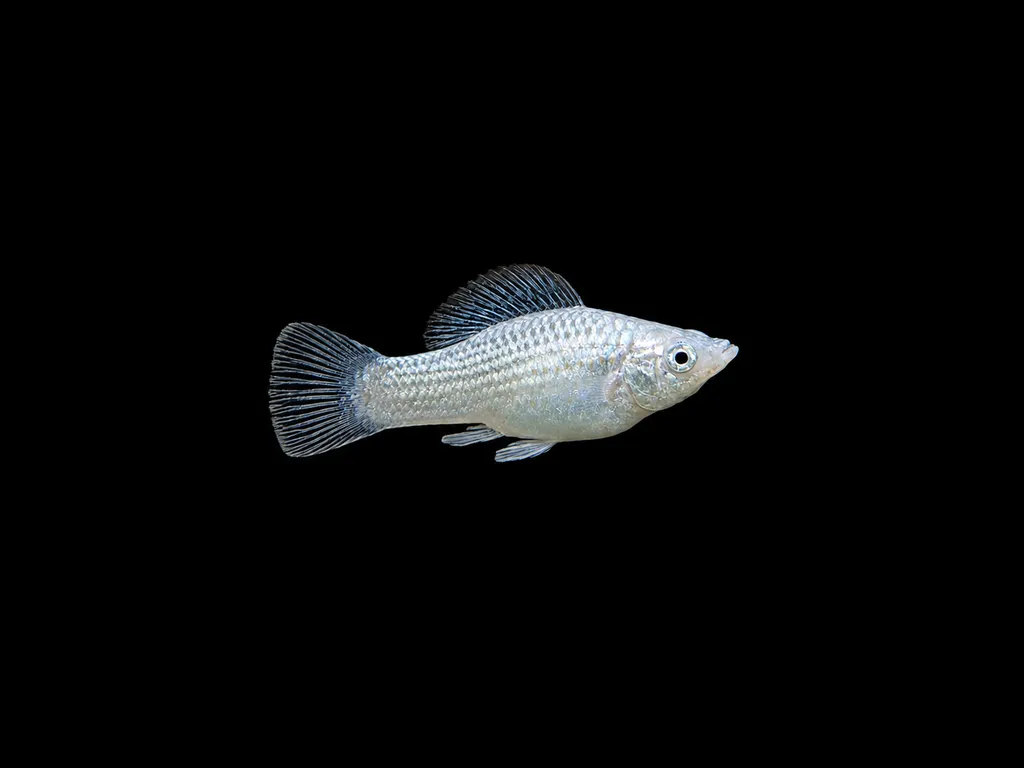
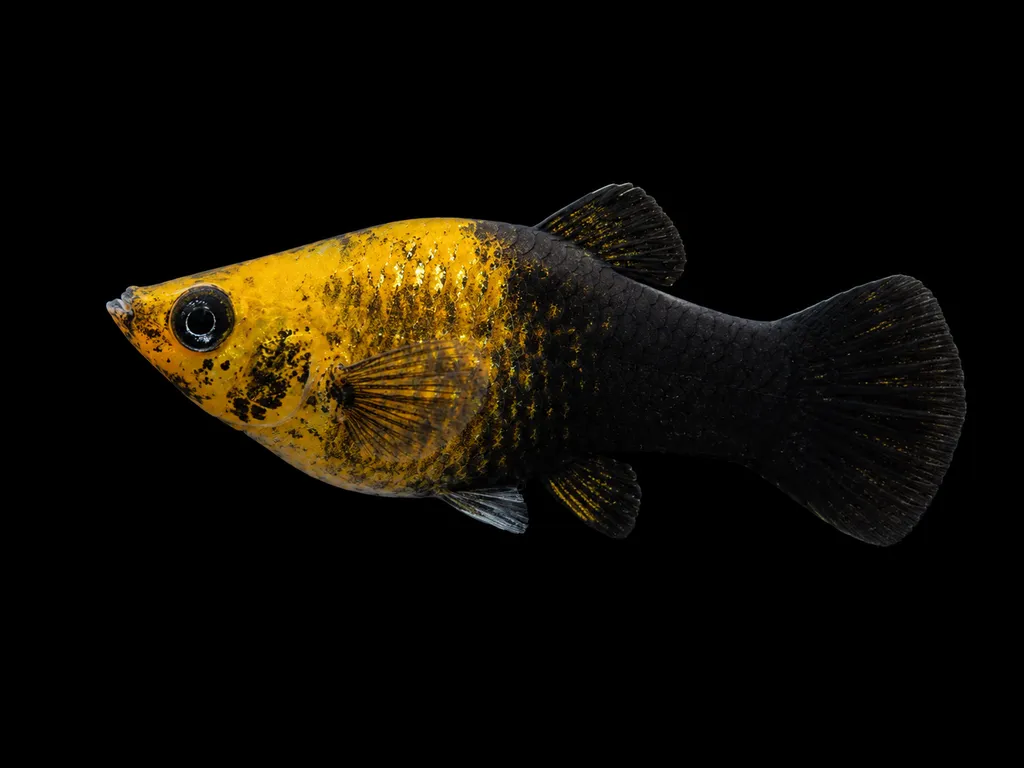
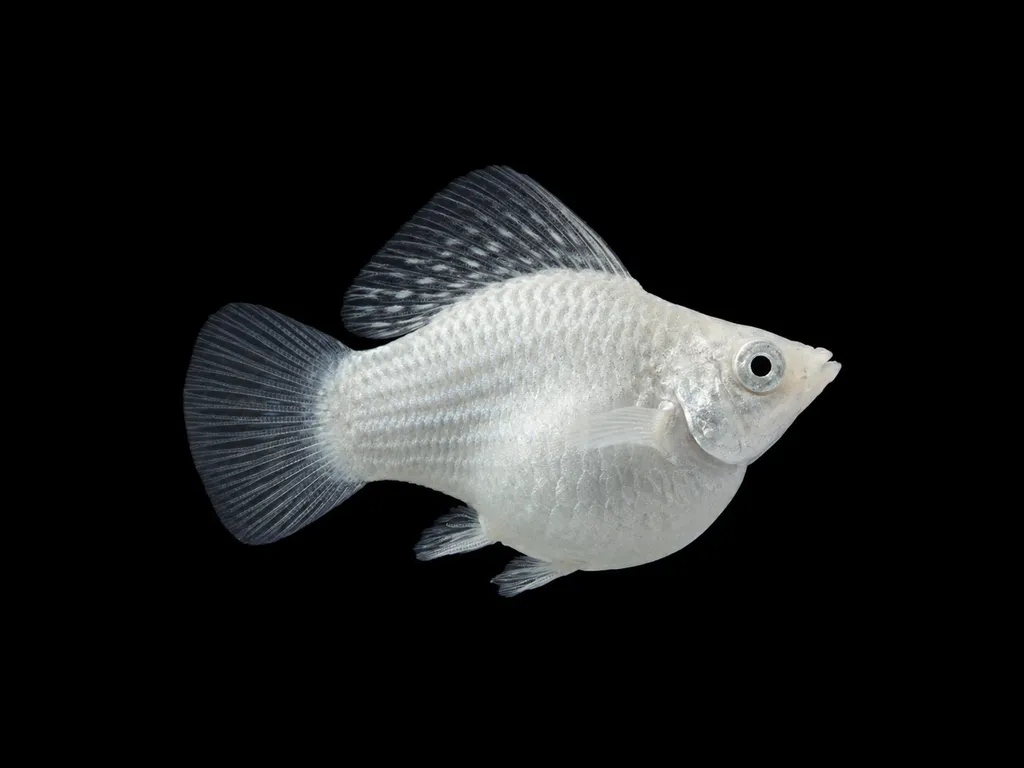
Mollies are social and mostly peaceful, so keep a small group, ideally with more females than males to spread out the males' constant chasing. They swim in the middle of the tank and like a 90 liter or larger setup with hard, alkaline water, 21 to 28 C and pH 7 to 8. They graze algae and need real plant matter, so feed a vegetable-based flake or pellet with some protein mixed in. They breed easily, so expect fry.
In the wild
Black mollies trace back to coastal fresh and brackish waters in Mexico, Colombia, and Venezuela, including streams and estuaries near the sea. Because of that brackish background they tolerate, and often appreciate, hard, alkaline water with a little salt. A planted tank with open swimming space and steady warmth suits the all-black aquarium strain well.
Good to know
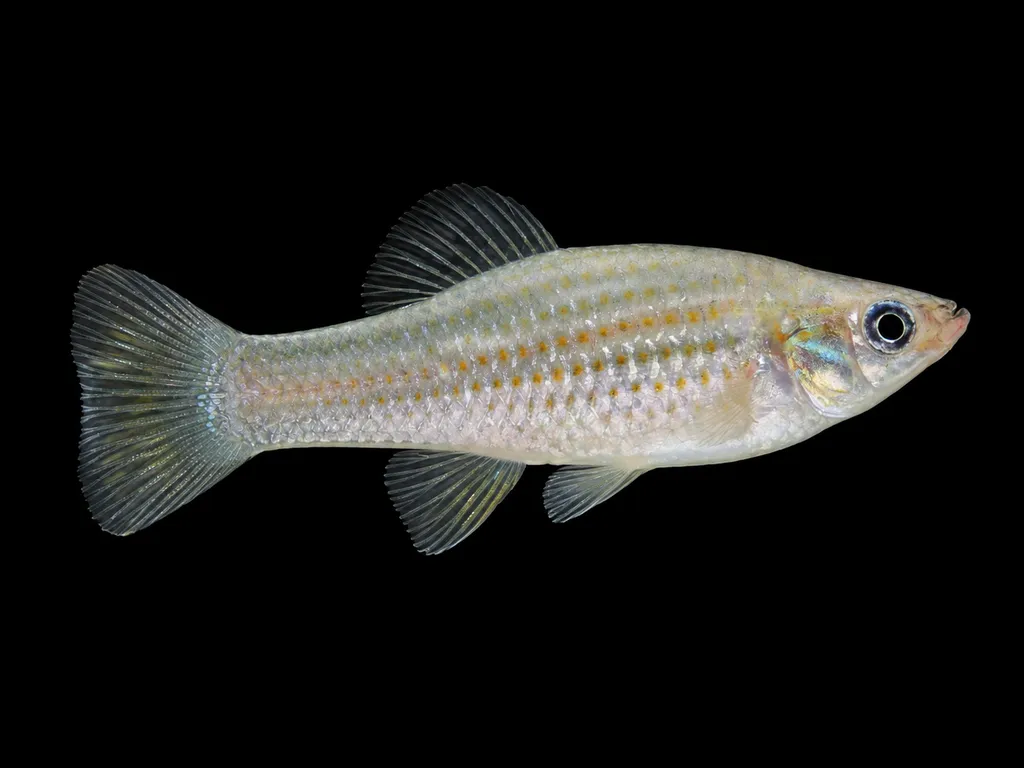
The black molly is a melanistic, captive-bred color form of Poecilia sphenops, in the livebearer family Poeciliidae. It grows to about 12 cm, with females larger and rounder than males. Like other livebearers, it gives birth to free-swimming young instead of laying eggs. Males are identified by the gonopodium, a modified anal fin used to fertilize females.
Did you know
Black mollies are prone to a swimming quirk called the shimmies, where the fish wiggles in place without going anywhere. It's not a disease itself but a stress signal, usually from water that's too soft, too cool, or has gone off, and it often clears up once conditions improve.
Weekly picks
Tank mates
Every variety on this page wants the same water, so one set of picks fits them all. These picks match on water type, temperature, pH, size and temperament.
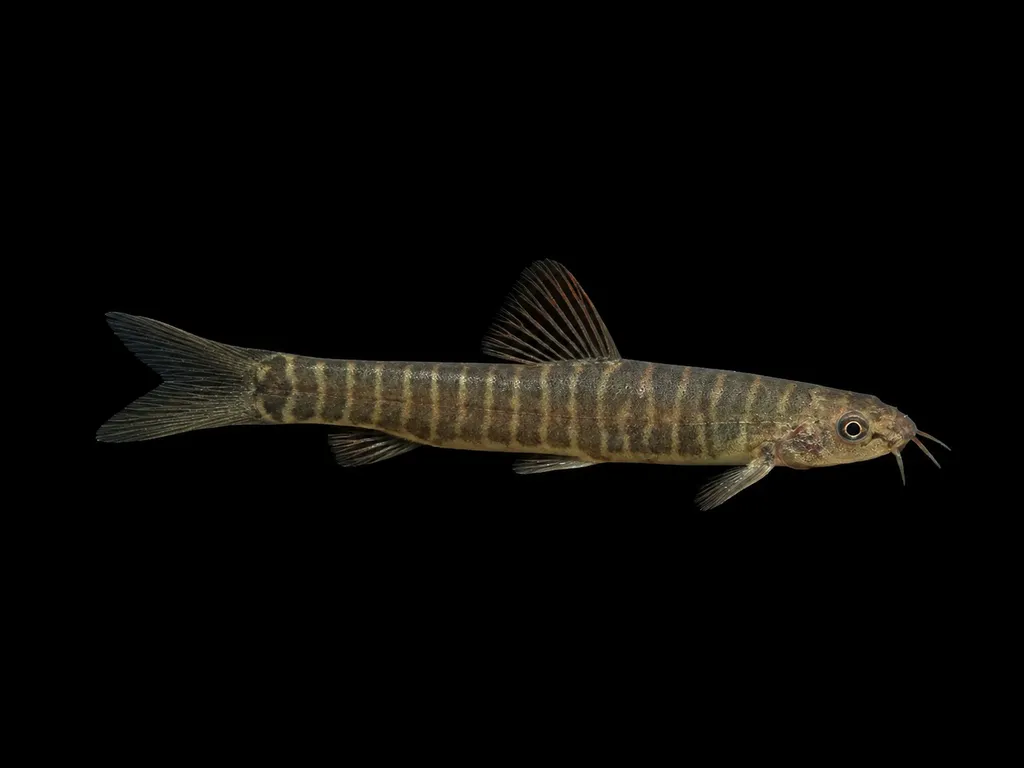
Flathead loach
Nemacheilus platiceps
Freshwater2.9 in (7.3 cm) · 24 gal (90 L)72–81°F (22–27°C)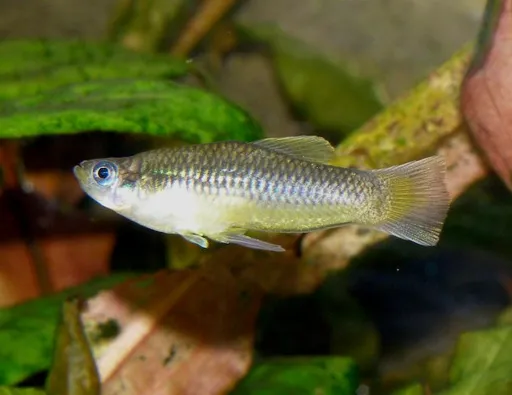
Blue-eyed livebearer
Priapella intermedia
Freshwater2.8 in (7 cm) · 24 gal (90 L)72–82°F (22–28°C)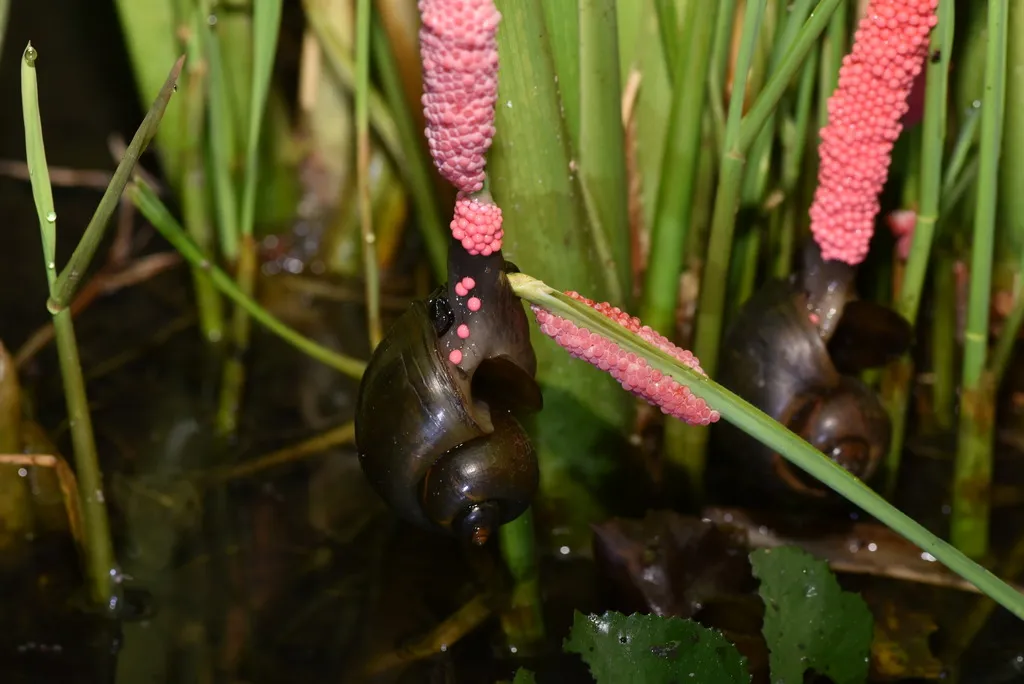
Apple snail
Pomacea canaliculata
Freshwater5.9 in (15 cm) · 21 gal (80 L)64–81°F (18–27°C)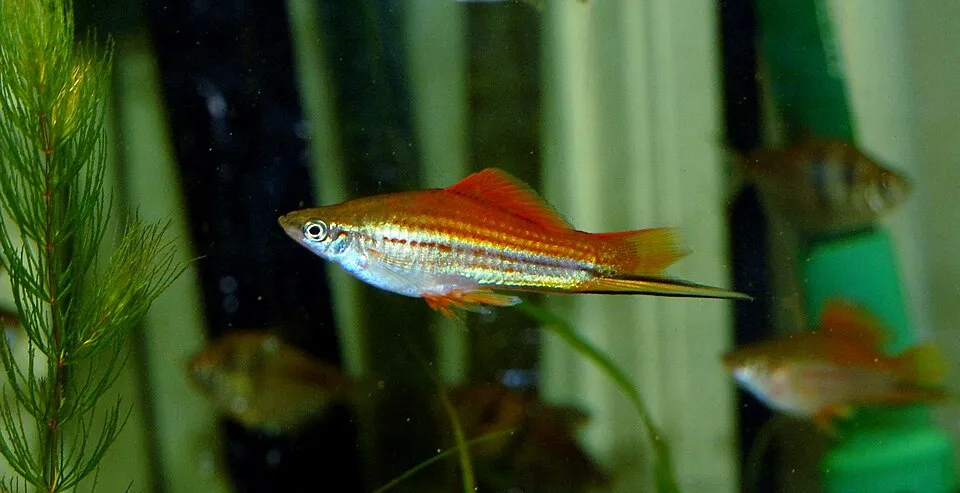
Green swordtail
Xiphophorus hellerii
Freshwater5.9 in (15 cm) · 24 gal (90 L)68–82°F (20–28°C)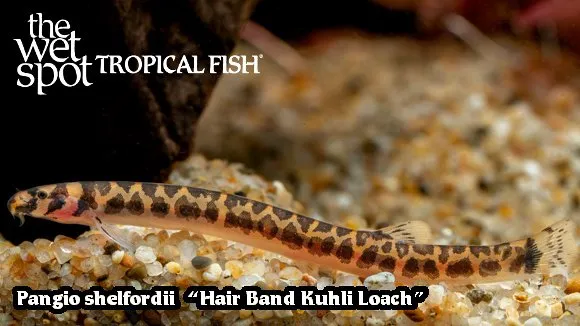
Shelford's kuhli loach
Pangio shelfordii
Freshwater3.1 in (8 cm) · 24 gal (90 L)72–81°F (22–27°C)
Wrestling halfbeak
Dermogenys pusilla
FreshwaterBrackish2.8 in (7 cm) · 25 gal (95 L)75–82°F (24–28°C)
Common questions
What size tank does a Black molly need?
A Black molly needs at least 24 gal (90 L). It spends most of its time in the middle.
What temperature and pH does a Black molly need?
A Black molly is comfortable at 70–82°F (21–28°C) with a pH of 7.0–8.0.
How big does a Black molly get?
An adult Black molly reaches about 4.7 in (12 cm).
Related species
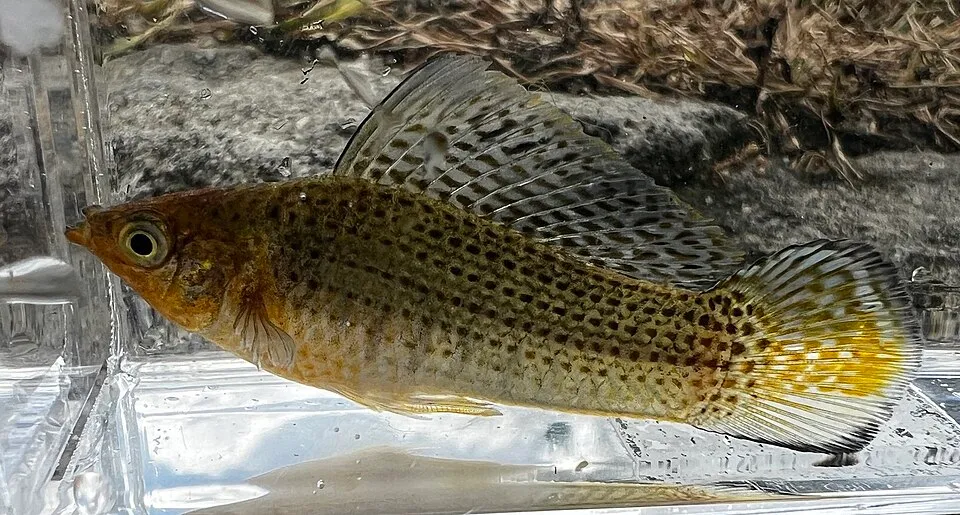 4.7 in (12 cm)24 gal (90 L)70–79°F (21–26°C)
Sailfin molly
Poecilia latipinna
4.7 in (12 cm) · 24 gal (90 L)
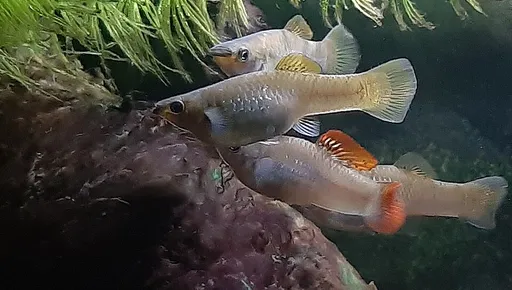 3.9 in (10 cm)24 gal (90 L)72–82°F (22–28°C)
Liberty molly
Poecilia salvatoris
3.9 in (10 cm) · 24 gal (90 L)
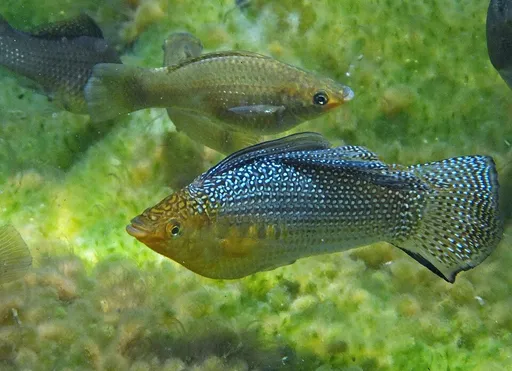 5.9 in (15 cm)30 gal (113 L)75–82°F (24–28°C)
Giant sailfin molly
Poecilia velifera
5.9 in (15 cm) · 30 gal (113 L)
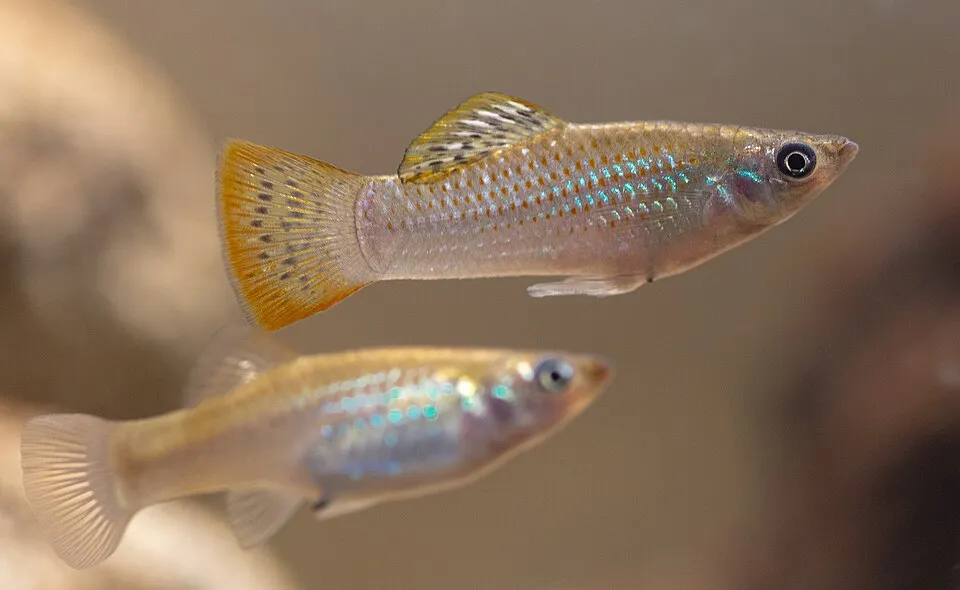 4.3 in (11 cm)32 gal (120 L)72–82°F (22–28°C)
Shortfin molly
Poecilia mexicana
4.3 in (11 cm) · 32 gal (120 L)
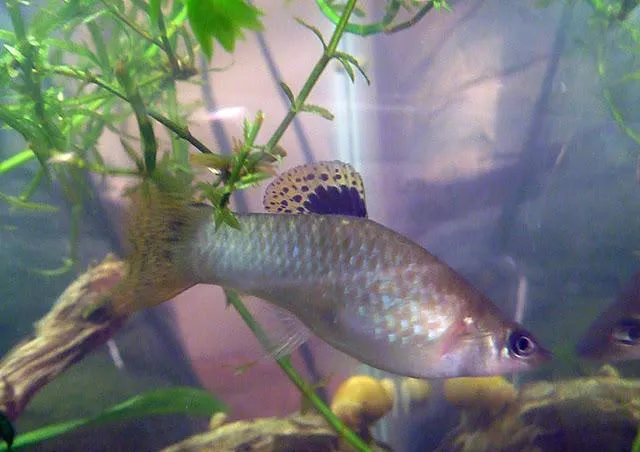 3.9 in (10 cm)26 gal (100 L)72–86°F (22–30°C)
Gill's molly
Poecilia gillii
3.9 in (10 cm) · 26 gal (100 L)
 3.5 in (9 cm)20 gal (75 L)68–82°F (20–28°C)
Amazon molly
Poecilia formosa
3.5 in (9 cm) · 20 gal (75 L)