Variety of Black molly
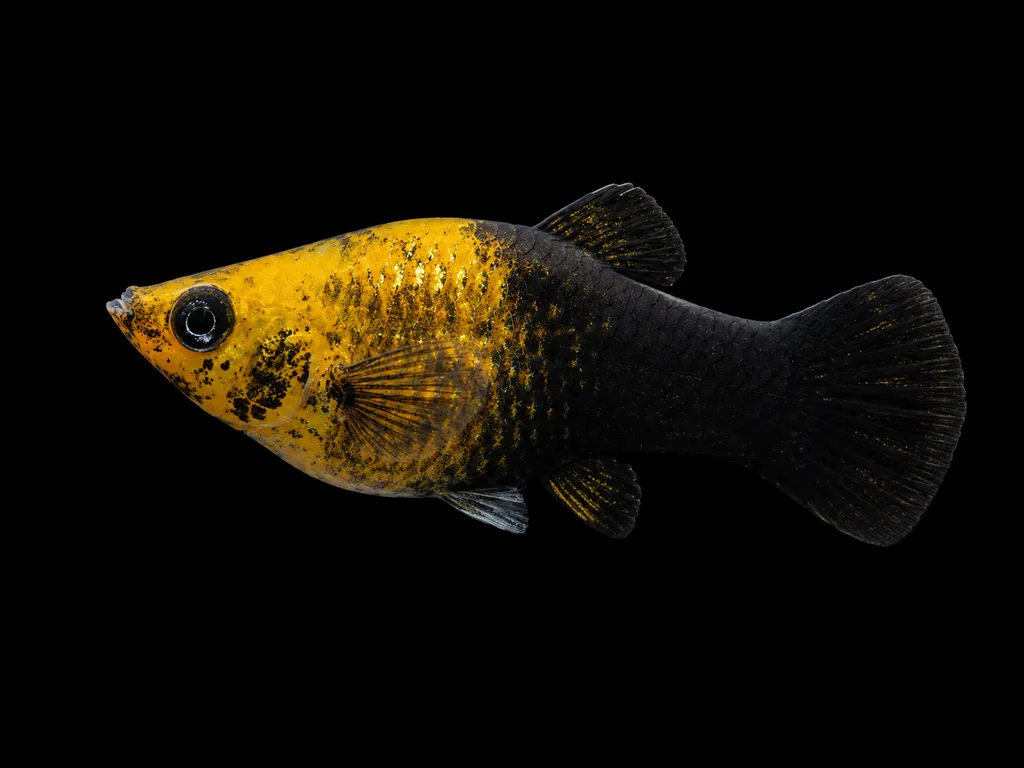
Gold dust molly
Poecilia sphenops
One of 4 varieties of Poecilia sphenops · See all varieties →
FreshwaterBrackishFish
Varieties · Poecilia sphenops
See all 4 →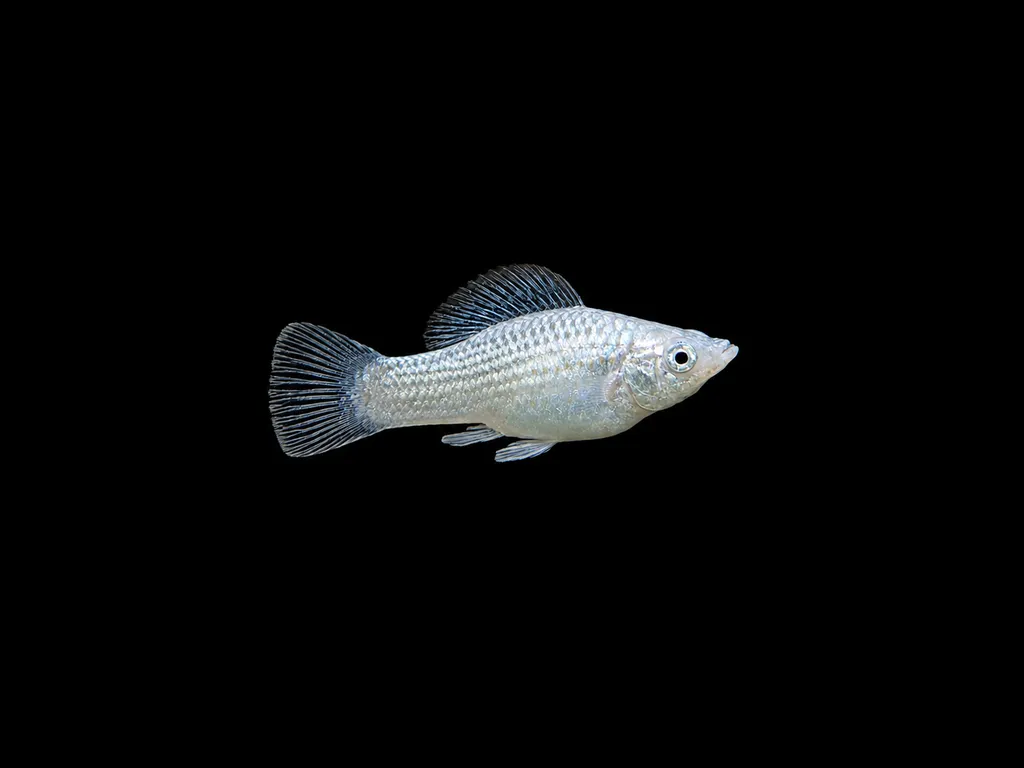
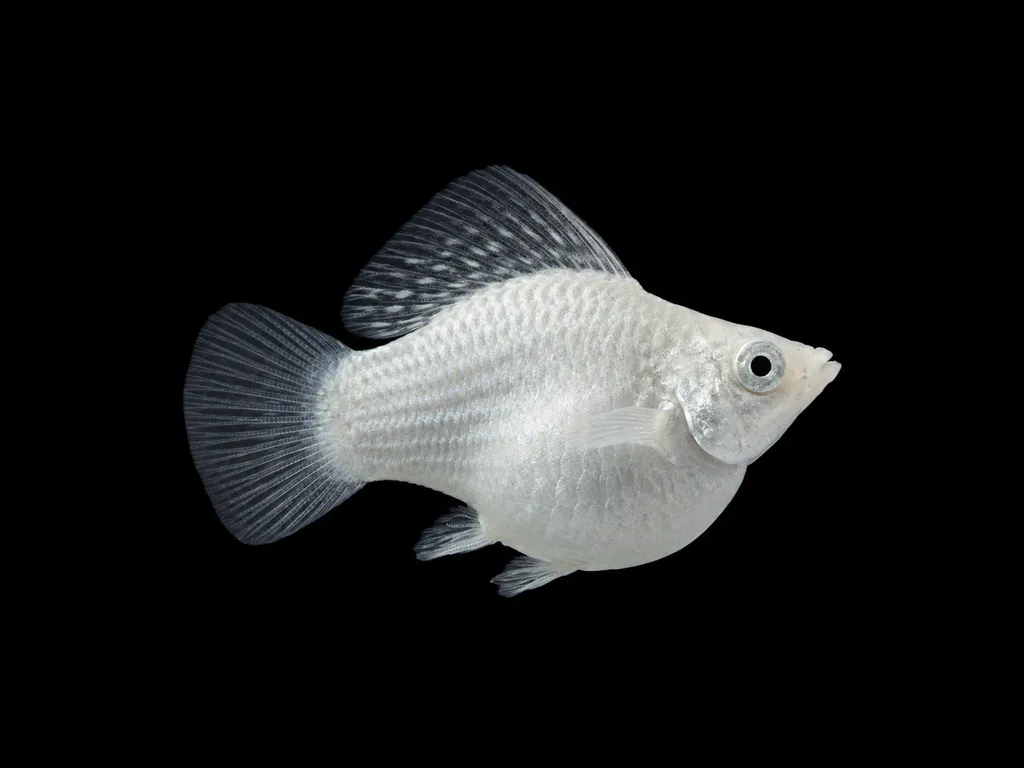
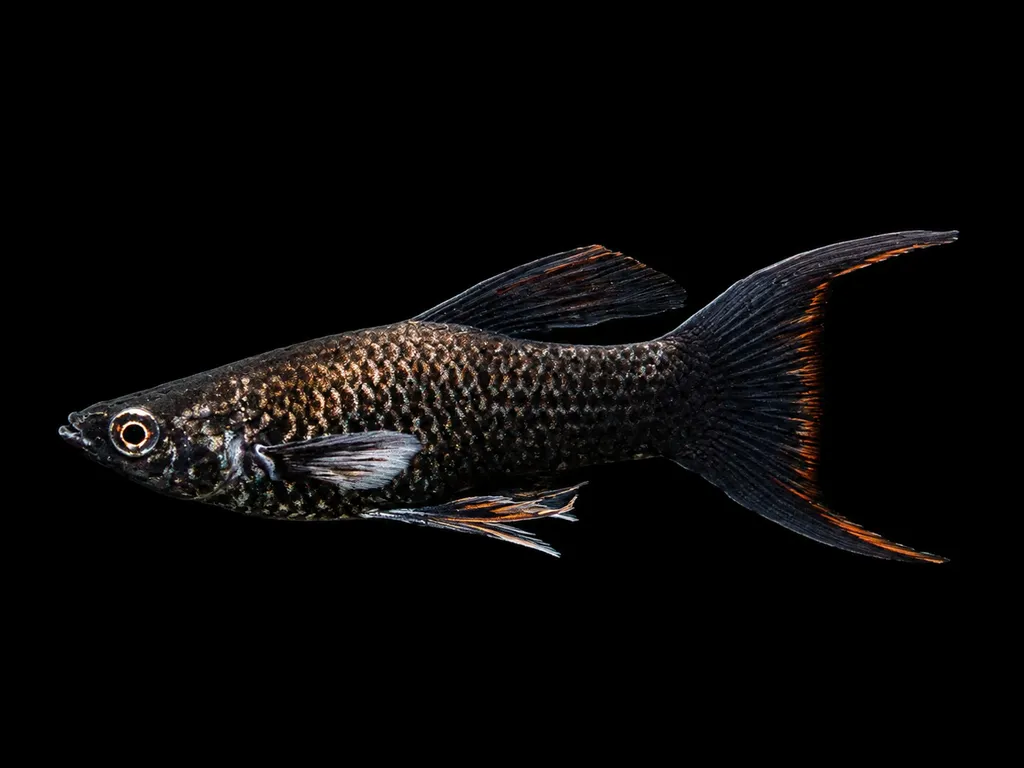
Care at a glance
- Temperature
- 70–82°F
- 21–28°C
- pH
- 7.0–8.0
- Adult size
- 4.7 in
- 12 cm
- Minimum tank
- 24 gal
- 90 L
- Temperament
- Mostly peaceful
- Social behavior
- Social
- Swim level
- Middle
- Diet
- Omnivore
- Difficulty
- Easy
- Breeding
- Livebearer · Easy
- Rarity
- Very common
- Family
- Poeciliidae
Overview
The gold dust molly is a two-tone molly, gold on the head and front and black on the rear and tail. It is a good first fish for a community tank with hard, alkaline water.
Did you know
The gold dust molly's gold is pigment lying over the same reflective layer that gives a silver molly its shine. That is why the front half catches light while the black rear swallows it.
Caring for the gold dust molly
Keep gold dust mollies in a small group in a tank of at least 24 gal (90 L). They like a planted tank with open swimming space and steady warmth. The water should be hard and alkaline, at 70 to 82°F (21 to 28°C) and a pH of 7.0 to 8.0. They tolerate, and often appreciate, a little salt.
Gold dust mollies graze algae and need real plant matter in their diet. Give them a vegetable-based flake or pellet with some protein mixed in.
They are mostly peaceful and safe with other community fish. Keep more females than males to spread out the males' constant chasing. Females grow larger and rounder than males. Males carry a gonopodium, a modified anal fin used to fertilize females.
Gold dust mollies are livebearers and give birth to free-swimming young instead of laying eggs. They breed easily, but breeders report that the color does not come sharply true. Fry from one pair can run from nearly all gold to nearly all black.
Good to know
The gold dust molly shows two pigment systems at once, with melanophores holding the black rear and xanthophores holding the gold front. The boundary between them scatters into flecks and varies from fish to fish. How clean that split looks is the main quality difference between suppliers, and evenly muddy fish are common in bulk tanks. Retailers grade on the boundary rather than the shade of gold, and a high-grade fish shows no muddy bleed between the halves. Selecting for a clean split every generation keeps the look going. Most are sold short-finned, though lyretail gold dusts exist under the same color name.
In the wild
The gold dust molly is a selection line on domesticated molly stock. That stock blends the short-finned and sailfin species rather than tracking either one. Farm breeders picked out and stabilized the gold and black distribution. Most retailers list it under Poecilia sphenops, and at least one lists the same fish as Poecilia velifera. That shows the label is a trade convention more than a determination. No breeder, country or date is on record for the line.
Weekly picks
Tank mates
The gold dust molly is a mostly peaceful, social species that keeps to the middle. These picks share a community profile with it, are safe together in both directions, and overlap on water type, temperature and pH.
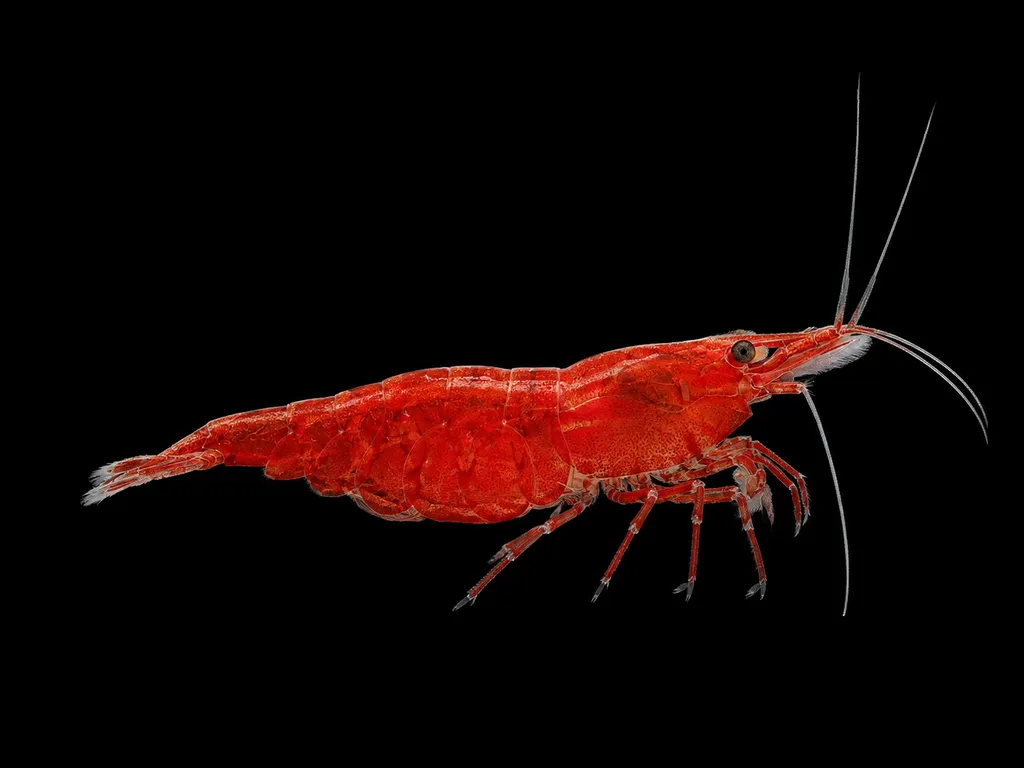
Neocaridina shrimp
Neocaridina davidi
Freshwater1.6 in (4 cm) · 5 gal (19 L)59–84°F (15–29°C)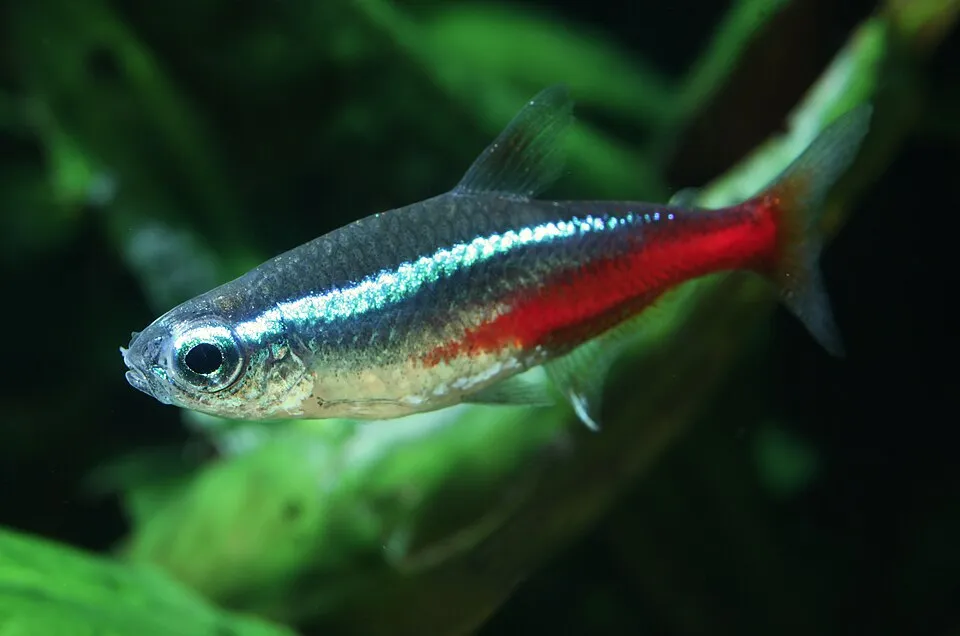
Neon tetra
Paracheirodon innesi
Freshwater1.5 in (3.8 cm) · 11 gal (40 L)70–77°F (21–25°C)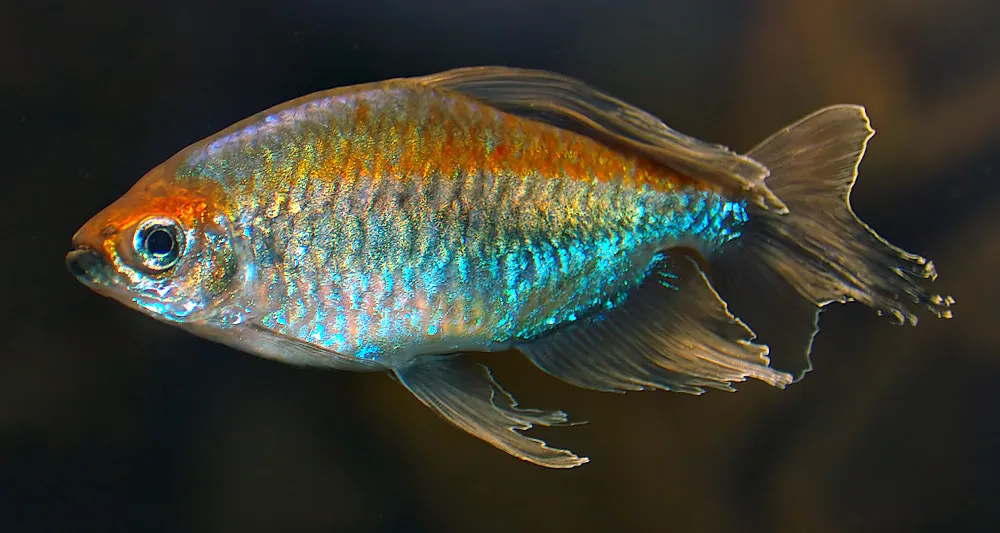
Congo tetra
Phenacogrammus interruptus
Freshwater3.1 in (8 cm) · 24 gal (90 L)73–82°F (23–28°C)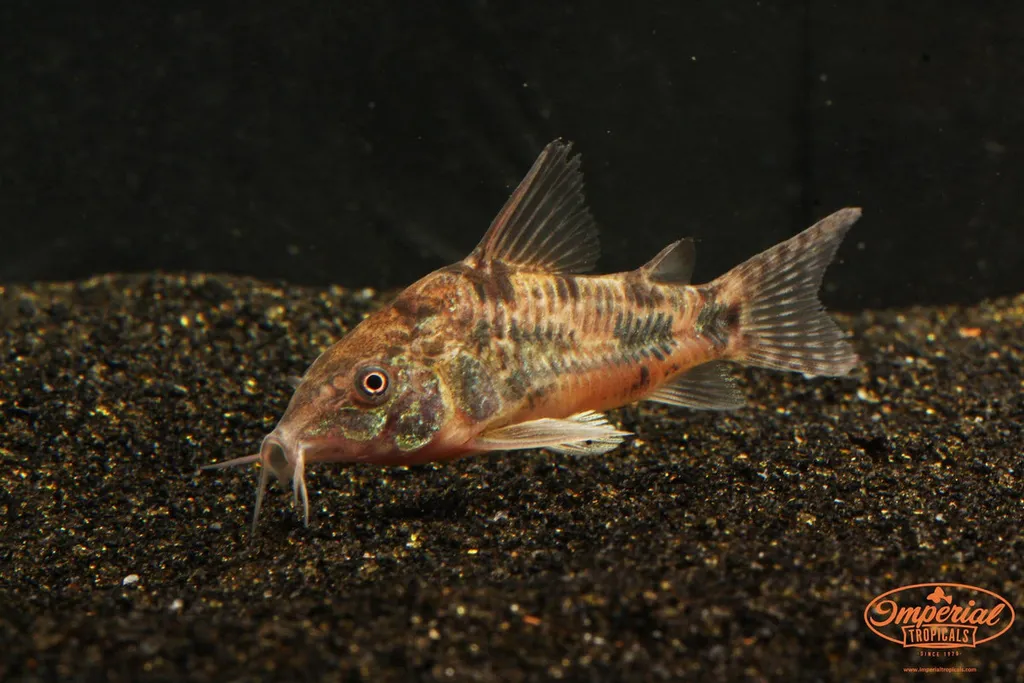
Peppered cory
Hoplisoma paleatum
Freshwater2.8 in (7 cm) · 21 gal (80 L)72–79°F (22–26°C)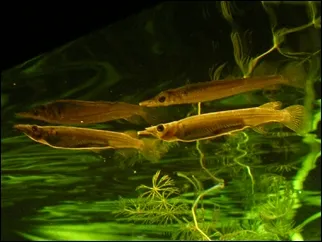
Wrestling halfbeak
Dermogenys pusilla
FreshwaterBrackish2.8 in (7 cm) · 25 gal (95 L)75–82°F (24–28°C)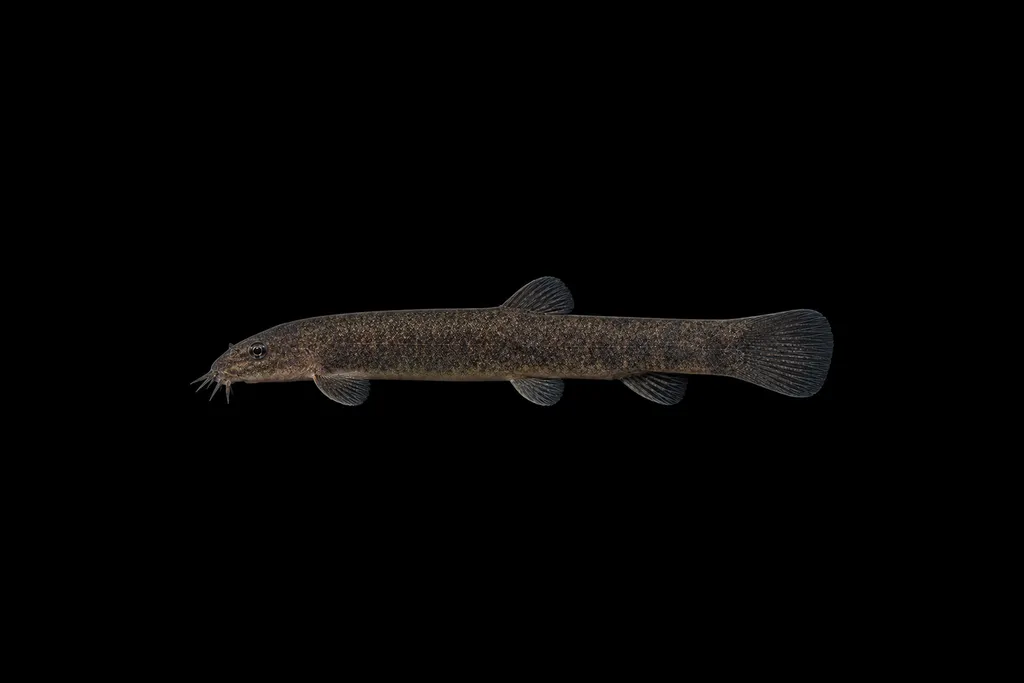
Charcoal loach
Schistura carbonaria
Freshwater3.4 in (8.6 cm) · 24 gal (90 L)70–79°F (21–26°C)
Common questions
Is a gold dust molly a different species from the black molly?
No. A gold dust molly is a variety of the black molly, Poecilia sphenops, and it wants the same tank, water and food as the species.
What size tank does a gold dust molly need?
A gold dust molly needs at least 24 gal (90 L). It spends most of its time in the middle.
What does a gold dust molly eat?
A gold dust molly grazes algae and needs real plant matter. Give it a vegetable-based flake or pellet with some protein mixed in.
How big does a gold dust molly get?
An adult gold dust molly reaches about 4.7 in (12 cm).
How can you tell a male gold dust molly from a female?
Males carry a gonopodium, a modified anal fin used to fertilize females. Females grow larger and rounder than males.
How does a gold dust molly breed?
A gold dust molly is a livebearer and gives birth to free-swimming young. It breeds easily, but fry from one pair can run from nearly all gold to nearly all black.
Related species
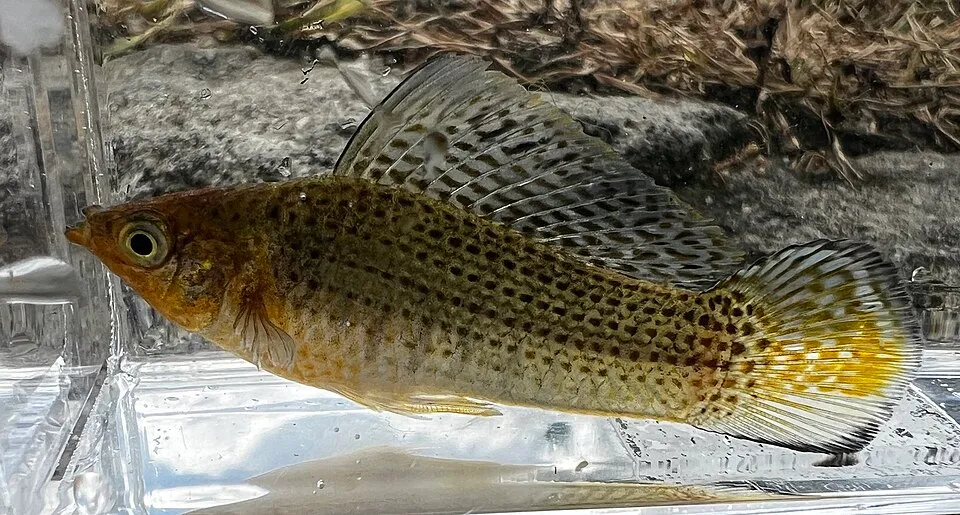 4.7 in (12 cm)24 gal (90 L)70–79°F (21–26°C)
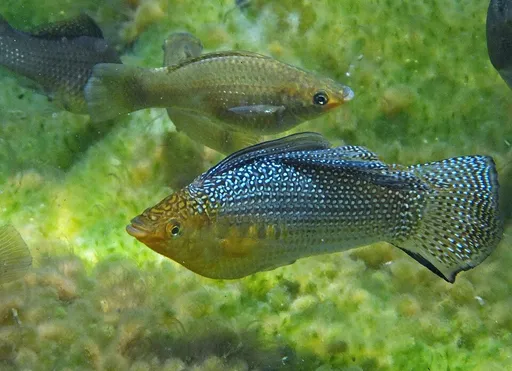
Sailfin molly
Poecilia latipinna
4.7 in (12 cm) · 24 gal (90 L)
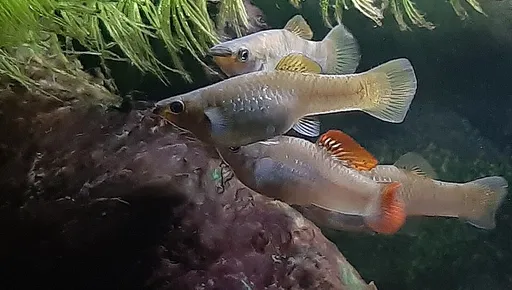 3.9 in (10 cm)24 gal (90 L)72–82°F (22–28°C)
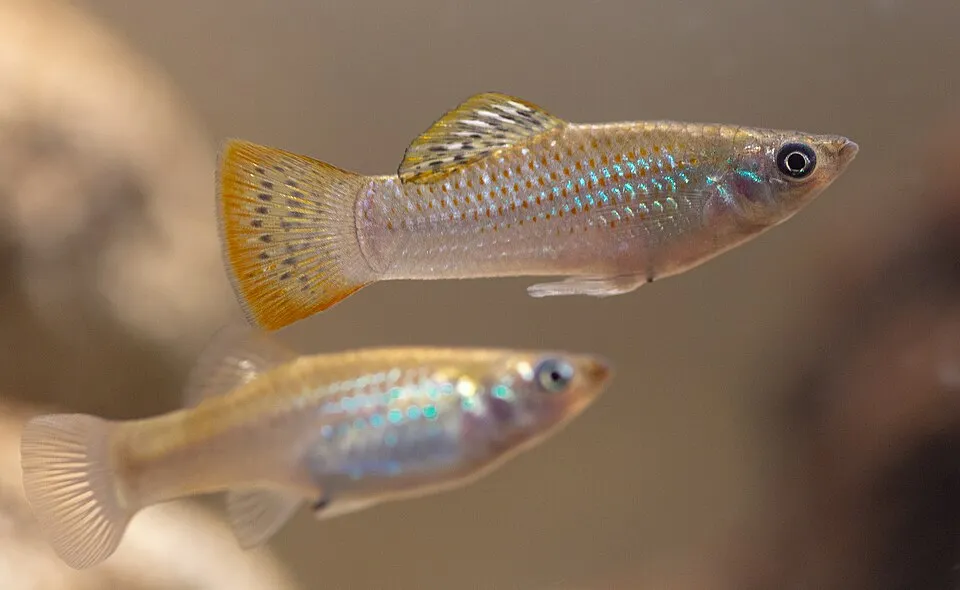
Liberty molly
Poecilia salvatoris
3.9 in (10 cm) · 24 gal (90 L)
 5.9 in (15 cm)30 gal (113 L)75–82°F (24–28°C)
Giant sailfin molly
Poecilia velifera
5.9 in (15 cm) · 30 gal (113 L)
 4.3 in (11 cm)32 gal (120 L)72–82°F (22–28°C)
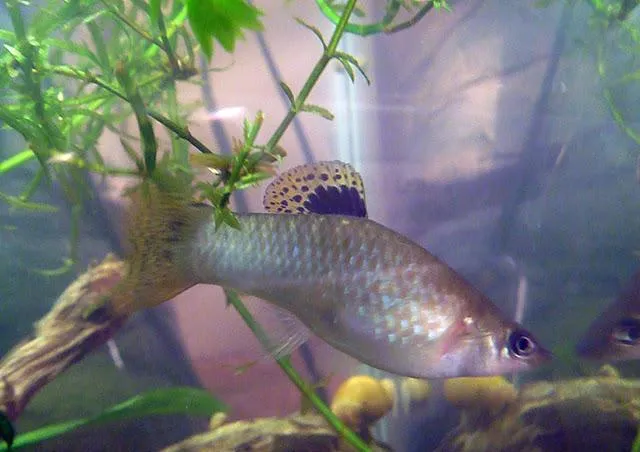
Shortfin molly
Poecilia mexicana
4.3 in (11 cm) · 32 gal (120 L)
 3.9 in (10 cm)26 gal (100 L)72–86°F (22–30°C)
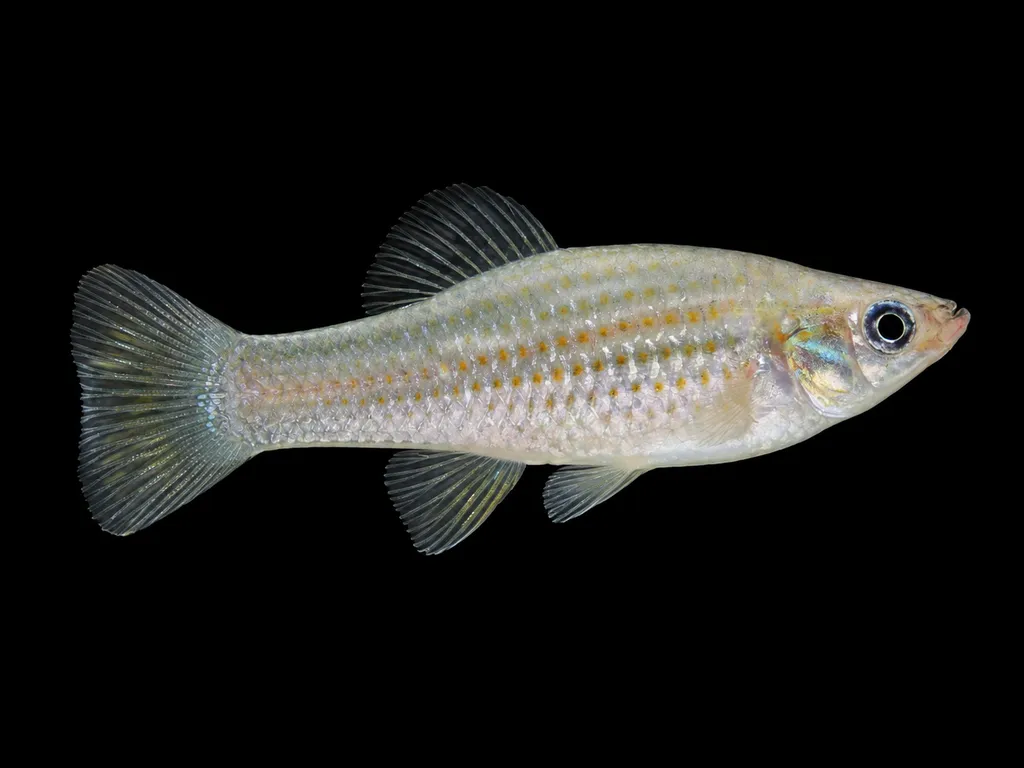
Gill's molly
Poecilia gillii
3.9 in (10 cm) · 26 gal (100 L)
 3.5 in (9 cm)20 gal (75 L)68–82°F (20–28°C)
Amazon molly
Poecilia formosa
3.5 in (9 cm) · 20 gal (75 L)