One species · 1 variety
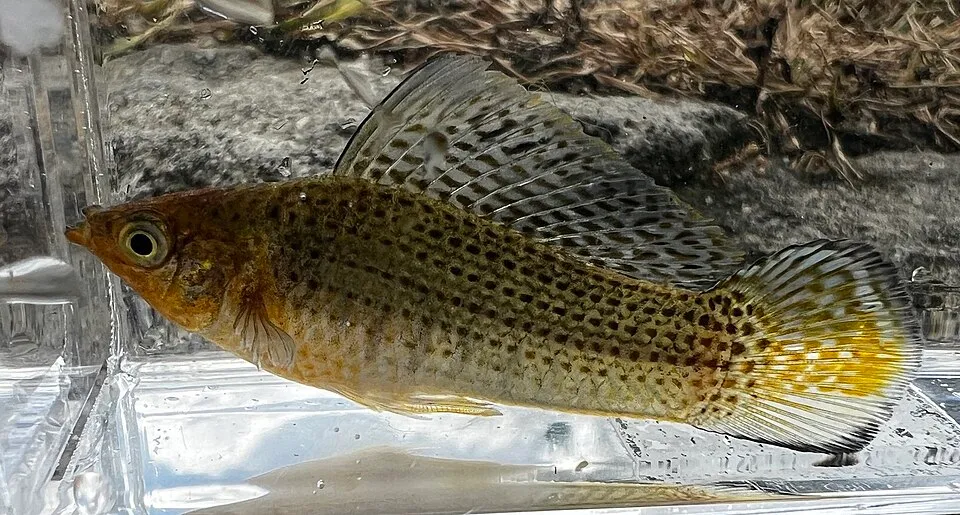
Sailfin molly
Poecilia latipinna
FreshwaterBrackishFish
Care at a glance
- Temperature
- 70–79°F
- 21–26°C
- pH
- 7.0–8.0
- Adult size
- 4.7 in
- 12 cm
- Minimum tank
- 24 gal
- 90 L
- Temperament
- Mostly peaceful
- Social behavior
- Social
- Swim level
- Middle
- Difficulty
- Easy
- Breeding
- Easy
- Rarity
- Very common
- Family
- Poeciliidae
- Origin
- United States, Mexico
Pick a variety
One setup covers every line on this page: care is the species' care.
Overview
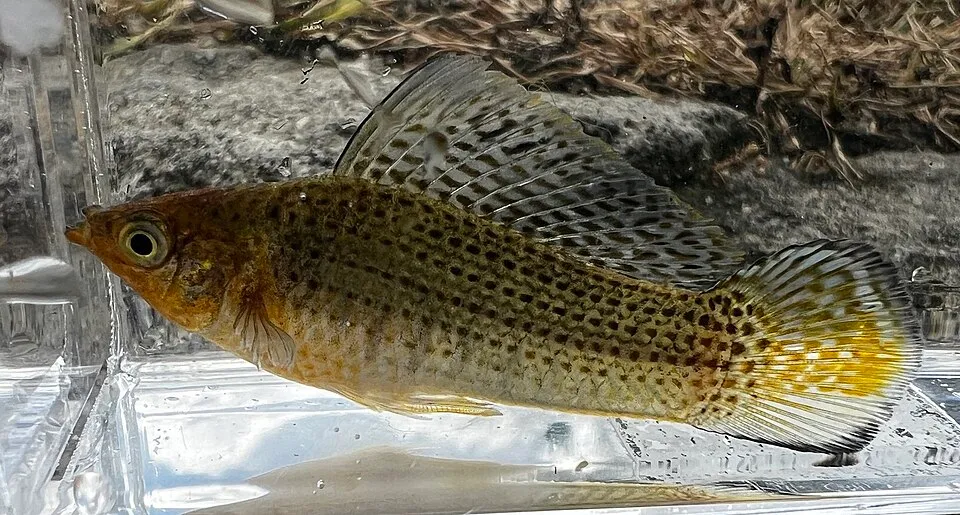
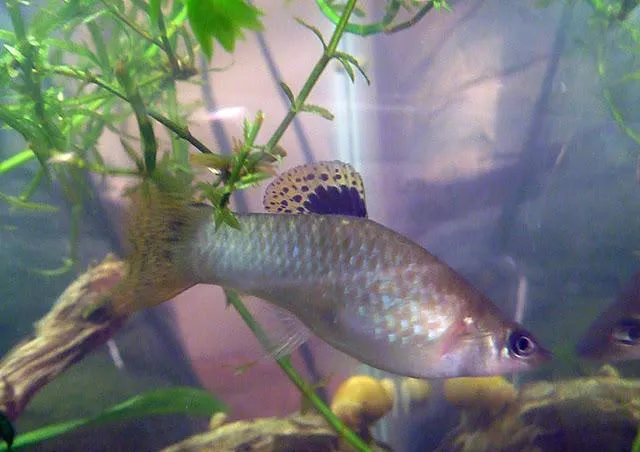
They are social and do best in a group with more females than males, in a tank of around 90 liters or larger to suit their size. They cruise the middle and upper water and stay mostly peaceful, though males can get pushy with each other. They graze a lot, so include algae and vegetable matter alongside flake and the odd live or frozen treat. Keep the water hard and alkaline, pH about 7 to 8, in the low to mid 20s C.
In the wild
Sailfin mollies come from the coastal lowlands of the southern United States and Mexico, including brackish marshes, ditches, and slow streams. They tolerate a wide salinity range, from fresh to brackish, and like warm, hard, alkaline water with plenty of algae to graze. In the aquarium they appreciate hard water with a higher pH and open swimming room. Some keepers add a little marine salt, though it is not strictly required for the freshwater form.
Good to know
This is a livebearer in the family Poeciliidae, and one of the larger mollies at up to about 12 cm. As the name suggests, mature males develop a tall, sail-like dorsal fin they use in displays. They bear live young rather than laying eggs, and females can produce broods every few weeks. Lifespan is usually two to three years.
Did you know
Males flare that big sail fin in a side-on display to impress females and warn off rival males. The fin is far larger in the sailfin molly than in the common molly, and getting it to develop fully takes good food and space while the male is growing.
Weekly picks
Tank mates
Every variety on this page wants the same water, so one set of picks fits them all. These picks match on water type, temperature, pH, size and temperament.
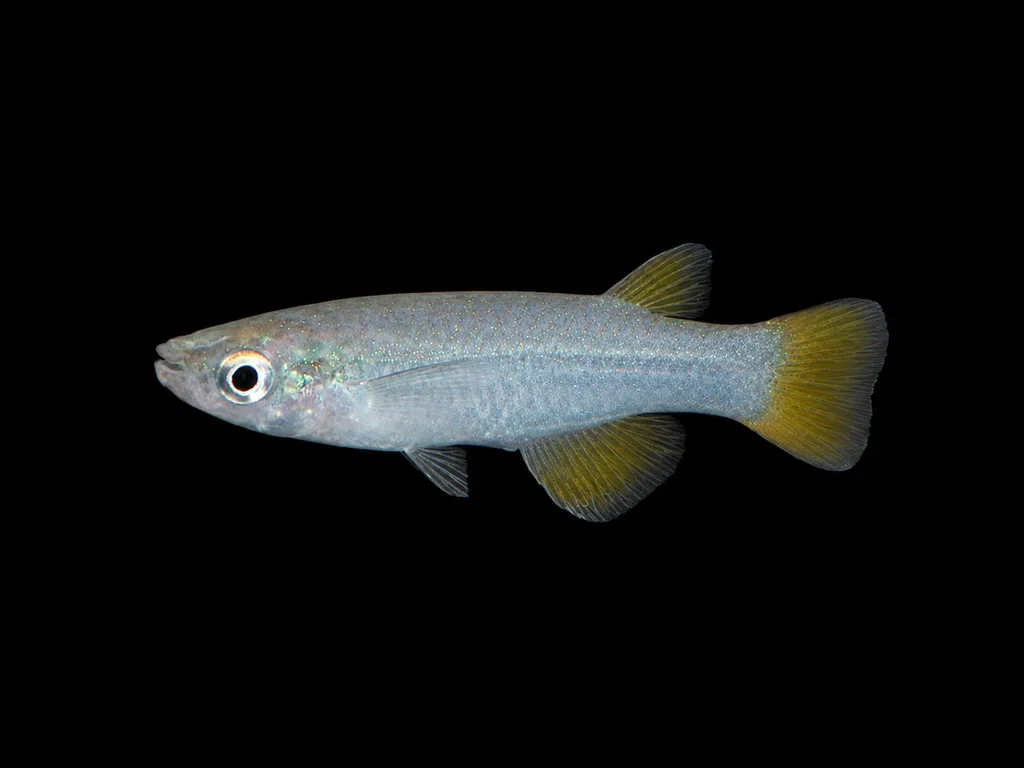
Banded lampeye
Aplocheilichthys spilauchen
FreshwaterBrackish2.8 in (7 cm) · 21 gal (80 L)73–82°F (23–28°C)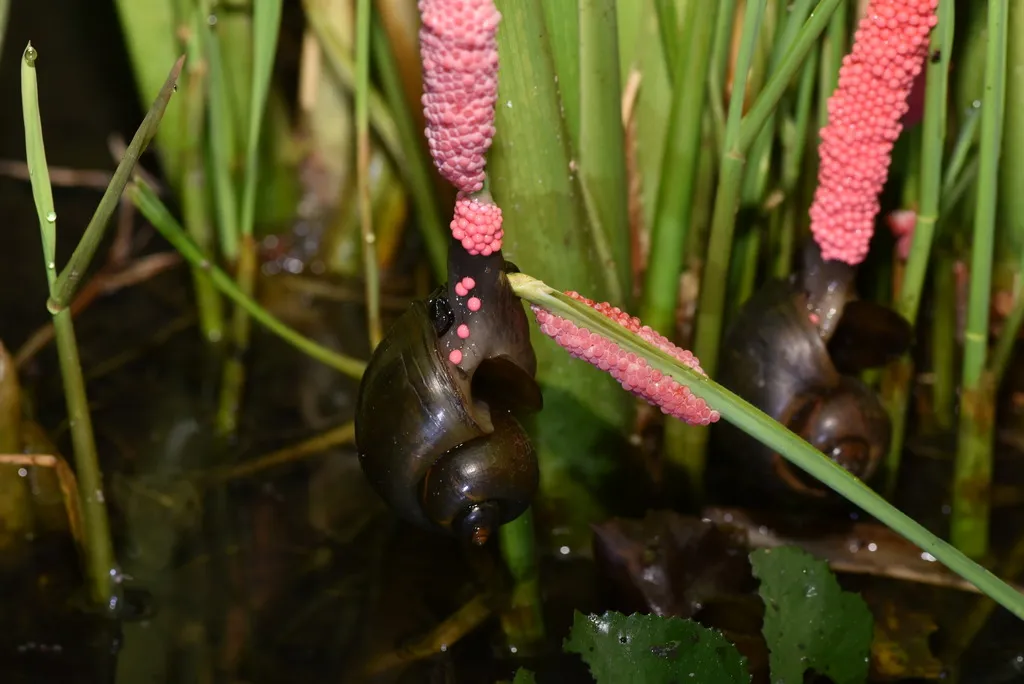
Apple snail
Pomacea canaliculata
Freshwater5.9 in (15 cm) · 21 gal (80 L)64–81°F (18–27°C)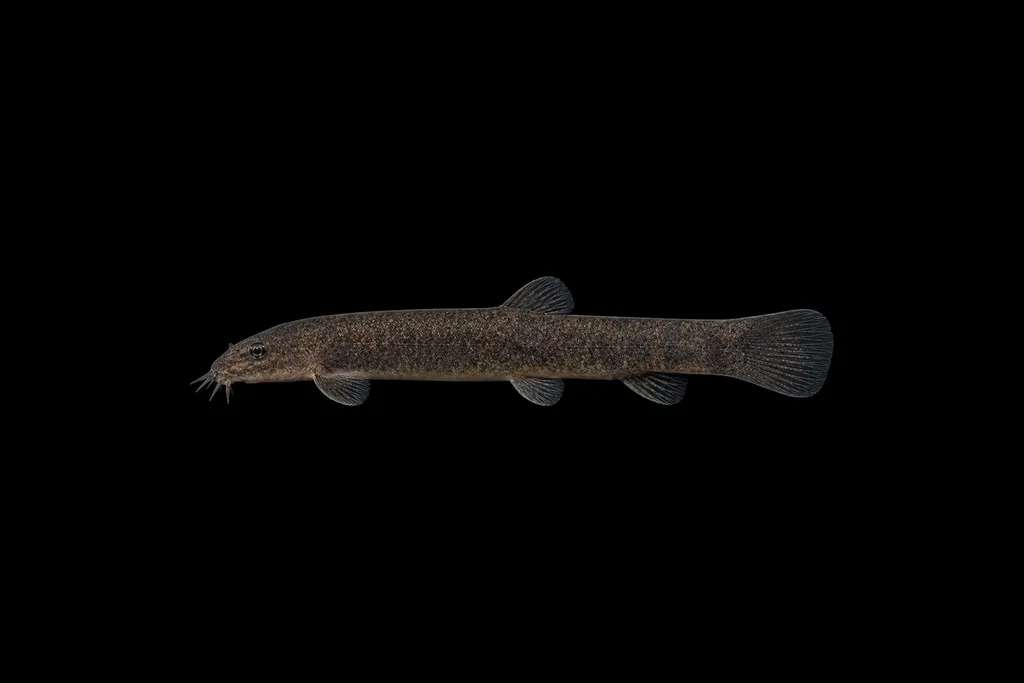
Charcoal loach
Schistura carbonaria
Freshwater3.4 in (8.6 cm) · 24 gal (90 L)70–79°F (21–26°C)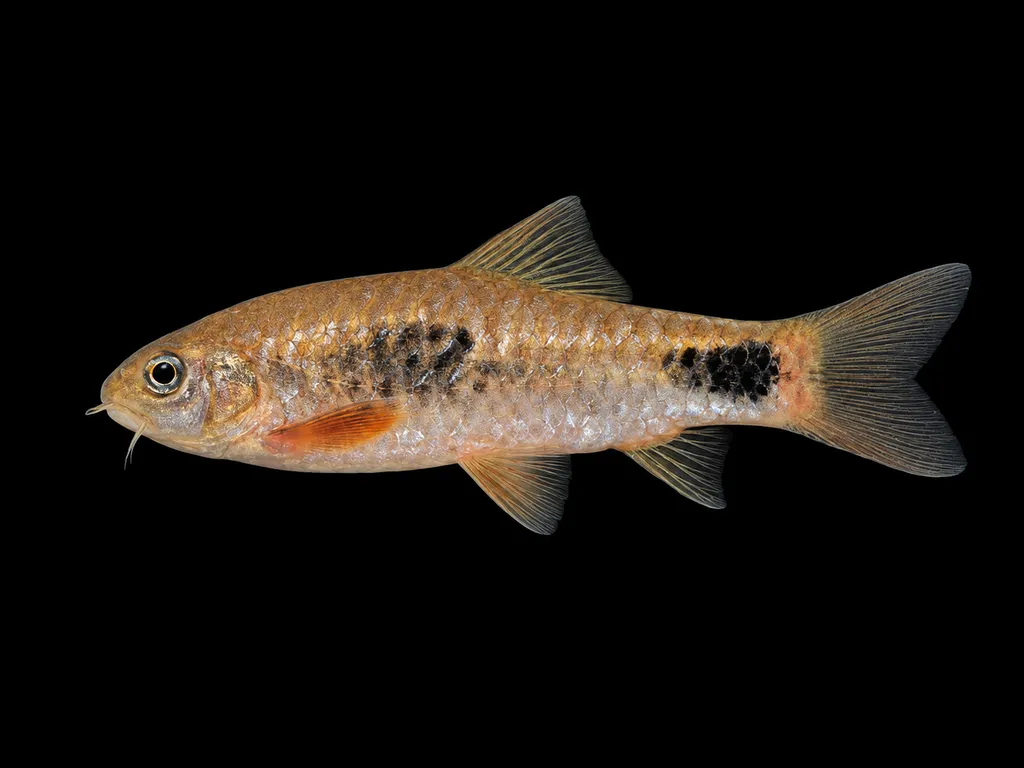
Cameroon barb
Enteromius camptacanthus
Freshwater3.9 in (10 cm) · 24 gal (90 L)72–81°F (22–27°C)
Wrestling halfbeak
Dermogenys pusilla
FreshwaterBrackish2.8 in (7 cm) · 25 gal (95 L)75–82°F (24–28°C)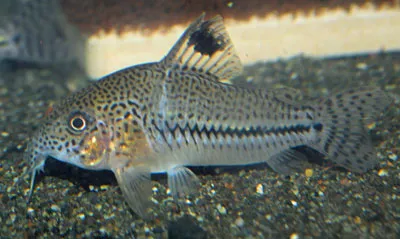
Leopard cory
Brochis leopardus
Freshwater2.8 in (7 cm) · 24 gal (90 L)72–79°F (22–26°C)
Common questions
What size tank does a Sailfin molly need?
A Sailfin molly needs at least 24 gal (90 L). It spends most of its time in the middle.
What temperature and pH does a Sailfin molly need?
A Sailfin molly is comfortable at 70–79°F (21–26°C) with a pH of 7.0–8.0.
How big does a Sailfin molly get?
An adult Sailfin molly reaches about 4.7 in (12 cm).
Related species
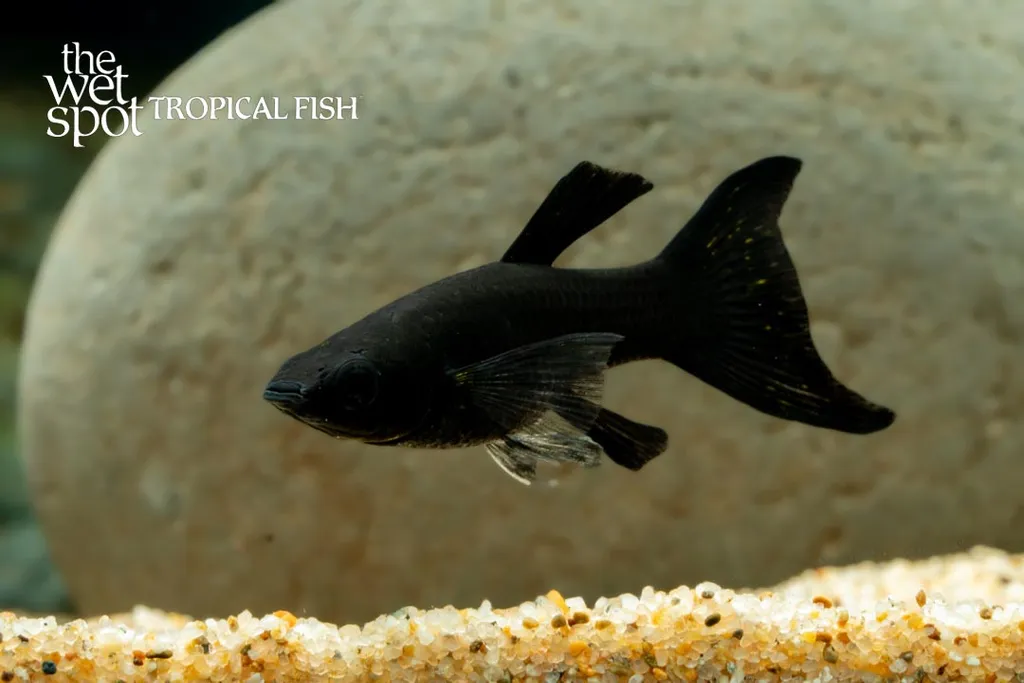 4.7 in (12 cm)24 gal (90 L)70–82°F (21–28°C)
Black molly
Poecilia sphenops
4.7 in (12 cm) · 24 gal (90 L)
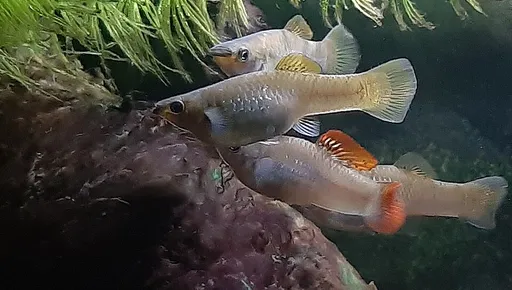 3.9 in (10 cm)24 gal (90 L)72–82°F (22–28°C)
Liberty molly
Poecilia salvatoris
3.9 in (10 cm) · 24 gal (90 L)
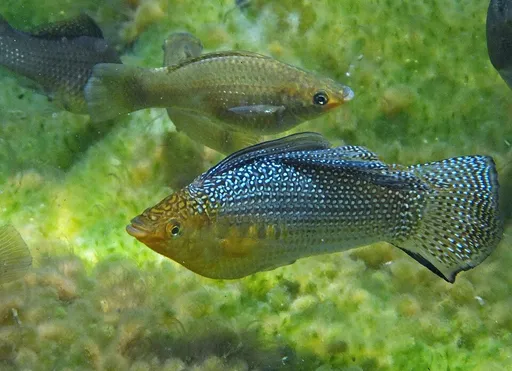 5.9 in (15 cm)30 gal (113 L)75–82°F (24–28°C)
Giant sailfin molly
Poecilia velifera
5.9 in (15 cm) · 30 gal (113 L)
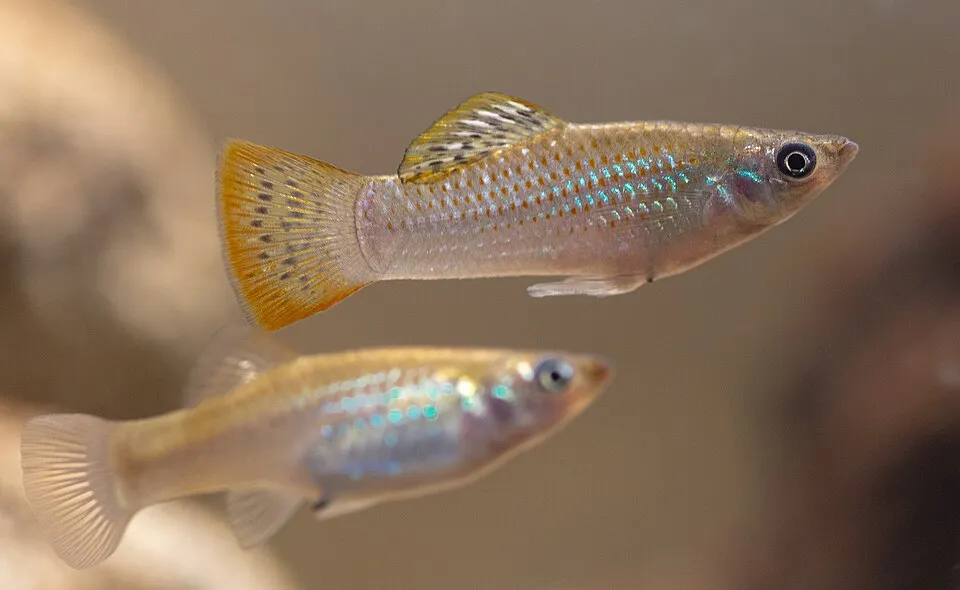 4.3 in (11 cm)32 gal (120 L)72–82°F (22–28°C)
Shortfin molly
Poecilia mexicana
4.3 in (11 cm) · 32 gal (120 L)
 3.9 in (10 cm)26 gal (100 L)72–86°F (22–30°C)
Gill's molly
Poecilia gillii
3.9 in (10 cm) · 26 gal (100 L)
 3.5 in (9 cm)20 gal (75 L)68–82°F (20–28°C)
Amazon molly
Poecilia formosa
3.5 in (9 cm) · 20 gal (75 L)