Giant sailfin molly
Poecilia velifera
Also known as Yucatan molly
FreshwaterBrackishFish
Care at a glance
- Temperature
- 75–82°F
- 24–28°C
- pH
- 7.5–8.5
- Adult size
- 5.9 in
- 15 cm
- Minimum tank
- 30 gal
- 113 L
- Temperament
- Mostly peaceful
- Social behavior
- Social
- Swim level
- Middle
- Difficulty
- Medium
- Breeding
- Easy
- Rarity
- Common
- Family
- Poeciliidae
- Origin
- Yucatan Peninsula, southeastern Mexico (Yucatan, Quintana Roo, Laguna de Terminos systems)
Overview
Keep them in a group with more females than males, around two or three females per male, since lone males pester females without a break. Give them at least 113 liters, more if you can, and keep the water warm at 24 to 28 C, hard, and alkaline at pH 7.5 to 8.5. Soft, acidic water makes them shimmy, clamp their fins, and sicken, so skip the blackwater community look. They sit in the middle of the tank and are mostly peaceful, though their size and constant mating drive make them a poor match for timid nano fish. Feed an algae heavy diet with vegetable matter alongside regular foods. They breed on their own with no effort, so give the fry plants or cover or the adults will eat them. Never release unwanted fish into local waters, and check your local rules first.
In the wild
Giant sailfin mollies come from the coastal lowlands of the Yucatan Peninsula in southeastern Mexico, across the Yucatan, Quintana Roo, and Laguna de Terminos systems. These are hard, alkaline waters, often with some salt mixed in near the coast. Match that with a roomy tank of at least 113 liters, a long footprint of about 90 cm, and water on the hard, alkaline side at pH 7.5 to 8.5. Plant it well and leave open swimming room down the middle. Many keepers add a little marine salt, which this fish tolerates and often appreciates.
Good to know
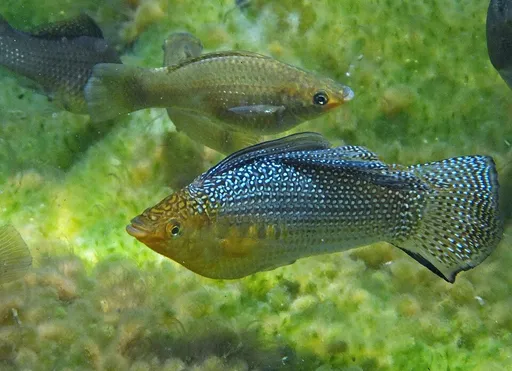
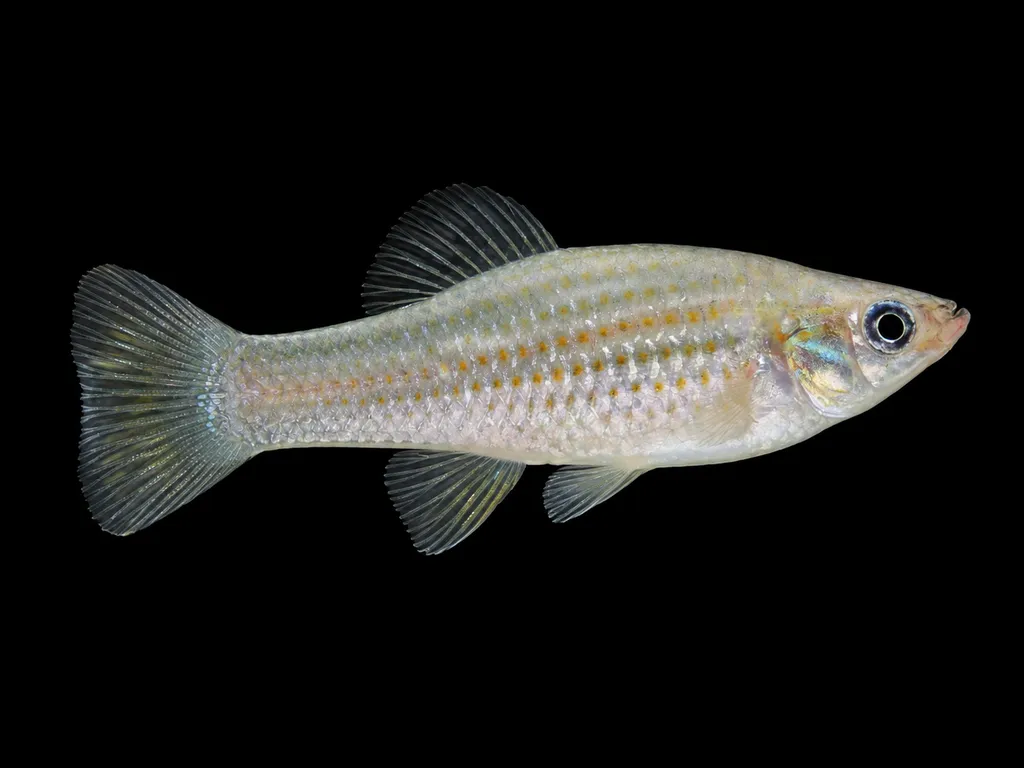
This is Poecilia velifera, a livebearer in the family Poeciliidae and the largest of the common mollies. Females reach around 15 to 17.5 cm and males about 15 cm, so it gets big. Males grow a tall, fan shaped sailfin dorsal that only develops properly in a spacious, uncrowded tank. Like other mollies it bears live young rather than laying eggs.
Did you know
The sailfin that gives this fish its name is mostly for show. Males raise and flare that big dorsal at females and at rival males in a slow display, and the fin only reaches full size in a tank with enough room to grow. Crowd them as youngsters and the males stay stunted with a smaller fin for life.
Weekly picks
Tank mates
Giant sailfin molly is a mostly peaceful, social species that keeps to the middle. These picks share a community profile with it, are safe together in both directions, and overlap on water type, temperature and pH.
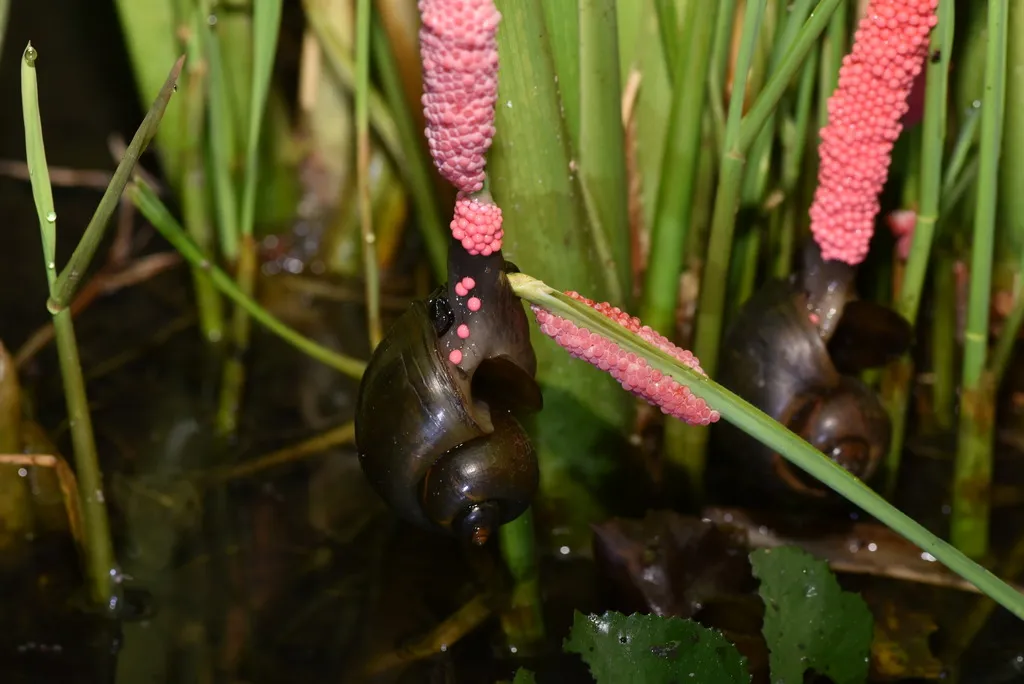
Apple snail
Pomacea canaliculata
Freshwater5.9 in (15 cm) · 21 gal (80 L)64–81°F (18–27°C)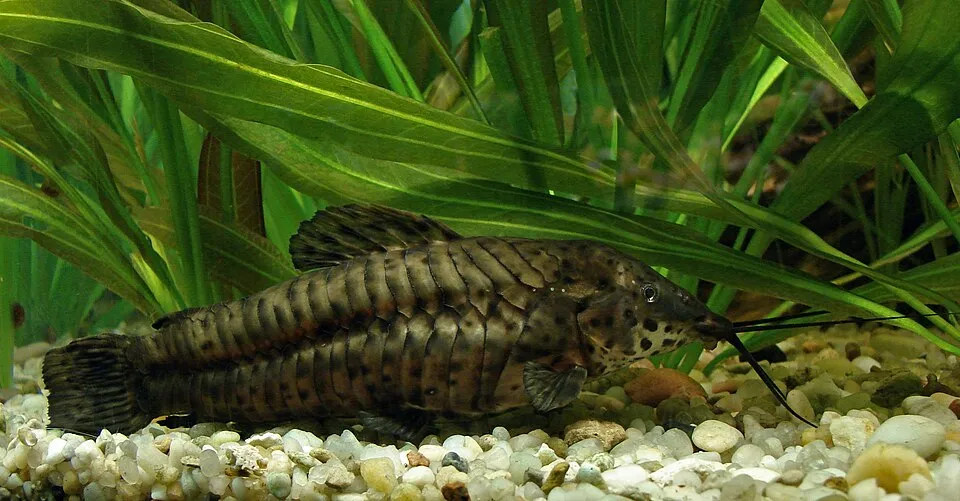
Spotted hoplo
Megalechis thoracata
Freshwater5.9 in (15 cm) · 40 gal (150 L)64–82°F (18–28°C)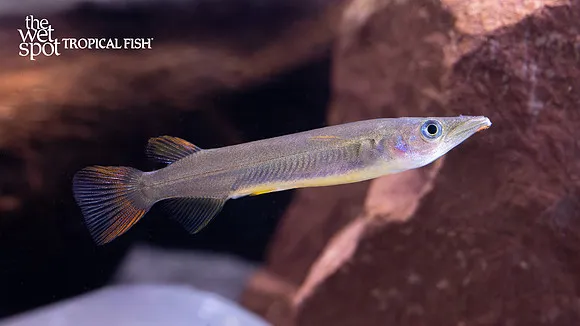
Rex halfbeak
Nomorhamphus rex
Freshwater2.2 in (5.5 cm) · 20 gal (75 L)72–79°F (22–26°C)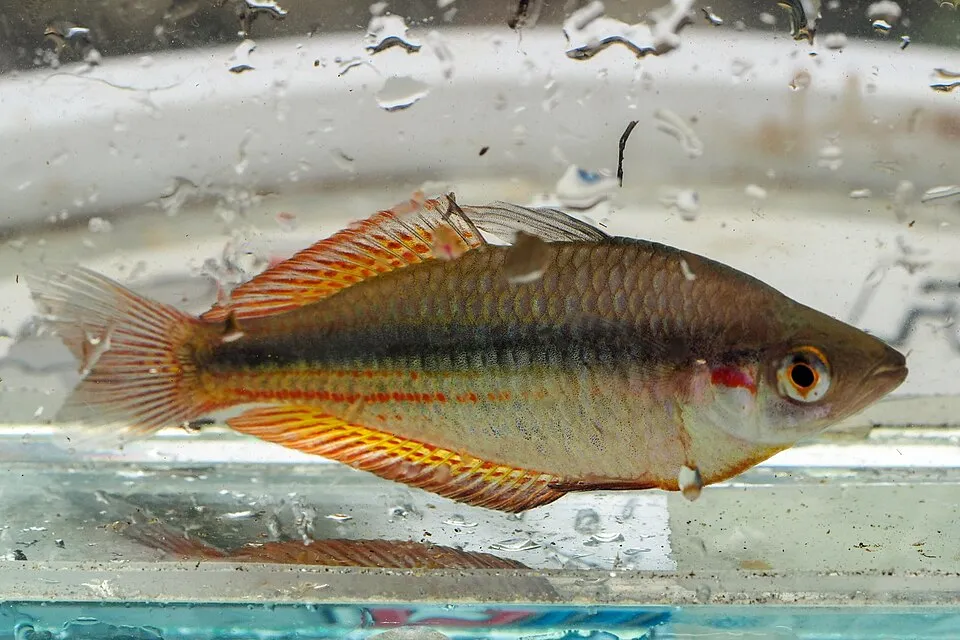
Duboulayi's rainbowfish
Melanotaenia duboulayi
Freshwater4.7 in (12 cm) · 30 gal (115 L)64–82°F (18–28°C)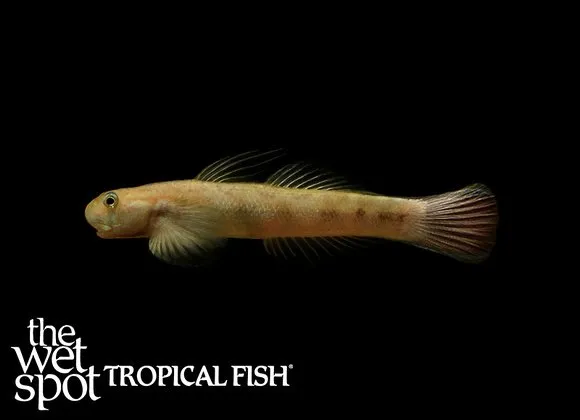
Red tail sicyopterus
Sicyopterus lagocephalus
Freshwater5.1 in (13 cm) · 29 gal (110 L)73–81°F (23–27°C)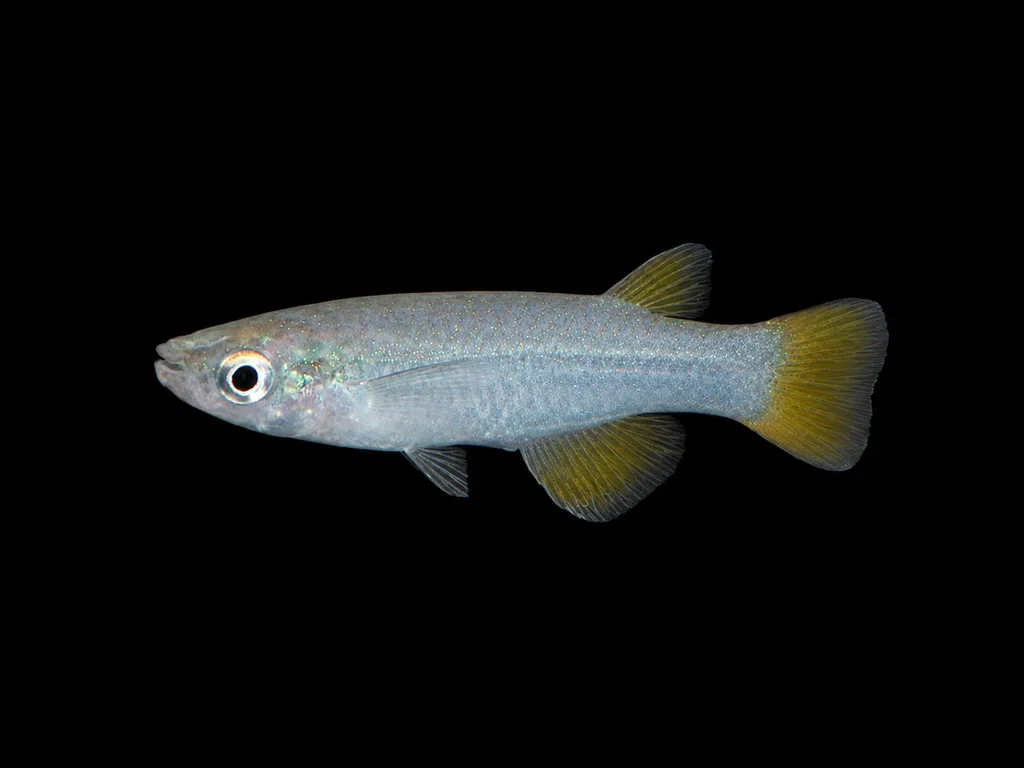
Banded lampeye
Aplocheilichthys spilauchen
FreshwaterBrackish2.8 in (7 cm) · 21 gal (80 L)73–82°F (23–28°C)
Common questions
What size tank does a Giant sailfin molly need?
A Giant sailfin molly needs at least 30 gal (113 L). It spends most of its time in the middle.
What temperature and pH does a Giant sailfin molly need?
A Giant sailfin molly is comfortable at 75–82°F (24–28°C) with a pH of 7.5–8.5.
How big does a Giant sailfin molly get?
An adult Giant sailfin molly reaches about 5.9 in (15 cm).
Related species
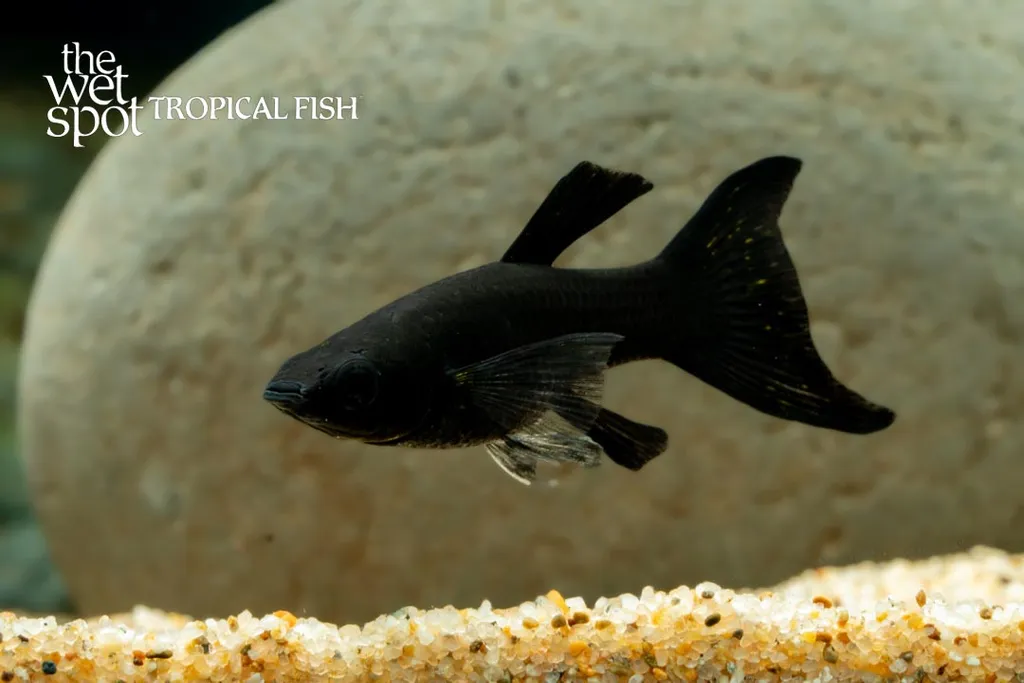 4.7 in (12 cm)24 gal (90 L)70–82°F (21–28°C)
Black molly
Poecilia sphenops
4.7 in (12 cm) · 24 gal (90 L)
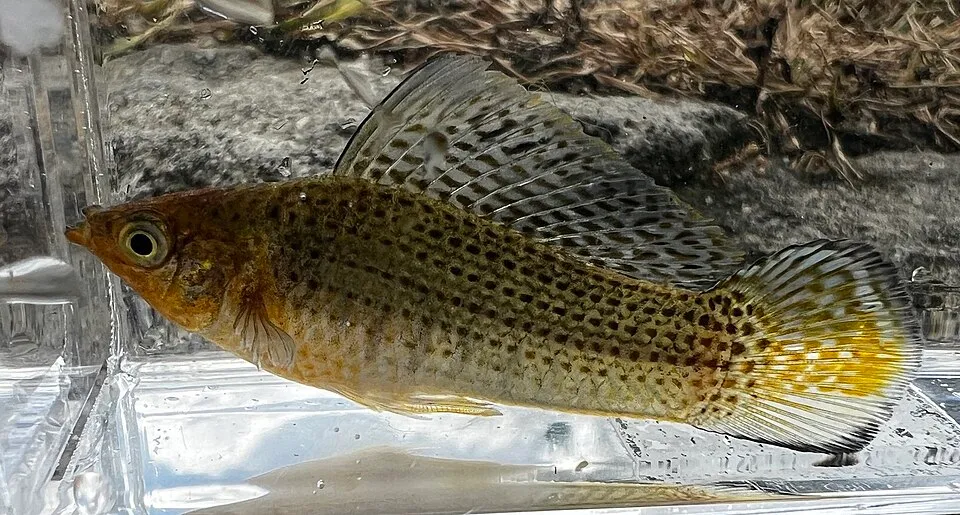 4.7 in (12 cm)24 gal (90 L)70–79°F (21–26°C)
Sailfin molly
Poecilia latipinna
4.7 in (12 cm) · 24 gal (90 L)
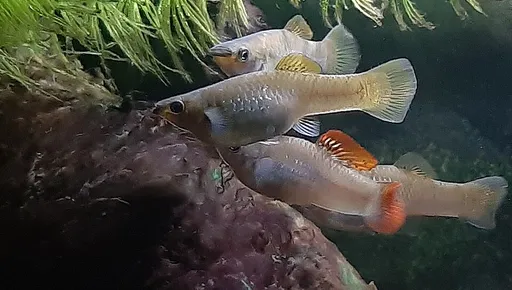 3.9 in (10 cm)24 gal (90 L)72–82°F (22–28°C)
Liberty molly
Poecilia salvatoris
3.9 in (10 cm) · 24 gal (90 L)
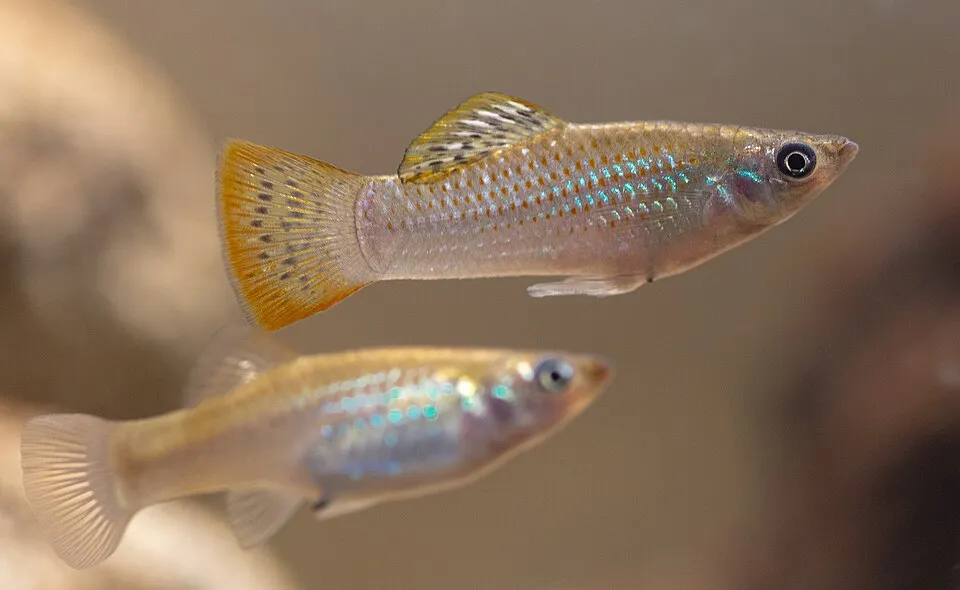 4.3 in (11 cm)32 gal (120 L)72–82°F (22–28°C)
Shortfin molly
Poecilia mexicana
4.3 in (11 cm) · 32 gal (120 L)
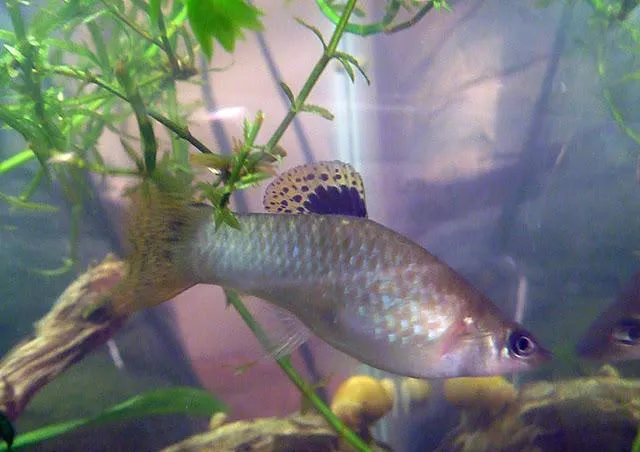 3.9 in (10 cm)26 gal (100 L)72–86°F (22–30°C)
Gill's molly
Poecilia gillii
3.9 in (10 cm) · 26 gal (100 L)
 3.5 in (9 cm)20 gal (75 L)68–82°F (20–28°C)
Amazon molly
Poecilia formosa
3.5 in (9 cm) · 20 gal (75 L)