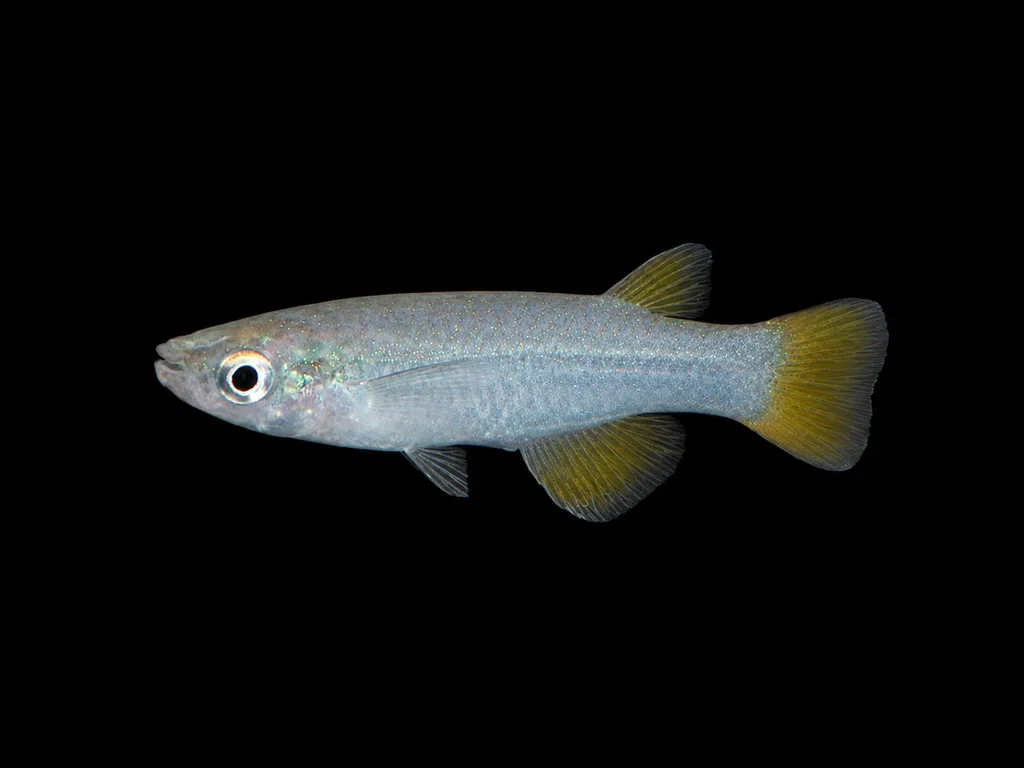
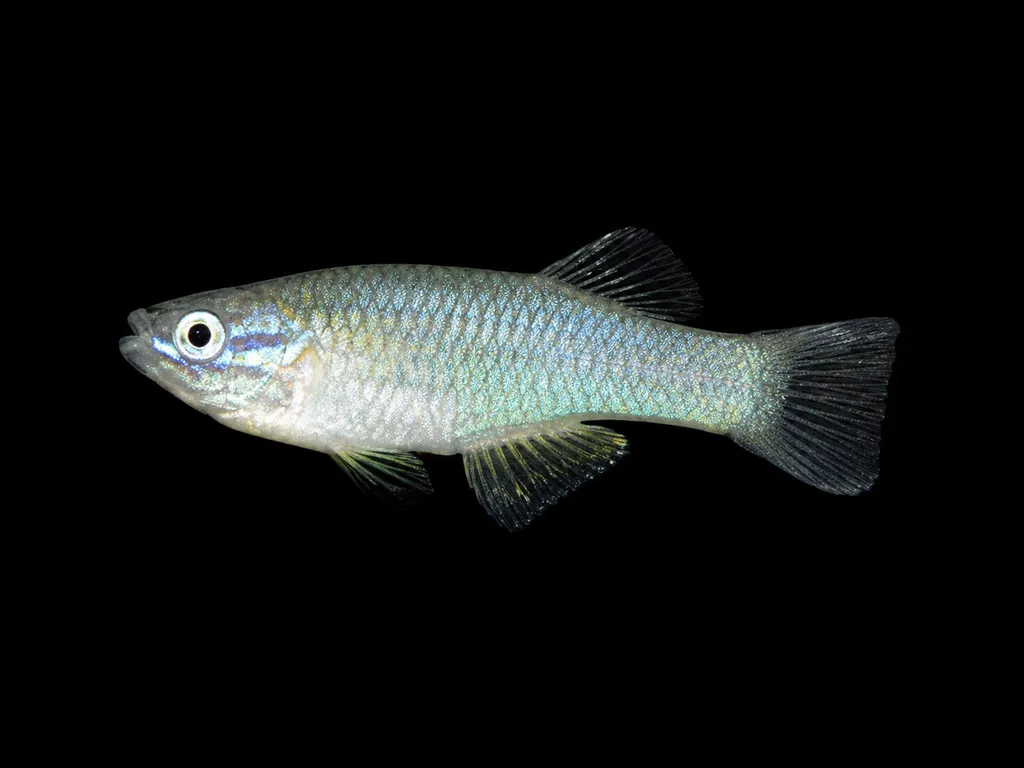
Banded lampeye
Aplocheilichthys spilauchen
Also known as Aplochelichthys spilauchen, Banded lampeye killi
FreshwaterBrackishFish
Care at a glance
- Temperature
- 73–82°F
- 23–28°C
- pH
- 7.5–8.5
- Adult size
- 2.8 in
- 7 cm
- Minimum tank
- 21 gal
- 80 L
- Temperament
- Peaceful
- Social behavior
- Schooling
- Swim level
- Top
- Difficulty
- Medium
- Breeding
- Egg depositor · Medium
- Rarity
- Rare
- Family
- Procatopodidae
- Origin
- Coastal lagoons from Senegal to Angola
Overview
The banded lampeye is a peaceful schooler for the top of a hard-water or lightly brackish tank. It is the largest of the lampeyes kept in the hobby, and it suits a keeper with a little experience.
Did you know
The banded lampeye lives in tidal water and takes readily to brackish conditions, unlike most of its freshwater relatives.
Caring for the banded lampeye
Banded lampeyes like room to cruise. Give a group the length it wants, in a long tank of at least 21 gal (80 L). Leave open swimming space just under the surface, where the group spreads out along the top. Add some rooted and floating plants that tolerate salt, and run steady filtration.
Keep the water hard and alkaline, at 73 to 82°F (23 to 28°C) and a pH of 7.5 to 8.5. Use either hard fresh water or a light addition of marine salt, as keepers often do. They take food from near the surface, so offer floating and slow-sinking foods. Small flakes, micro pellets and frozen daphnia, brine shrimp and mosquito larvae all suit them.
Keep them in a group of eight or more. Choose other calm fish that suit the same water, and avoid boisterous or fin-nipping tank mates.
Banded lampeyes scatter small numbers of eggs among fine plants over many days. Breeding them is moderately difficult, and the fry are small and slow to raise.
Good to know
The banded lampeye is part of Procatopodidae and is the type species of Aplocheilichthys. Most of its former relatives have been moved into other genera. It is now effectively the only species still held in that once much larger genus.
In the wild
The banded lampeye ranges from Senegal south to Angola, living in coastal lagoons, estuaries and mangrove creeks. The water there is often hard, alkaline and slightly salty, where the sea meets the river.
Weekly picks
Tank mates
The banded lampeye is a peaceful, schooling species that keeps to the top. These picks share a community profile with it, are safe together in both directions, and overlap on water type, temperature and pH.
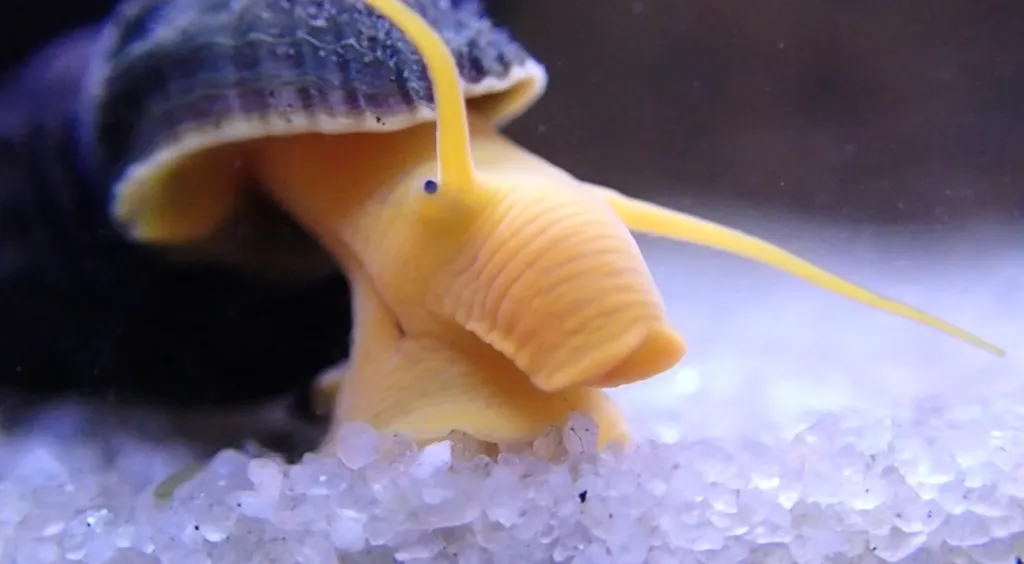
Gold rabbit snail
Tylomelania gemmifera
Freshwater2.8 in (7 cm) · 16 gal (60 L)75–82°F (24–28°C)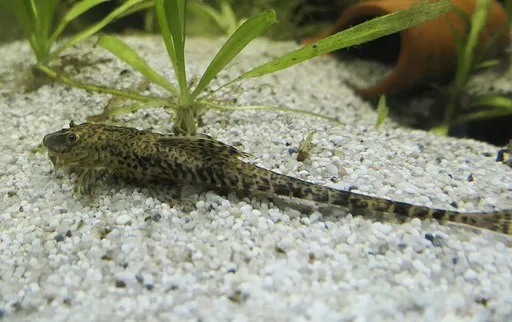
Red lizard whiptail
Rineloricaria lanceolata
Freshwater3.9 in (10 cm) · 24 gal (90 L)77–82°F (25–28°C)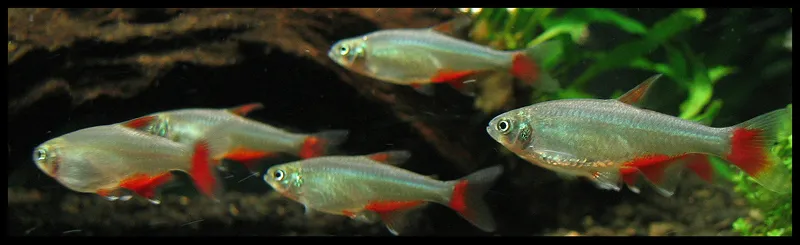
Bloodfin tetra
Aphyocharax anisitsi
Freshwater2.2 in (5.5 cm) · 20 gal (75 L)72–82°F (22–28°C)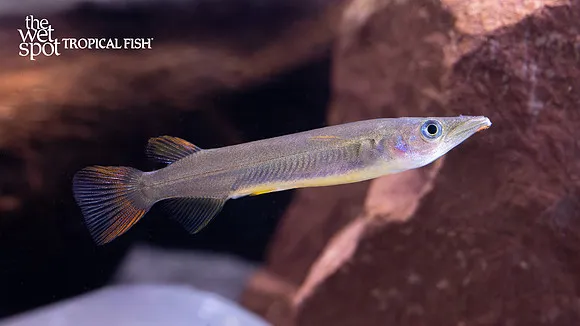
Rex halfbeak
Nomorhamphus rex
Freshwater2.2 in (5.5 cm) · 20 gal (75 L)72–79°F (22–26°C)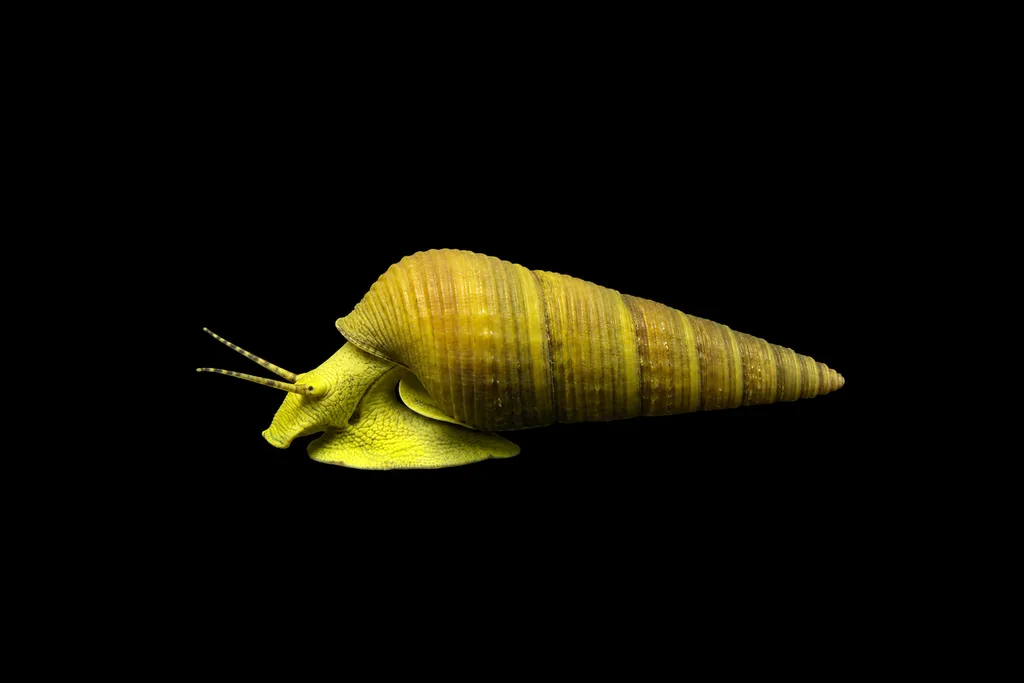
Yellow giant rabbit snail
Tylomelania sarasinorum
Freshwater4.7 in (12 cm) · 20 gal (75 L)79–86°F (26–30°C)
Ocellated squeaker
Synodontis ocellifer
Freshwater7.9 in (20 cm) · 21 gal (80 L)73–81°F (23–27°C)
Common questions
What size tank does a banded lampeye need?
A banded lampeye needs at least 21 gal (80 L). It spends most of its time in the top.
What temperature and pH does a banded lampeye need?
A banded lampeye is comfortable at 73–82°F (23–28°C) with a pH of 7.5–8.5.
What does a banded lampeye eat?
A banded lampeye takes its food from near the surface, so it eats floating and slow-sinking foods. Small flakes, micro pellets and frozen daphnia, brine shrimp and mosquito larvae all suit it.
How big does a banded lampeye get?
An adult banded lampeye reaches about 2.8 in (7 cm).
Does a banded lampeye need a group?
Yes. A banded lampeye is a schooling species and should be kept in a group, not singly.
How does a banded lampeye breed?
Banded lampeyes scatter small numbers of eggs among fine plants over many days. Breeding them is moderately difficult, and the fry are small and slow to raise.
Related species
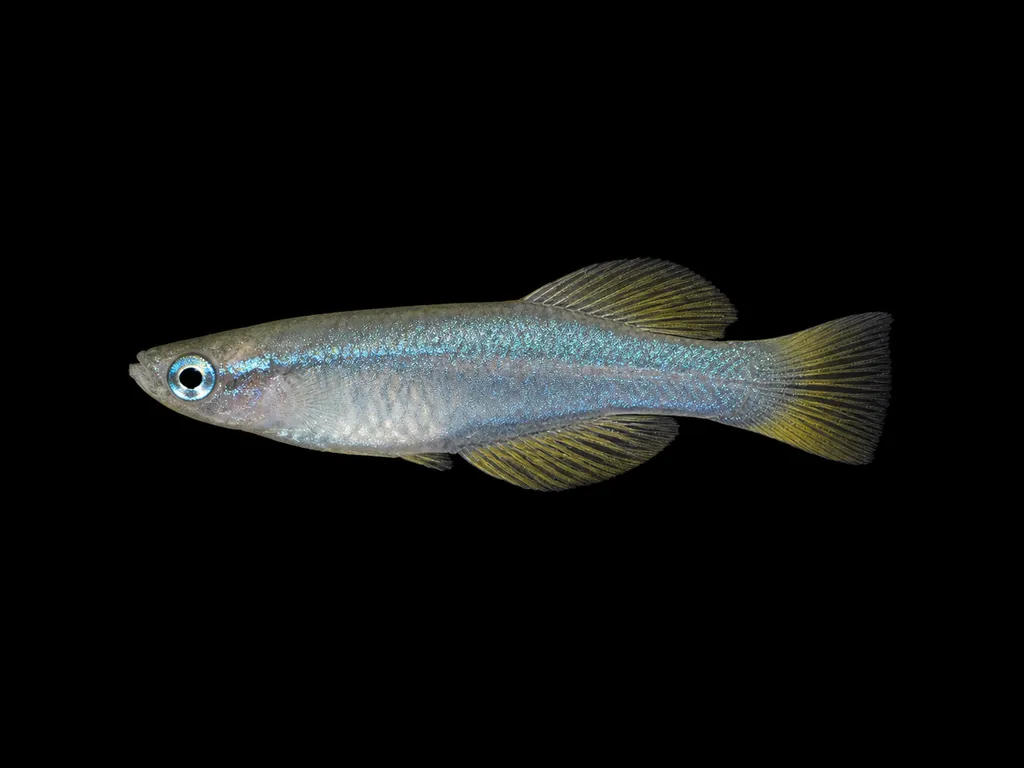
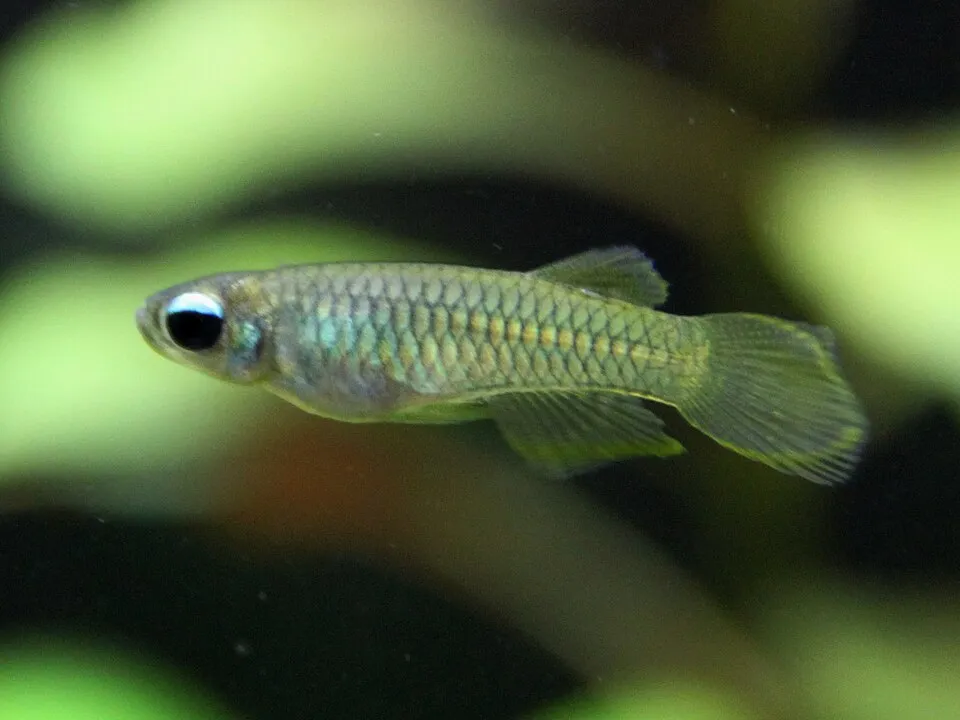 1.6 in (4 cm)20 gal (75 L)72–79°F (22–26°C)
Norman's lampeye
Poropanchax normani
1.6 in (4 cm) · 20 gal (75 L)
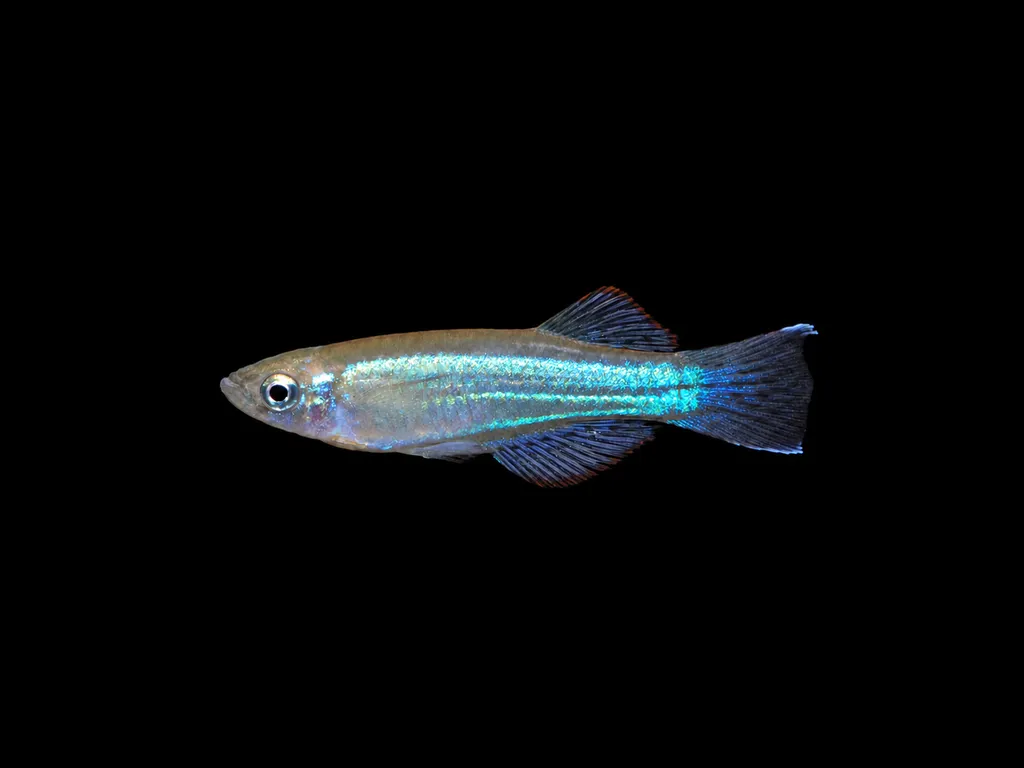
 2.4 in (6 cm)20 gal (75 L)72–79°F (22–26°C)
Nototaenia lampeye
Procatopus nototaenia
2.4 in (6 cm) · 20 gal (75 L)
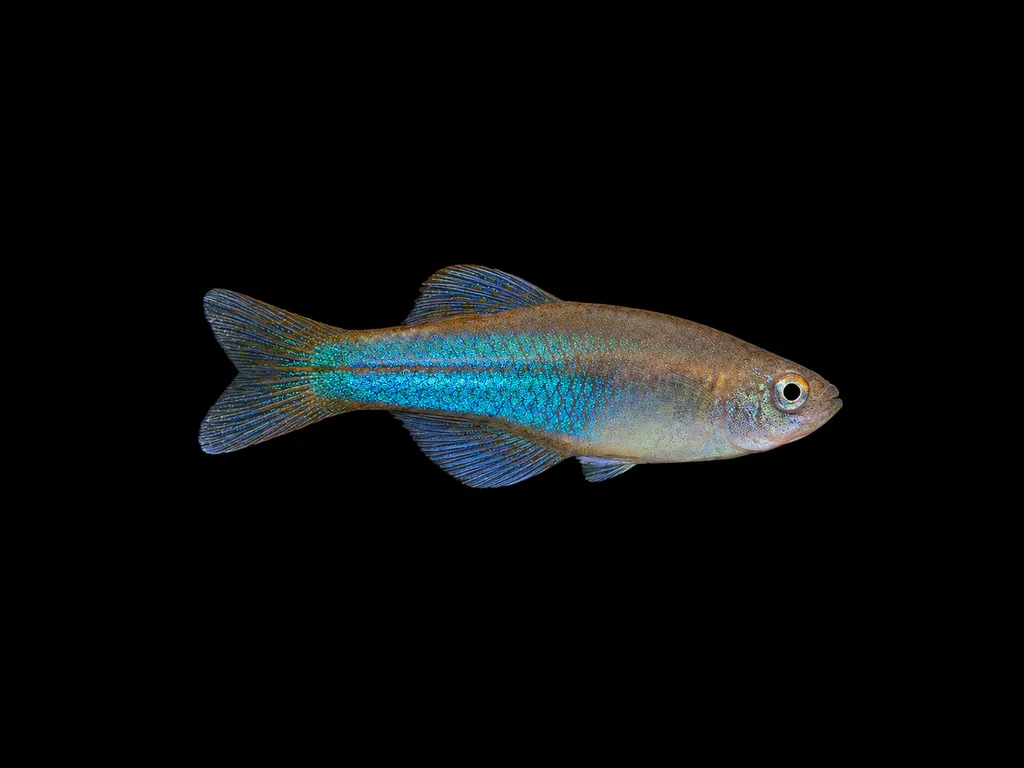
 2.4 in (6 cm)20 gal (75 L)72–79°F (22–26°C)
Similis lampeye
Procatopus similis
2.4 in (6 cm) · 20 gal (75 L)
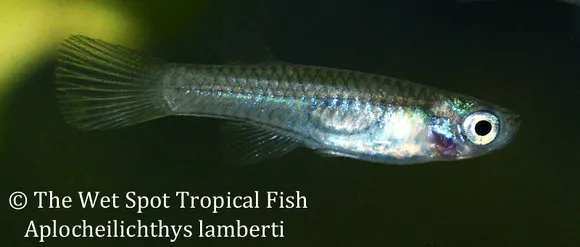
 2.2 in (5.5 cm)20 gal (75 L)72–79°F (22–26°C)
Blue-green lampeye
Procatopus aberrans
2.2 in (5.5 cm) · 20 gal (75 L)
 1.8 in (4.5 cm)14 gal (54 L)72–79°F (22–26°C)
Lambert's lampeye
Rhexipanchax lamberti
1.8 in (4.5 cm) · 14 gal (54 L)
 1.8 in (4.5 cm)14 gal (54 L)68–75°F (20–24°C)
Mount Nimba lampeye
Rhexipanchax nimbaensis
1.8 in (4.5 cm) · 14 gal (54 L)