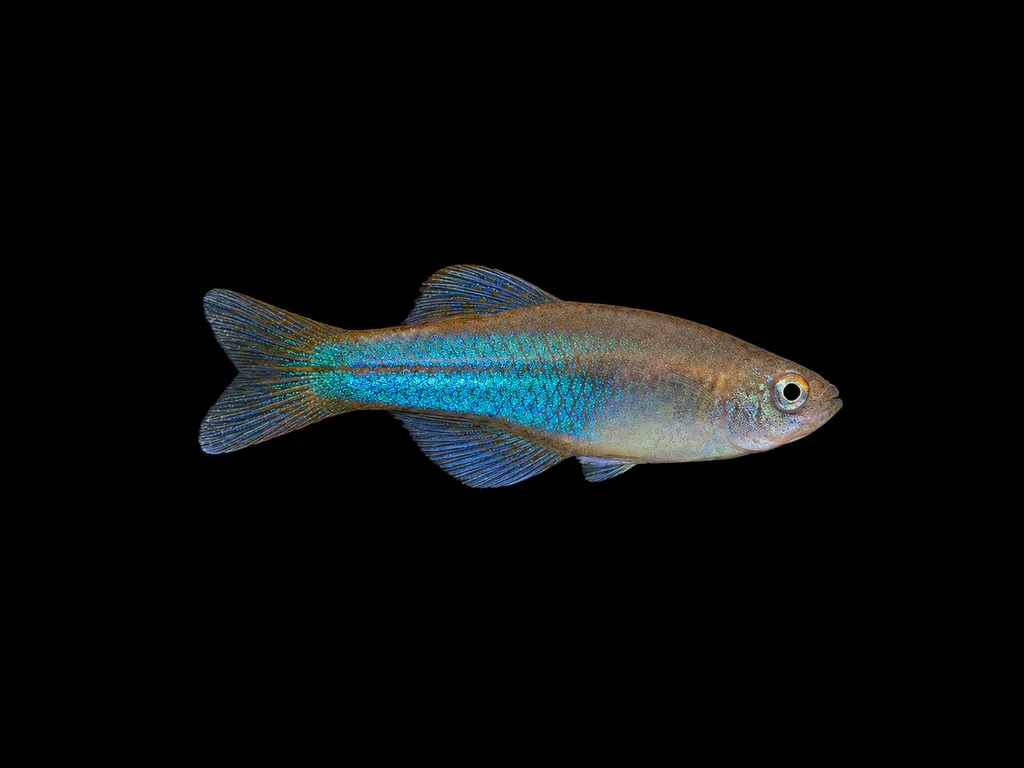
Blue-green lampeye
Procatopus aberrans
Also known as Aberrans lampeye
FreshwaterFish
Care at a glance
- Temperature
- 72–79°F
- 22–26°C
- pH
- 6.0–7.5
- Adult size
- 2.2 in
- 5.5 cm
- Minimum tank
- 20 gal
- 75 L
- Temperament
- Peaceful
- Social behavior
- Schooling
- Swim level
- Middle
- Difficulty
- Medium
- Breeding
- Medium
- Rarity
- Rare
- Family
- Procatopodidae
- Origin
- Cross River region, Nigeria and Cameroon
Overview
The blue-green lampeye is a peaceful, active schooling fish that needs open, moving water. It is best kept by someone with a little experience.
Did you know
The blue-green lampeye belongs to Procatopus, a genus of crevice spawners. Rather than scattering eggs among plants, these lampeyes push them one by one into narrow cracks in submerged wood and rock. That is an unusual habit for a fish barely five centimeters long.
Caring for the blue-green lampeye
Give blue-green lampeyes a tank of at least 20 gal (75 L), with a fair amount of open, moving water. Keep the flow steady and the water clean and well oxygenated. A dark substrate, driftwood, rock and robust plants along the margins give cover and leave open lanes to swim. In a tank like this, they spend the day out in the open.
Keep the water soft to neutral, at 72 to 79°F (22 to 26°C) and a pH of 6.0 to 7.5. They are steady eaters of small foods, such as micro pellets, crushed flake and live or frozen daphnia, cyclops and baby brine shrimp.
Keep blue-green lampeyes in a group of eight or more. Choose other calm, current-loving community fish, and avoid slow or long-finned tank mates.
Breeding them is moderately difficult. The fry are small and slow, needing tiny live foods from the moment they hatch.
Good to know
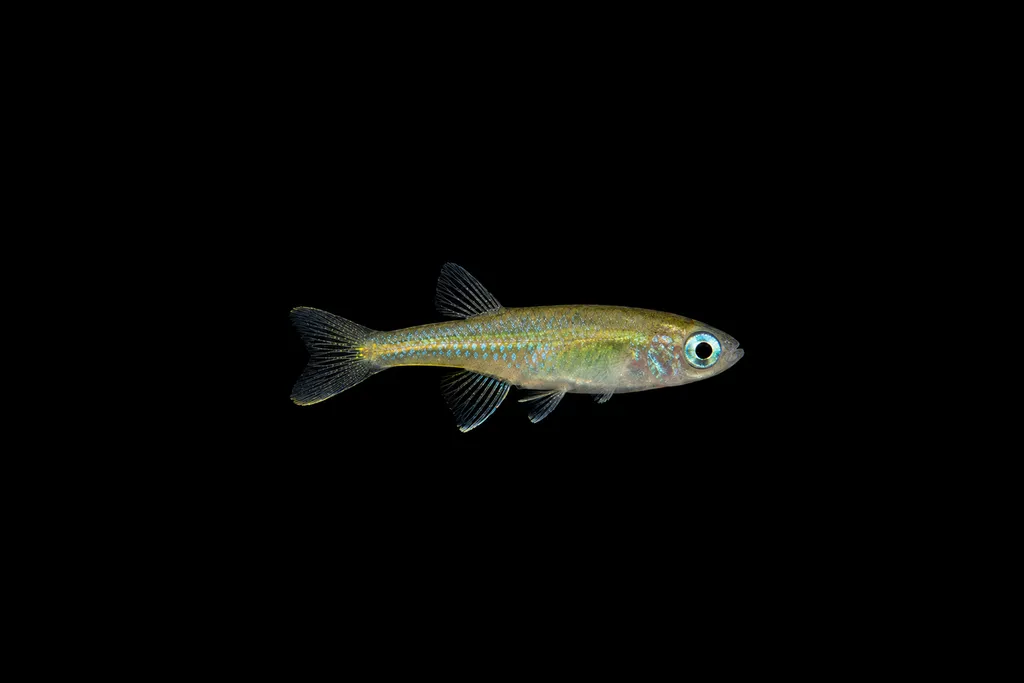
The blue-green lampeye is a member of the family Procatopodidae. It is deeper bodied and more strongly iridescent than most of its kin. A group colors up together, flashing blue green when light catches the fish from the side.
In the wild
The blue-green lampeye lives in clear, moderately flowing forest streams of the Cross River region in Nigeria and Cameroon. The streams run over sand, roots and rock in dappled shade.
Weekly picks
Tank mates
The blue-green lampeye is a peaceful, schooling species that keeps to the middle. These picks share a community profile with it, are safe together in both directions, and overlap on water type, temperature and pH.
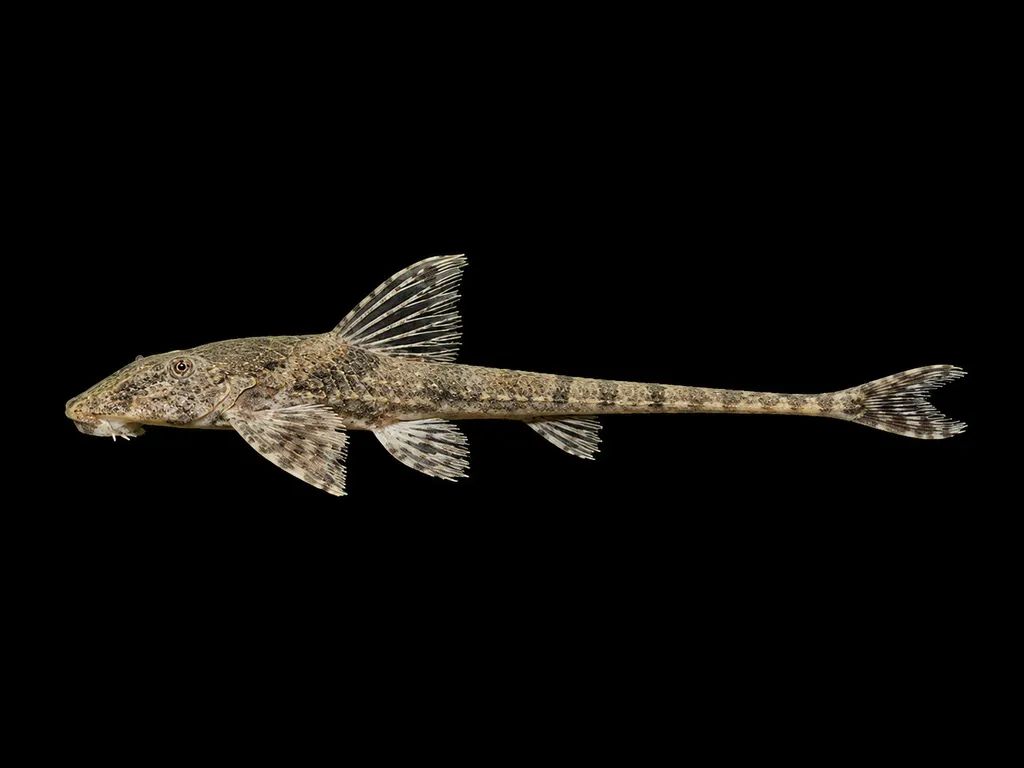
Common whiptail
Rineloricaria parva
Freshwater4.7 in (12 cm) · 20 gal (75 L)68–79°F (20–26°C)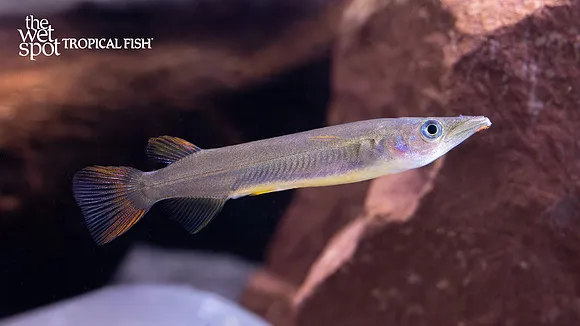
Rex halfbeak
Nomorhamphus rex
Freshwater2.2 in (5.5 cm) · 20 gal (75 L)72–79°F (22–26°C)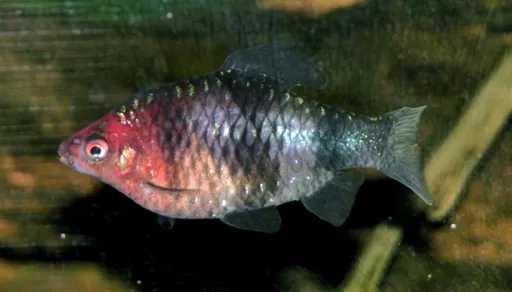
Black ruby barb
Pethia nigrofasciata
Freshwater2.4 in (6 cm) · 20 gal (75 L)72–79°F (22–26°C)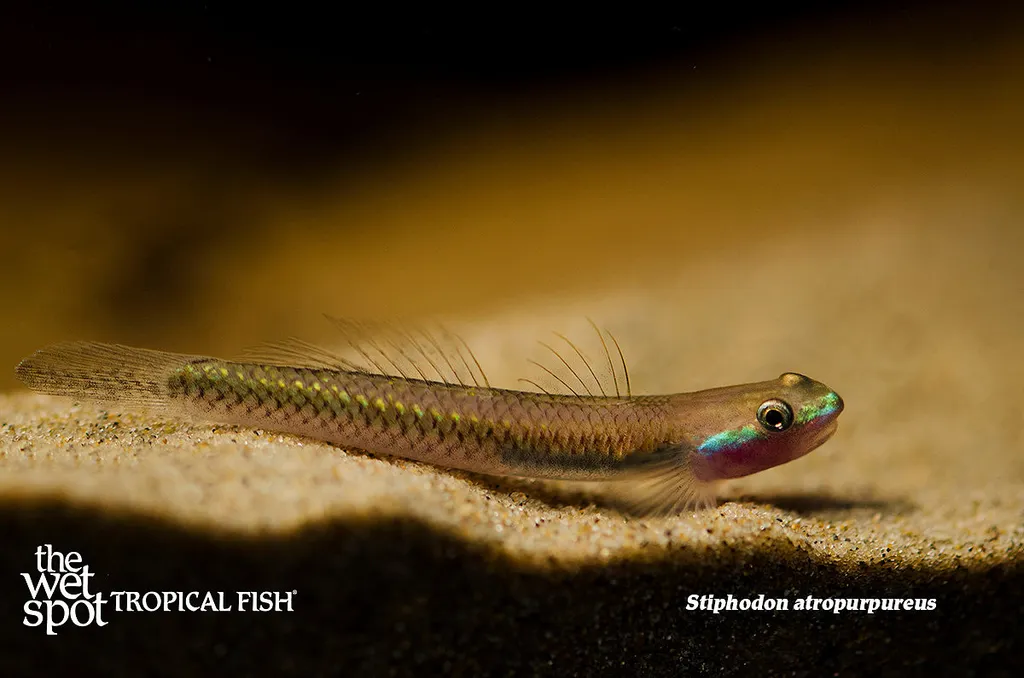
Blue neon dwarf goby
Stiphodon atropurpureus
Freshwater2 in (5 cm) · 20 gal (75 L)72–81°F (22–27°C)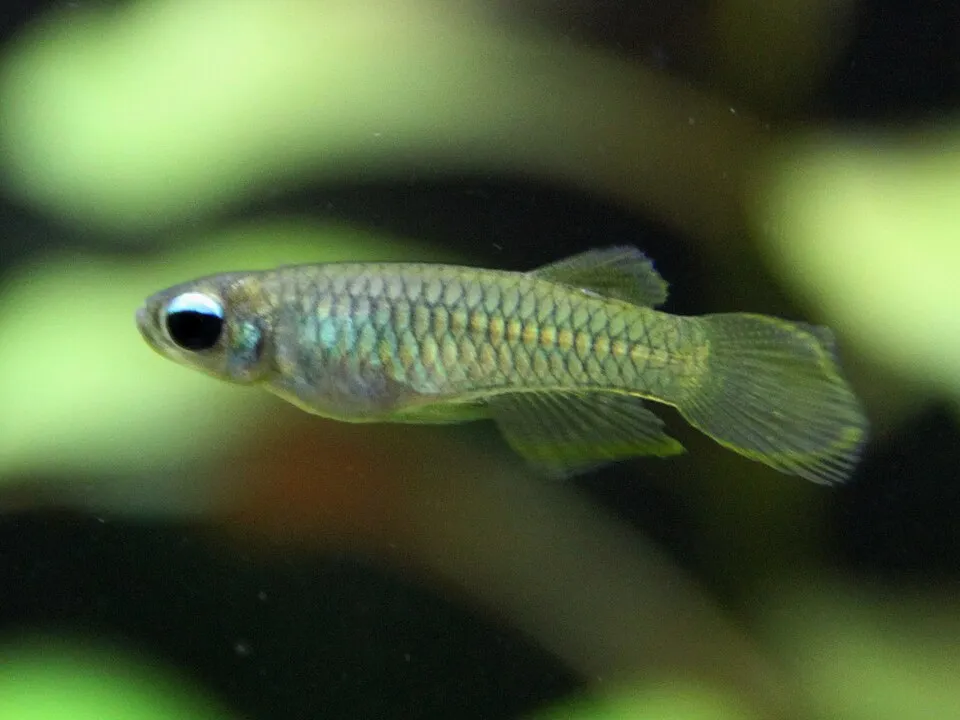
Norman's lampeye
Poropanchax normani
Freshwater1.6 in (4 cm) · 20 gal (75 L)72–79°F (22–26°C)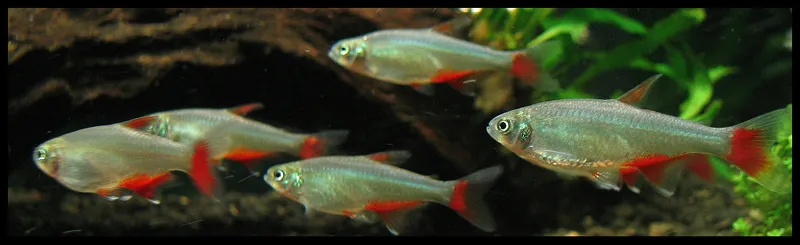
Bloodfin tetra
Aphyocharax anisitsi
Freshwater2.2 in (5.5 cm) · 20 gal (75 L)72–82°F (22–28°C)
Common questions
What size tank does a blue-green lampeye need?
A blue-green lampeye needs at least 20 gal (75 L). It spends most of its time in the middle.
What temperature and pH does a blue-green lampeye need?
A blue-green lampeye is comfortable at 72–79°F (22–26°C) with a pH of 6.0–7.5.
What does a blue-green lampeye eat?
A blue-green lampeye is a steady eater of small foods. It takes micro pellets, crushed flake and live or frozen daphnia, cyclops and baby brine shrimp.
How big does a blue-green lampeye get?
An adult blue-green lampeye reaches about 2.2 in (5.5 cm).
Does a blue-green lampeye need a group?
Yes. A blue-green lampeye is a schooling species and should be kept in a group, not singly.
How does a blue-green lampeye breed?
Blue-green lampeyes are moderately difficult to breed. Their fry are small and slow, and they need tiny live foods from the moment they hatch.
Related species
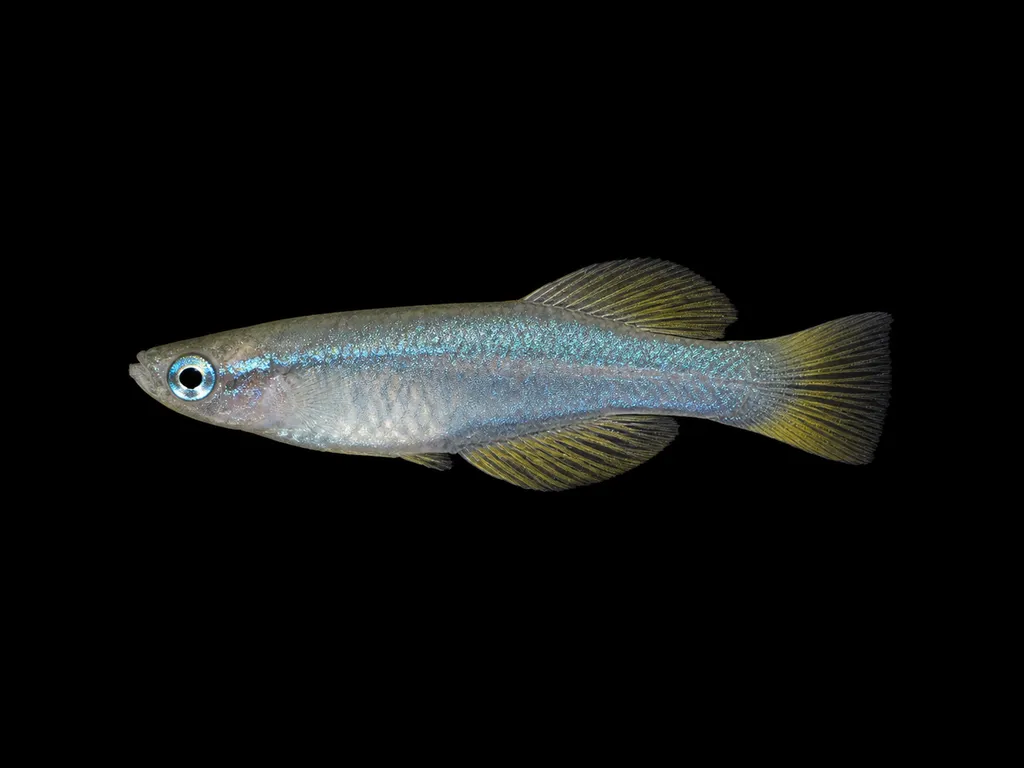 2.4 in (6 cm)20 gal (75 L)72–79°F (22–26°C)
Nototaenia lampeye
Procatopus nototaenia
2.4 in (6 cm) · 20 gal (75 L)
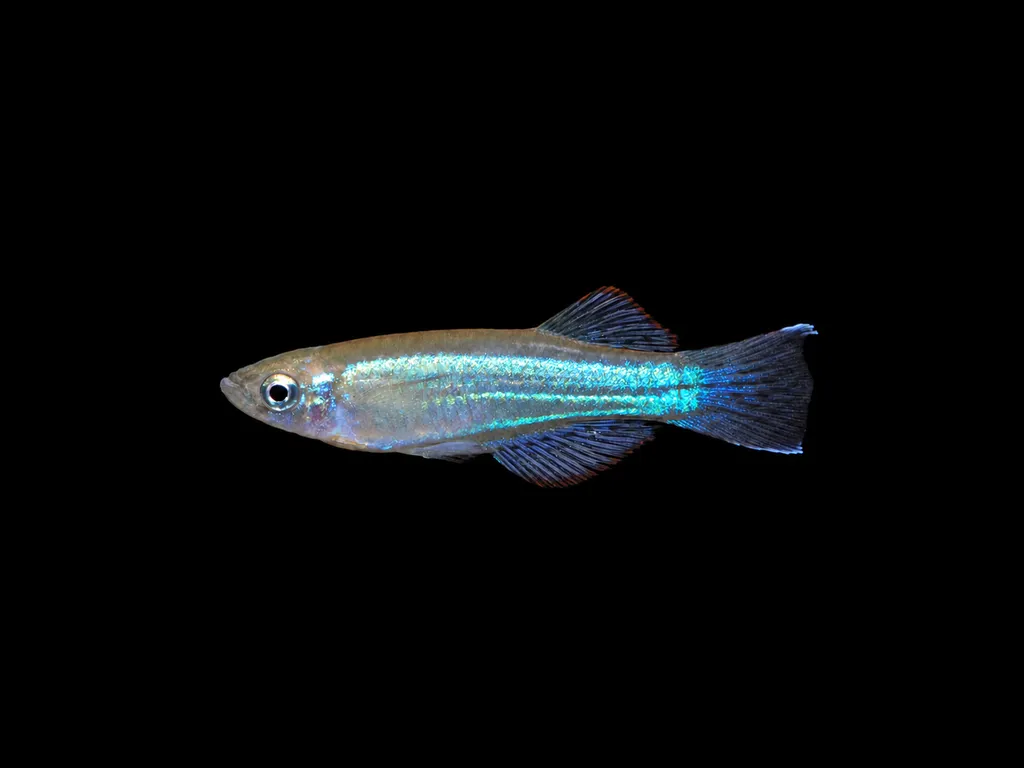 2.4 in (6 cm)20 gal (75 L)72–79°F (22–26°C)
Similis lampeye
Procatopus similis
2.4 in (6 cm) · 20 gal (75 L)
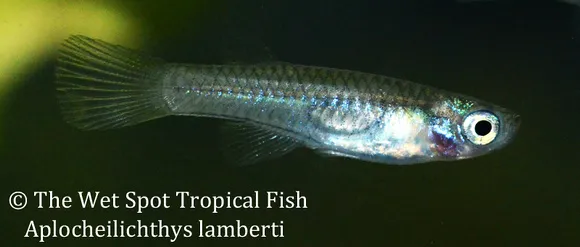 1.8 in (4.5 cm)14 gal (54 L)72–79°F (22–26°C)
Lambert's lampeye
Rhexipanchax lamberti
1.8 in (4.5 cm) · 14 gal (54 L)
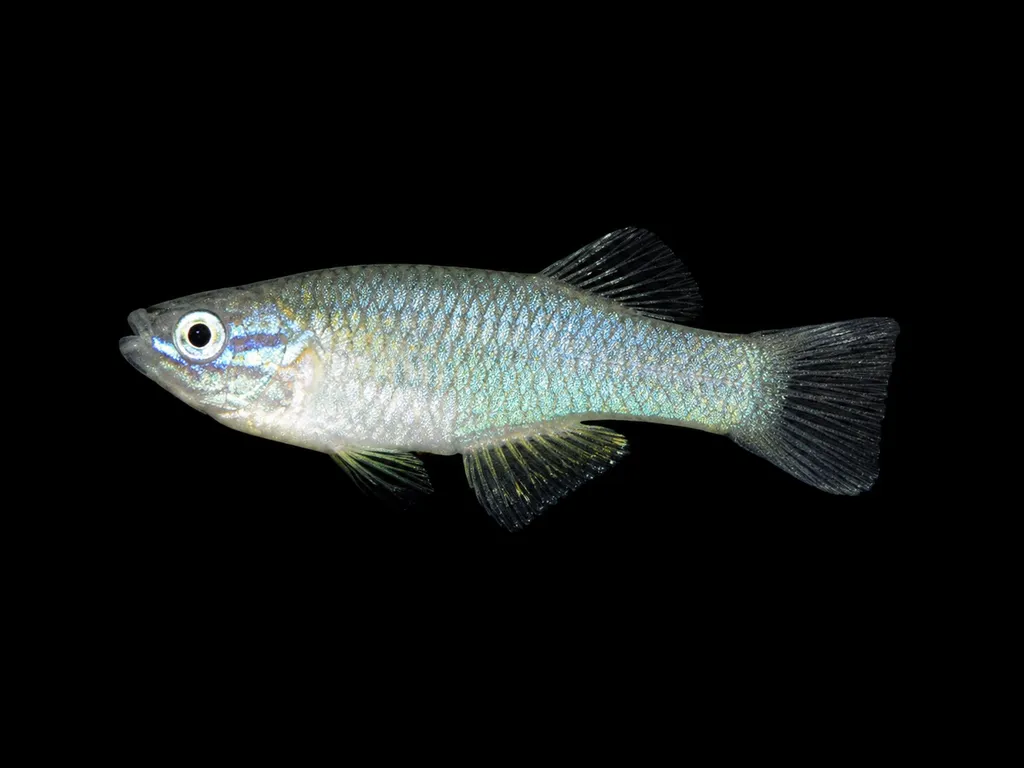 1.8 in (4.5 cm)14 gal (54 L)68–75°F (20–24°C)
Mount Nimba lampeye
Rhexipanchax nimbaensis
1.8 in (4.5 cm) · 14 gal (54 L)
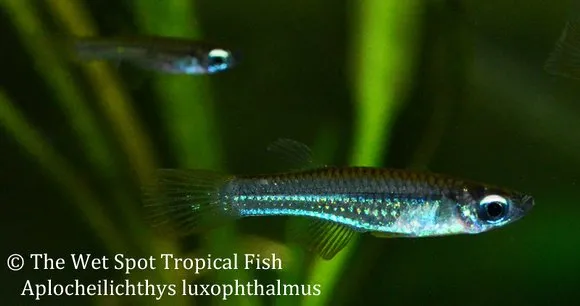 1.6 in (4 cm)14 gal (54 L)72–79°F (22–26°C)
Filamentous lampeye
Poropanchax luxophthalmus
1.6 in (4 cm) · 14 gal (54 L)
 1.6 in (4 cm)14 gal (54 L)72–79°F (22–26°C)
Scheel's lampeye
Poropanchax scheeli
1.6 in (4 cm) · 14 gal (54 L)