Similis lampeye
Procatopus similis
Also known as Variable lampeye
FreshwaterFish
Care at a glance
- Temperature
- 72–79°F
- 22–26°C
- pH
- 6.0–7.5
- Adult size
- 2.4 in
- 6 cm
- Minimum tank
- 20 gal
- 75 L
- Temperament
- Peaceful
- Social behavior
- Schooling
- Swim level
- Middle
- Difficulty
- Medium
- Breeding
- Cave spawner · Medium
- Rarity
- Rare
- Family
- Procatopodidae
- Origin
- Coastal Cameroon and Nigeria
Overview
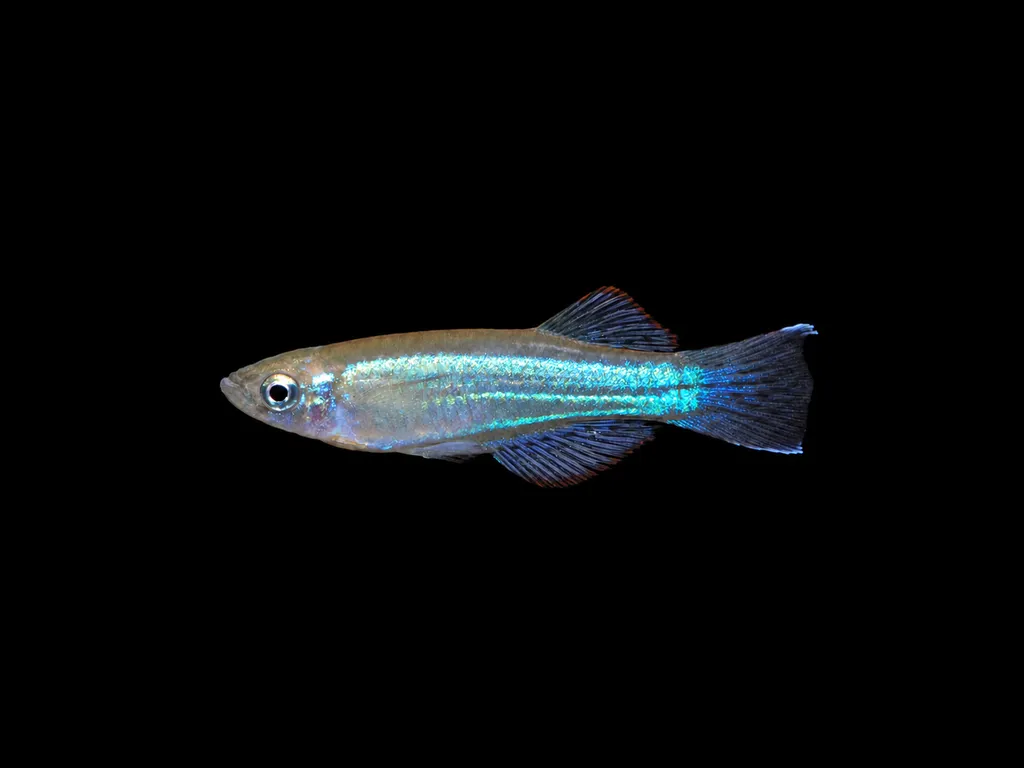
The Similis lampeye is a peaceful, active schooling fish for open, gently moving water in the middle of the tank. It is a good fish for a keeper with a little experience.
Did you know
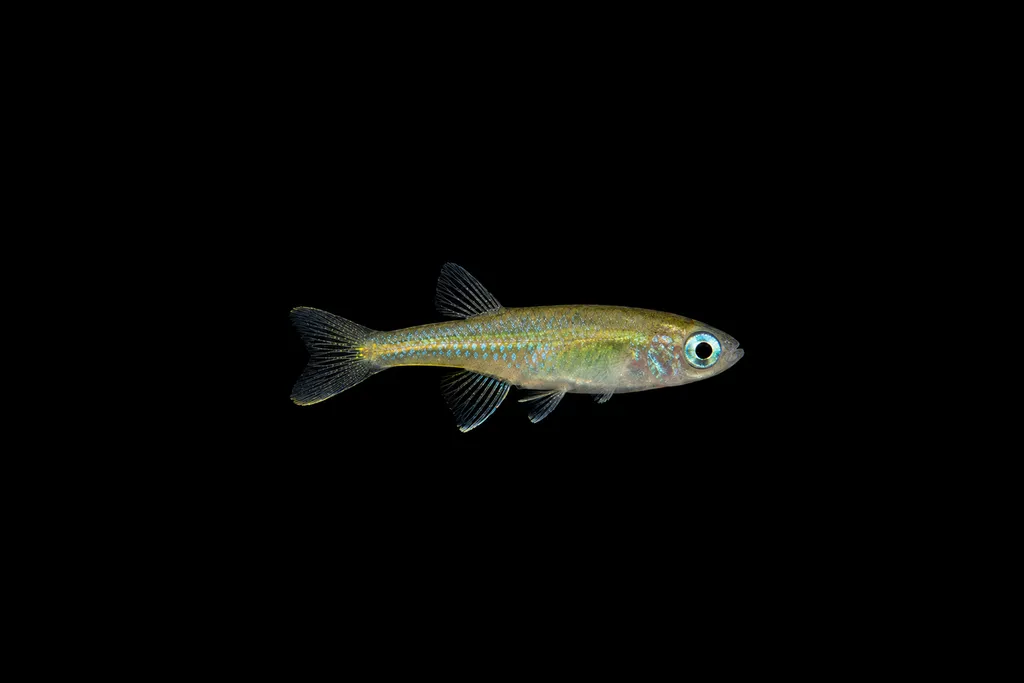
The Similis lampeye is one of the more variable lampeyes, despite its name. Local forms come in bright yellow, red and blue, including a golden strain from Mundemba in Cameroon.
Caring for the Similis lampeye
Give a group of Similis lampeyes a tank of at least 20 gal (75 L) with clean, gently flowing water. Driftwood, rock and robust plants at the sides provide cover and keep the center open for swimming. Their colors are strongest when light strikes from the side over a dark bottom.
Keep the water soft to neutral, at 72 to 79°F (22 to 26°C) and a pH of 6.0 to 7.5. They need steady, well-oxygenated flow. Feed small foods such as micro pellets, crushed flake and frozen or live daphnia, cyclops and baby brine shrimp.
Keep a group of eight or more, since they light up best as a group. Good companions are other calm midwater fish that enjoy a little flow. Avoid slow or long-finned species, which they will beat to the food.
Similis lampeyes follow the Procatopus pattern of crevice spawning. Breeding is moderately difficult, and the small fry are slow to grow and need very fine first foods.
Good to know
The Similis lampeye, Procatopus similis, belongs to Procatopodidae. Its name means similar, given for how closely it resembles its relatives.
In the wild
The Similis lampeye lives in clear, gently flowing forest streams of Cameroon and southeastern Nigeria. These streams run through shaded lowland and hill country.
Weekly picks
Tank mates
The Similis lampeye is a peaceful, schooling species that keeps to the middle. These picks share a community profile with it, are safe together in both directions, and overlap on water type, temperature and pH.
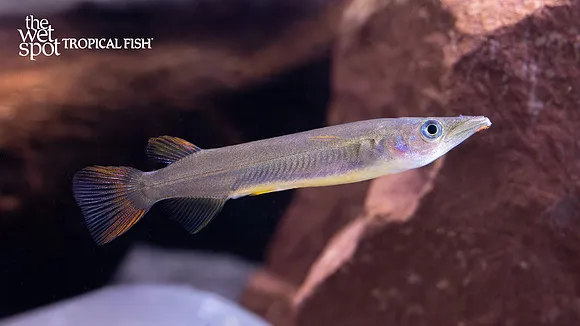
Rex halfbeak
Nomorhamphus rex
Freshwater2.2 in (5.5 cm) · 20 gal (75 L)72–79°F (22–26°C)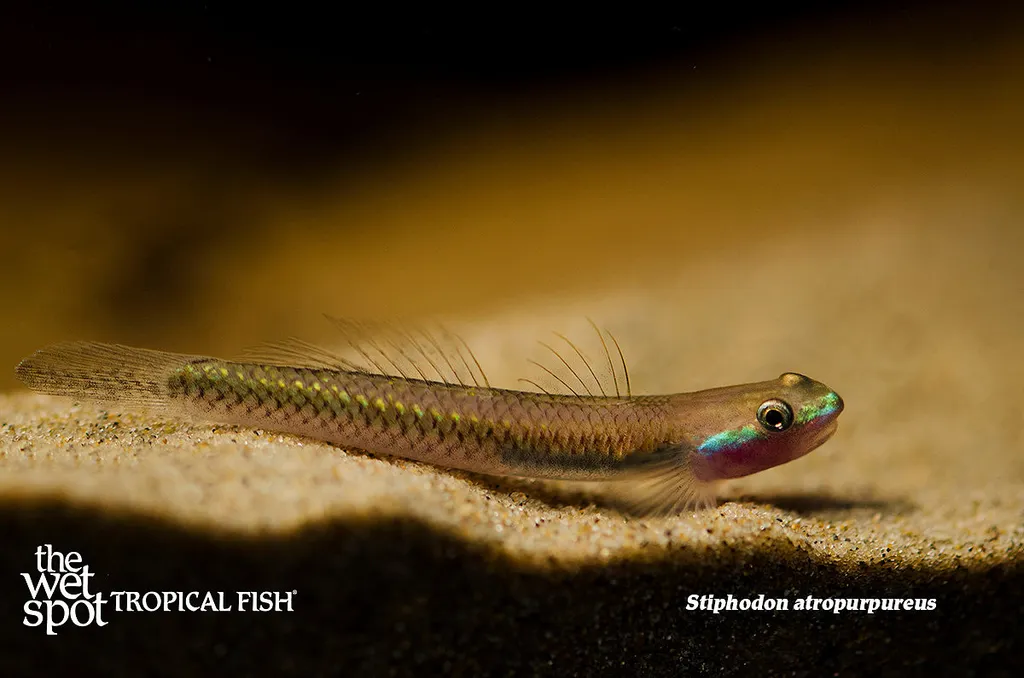
Blue neon dwarf goby
Stiphodon atropurpureus
Freshwater2 in (5 cm) · 20 gal (75 L)72–81°F (22–27°C)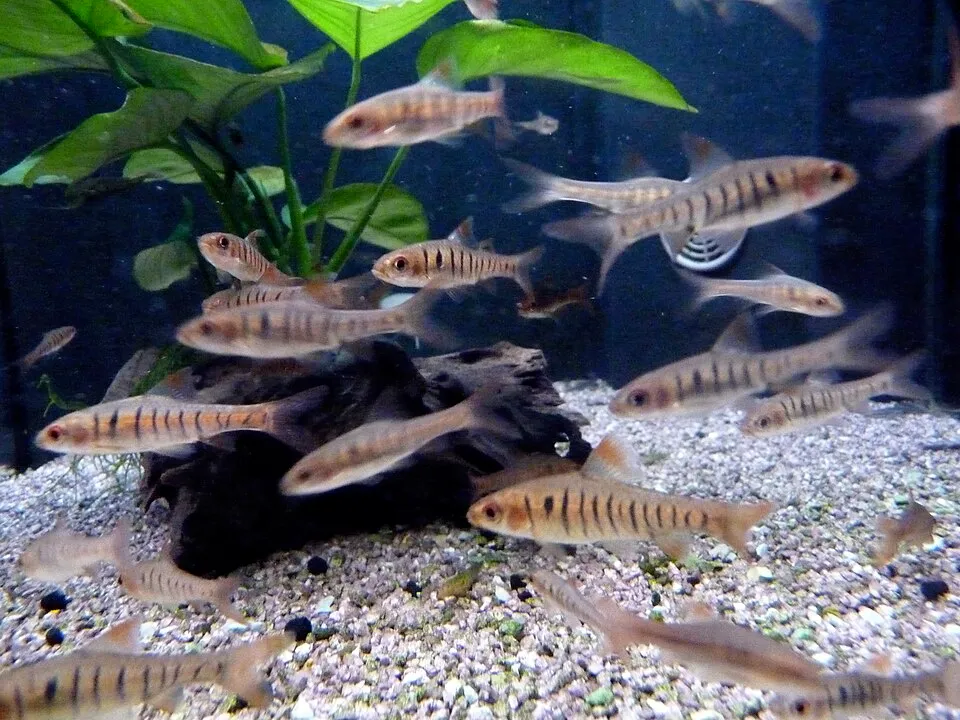
African banded barb
Barbus fasciolatus
Freshwater2.4 in (6 cm) · 20 gal (75 L)68–79°F (20–26°C)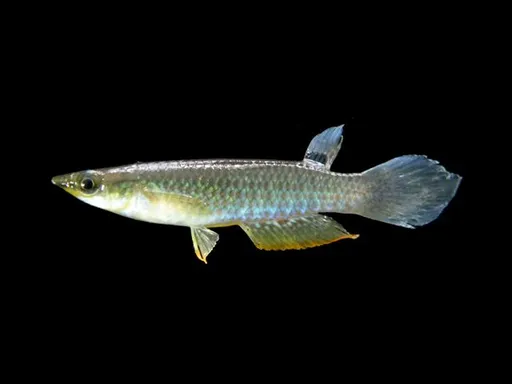
Blue panchax
Aplocheilus panchax
Freshwater3.5 in (9 cm) · 20 gal (75 L)72–82°F (22–28°C)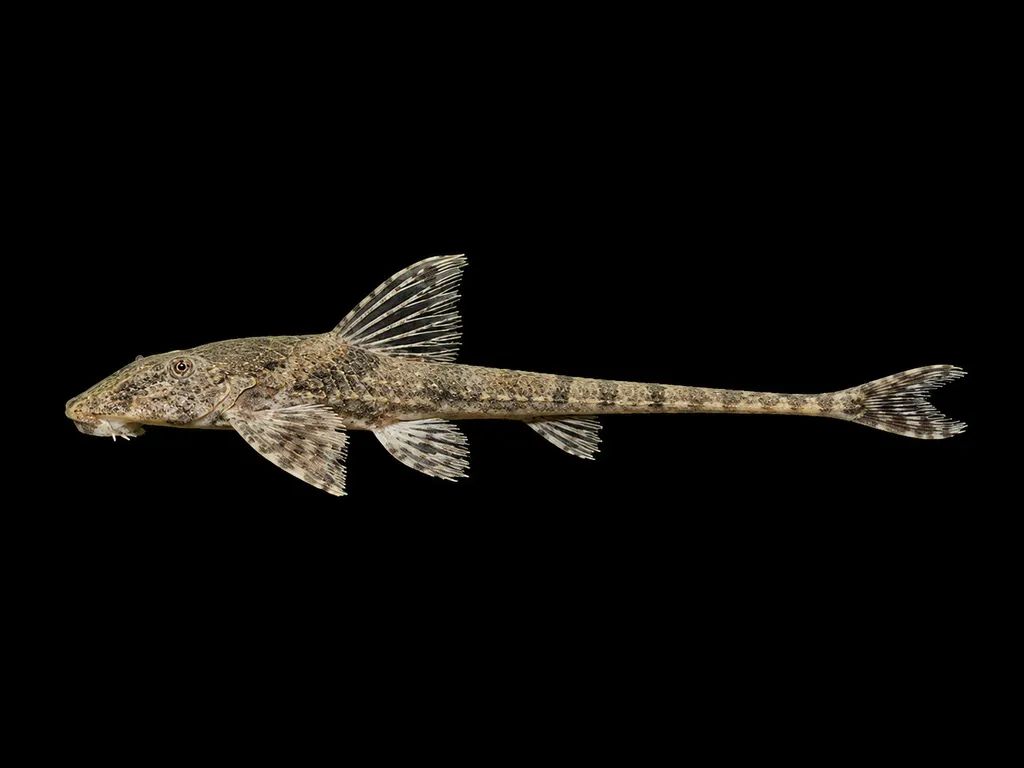
Common whiptail
Rineloricaria parva
Freshwater4.7 in (12 cm) · 20 gal (75 L)68–79°F (20–26°C)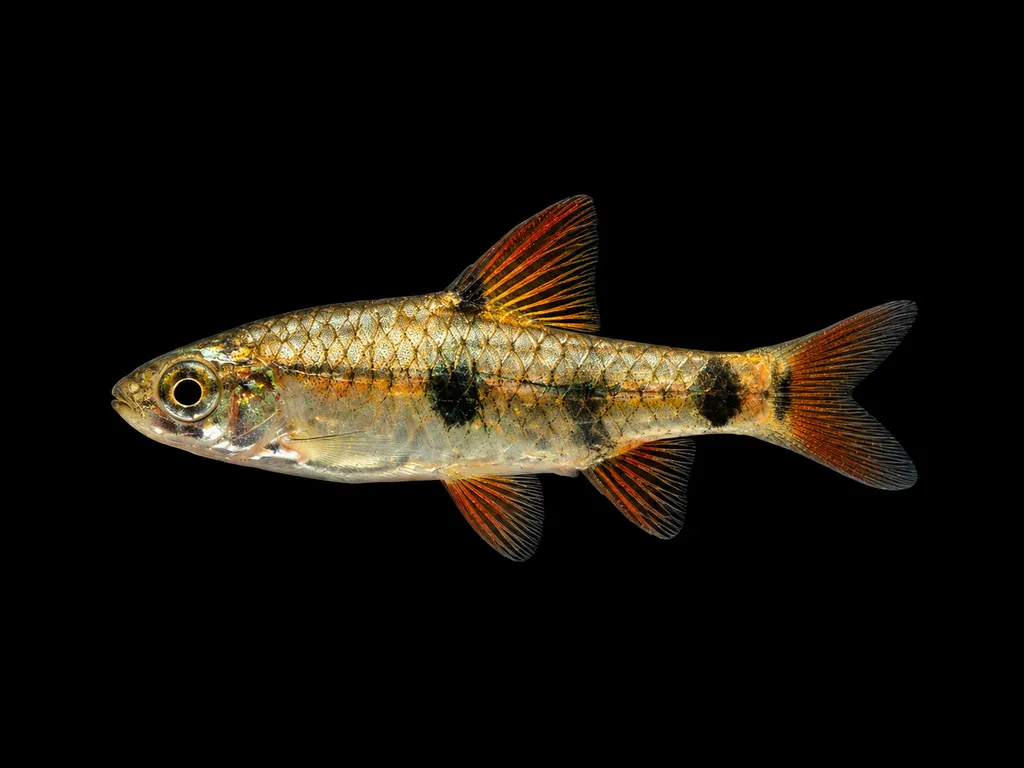
Canius barb
Pethia canius
Freshwater1.6 in (4 cm) · 20 gal (75 L)68–79°F (20–26°C)
Common questions
What size tank does a Similis lampeye need?
A Similis lampeye needs at least 20 gal (75 L). It spends most of its time in the middle.
What temperature and pH does a Similis lampeye need?
A Similis lampeye is comfortable at 72–79°F (22–26°C) with a pH of 6.0–7.5.
What does a Similis lampeye eat?
A Similis lampeye eats small foods such as micro pellets and crushed flake. It also takes frozen or live daphnia, cyclops and baby brine shrimp.
How big does a Similis lampeye get?
An adult Similis lampeye reaches about 2.4 in (6 cm).
Does a Similis lampeye need a group?
Yes. A Similis lampeye is a schooling species and should be kept in a group, not singly.
How does a Similis lampeye breed?
Similis lampeyes are crevice spawners, following the Procatopus pattern. Breeding them is moderately difficult, and the small fry grow slowly and need very fine first foods.
Related species
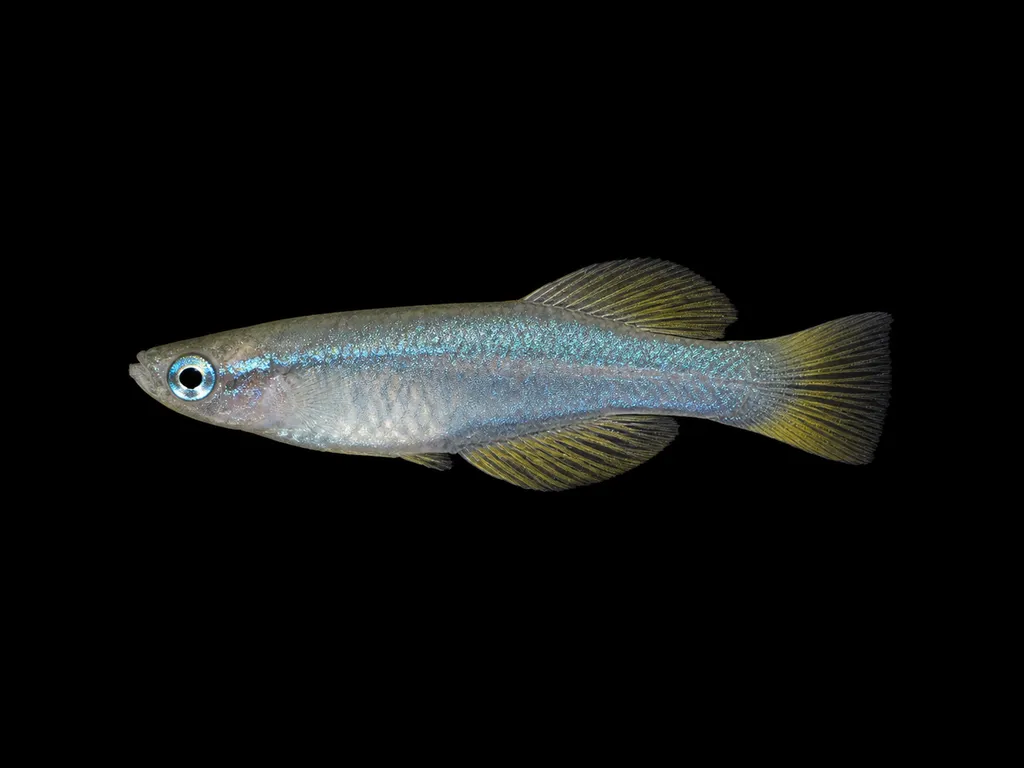 2.4 in (6 cm)20 gal (75 L)72–79°F (22–26°C)
Nototaenia lampeye
Procatopus nototaenia
2.4 in (6 cm) · 20 gal (75 L)
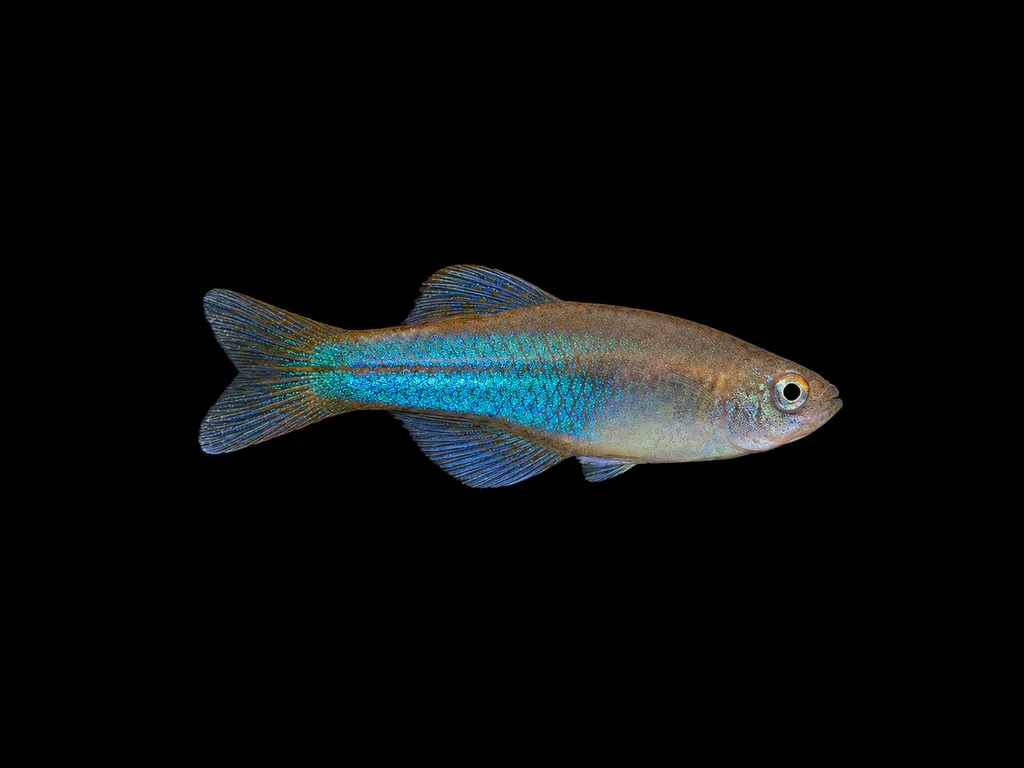 2.2 in (5.5 cm)20 gal (75 L)72–79°F (22–26°C)
Blue-green lampeye
Procatopus aberrans
2.2 in (5.5 cm) · 20 gal (75 L)
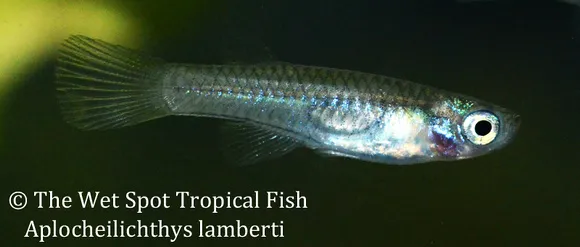 1.8 in (4.5 cm)14 gal (54 L)72–79°F (22–26°C)
Lambert's lampeye
Rhexipanchax lamberti
1.8 in (4.5 cm) · 14 gal (54 L)
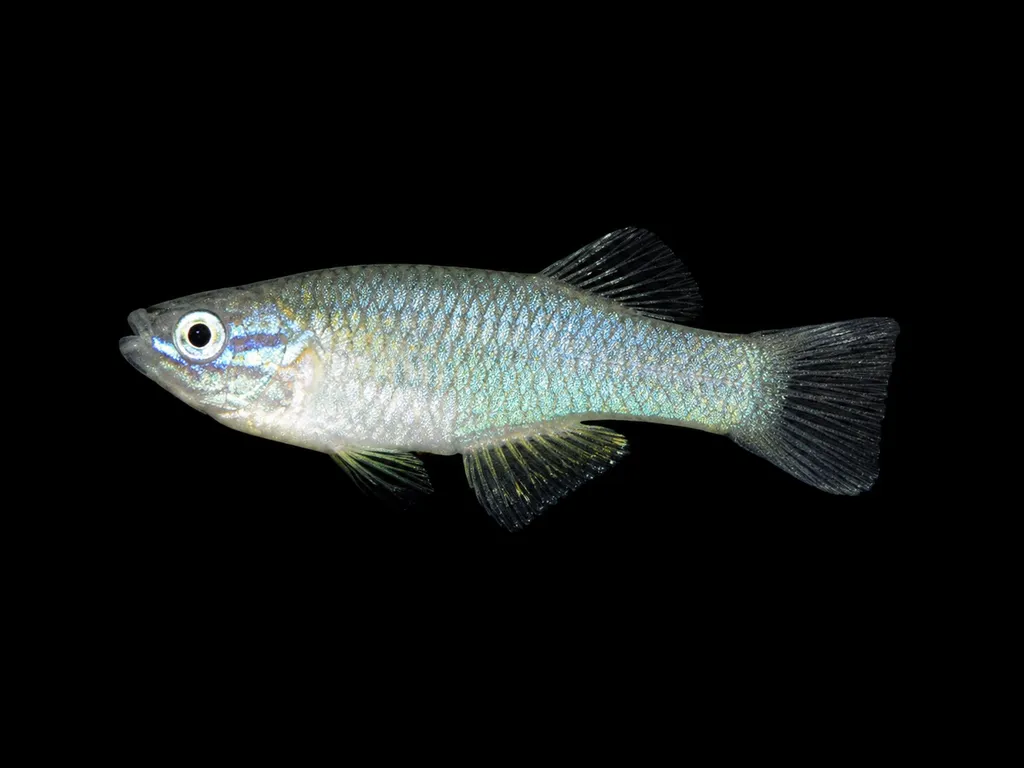 1.8 in (4.5 cm)14 gal (54 L)68–75°F (20–24°C)
Mount Nimba lampeye
Rhexipanchax nimbaensis
1.8 in (4.5 cm) · 14 gal (54 L)
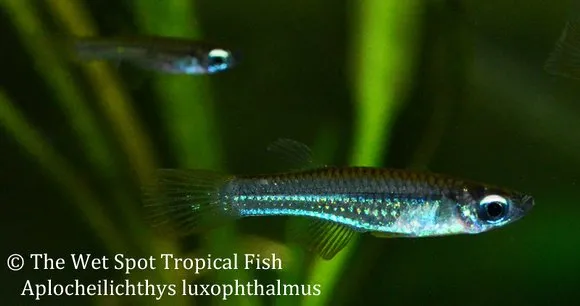 1.6 in (4 cm)14 gal (54 L)72–79°F (22–26°C)
Filamentous lampeye
Poropanchax luxophthalmus
1.6 in (4 cm) · 14 gal (54 L)
 1.6 in (4 cm)14 gal (54 L)72–79°F (22–26°C)
Scheel's lampeye
Poropanchax scheeli
1.6 in (4 cm) · 14 gal (54 L)