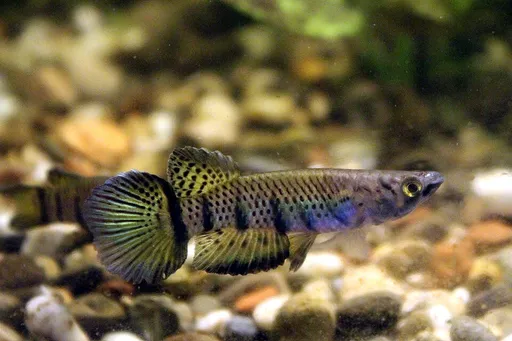
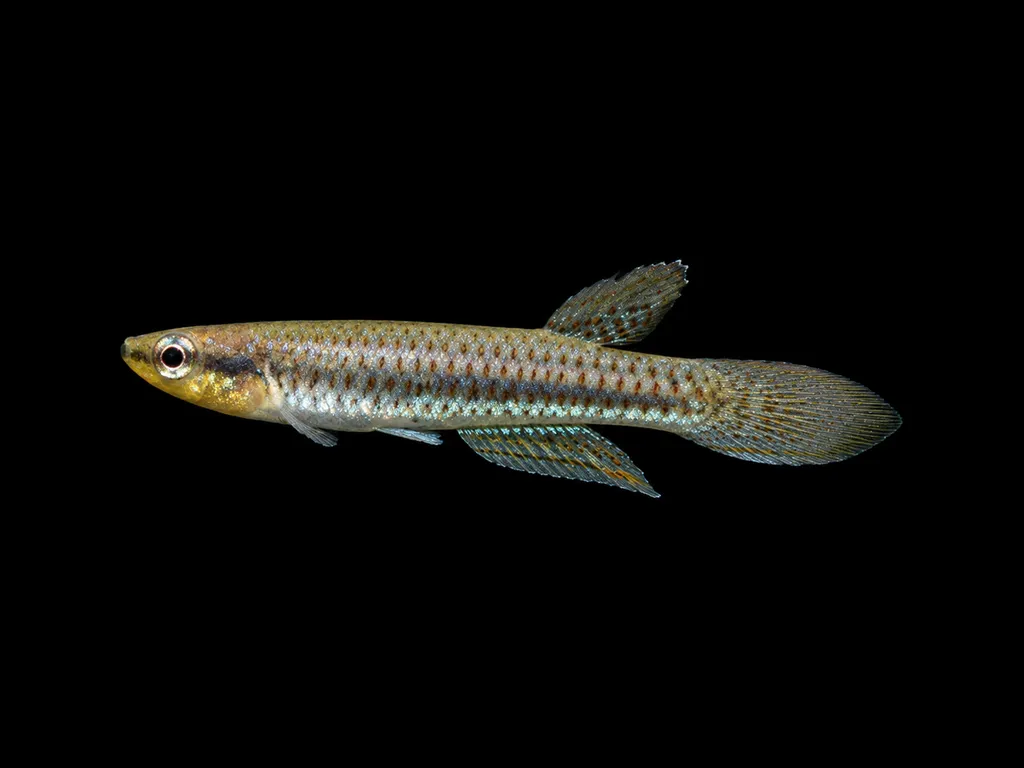
Six-barred panchax
Epiplatys sexfasciatus
Also known as Six Barred Killi
FreshwaterFish
Care at a glance
- Temperature
- 72–81°F
- 22–27°C
- pH
- 6.0–7.0
- Adult size
- 3.9 in
- 10 cm
- Minimum tank
- 20 gal
- 75 L
- Temperament
- Mostly peaceful
- Social behavior
- Social
- Swim level
- Top
- Difficulty
- Easy
- Breeding
- Medium
- Rarity
- Common
- Family
- Nothobranchiidae
- Origin
- West/Central Africa (Ghana to Gabon)
Overview
Keep them in a group of six or more in a tank of 75 liters or larger. They are top dwellers and skittish in small numbers, gaining confidence in a loose shoal rather than a tight school. Run the water warm, from 22 to 27 C, soft, and slightly acidic at pH 6 to 7. They are mostly peaceful toward similar-sized tankmates but are micro-predators, so they will eat dwarf shrimp and small fry, and mature males can squabble or turn territorial when breeding. Feed small live and frozen foods like daphnia and bloodworm, and they take dry foods too. They are strong jumpers, so a tight-fitting lid with no gaps is essential. They are not brackish, just standard tropical freshwater.
In the wild
Six-barred panchax come from soft, slightly acidic waters across West and Central Africa, from Ghana to Gabon. These are dim, tannin-stained pools and slow creeks shaded by forest, with leaf litter and overhanging plants near the surface. To match that, give them a densely planted tank of at least 75 liters with floating plants for cover, driftwood, leaf litter, and a dark or sand substrate. Lower light brings out their best color. Keep the water warm, from 22 to 27 C, soft, and on the acidic side around pH 6 to 7. They are a surface fish, so the top of the tank matters most.
Good to know
This is a West African killifish in the family Nothobranchiidae, often called a panchax. Adults reach about 8 to 9 cm, with a recorded maximum near 10 cm. They are egg layers that scatter eggs into fine-leaved plants, with the eggs incubated in the water rather than buried. With good care they live a few years, which is long for a killifish.
Did you know
They spend almost all their time pressed up against the surface, watching for insects that land on the water, and that habit makes them remarkable jumpers. A startled fish will launch straight out through the smallest gap in a lid, so any opening for a filter pipe or heater cord needs covering. In a blackwater setup over dark substrate, the bars along the body stand out far more than they do under bright light.
Weekly picks
Tank mates
Six-barred panchax is a mostly peaceful, social species that keeps to the top. These picks share a community profile with it, are safe together in both directions, and overlap on water type, temperature and pH.
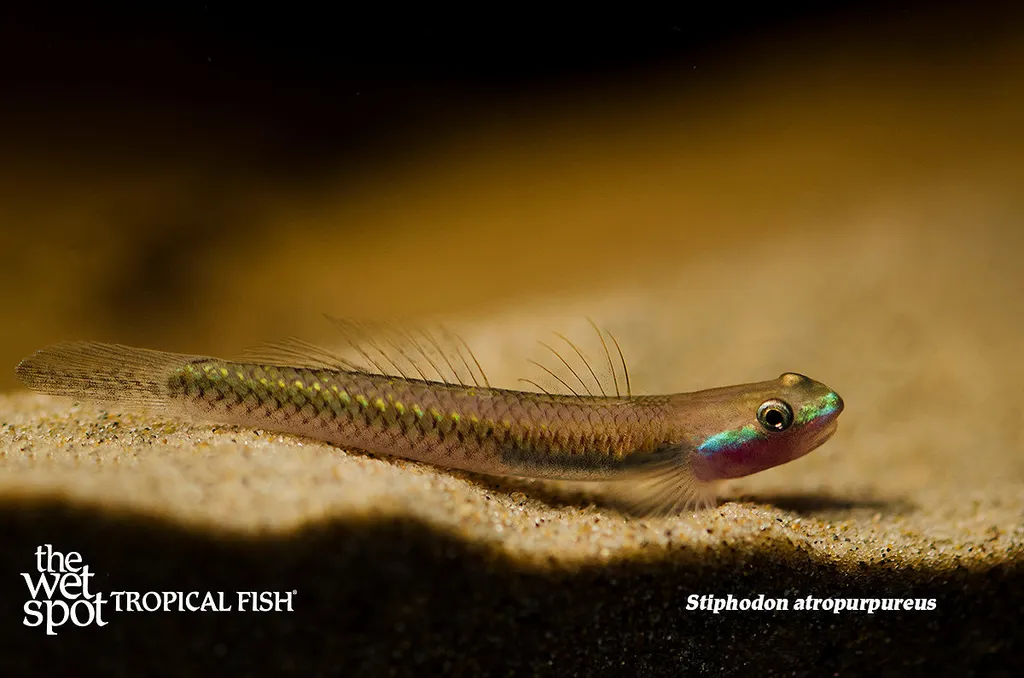
Blue neon dwarf goby
Stiphodon atropurpureus
Freshwater2 in (5 cm) · 20 gal (75 L)72–81°F (22–27°C)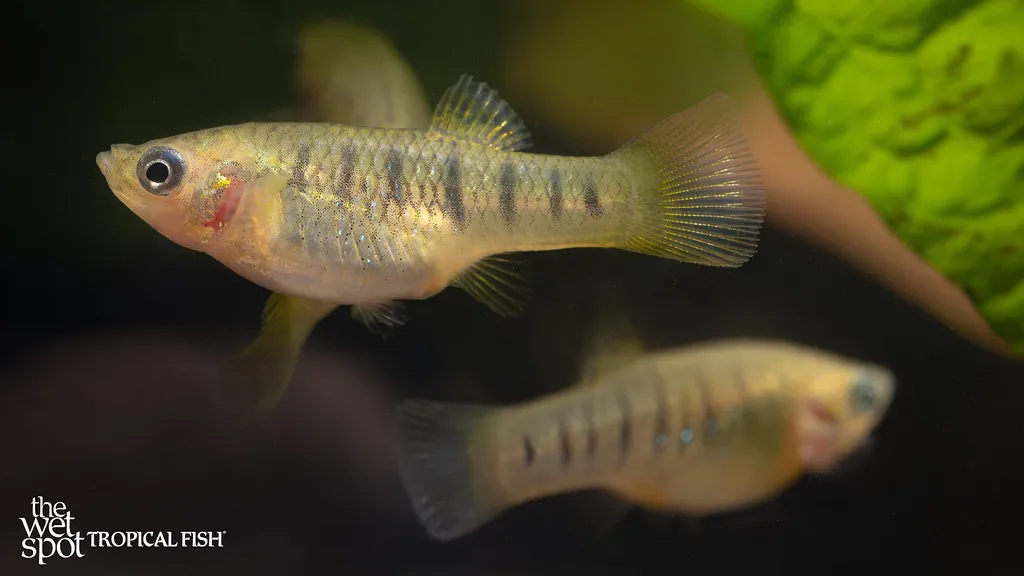
Humpbacked limia
Limia nigrofasciata
Freshwater2.4 in (6 cm) · 20 gal (75 L)72–82°F (22–28°C)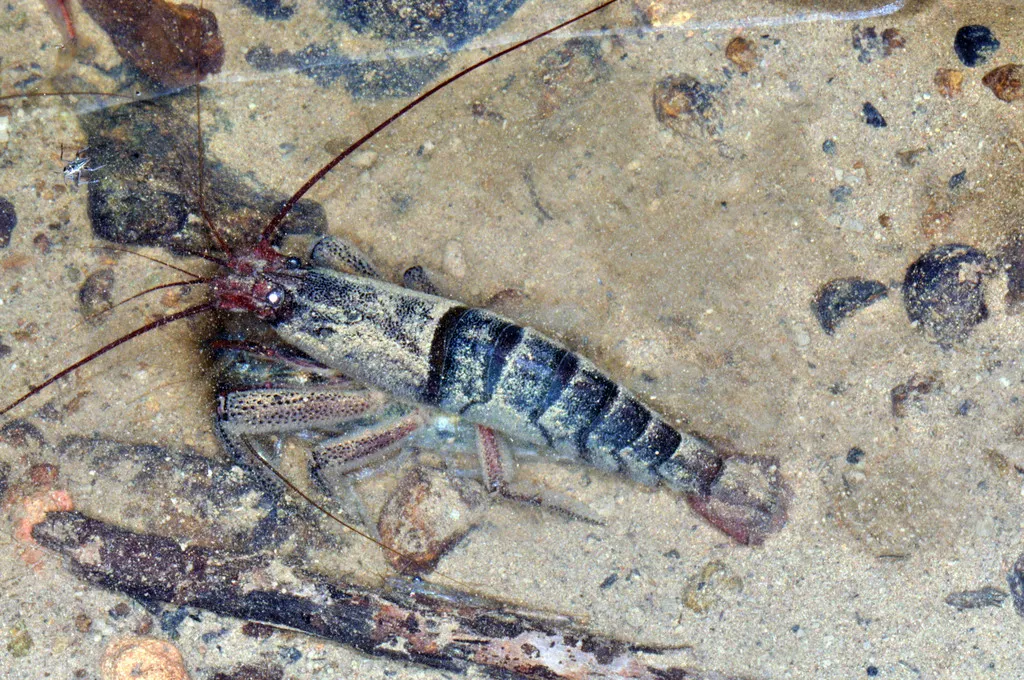
Marble wood shrimp
Atya scabra
Freshwater3.9 in (10 cm) · 20 gal (75 L)73–82°F (23–28°C)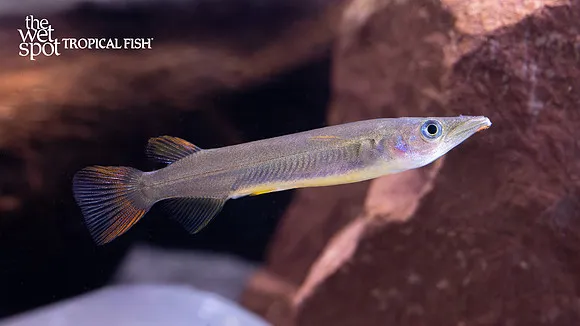
Rex halfbeak
Nomorhamphus rex
Freshwater2.2 in (5.5 cm) · 20 gal (75 L)72–79°F (22–26°C)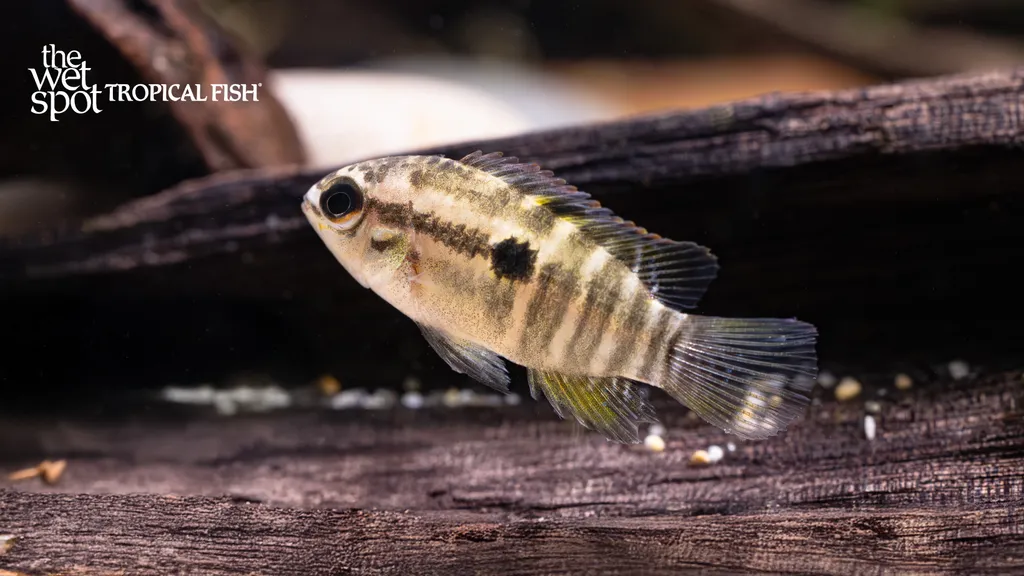
Redbreast acara
Laetacara dorsigera
Freshwater2.8 in (7 cm) · 20 gal (75 L)72–81°F (22–27°C)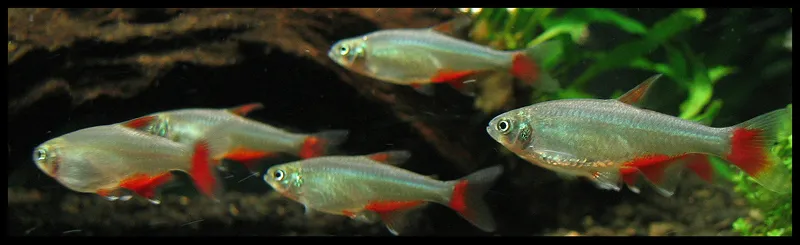
Bloodfin tetra
Aphyocharax anisitsi
Freshwater2.2 in (5.5 cm) · 20 gal (75 L)72–82°F (22–28°C)
Common questions
What size tank does a Six-barred panchax need?
A Six-barred panchax needs at least 20 gal (75 L). It spends most of its time in the top.
What temperature and pH does a Six-barred panchax need?
A Six-barred panchax is comfortable at 72–81°F (22–27°C) with a pH of 6.0–7.0.
How big does a Six-barred panchax get?
An adult Six-barred panchax reaches about 3.9 in (10 cm).
Related species
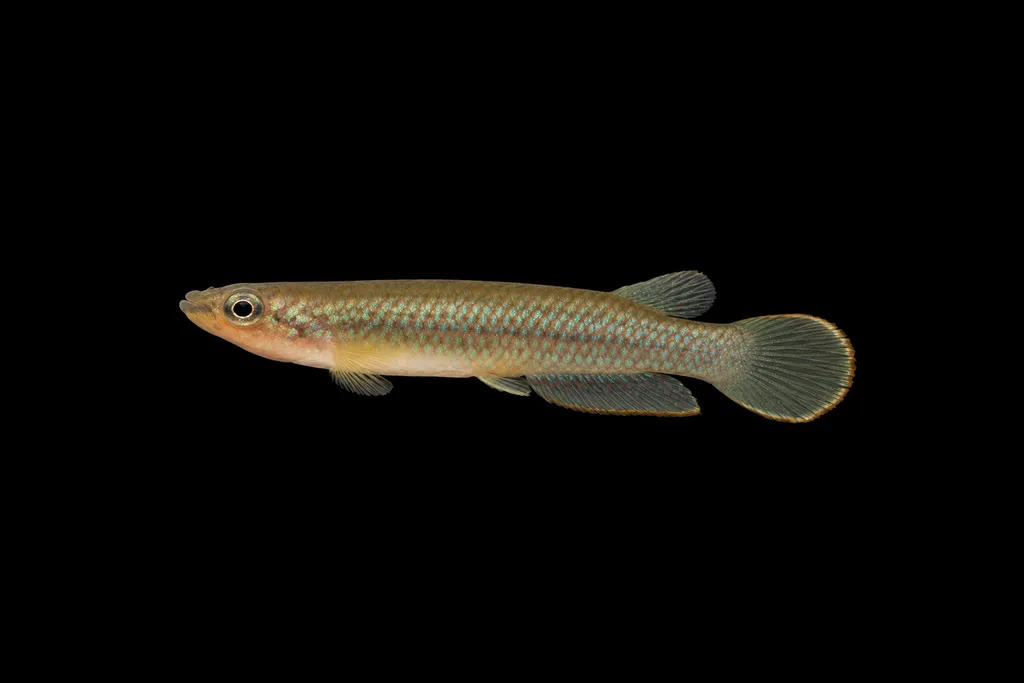 2.8 in (7 cm)14 gal (54 L)68–77°F (20–25°C)
Guinean panchax
Epiplatys guineensis
2.8 in (7 cm) · 14 gal (54 L)
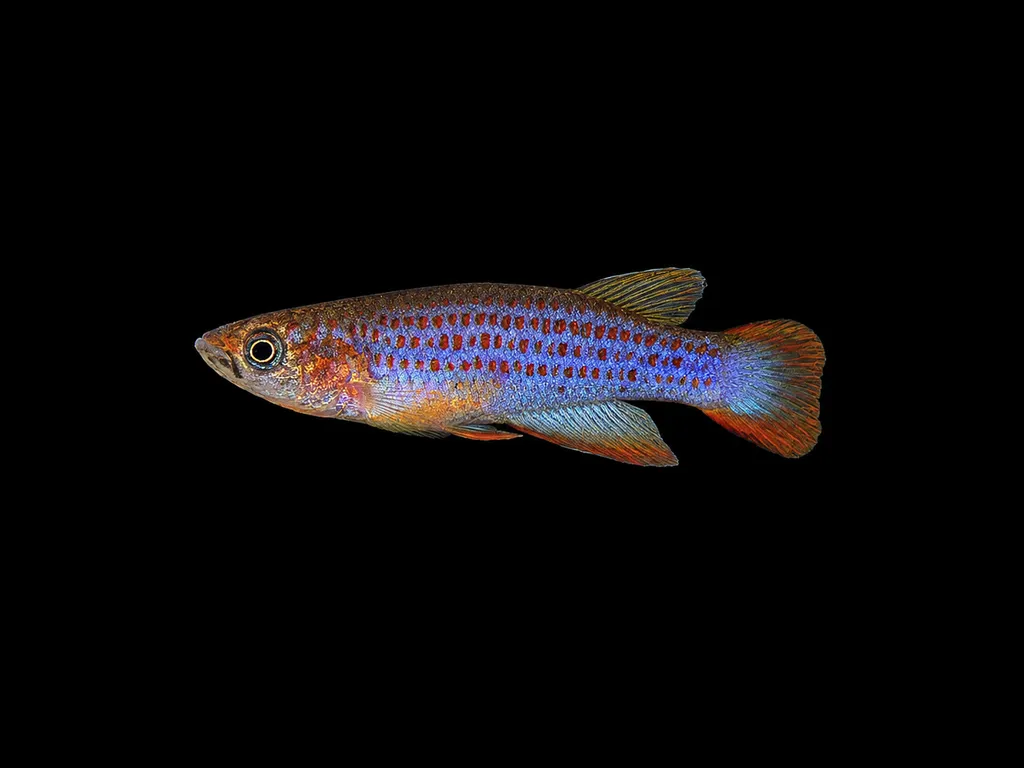 2.8 in (7 cm)14 gal (54 L)68–77°F (20–25°C)
Redspotted panchax
Epiplatys lamottei
2.8 in (7 cm) · 14 gal (54 L)
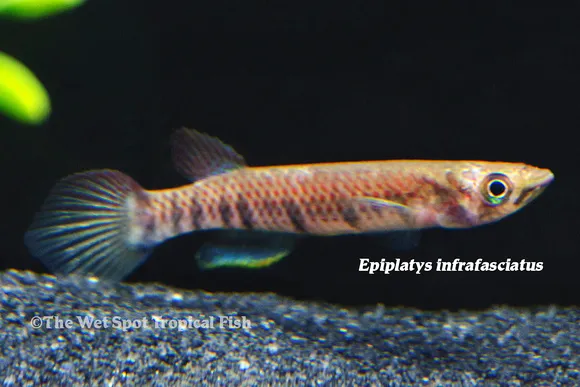 2.4 in (6 cm)14 gal (54 L)68–77°F (20–25°C)
Infrafasciatus killifish
Epiplatys infrafasciatus
2.4 in (6 cm) · 14 gal (54 L)
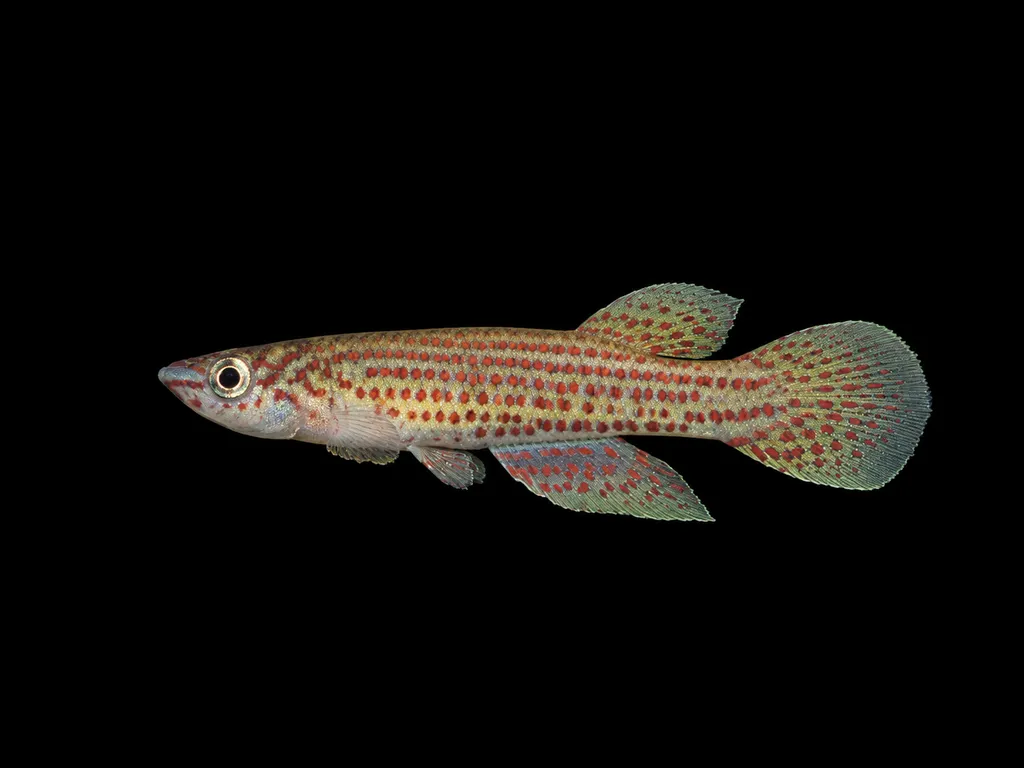 2.4 in (6 cm)14 gal (54 L)68–77°F (20–25°C)
Singa panchax
Epiplatys singa
2.4 in (6 cm) · 14 gal (54 L)
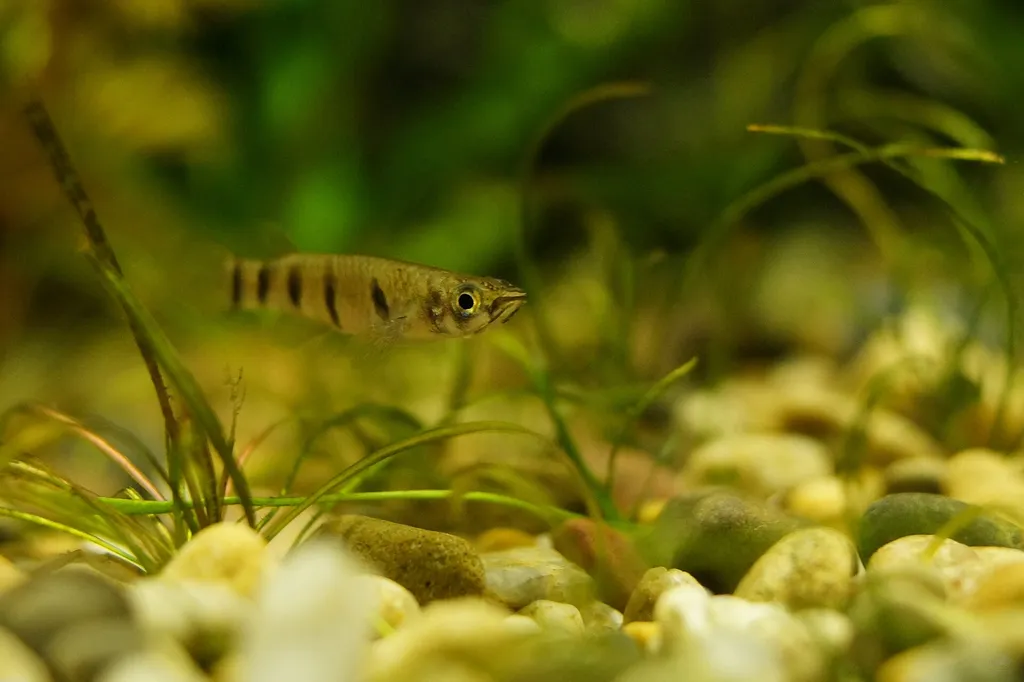 1.8 in (4.5 cm)20 gal (75 L)70–75°F (21–24°C)
Red-chinned panchax
Epiplatys dageti
1.8 in (4.5 cm) · 20 gal (75 L)
 1.4 in (3.5 cm)11 gal (40 L)68–77°F (20–25°C)
Dubois' panchax
Epiplatys duboisi
1.4 in (3.5 cm) · 11 gal (40 L)