Red-chinned panchax
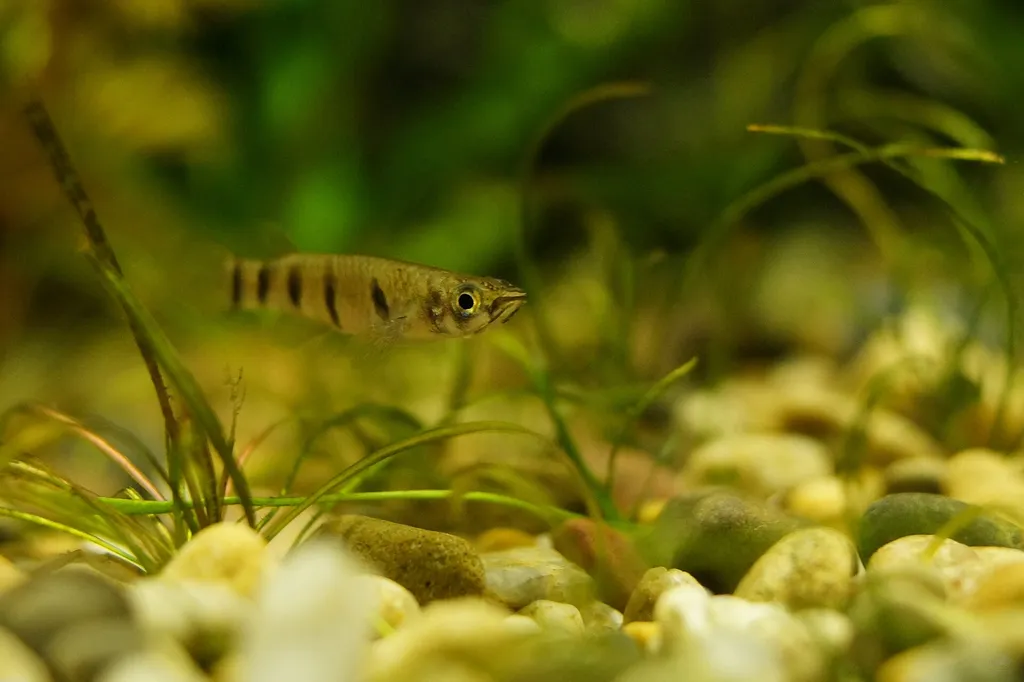
Epiplatys dageti
Also known as Firemouth panchax, Redchin panchax killifish
FreshwaterFish
Care at a glance
- Temperature
- 70–75°F
- 21–24°C
- pH
- 6.0–7.0
- Adult size
- 1.8 in
- 4.5 cm
- Minimum tank
- 20 gal
- 75 L
- Temperament
- Mostly peaceful
- Social behavior
- Social
- Swim level
- Top
- Difficulty
- Easy
- Breeding
- Easy
- Rarity
- Common
- Family
- Nothobranchiidae
- Origin
- Coastal West Africa (Ghana, Cote d'Ivoire, Liberia)
Overview
Keep a tight lid on the tank, because these fish jump and will find any gap. Keep them in a group of six with two or three females per male, since males squabble harmlessly over space, in a tank of 75 liters or larger. They are mostly peaceful and hold to the top of the water column, hovering just under the surface. Water should run cool, around 21 to 24 C, soft, and slightly acidic at a pH of 6 to 7. Feed small floating foods, frozen daphnia, and live treats, and avoid very small tankmates, since this is a tiny surface predator that eats fry and dwarf shrimp.
In the wild
Red-chinned panchax come from soft, slightly acidic waters along coastal West Africa, across Ghana, Cote d Ivoire, and Liberia. These are dim, sheltered pools and slow streams shaded by overhanging plants and leaf litter. To match that, give them a well-planted tank of at least 75 liters with floating cover up top, leaf litter on the bottom, and low light. Keep the water on the cool side, roughly 21 to 24 C, with a pH from 6 to 7.
Good to know
This is a killifish in the family Nothobranchiidae, staying small at around 4.5 cm. It is an egg layer that breeds readily, scattering eggs among fine-leaved plants and spawning mops. Unlike the annual killifish, it is not short-lived, and a healthy adult can live a few years. Most fish in the trade are tank-bred.
Did you know
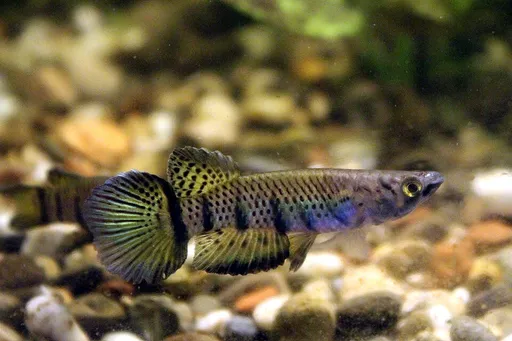
The common name comes from the male, who carries a bright red throat and chin that he flashes during display and sparring. The color sits low on the head where you see it best from the front, so a top-down view from above the tank shows it off far better than looking through the glass.
Weekly picks
Tank mates
Red-chinned panchax is a mostly peaceful, social species that keeps to the top. These picks share a community profile with it, are safe together in both directions, and overlap on water type, temperature and pH.
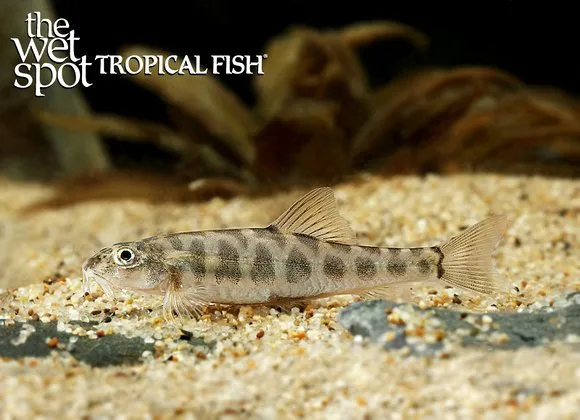
Corica loach
Nemacheilus corica
Freshwater2 in (5 cm) · 20 gal (75 L)68–79°F (20–26°C)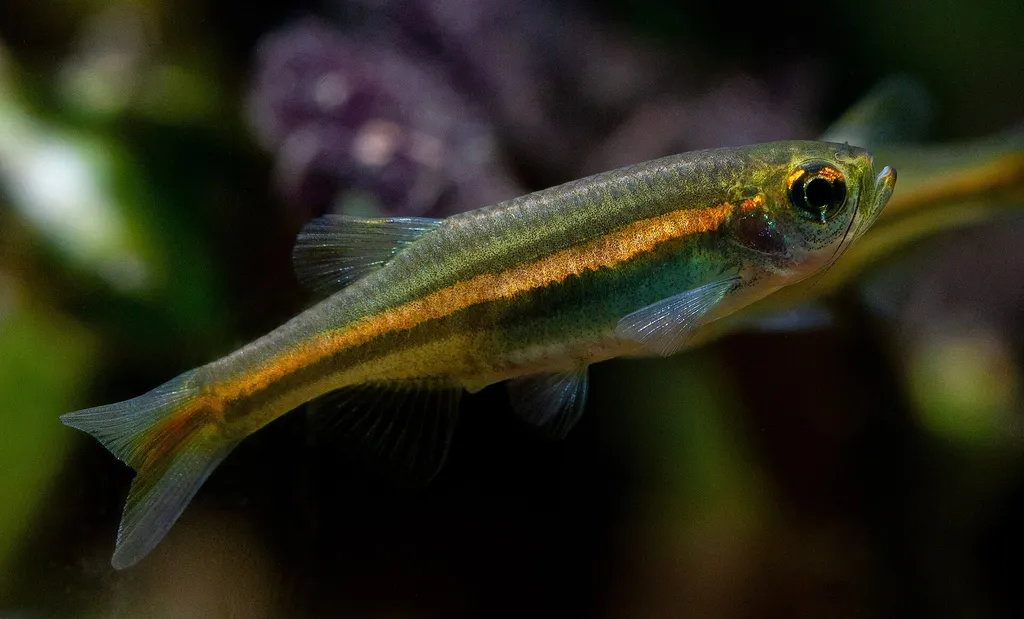
Jaintia danio
Danio jaintianensis
Freshwater2 in (5 cm) · 20 gal (75 L)64–75°F (18–24°C)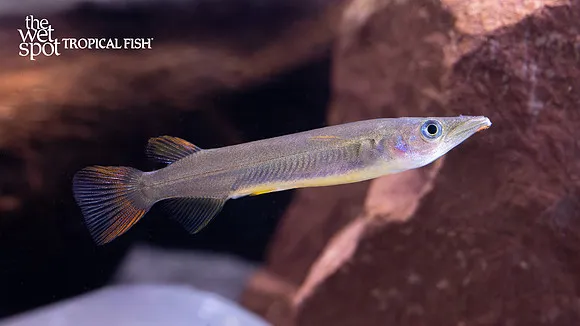
Rex halfbeak
Nomorhamphus rex
Freshwater2.2 in (5.5 cm) · 20 gal (75 L)72–79°F (22–26°C)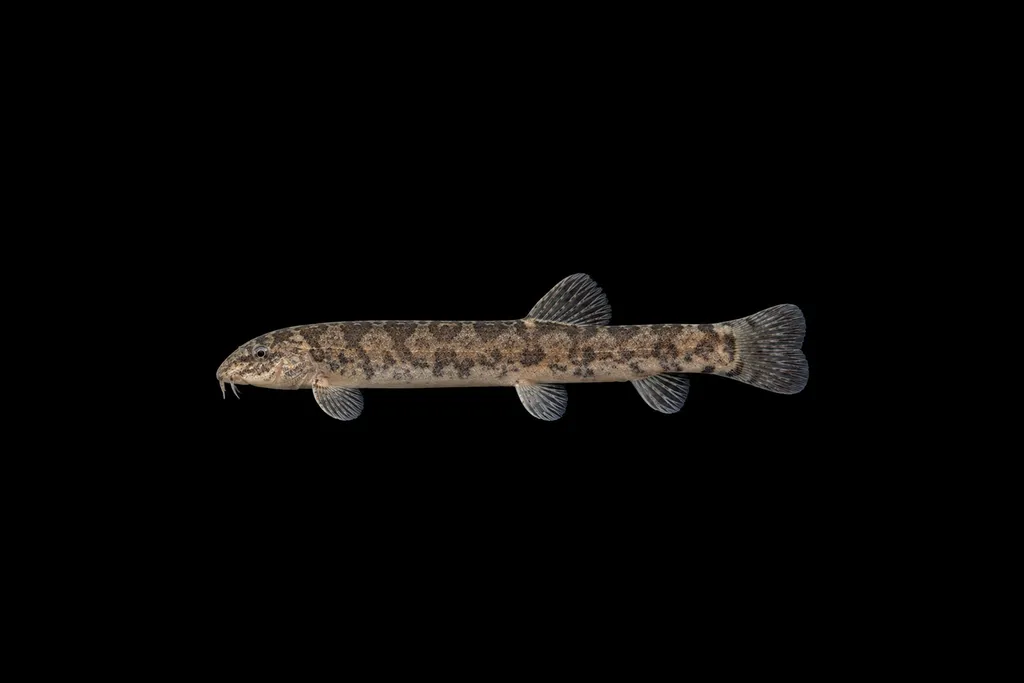
Cloud loach
Schistura nubigena
Freshwater2 in (5 cm) · 20 gal (75 L)64–75°F (18–24°C)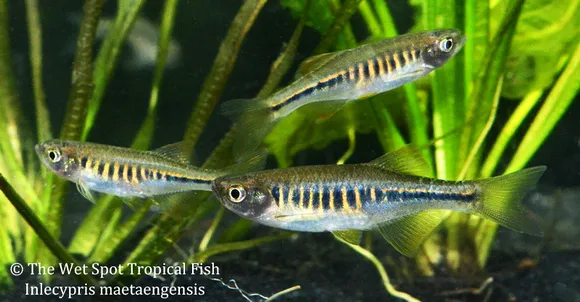
Fire bar danio
Devario maetaengensis
Freshwater2.4 in (6 cm) · 20 gal (75 L)64–77°F (18–25°C)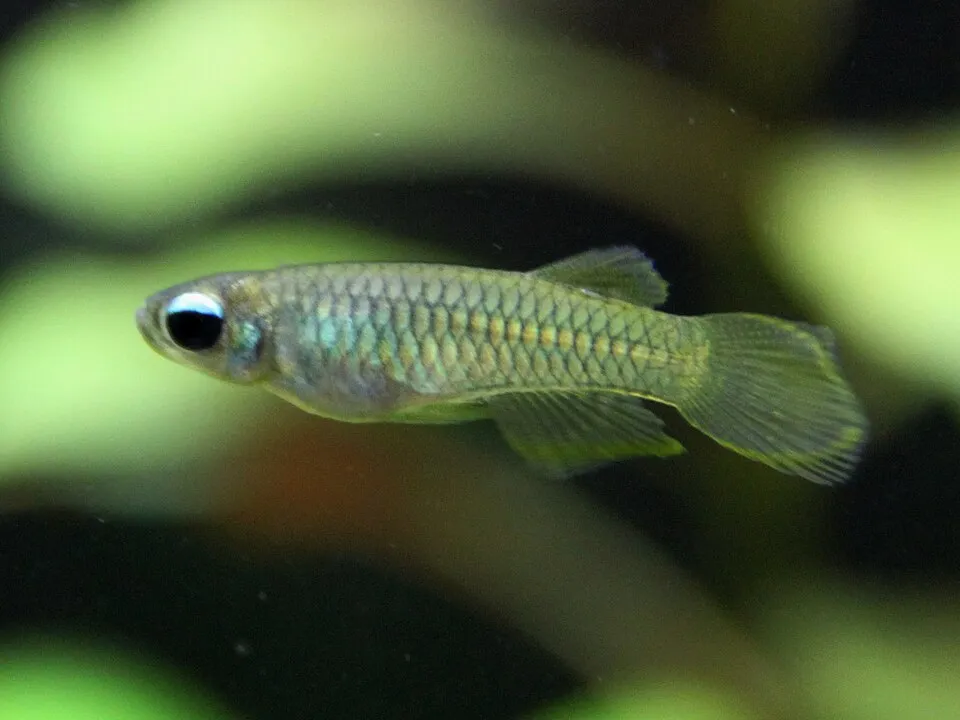
Norman's lampeye
Poropanchax normani
Freshwater1.6 in (4 cm) · 20 gal (75 L)72–79°F (22–26°C)
Common questions
What size tank does a Red-chinned panchax need?
A Red-chinned panchax needs at least 20 gal (75 L). It spends most of its time in the top.
What temperature and pH does a Red-chinned panchax need?
A Red-chinned panchax is comfortable at 70–75°F (21–24°C) with a pH of 6.0–7.0.
How big does a Red-chinned panchax get?
An adult Red-chinned panchax reaches about 1.8 in (4.5 cm).
Related species
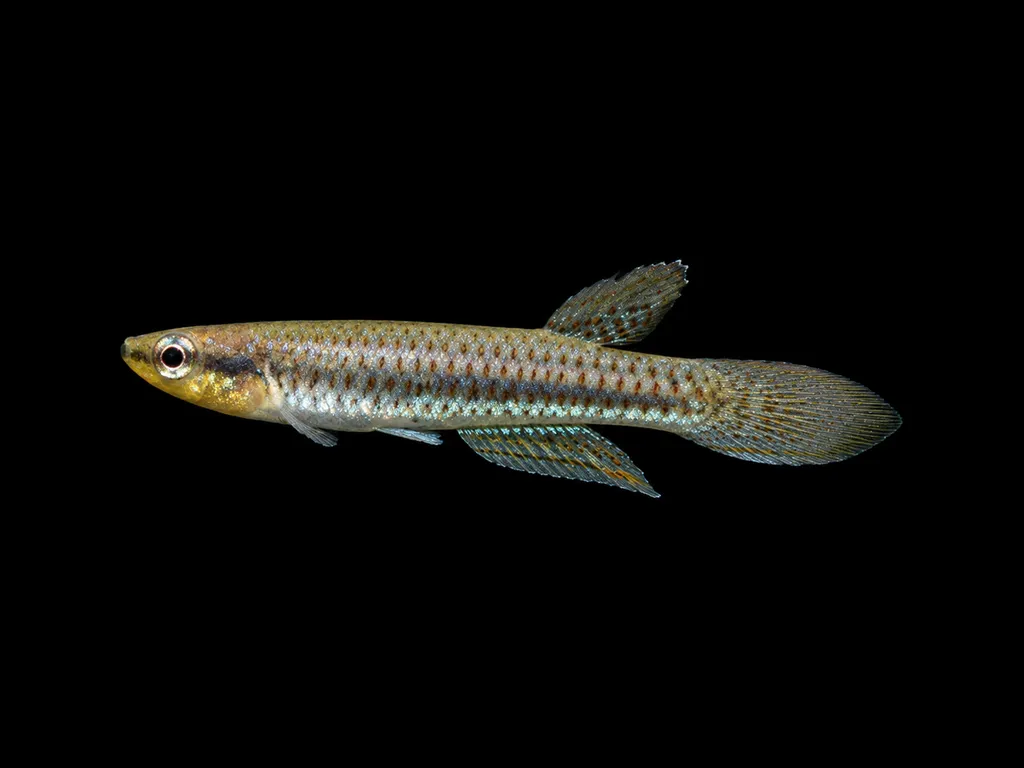 1.4 in (3.5 cm)11 gal (40 L)68–77°F (20–25°C)
Dubois' panchax
Epiplatys duboisi
1.4 in (3.5 cm) · 11 gal (40 L)
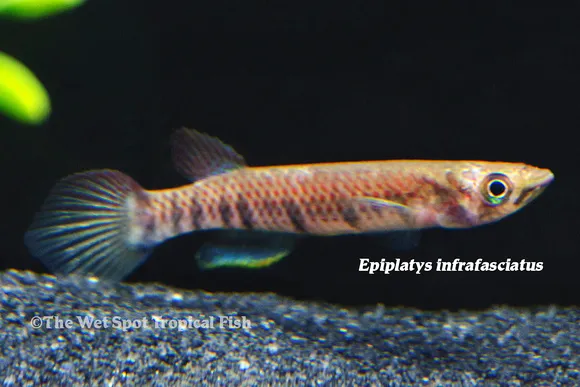 2.4 in (6 cm)14 gal (54 L)68–77°F (20–25°C)
Infrafasciatus killifish
Epiplatys infrafasciatus
2.4 in (6 cm) · 14 gal (54 L)
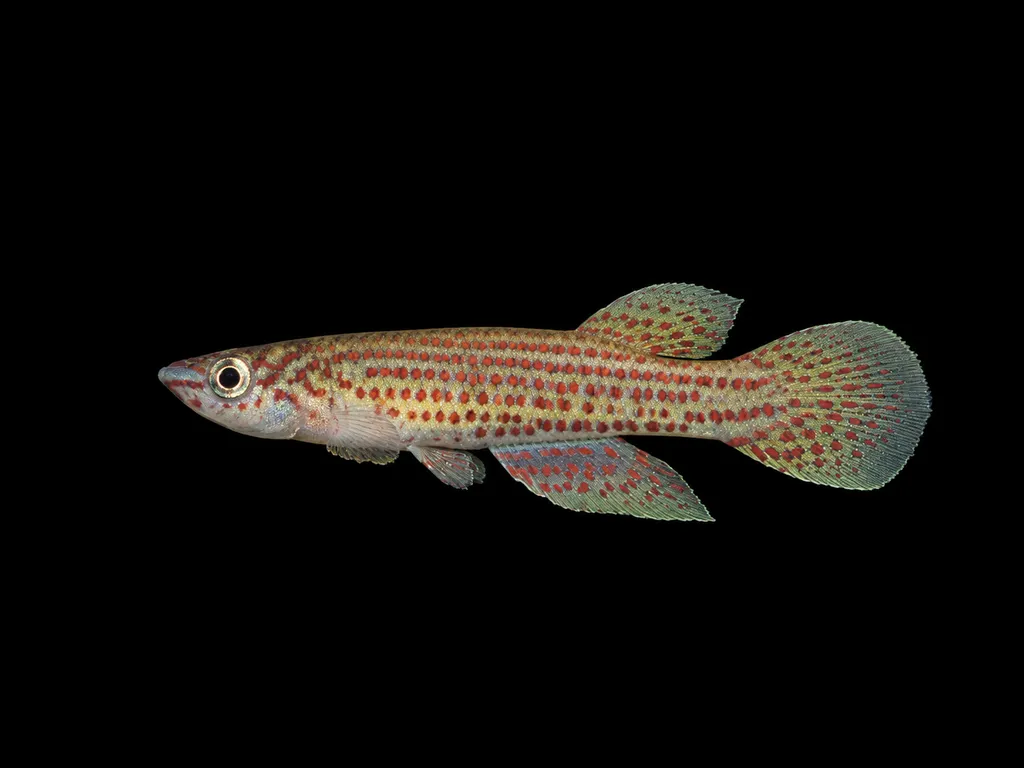 2.4 in (6 cm)14 gal (54 L)68–77°F (20–25°C)
Singa panchax
Epiplatys singa
2.4 in (6 cm) · 14 gal (54 L)
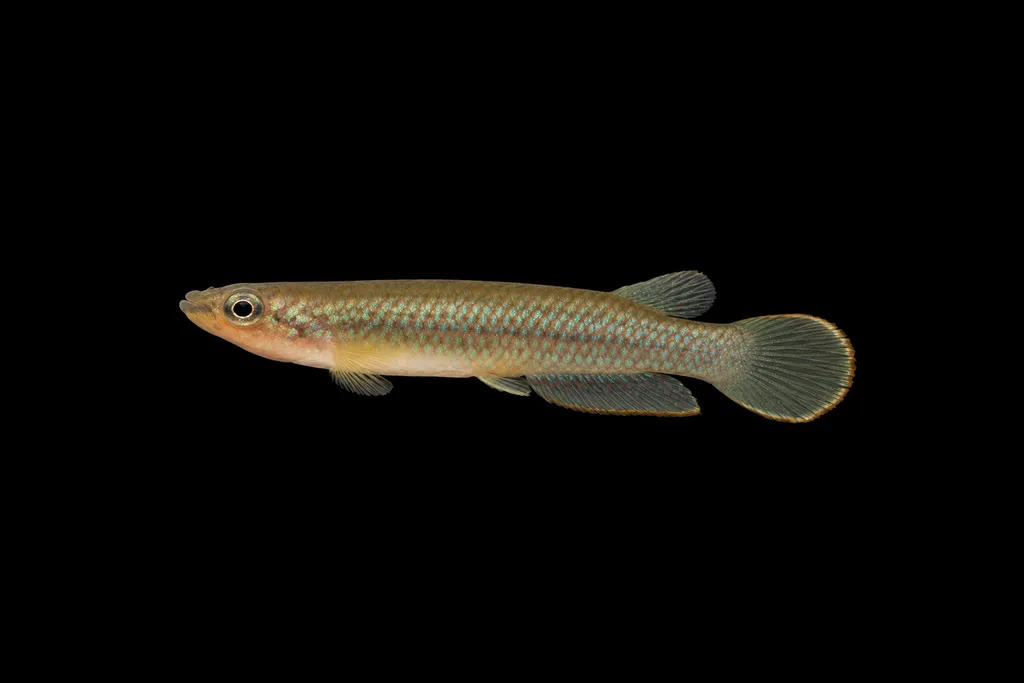 2.8 in (7 cm)14 gal (54 L)68–77°F (20–25°C)
Guinean panchax
Epiplatys guineensis
2.8 in (7 cm) · 14 gal (54 L)
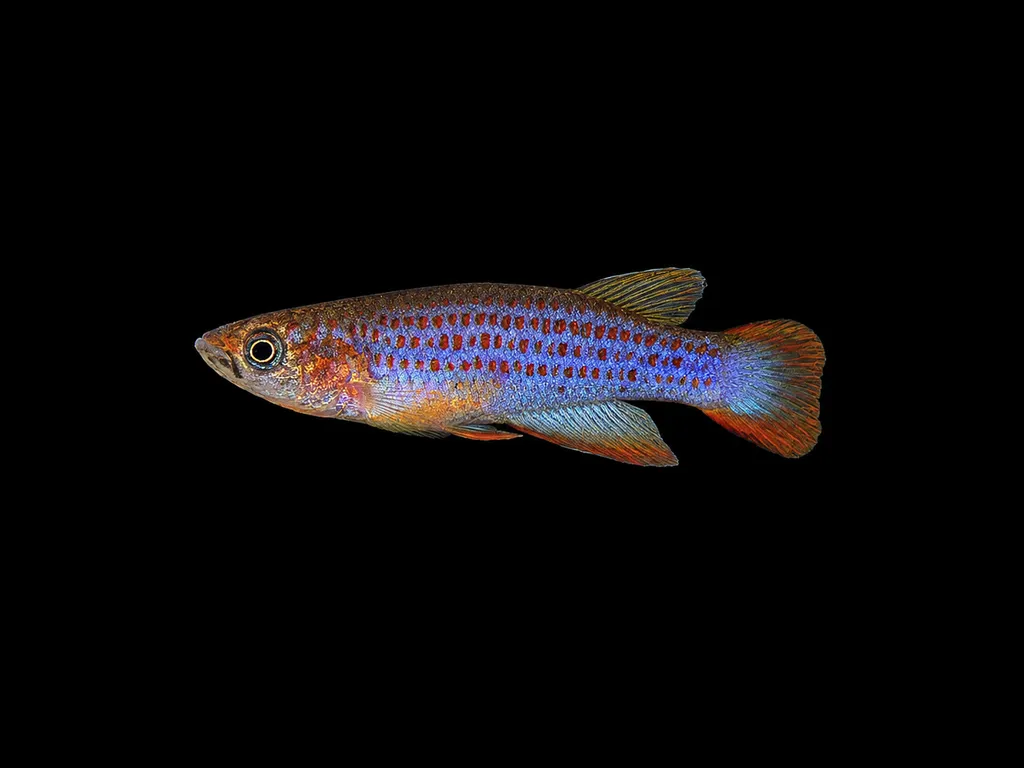 2.8 in (7 cm)14 gal (54 L)68–77°F (20–25°C)
Redspotted panchax
Epiplatys lamottei
2.8 in (7 cm) · 14 gal (54 L)
 3.9 in (10 cm)20 gal (75 L)72–81°F (22–27°C)
Six-barred panchax
Epiplatys sexfasciatus
3.9 in (10 cm) · 20 gal (75 L)