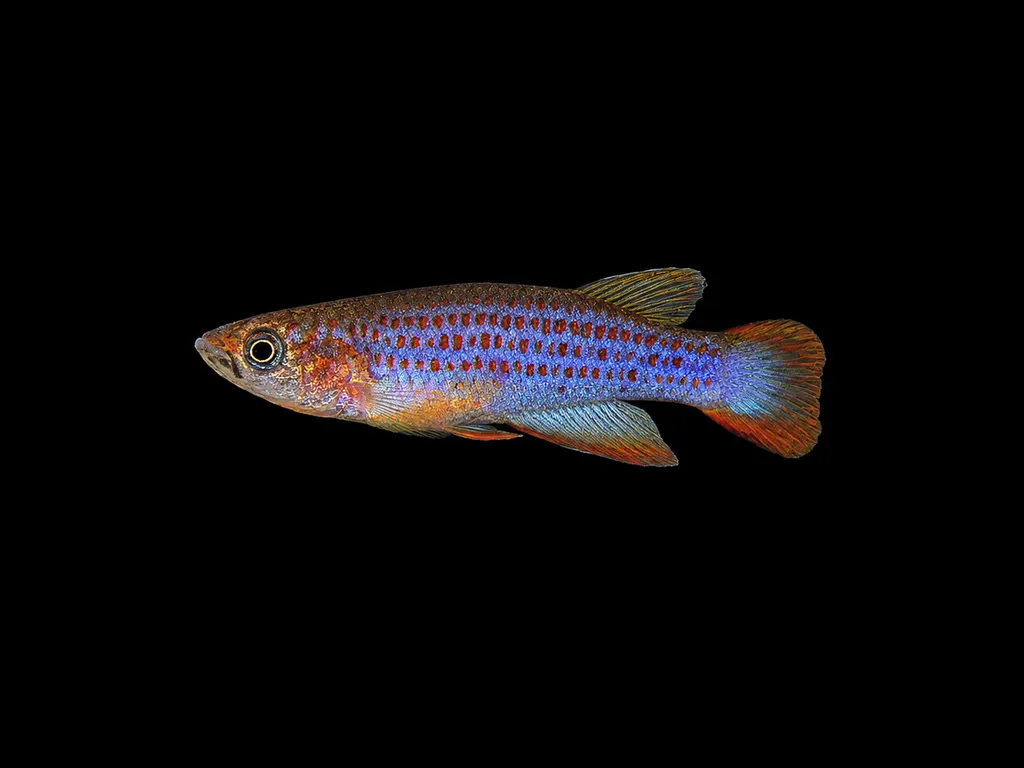
Dubois' panchax
Epiplatys duboisi
Also known as Duboisi killi
FreshwaterFish
Care at a glance
- Temperature
- 68–77°F
- 20–25°C
- pH
- 5.5–7.0
- Adult size
- 1.4 in
- 3.5 cm
- Minimum tank
- 11 gal
- 40 L
- Temperament
- Mostly peaceful
- Social behavior
- Social
- Swim level
- Top
- Diet
- Carnivore
- Difficulty
- Medium
- Breeding
- Egg depositor · Medium
- Rarity
- Rare
- Family
- Nothobranchiidae
- Origin
- Central Congo basin
Overview
Dubois' panchax is a surface killifish for a quiet, shaded, planted tank. It is best after some experience with easier fish.
Did you know
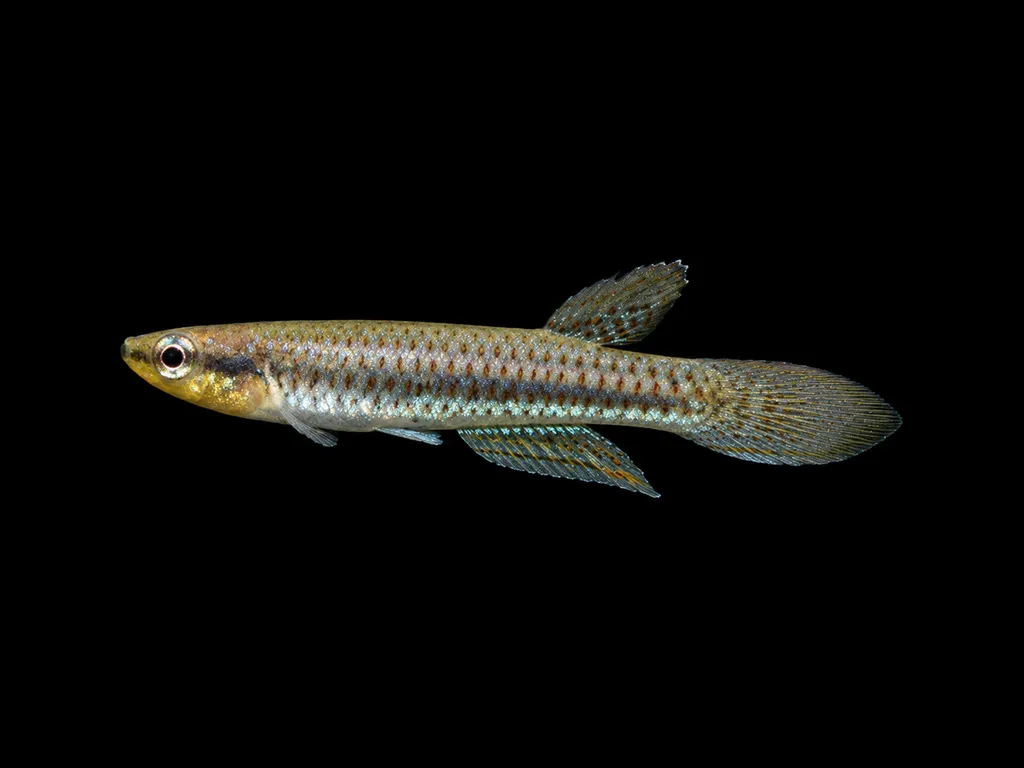
Dubois' panchax shows the whole pike killifish approach in miniature. Its straight-backed body sits poised under the surface, an ambush hunter scaled down to about the length of a fingernail.
Caring for the Dubois' panchax
A pair of Dubois' panchax is happy in a tank of at least 11 gal (40 L). Keep them near the top of a shaded, planted tank, with floating plants and overhanging cover to dim the light. Add a dark substrate and keep the flow gentle. Fit a very tight lid, since this fish will jump.
It wants soft water at 68 to 77°F (20 to 25°C), acidic to neutral at a pH of 5.5 to 7.0. This fish feels secure with a calm surface and low light. Feed small floating and live foods such as mosquito larvae, daphnia, cyclops, wingless fruit flies and fine frozen fare.
Keep a pair or a small harem. It hangs just under the surface film, watching for small prey. It is mostly peaceful with fish too large to swallow, but as a small ambush predator it will eat anything tiny. Skip dwarf shrimp fry and very small surface fish, and choose tank mates of similar or larger size.
Dubois' panchax is a non-annual plant spawner. Pairs lay their eggs among fine vegetation or spawning mops near the surface. The eggs develop in water over a couple of weeks, which makes breeding a moderate rather than difficult task.
Good to know
Epiplatys duboisi is a member of the family Nothobranchiidae and one of the smallest of the surface-hunting pike killifish.
In the wild
Dubois' panchax lives at the surface of quiet forest streams in the central Congo basin. The water there is soft, shaded and tinted with tannins, with a slow current.
Weekly picks
Tank mates
The Dubois' panchax is a mostly peaceful, social species that keeps to the top. These picks share a community profile with it, are safe together in both directions, and overlap on water type, temperature and pH.
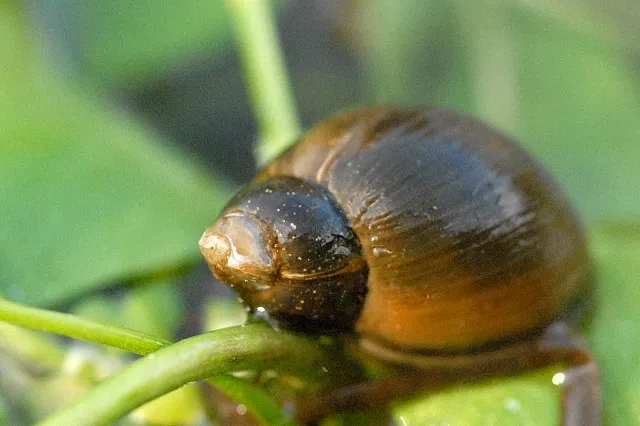
Wandering snail
Ampullaceana balthica
Freshwater0.8 in (2 cm) · 11 gal (40 L)50–84°F (10–29°C)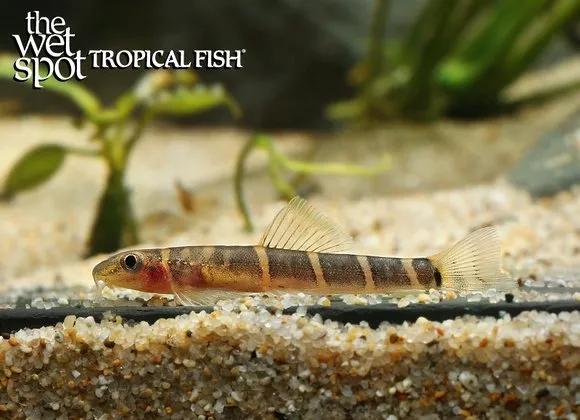
Fire-eyed loach
Barbucca diabolica
Freshwater1.2 in (3 cm) · 11 gal (40 L)72–79°F (22–26°C)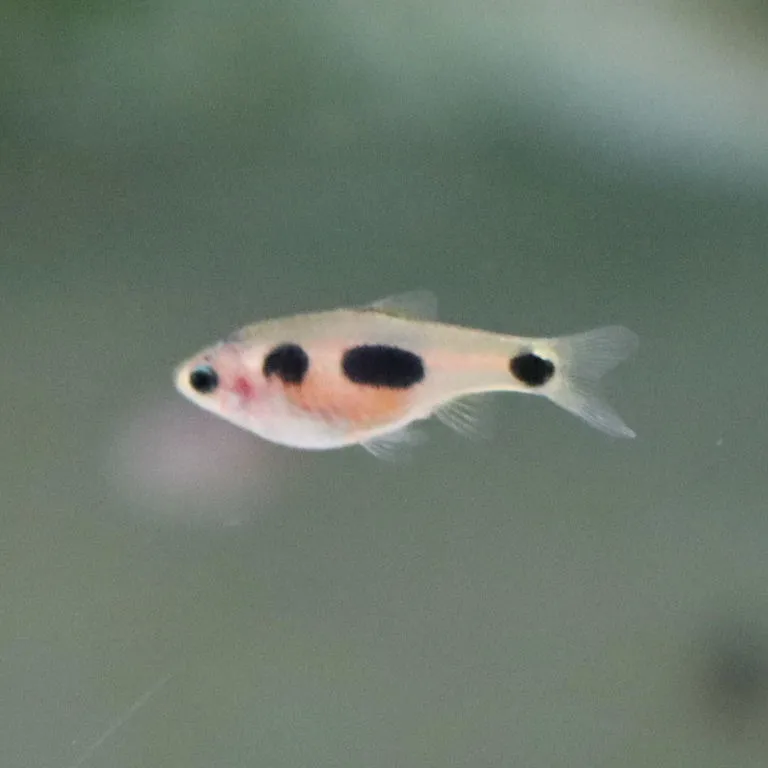
African butterfly barb
Barbus hulstaerti
Freshwater1.4 in (3.5 cm) · 11 gal (40 L)63–75°F (17–24°C)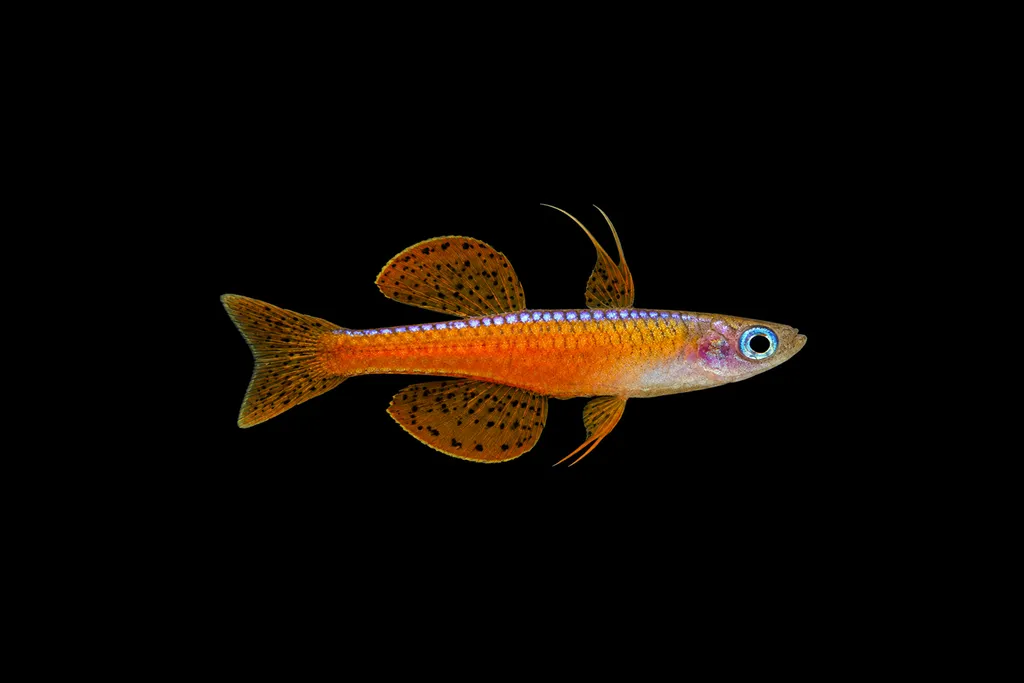
Paska's blue-eye
Pseudomugil paskai
Freshwater1.4 in (3.5 cm) · 11 gal (40 L)72–79°F (22–26°C)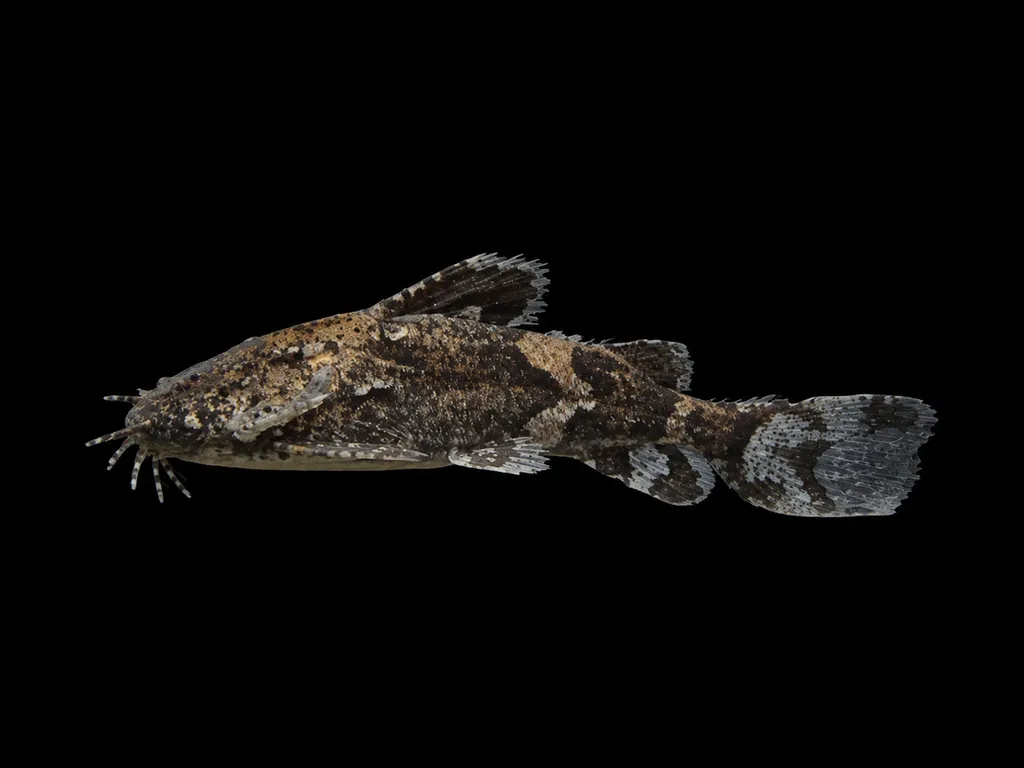
Burmese mini moth catfish
Hara minuscula
Freshwater1.2 in (3 cm) · 11 gal (40 L)68–79°F (20–26°C)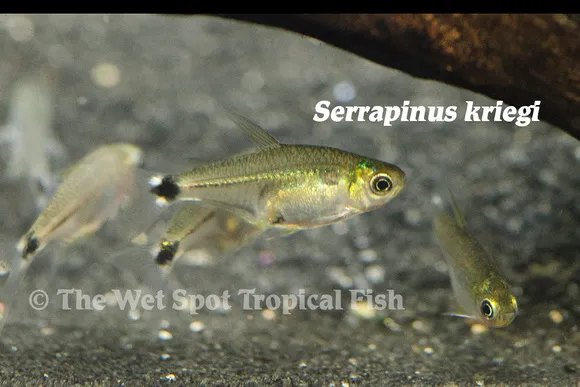
Krieg's tetra
Serrapinnus kriegi
Freshwater0.9 in (2.4 cm) · 11 gal (40 L)68–79°F (20–26°C)
Common questions
What size tank does a Dubois' panchax need?
A Dubois' panchax needs at least 11 gal (40 L). It spends most of its time in the top.
What temperature and pH does a Dubois' panchax need?
A Dubois' panchax is comfortable at 68–77°F (20–25°C) with a pH of 5.5–7.0.
What does a Dubois' panchax eat?
A Dubois' panchax is a small ambush predator and will eat anything tiny. Feed it small floating and live foods such as mosquito larvae, daphnia, cyclops, wingless fruit flies and fine frozen fare.
How big does a Dubois' panchax get?
An adult Dubois' panchax reaches about 1.4 in (3.5 cm).
How does a Dubois' panchax breed?
Dubois' panchax pairs lay their eggs among fine vegetation or spawning mops near the surface. The eggs develop in water over a couple of weeks, so breeding is a moderate task.
Related species
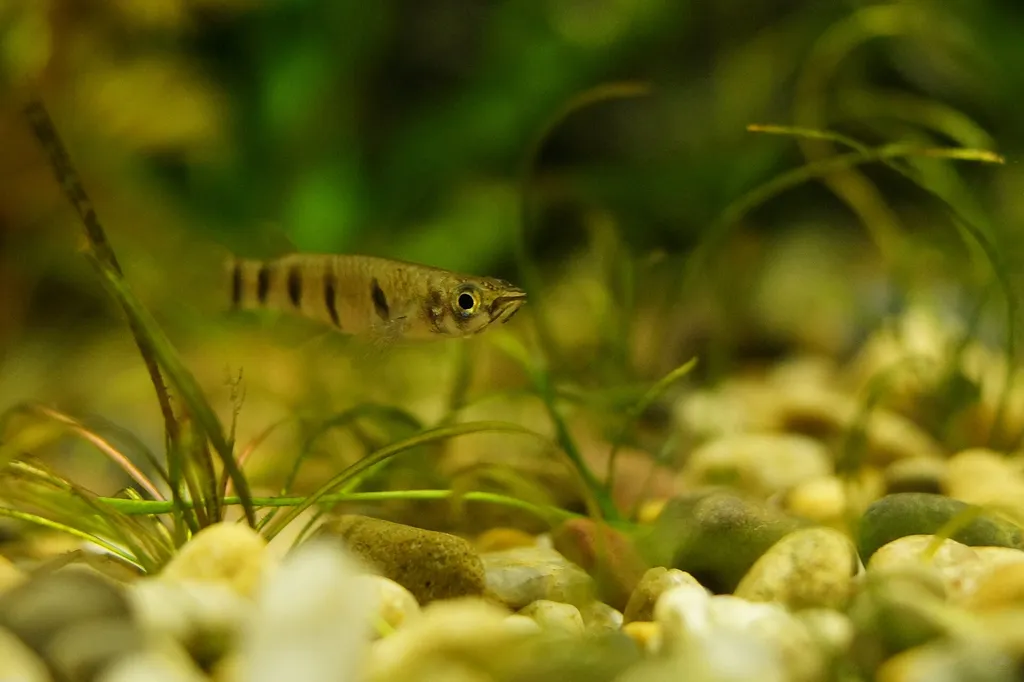 1.8 in (4.5 cm)20 gal (75 L)70–75°F (21–24°C)
Red-chinned panchax
Epiplatys dageti
1.8 in (4.5 cm) · 20 gal (75 L)
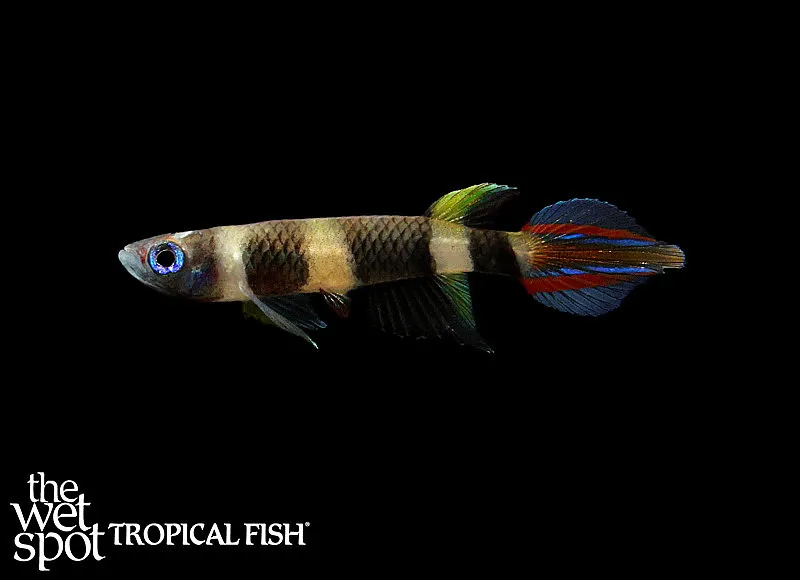 1.4 in (3.5 cm)15 gal (55 L)68–79°F (20–26°C)
Clown killifish
Epiplatys annulatus
1.4 in (3.5 cm) · 15 gal (55 L)
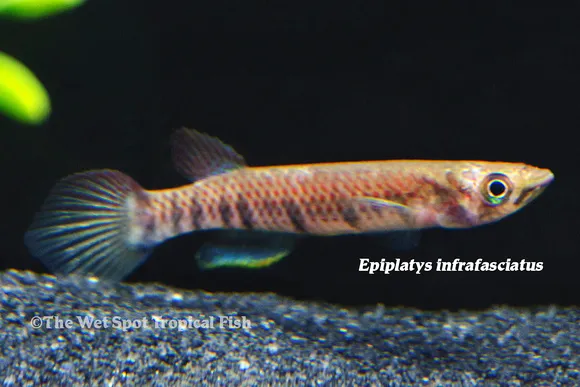 2.4 in (6 cm)14 gal (54 L)68–77°F (20–25°C)
Infrafasciatus killifish
Epiplatys infrafasciatus
2.4 in (6 cm) · 14 gal (54 L)
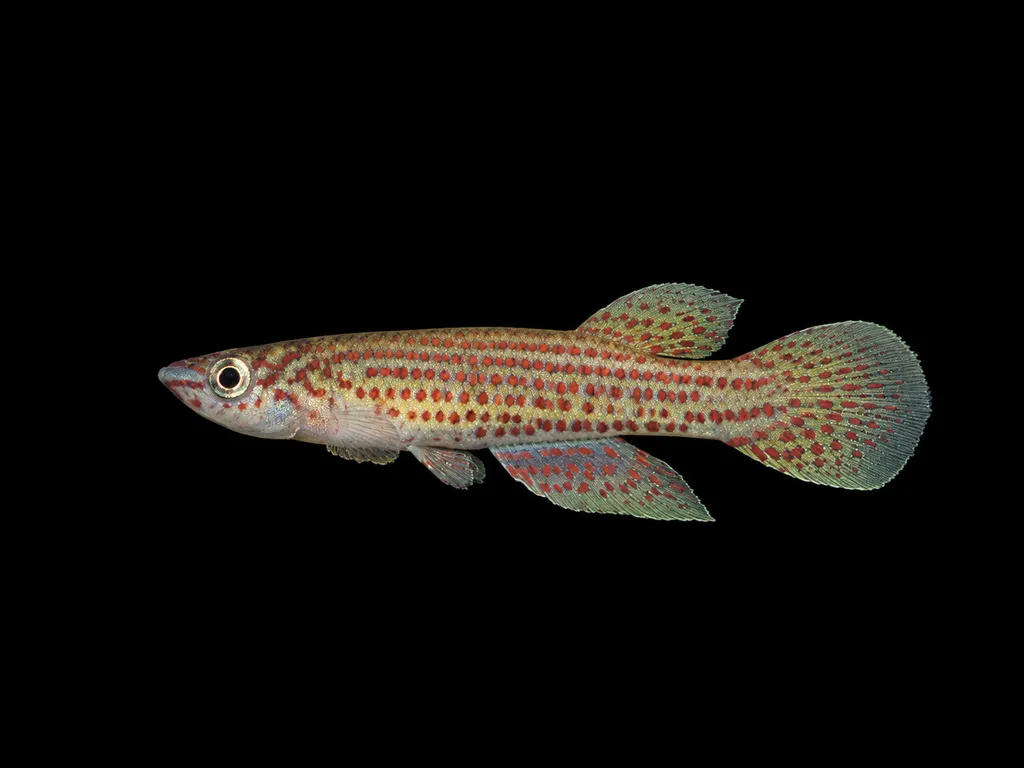 2.4 in (6 cm)14 gal (54 L)68–77°F (20–25°C)
Singa panchax
Epiplatys singa
2.4 in (6 cm) · 14 gal (54 L)
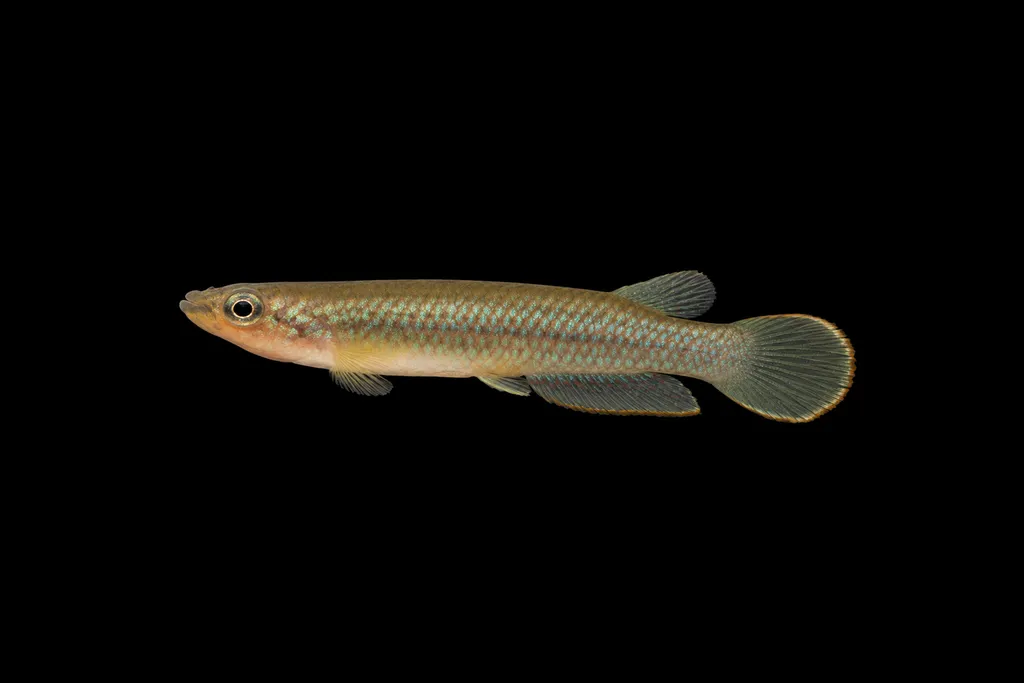 2.8 in (7 cm)14 gal (54 L)68–77°F (20–25°C)
Guinean panchax
Epiplatys guineensis
2.8 in (7 cm) · 14 gal (54 L)
 2.8 in (7 cm)14 gal (54 L)68–77°F (20–25°C)
Redspotted panchax
Epiplatys lamottei
2.8 in (7 cm) · 14 gal (54 L)