Mango loach
Physoschistura mango
Also known as Dwarf mango loach, Burmese rosy loach
FreshwaterFish
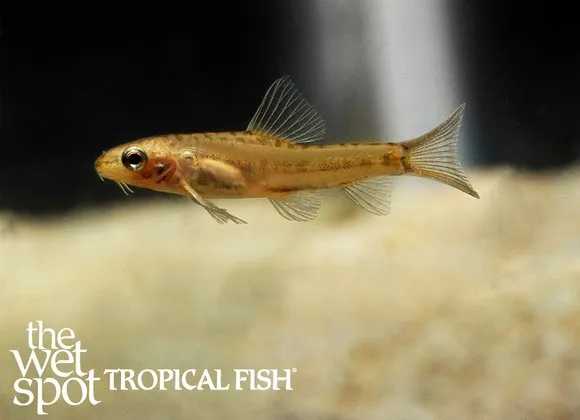
Care at a glance
- Temperature
- 68–77°F
- 20–25°C
- pH
- 6.5–7.8
- Adult size
- 1 in
- 2.5 cm
- Minimum tank
- 11 gal
- 40 L
- Temperament
- Peaceful
- Social behavior
- Social
- Swim level
- Bottom
- Difficulty
- Medium
- Breeding
- No record
- Rarity
- Rare
- Family
- Nemacheilidae
- Origin
- Myanmar
Overview
The mango loach is a true nano stone loach, small and peaceful enough for a mature little tank. It suits a keeper who has kept fish before.
Did you know
The mango loach really is named for the fruit. Its describers borrowed the fruit's name for the warm orange-red of mature males, a rare case of taxonomy simply saying what it saw.
Caring for the mango loach
Keep a small group of mango loaches in a mature, well-established tank of 11 gal (40 L) or more. Give them fine sand, smooth pebbles and a few plants for cover. They perch on pebbles and hop between stations along the bottom rather than swimming in open water.
Keep the water cool to middling, at 68 to 77°F (20 to 25°C) and a pH of 6.5 to 7.8. Filter gently, for soft flow rather than a torrent. Stable, clean, well-aged water matters, since a loach this tiny has little tolerance for swings.
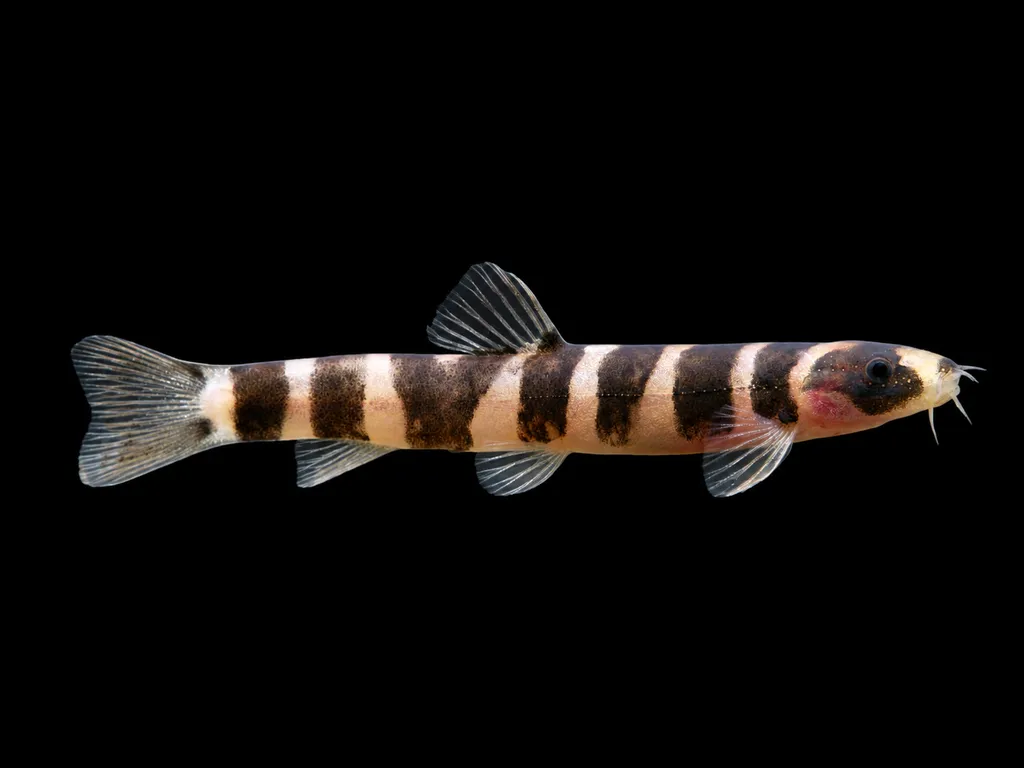
Feed the finest foods, such as baby brine shrimp, crushed flake and micro sinking granules. The mango loach is peaceful, so keep it with tiny tank mates such as microrasboras or small danios. Mature males show a bright orange-reddish body crossed by a dark stripe. Its aquarium breeding has not been recorded.
Good to know
Physoschistura mango is one of the smallest known stone loaches. Kevin Conway and Maurice Kottelat described it in 2023, and it belongs to the family Nemacheilidae.
In the wild
The mango loach comes from clear, gentle waters of Shan State in Myanmar. It is a small fish from small habitats.
Weekly picks
Tank mates
The mango loach is a peaceful, social species that keeps to the bottom. These picks share a community profile with it, are safe together in both directions, and overlap on water type, temperature and pH.
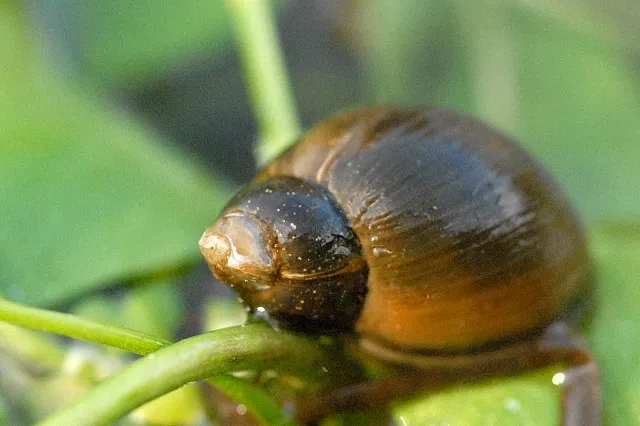
Wandering snail
Ampullaceana balthica
Freshwater0.8 in (2 cm) · 11 gal (40 L)50–84°F (10–29°C)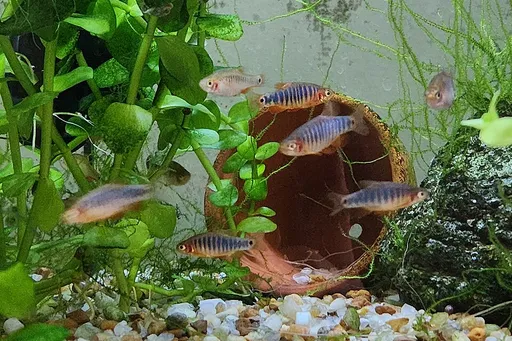
Emerald dwarf rasbora
Danio erythromicron
Freshwater0.8 in (2 cm) · 11 gal (40 L)68–75°F (20–24°C)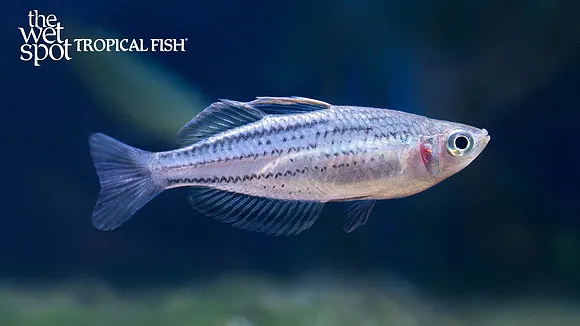
Green panchax
Aplocheilus blockii
Freshwater2 in (5 cm) · 11 gal (40 L)72–82°F (22–28°C)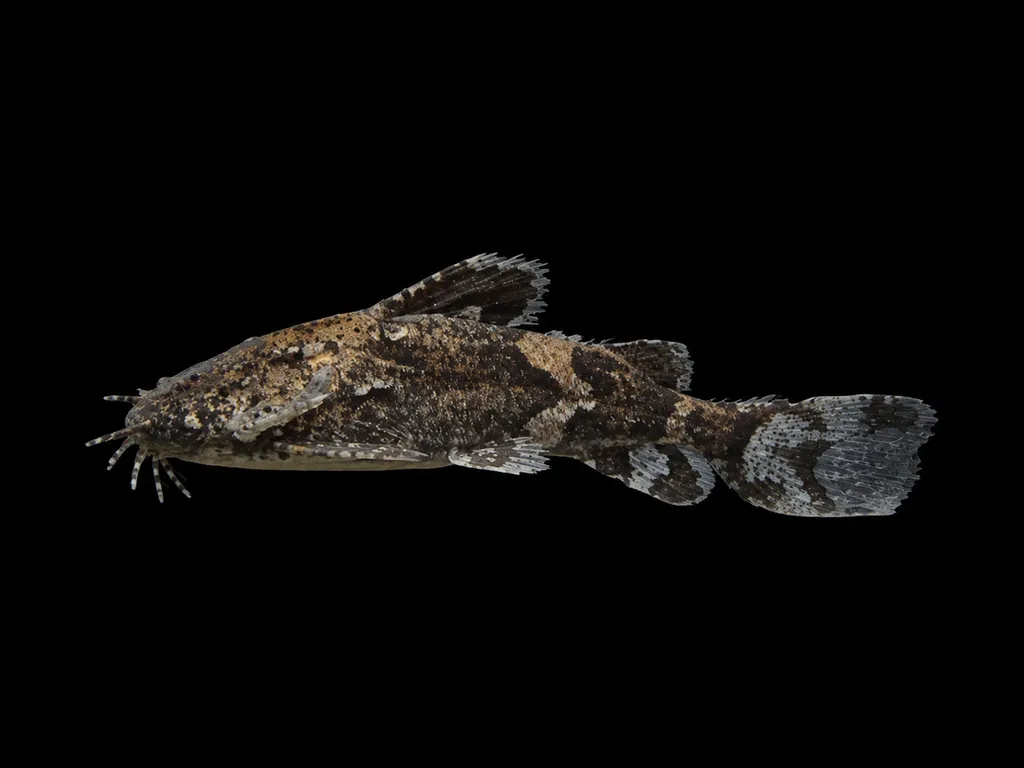
Burmese mini moth catfish
Hara minuscula
Freshwater1.2 in (3 cm) · 11 gal (40 L)68–79°F (20–26°C)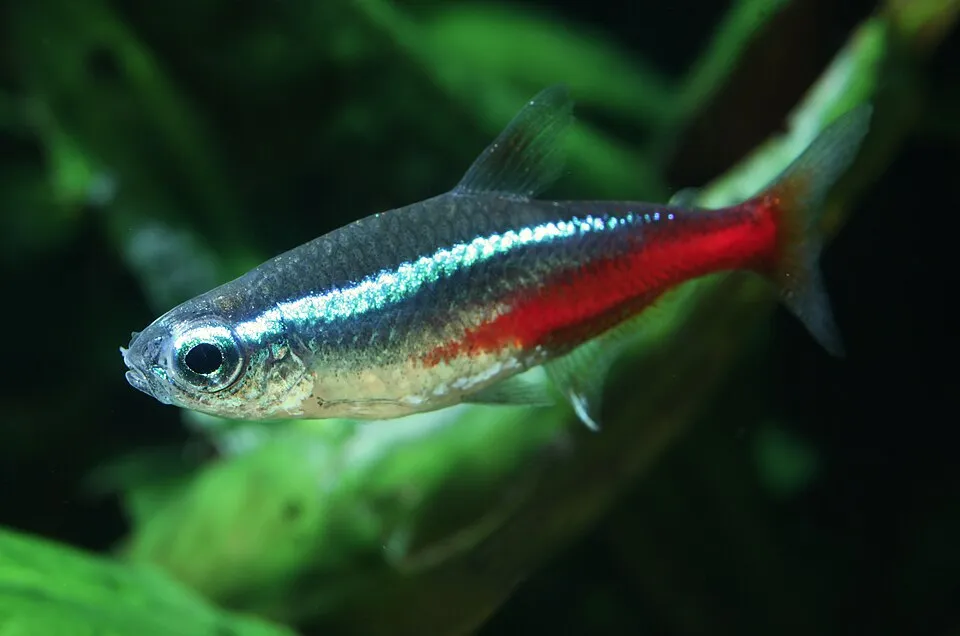
Neon tetra
Paracheirodon innesi
Freshwater1.5 in (3.8 cm) · 11 gal (40 L)70–77°F (21–25°C)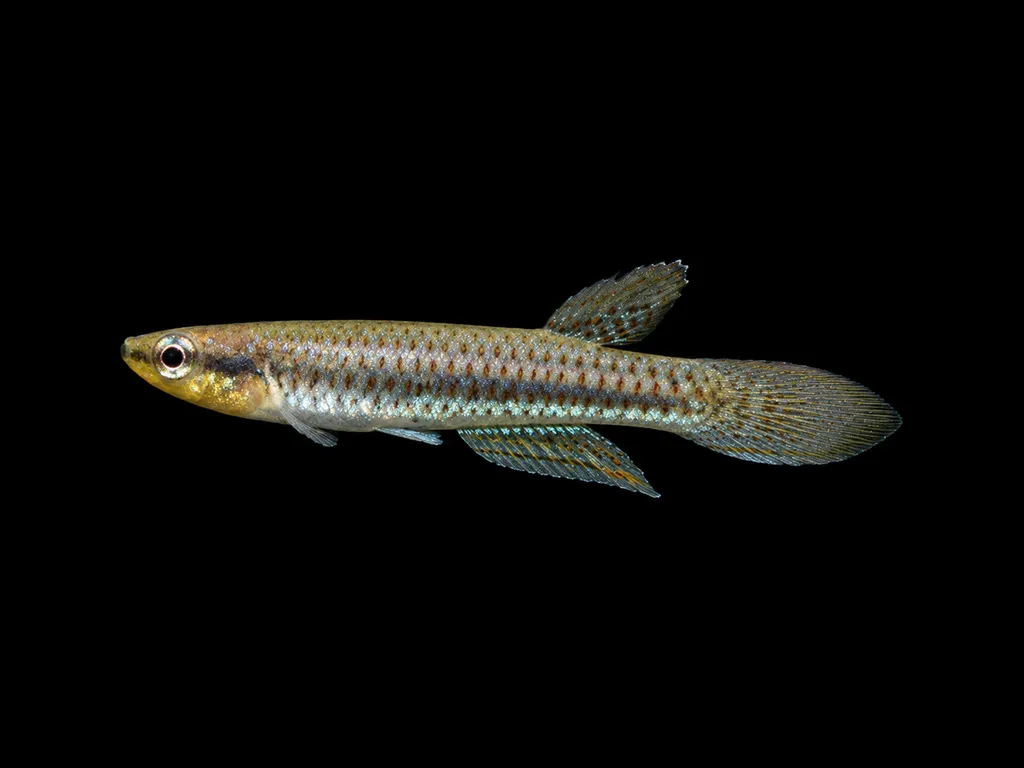
Dubois' panchax
Epiplatys duboisi
Freshwater1.4 in (3.5 cm) · 11 gal (40 L)68–77°F (20–25°C)
Common questions
What size tank does a mango loach need?
A mango loach needs at least 11 gal (40 L). It spends most of its time in the bottom.
What temperature and pH does a mango loach need?
A mango loach is comfortable at 68–77°F (20–25°C) with a pH of 6.5–7.8.
What does a mango loach eat?
A mango loach eats the finest foods, such as baby brine shrimp, crushed flake and micro sinking granules.
How big does a mango loach get?
An adult mango loach reaches about 1 in (2.5 cm).
How can you tell a male mango loach from a female?
Males show a bright orange-reddish body, crossed by a dark stripe, once they mature.
Related species
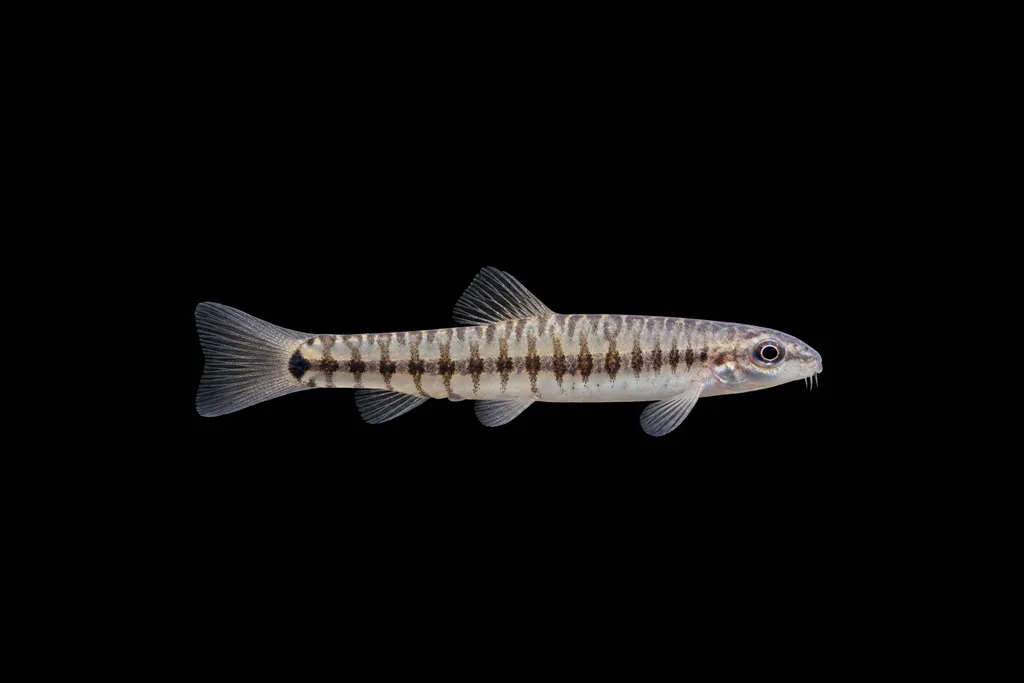
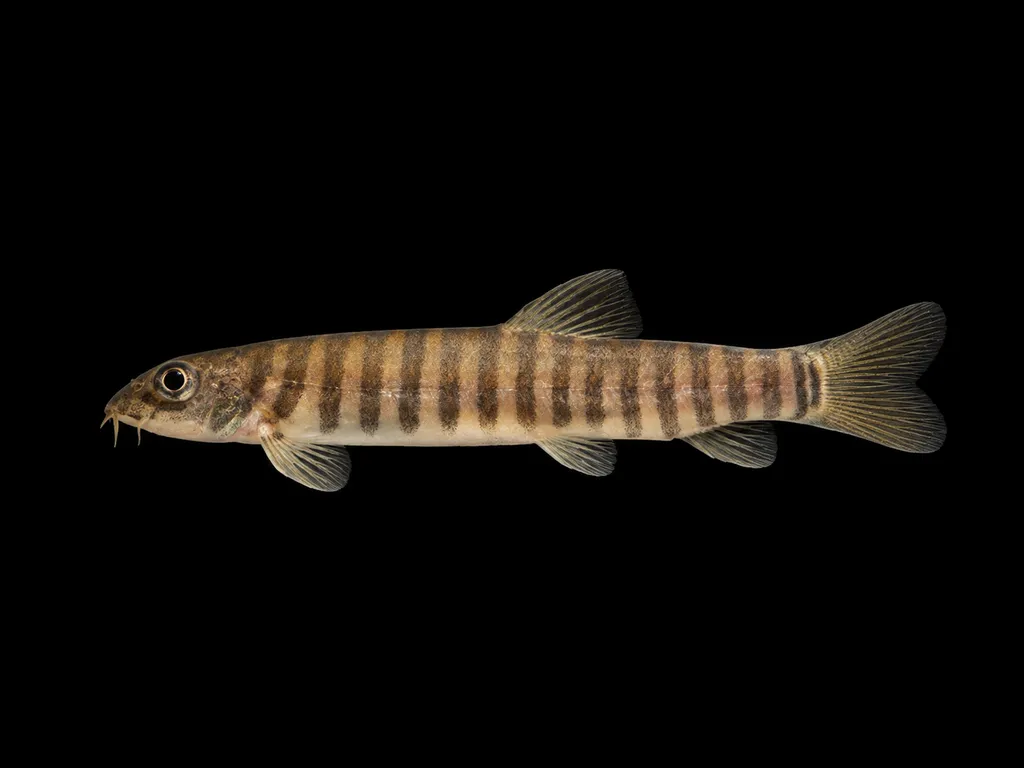 1.8 in (4.5 cm)14 gal (54 L)68–79°F (20–26°C)
Assam banded loach
Neonoemacheilus assamensis
1.8 in (4.5 cm) · 14 gal (54 L)
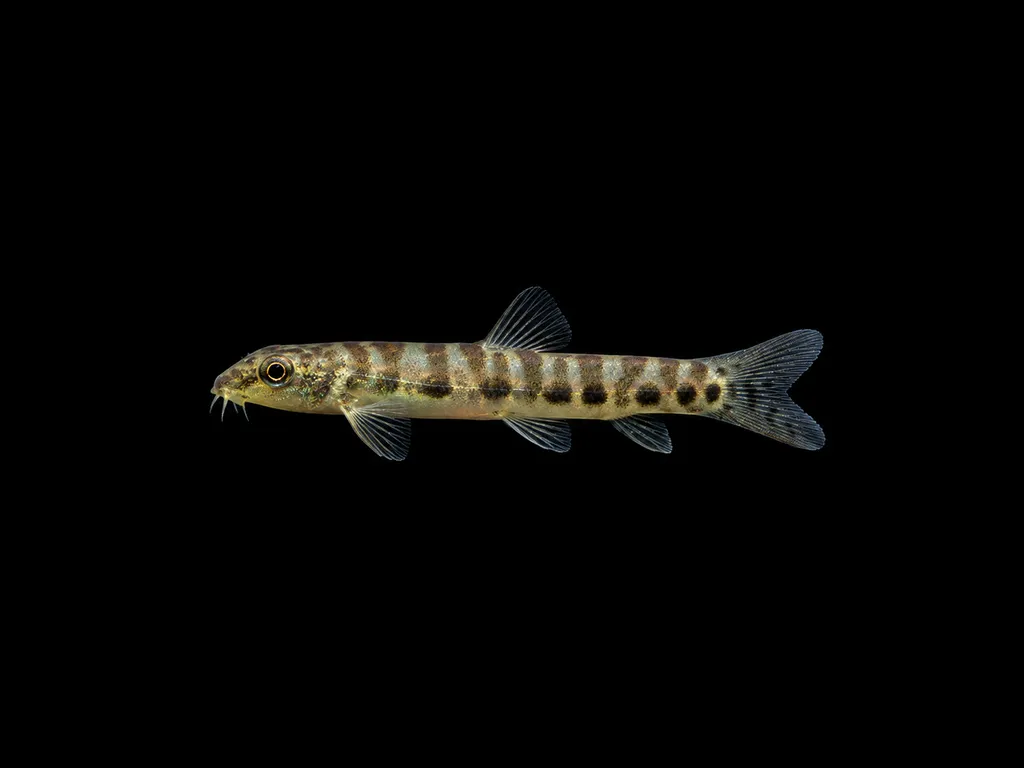
 2 in (5 cm)14 gal (54 L)64–75°F (18–24°C)
Mini zebra loach
Yunnanilus pulcherrimus
2 in (5 cm) · 14 gal (54 L)
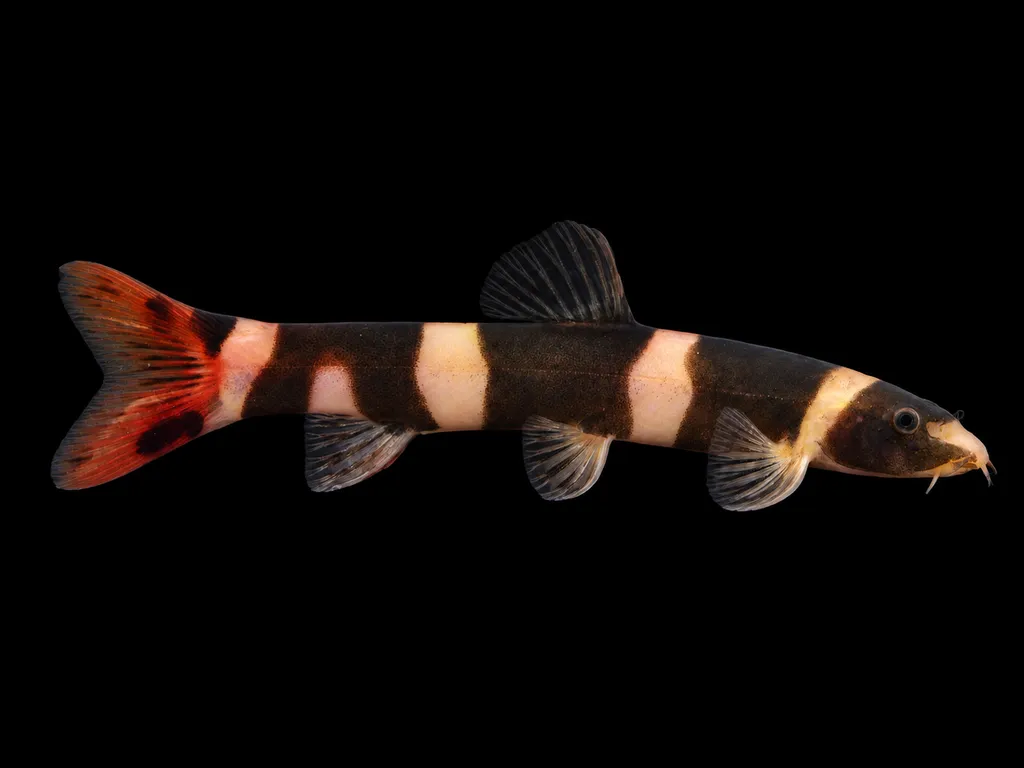
 2.4 in (6 cm)20 gal (75 L)68–79°F (20–26°C)
Thuttinjet stone loach
Nemacheilus stigmofasciatus
2.4 in (6 cm) · 20 gal (75 L)
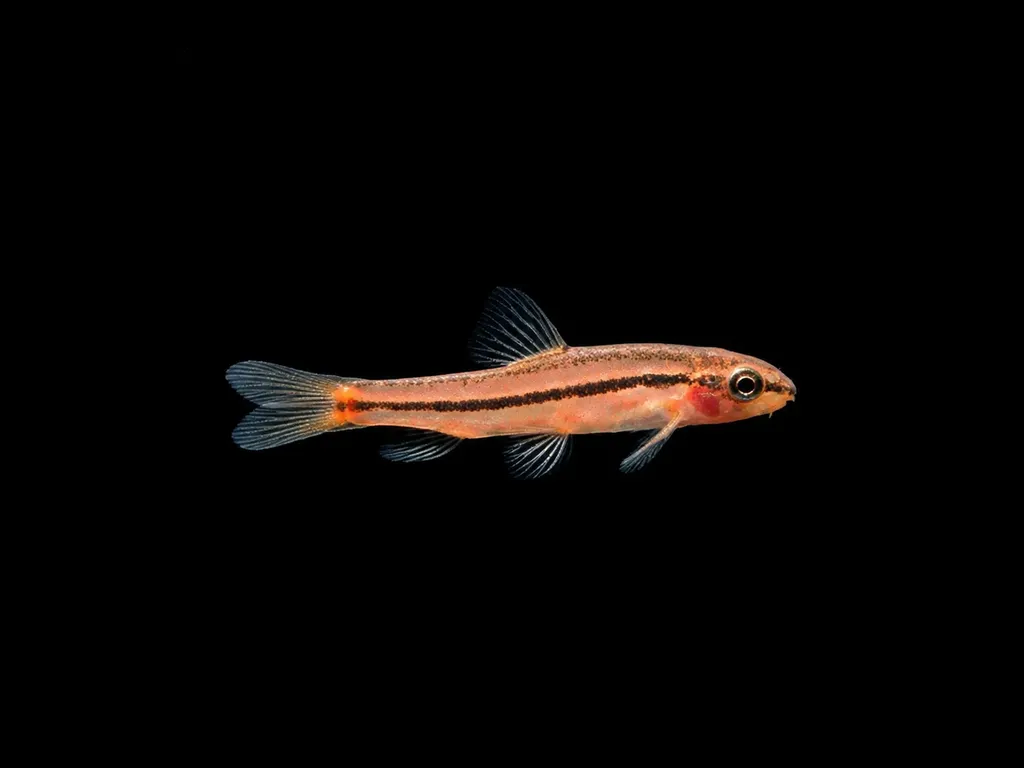
 2.6 in (6.5 cm)20 gal (75 L)73–81°F (23–27°C)
Barito loach
Kapuasia falaris
2.6 in (6.5 cm) · 20 gal (75 L)
 1.2 in (3 cm)14 gal (54 L)68–79°F (20–26°C)
Rosy loach
Petruichthys sp. 'rosy'
1.2 in (3 cm) · 14 gal (54 L)
 1.8 in (4.5 cm)14 gal (54 L)68–77°F (20–25°C)
Pridi loach
Schistura pridii
1.8 in (4.5 cm) · 14 gal (54 L)