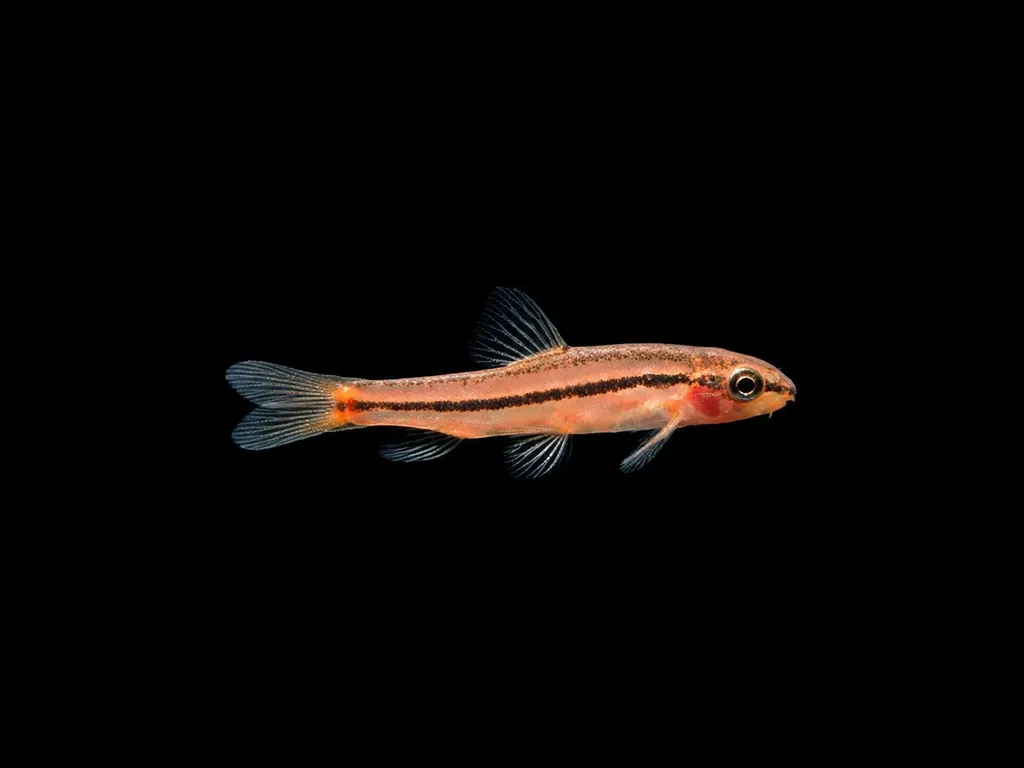
Rosy loach
Petruichthys sp. 'rosy'
Also known as Rosy botia, Dwarf rosy loach, Yunnanilus sp. rosy, Tuberoschistura arakanensis
FreshwaterFish
Care at a glance
- Temperature
- 68–79°F
- 20–26°C
- pH
- 6.5–8.0
- Adult size
- 1.2 in
- 3 cm
- Minimum tank
- 14 gal
- 54 L
- Temperament
- Peaceful
- Social behavior
- Shoaling
- Swim level
- Middle
- Difficulty
- Easy
- Breeding
- Hard
- Rarity
- Common
- Family
- Nemacheilidae
- Origin
- Native to shallow, weedy wetlands and slow streams of eastern Myanmar (Shan State) and northern Thailand, among dense marginal vegetation.
Overview
Keep a shoal of at least 8 to 10 in a tank of 54 litres or more at 20 to 26 C and pH 6.5 to 8.0. It is a micropredator, so feed small live and frozen foods like daphnia, moina, baby brine shrimp and microworm, plus finely crushed dry food. Peaceful and tiny, it pairs well with small rasboras, pygmy corydoras, shrimp and other nano fish, but larger or pushy tankmates will outcompete it at feeding time.
In the wild
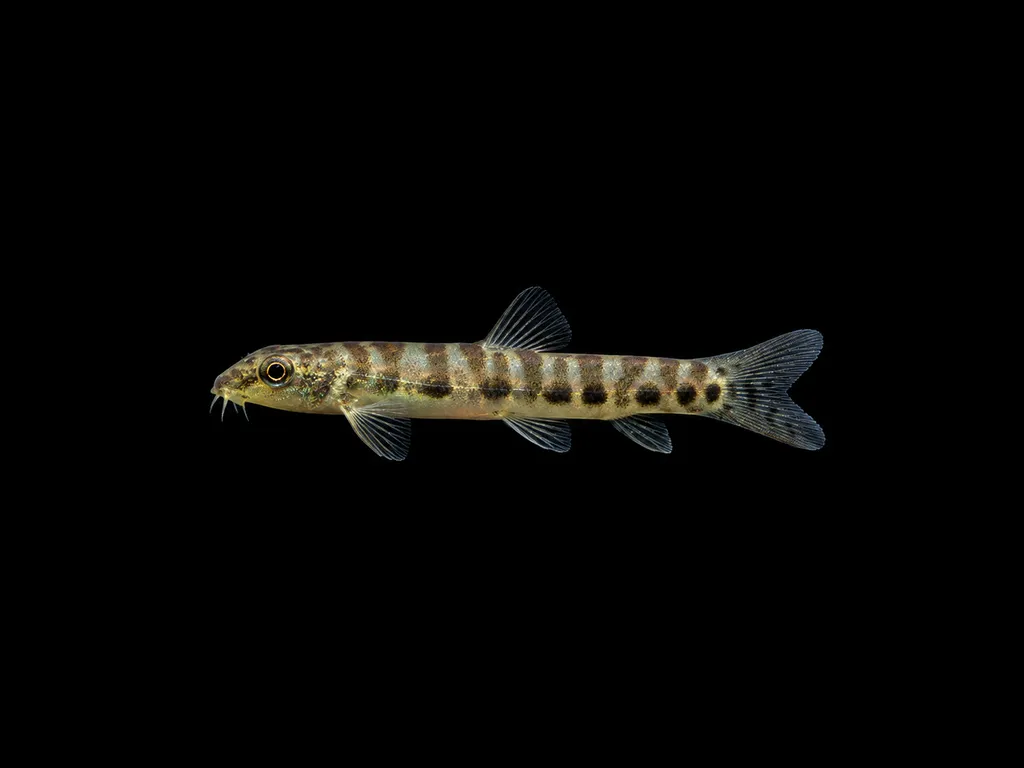
One of the smallest true loaches, topping out around 3 cm. Wild fish live in warm, still or slow-moving water thick with plants, so a mature planted tank with gentle flow and plenty of cover suits them well. They spend much of the day foraging in loose shoals rather than hiding on the bottom like most loaches. Soft to moderately hard water is fine as long as it is clean and stable.
Good to know
It has been shuffled through several genus names, first sold as Yunnanilus sp. 'rosy' and as Tuberoschistura arakanensis before landing in Petruichthys, and it was formally described in 2023 as Physoschistura mango. It belongs to the stone loach family Nemacheilidae rather than the botia loaches most hobbyists picture.
Did you know
Males flush a deeper rose red and display to each other when kept in a good-sized group, which is when the fish looks its best.
Weekly picks
Tank mates
Rosy loach is a peaceful, shoaling species that keeps to the middle. These picks share a community profile with it, are safe together in both directions, and overlap on water type, temperature and pH.
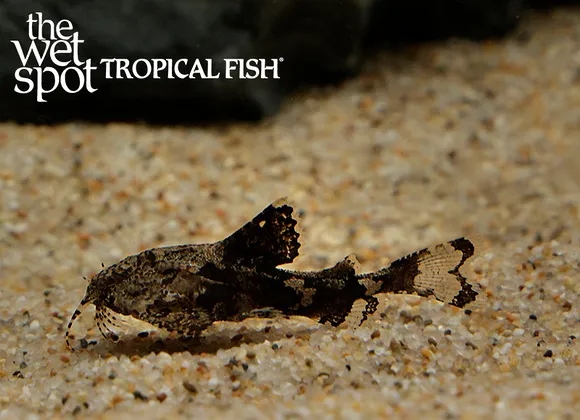
Butterfly hara catfish
Hara hara
Freshwater3.1 in (8 cm) · 14 gal (54 L)68–79°F (20–26°C)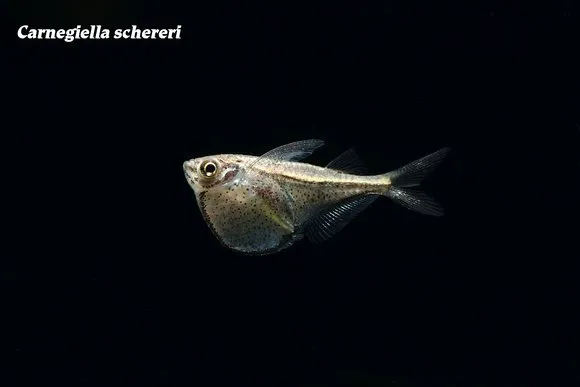
Scherer's hatchetfish
Carnegiella schereri
Freshwater1 in (2.6 cm) · 14 gal (54 L)73–82°F (23–28°C)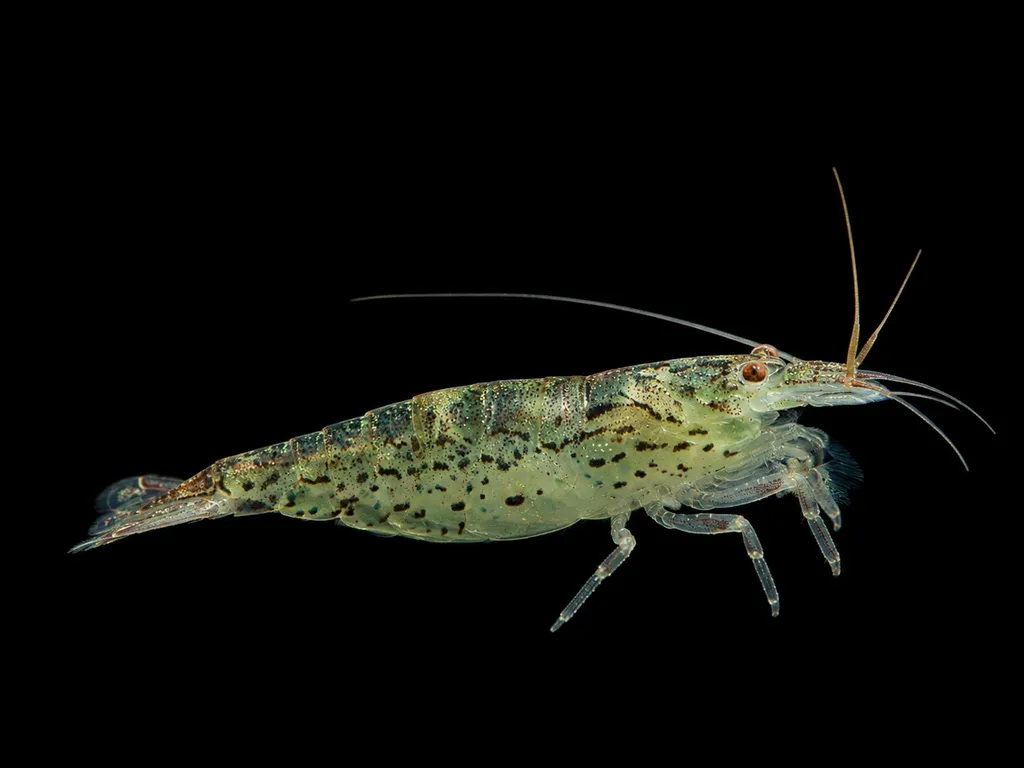
Green lace shrimp
Atyoida pilipes
Freshwater2.8 in (7 cm) · 14 gal (54 L)73–82°F (23–28°C)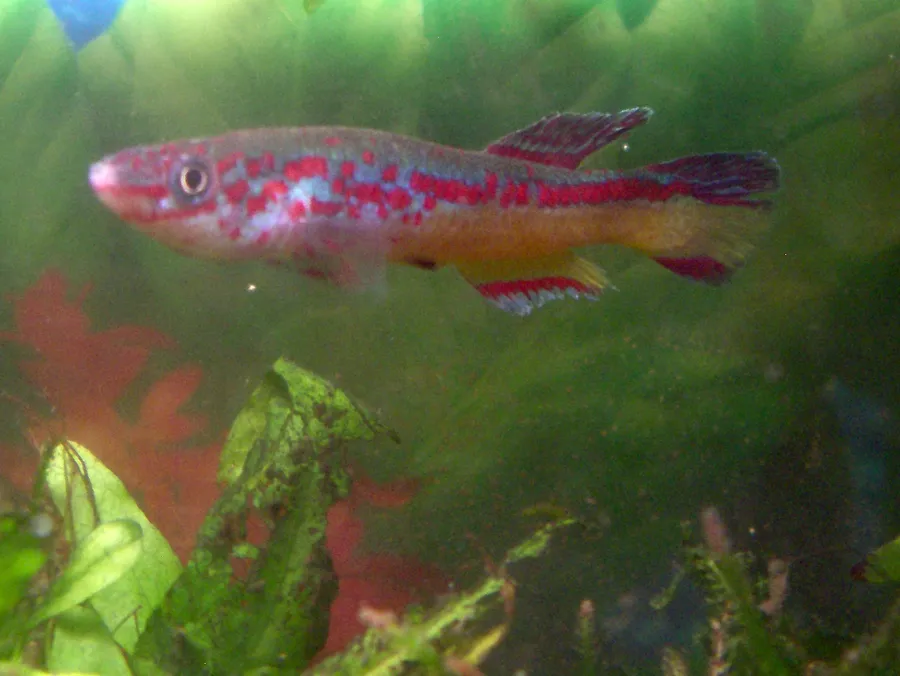
Amiet's lyretail
Fundulopanchax amieti
Freshwater2.8 in (7 cm) · 14 gal (54 L)68–77°F (20–25°C)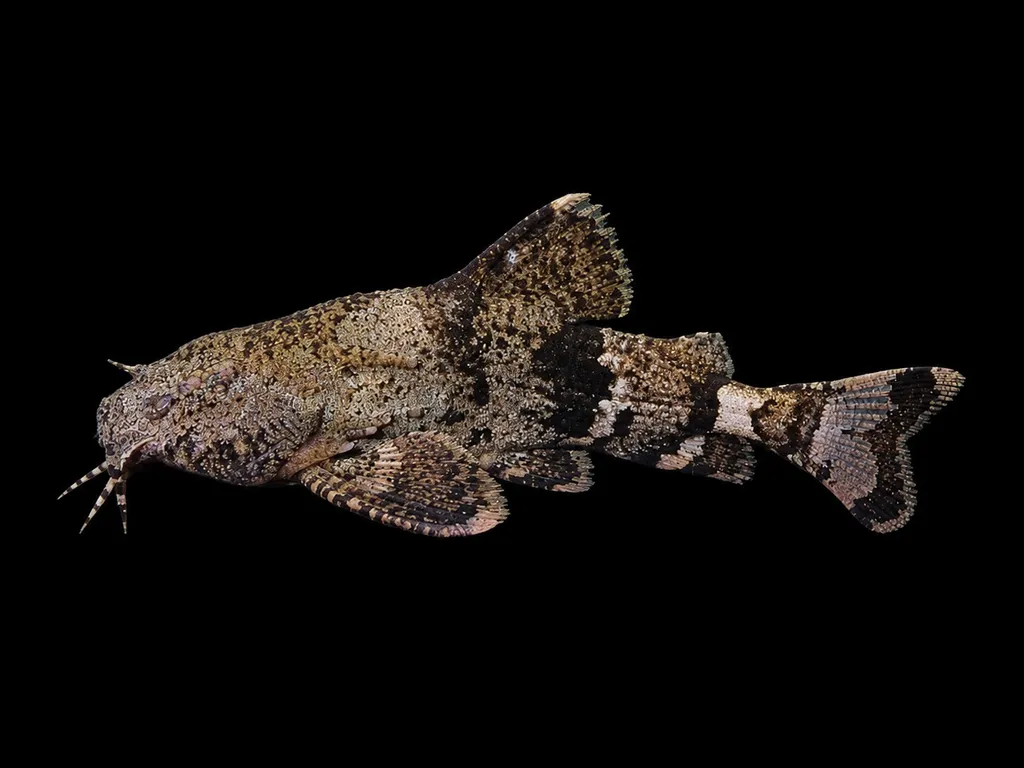
Elongate moth catfish
Hara horai
Freshwater3.1 in (8 cm) · 14 gal (54 L)68–79°F (20–26°C)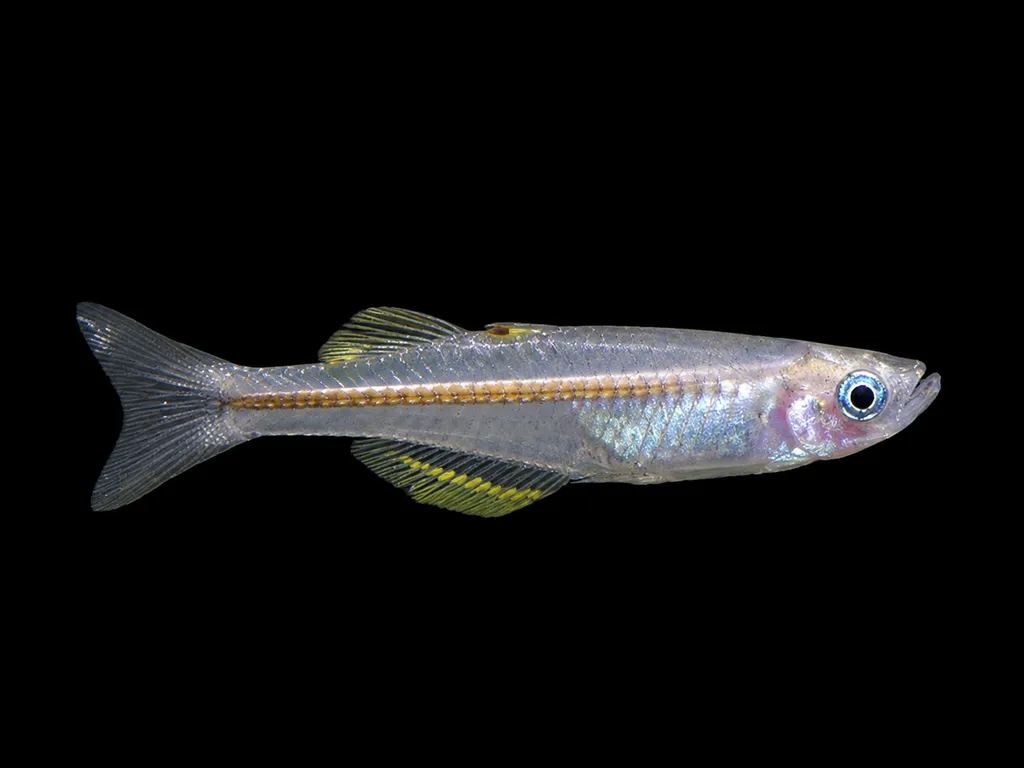
New Guinea blue-eye
Pseudomugil novaeguineae
Freshwater1.8 in (4.5 cm) · 15 gal (55 L)79–86°F (26–30°C)
Common questions
What size tank does a Rosy loach need?
A Rosy loach needs at least 14 gal (54 L). It spends most of its time in the middle.
What temperature and pH does a Rosy loach need?
A Rosy loach is comfortable at 68–79°F (20–26°C) with a pH of 6.5–8.0.
How big does a Rosy loach get?
An adult Rosy loach reaches about 1.2 in (3 cm).
Does a Rosy loach need a group?
Yes. A Rosy loach is a shoaling species and should be kept in a group, not singly.
Related species
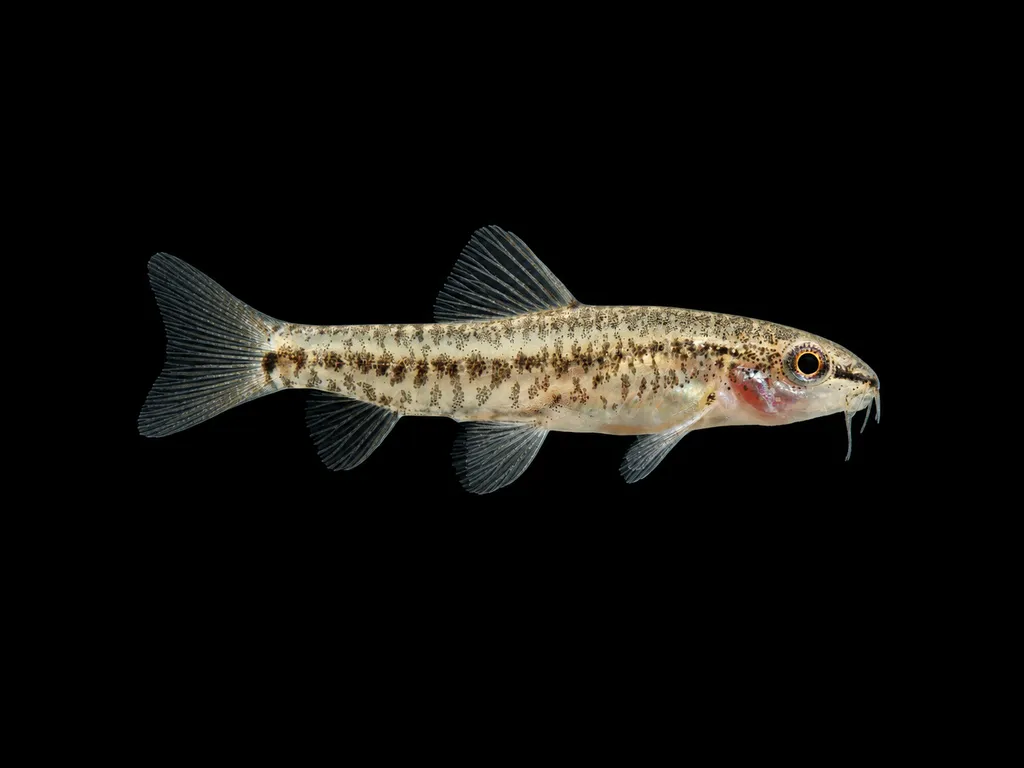
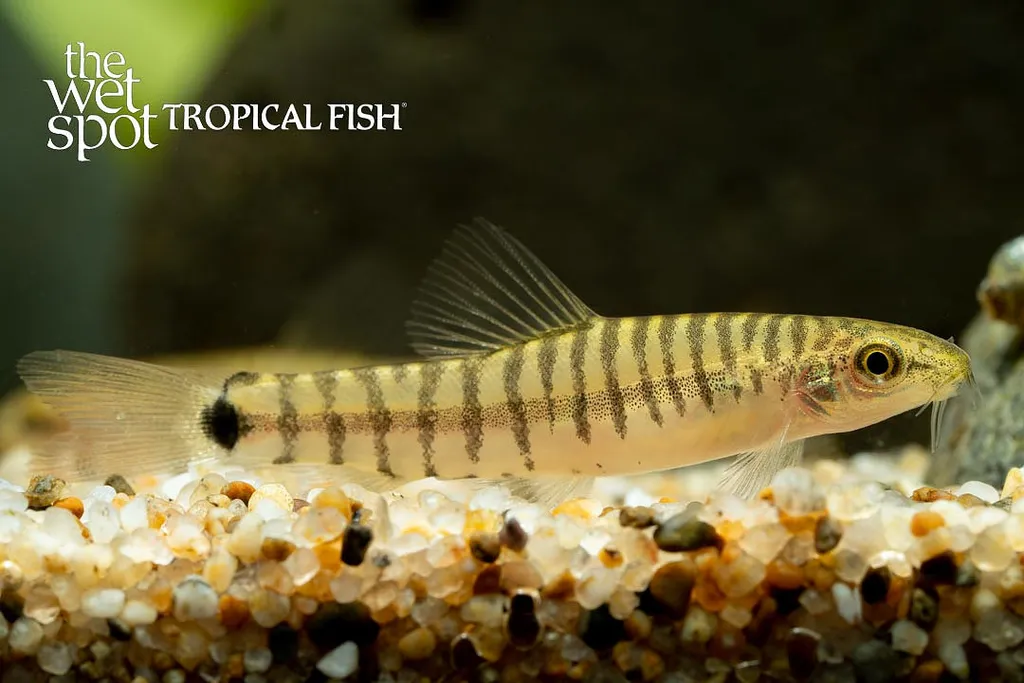 1.6 in (4 cm)14 gal (54 L)68–77°F (20–25°C)
Cross loach
Micronemacheilus cruciatus
1.6 in (4 cm) · 14 gal (54 L)
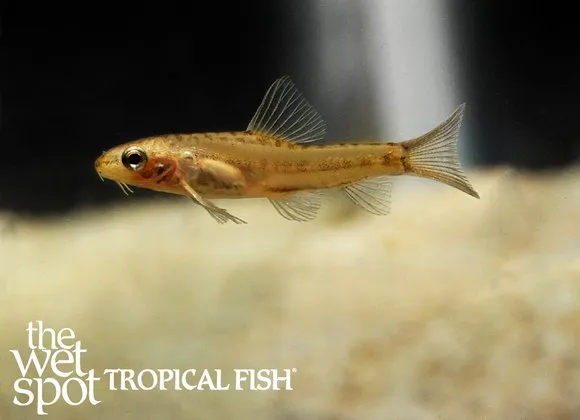
 2.6 in (6.5 cm)20 gal (75 L)68–79°F (20–26°C)
Inle loach
Yunnanilus brevis
2.6 in (6.5 cm) · 20 gal (75 L)
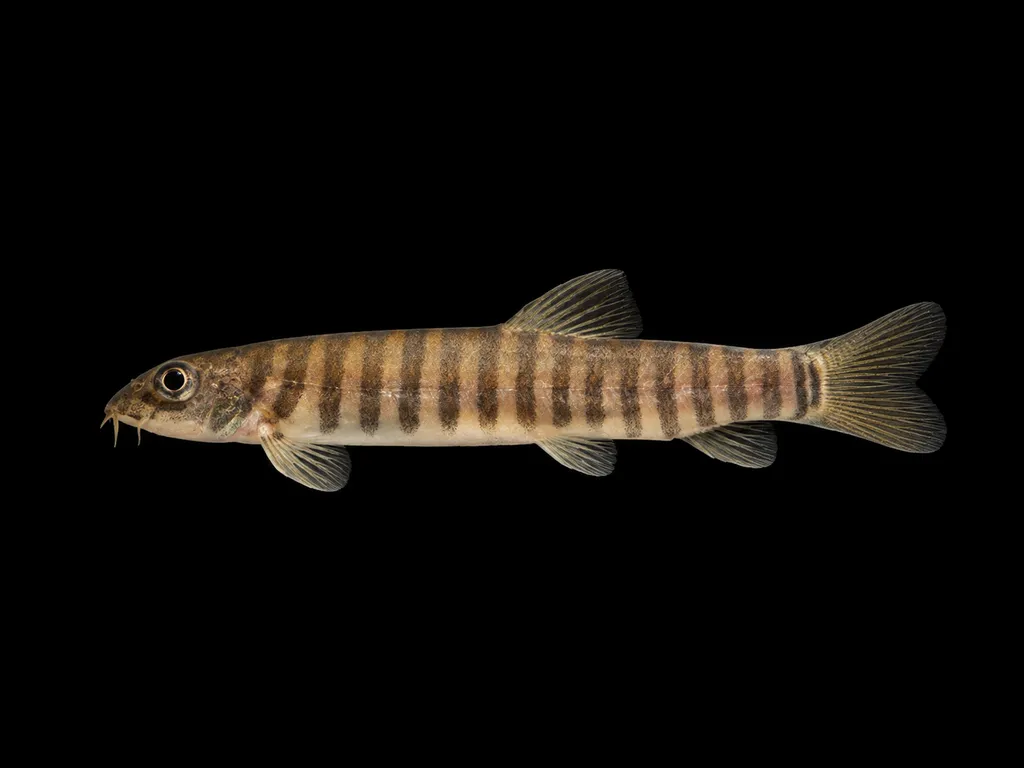
 1 in (2.5 cm)11 gal (40 L)68–77°F (20–25°C)
Mango loach
Physoschistura mango
1 in (2.5 cm) · 11 gal (40 L)
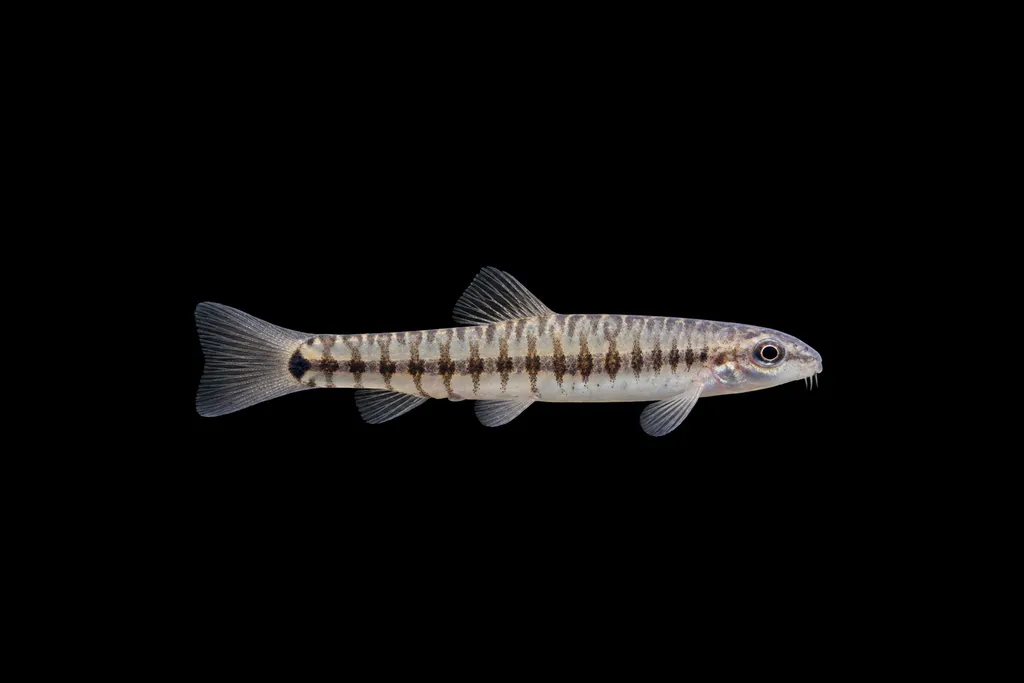
 1.8 in (4.5 cm)14 gal (54 L)68–79°F (20–26°C)
Assam banded loach
Neonoemacheilus assamensis
1.8 in (4.5 cm) · 14 gal (54 L)
 2 in (5 cm)14 gal (54 L)64–75°F (18–24°C)
Mini zebra loach
Yunnanilus pulcherrimus
2 in (5 cm) · 14 gal (54 L)
 2.4 in (6 cm)20 gal (75 L)68–79°F (20–26°C)
Thuttinjet stone loach
Nemacheilus stigmofasciatus
2.4 in (6 cm) · 20 gal (75 L)