Thuttinjet stone loach
Nemacheilus stigmofasciatus
Also known as Marked-band stone loach
FreshwaterFish
Care at a glance
- Temperature
- 68–79°F
- 20–26°C
- pH
- 6.5–7.5
- Adult size
- 2.4 in
- 6 cm
- Minimum tank
- 20 gal
- 75 L
- Temperament
- Peaceful
- Social behavior
- Social
- Swim level
- Bottom
- Difficulty
- Medium
- Breeding
- No record
- Rarity
- Rare
- Family
- Nemacheilidae
- Origin
- Western Ghats streams, Karnataka, India
Overview
The Thuttinjet stone loach is a small, busy bottom dweller for a tank with fast, clean water. It is a step up from a beginner fish.
Did you know
The Thuttinjet stone loach takes its name straight from the map. Thuttinjet is the village and stream in coastal Karnataka where it was first collected. So far, it is the only place the loach has ever been found.
Caring for the Thuttinjet stone loach
Give the Thuttinjet stone loach a tank of 20 gal (75 L) or more, since it needs room to patrol. Lay an open floor of sand and gravel with scattered water-worn stones. Keep that floor clean, which suits the fish and shows off its banded pattern.
Keep the water at 68 to 79°F (20 to 26°C) with a pH of 6.5 to 7.5. Run a brisk, steady current and keep oxygen high. It spends the day working the substrate, sifting and tasting for food. Feed sinking granules, frozen bloodworm, daphnia and similar small foods.
The Thuttinjet stone loach is peaceful and social, and it does fine alone or in a group. A group spreads out over the open floor and interacts without real friction. Pair it with other calm, current-loving stream fish rather than slow or nippy tank mates. It has not been recorded breeding in tanks.
Good to know
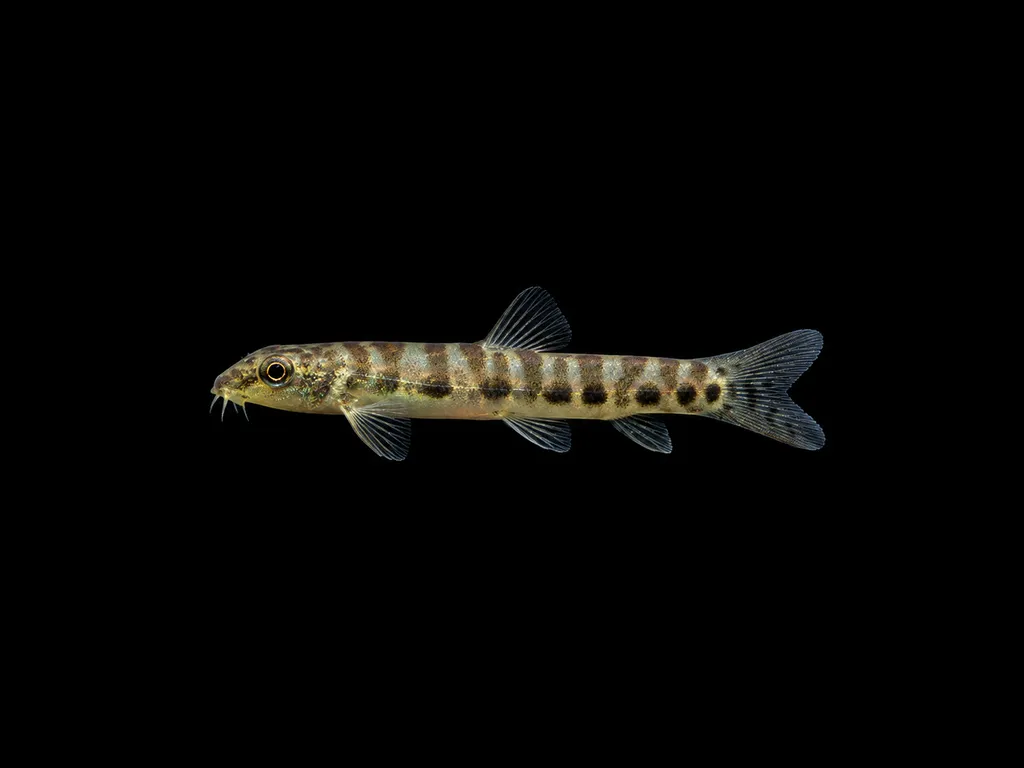
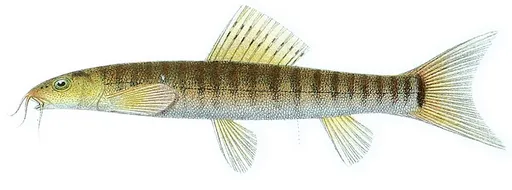
The Thuttinjet stone loach, Nemacheilus stigmofasciatus, belongs to the family Nemacheilidae. It wears a row of dark bands and blotches over a pale gold body. It was described only in 2009, from the Seethanathi River.
In the wild
The Thuttinjet stone loach lives in a fast-flowing stream in the Western Ghats of Karnataka, India. The river is rocky and drops through cascades and pools over pebbles and boulders.
Weekly picks
Tank mates
The Thuttinjet stone loach is a peaceful, social species that keeps to the bottom. These picks share a community profile with it, are safe together in both directions, and overlap on water type, temperature and pH.
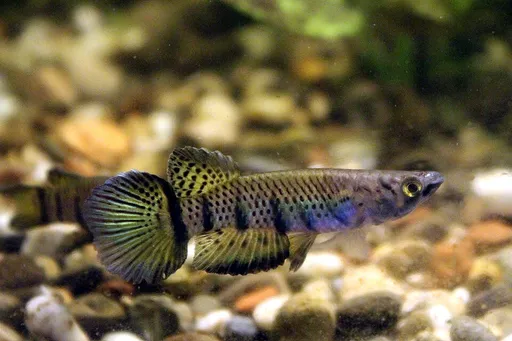
Six-barred panchax
Epiplatys sexfasciatus
Freshwater3.9 in (10 cm) · 20 gal (75 L)72–81°F (22–27°C)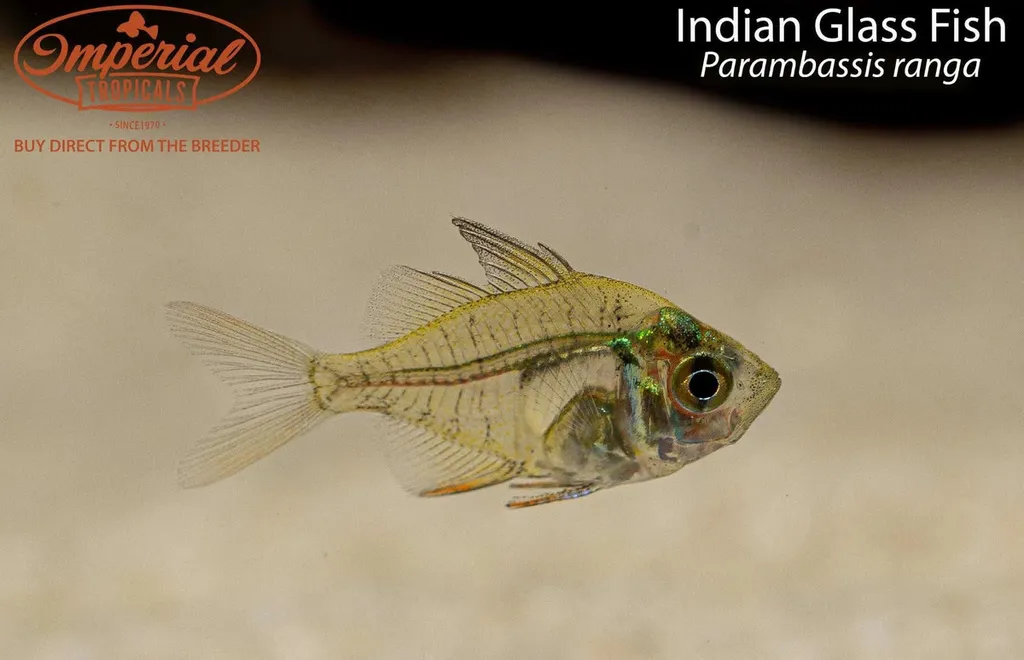
Indian glassy fish
Parambassis ranga
Freshwater3.1 in (8 cm) · 20 gal (75 L)68–86°F (20–30°C)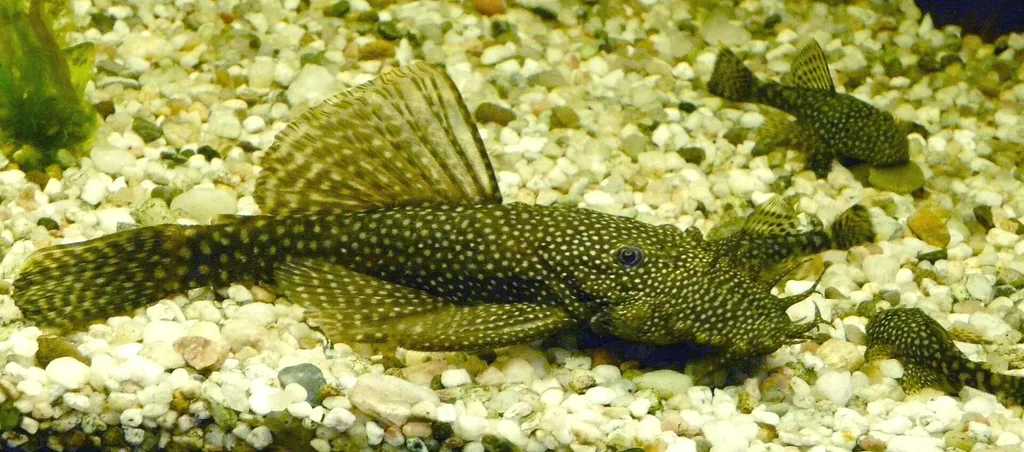
Bristlenose pleco
Ancistrus sp.
Freshwater4.9 in (12.5 cm) · 20 gal (75 L)70–79°F (21–26°C)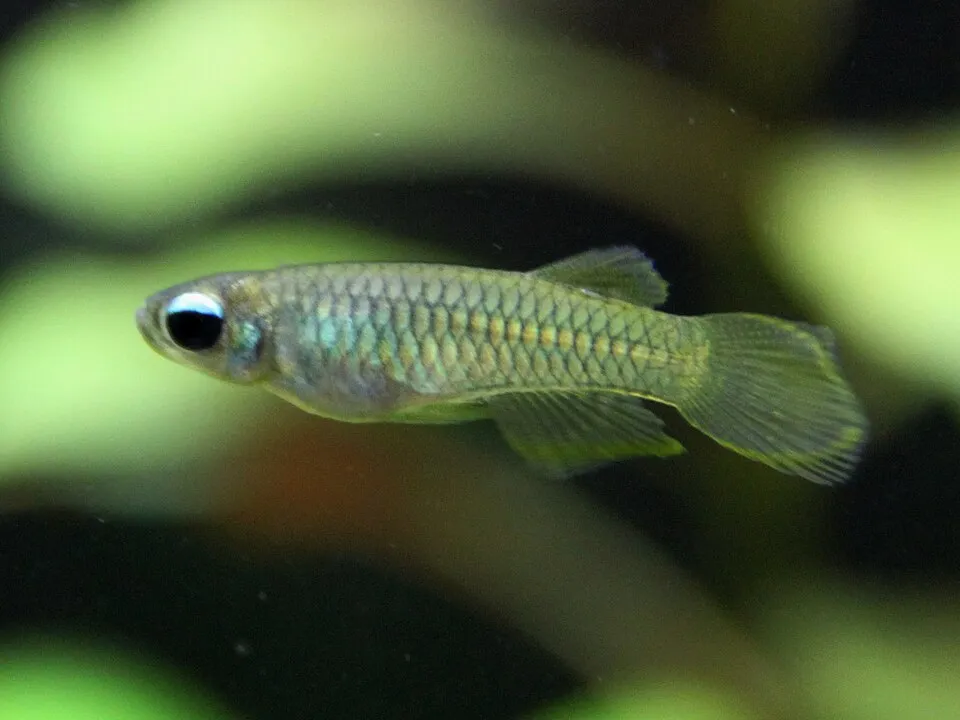
Norman's lampeye
Poropanchax normani
Freshwater1.6 in (4 cm) · 20 gal (75 L)72–79°F (22–26°C)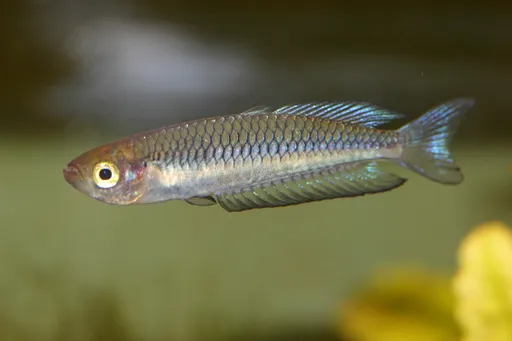
Ornate rainbowfish
Rhadinocentrus ornatus
Freshwater2.4 in (6 cm) · 20 gal (75 L)64–82°F (18–28°C)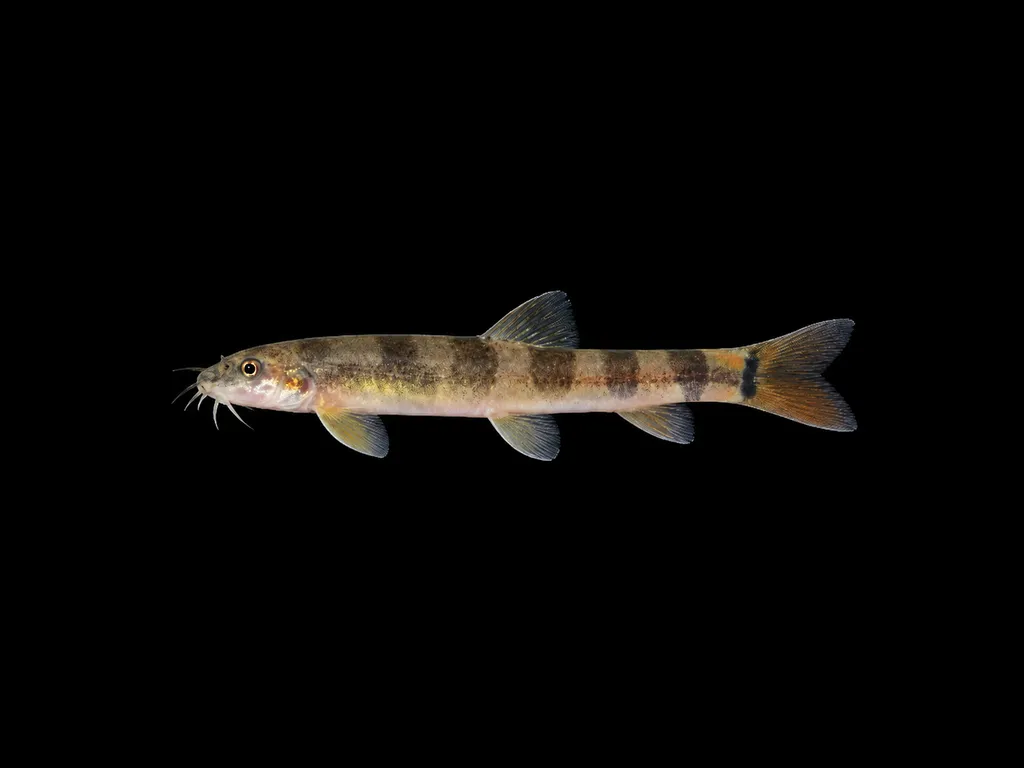
Aizawl loach
Schistura aizawlensis
Freshwater2.4 in (6 cm) · 20 gal (75 L)68–79°F (20–26°C)
Common questions
What size tank does a Thuttinjet stone loach need?
A Thuttinjet stone loach needs at least 20 gal (75 L). It spends most of its time in the bottom.
What temperature and pH does a Thuttinjet stone loach need?
A Thuttinjet stone loach is comfortable at 68–79°F (20–26°C) with a pH of 6.5–7.5.
What does a Thuttinjet stone loach eat?
A Thuttinjet stone loach eats sinking granules, frozen bloodworm, daphnia and similar small foods. It spends the day sifting the substrate for food.
How big does a Thuttinjet stone loach get?
An adult Thuttinjet stone loach reaches about 2.4 in (6 cm).
Related species
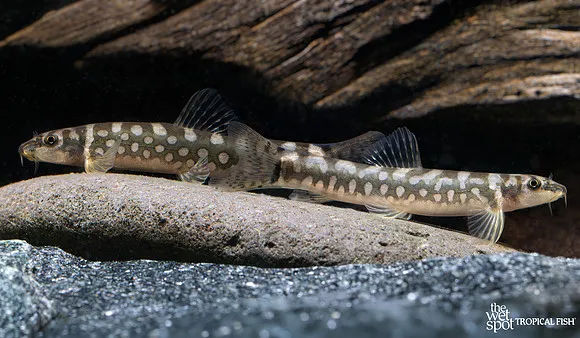 2.6 in (6.7 cm)20 gal (75 L)68–79°F (20–26°C)
Guenther's zipper loach
Nemacheilus guentheri
2.6 in (6.7 cm) · 20 gal (75 L)
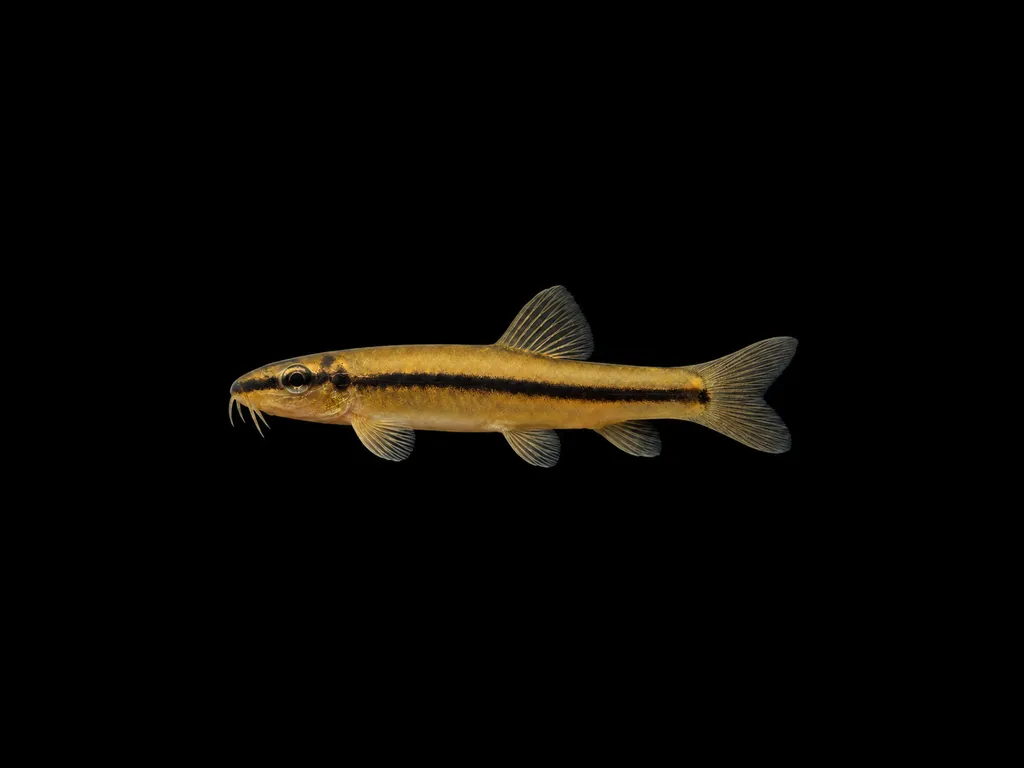 2.8 in (7 cm)24 gal (90 L)72–81°F (22–27°C)
Twin-spot loach
Nemacheilus binotatus
2.8 in (7 cm) · 24 gal (90 L)
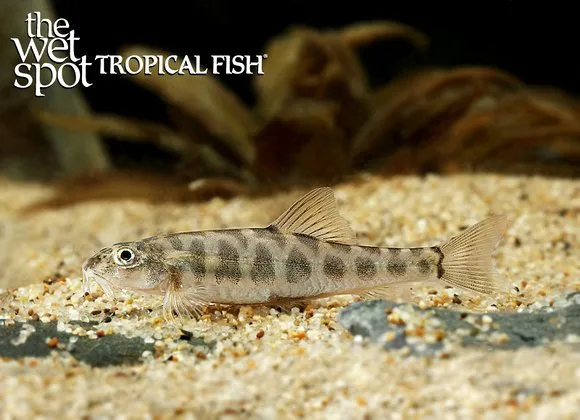 2 in (5 cm)20 gal (75 L)68–79°F (20–26°C)
Corica loach
Nemacheilus corica
2 in (5 cm) · 20 gal (75 L)
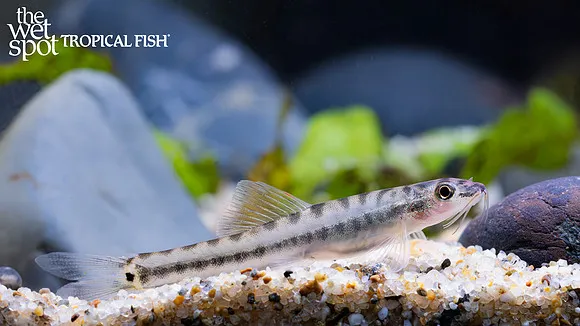 2 in (5 cm)20 gal (75 L)72–79°F (22–26°C)
Ornate stone loach
Nemacheilus ornatus
2 in (5 cm) · 20 gal (75 L)
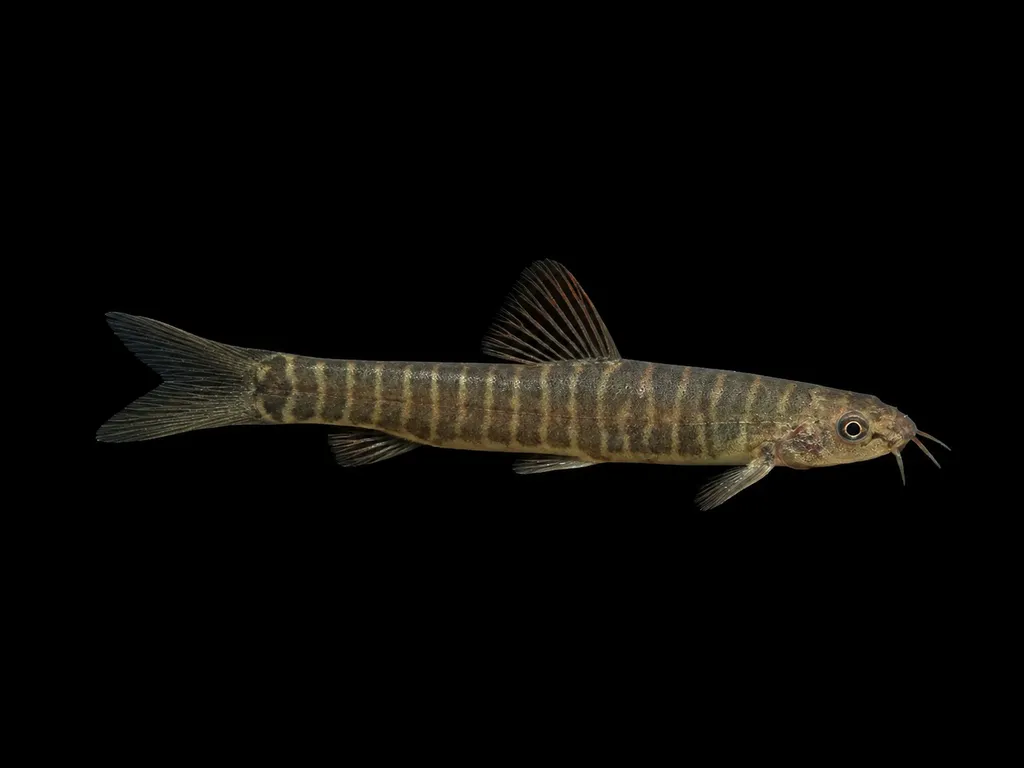 2.9 in (7.3 cm)24 gal (90 L)72–81°F (22–27°C)
Flathead loach
Nemacheilus platiceps
2.9 in (7.3 cm) · 24 gal (90 L)
 3.1 in (8 cm)24 gal (90 L)68–77°F (20–25°C)
Barred loach
Nemacheilus fasciatus
3.1 in (8 cm) · 24 gal (90 L)