Barred loach
Nemacheilus fasciatus
Also known as Banded loach, Cobitis fasciata, Vietnam Red Tail Zebra Loach
FreshwaterFish
Care at a glance
- Temperature
- 68–77°F
- 20–25°C
- pH
- 6.0–7.5
- Adult size
- 3.1 in
- 8 cm
- Minimum tank
- 24 gal
- 90 L
- Temperament
- Mostly peaceful
- Social behavior
- Social
- Swim level
- Bottom
- Diet
- Omnivore
- Difficulty
- Medium
- Breeding
- No record
- Rarity
- Rare
- Family
- Nemacheilidae
- Origin
- Native to clear mountain streams of Java, Sumatra and Borneo in Indonesia, over gravel and sand in flowing water.
Overview
The barred loach is a slender stream loach that spends its day working the bottom for small food items. It takes a little more care than the easiest fish.
Did you know
The barred loach sifts mouthfuls of sand for food and passes the grains out through its gills.
Caring for the barred loach
Keep a group of barred loaches in a tank of at least 24 gal (90 L) with sand and rockwork. A soft sand bed keeps them busy and healthy, since they sift the sand for food.
They want clean, oxygen-rich water with some flow, at 68 to 77°F (20 to 25°C) and a pH of 6.0 to 7.5. The barred loach is an omnivore and bottom sifter, so feed sinking foods, frozen bloodworm, daphnia and brine shrimp.
It is generally peaceful but mildly territorial. It suits cool community tanks with danios, barbs and other stream fish.
Good to know
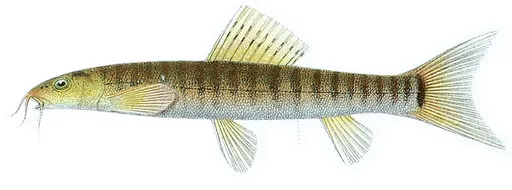
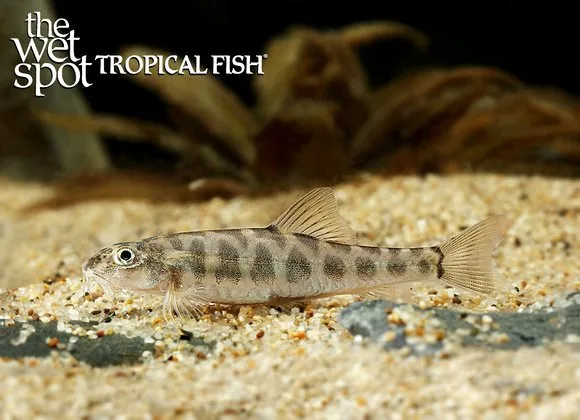
The barred loach sits in the stone loach family Nemacheilidae and was first described as Cobitis fasciata in 1846. It is patterned with a row of dark vertical bars along a pale body, and it is also known as the banded loach. Studies of its oxygen use show it is sensitive to warm, low-oxygen water, in keeping with its cool upland home.
In the wild
The barred loach is native to clear mountain streams of Java, Sumatra and Borneo in Indonesia. These cool, quiet streams run over gravel and sand.
Weekly picks
Tank mates
The barred loach is a mostly peaceful, social species that keeps to the bottom. These picks share a community profile with it, are safe together in both directions, and overlap on water type, temperature and pH.
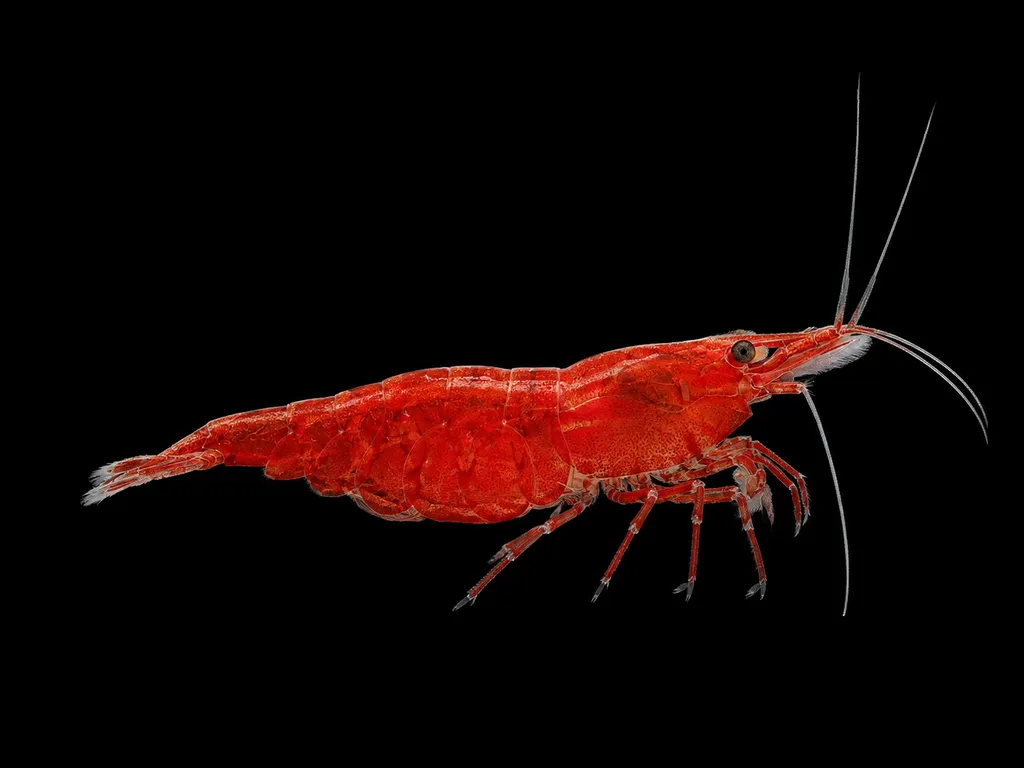
Neocaridina shrimp
Neocaridina davidi
Freshwater1.6 in (4 cm) · 5 gal (19 L)59–84°F (15–29°C)
Guppy
Poecilia reticulata
FreshwaterBrackish2.4 in (6 cm) · 10 gal (38 L)64–82°F (18–28°C)
Neon tetra
Paracheirodon innesi
Freshwater1.5 in (3.8 cm) · 11 gal (40 L)70–77°F (21–25°C)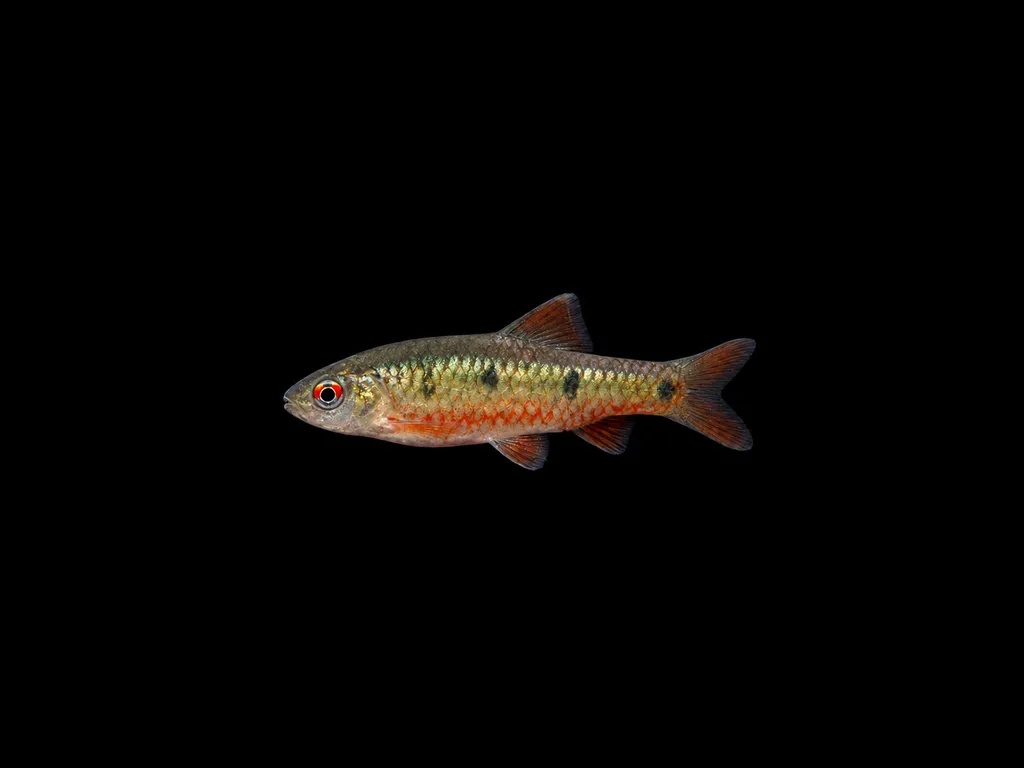
Taiwan barb
Puntius snyderi
Freshwater3.1 in (8 cm) · 24 gal (90 L)61–77°F (16–25°C)Siamese flying barb
Laubuka siamensis
Freshwater2.6 in (6.5 cm) · 24 gal (90 L)72–81°F (22–27°C)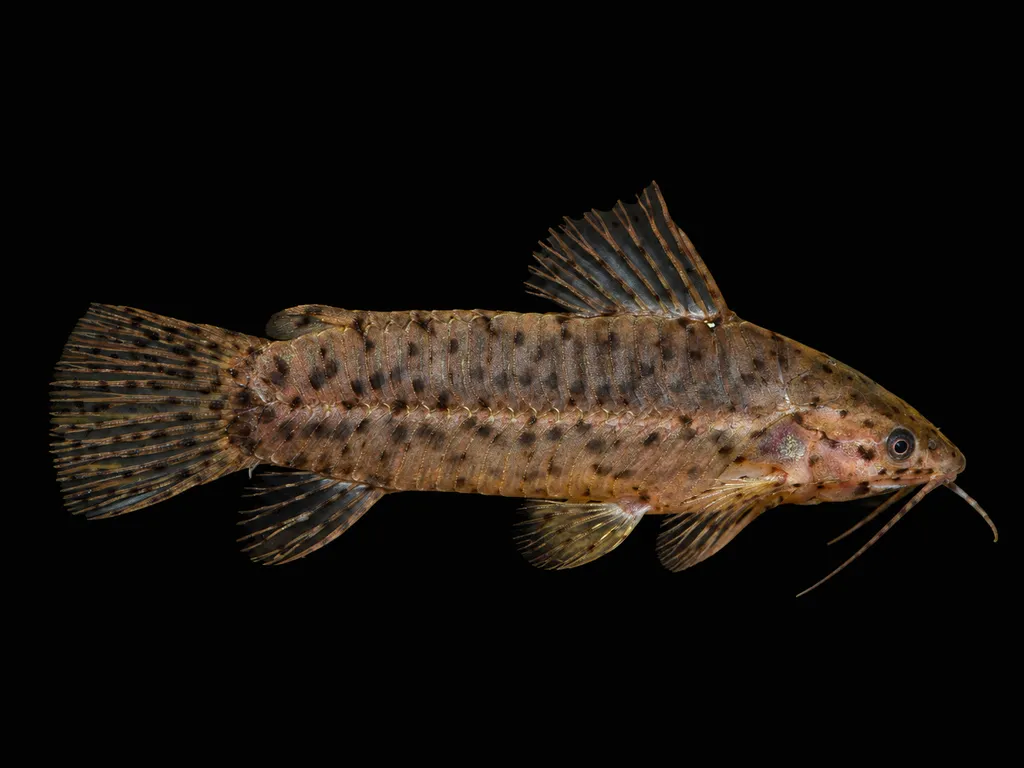
Dwarf hoplo
Lepthoplosternum pectorale
Freshwater2.6 in (6.5 cm) · 24 gal (90 L)68–75°F (20–24°C)
Common questions
What size tank does a barred loach need?
A barred loach needs at least 24 gal (90 L). It spends most of its time in the bottom.
What temperature and pH does a barred loach need?
A barred loach is comfortable at 68–77°F (20–25°C) with a pH of 6.0–7.5.
What does a barred loach eat?
A barred loach is an omnivore that sifts the bottom for food. It eats sinking foods, frozen bloodworm, daphnia and brine shrimp.
How big does a barred loach get?
An adult barred loach reaches about 3.1 in (8 cm).
Related species
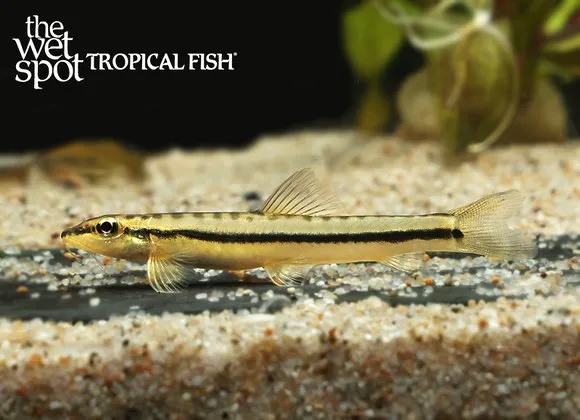 3.1 in (8 cm)24 gal (90 L)72–79°F (22–26°C)
Silverbelly loach
Nemacheilus argyrogaster
3.1 in (8 cm) · 24 gal (90 L)
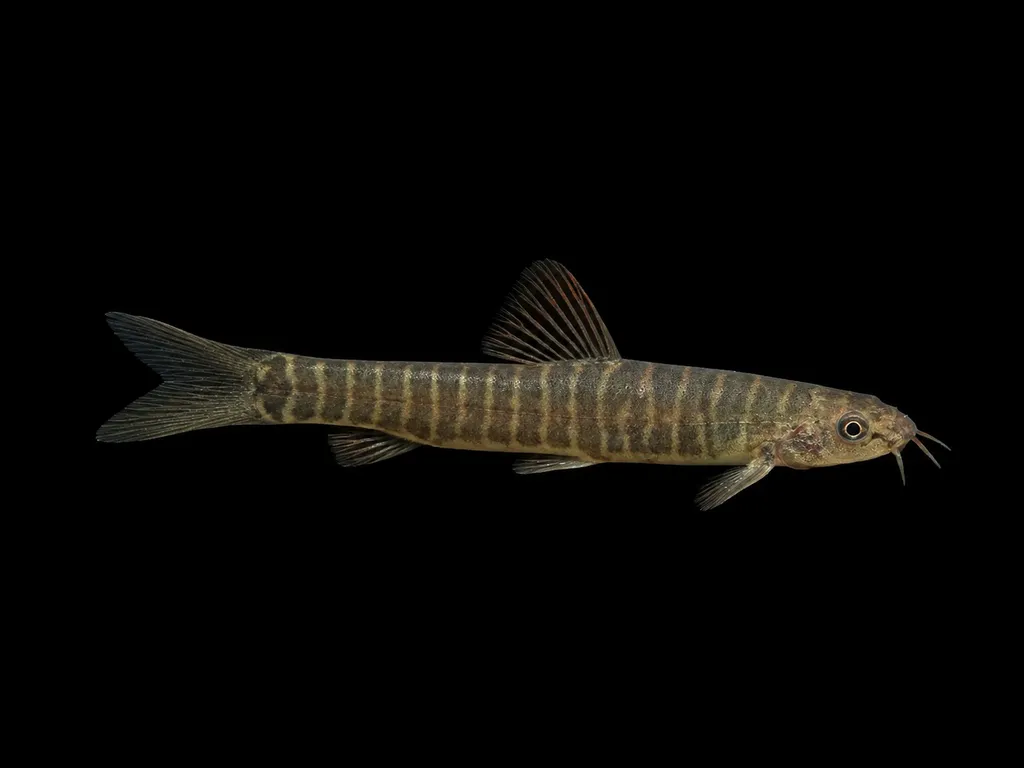 2.9 in (7.3 cm)24 gal (90 L)72–81°F (22–27°C)
Flathead loach
Nemacheilus platiceps
2.9 in (7.3 cm) · 24 gal (90 L)
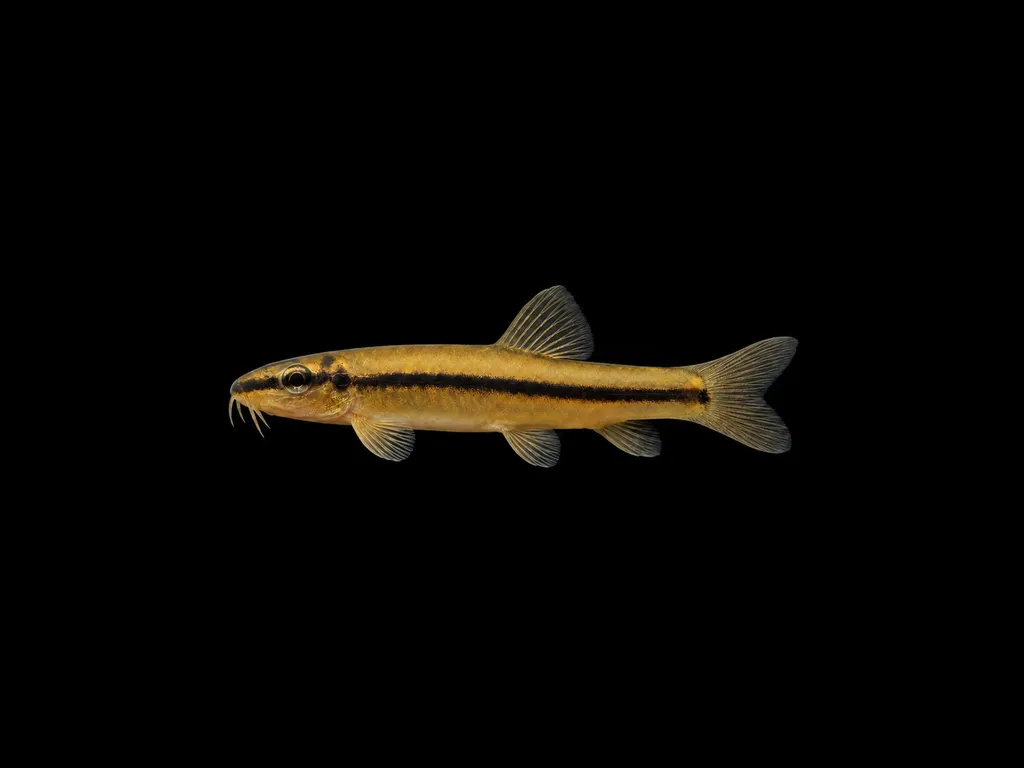 2.8 in (7 cm)24 gal (90 L)72–81°F (22–27°C)
Twin-spot loach
Nemacheilus binotatus
2.8 in (7 cm) · 24 gal (90 L)
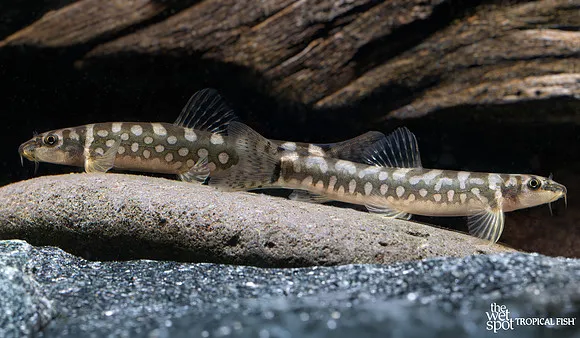 2.6 in (6.7 cm)20 gal (75 L)68–79°F (20–26°C)
Guenther's zipper loach
Nemacheilus guentheri
2.6 in (6.7 cm) · 20 gal (75 L)
 2 in (5 cm)20 gal (75 L)68–79°F (20–26°C)
Corica loach
Nemacheilus corica
2 in (5 cm) · 20 gal (75 L)
 2 in (5 cm)20 gal (75 L)72–79°F (22–26°C)
Ornate stone loach
Nemacheilus ornatus
2 in (5 cm) · 20 gal (75 L)