Corica loach
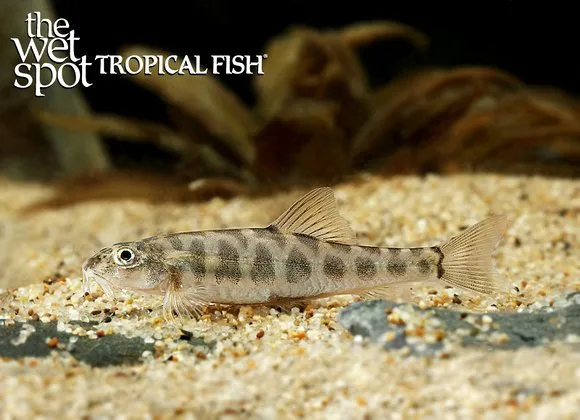
Nemacheilus corica
Also known as Corica stone loach
FreshwaterFish
Care at a glance
- Temperature
- 68–79°F
- 20–26°C
- pH
- 6.5–7.5
- Adult size
- 2 in
- 5 cm
- Minimum tank
- 20 gal
- 75 L
- Temperament
- Mostly peaceful
- Social behavior
- Social
- Swim level
- Bottom
- Difficulty
- Medium
- Breeding
- No record
- Rarity
- Rare
- Family
- Nemacheilidae
- Origin
- India, Pakistan, Nepal and Bangladesh
Overview
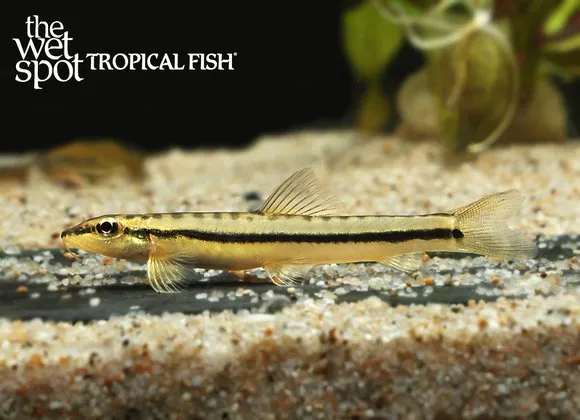
The Corica loach is a small stone loach that lives on the bottom of a South Asian community tank. It suits a keeper past the beginner stage.
Did you know
Francis Hamilton described the Corica loach in 1822 from the Ganges plain, using a local name, corica. The meaning of that word is now lost, though it has stayed with the fish for two centuries.
Caring for the Corica loach
Give a small group of Corica loaches a tank of 20 gal (75 L) or more. They forage constantly over the bottom, so lay a varied floor of sand and fine gravel. Add pebbles, some rounded stones and roots for them to nose around.
Keep the water at 68 to 79°F (20 to 26°C), with a pH of 6.5 to 7.5 and gentle to moderate flow. The Corica loach is adaptable to ordinary, clean water, as long as the tank stays well filtered and not too warm.
Feed small sinking foods, frozen daphnia and micro pellets. Make sure enough of the food reaches the substrate.
The Corica loach is mostly peaceful and well-mannered for its genus, so it fits into a peaceful South Asian community. Pair it with small, calm fish that keep to the upper water, such as barbs, danios and rasboras. Its aquarium breeding has not been documented.
Good to know
Nemacheilus corica is one of the first stone loaches ever named, and it belongs to the family Nemacheilidae. Its dappled, spotted pattern gives it the trade name Indian polka dot loach.
In the wild
The Corica loach ranges widely across the northern Indian subcontinent. It lives in streams and rivers of the Ganges and Brahmaputra region, including Nepal and Bangladesh.
Weekly picks
Tank mates
The Corica loach is a mostly peaceful, social species that keeps to the bottom. These picks share a community profile with it, are safe together in both directions, and overlap on water type, temperature and pH.
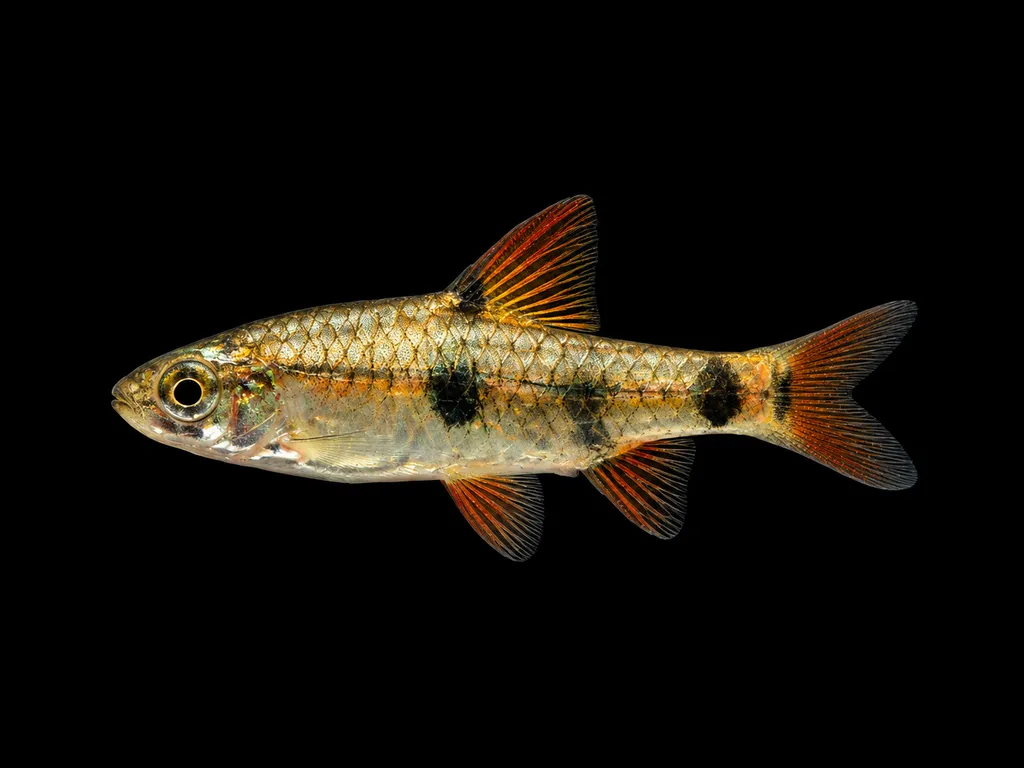
Canius barb
Pethia canius
Freshwater1.6 in (4 cm) · 20 gal (75 L)68–79°F (20–26°C)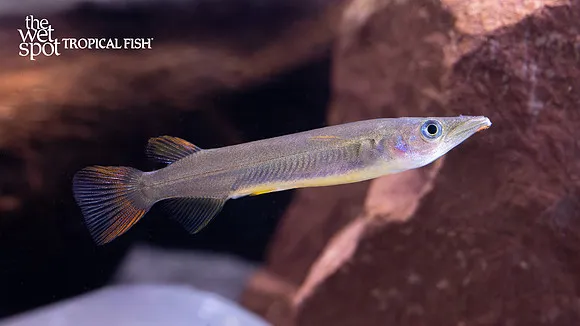
Rex halfbeak
Nomorhamphus rex
Freshwater2.2 in (5.5 cm) · 20 gal (75 L)72–79°F (22–26°C)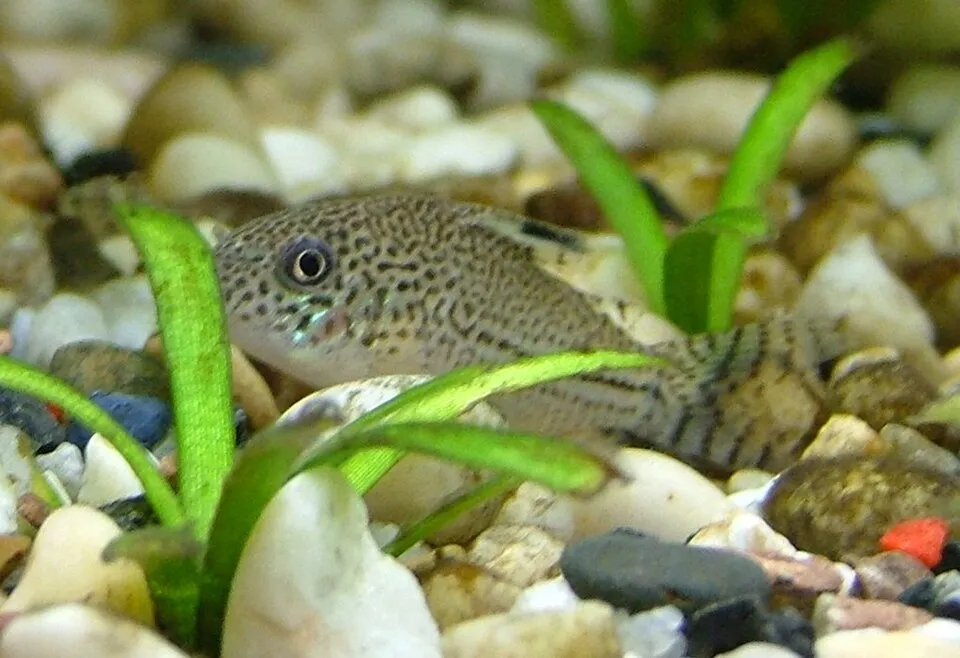
Julii cory
Hoplisoma julii
Freshwater2.2 in (5.5 cm) · 20 gal (75 L)68–79°F (20–26°C)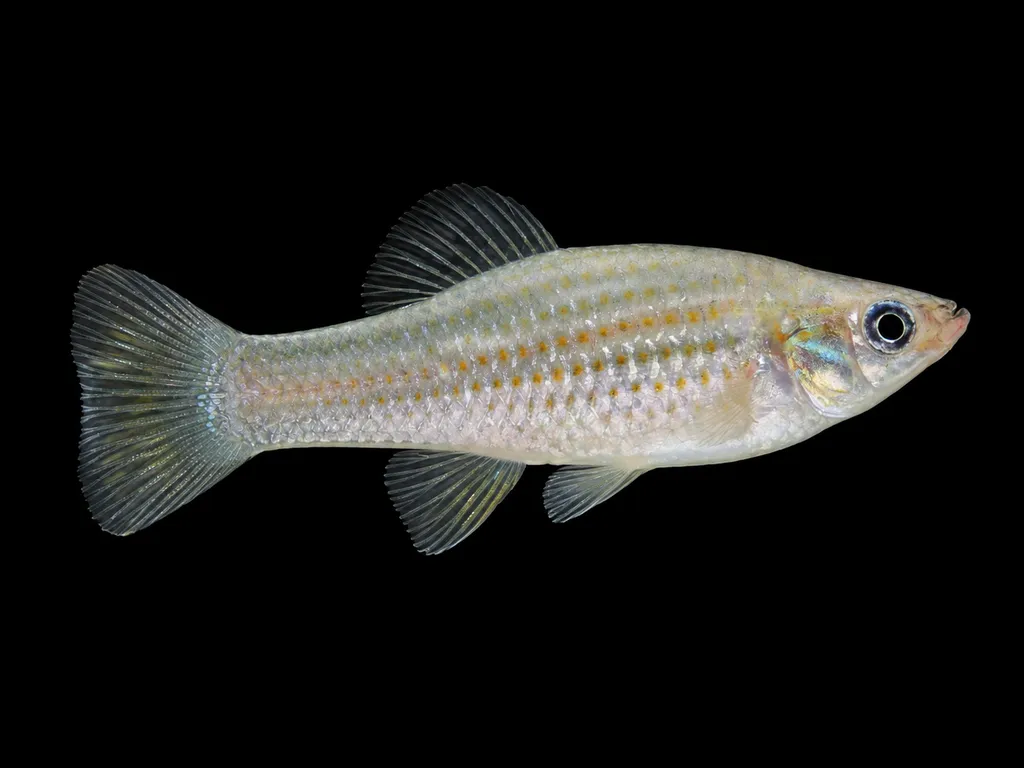
Amazon molly
Poecilia formosa
Freshwater3.5 in (9 cm) · 20 gal (75 L)68–82°F (20–28°C)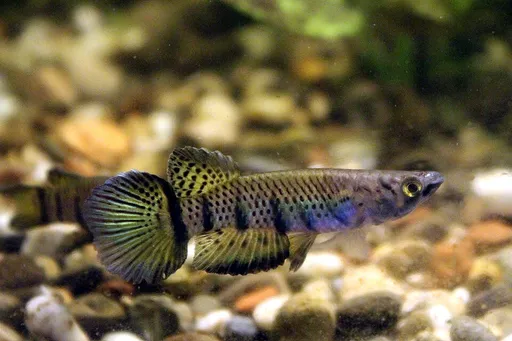
Six-barred panchax
Epiplatys sexfasciatus
Freshwater3.9 in (10 cm) · 20 gal (75 L)72–81°F (22–27°C)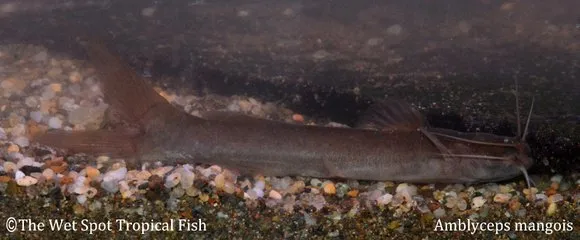
Crevice catfish
Amblyceps mangois
Freshwater5.1 in (13 cm) · 20 gal (75 L)68–79°F (20–26°C)
Common questions
What size tank does a Corica loach need?
A Corica loach needs at least 20 gal (75 L). It spends most of its time in the bottom.
What temperature and pH does a Corica loach need?
A Corica loach is comfortable at 68–79°F (20–26°C) with a pH of 6.5–7.5.
What does a Corica loach eat?
A Corica loach eats small sinking foods, frozen daphnia and micro pellets. Make sure enough of the food reaches the substrate.
How big does a Corica loach get?
An adult Corica loach reaches about 2 in (5 cm).
Related species
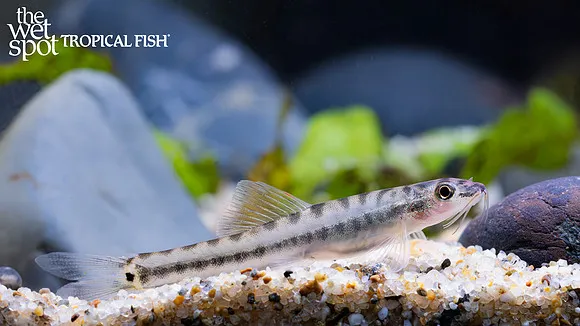 2 in (5 cm)20 gal (75 L)72–79°F (22–26°C)
Ornate stone loach
Nemacheilus ornatus
2 in (5 cm) · 20 gal (75 L)
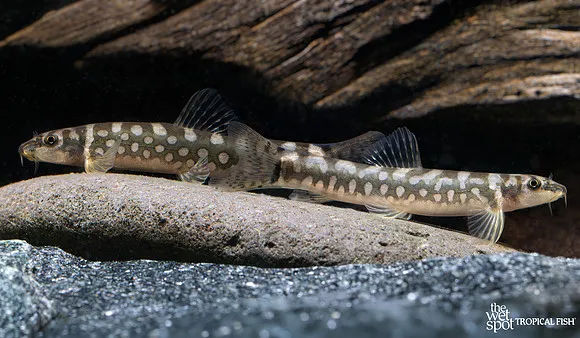 2.6 in (6.7 cm)20 gal (75 L)68–79°F (20–26°C)
Guenther's zipper loach
Nemacheilus guentheri
2.6 in (6.7 cm) · 20 gal (75 L)
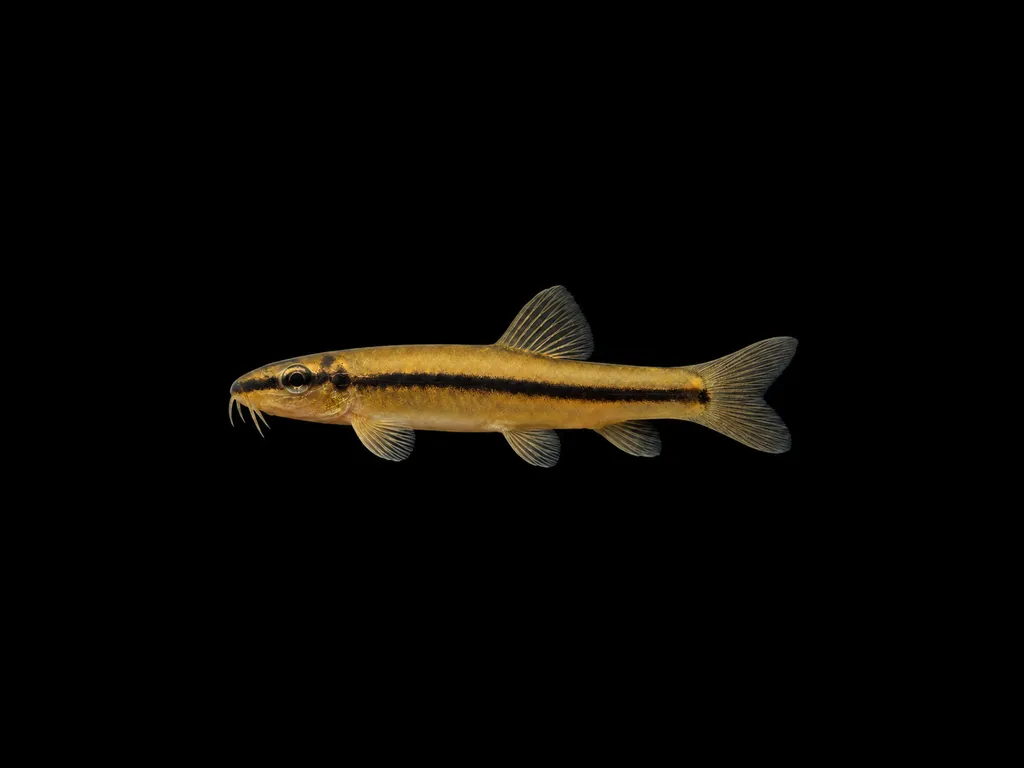 2.8 in (7 cm)24 gal (90 L)72–81°F (22–27°C)
Twin-spot loach
Nemacheilus binotatus
2.8 in (7 cm) · 24 gal (90 L)
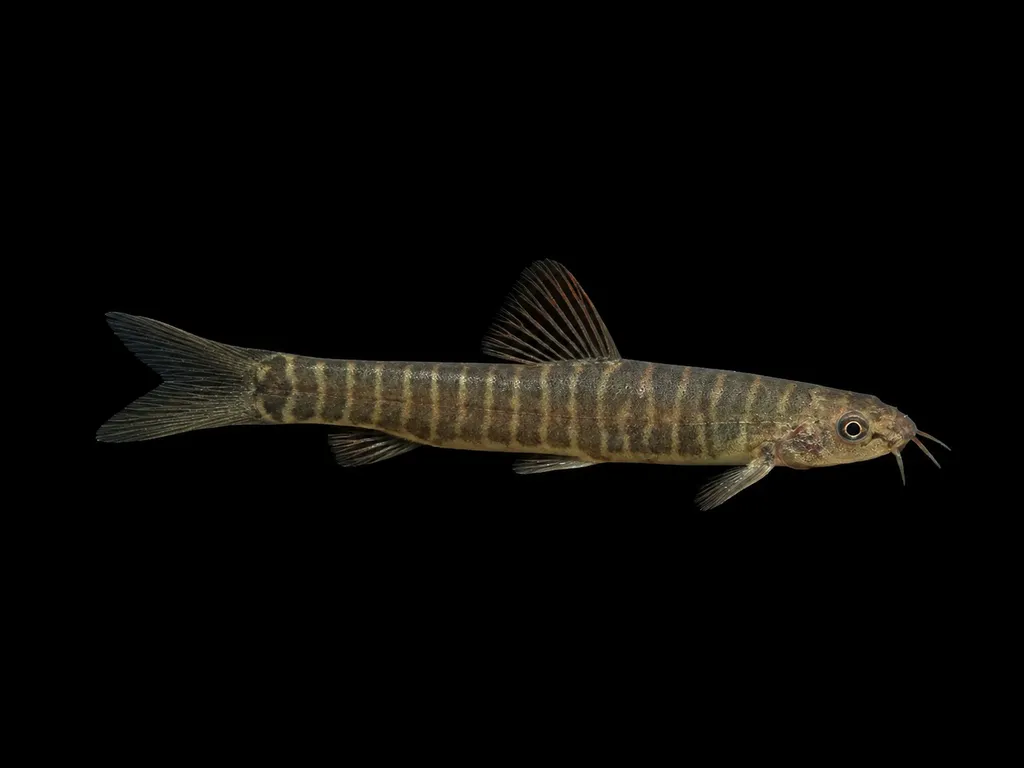 2.9 in (7.3 cm)24 gal (90 L)72–81°F (22–27°C)
Flathead loach
Nemacheilus platiceps
2.9 in (7.3 cm) · 24 gal (90 L)
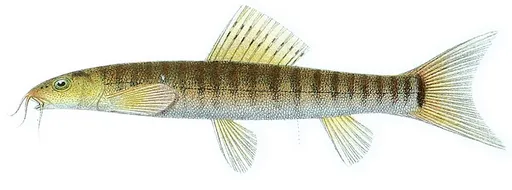 3.1 in (8 cm)24 gal (90 L)68–77°F (20–25°C)
Barred loach
Nemacheilus fasciatus
3.1 in (8 cm) · 24 gal (90 L)
 3.1 in (8 cm)24 gal (90 L)72–79°F (22–26°C)
Silverbelly loach
Nemacheilus argyrogaster
3.1 in (8 cm) · 24 gal (90 L)