Crevice catfish
Amblyceps mangois
Also known as Indian torrent catfish
FreshwaterFish
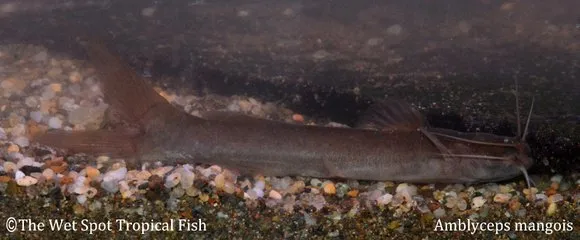
Care at a glance
- Temperature
- 68–79°F
- 20–26°C
- pH
- 6.0–7.5
- Adult size
- 5.1 in
- 13 cm
- Minimum tank
- 20 gal
- 75 L
- Temperament
- Peaceful
- Social behavior
- Social
- Swim level
- Bottom
- Diet
- Carnivore
- Difficulty
- Medium
- Breeding
- No record
- Rarity
- Rare
- Family
- Amblycipitidae
- Origin
- Himalayan foothill streams, India and Nepal
Overview
The crevice catfish is a slim, nocturnal catfish for a cool, rocky stream tank. It is peaceful and best kept by someone with a little experience.
Did you know
The crevice catfish's whole body is shaped to disappear into stone. A flat head and a slim, muscular frame let it back into a crack between rocks by day. It slides out to forage only once the lights go down.
Caring for the crevice catfish
Keep crevice catfish in a tank of at least 20 gal (75 L) with a floor of sand and smooth pebbles. Stack rounded rocks and cobbles to leave plenty of narrow crevices for hiding. It spends the day wedged into these gaps and comes out after dark to hunt. A bright, open tank without cover leaves it stressed and rarely seen.
Give it clean, well-oxygenated water with a decent current. Keep the water cool to moderate, at 68 to 79°F (20 to 26°C), with a slightly acidic to neutral pH of 6.0 to 7.5. Feed meaty sinking foods after lights-out, such as frozen bloodworm, small earthworms and sinking pellets. Sinking food reaches the bottom, where it forages.
The crevice catfish is peaceful and gets on well in a small group of its own kind, so keep several. It ignores fish too large to swallow but may take very small tank mates or shrimp at night. Pair it with calm, cool-water species of a similar size. Breeding has not been recorded in aquariums.
Good to know
Amblyceps mangois is the wide-ranging type species of the torrent catfish family, Amblycipitidae. It has four pairs of barbels for feeling its way in the dark, small eyes, and short spines partly buried in the skin. It is also called the Indian torrent catfish, and the fish in the trade are wild-caught imports from South Asian streams.
In the wild
The crevice catfish lives in fast, stony streams along the Himalayan foothills of India, Nepal and neighboring countries. It shelters under and between rocks in cool, clear, running water.
Weekly picks
Tank mates
The crevice catfish is a peaceful, social species that keeps to the bottom. These picks share a community profile with it, are safe together in both directions, and overlap on water type, temperature and pH.
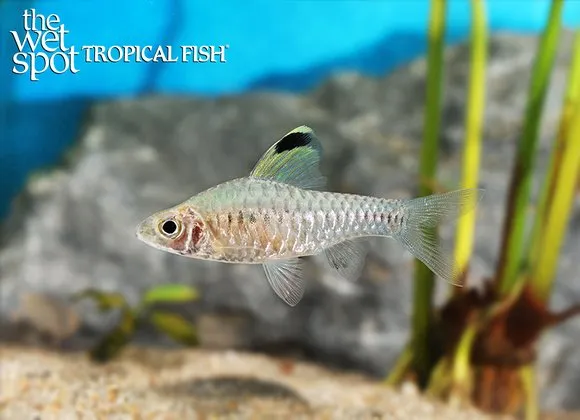
Cosuatis barb
Oreichthys cosuatis
Freshwater3.1 in (8 cm) · 20 gal (75 L)68–79°F (20–26°C)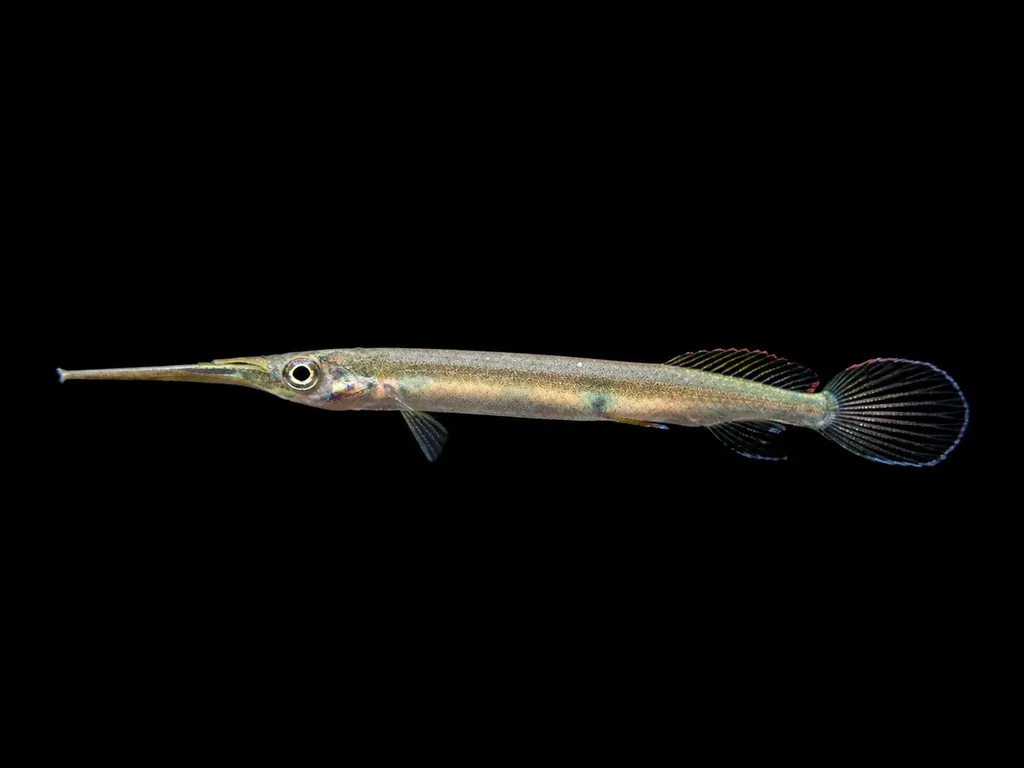
Kuekenthal's halfbeak
Hemirhamphodon kuekenthali
Freshwater3.3 in (8.5 cm) · 20 gal (75 L)73–81°F (23–27°C)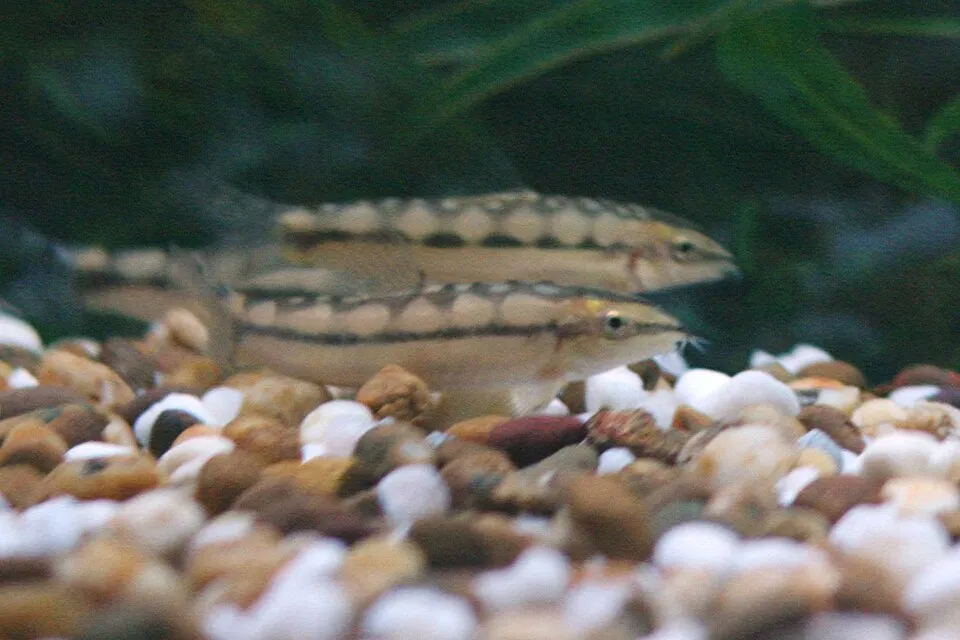
Dwarf botia
Ambastaia sidthimunki
Freshwater2.4 in (6 cm) · 20 gal (75 L)68–86°F (20–30°C)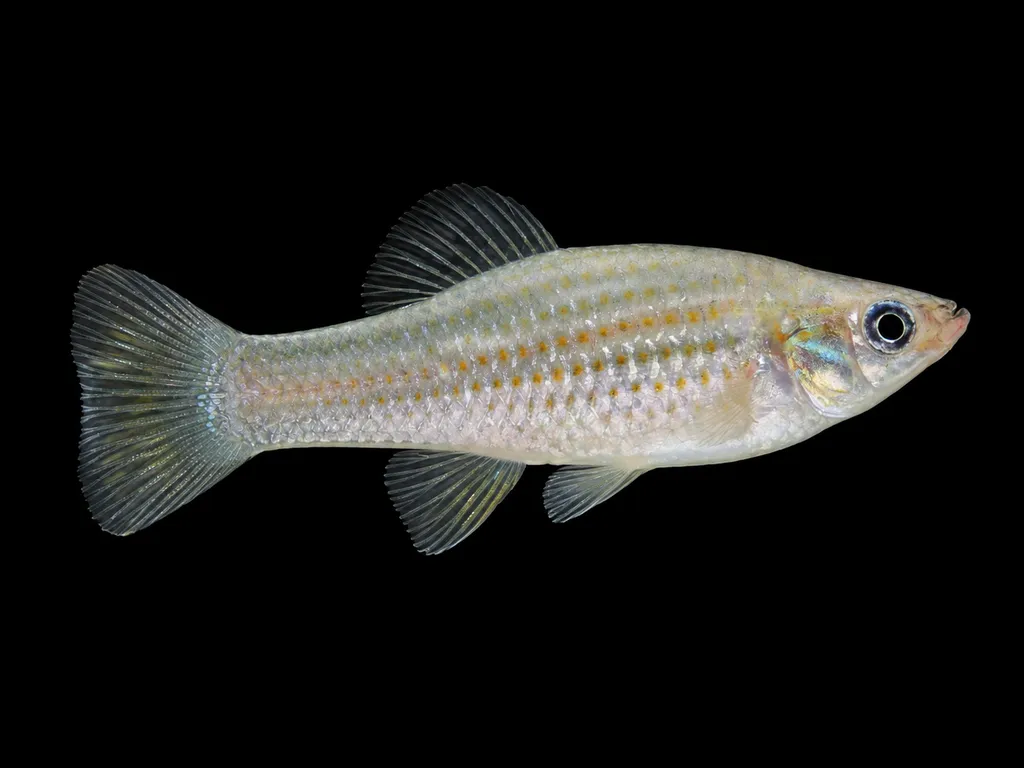
Amazon molly
Poecilia formosa
Freshwater3.5 in (9 cm) · 20 gal (75 L)68–82°F (20–28°C)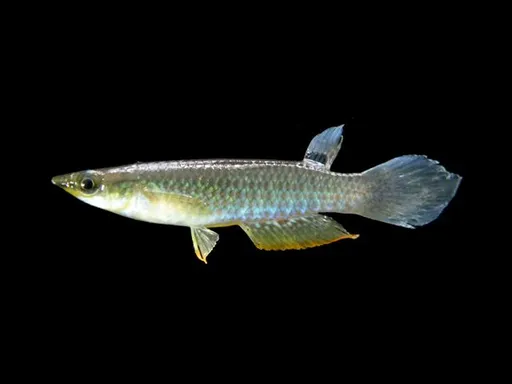
Blue panchax
Aplocheilus panchax
Freshwater3.5 in (9 cm) · 20 gal (75 L)72–82°F (22–28°C)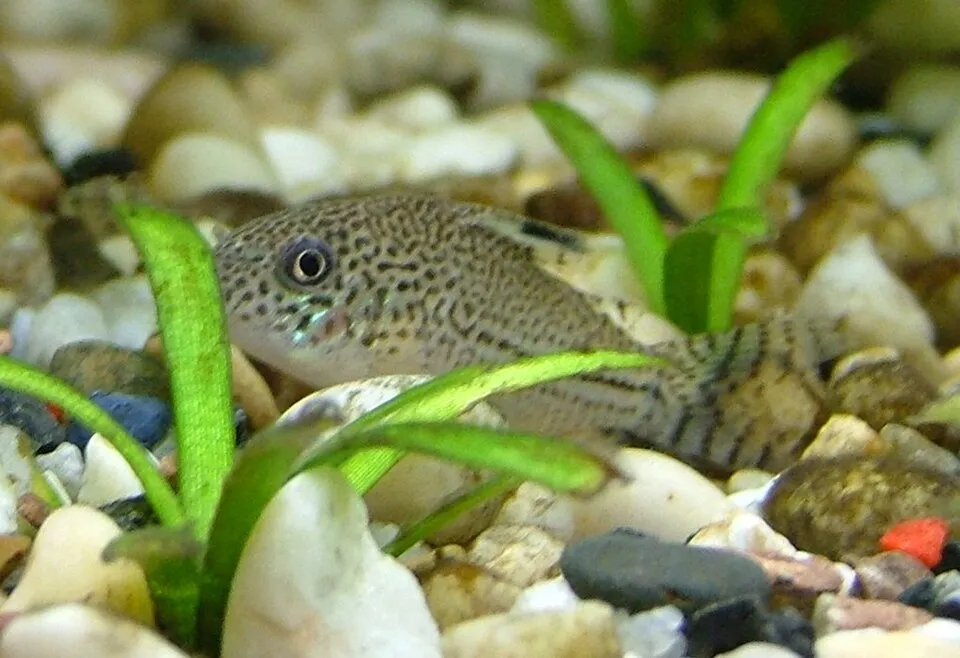
Julii cory
Hoplisoma julii
Freshwater2.2 in (5.5 cm) · 20 gal (75 L)68–79°F (20–26°C)
Common questions
What size tank does a crevice catfish need?
A crevice catfish needs at least 20 gal (75 L). It spends most of its time in the bottom.
What temperature and pH does a crevice catfish need?
A crevice catfish is comfortable at 68–79°F (20–26°C) with a pH of 6.0–7.5.
What does a crevice catfish eat?
A crevice catfish eats meaty sinking foods, such as frozen bloodworm, small earthworms and sinking pellets. Feed it after lights-out so the food reaches the bottom, where it forages.
How big does a crevice catfish get?
An adult crevice catfish reaches about 5.1 in (13 cm).
Related species
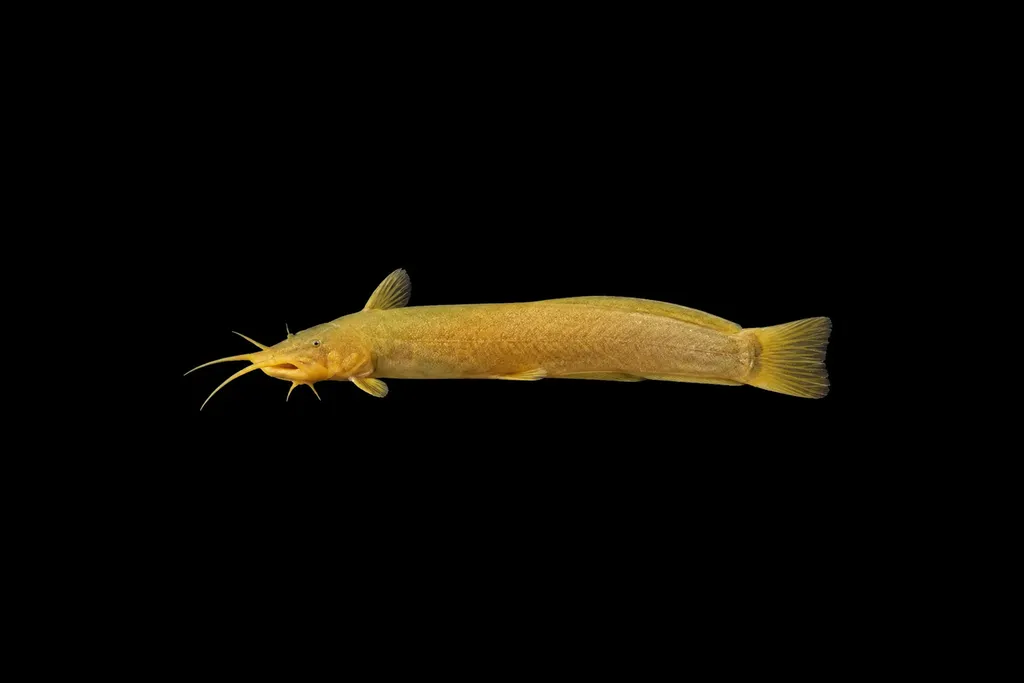 4.3 in (11 cm)20 gal (75 L)68–77°F (20–25°C)
Yellow wax catfish
Amblyceps cerinum
4.3 in (11 cm) · 20 gal (75 L)
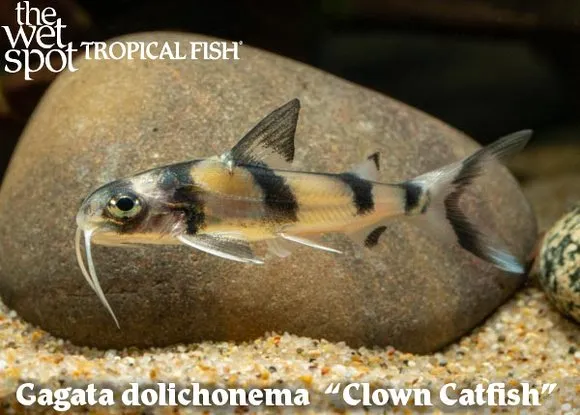 5.1 in (13 cm)42 gal (160 L)68–79°F (20–26°C)
Clown gagata catfish
Gagata dolichonema
5.1 in (13 cm) · 42 gal (160 L)
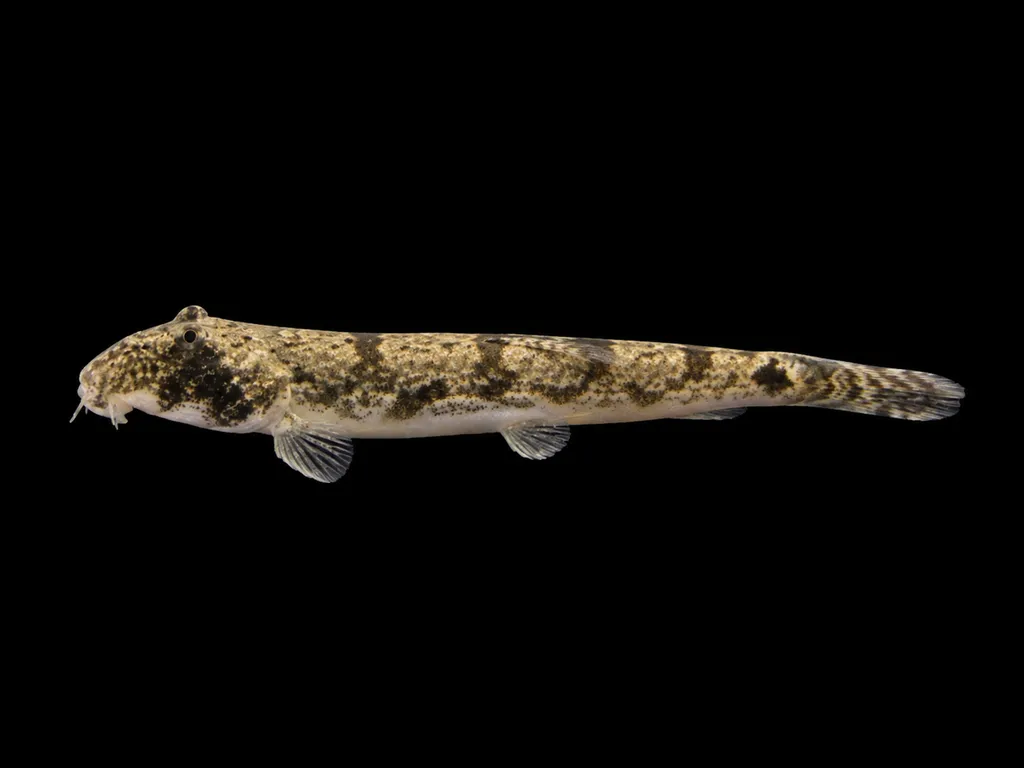 5.1 in (13 cm)42 gal (160 L)70–81°F (21–27°C)
Gongota loach
Canthophrys gongota
5.1 in (13 cm) · 42 gal (160 L)
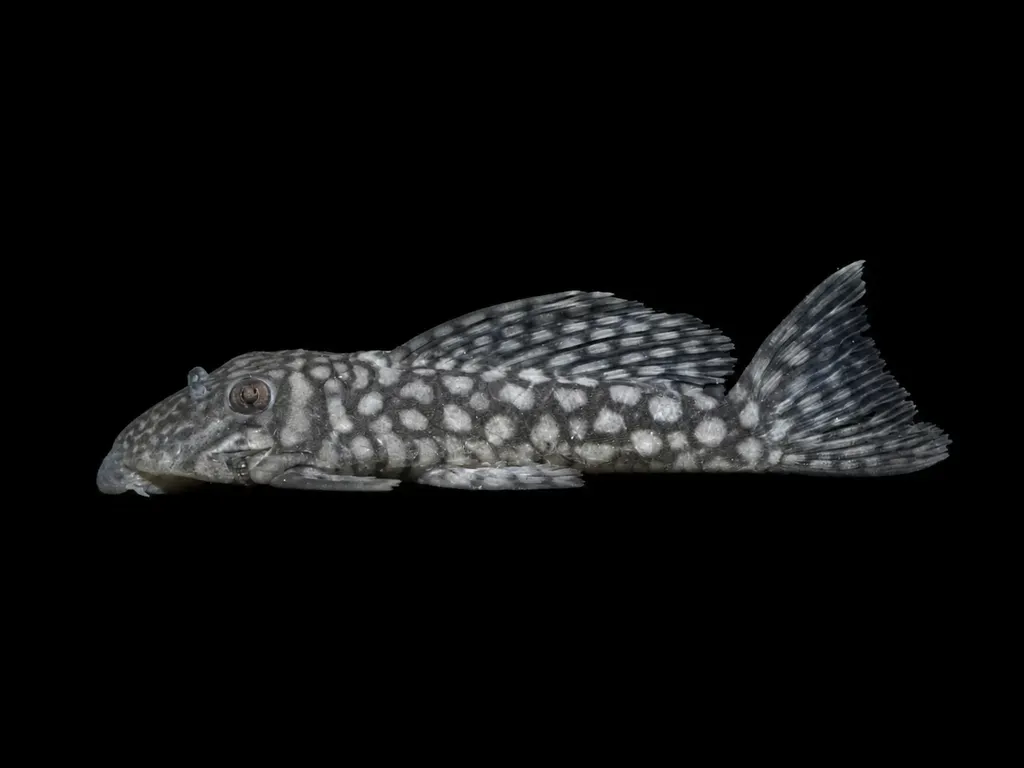 5.1 in (13 cm)79 gal (300 L)79–86°F (26–30°C)
Polka dot pleco
Spectracanthicus zuanoni
5.1 in (13 cm) · 79 gal (300 L)
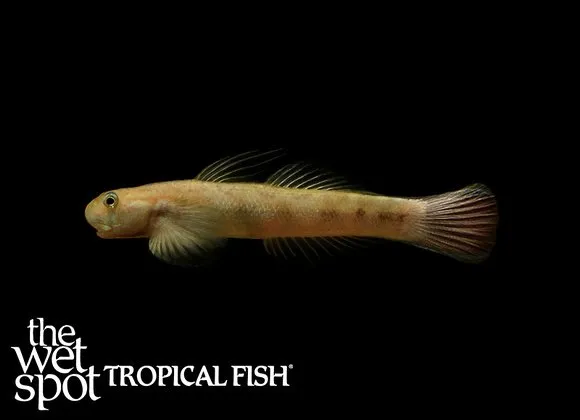 5.1 in (13 cm)29 gal (110 L)73–81°F (23–27°C)
Red tail sicyopterus
Sicyopterus lagocephalus
5.1 in (13 cm) · 29 gal (110 L)
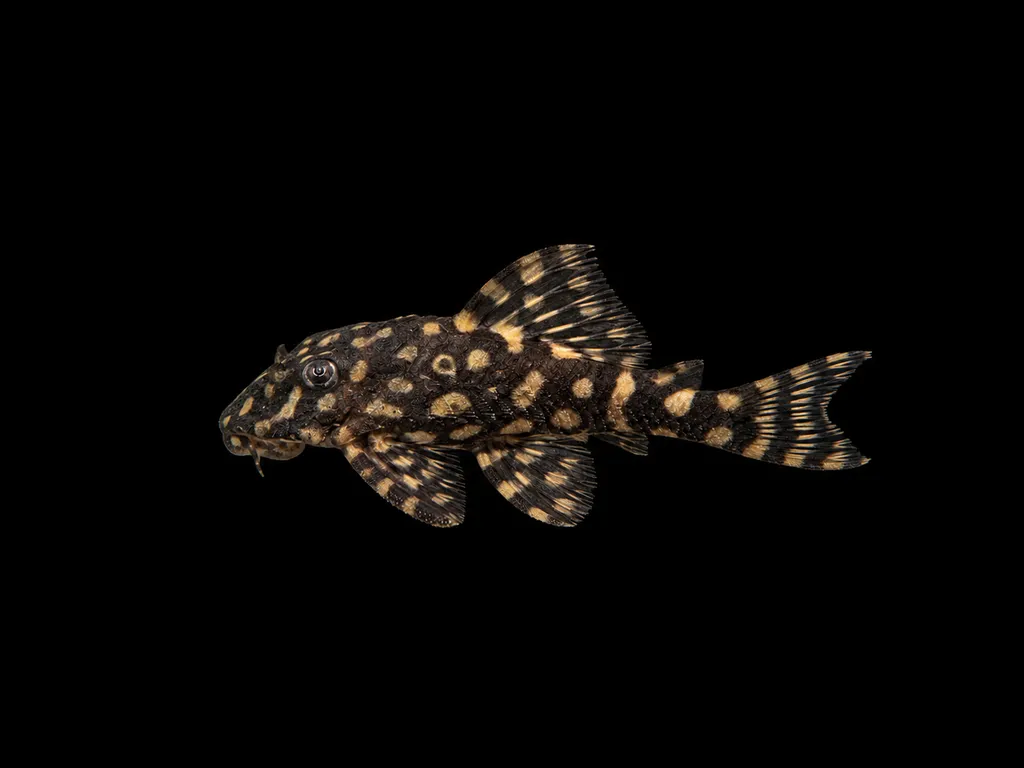 5.1 in (13 cm)42 gal (160 L)77–84°F (25–29°C)
Spotted tiger pleco
Peckoltia brevis
5.1 in (13 cm) · 42 gal (160 L)