Polka dot pleco
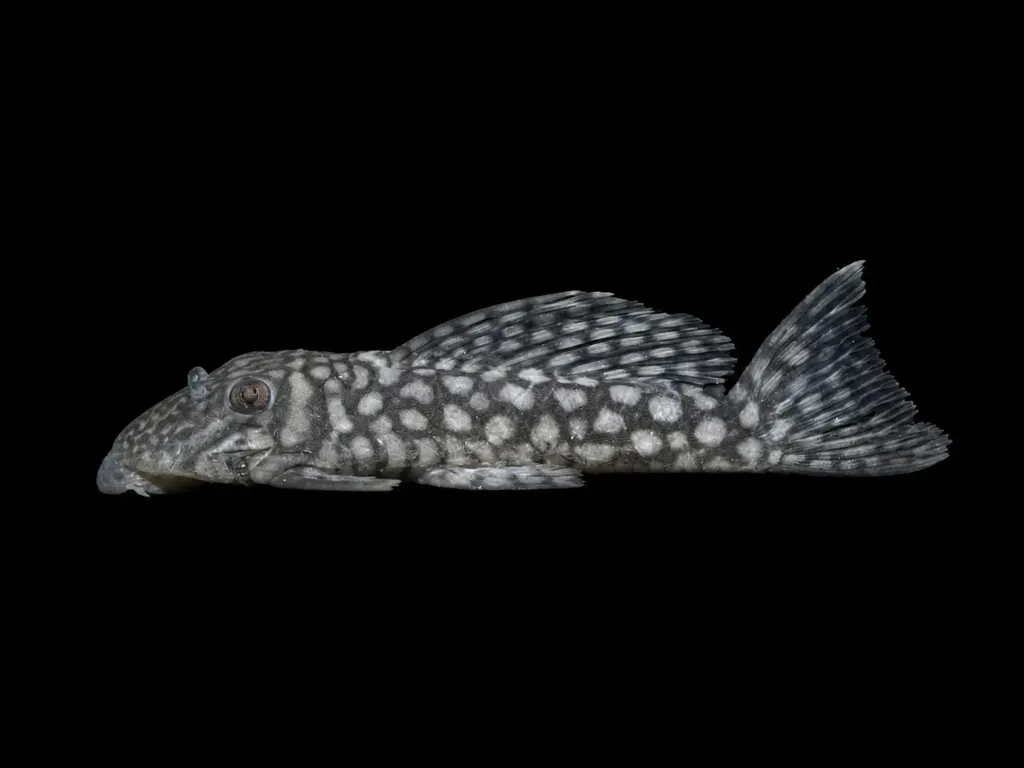
Spectracanthicus zuanoni
Also known as L020, Zuanoni pleco
FreshwaterFish
Care at a glance
- Temperature
- 79–86°F
- 26–30°C
- pH
- 6.0–7.2
- Adult size
- 5.1 in
- 13 cm
- Minimum tank
- 79 gal
- 300 L
- Temperament
- Peaceful
- Social behavior
- Solitary
- Swim level
- Bottom
- Diet
- Omnivore
- Difficulty
- Medium
- Breeding
- Hard
- Rarity
- Rare
- Family
- Loricariidae
- Origin
- Rio Xingu, Brazil
Overview
The polka dot pleco is a small to medium Spectracanthicus, near-black with bold cream spots. It stays on the bottom among rock in a warm, fast tank, and it suits a keeper with a little experience.
Did you know
The polka dot pleco's species name honors Jansen Zuanon, a Brazilian ecologist who has spent decades studying Amazon fishes. He worked to understand exactly the Xingu waters where this spotted rapids dweller lives.
Caring for the polka dot pleco
Give a polka dot pleco a tank of at least 79 gal (300 L), which gives a single adult ample room. Build a scape of stacked smooth stone over sand, forming caves and shaded gaps.
Keep the water warm, at 79 to 86°F (26 to 30°C), with a pH of 6.0 to 7.2. It needs fast, clean, turbulent water, so run heavy filtration or a circulation pump for strong current. High oxygen is as important as warmth.
Feed it as an omnivore that leans to vegetables. Offer algae wafers and blanched zucchini or cucumber, plus sinking pellets and occasional meaty frozen foods.
The polka dot pleco is solitary and territorial for its size, so keep one to a tank. A small group works only if every fish has its own cave and space, since crowding without shelter leads to injuries. It is peaceful toward midwater tank mates.
It has been spawned in aquariums, but only under demanding conditions. A spawn takes warm, fast, highly oxygenated water and caves, so breeding is rated hard.
Good to know
The polka dot pleco, Spectracanthicus zuanoni, was described in 2014. It is a member of the family Loricariidae and carries the trade code L020.
In the wild
The polka dot pleco comes from the Rio Xingu near Altamira in Para, Brazil. It lives in rapids of fast, clear, oxygen-rich water among rock and boulders.
Weekly picks
Tank mates
The polka dot pleco is a peaceful, solitary species that keeps to the bottom. These picks share a community profile with it, are safe together in both directions, and overlap on water type, temperature and pH.
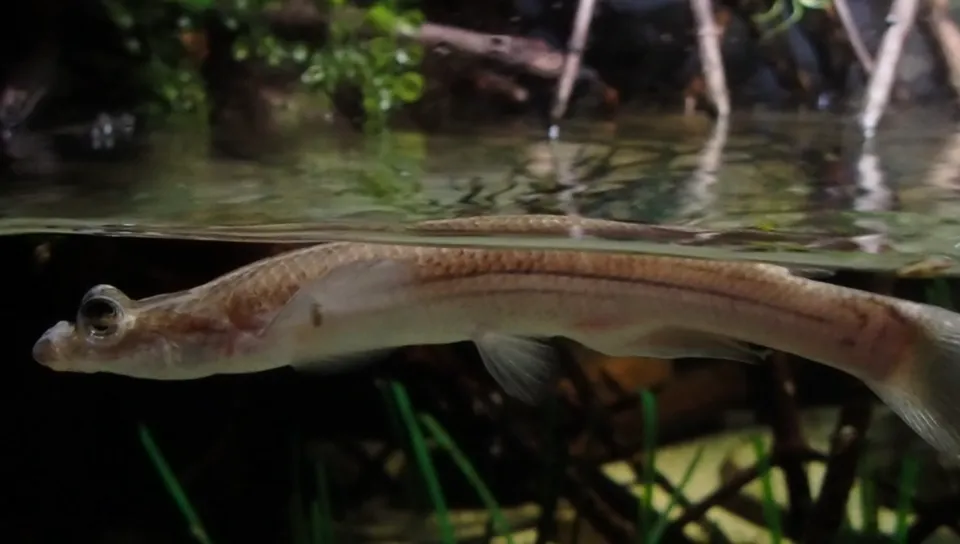
Largescale four-eyed fish
Anableps anableps
FreshwaterBrackish11.8 in (30 cm) · 70 gal (265 L)77–88°F (25–31°C)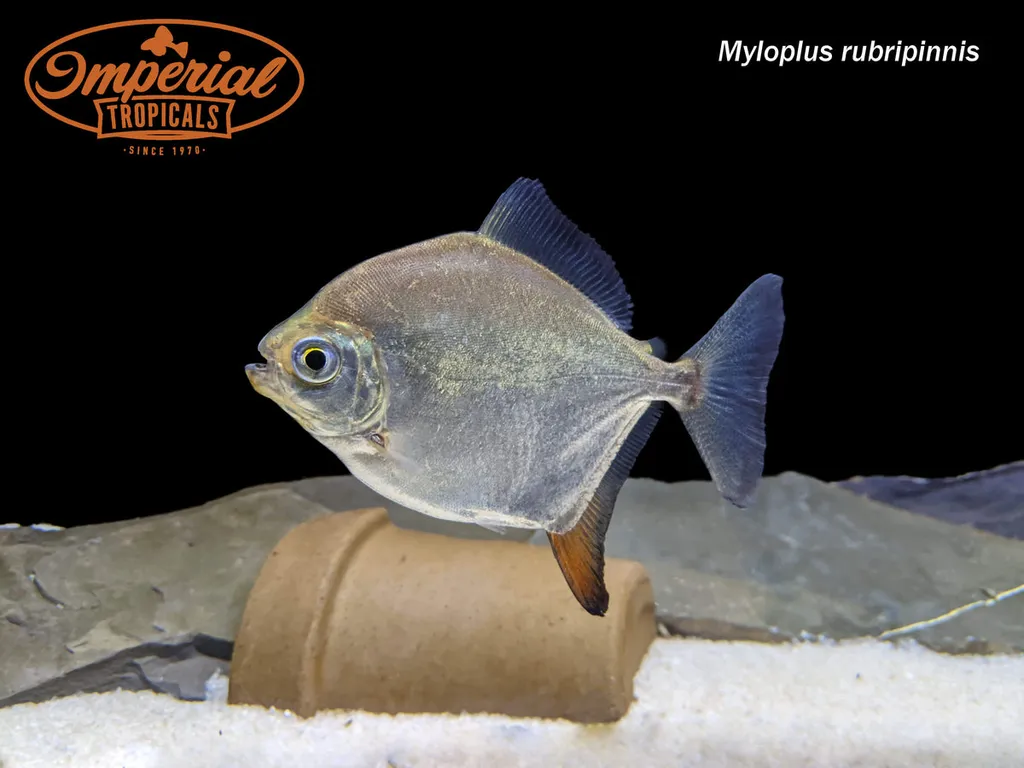
Redhook
Myloplus rubripinnis
Freshwater9.8 in (25 cm) · 70 gal (265 L)73–81°F (23–27°C)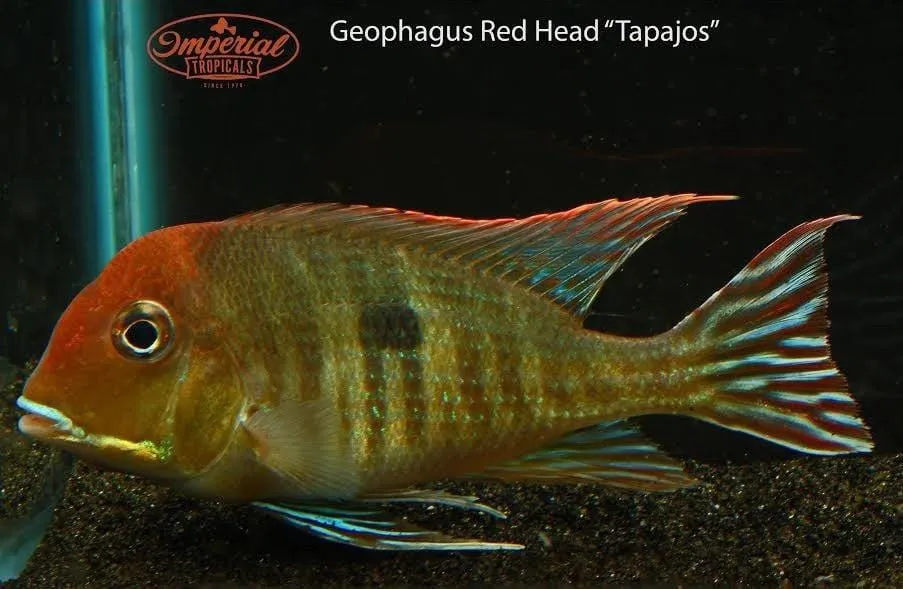
Red head Tapajos
Geophagus pyrocephalus
Freshwater6.3 in (16 cm) · 79 gal (300 L)79–86°F (26–30°C)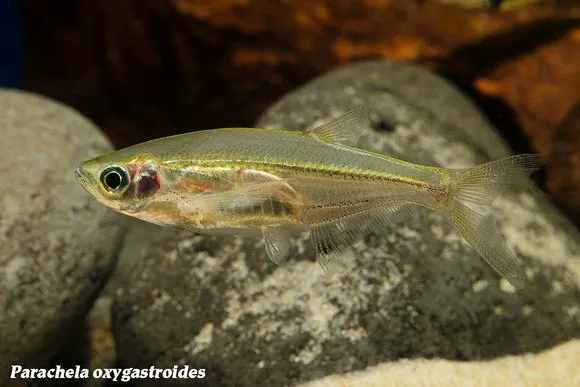
Asian glass hatchetfish
Parachela oxygastroides
Freshwater7.9 in (20 cm) · 79 gal (300 L)73–82°F (23–28°C)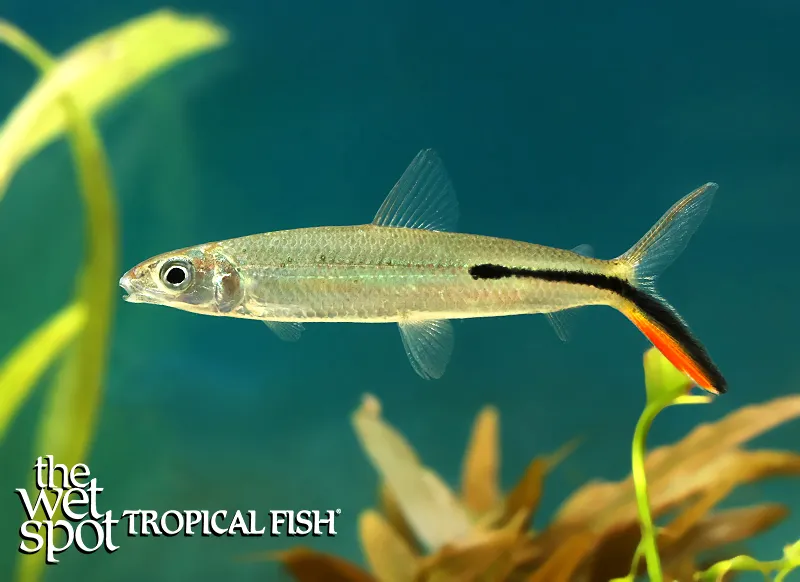
Slender hemiodus
Hemiodus gracilis
Freshwater7.1 in (18 cm) · 66 gal (250 L)73–82°F (23–28°C)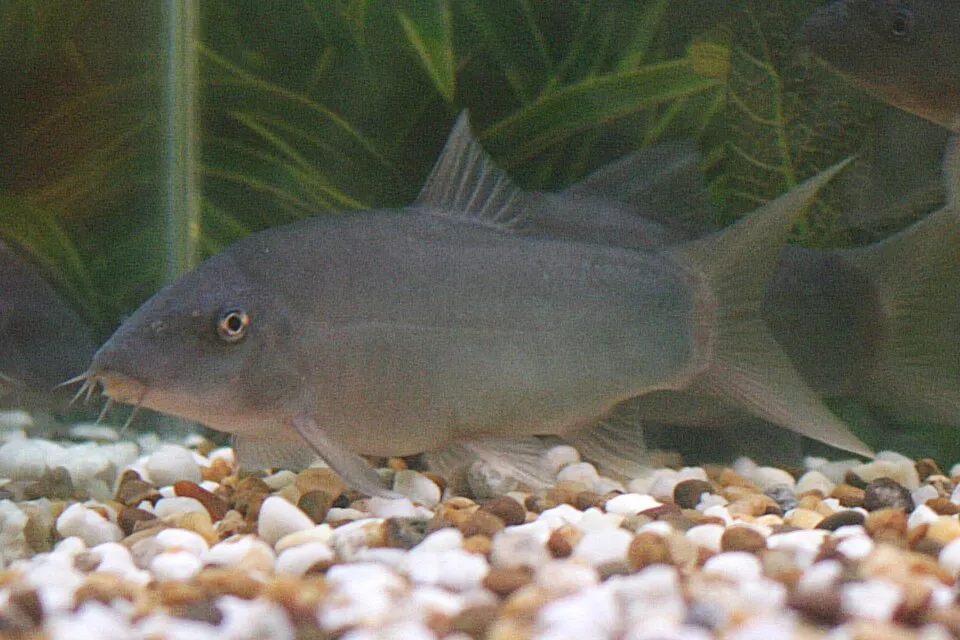
Redtail loach
Yasuhikotakia modesta
Freshwater9.8 in (25 cm) · 75 gal (285 L)73–82°F (23–28°C)
Common questions
What size tank does a polka dot pleco need?
A polka dot pleco needs at least 79 gal (300 L). It spends most of its time in the bottom.
What temperature and pH does a polka dot pleco need?
A polka dot pleco is comfortable at 79–86°F (26–30°C) with a pH of 6.0–7.2.
What does a polka dot pleco eat?
A polka dot pleco eats both plant and meaty foods, with more vegetables than meat. Give it algae wafers, blanched zucchini or cucumber and sinking pellets, with a meaty frozen food now and then.
How big does a polka dot pleco get?
An adult polka dot pleco reaches about 5.1 in (13 cm).
How does a polka dot pleco breed?
Polka dot plecos have been spawned in aquariums, but breeding them is hard. A spawn needs caves and warm, fast water with plenty of oxygen.
Related species
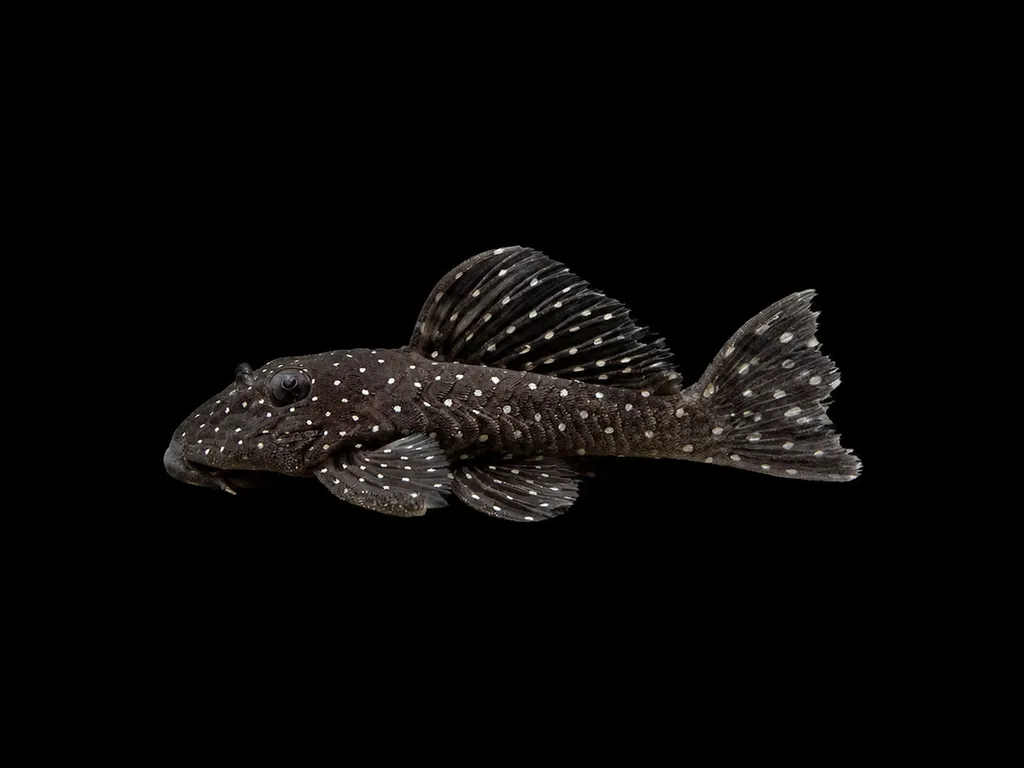 4.7 in (12 cm)66 gal (250 L)79–86°F (26–30°C)
Peppermint pleco
Spectracanthicus punctatissimus
4.7 in (12 cm) · 66 gal (250 L)
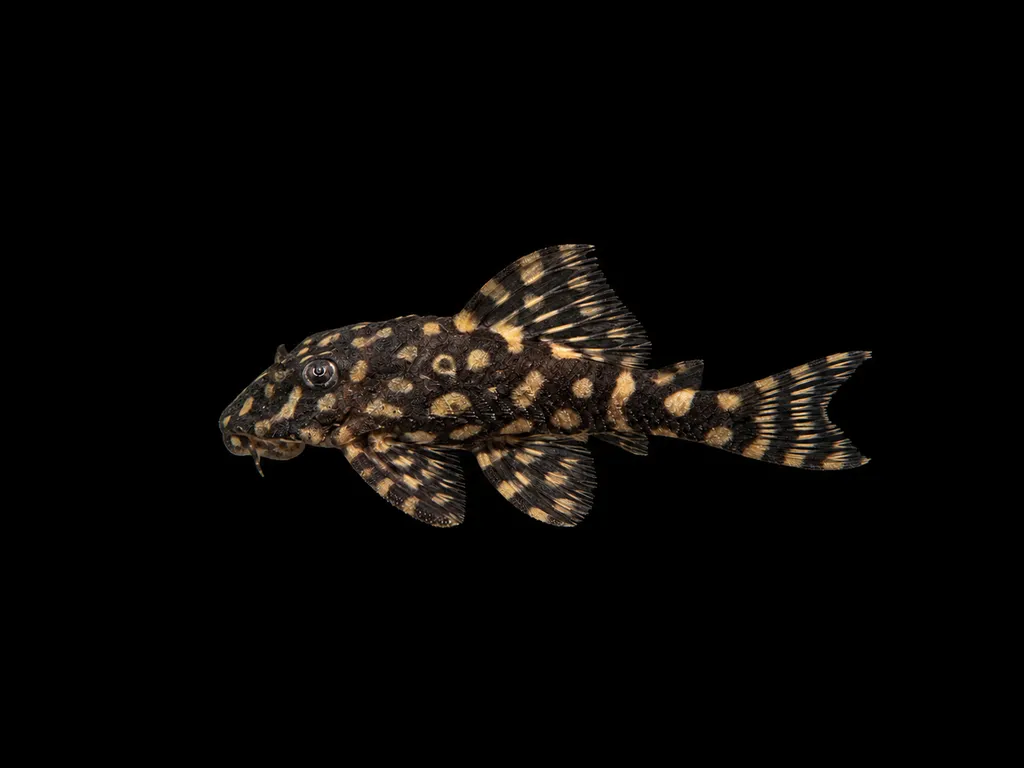 5.1 in (13 cm)42 gal (160 L)77–84°F (25–29°C)
Spotted tiger pleco
Peckoltia brevis
5.1 in (13 cm) · 42 gal (160 L)
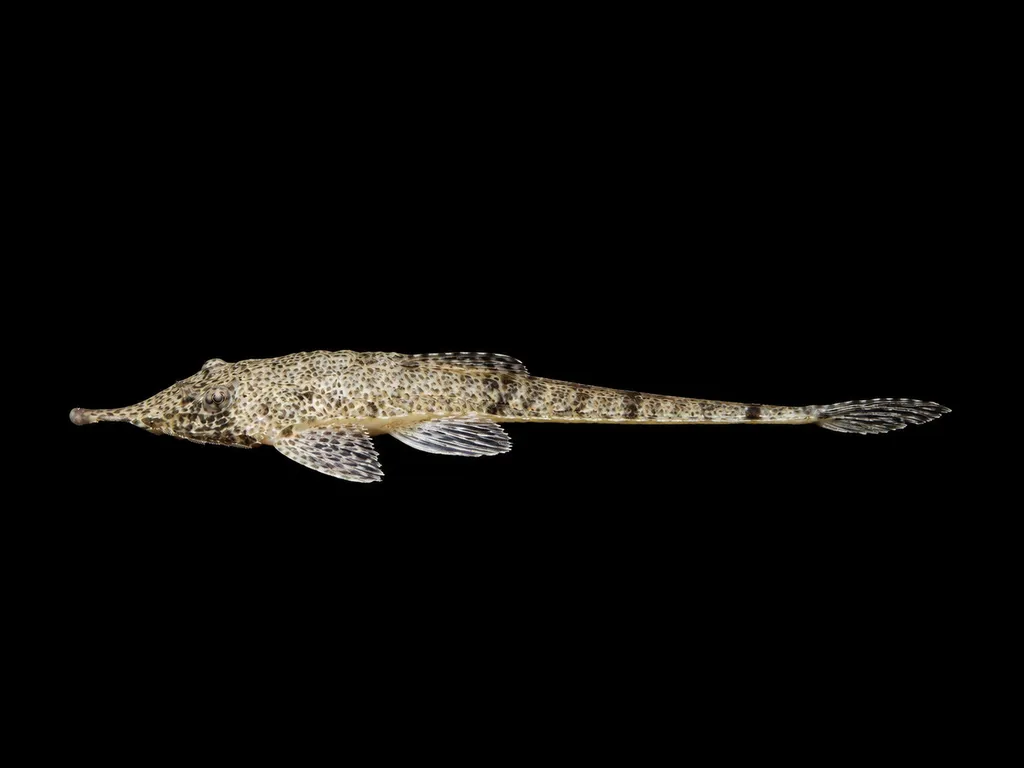 5.3 in (13.5 cm)18 gal (70 L)73–82°F (23–28°C)
Pinocchio whiptail
Hemiodontichthys acipenserinus
5.3 in (13.5 cm) · 18 gal (70 L)
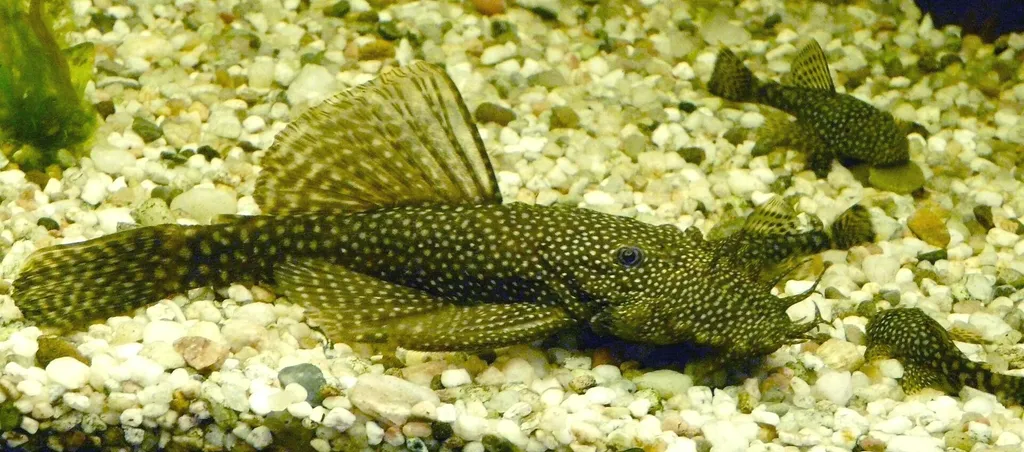 4.9 in (12.5 cm)20 gal (75 L)70–79°F (21–26°C)
Bristlenose pleco
Ancistrus sp.
4.9 in (12.5 cm) · 20 gal (75 L)
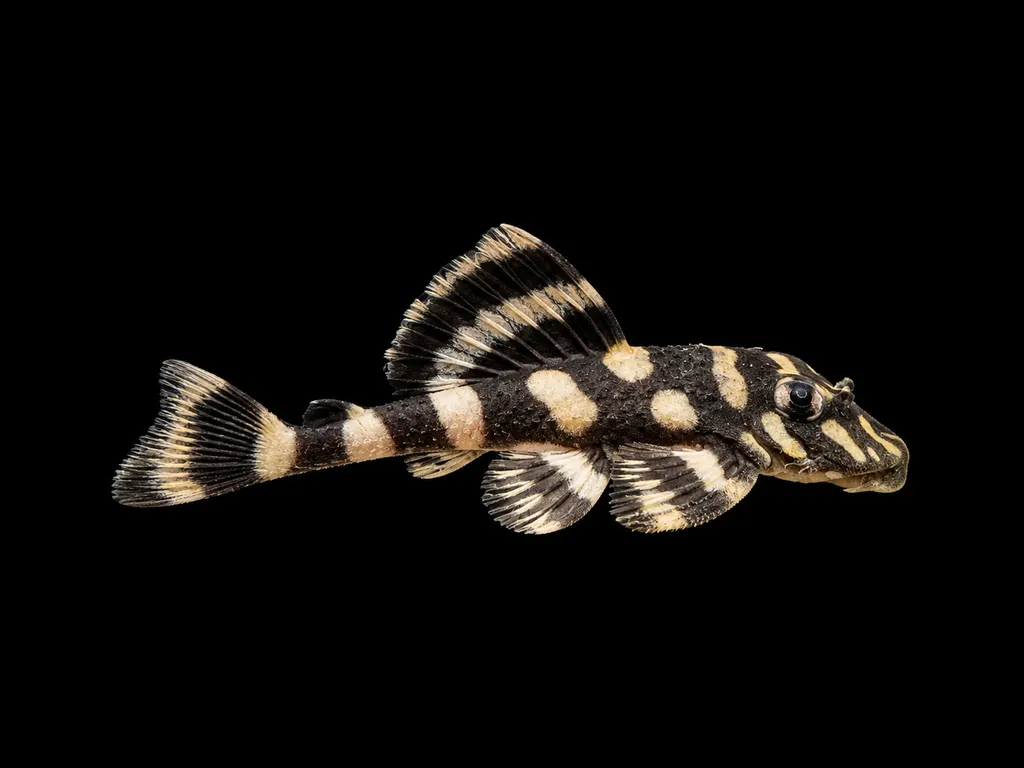 5.5 in (14 cm)53 gal (200 L)77–84°F (25–29°C)
Atabapo butterfly pleco
Dekeyseria picta
5.5 in (14 cm) · 53 gal (200 L)
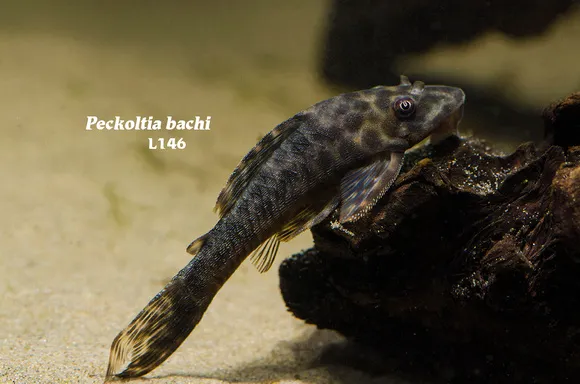 5.5 in (14 cm)53 gal (200 L)77–84°F (25–29°C)
Bola pleco
Peckoltia bachi
5.5 in (14 cm) · 53 gal (200 L)