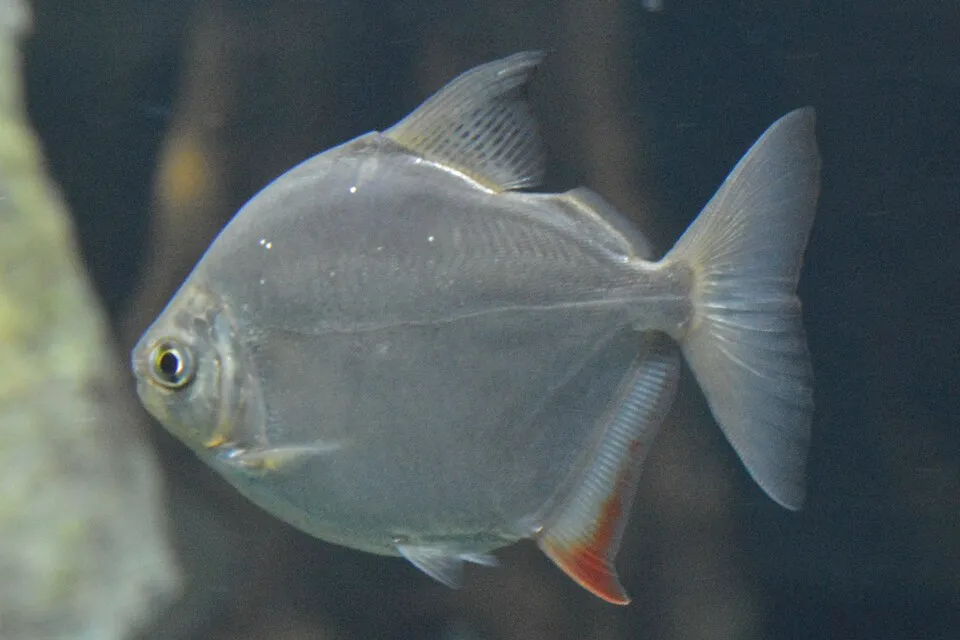
Plain metynnis
Metynnis hypsauchen
Also known as Silver dollar
FreshwaterFish
Care at a glance
- Temperature
- 75–82°F
- 24–28°C
- pH
- 6.0–7.5
- Adult size
- 5.5 in
- 14 cm
- Minimum tank
- 70 gal
- 265 L
- Temperament
- Mostly peaceful
- Social behavior
- Schooling
- Swim level
- Middle
- Difficulty
- Medium
- Breeding
- Hard
- Rarity
- Rare
- Family
- Characidae
- Origin
- Guyana, Brazil, Peru, Bolivia
Overview
This is a schooling fish that needs a group of at least five, and because of its size and activity it really needs a big tank, around 265 liters or more. It swims in the middle and upper water and is mostly peaceful, though it can be nervous and skittish in small groups. The diet is almost entirely plant-based: spirulina, vegetable flakes, and fresh greens like spinach or lettuce. Keep the water soft to neutral and warm.
In the wild
Silver dollars live in the Amazon basin across Guyana, Brazil, Peru, and Bolivia, in slow, warm waters with plenty of plants and soft bottoms. The water is warm and slightly acidic with lots of organic matter. In the tank, give them open swimming room, soft to neutral water, and a temperature in the mid to high 20s C. Note that they will eat live plants, so plan around that.
Good to know
Metynnis hypsauchen belongs to the family Characidae and is a close relative of pacus and piranhas. It has a round, flat, coin-shaped body and reaches about 14 cm. It is an egg scatterer and breeding it at home is difficult. The very similar Metynnis argenteus shares the same common name.
Did you know
Their flat, silvery, disc-shaped bodies act like mirrors that scatter light, which breaks up their outline in open water and makes them harder for predators to pick out from a moving school.
Weekly picks
Tank mates
Plain metynnis is a mostly peaceful, schooling species that keeps to the middle. These picks share a community profile with it, are safe together in both directions, and overlap on water type, temperature and pH.
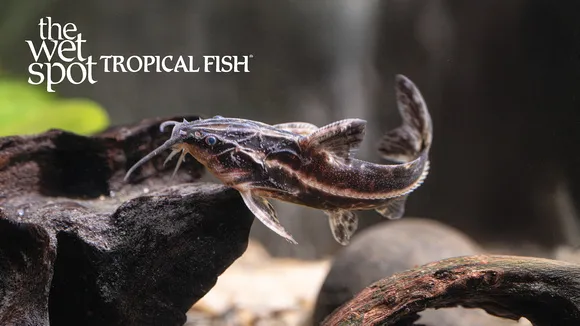
Orinoco talking catfish
Orinocodoras eigenmanni
Freshwater7.9 in (20 cm) · 70 gal (265 L)73–82°F (23–28°C)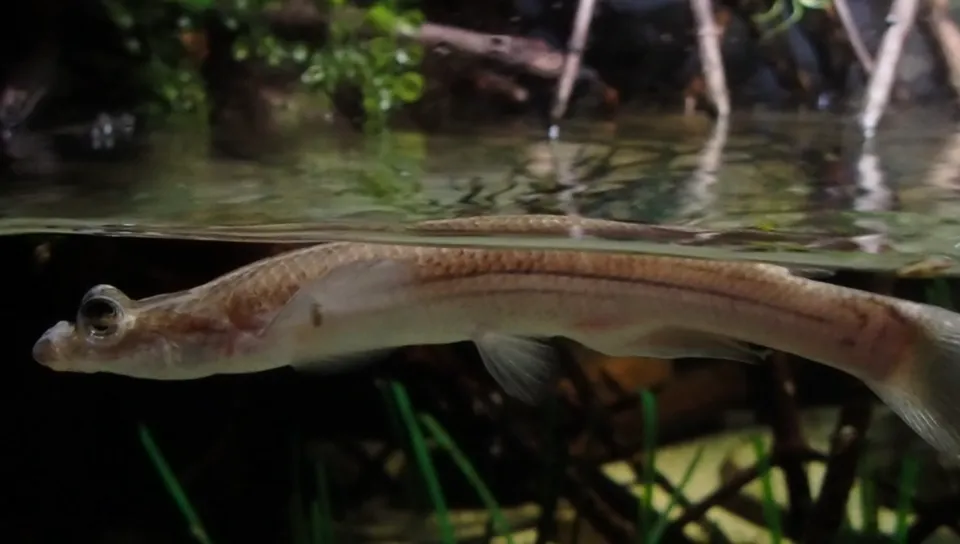
Largescale four-eyed fish
Anableps anableps
FreshwaterBrackish11.8 in (30 cm) · 70 gal (265 L)77–88°F (25–31°C)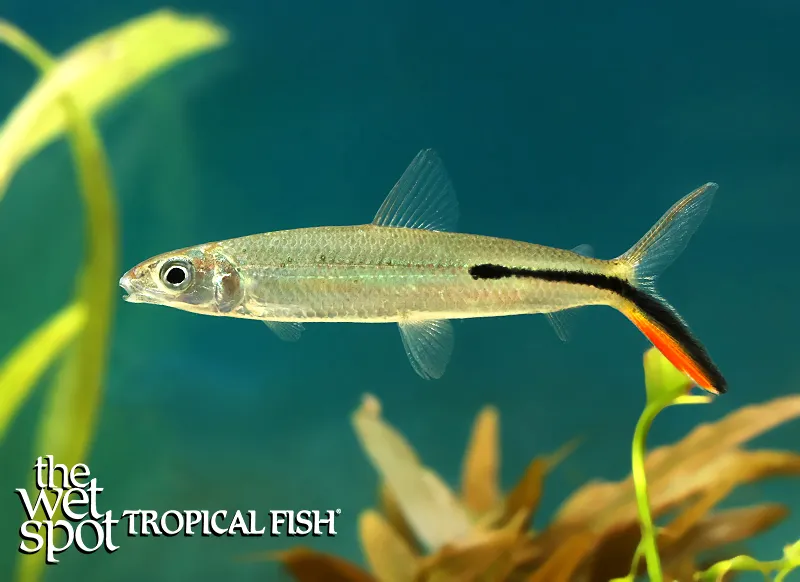
Slender hemiodus
Hemiodus gracilis
Freshwater7.1 in (18 cm) · 66 gal (250 L)73–82°F (23–28°C)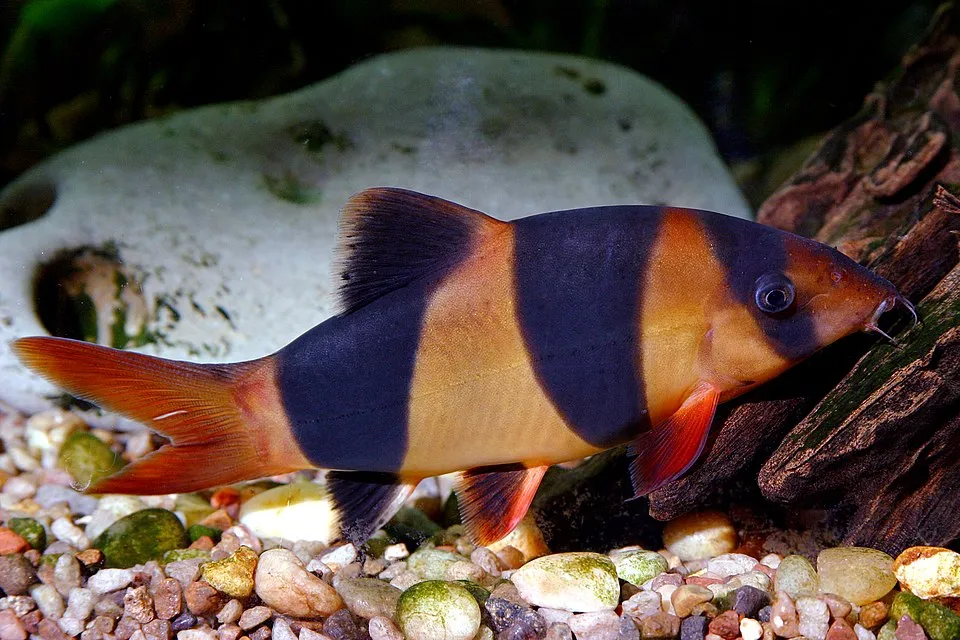
Clown loach
Chromobotia macracanthus
Freshwater11.8 in (30 cm) · 75 gal (285 L)75–86°F (24–30°C)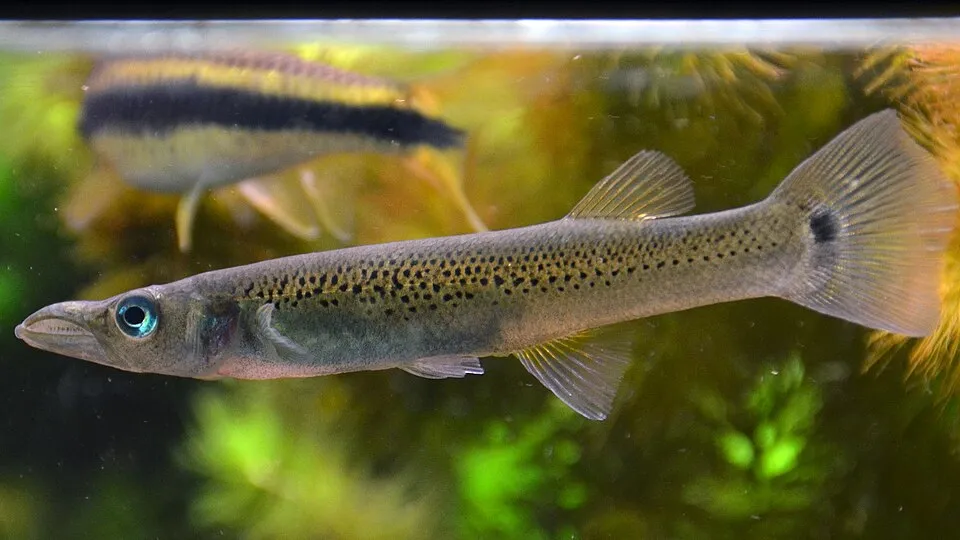
Pike topminnow
Belonesox belizanus
Freshwater7.9 in (20 cm) · 44 gal (165 L)73–82°F (23–28°C)
Beardless barb
Cyclocheilichthys apogon
Freshwater7.9 in (20 cm) · 66 gal (250 L)72–82°F (22–28°C)
Common questions
What size tank does a Plain metynnis need?
A Plain metynnis needs at least 70 gal (265 L). It spends most of its time in the middle.
What temperature and pH does a Plain metynnis need?
A Plain metynnis is comfortable at 75–82°F (24–28°C) with a pH of 6.0–7.5.
How big does a Plain metynnis get?
An adult Plain metynnis reaches about 5.5 in (14 cm).
Does a Plain metynnis need a group?
Yes. A Plain metynnis is a schooling species and should be kept in a group, not singly.
Related species
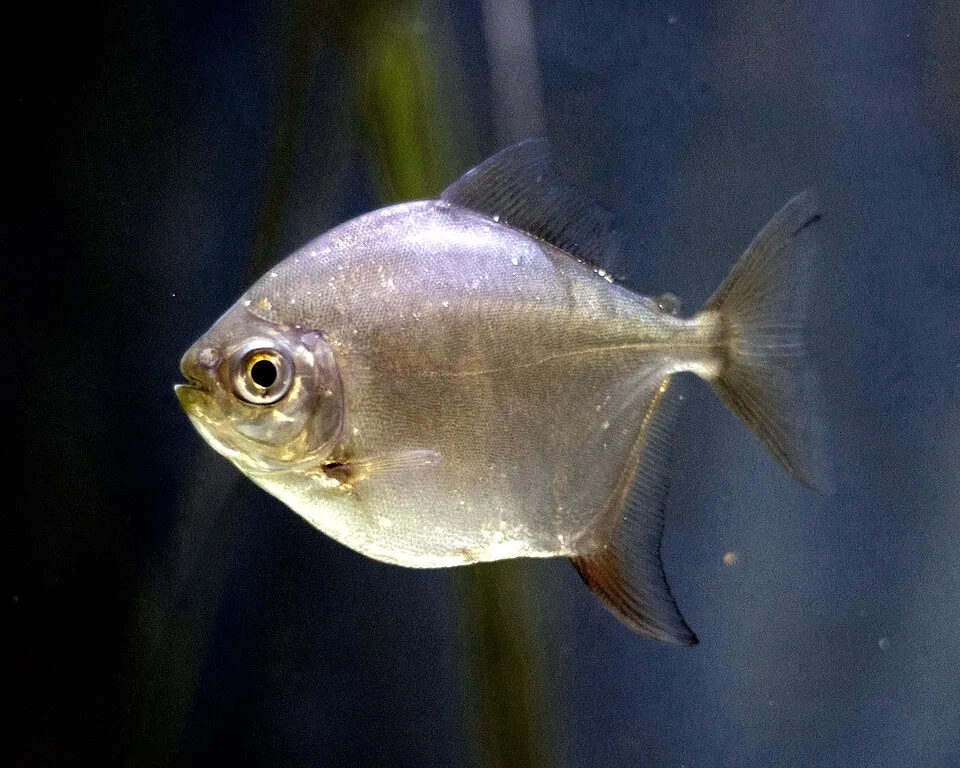 5.9 in (15 cm)70 gal (265 L)75–82°F (24–28°C)
Silver dollar
Metynnis argenteus
5.9 in (15 cm) · 70 gal (265 L)
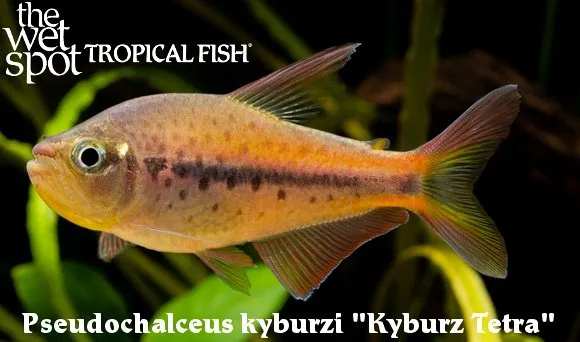 3.1 in (7.8 cm)29 gal (110 L)72–81°F (22–27°C)
Kyburz tetra
Pseudochalceus kyburzi
3.1 in (7.8 cm) · 29 gal (110 L)
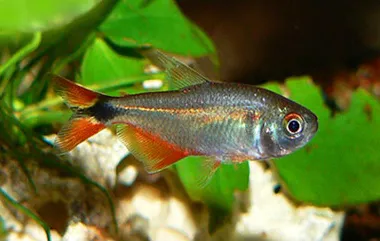 3 in (7.5 cm)25 gal (95 L)66–81°F (19–27°C)
Buenos Aires tetra
Psalidodon anisitsi
3 in (7.5 cm) · 25 gal (95 L)
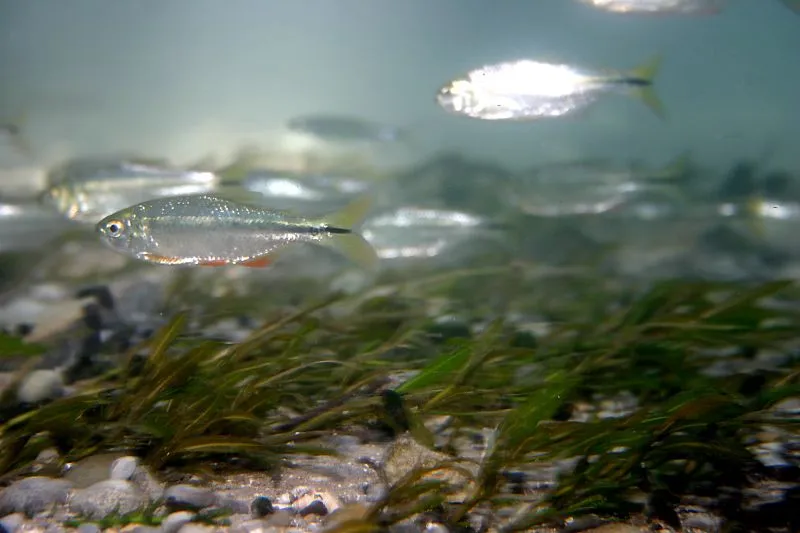 4.7 in (12 cm)25 gal (95 L)70–77°F (21–25°C)
Blind cave tetra
Astyanax mexicanus
4.7 in (12 cm) · 25 gal (95 L)
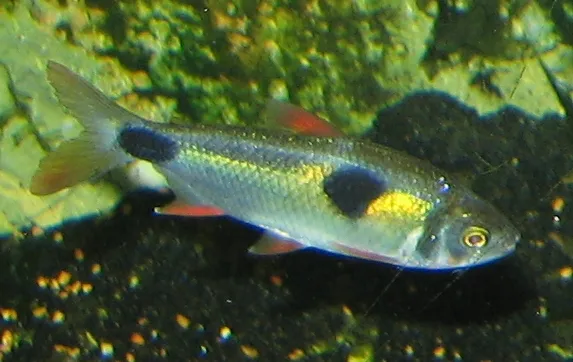 4.7 in (12 cm)45 gal (170 L)73–82°F (23–28°C)
Bucktooth tetra
Exodon paradoxus
4.7 in (12 cm) · 45 gal (170 L)
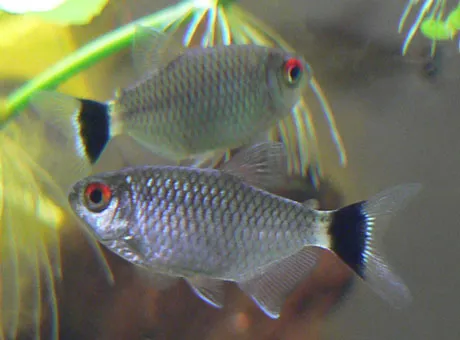 2.8 in (7 cm)28 gal (105 L)72–79°F (22–26°C)
Red eye tetra
Moenkhausia sanctaefilomenae
2.8 in (7 cm) · 28 gal (105 L)