Clown loach
Chromobotia macracanthus
FreshwaterFish
Care at a glance
- Temperature
- 75–86°F
- 24–30°C
- pH
- 6.0–7.5
- Adult size
- 11.8 in
- 30 cm
- Minimum tank
- 75 gal
- 285 L
- Temperament
- Mostly peaceful
- Social behavior
- Shoaling
- Swim level
- Bottom
- Difficulty
- Medium
- Breeding
- No record
- Rarity
- Rare
- Family
- Botiidae
- Origin
- Sumatra, Borneo
Overview
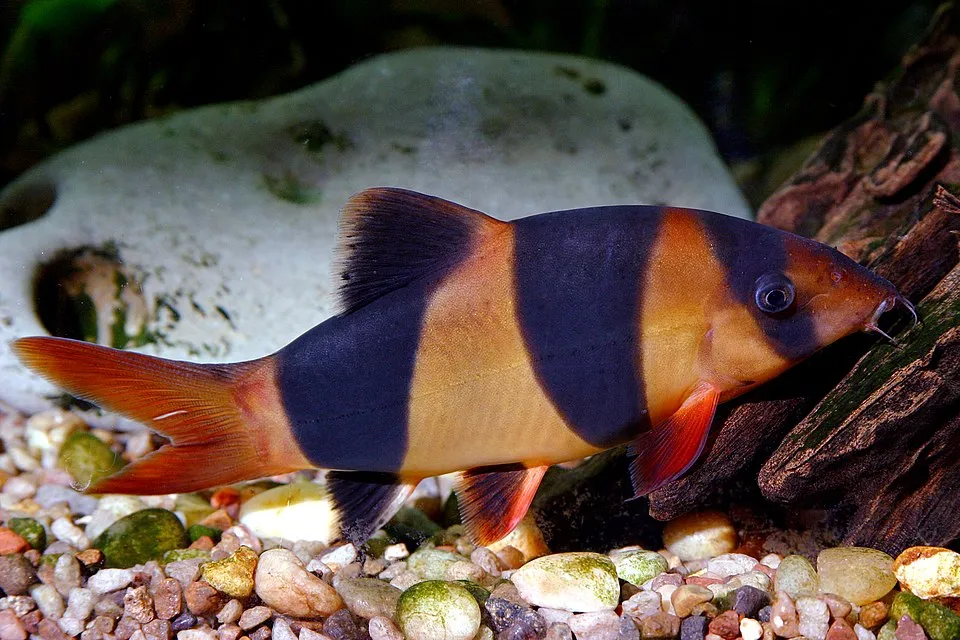
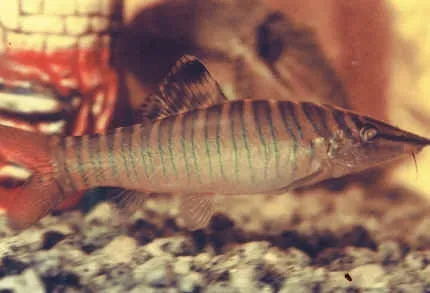
The clown loach is a large, long-lived schooling fish that must be kept in a group of at least five or six, and it is far bolder and healthier in a bigger crowd. It lives on the bottom, rooting through sand and caves, and it is one of the more effective natural controls for pest snails. It is mostly peaceful and does well with medium-sized, calm community fish, though its adult size rules out tiny tankmates. Feed a wide diet of sinking pellets, frozen bloodworms, blanched vegetables, and the occasional snail. Because it can reach 30 cm and lives for decades, plan for a large tank of at least 285 liters and grow the group into something bigger over time.
In the wild
Chromobotia macracanthus lives on the islands of Sumatra and Borneo, moving between large river channels and, in the breeding season, flooded forest tributaries. The water is warm at 24 to 30 C and slightly acidic to neutral, around pH 6 to 7.5. A home tank should offer a soft sand bed, plenty of driftwood and rounded rock forming caves and tunnels, and gentle to moderate flow with strong oxygenation. Dim, shaded areas encourage the group to forage confidently, and stable, clean water keeps these sensitive fish free of ich.
Good to know
The clown loach is the only species in the genus Chromobotia, which Maurice Kottelat separated from Botia in 2004. It belongs to Botiidae and is among the giants of the family, reaching about 30 cm and living well past twenty years. Its species name macracanthus means large spine, a reference to the sharp, erectile blade below each eye. Spawning happens on migrations in the wild and is essentially unknown in home tanks, so commercial fish are farmed, often with hormone induction.
Did you know
Clown loaches produce audible clicking sounds by grinding their pharyngeal teeth, and keepers often hear them at feeding time or when the fish are jostling for a favorite hiding spot. The clicks are thought to signal excitement and to help sort out the group's pecking order.
Weekly picks
Tank mates
Clown loach is a mostly peaceful, shoaling species that keeps to the bottom. These picks share a community profile with it, are safe together in both directions, and overlap on water type, temperature and pH.
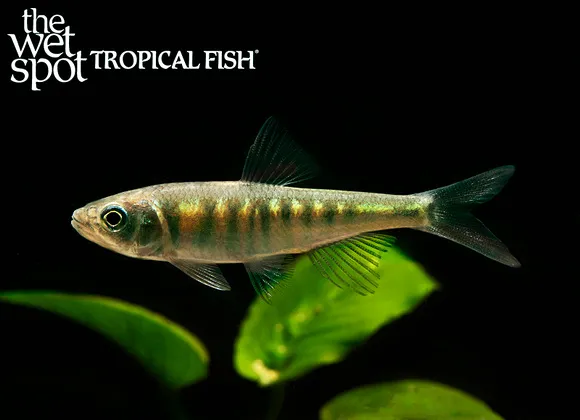
Pale chub
Zacco platypus
Freshwater7.9 in (20 cm) · 79 gal (300 L)54–75°F (12–24°C)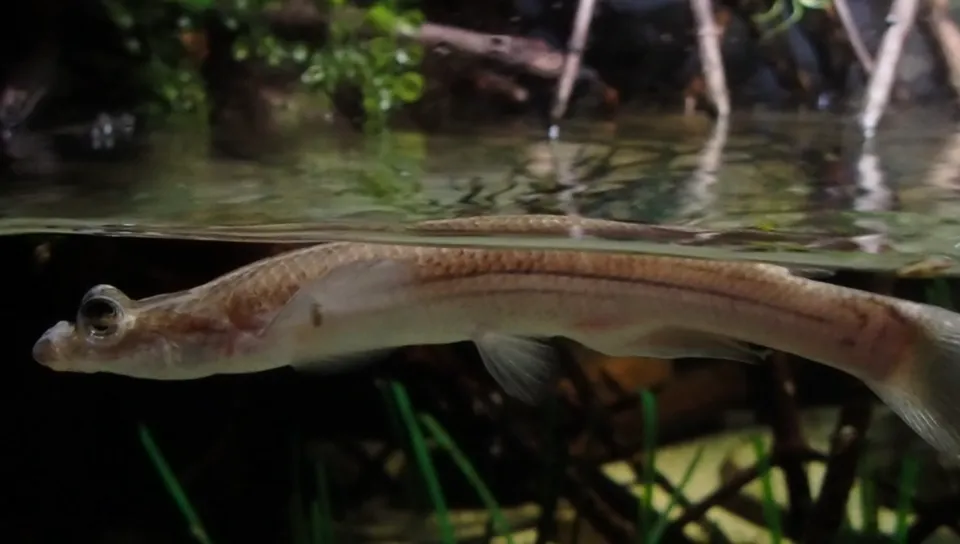
Largescale four-eyed fish
Anableps anableps
FreshwaterBrackish11.8 in (30 cm) · 70 gal (265 L)77–88°F (25–31°C)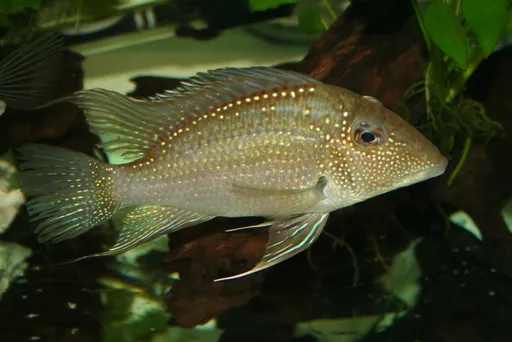
Whitespot eartheater
Satanoperca leucosticta
Freshwater7.1 in (18 cm) · 79 gal (300 L)75–84°F (24–29°C)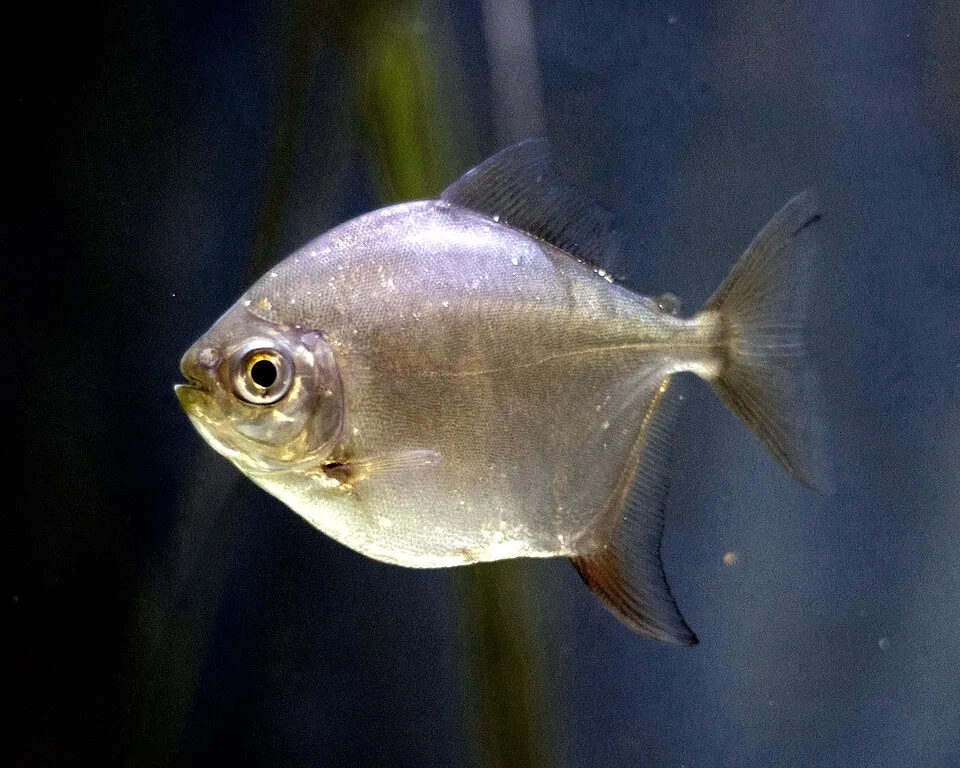
Silver dollar
Metynnis argenteus
Freshwater5.9 in (15 cm) · 70 gal (265 L)75–82°F (24–28°C)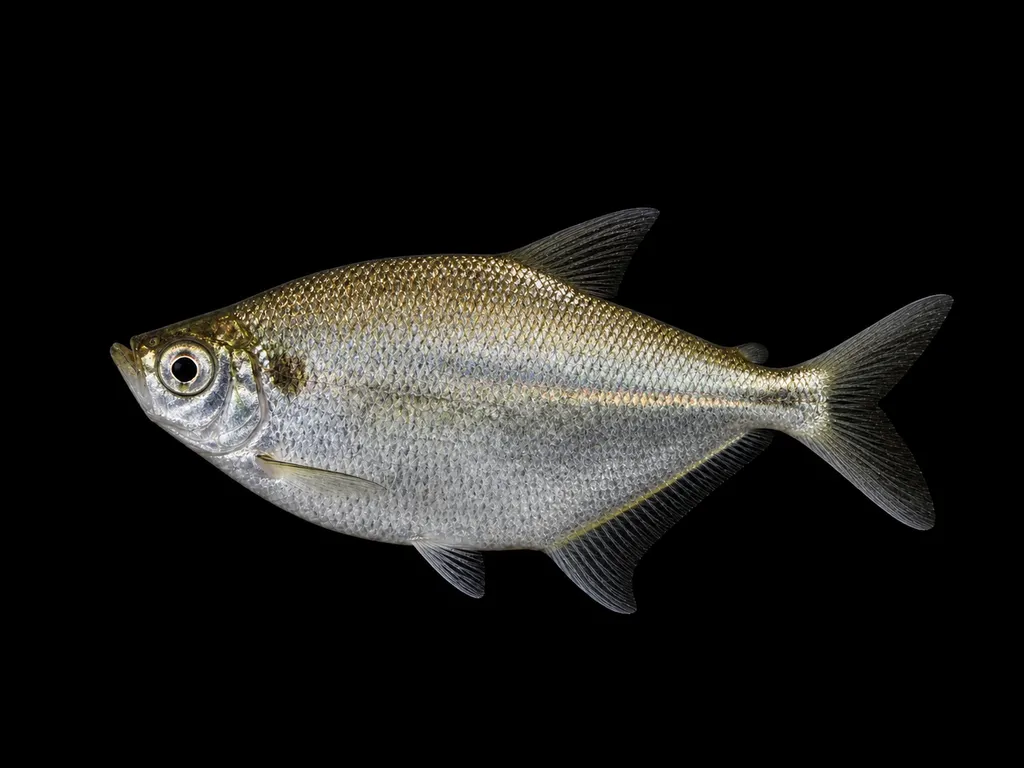
Giant river hatchetfish
Triportheus rotundatus
Freshwater9.8 in (25 cm) · 79 gal (300 L)73–82°F (23–28°C)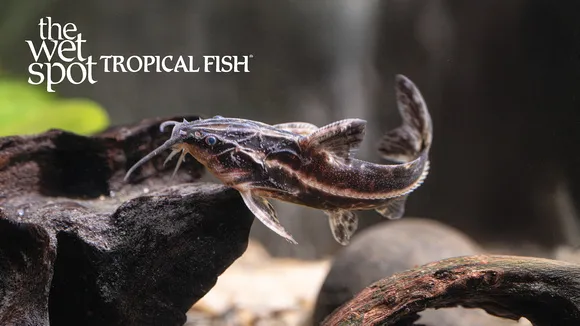
Orinoco talking catfish
Orinocodoras eigenmanni
Freshwater7.9 in (20 cm) · 70 gal (265 L)73–82°F (23–28°C)
Common questions
What size tank does a Clown loach need?
A Clown loach needs at least 75 gal (285 L). It spends most of its time in the bottom.
What temperature and pH does a Clown loach need?
A Clown loach is comfortable at 75–86°F (24–30°C) with a pH of 6.0–7.5.
How big does a Clown loach get?
An adult Clown loach reaches about 11.8 in (30 cm).
Does a Clown loach need a group?
Yes. A Clown loach is a shoaling species and should be kept in a group, not singly.
Related species
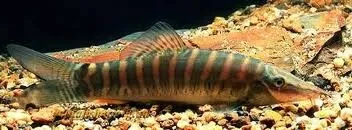 11.8 in (30 cm)75 gal (285 L)75–86°F (24–30°C)
Banded tiger loach
Syncrossus helodes
11.8 in (30 cm) · 75 gal (285 L)
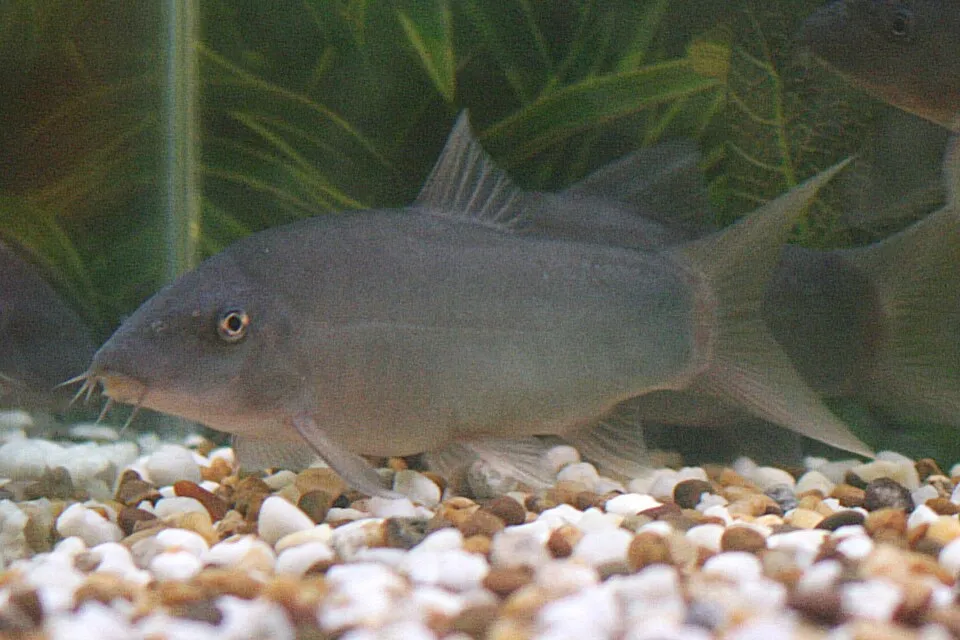 9.8 in (25 cm)75 gal (285 L)73–82°F (23–28°C)
Redtail loach
Yasuhikotakia modesta
9.8 in (25 cm) · 75 gal (285 L)
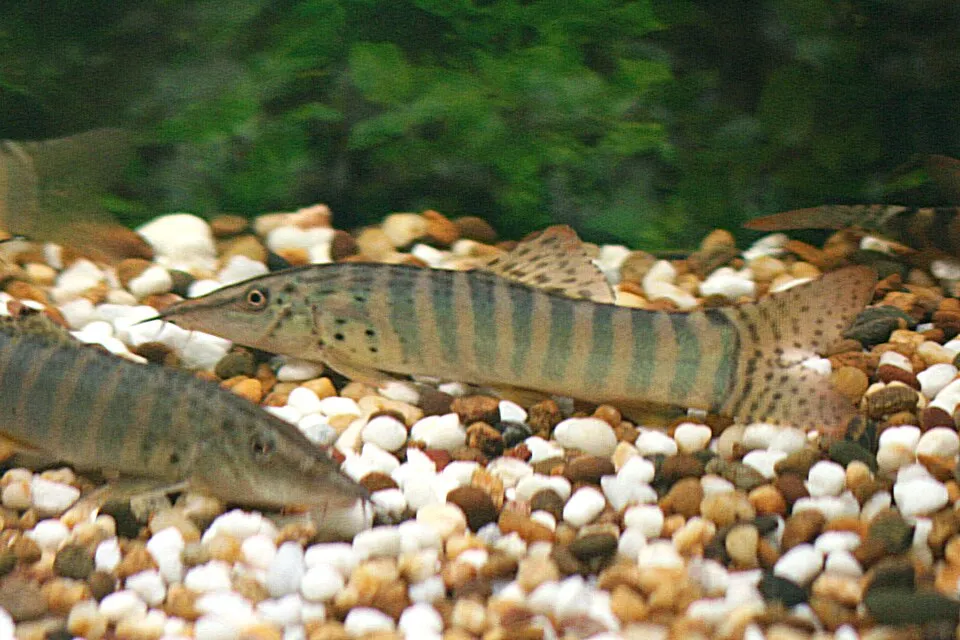 9.4 in (24 cm)50 gal (190 L)70–79°F (21–26°C)
Redfin tiger loach
Syncrossus berdmorei
9.4 in (24 cm) · 50 gal (190 L)
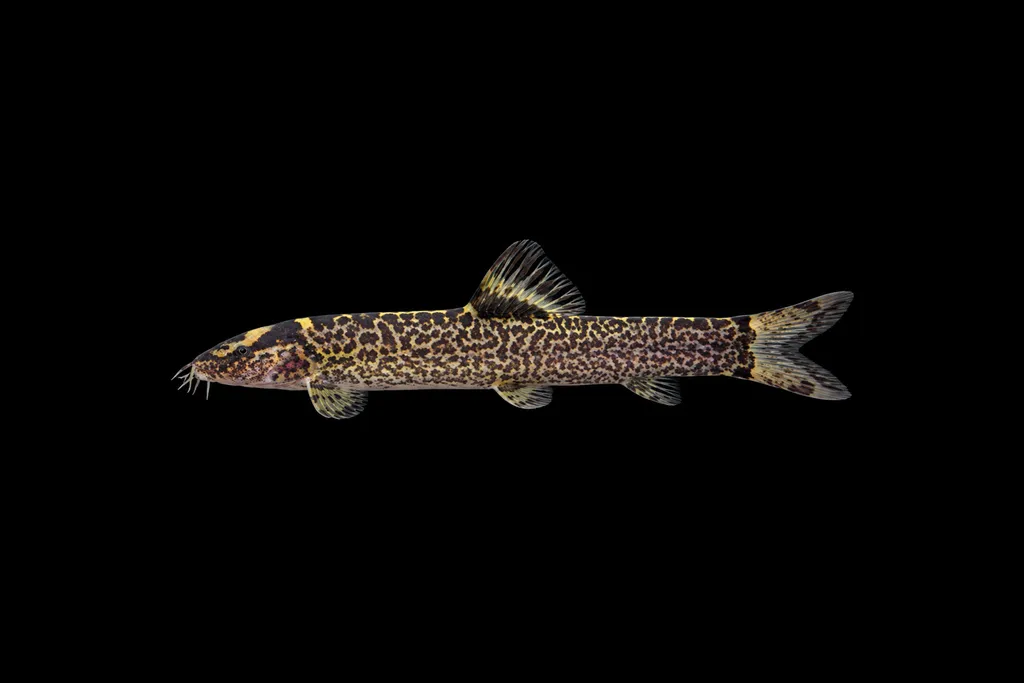 9.1 in (23 cm)106 gal (400 L)64–79°F (18–26°C)
Honeycomb loach
Leptobotia taeniops
9.1 in (23 cm) · 106 gal (400 L)
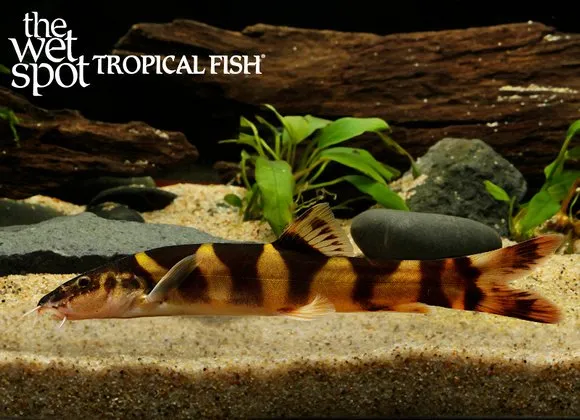 8.7 in (22 cm)106 gal (400 L)64–79°F (18–26°C)
Pellegrin's loach
Leptobotia pellegrini
8.7 in (22 cm) · 106 gal (400 L)
 8.3 in (21 cm)40 gal (150 L)77–86°F (25–30°C)
Green tiger loach
Syncrossus hymenophysa
8.3 in (21 cm) · 40 gal (150 L)