Silver dollar
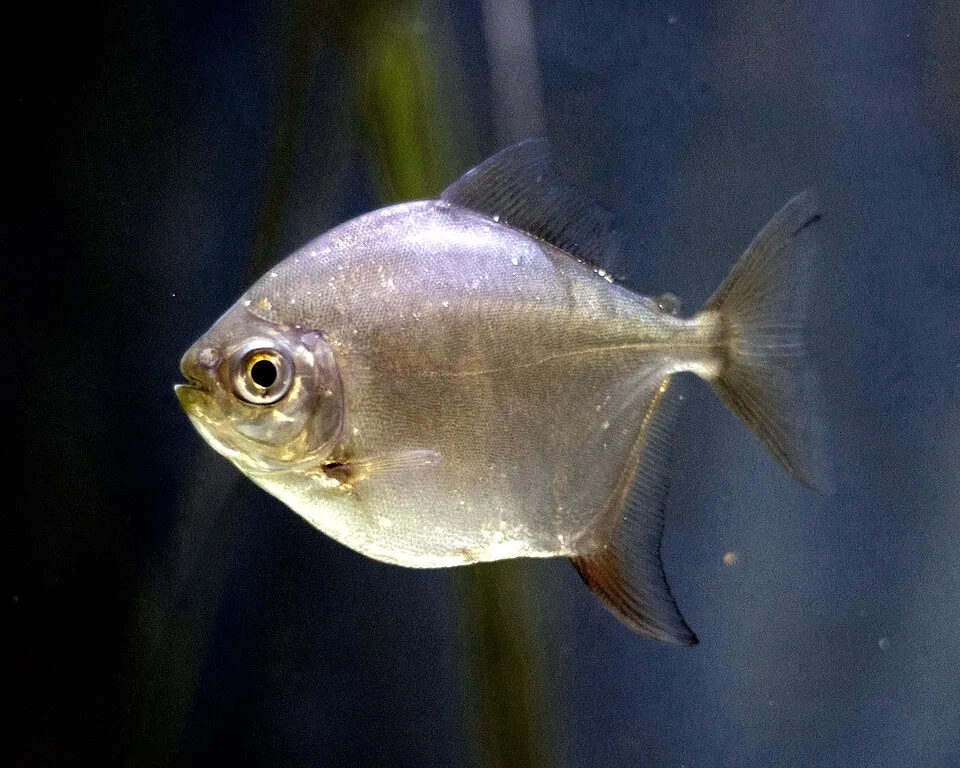
Metynnis argenteus
FreshwaterFish
Care at a glance
- Temperature
- 75–82°F
- 24–28°C
- pH
- 6.0–7.5
- Adult size
- 5.9 in
- 15 cm
- Minimum tank
- 70 gal
- 265 L
- Temperament
- Mostly peaceful
- Social behavior
- Schooling
- Swim level
- Middle
- Difficulty
- Medium
- Breeding
- Hard
- Rarity
- Rare
- Family
- Characidae
- Origin
- Brazil
Overview
Keep them in a school of five or more in a large tank of at least 265 liters, since a lone fish stays stressed and stays hidden. They are active mid and upper swimmers and are mostly peaceful with fish too big to swallow. Feed mainly greens: vegetable flakes, spirulina, and fresh produce like spinach or lettuce, with protein foods only occasionally. They prefer soft to neutral, warm water.
In the wild
This silver dollar comes from rivers and streams in Brazil's Amazon basin, in warm, soft, slightly acidic water shaded by overhanging plants. Those conditions point to a planted-edge setup with soft to neutral water and a temperature in the mid to high 20s C. Keep in mind they graze on plants, so use tough species or expect them to be eaten. Open mid-water space matters more than heavy decor.
Good to know
Metynnis argenteus is a characin in the family Characidae, with a tall, round, silver body that gives it its name. Adults reach about 15 cm. It scatters eggs and does not guard them, and home breeding is hard. The closely related Metynnis hypsauchen is often sold under the same name and looks nearly identical.
Did you know
Silver dollars are heavy plant eaters, so much so that aquarists treat almost any live planting as temporary. In the wild that grazing helps keep aquatic vegetation in check and moves nutrients through the system.
Weekly picks
Tank mates
Silver dollar is a mostly peaceful, schooling species that keeps to the middle. These picks share a community profile with it, are safe together in both directions, and overlap on water type, temperature and pH.
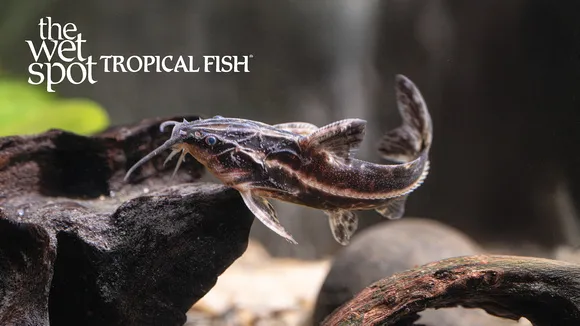
Orinoco talking catfish
Orinocodoras eigenmanni
Freshwater7.9 in (20 cm) · 70 gal (265 L)73–82°F (23–28°C)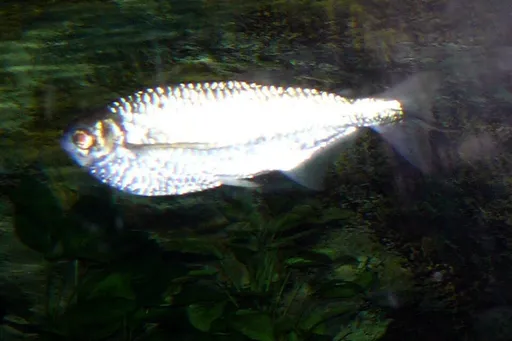
Narrow hatchetfish
Triportheus angulatus
Freshwater9.8 in (25 cm) · 79 gal (300 L)73–82°F (23–28°C)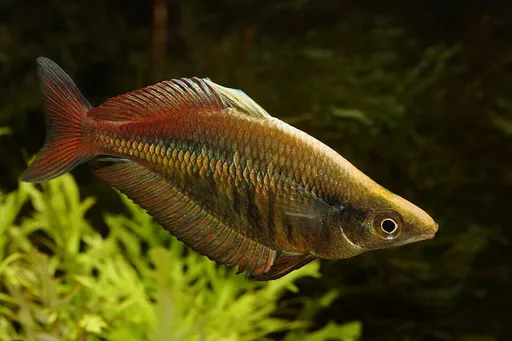
Barred rainbowfish
Chilatherina fasciata
Freshwater4.7 in (12 cm) · 53 gal (200 L)75–86°F (24–30°C)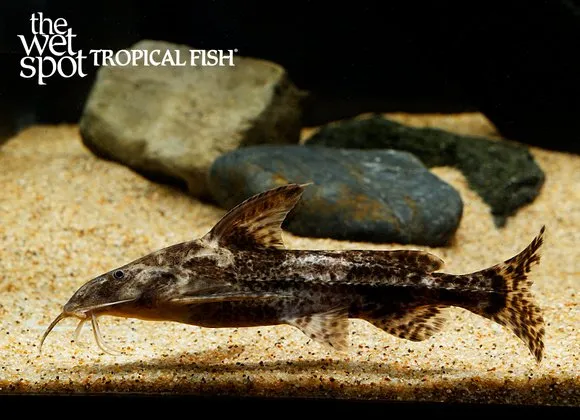
Gallagher's catfish
Rhinodoras gallagheri
Freshwater5.9 in (15 cm) · 70 gal (265 L)73–82°F (23–28°C)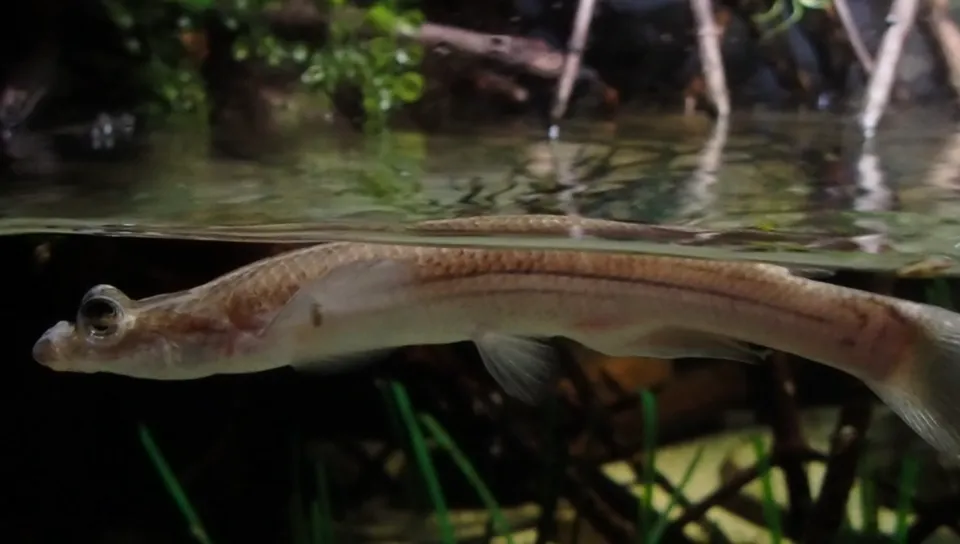
Largescale four-eyed fish
Anableps anableps
FreshwaterBrackish11.8 in (30 cm) · 70 gal (265 L)77–88°F (25–31°C)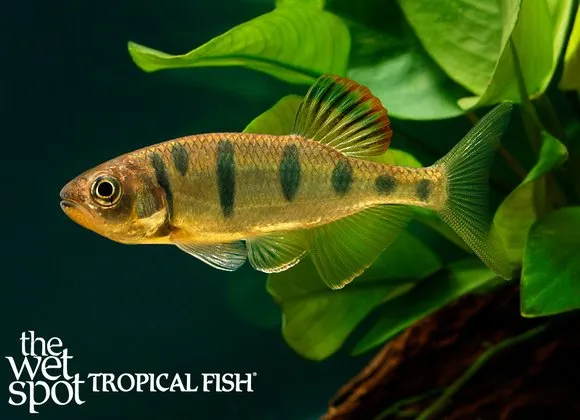
Jeweled baril
Opsarius pulchellus
Freshwater5.1 in (13 cm) · 53 gal (200 L)72–81°F (22–27°C)
Common questions
What size tank does a Silver dollar need?
A Silver dollar needs at least 70 gal (265 L). It spends most of its time in the middle.
What temperature and pH does a Silver dollar need?
A Silver dollar is comfortable at 75–82°F (24–28°C) with a pH of 6.0–7.5.
How big does a Silver dollar get?
An adult Silver dollar reaches about 5.9 in (15 cm).
Does a Silver dollar need a group?
Yes. A Silver dollar is a schooling species and should be kept in a group, not singly.
Related species
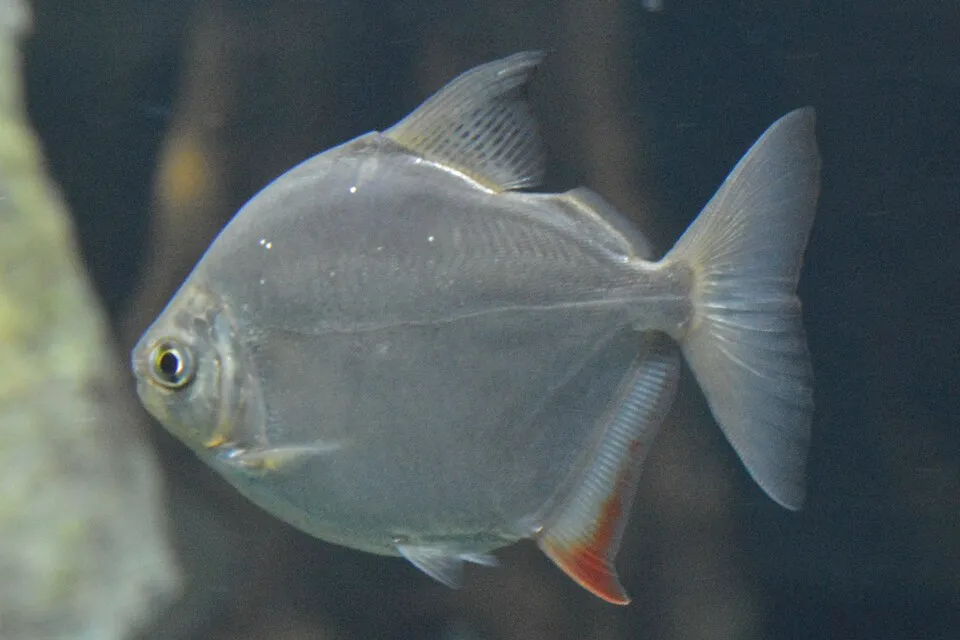 5.5 in (14 cm)70 gal (265 L)75–82°F (24–28°C)
Plain metynnis
Metynnis hypsauchen
5.5 in (14 cm) · 70 gal (265 L)
 3.1 in (7.8 cm)29 gal (110 L)72–81°F (22–27°C)
Kyburz tetra
Pseudochalceus kyburzi
3.1 in (7.8 cm) · 29 gal (110 L)
 3 in (7.5 cm)25 gal (95 L)66–81°F (19–27°C)
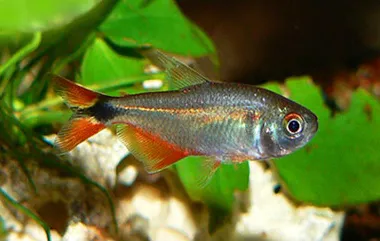
Buenos Aires tetra
Psalidodon anisitsi
3 in (7.5 cm) · 25 gal (95 L)
 2.8 in (7 cm)28 gal (105 L)72–79°F (22–26°C)
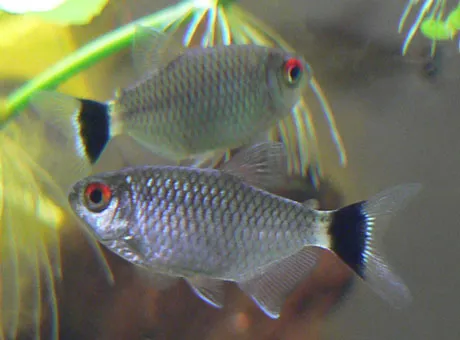
Red eye tetra
Moenkhausia sanctaefilomenae
2.8 in (7 cm) · 28 gal (105 L)
 2.7 in (6.8 cm)26 gal (100 L)72–81°F (22–27°C)
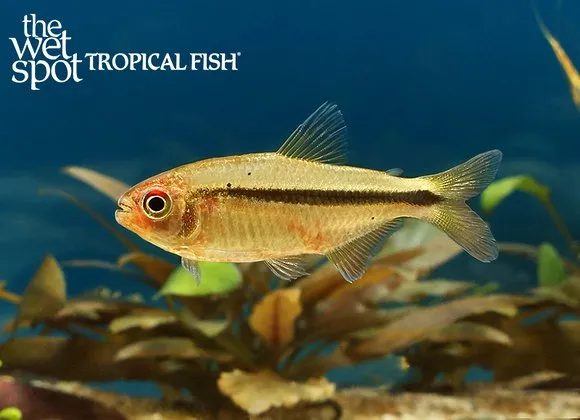
Cachimbo tetra
Hyphessobrycon cachimbensis
2.7 in (6.8 cm) · 26 gal (100 L)
 4.7 in (12 cm)25 gal (95 L)70–77°F (21–25°C)
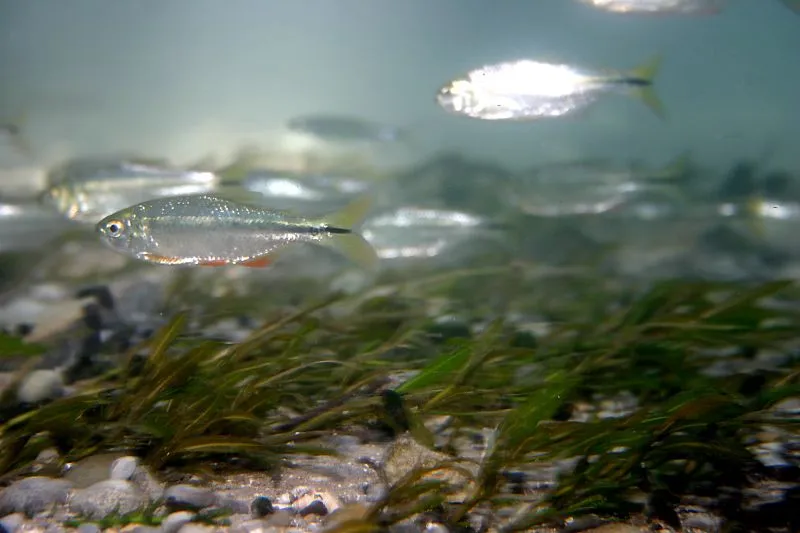
Blind cave tetra
Astyanax mexicanus
4.7 in (12 cm) · 25 gal (95 L)