Buenos Aires tetra
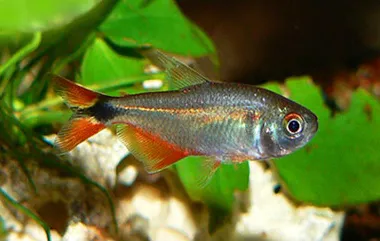
Psalidodon anisitsi
Also known as Hyphessobrycon anisitsi
FreshwaterFish
Care at a glance
- Temperature
- 66–81°F
- 19–27°C
- pH
- 6.0–8.0
- Adult size
- 3 in
- 7.5 cm
- Minimum tank
- 25 gal
- 95 L
- Temperament
- Mostly peaceful
- Social behavior
- Schooling
- Swim level
- Middle
- Difficulty
- Beginner
- Breeding
- Medium
- Rarity
- Rare
- Family
- Characidae
- Origin
- Brazil, Paraguay, Argentina
Overview
Keep them in a school of six or more in a tank of at least 95 liters, since a small group tends to get nippy. They are fast, busy swimmers that work the middle and lower water and eat just about anything: flakes, pellets, and frozen foods all go down. The catch is plants, they will shred soft-leaved species, so pair them with tough plants like anubias and java fern or skip live plants entirely. Good beginner fish, just not for a delicate planted tank.
In the wild
Buenos Aires tetras range across the La Plata basin in Brazil, Paraguay, and Argentina, in rivers and streams with some flow and plant growth. Because they live further south, they tolerate cooler water than most tetras, anywhere from the high teens up to the mid 20s C. Give them open swimming space with hardy plants or plastic ones they cannot wreck.
Good to know
This is a hardy characin in the family Characidae, growing to around 7.5 cm. They are egg scatterers that give no parental care, and the eggs usually hatch inside a day or two. Their wide temperature tolerance makes them one of the tougher tetras to keep alive.
Did you know
Their appetite for greens is strong enough that some keepers use them as a cleanup crew for hair algae, though they will happily eat your prized stem plants along with it. There is also a popular albino form that is more common in shops than the wild-type silver fish.
Weekly picks
Tank mates
Buenos Aires tetra is a mostly peaceful, schooling species that keeps to the middle. These picks share a community profile with it, are safe together in both directions, and overlap on water type, temperature and pH.
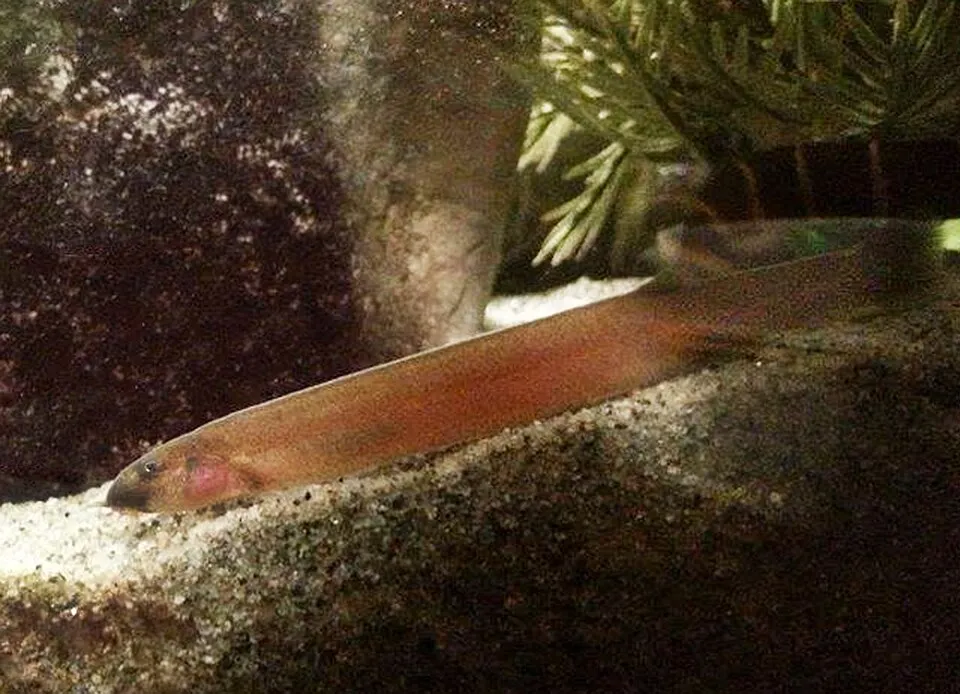
Java loach
Pangio oblonga
Freshwater3.1 in (8 cm) · 25 gal (95 L)70–79°F (21–26°C)Siamese flying barb
Laubuka siamensis
Freshwater2.6 in (6.5 cm) · 24 gal (90 L)72–81°F (22–27°C)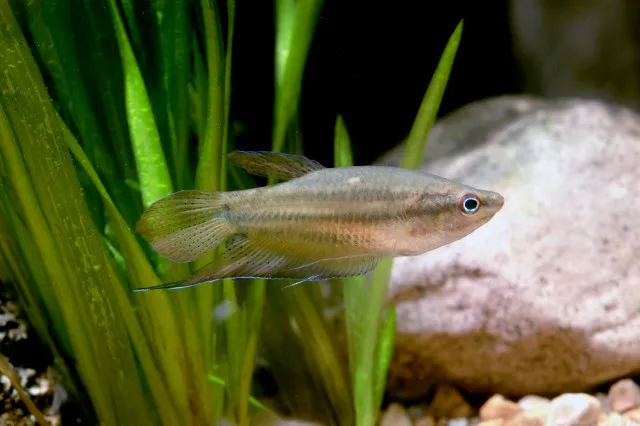
Croaking gourami
Trichopsis vittata
Freshwater2.8 in (7 cm) · 25 gal (95 L)72–82°F (22–28°C)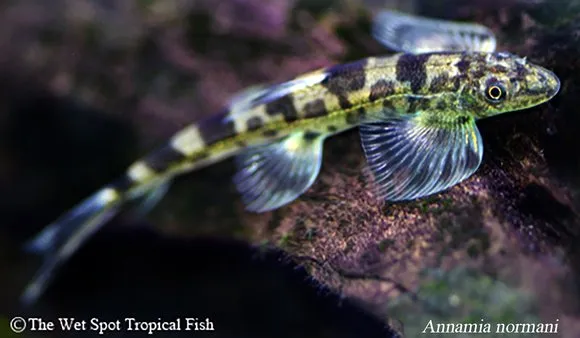
Annam hillstream loach
Annamia normani
Freshwater3.7 in (9.4 cm) · 25 gal (95 L)68–77°F (20–25°C)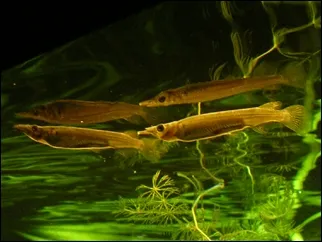
Wrestling halfbeak
Dermogenys pusilla
FreshwaterBrackish2.8 in (7 cm) · 25 gal (95 L)75–82°F (24–28°C)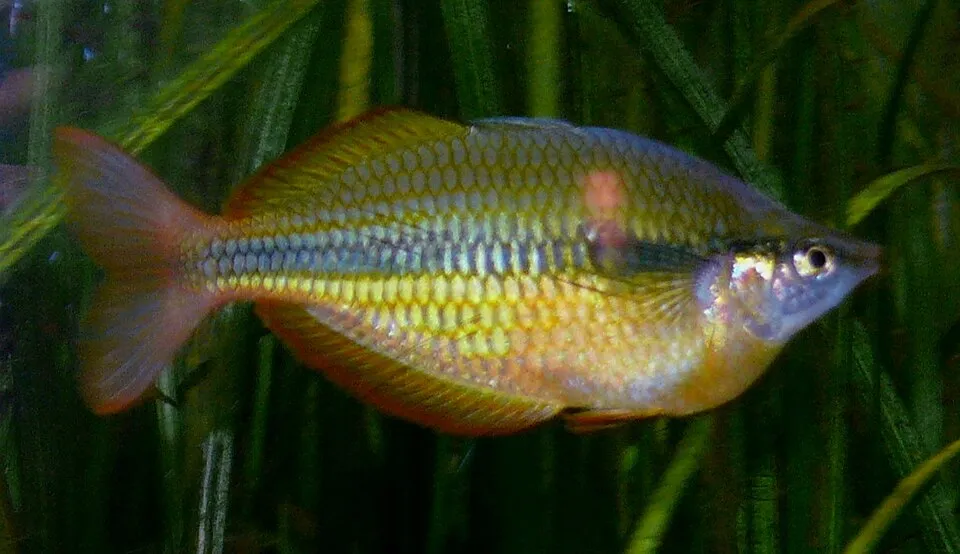
Lake Tebera rainbowfish
Melanotaenia herbertaxelrodi
Freshwater3.5 in (9 cm) · 25 gal (95 L)68–79°F (20–26°C)
Common questions
What size tank does a Buenos Aires tetra need?
A Buenos Aires tetra needs at least 25 gal (95 L). It spends most of its time in the middle.
What temperature and pH does a Buenos Aires tetra need?
A Buenos Aires tetra is comfortable at 66–81°F (19–27°C) with a pH of 6.0–8.0.
How big does a Buenos Aires tetra get?
An adult Buenos Aires tetra reaches about 3 in (7.5 cm).
Does a Buenos Aires tetra need a group?
Yes. A Buenos Aires tetra is a schooling species and should be kept in a group, not singly.
Related species
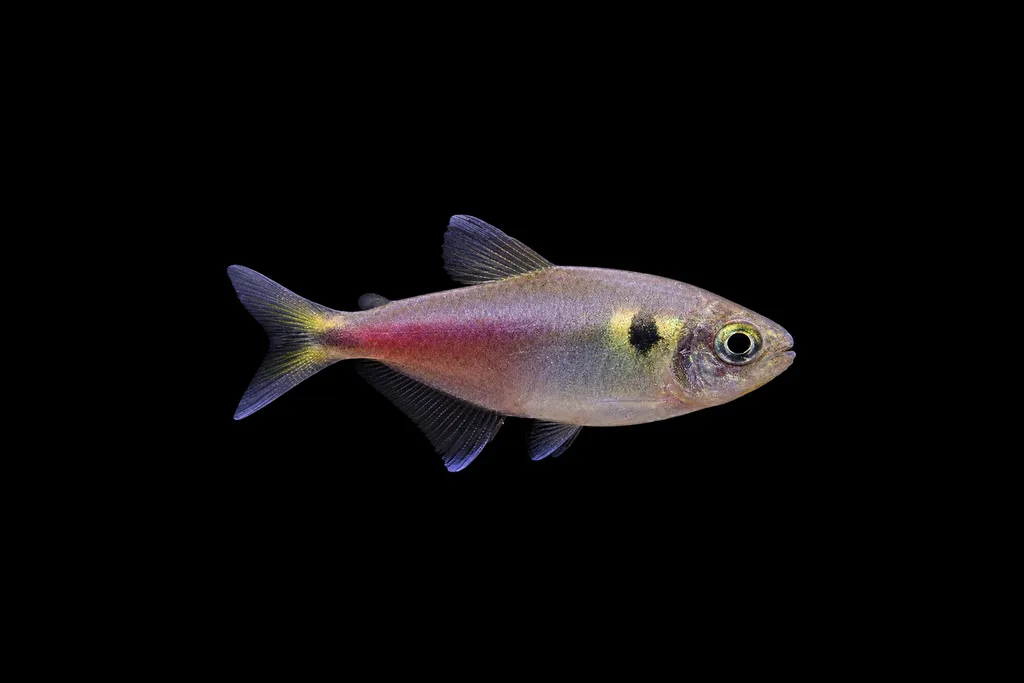 2.4 in (6 cm)21 gal (80 L)72–81°F (22–27°C)
Pastel lily tetra
Psalidodon xavante
2.4 in (6 cm) · 21 gal (80 L)
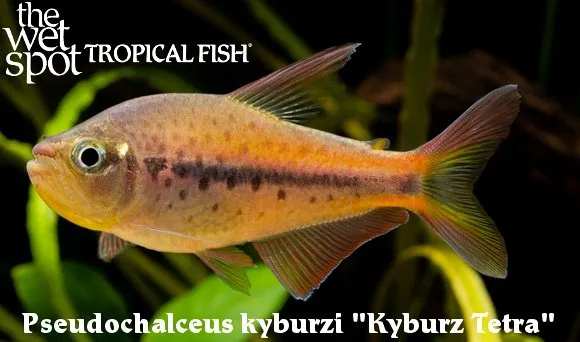 3.1 in (7.8 cm)29 gal (110 L)72–81°F (22–27°C)
Kyburz tetra
Pseudochalceus kyburzi
3.1 in (7.8 cm) · 29 gal (110 L)
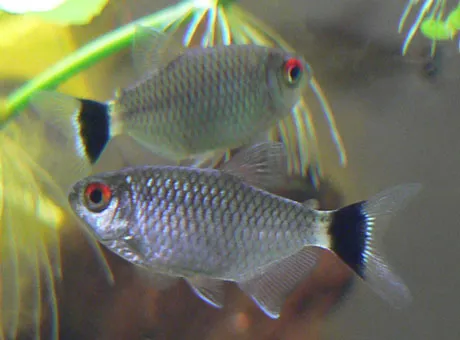 2.8 in (7 cm)28 gal (105 L)72–79°F (22–26°C)
Red eye tetra
Moenkhausia sanctaefilomenae
2.8 in (7 cm) · 28 gal (105 L)
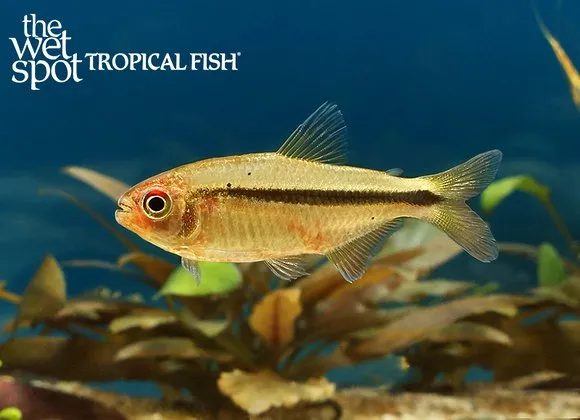 2.7 in (6.8 cm)26 gal (100 L)72–81°F (22–27°C)
Cachimbo tetra
Hyphessobrycon cachimbensis
2.7 in (6.8 cm) · 26 gal (100 L)
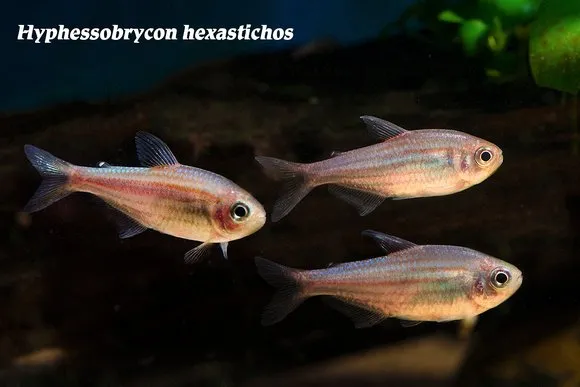 2.6 in (6.5 cm)24 gal (90 L)72–81°F (22–27°C)
Hexastichos tetra
Hyphessobrycon hexastichos
2.6 in (6.5 cm) · 24 gal (90 L)
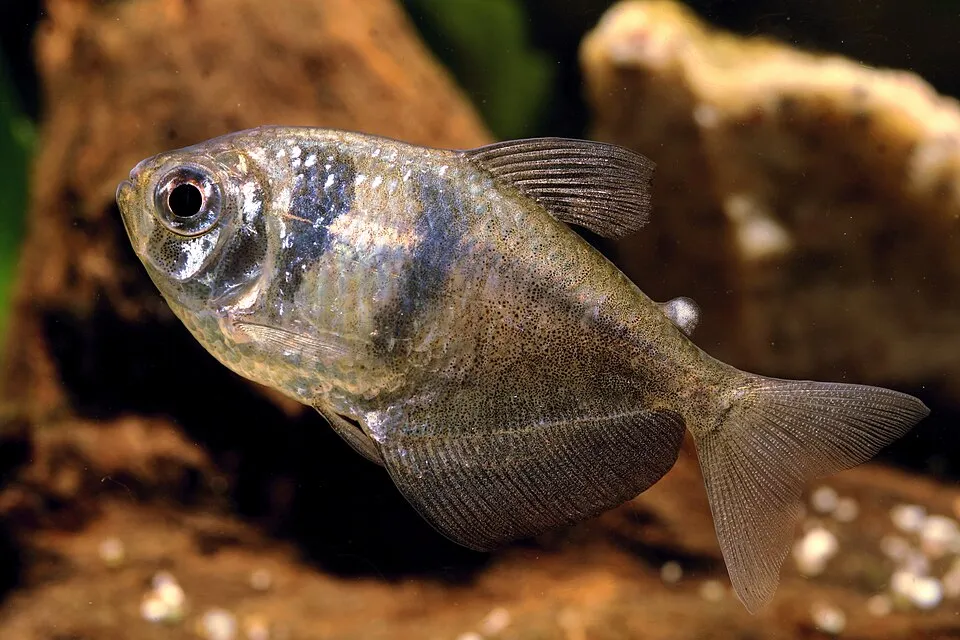 2.4 in (6 cm)20 gal (75 L)68–79°F (20–26°C)
Black widow tetra
Gymnocorymbus ternetzi
2.4 in (6 cm) · 20 gal (75 L)