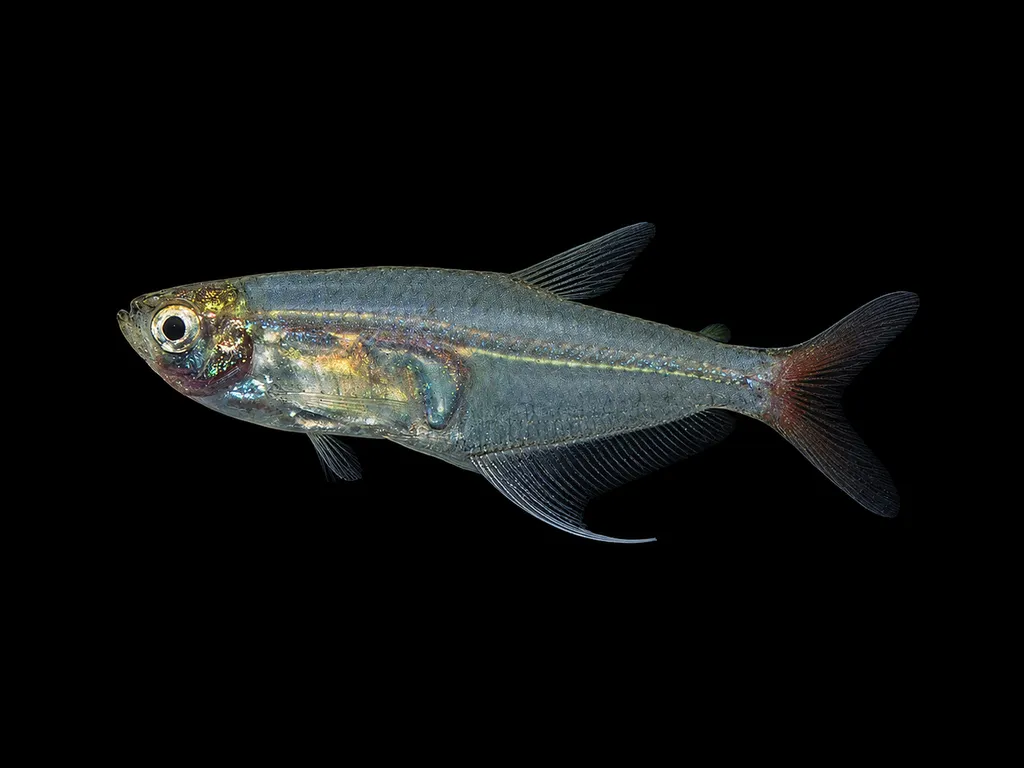
Pastel lily tetra
Psalidodon xavante
Also known as Astyanax xavante, Xavante tetra
FreshwaterFish
Care at a glance
- Temperature
- 72–81°F
- 22–27°C
- pH
- 5.5–7.2
- Adult size
- 2.4 in
- 6 cm
- Minimum tank
- 21 gal
- 80 L
- Temperament
- Peaceful
- Social behavior
- Schooling
- Swim level
- Middle
- Diet
- Omnivore
- Difficulty
- Medium
- Breeding
- Egg scatterer
- Rarity
- Rare
- Family
- Characidae
- Origin
- Rio das Mortes, Mato Grosso, Brazil
Overview
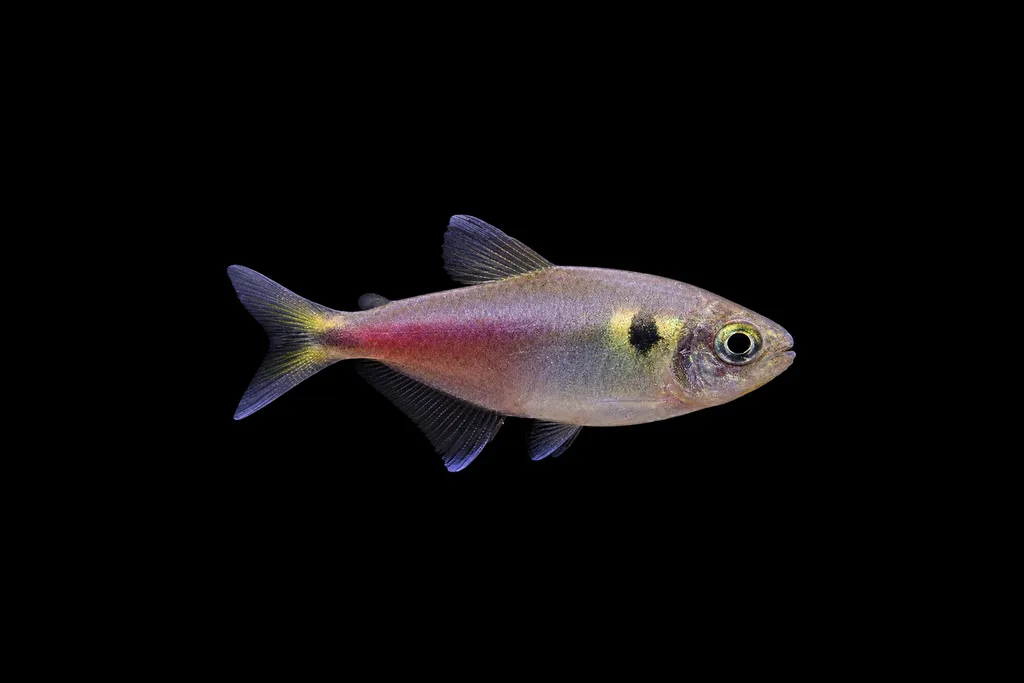
The pastel lily tetra is a peaceful schooling fish with soft rose and silver tones, for a calm community tank. It needs a little more care than a first fish.
Did you know
The pastel lily tetra's species name honors the Xavante, the Indigenous nation of the river country where it lives. The name ties the fish to the people who have long shared its water.
Caring for the pastel lily tetra
Give pastel lily tetras 21 gal (80 L) or more, with open swimming space near the surface and some floating cover. Driftwood and marginal planting suit them, with gentle flow and clean, well-oxygenated water.
Keep the water at 72 to 81°F (22 to 27°C), with a pH of 5.5 to 7.2 and soft to moderate hardness. Pastel lily tetras are opportunistic omnivores. Offer a varied diet of quality flake or micro pellets, with frozen and live foods such as daphnia, bloodworm and brine shrimp.
Keep them in a group of at least eight, where they stay confident and show their best color. They favor the middle and upper water. They mix well with other calm community fish of a similar size, such as tetras, rasboras and corydoras. They are egg scatterers, but there are no established aquarium breeding records.
Good to know
The pastel lily tetra was described in 2009 as Astyanax xavante and is now placed in the genus Psalidodon. It is a characin of the family Characidae, and it is still fairly new to the hobby.
In the wild
The pastel lily tetra lives in clear, crystalline cerrado streams of the middle Rio Araguaia system in Mato Grosso, Brazil. It occurs in the region of central Brazil between the Rio das Mortes and Rio Culuene. There it favors the surface and the tangle of roots and branches at the margins.
Weekly picks
Tank mates
The pastel lily tetra is a peaceful, schooling species that keeps to the middle. These picks share a community profile with it, are safe together in both directions, and overlap on water type, temperature and pH.
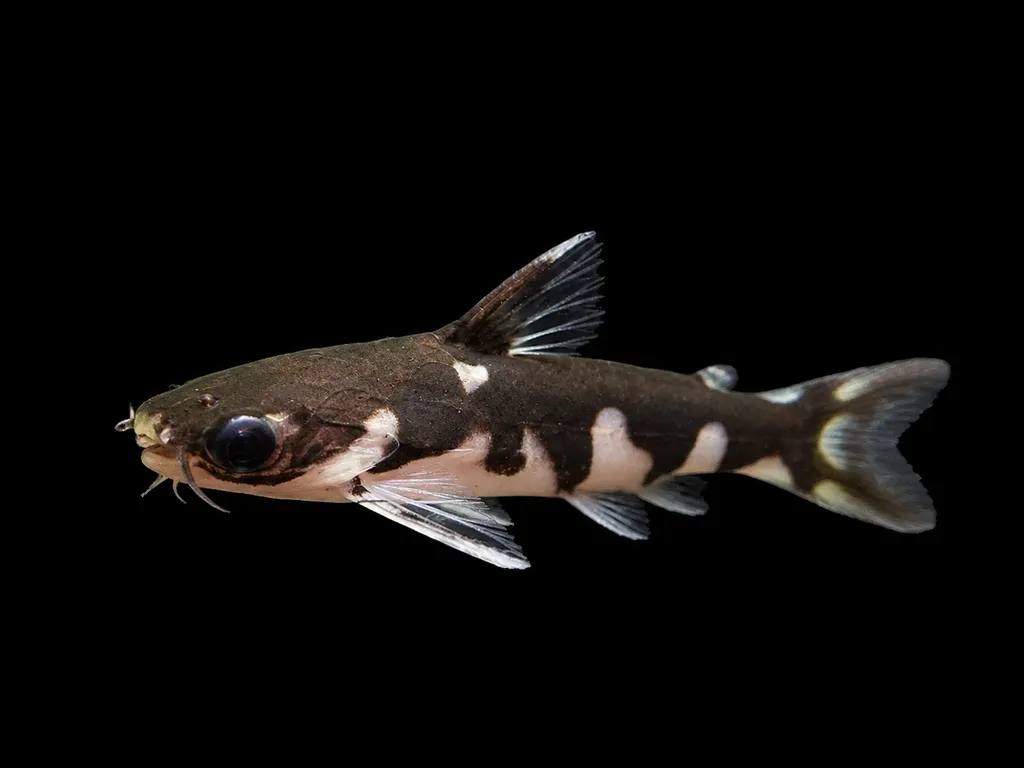
Ninja tatia
Centromochlus musaicus
Freshwater2.4 in (6 cm) · 21 gal (80 L)73–82°F (23–28°C)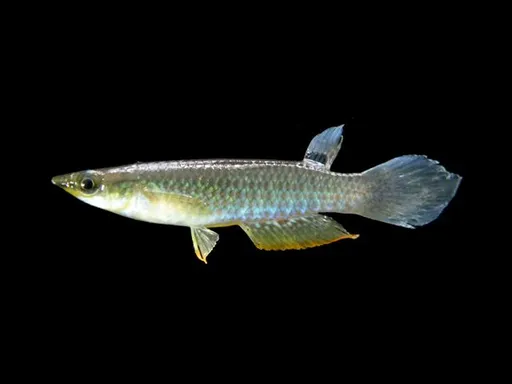
Blue panchax
Aplocheilus panchax
Freshwater3.5 in (9 cm) · 20 gal (75 L)72–82°F (22–28°C)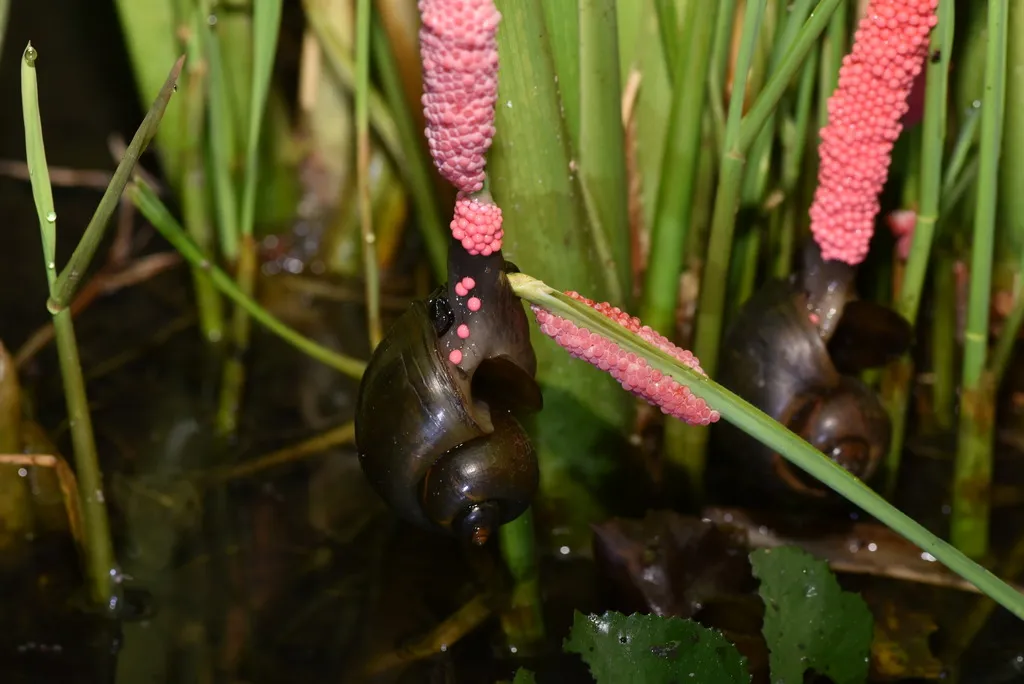
Apple snail
Pomacea canaliculata
Freshwater5.9 in (15 cm) · 21 gal (80 L)64–81°F (18–27°C)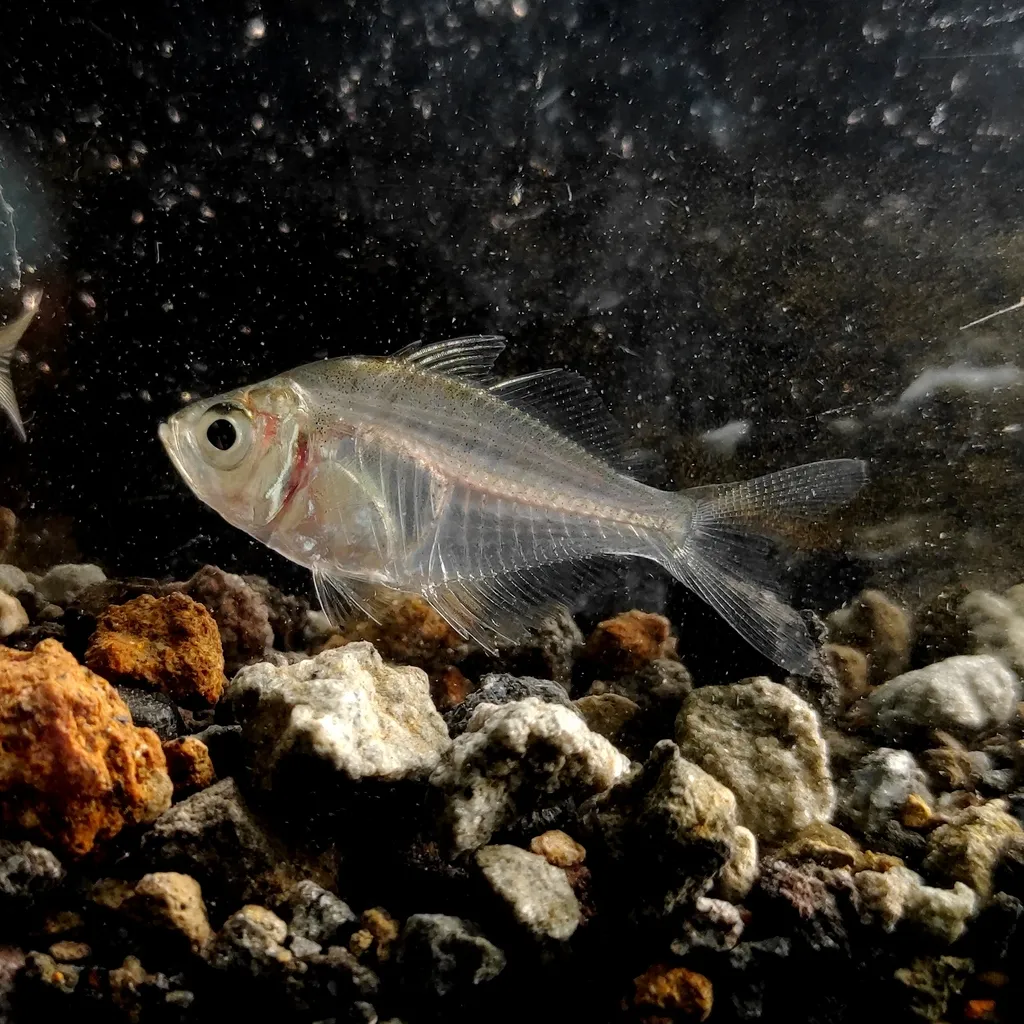
Siamese glassfish
Parambassis siamensis
Freshwater2.8 in (7 cm) · 21 gal (80 L)73–82°F (23–28°C)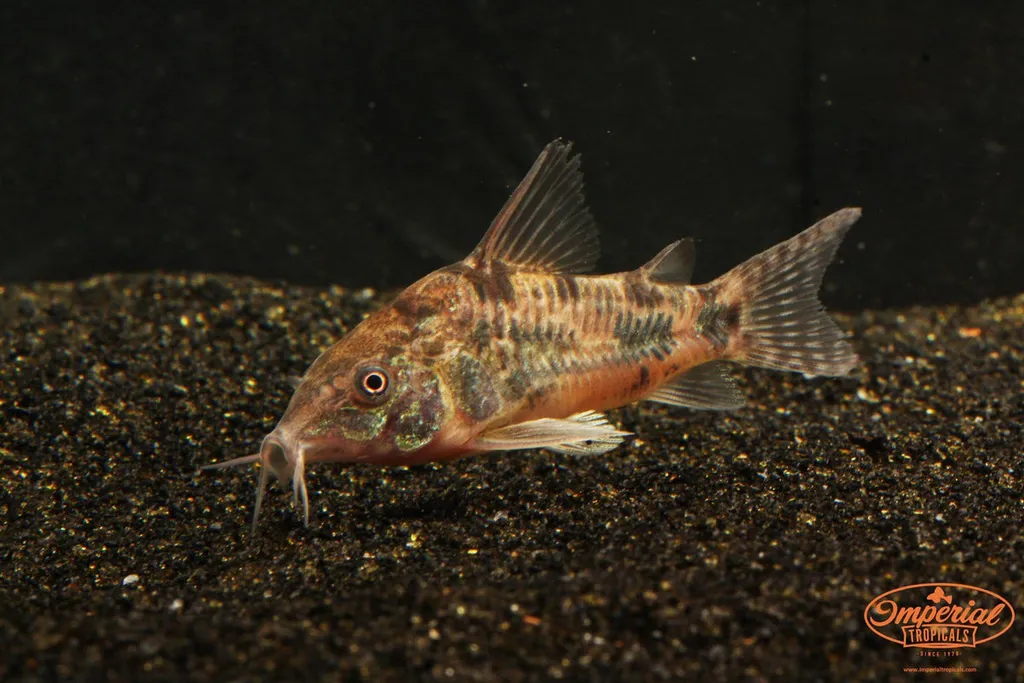
Peppered cory
Hoplisoma paleatum
Freshwater2.8 in (7 cm) · 21 gal (80 L)72–79°F (22–26°C)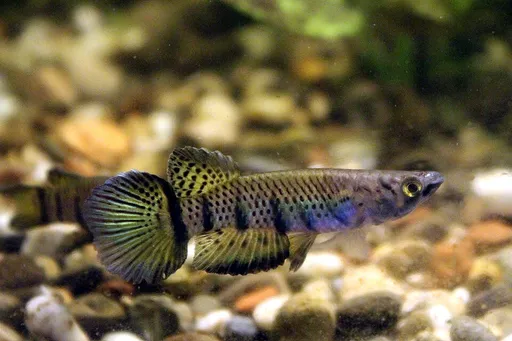
Six-barred panchax
Epiplatys sexfasciatus
Freshwater3.9 in (10 cm) · 20 gal (75 L)72–81°F (22–27°C)
Common questions
What size tank does a pastel lily tetra need?
A pastel lily tetra needs at least 21 gal (80 L). It spends most of its time in the middle.
What temperature and pH does a pastel lily tetra need?
A pastel lily tetra is comfortable at 72–81°F (22–27°C) with a pH of 5.5–7.2.
What does a pastel lily tetra eat?
A pastel lily tetra is an opportunistic omnivore. It takes a varied diet of quality flake or micro pellets, with frozen and live foods such as daphnia, bloodworm and brine shrimp.
How big does a pastel lily tetra get?
An adult pastel lily tetra reaches about 2.4 in (6 cm).
Does a pastel lily tetra need a group?
Yes. A pastel lily tetra is a schooling species and should be kept in a group, not singly.
How does a pastel lily tetra breed?
Pastel lily tetras are egg scatterers. There are no established records of them breeding in an aquarium.
Related species
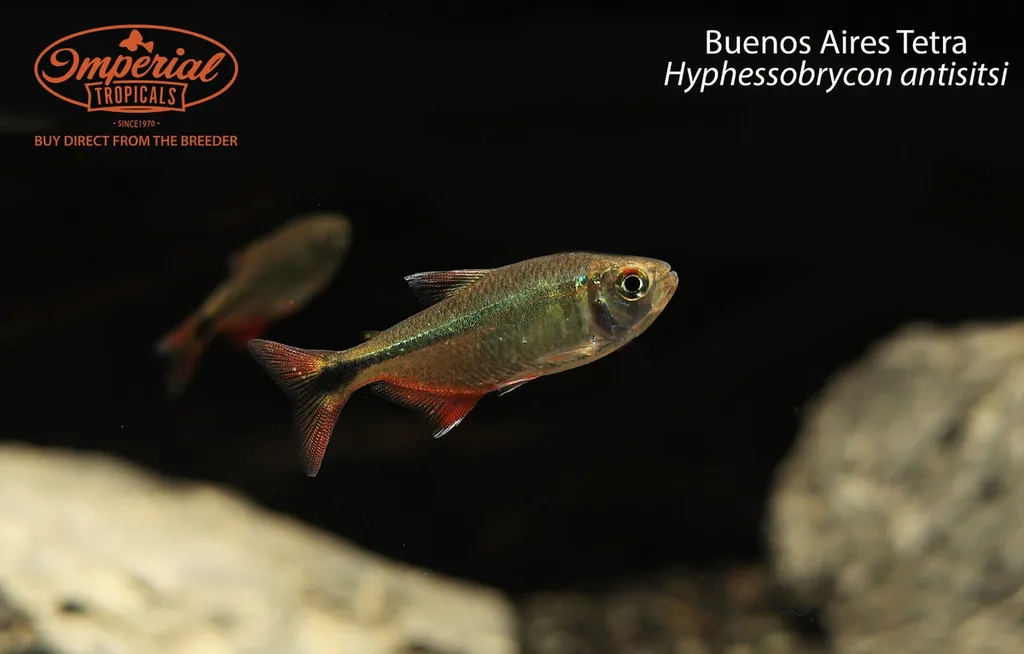 3 in (7.5 cm)25 gal (95 L)66–81°F (19–27°C)
Buenos Aires tetra
Psalidodon anisitsi
3 in (7.5 cm) · 25 gal (95 L)
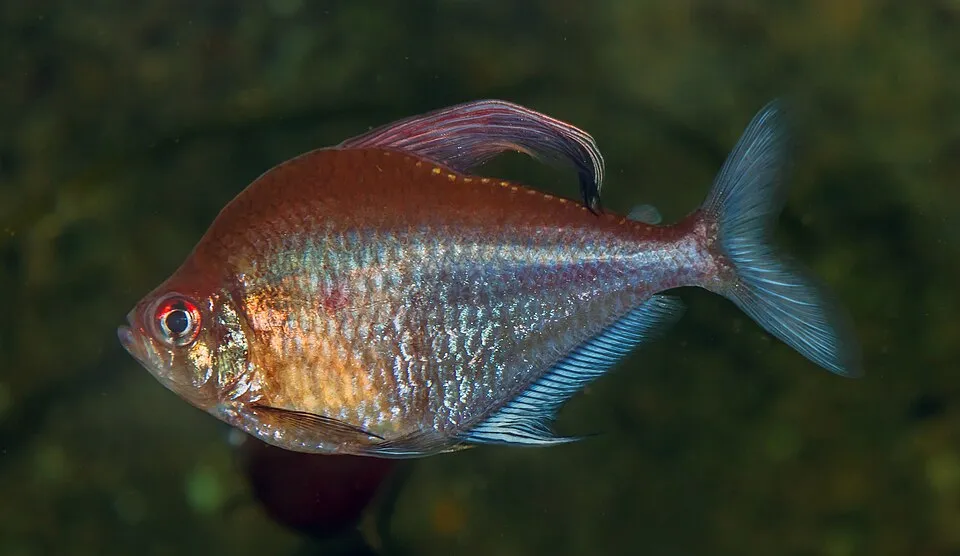 2.4 in (6 cm)20 gal (75 L)70–81°F (21–27°C)
Bleeding heart tetra
Hyphessobrycon erythrostigma
2.4 in (6 cm) · 20 gal (75 L)
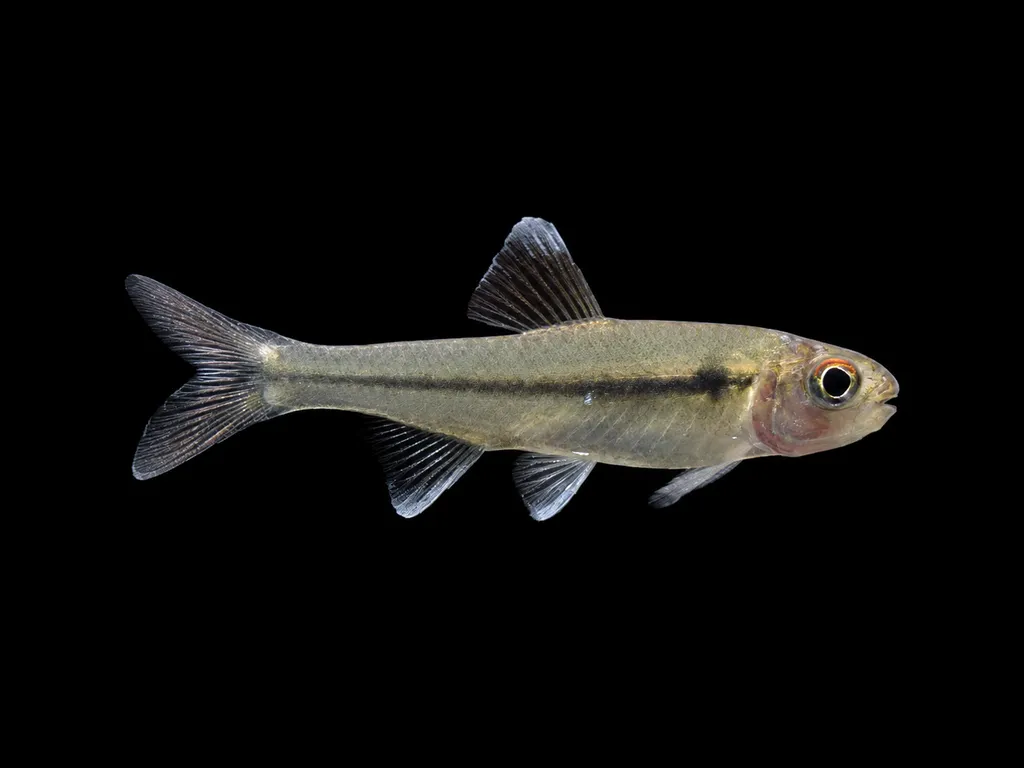 2.4 in (6 cm)20 gal (75 L)72–81°F (22–27°C)
Bluntnose ceratobranchia
Ceratobranchia obtusirostris
2.4 in (6 cm) · 20 gal (75 L)
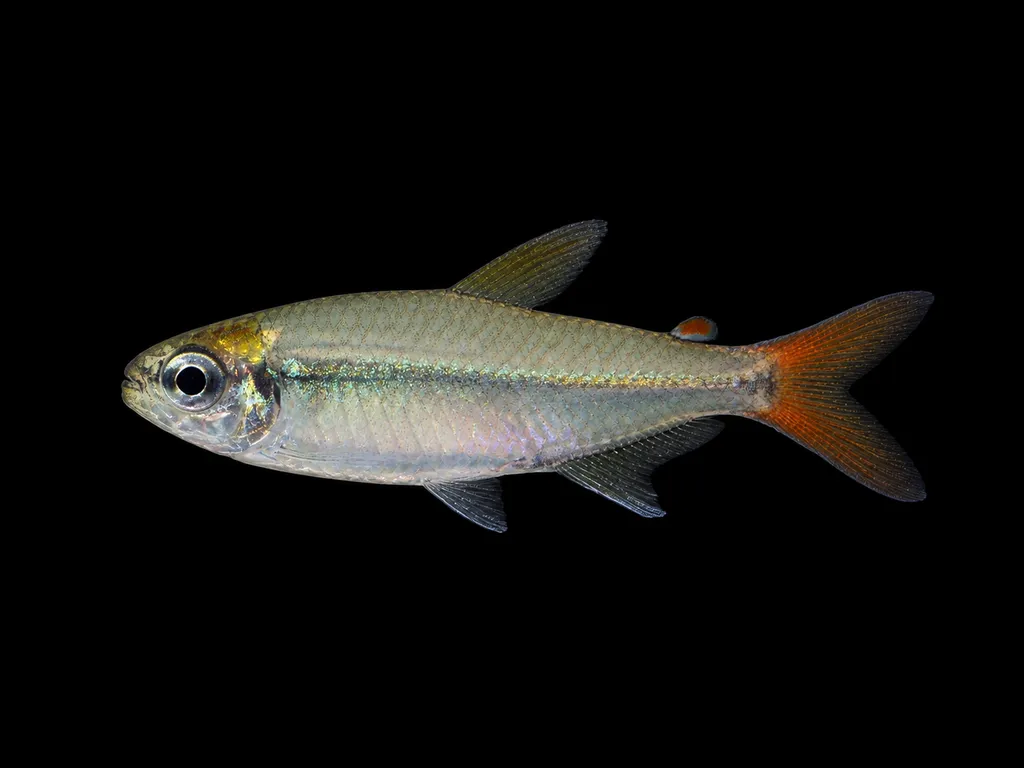 2.4 in (6 cm)20 gal (75 L)73–82°F (23–28°C)
Cope's tetra
Moenkhausia copei
2.4 in (6 cm) · 20 gal (75 L)
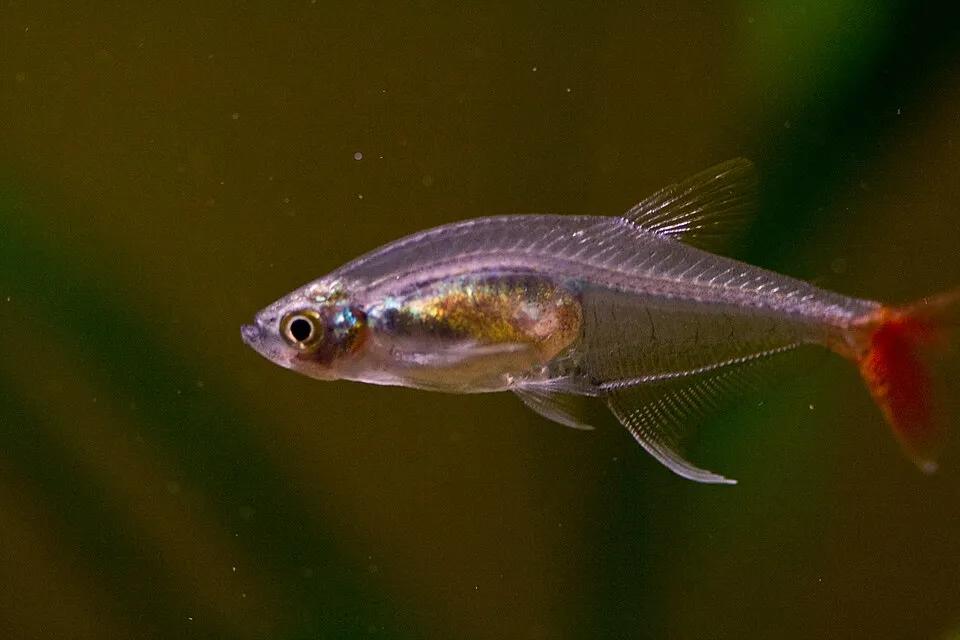 2.4 in (6 cm)20 gal (75 L)73–81°F (23–27°C)
Glass bloodfin tetra
Prionobrama filigera
2.4 in (6 cm) · 20 gal (75 L)
 2.4 in (6 cm)20 gal (75 L)68–81°F (20–27°C)
Paraguay glass tetra
Prionobrama paraguayensis
2.4 in (6 cm) · 20 gal (75 L)