Paraguay glass tetra
Prionobrama paraguayensis
Also known as Glass bloodfin (paraguayensis), Paraguayan glass tetra
FreshwaterFish
Care at a glance
- Temperature
- 68–81°F
- 20–27°C
- pH
- 6.0–7.5
- Adult size
- 2.4 in
- 6 cm
- Minimum tank
- 20 gal
- 75 L
- Temperament
- Peaceful
- Social behavior
- Schooling
- Swim level
- Middle
- Difficulty
- Medium
- Breeding
- Egg scatterer · Medium
- Rarity
- Rare
- Family
- Characidae
- Origin
- Paraguay basin, South America
Overview
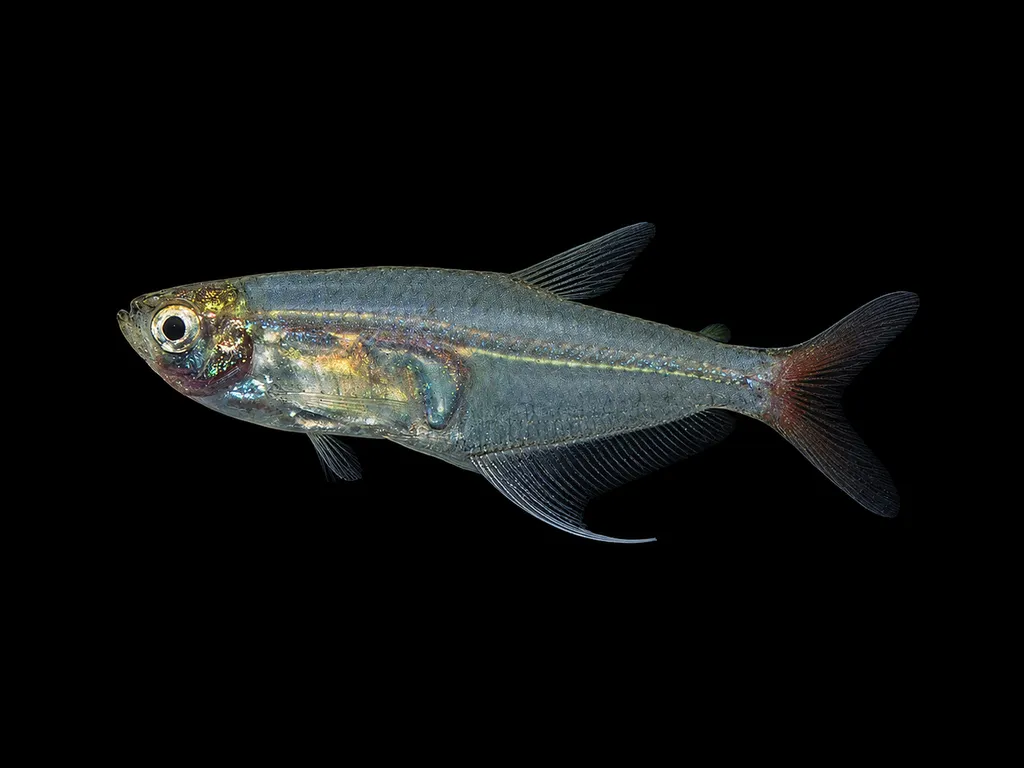
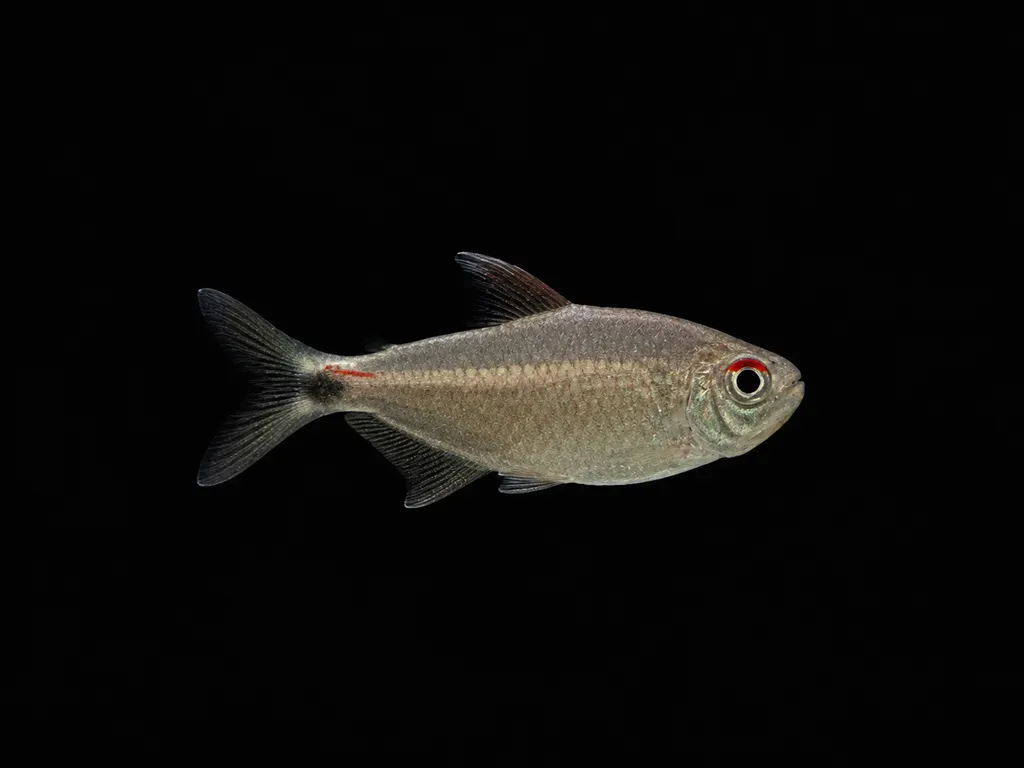
The Paraguay glass tetra is a transparent, active schooling fish for a calm community tank. It takes a little more care than the easiest community fish.
Did you know
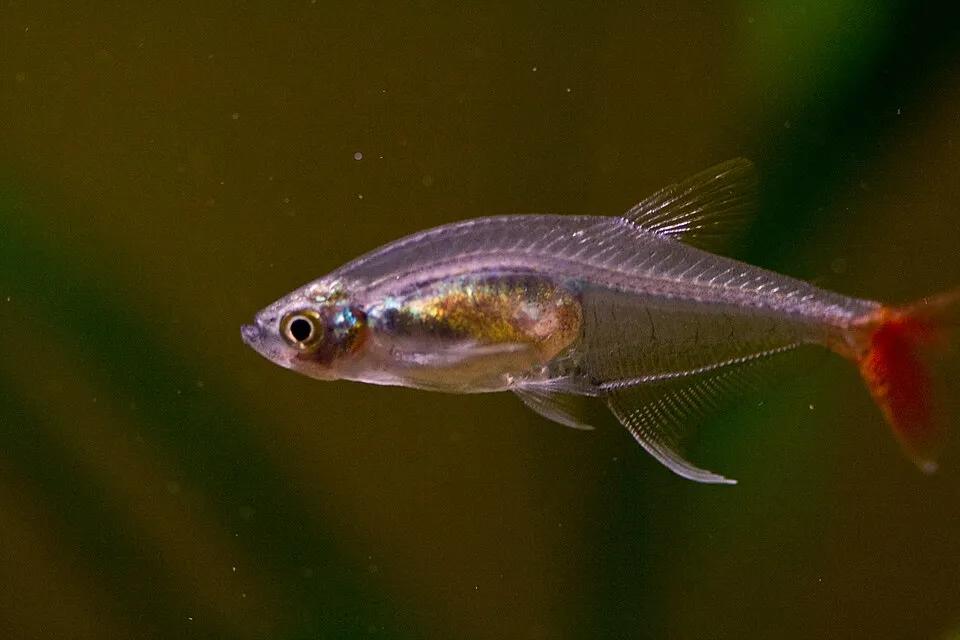
The Paraguay glass tetra is clear enough that you can see the backbone through its side.
Caring for the Paraguay glass tetra
Keep Paraguay glass tetras in a group of at least eight to ten, in 20 gal (75 L) or more. Give them open swimming space, gentle current and some planting at the sides. A darker background makes their clear bodies easier to see. Like their relatives, they are keen jumpers, so a tight-fitting lid is important.
They are subtropical and accept a wide temperature span, 68 to 81°F (20 to 27°C), so they tolerate cooler room temperatures. Keep the pH at 6.0 to 7.5 with soft to moderate hardness, and keep the water clean and well oxygenated. Feed small foods such as fine flake, micro pellets, and frozen or live daphnia, cyclops and brine shrimp.
Paraguay glass tetras are peaceful and swim in the middle and upper water. They mix well with other calm community fish of a similar size, such as tetras, rasboras and corydoras. They are egg scatterers and can be spawned with moderate effort.
Good to know
The Paraguay glass tetra is a characin of the family Characidae and one of just two species in its genus. Its close relative is the familiar glass bloodfin, Prionobrama filigera. It lacks the red pigment in the tail that gives the bloodfin its name. That makes it the plainer, all but colorless member of the pair. It is rarely imported on purpose.
In the wild
The Paraguay glass tetra lives in the Paraguay River basin of subtropical South America. It keeps to open, flowing stretches of streams.
Weekly picks
Tank mates
The Paraguay glass tetra is a peaceful, schooling species that keeps to the middle. These picks share a community profile with it, are safe together in both directions, and overlap on water type, temperature and pH.
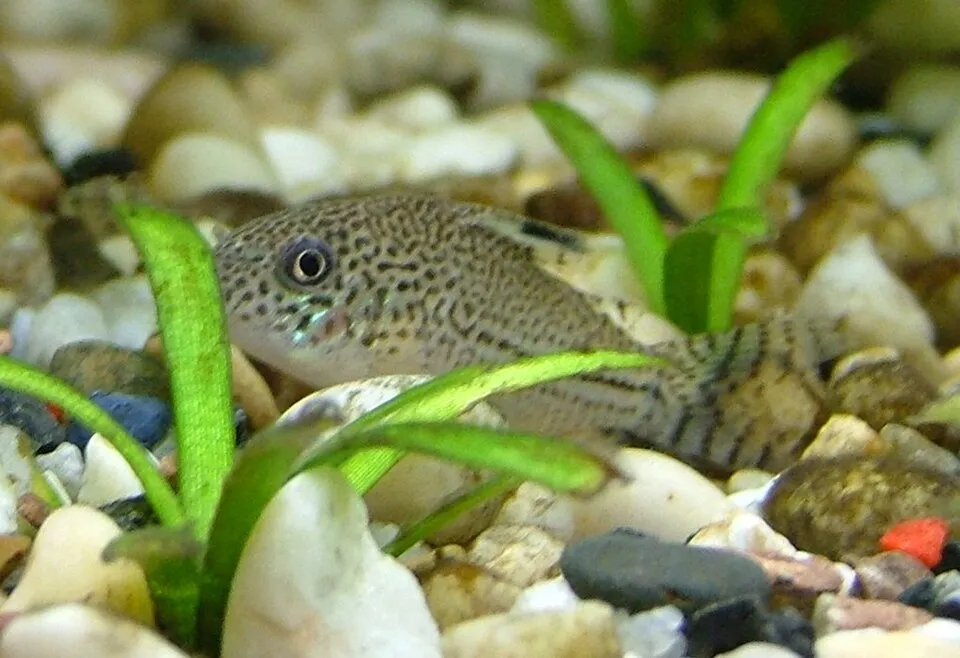
Julii cory
Hoplisoma julii
Freshwater2.2 in (5.5 cm) · 20 gal (75 L)68–79°F (20–26°C)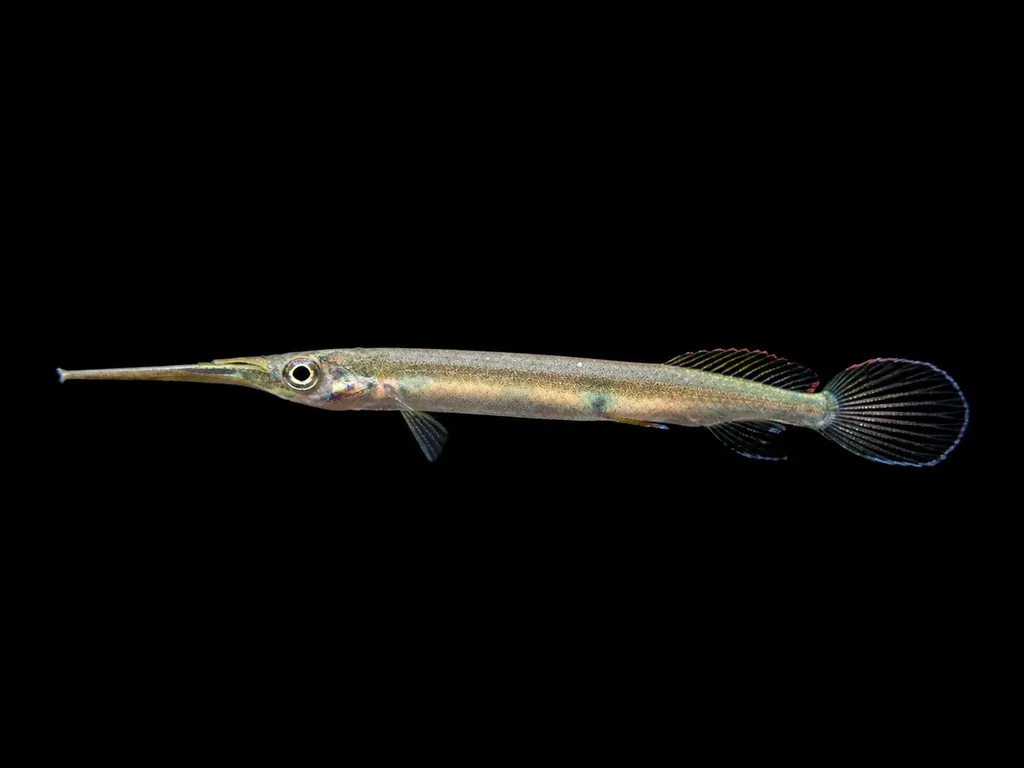
Kuekenthal's halfbeak
Hemirhamphodon kuekenthali
Freshwater3.3 in (8.5 cm) · 20 gal (75 L)73–81°F (23–27°C)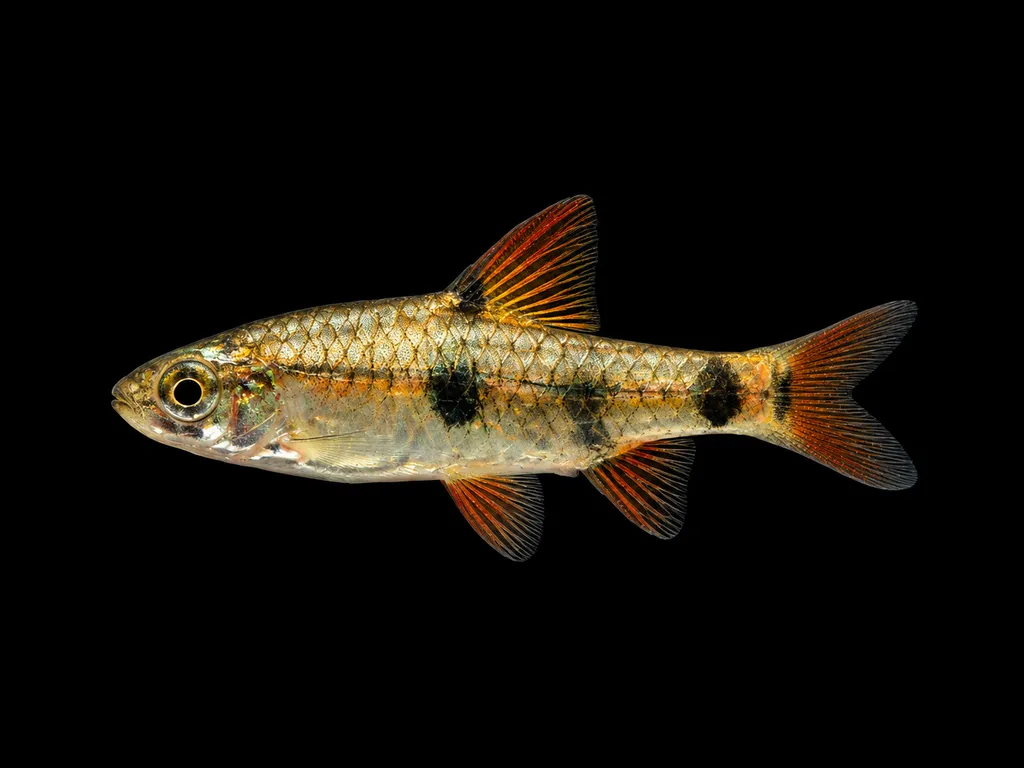
Canius barb
Pethia canius
Freshwater1.6 in (4 cm) · 20 gal (75 L)68–79°F (20–26°C)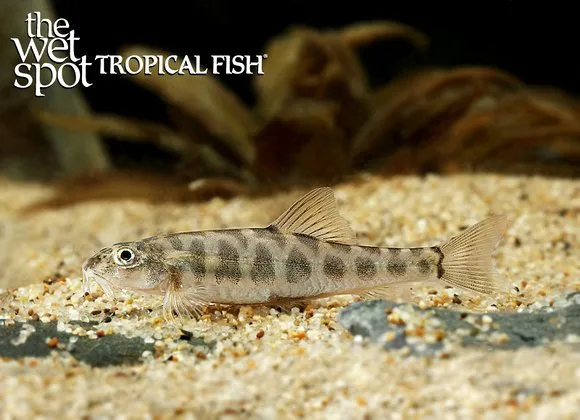
Corica loach
Nemacheilus corica
Freshwater2 in (5 cm) · 20 gal (75 L)68–79°F (20–26°C)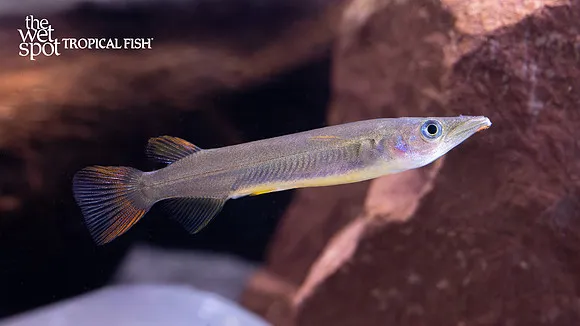
Rex halfbeak
Nomorhamphus rex
Freshwater2.2 in (5.5 cm) · 20 gal (75 L)72–79°F (22–26°C)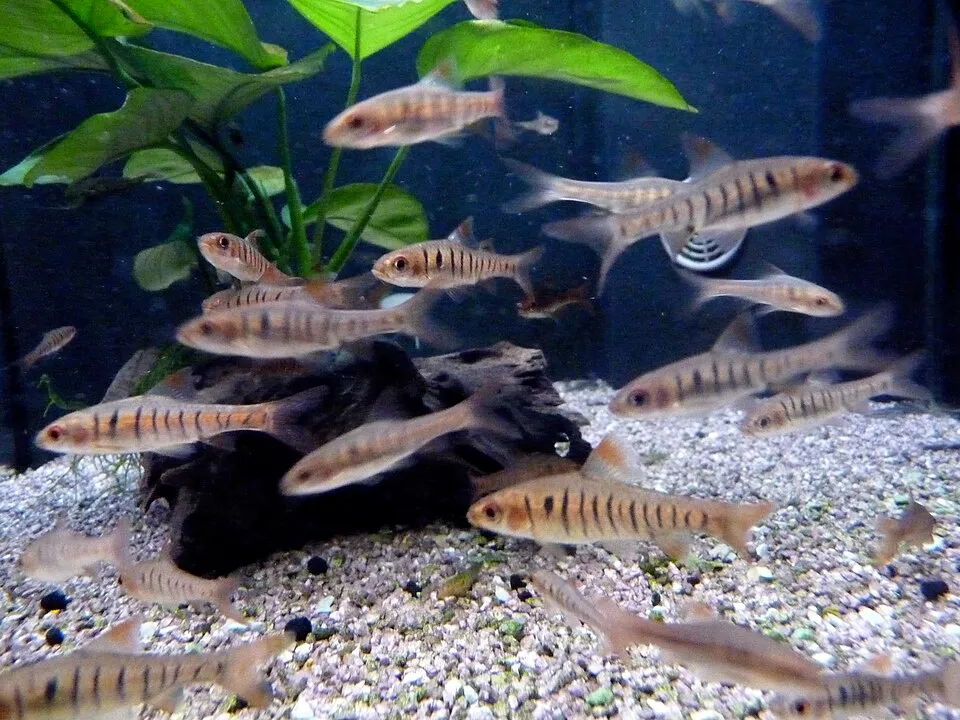
African banded barb
Barbus fasciolatus
Freshwater2.4 in (6 cm) · 20 gal (75 L)68–79°F (20–26°C)
Common questions
What size tank does a Paraguay glass tetra need?
A Paraguay glass tetra needs at least 20 gal (75 L). It spends most of its time in the middle.
What temperature and pH does a Paraguay glass tetra need?
A Paraguay glass tetra is comfortable at 68–81°F (20–27°C) with a pH of 6.0–7.5.
What does a Paraguay glass tetra eat?
A Paraguay glass tetra eats small foods, such as fine flake, micro pellets, and frozen or live daphnia, cyclops and brine shrimp.
How big does a Paraguay glass tetra get?
An adult Paraguay glass tetra reaches about 2.4 in (6 cm).
Does a Paraguay glass tetra need a group?
Yes. A Paraguay glass tetra is a schooling species and should be kept in a group, not singly.
How does a Paraguay glass tetra breed?
Paraguay glass tetras are egg scatterers. They can be spawned with moderate effort.
Related species
 2.4 in (6 cm)20 gal (75 L)73–81°F (23–27°C)
Glass bloodfin tetra
Prionobrama filigera
2.4 in (6 cm) · 20 gal (75 L)
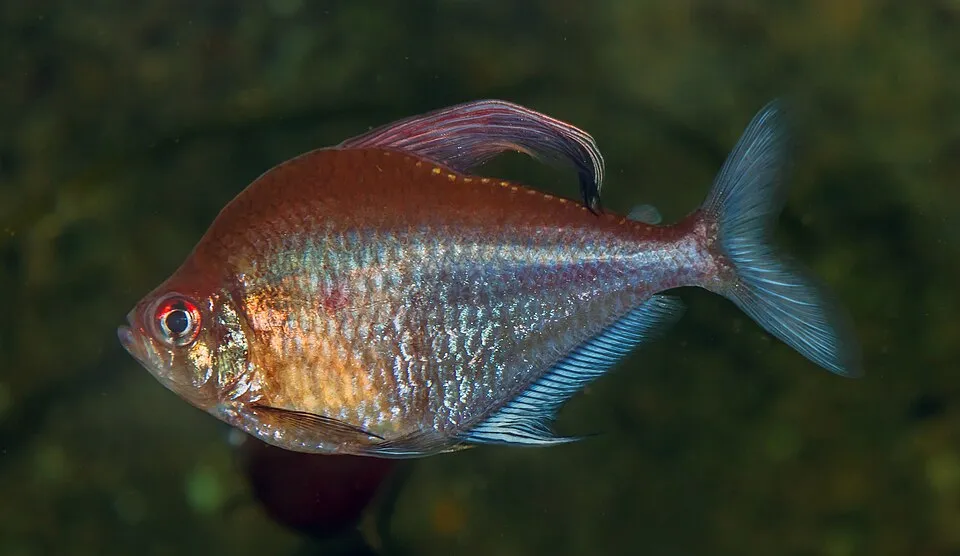 2.4 in (6 cm)20 gal (75 L)70–81°F (21–27°C)
Bleeding heart tetra
Hyphessobrycon erythrostigma
2.4 in (6 cm) · 20 gal (75 L)
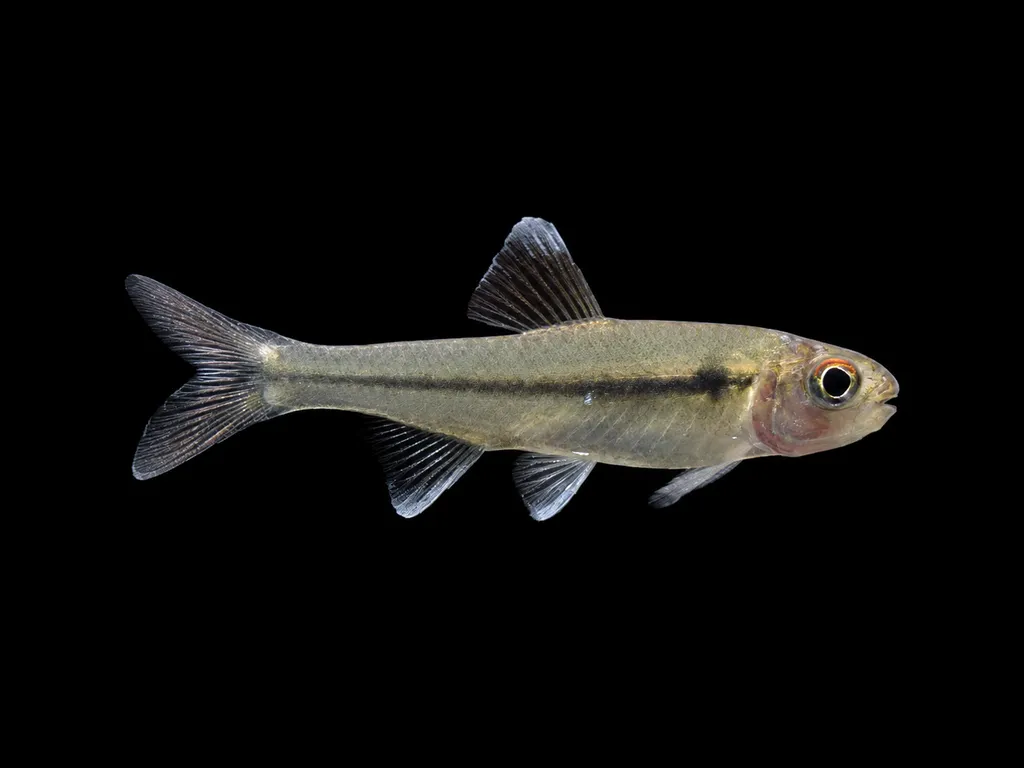 2.4 in (6 cm)20 gal (75 L)72–81°F (22–27°C)
Bluntnose ceratobranchia
Ceratobranchia obtusirostris
2.4 in (6 cm) · 20 gal (75 L)
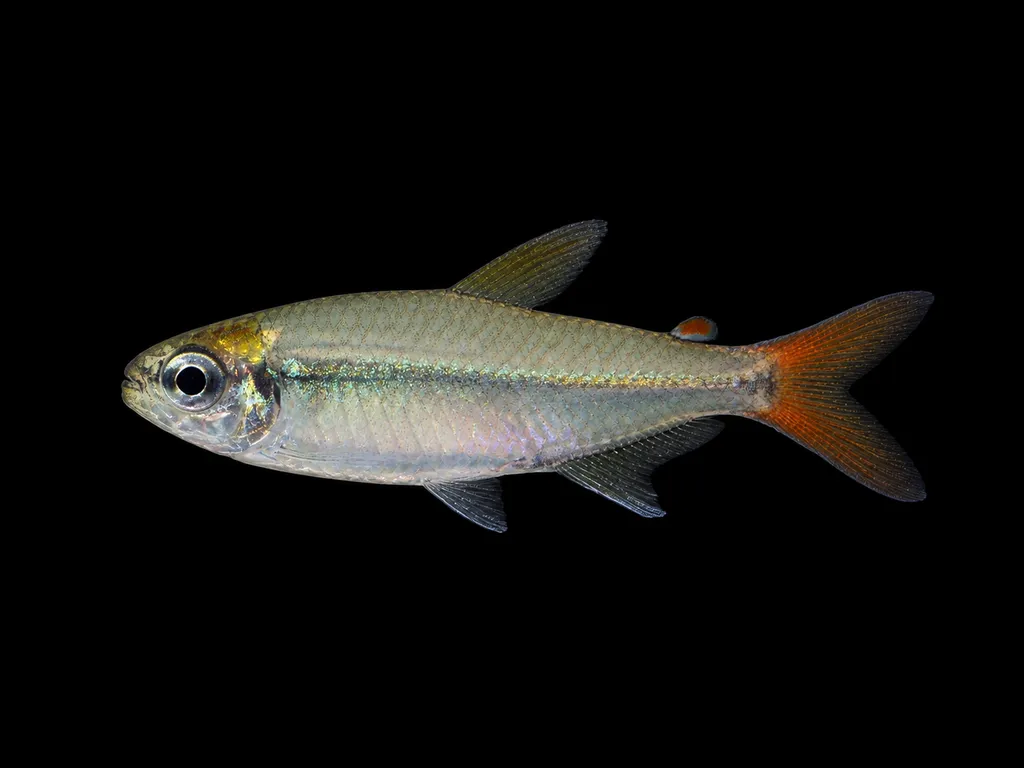 2.4 in (6 cm)20 gal (75 L)73–82°F (23–28°C)
Cope's tetra
Moenkhausia copei
2.4 in (6 cm) · 20 gal (75 L)
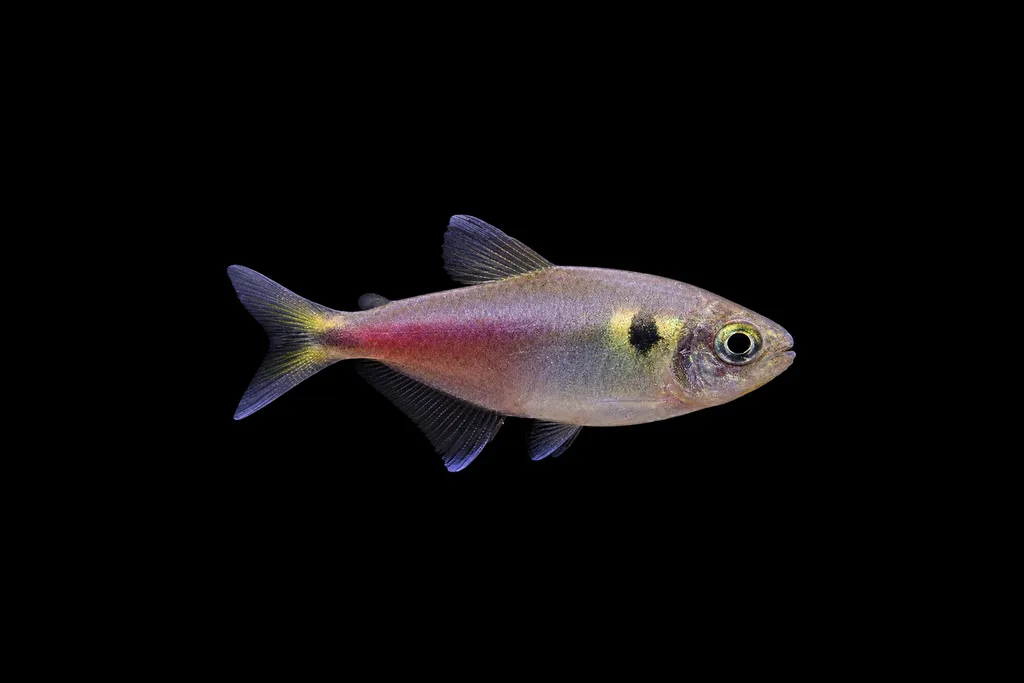 2.4 in (6 cm)21 gal (80 L)72–81°F (22–27°C)
Pastel lily tetra
Psalidodon xavante
2.4 in (6 cm) · 21 gal (80 L)
 2.4 in (6 cm)20 gal (75 L)73–82°F (23–28°C)
Preto tetra
Moenkhausia pretoensis
2.4 in (6 cm) · 20 gal (75 L)