African banded barb
Barbus fasciolatus
Also known as Fire Barb
FreshwaterFish
Care at a glance
- Temperature
- 68–79°F
- 20–26°C
- pH
- 5.0–6.5
- Adult size
- 2.4 in
- 6 cm
- Minimum tank
- 20 gal
- 75 L
- Temperament
- Peaceful
- Social behavior
- Schooling
- Swim level
- Middle
- Difficulty
- Easy
- Breeding
- Hard
- Rarity
- Rare
- Family
- Cyprinidae
- Origin
- Africa
Overview
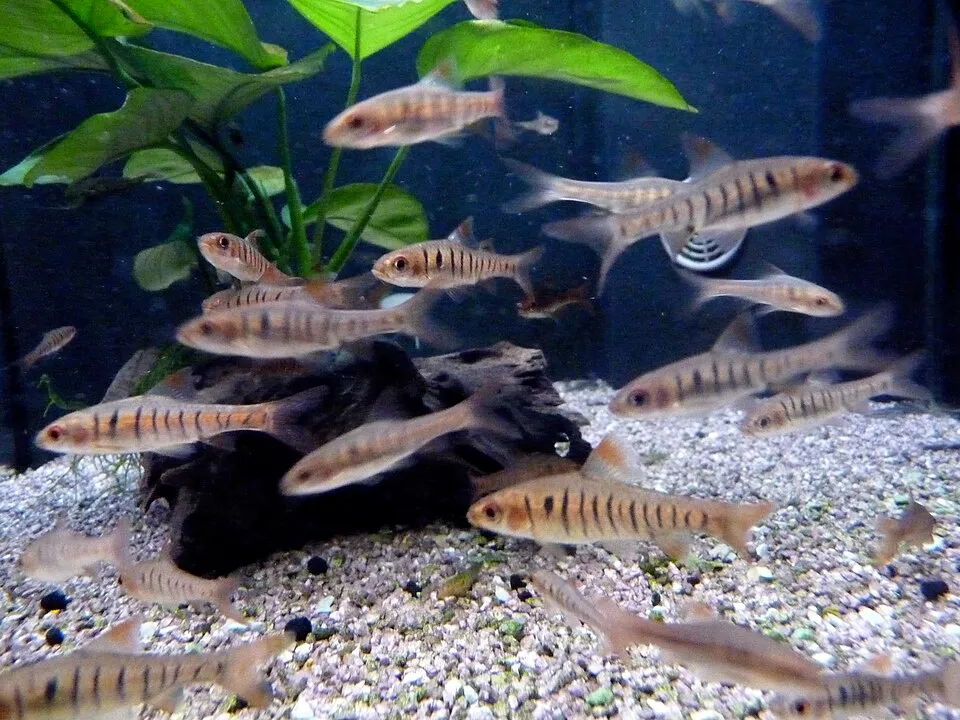
Keep them in a school of at least six so they feel secure and color up properly. They are peaceful and active, spending most of their time in the middle of the tank. They get along with other calm community fish of similar size. Feed a varied diet of flakes or micro pellets with regular frozen or live food like bloodworms and brine shrimp. A tank around 75 liters gives them room to swim.
In the wild
The African banded barb lives in warm, well-planted streams and rivers in Africa. These are quiet waters with soft, acidic conditions, plenty of plants, and leaf litter on the bottom. A planted tank with some open swimming space and soft, slightly acidic water suits it. Keep the temperature in the low to mid 20s C.
Good to know
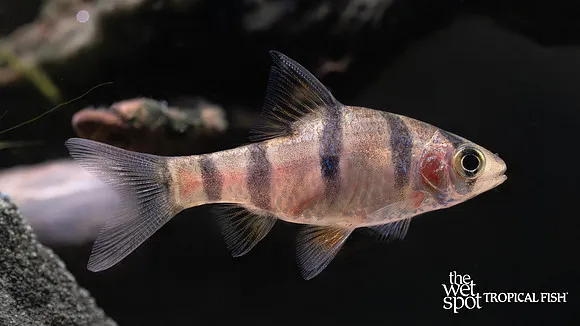
This barb belongs to Cyprinidae, the carp and minnow family. Adults reach about 6 cm, with dark vertical bars over a golden body. Males color up more strongly than females, especially when in good condition. They are egg scatterers with no parental care, and breeding them in the home tank is difficult.
Did you know
Males display hardest when they have rivals nearby, sparring with flared fins but rarely doing any real damage. Keeping a slightly larger group actually spreads this behavior out and brings out better color across the whole school.
Weekly picks
Tank mates
African banded barb is a peaceful, schooling species that keeps to the middle. These picks share a community profile with it, are safe together in both directions, and overlap on water type, temperature and pH.
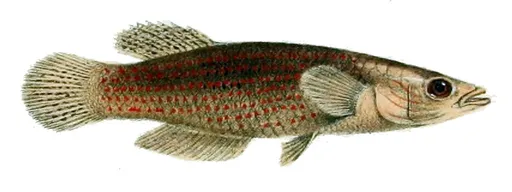
Playfair's panchax
Pachypanchax playfairii
Freshwater3.9 in (10 cm) · 20 gal (75 L)72–77°F (22–25°C)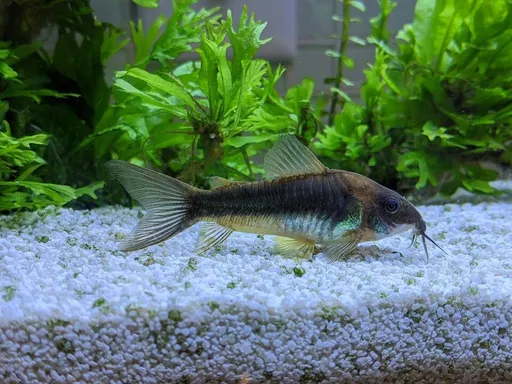
Venezuelan orange cory
Osteogaster aenea
Freshwater2.4 in (6 cm) · 20 gal (75 L)68–79°F (20–26°C)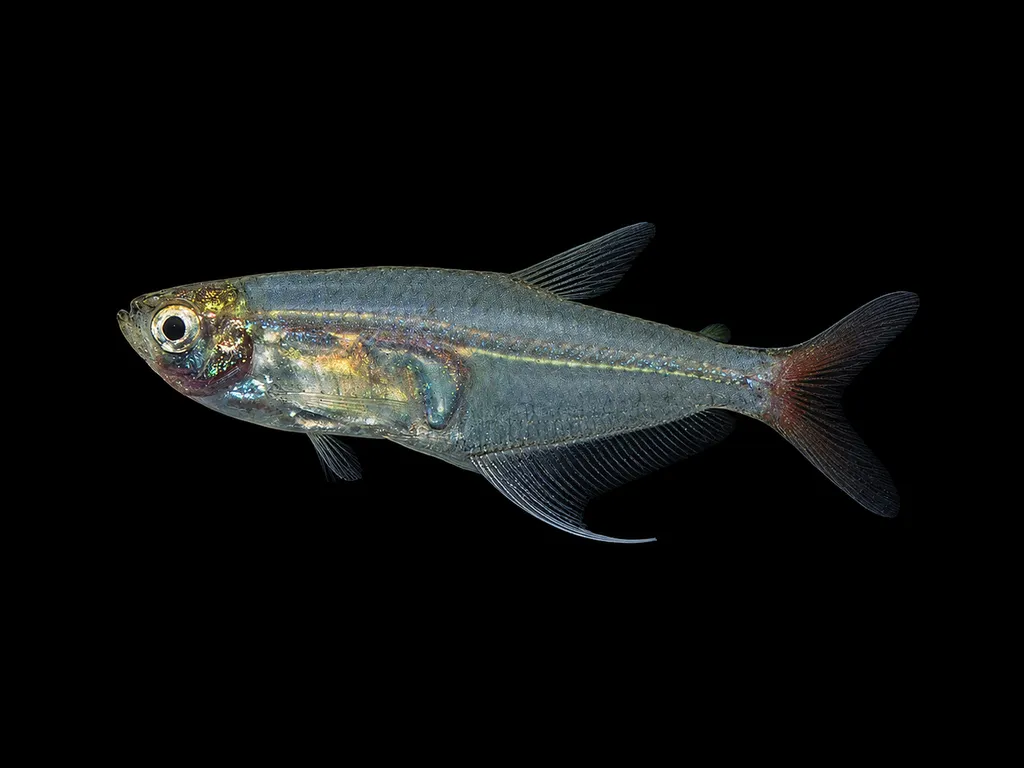
Paraguay glass tetra
Prionobrama paraguayensis
Freshwater2.4 in (6 cm) · 20 gal (75 L)68–81°F (20–27°C)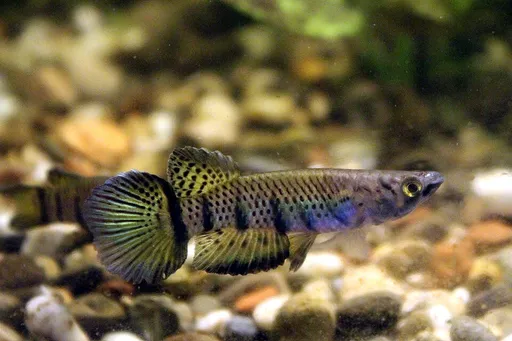
Six-barred panchax
Epiplatys sexfasciatus
Freshwater3.9 in (10 cm) · 20 gal (75 L)72–81°F (22–27°C)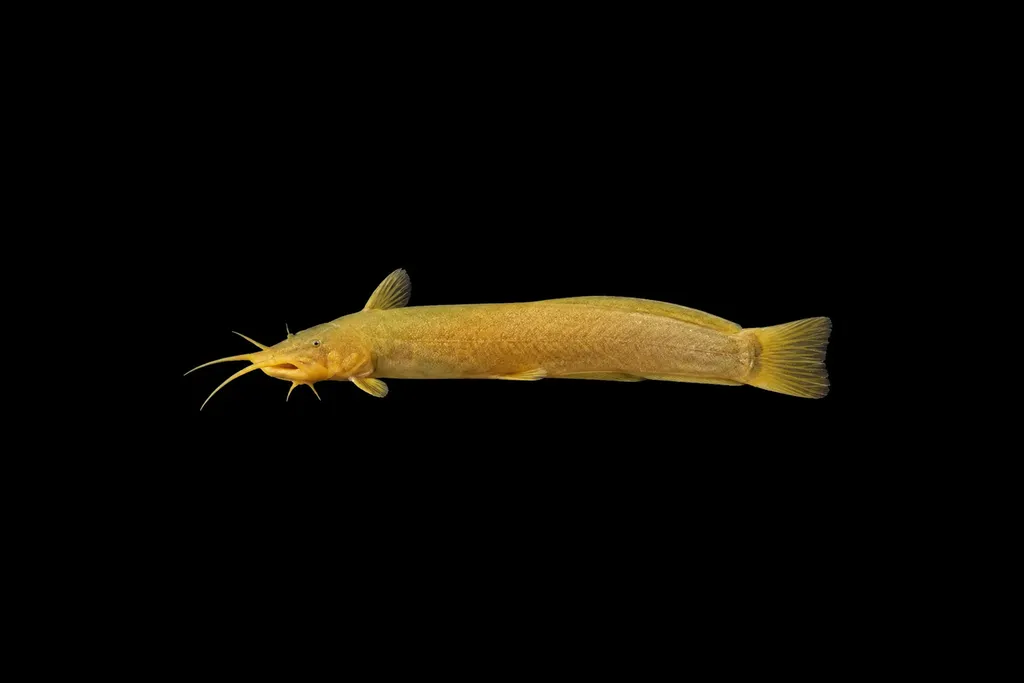
Yellow wax catfish
Amblyceps cerinum
Freshwater4.3 in (11 cm) · 20 gal (75 L)68–77°F (20–25°C)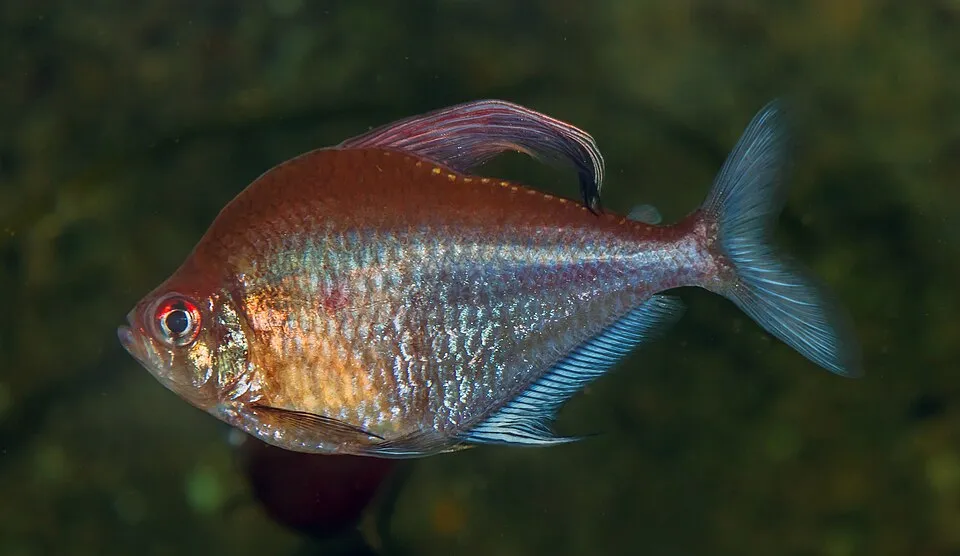
Bleeding heart tetra
Hyphessobrycon erythrostigma
Freshwater2.4 in (6 cm) · 20 gal (75 L)70–81°F (21–27°C)
Common questions
What size tank does an African banded barb need?
An African banded barb needs at least 20 gal (75 L). It spends most of its time in the middle.
What temperature and pH does an African banded barb need?
An African banded barb is comfortable at 68–79°F (20–26°C) with a pH of 5.0–6.5.
How big does an African banded barb get?
An adult African banded barb reaches about 2.4 in (6 cm).
Does an African banded barb need a group?
Yes. An African banded barb is a schooling species and should be kept in a group, not singly.
Related species
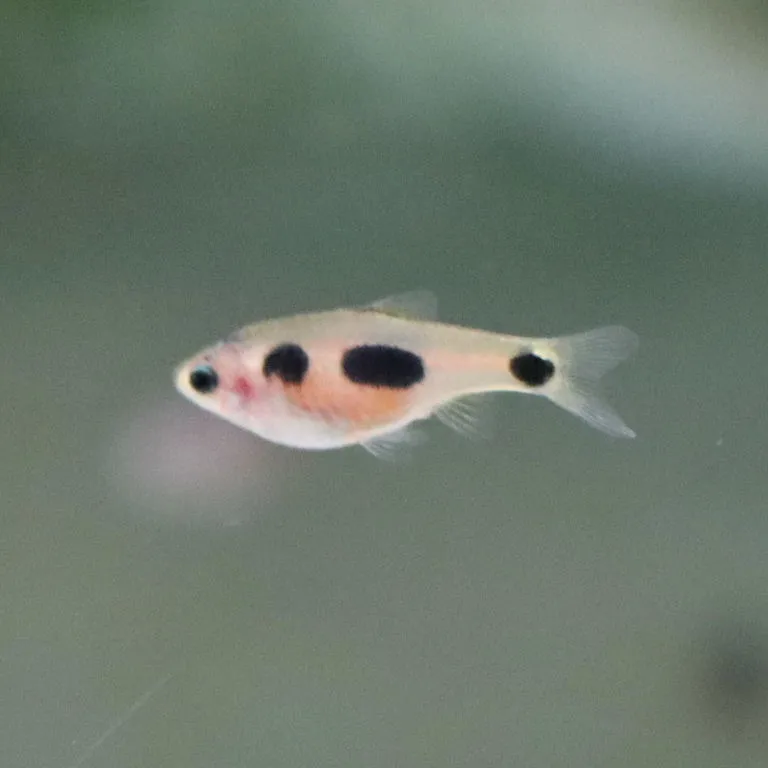 1.4 in (3.5 cm)11 gal (40 L)63–75°F (17–24°C)
African butterfly barb
Barbus hulstaerti
1.4 in (3.5 cm) · 11 gal (40 L)
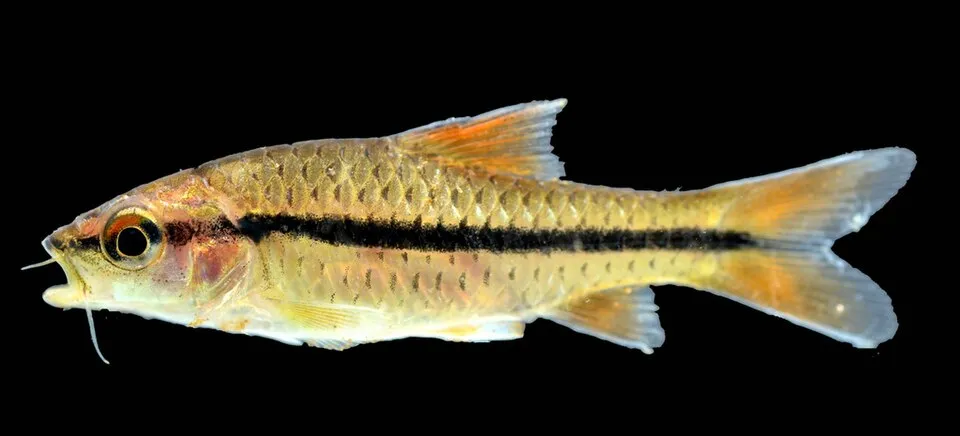 4.7 in (12 cm)32 gal (120 L)75–86°F (24–30°C)
Spotscale barb
Barbus holotaenia
4.7 in (12 cm) · 32 gal (120 L)
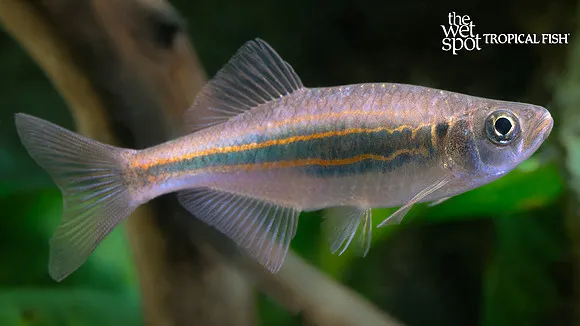 2.4 in (6 cm)16 gal (60 L)68–79°F (20–26°C)
Brittan's rasbora
Kottelatia brittani
2.4 in (6 cm) · 16 gal (60 L)
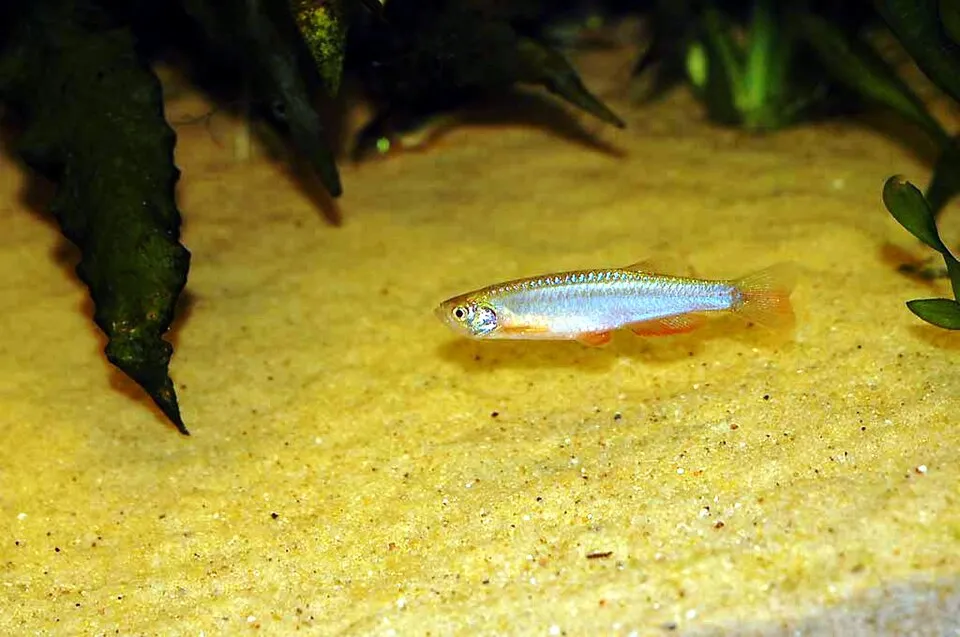 2.4 in (6 cm)18 gal (70 L)61–77°F (16–25°C)
Pearl danio
Danio albolineatus
2.4 in (6 cm) · 18 gal (70 L)
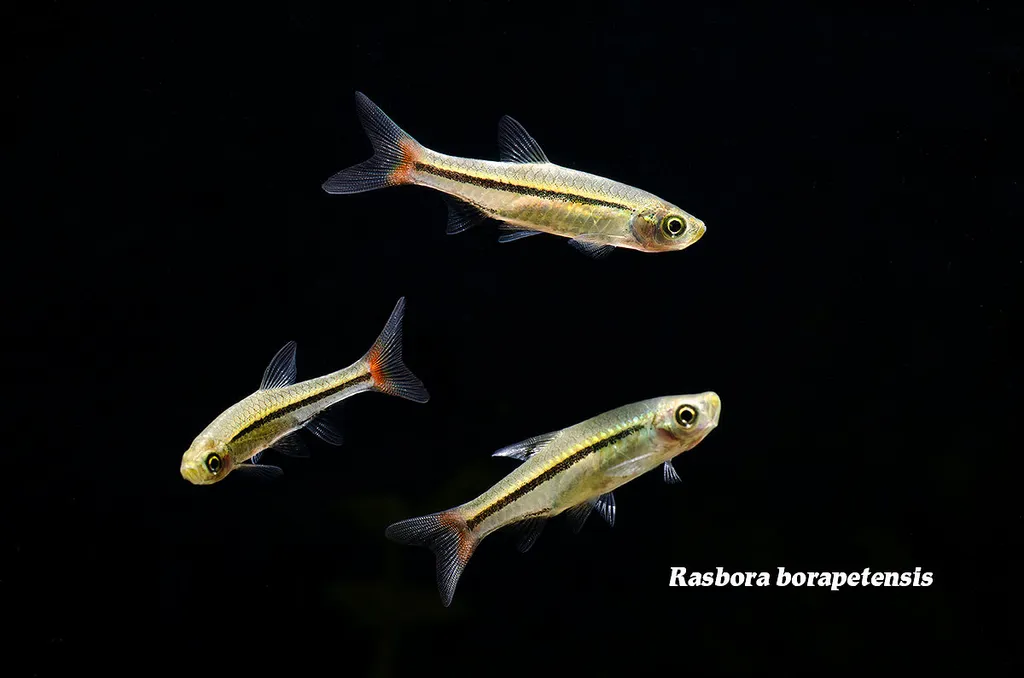 2.4 in (6 cm)18 gal (70 L)72–79°F (22–26°C)
Red-tailed rasbora
Rasbora borapetensis
2.4 in (6 cm) · 18 gal (70 L)
 2.4 in (6 cm)24 gal (90 L)73–82°F (23–28°C)
Six-banded barb
Desmopuntius hexazona
2.4 in (6 cm) · 24 gal (90 L)